

December 17, 2024
Pharmaceutical warehousing and transportation are the backbone of the healthcare supply chain, ensuring medicines remain effective and reach patients safely. Independent pharmacy distributors, distributor pharmacies, and pharmacy wholesale distributors in Malaysia play a pivotal role in maintaining the integrity of pharmaceutical products throughout the supply chain. With strict regulations and increasing demands for efficiency, implementing best practices for warehousing and transportation is critical. This article explores key standards and practical strategies to ensure safe, efficient, and compliant pharmaceutical logistics in Malaysia.
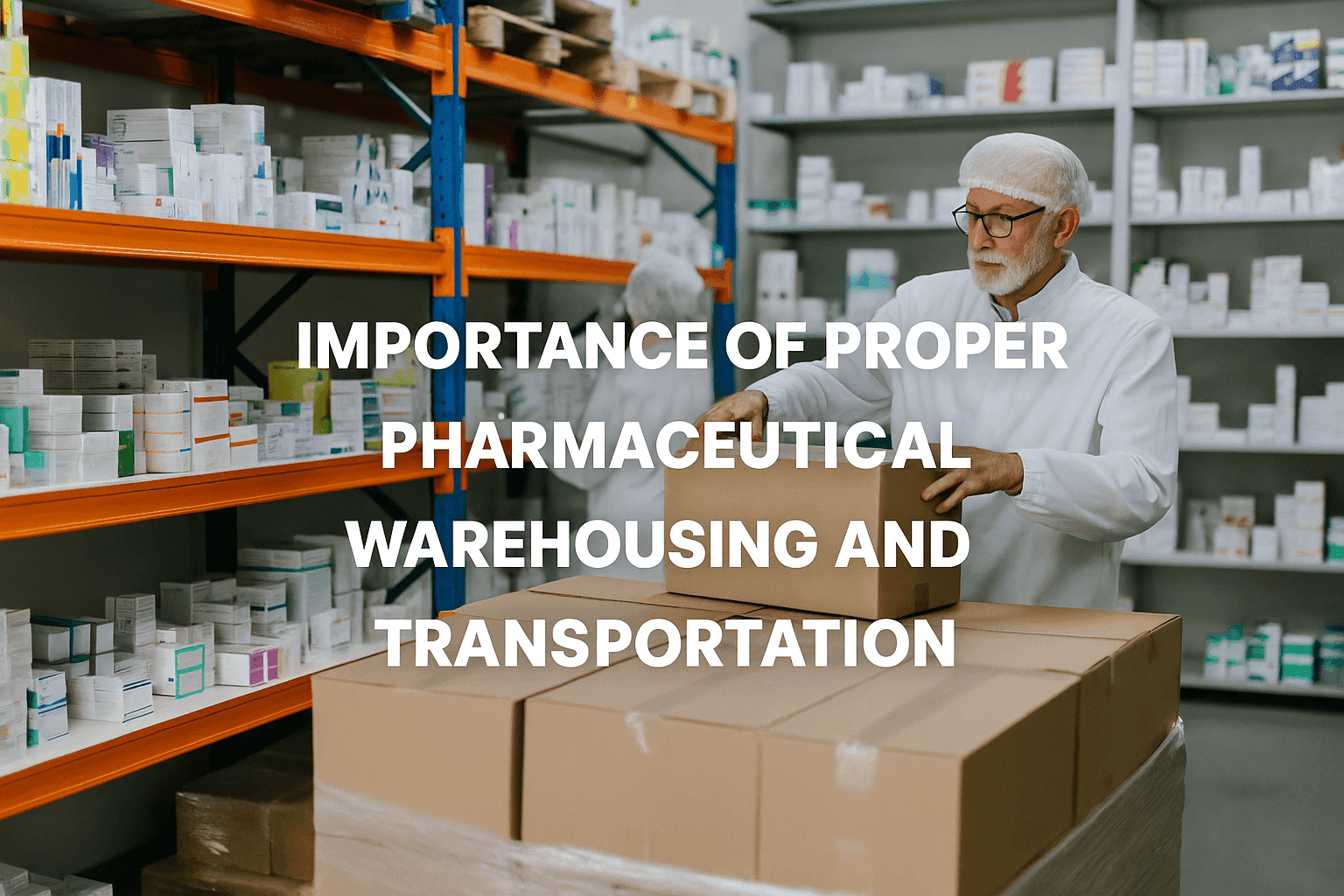
The pharmaceutical supply chain requires exceptional precision and care. Medicines, especially temperature-sensitive drugs, are prone to damage if stored or transported improperly. Here’s why safety, efficiency, and compliance are critical in pharmaceutical logistics:
Ensuring Medicine Efficacy: Improper storage can compromise the quality and efficacy of medicines. Factors such as extreme temperatures, humidity, and poor handling can degrade pharmaceutical products.
Protecting Patient Safety: Patients rely on distributors and wholesalers for timely and safe medicine delivery. Any delay or quality failure can risk their health.
Financial Consequences: Damaged medicines lead to financial losses for independent pharmacy distributors and wholesale pharmacies.
Regulatory Compliance: Non-compliance with Malaysian Good Distribution Practices (GDP) or other international standards can result in penalties or loss of licenses.
Without proper warehousing and transportation practices, pharmaceutical distributors face increased risks, including product recalls and reputational damage.
To ensure medicine integrity, pharmaceutical warehouses must follow stringent standards. Here are the essential components:
Temperature-sensitive medicines, such as vaccines and biologics, require strict cold chain management. Warehouses must:
Maintain controlled storage conditions, typically between 2°C to 8°C for cold storage and below -20°C for frozen products.
Use temperature monitoring systems to track and document temperature levels in real-time.
Invest in backup power systems to prevent temperature fluctuations during power outages.
Pharmacy wholesale distributors in Malaysia must prioritize cold chain logistics to ensure product efficacy.
Effective inventory management ensures medicines are stored, tracked, and dispatched accurately. Best practices include:
Using automated inventory systems to maintain real-time stock visibility.
Implementing FIFO (First-In-First-Out) or FEFO (First-Expired-First-Out) methods to minimize waste.
Ensuring accurate labeling and barcode scanning to improve traceability.
Independent pharmacy distributors benefit greatly from automated systems that prevent overstocking or stockouts.
An optimized storage layout enhances operational efficiency while maintaining medicine integrity. Key considerations include:
Segregating medicines by type, temperature requirements, and expiry dates.
Using modular shelving and temperature-zoned areas for flexibility.
Ensuring proper air circulation to maintain consistent conditions.
Warehouses must implement quality checks to meet regulatory standards:
Conduct regular inspections and audits to ensure compliance with Good Distribution Practices (GDP).
Use pharmaceutical-grade storage equipment, such as validated refrigerators and freezers.
Train staff to handle medicines carefully and follow safety protocols.
These standards help ensure pharmaceutical products maintain their quality throughout the warehousing phase.
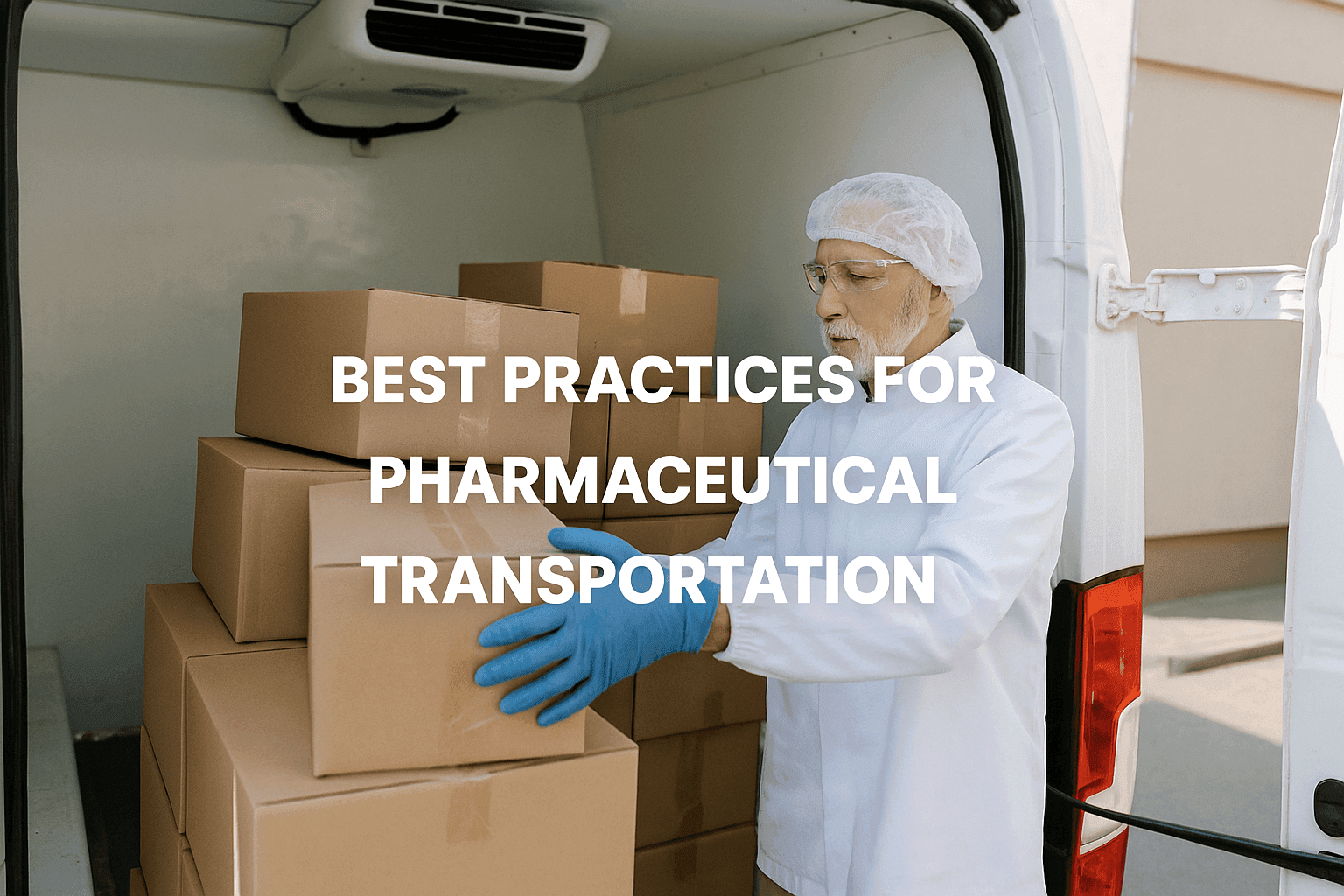
Transportation is a critical phase in the pharmaceutical supply chain. Ensuring medicines reach their destination in optimal condition requires adherence to the following best practices:
Maintaining temperature control during transit is essential for temperature-sensitive medicines. Distributors should:
Use insulated packaging, refrigerated trucks, and temperature-controlled containers.
Implement data loggers and GPS-enabled sensors to monitor temperature and location in real-time.
Train transportation staff to handle medicines according to cold chain protocols.
Pharmaceutical products are sensitive to environmental and physical damage. Secure packaging minimizes risks by:
Using robust, tamper-evident, and waterproof materials.
Labeling packages with handling instructions, such as “Handle with Care” and “Keep Refrigerated.”
Ensuring shock absorption for fragile medicines during transit.
Delays in medicine delivery can compromise patient health and product quality. To optimize deliveries:
Use route optimization software to plan efficient delivery schedules.
Partner with reliable logistics providers to guarantee on-time transportation.
Monitor transit times and address delays proactively.
Malaysia’s Ministry of Health (MoH) enforces strict pharmaceutical distribution guidelines. Best practices include:
Adhering to the GDP standards for transportation and storage.
Maintaining accurate records of transit conditions and product handling.
Ensuring vehicles used for pharmaceutical transport meet regulatory requirements.
By implementing these practices, distributor pharmacies can ensure medicines reach patients in pristine condition.

Technology plays a vital role in enhancing the efficiency and safety of pharmaceutical warehousing and transportation. Here’s how:
Use of Warehouse Management Systems (WMS) to automate inventory tracking and reduce manual errors.
Real-time temperature monitoring sensors to detect fluctuations and prevent product spoilage.
GPS-enabled fleet management systems provide real-time location updates and improve delivery accuracy.
Predictive analytics tools help optimize delivery routes and reduce transit times.
Digital platforms streamline regulatory compliance by automating documentation processes.
Cloud-based reporting tools allow easy access to data, enhancing transparency and accountability.
Pharmacy wholesale distributors in Malaysia can leverage these technologies to optimize operations and ensure compliance.
Despite advancements in pharmaceutical logistics, distributors face significant challenges in Malaysia:
Malaysia’s hot and humid climate poses challenges for cold chain logistics. Maintaining temperature control during storage and transit requires continuous monitoring and advanced cooling systems.
Pharmaceutical distributors must comply with stringent Malaysian GDP and international regulations. Keeping up with evolving guidelines can be resource-intensive.
Delivering medicines to remote regions often involves logistical challenges, such as poor infrastructure.
Urban areas face traffic congestion, leading to delays in medicine delivery.
Addressing these challenges requires innovative solutions and strategic planning.
To mitigate the challenges faced in pharmaceutical logistics, independent pharmacy distributors and wholesale pharmacies can adopt the following solutions:
Install smart temperature monitoring devices to manage cold chain logistics effectively.
Use warehouse automation and robotics to streamline inventory management and improve accuracy.
Collaborate with logistics providers who specialize in pharmaceutical transportation and cold chain management.
Choose partners with a proven track record of delivering medicines safely and efficiently.
Conduct training programs on Good Distribution Practices (GDP) and proper medicine handling protocols.
Educate staff on using temperature monitoring systems and secure packaging techniques.
By implementing these solutions, pharmaceutical distributors can enhance operational efficiency and ensure medicine quality.
Proper pharmaceutical warehousing and transportation are essential for maintaining the quality, safety, and efficacy of medicines. Independent pharmacy distributors, pharmacy wholesale distributors, and distributor pharmacies in Malaysia play a crucial role in ensuring patients receive high-quality medicines promptly and reliably. By adhering to key standards, leveraging technology, and addressing logistical challenges, distributors can optimize operations while complying with regulatory requirements.
To safeguard medicine integrity and improve patient outcomes, it’s essential for pharmaceutical stakeholders to adopt these best practices. Investing in advanced systems and prioritizing compliance will not only benefit businesses but also support the broader healthcare ecosystem.
Q1: Why is proper pharmaceutical warehousing important in Malaysia?
Answer: Proper pharmaceutical warehousing ensures medicines are stored under optimal conditions to maintain their quality, efficacy, and safety. It helps prevent degradation caused by Malaysia’s tropical climate and ensures compliance with Good Distribution Practices (GDP).
Q2: What temperature range must pharmaceutical warehouses maintain?
Answer: Most pharmaceutical warehouses must keep cold storage between 2°C to 8°C for temperature-sensitive medicines and below -20°C for frozen products. Real-time temperature monitoring systems are required to ensure consistent conditions.
Q3: How does transportation affect medicine quality?
Answer: Transportation impacts medicine quality through temperature fluctuations, delays, and physical damage. Proper cold chain management, secure packaging, and real-time tracking help preserve product integrity during transit.
Q4: What are Good Distribution Practices (GDP)?
Answer: GDP refers to the Malaysian Ministry of Health’s regulatory framework ensuring pharmaceutical products are consistently stored, transported, and handled to maintain their quality from manufacturer to end user.
Q5: What technologies are used in pharmaceutical logistics?
Answer: Technologies such as Warehouse Management Systems (WMS), GPS fleet tracking, IoT temperature sensors, and digital documentation platforms improve accuracy, transparency, and regulatory compliance.
Q6: What are the biggest challenges faced by pharmacy distributors in Malaysia?
Answer: Major challenges include maintaining cold chain stability in hot climates, managing regulatory compliance, ensuring timely deliveries in traffic-congested cities, and reaching remote areas with limited infrastructure.
Q7: How can distributors ensure compliance with GDP standards?
Answer: Distributors can ensure compliance by conducting regular audits, training staff on handling procedures, maintaining accurate records, and using validated equipment for storage and transport.
Q8: Why is cold chain logistics vital for pharmaceutical products?
Answer: Cold chain logistics is crucial for temperature-sensitive products like vaccines and biologics. It ensures these medicines remain effective and safe for patients by preventing exposure to damaging heat or humidity.
Q9: How do inventory management systems benefit pharmaceutical warehouses?
Answer: Automated inventory systems help track stock levels in real time, reduce manual errors, enable FIFO/FEFO management, and improve operational efficiency for pharmacy distributors.
Q10: What strategies can help improve pharmaceutical logistics efficiency?
Answer: Key strategies include investing in smart warehouse technology, partnering with specialized logistics providers, implementing route optimization tools, and offering regular staff training to maintain high operational standards.
By implementing these practices, pharmacy distributors can build a reliable and efficient supply chain, ensuring patients receive safe and high-quality medicines every time. Contact us today to learn more about optimizing your pharmaceutical supply chain or reach out for tailored solutions in pharmaceutical logistics!