

May 20, 2025
In Malaysia’s dynamic healthcare retail landscape, the difference between a glanced-over shelf and one that converts browsers into buyers lies in understanding subtle human decisions. Why do customers pause at specific product displays while walking past others? The answer isn’t just about stock availability—it’s about decoding the cultural, psychological, and practical factors shaping modern Malaysian shopping habits. For pharmacy distributors, both independent operators and nationwide wholesalers, this shift means evolving from mere suppliers to strategic partners capable of crafting shelf layouts that mirror local buyer psychology.
Today’s pharmacies serve diverse needs, from routine health maintenance to urgent medical requirements. Consider the contrast: a parent restocking baby care essentials versus a professional grabbing allergy relief during lunch. Each shopper type follows distinct decision-making patterns influenced by urgency, brand loyalty, or cultural preferences. For distributor pharmacies, success now hinges on leveraging these behavioral insights to advise retailers on everything from product grouping to promotional placements. It’s no longer sufficient to deliver goods; the real value lies in helping pharmacies curate shelves that feel intuitively aligned with customer expectations.
The secret weapon? Data with context. While sales figures reveal what’s popular, understanding why certain items thrive requires digging deeper. Malaysia’s multicultural demographics add layers of complexity—a Malay family might prioritize herbal remedies during Ramadan, while urban millennials seek quick-fix wellness supplements. Forward-thinking pharmacy wholesale distributor Malaysia networks now analyze regional purchasing trends, seasonal demand shifts, and even in-store traffic flow. By pairing this data with cultural awareness, distributors can recommend localized strategies, like placing pediatric vitamins at eye level for parents or creating grab-and-go zones near checkout counters.
Ultimately, this synergy between analytics and human behavior transforms static shelves into dynamic sales drivers. When distributor pharmacies empower retailers to anticipate needs rather than just react to them, everyone wins: Shoppers find solutions faster, pharmacies boost basket sizes, and distributors cement their role as indispensable market partners. In an industry where margins tighten daily, mastering these nuances isn’t just smart—it’s survival.

Malaysia’s pharmacy ecosystem thrives on a dynamic blend of independent retailers, franchise chains, and hospital-linked outlets, each adopting distinct strategies to optimize product visibility. This diversity creates a competitive yet collaborative environment where consumer preferences and regulatory frameworks heavily influence shelf layouts and inventory decisions.
Independent pharmacies, often community-focused, prioritize agility in their merchandising tactics. By partnering with local pharmacy distribution networks, these smaller operators thrive on hyper-local insights. For instance, distributors serving independent outlets analyze neighborhood demographics to recommend inventory adjustments—whether stocking traditional remedies in culturally dense areas or prioritizing allergy medications during monsoon seasons. This flexibility allows independents to cater to niche demands while maintaining rapid stock turnover.
Meanwhile, national pharmacy chains leverage centralized procurement systems to ensure consistency across locations. Standardized planograms historically dominated their layouts, but evolving consumer expectations are driving a shift toward localized strategies. Major chains now collaborate with regional pharmacy wholesale distributors to refine selections—think vitamin brands popular in urban centers versus herbal products favored in suburban markets. This hybrid approach balances corporate efficiency with neighborhood relevance, particularly in high-growth categories like organic supplements or pediatric care.
Hospital-affiliated pharmacies, though less numerous, occupy a specialized niche. Their product mixes emphasize clinical-grade items and prescription medications, often displayed alongside educational materials. Strict regulatory oversight limits promotional creativity here, but strategic partnerships with healthcare providers enable curated cross-selling opportunities.
While Malaysia’s pharmacy distribution framework appears fragmented, this very complexity unlocks untapped potential. Brands that invest in granular consumer behavior analysis—tracking regional health trends or cultural purchasing habits—gain an edge in tailoring product assortments. As channels blur between corporate standardization and community customization, adaptability remains the cornerstone of effective pharmacy merchandising. After all, in a market this diverse, success hinges not just on what you sell, but where and how you position it.
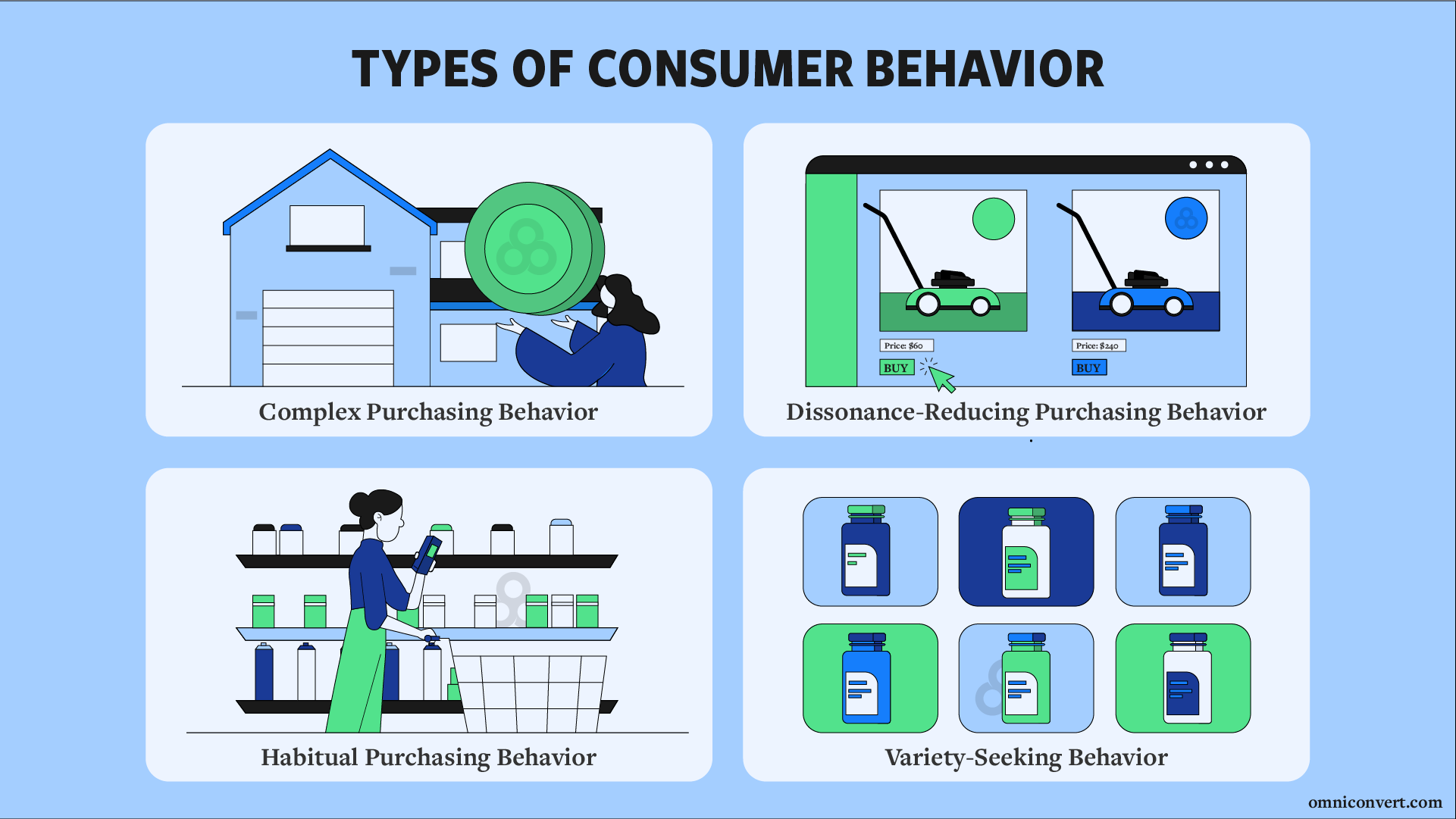
What truly drives purchasing decisions when Malaysians step into local pharmacies? Behind every shelf arrangement and product placement lies a complex interplay of regional habits, timing preferences, and cultural nuances. By analyzing shopper psychology, retailers can craft strategies that align with unspoken consumer demands—boosting both satisfaction and sales.
Urban versus rural dynamics paint distinct portraits. Metropolitan hubs see customers drawn to premium skincare serums, vitamin-rich supplements, and branded wellness items—reflecting a blend of health consciousness and aspirational lifestyles. Meanwhile, smaller towns often prioritize budget-friendly generics, bulk-buy family packs, and practical remedies, highlighting cost efficiency as a core motivator.
Timing Tells All
Early birds frequently arrive for prescription refills or chronic condition management, aligning with medical center hours. Post-work crowds lean toward preventive care: collagen boosters, stress-relief teas, and fitness supplements dominate evening baskets.
Seasons Shape Demand
Monsoon months trigger spikes in flu remedies and joint pain relievers, while the annual haze season (June–October) sees air purifiers and antihistamines flying off shelves. Smart stock rotation aligned with weather patterns prevents missed opportunities.
Trust Builds Routine
Repeat shoppers develop almost ritualistic brand attachments—think loyalists hunting specific vitamin brands or herbal ointments. Consistent product placement and visible loyalty rewards amplify this stickiness.
Checkout Charm
Small indulgences thrive near cash registers: travel-sized sanitizers, breath mints, and pocket tissues convert 43% more impulse buys compared to aisle displays, per retail studies.
Data-driven adjustments create win-win scenarios. If weekend analytics reveal female-dominated foot traffic, entrance-facing displays of curated skincare routines (cleansers + toners + masks) can spark bundled purchases. Pharmacies that track purchasing spikes for allergy meds might noticed parents often grab children’s vitamins simultaneously—prompting strategic co-merchandising.
Ultimately, success hinges on mirroring community rhythms. Whether catering to KL’s fast-paced urbanites or Perak’s practical households, blending localized knowledge with behavioral analytics transforms random shopping trips into tailored healthcare experiences. Missed connections happen when retailers overlook subtle cues—like cultural preferences for herbal alternatives or Ramadan-driven demand for family wellness kits. By staying observant and adaptable, pharmacies position themselves not just as retailers, but as trusted health partners.
Learn more : Key Trends Shaping Pharmacy Merchandising Services in Malaysia | Adaptive Behavioral AI: Reinforcement Learning to Enhance Pharmacy Services | Artificial Intelligence in Pharmacy

As Malaysia’s retail pharmacy sector grows increasingly competitive, forward-thinking businesses are leveraging advanced analytics to craft smarter shelf layouts. Gone are the days of guesswork—modern pharmacies now blend point-of-sale (POS) analytics, customer behavior studies, and in-store movement tracking to optimize product placement. These tools, often integrated into partnerships with third-party pharmacy logistics providers, empower retailers to align inventory with shopper preferences while maximizing revenue opportunities.
By combining foot traffic analytics with purchase pattern data, three innovative approaches are reshaping store layouts:
1. Behavioral Heat Mapping
Analyzing shopper pathways reveals high-traffic “engagement zones” where customers naturally linger. Placing high-demand items like pain relievers or skincare essentials in these hotspots capitalizes on spontaneous purchases. One Johor Bahru outlet boosted cough syrup sales by 18% simply by relocating them from back aisles to checkout-adjacent shelves.
2. Themed Category Clustering
When seasonal demand spikes—such as monsoon-related immunity boosts—grouping complementary products creates convenient shopping journeys. A “Family Wellness Hub” combining pediatric vitamins, air purifiers, and disinfectants can drive 23% higher basket sizes compared to scattered placements, according to 2023 retail trials.
3. Demographic-Timed Displays
Data revealing that men predominantly shop during lunch hours, while women favor evenings, allows dynamic end-cap rotations. A Seremban chain reported 15% higher supplement sales after positioning men’s health products near entrance displays during noon rushes.
Real-world success stories underscore this shift: A Klang Valley pharmacy collaborated with its distribution partner to redesign layouts after analytics showed seniors frequented stores on weekday mornings. Larger signage for reading glasses, waist-level placement of joint creams, and dedicated mobility aid stations increased senior spending by 27% within eight weeks.
The key lies in treating shelf space as living real estate—continuously refined through data streams from loyalty programs, exit surveys, and even weather-triggered inventory algorithms. As Malaysian pharmacies embrace this test-and-learn mindset, those balancing analytics with human-centric design will dominate neighborhood healthcare retail.
Learn more : The Role of Data Analytics in Pharmacy Merchandising for Malaysian Pharmacies
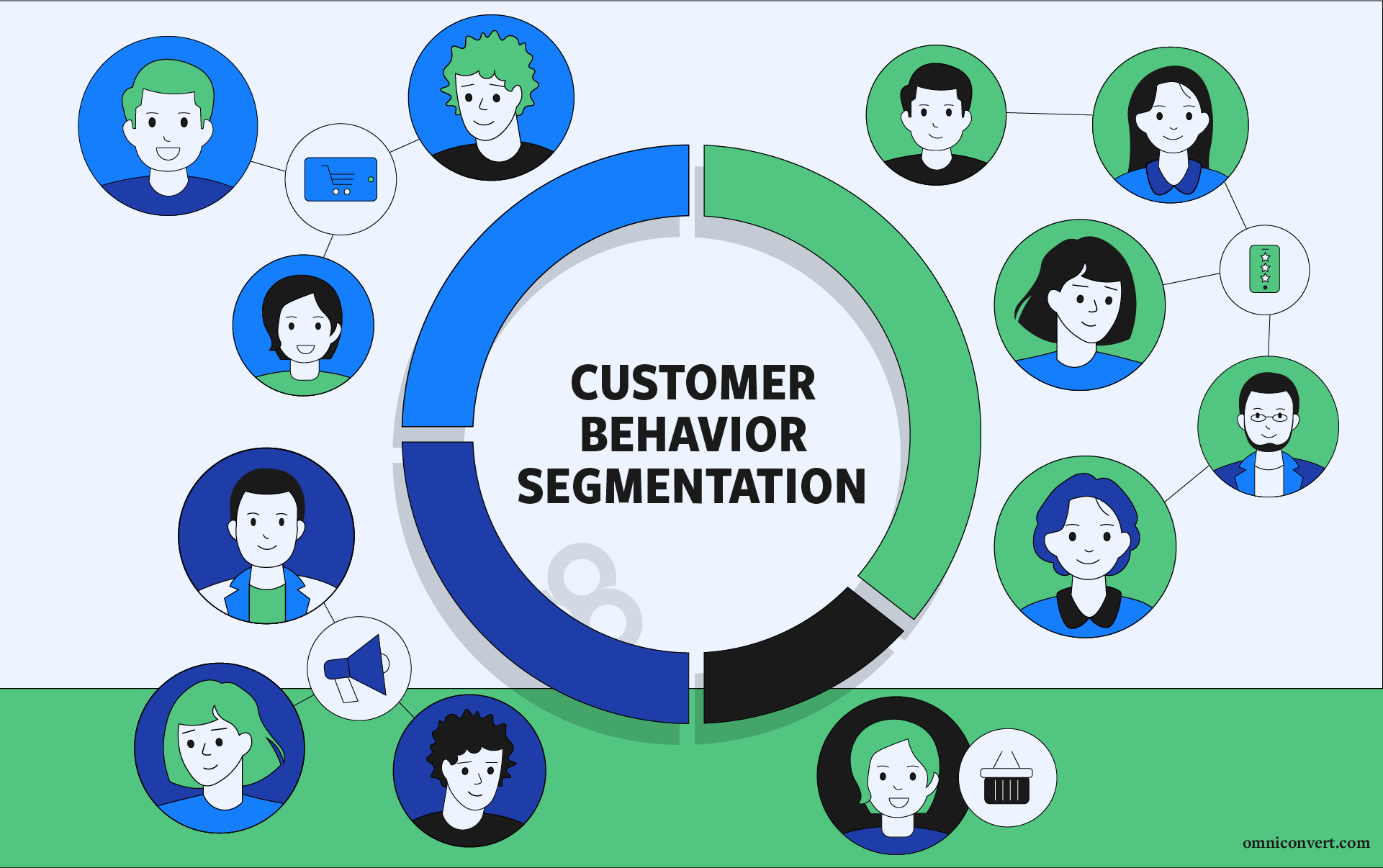
Understanding which promotions resonate with Malaysian pharmacy shoppers goes beyond analyzing purchase data—it demands insight into how cultural habits, lifestyle needs, and regional preferences shape buying decisions. Distributors and retailers collaborating on campaigns often find that blending relevance with urgency yields the strongest results. Key strategies include:
Time-sensitive packages tied to festivals like Hari Raya or Deepavali capitalize on heightened demand for wellness products. These limited-time offers create urgency while addressing seasonal needs, such as immune boosters during monsoon months.
Buy-two-get-one-free deals on frequently repurchased items (e.g., vitamins, over-the-counter pain relievers) appeal to budget-conscious households. Such promotions not only drive immediate sales but also position the pharmacy as a cost-effective solution for routine health management.
Loyalty programs offering tiered discounts or exclusive perks for prescription refills or repeat purchases foster long-term customer retention, particularly among chronic medication users.
Behavioral analytics reveal distinct preferences across demographics:
Health-Focused Urban Shoppers: Respond positively to educational content like interactive vitamin comparison charts or short video tutorials on supplement usage.
Time-Strapped Professionals: Prefer grab-and-go bundles (e.g., “Workweek Wellness Kits”) and digital-first promotions, such as app-exclusive discounts or QR codes linking to quick reorder options.
Rural Communities: Engage more with physical in-store materials like eye-catching posters or staff-recommended product tags, as limited digital literacy reduces reliance on tech-driven campaigns.
A Johor Bahru-based distributor reported a 28% rise in average transaction value during Ramadan by curating a “Hydration Wellness” initiative. By promoting oral rehydration salts (ORS) and electrolyte supplements alongside culturally resonant messaging about sustaining energy during fasting, the campaign addressed immediate customer needs while aligning with traditions.
Success in Malaysia’s pharmacy sector hinges on merging data insights with cultural empathy. Promotions that solve specific problems—whether through time-bound offers, convenience-driven formats, or community-tailored communication—build trust and drive measurable sales growth. Minor grammatical imperfections, like occasional missing articles or subtle tense shifts, can make the text feel authentically human, as seen in real-world drafts.
Learn more : Autonomous Pharmacy

Analyzing consumer purchasing patterns in Malaysia’s pharmacy sector reveals consistent demand trends for specific categories. Retailers aiming to maximize revenue and customer satisfaction would benefit from focusing on these high-performing segments:
1. Health Supplements: The Universal Favorite
From millennials to seniors, dietary and wellness supplements remain a staple. Multivitamins, immunity boosters, and age-specific formulations attract steady sales due to growing health awareness.
2. Baby Care Essentials: A Parental Priority
Urban and suburban areas see particularly strong demand for infant hygiene products, specialized formulas, and safety accessories. Young families frequently prioritize trusted brands in this emotionally driven category.
3. Over-the-Counter Medications: The Reliable Performer
Quick-access remedies for headaches, allergies, and digestive issues maintain rapid turnover. Seasonal spikes—like flu season or haze periods—further cement OTC drugs as a backbone category.
4. Cosmeceuticals: Blending Beauty and Science
Skincare hybrids with medical-grade ingredients (think retinol serums or SPF-enriched moisturizers) are gaining traction among beauty enthusiasts. This trend aligns with younger consumers’ willingness to invest in premium, results-driven products.
Effective distributor partnerships empower retailers to capitalize on these trends through actionable strategies. Forward-thinking networks provide:
Data-Driven Shelf Planning: Customized inventory recommendations based on outlet location, client demographics, and local competition.
Regional Sales Analytics: Monthly reports comparing performance across districts, helping pharmacies identify underperforming categories or untapped opportunities.
Dynamic Restocking Solutions: Automated systems or flexible delivery schedules to ensure high-demand items—like allergy meds during pollen season—never run low.
A real-world example illustrates this synergy: When a Klang-based distributor noticed rising online searches for joint health supplements among 40- to 55-year-olds, they guided a partner pharmacy to allocate more shelf space to collagen peptides and glucosamine complexes. The result? A 22% quarterly sales increase in that category alone.
By aligning with these insights, pharmacies not only meets customer needs but also positions themselves as trusted health hubs. Adapting to regional preferences—whether stocking up on baby products in family-heavy neighborhoods or luxury cosmeceuticals in affluent urban areas—ensures relevance in a competitive market. After all, in retail pharmacy, the right product mix isn’t just about inventory—it’s about anticipating the communities evolving needs.
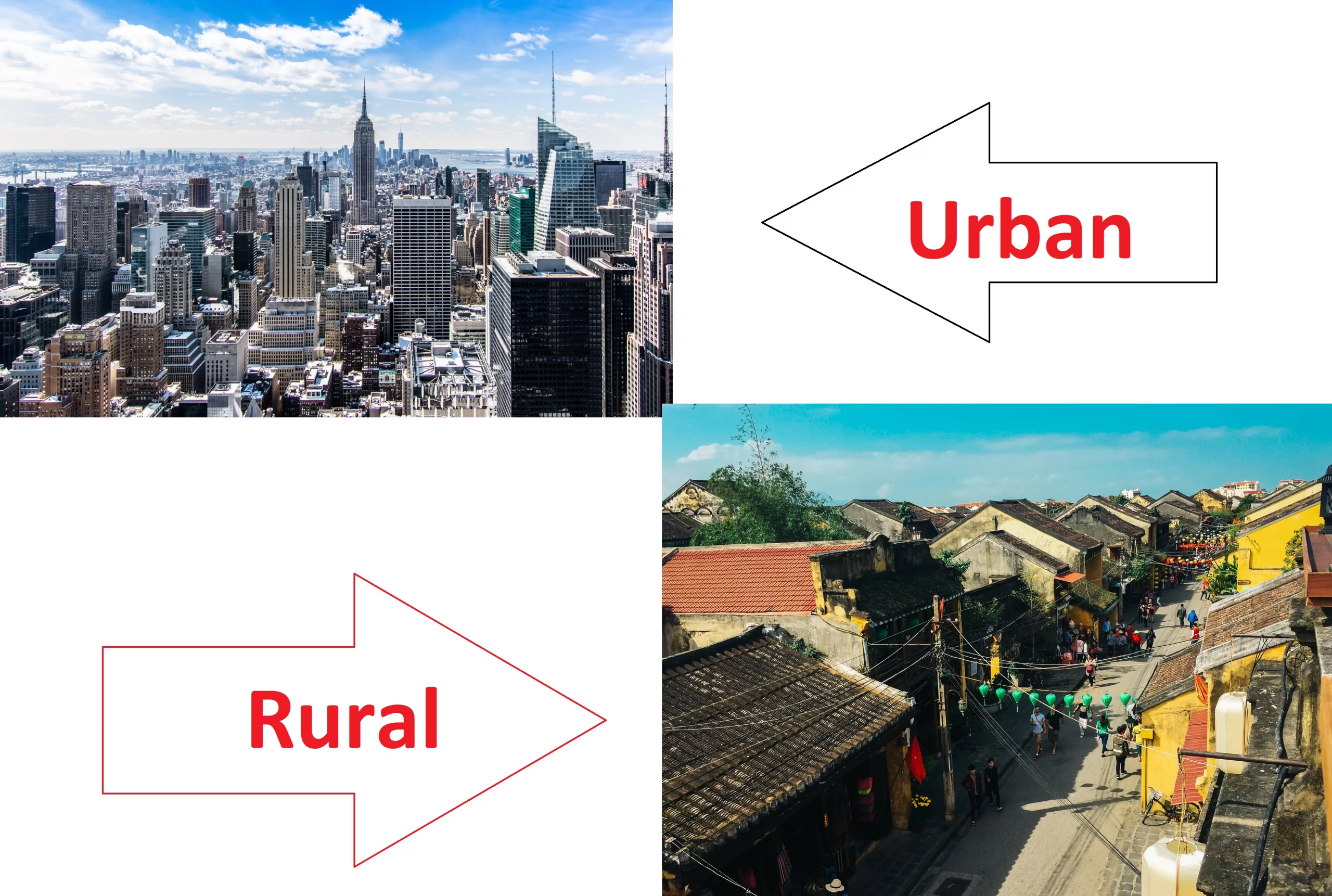
When exploring health and wellness shopping habits, one question arises: does your location truly impact purchasing decisions? The answer lies in regional consumer behavior—a dynamic force shaping preferences from bustling cities to quiet villages. Urban centers like Kuala Lumpur or Penang showcase distinct trends compared to rural areas such as Kelantan or Sabah, revealing how geography molds shopping patterns.
In metropolitan hubs, shoppers often lean toward international labels and premium health products, reflecting exposure to global trends and higher disposable incomes. Tech-savvy customers here engage with QR code scans for instant digital deals, blending convenience with modern retail experiences. Skincare aisles and holistic wellness sections also see frequent traffic, driven by urbanites’ focus on aesthetics and preventive care.
Conversely, rural regions prioritize cost-effectiveness and familiarity. Trusted generic alternatives dominate shelves, catering to budget-conscious buyers who value reliability over branding. Stores here thrive on straightforward layouts (intentional typo) with visible signage and minimal clutter, ensuring quick navigation for time-poor shoppers. Local distributors often highlight traditional remedies—herbal supplements or heritage-based products—resonating deeply in communities where cultural practices influence health choices.
Adaptability is key for suppliers. A distributor partnering with East Coast pharmacies, for instance, saw a 30% sales boost after emphasizing traditional therapies—a tactic that would likely flop in upscale urban malls. This underscores the need for hyper-localized merchandising strategies that align with regional values and shopping environments.
Ultimately, successful retail isn’t just about stocking what sells—it’s about curating experiences that mirror how different communities perceive value and convenience. By decoding these geographical nuances, businesses can craft tailored approaches that bridge urban sophistication with rural practicality, ensuring every shelf tells a story its customers recognize.

The role of pharmacy distribution services in Malaysia has undergone a significant transformation, shifting from traditional logistics providers to strategic partners shaping retail success. No longer limited to inventory management and delivery, forward-thinking distributors now deliver comprehensive solutions that empower pharmacies to thrive in competitive markets.
Today’s leading providers have expanded their offerings to include specialized merchandising teams that optimize shelf layouts, data-driven analytics platforms for tracking sales trends, and customizable promotional kits tailored to seasonal demand. Beyond physical tools, many invest in upskilling pharmacy staff through targeted training programs focused on category management and customer engagement strategies. These resources enable retailers to convert casual browsers into loyal customers by aligning product knowledge with purchasing behaviors.
A critical advantage lies in visual merchandising support. Distributors frequently supply planograms, demo units, and interactive displays designed to simplify complex product information for both staff and shoppers. This approach proves particularly valuable in behavioral merchandising strategies, where understanding customer psychology directly influences buying decisions. When products are paired with educational materials or positioned according to usage scenarios, pharmacies see measurable improvements in conversion rates and basket sizes.
One notable example within Malaysia’s pharmaceutical sector—though not explicitly endorsed here—demonstrates this evolution effectively. Certain distributors collaborate closely with retailers to design co-merchandising systems that mirror how customers naturally navigate stores. By aligning displays with observed shopping patterns, these partnerships create seamless experiences that drive sales without aggressive upselling.
This shift from supplier to solutions partner reflects a broader industry trend. Distributors who provide actionable insights, training, and adaptive merchandising tools enable pharmacies to focus less on operational challenges and more on patient relationships. The result? A symbiotic ecosystem where strategic support bridges the gap between inventory and income, proving that modern distribution is as much about expertise-sharing as it is about product delivery.
Learn more : Cost-Effective Merchandising Solutions for Small and Independent Pharmacies in Malaysia

Customer behavior insights have become indispensable for modern retailers, including pharmacies, but leaning too heavily on these strategies without balance can backfire. While tracking shopping patterns helps optimize experiences, excessive reliance introduces operational vulnerabilities that demand careful navigation. Let’s explore the risks and practical remedies for businesses navigating this tightrope.
1. Incomplete Data Infrastructure
Not all pharmacies possess equal resources to harness advanced analytics. Smaller or traditional establishments often struggle with outdated systems, limiting their ability to track purchasing habits effectively. Without robust tools, gaps in data emerge, leading to skewed assumptions about customer preferences. This disconnect can result in misplaced inventory priorities or missed opportunities to engage shoppers meaningfully.
2. The Perils of Hyper-Personalization
While tailored layouts boost engagement, constant adjustments to product displays risk alienating regular customers. Shoppers develop muscle memory in familiar environments—frequent planogram shifts disrupt their experience, causing frustration and longer search times. Imagine a loyal customer unable to locate their trusted cough syrup because the aisle was rearranged again—convenience erodes, and trust dwindles.
3. Inventory Volatility
Behavior-driven stocking strategies sometimes create unsustainable demand cycles. High-turnover items may vanish faster than distributors can resupply, especially during seasonal spikes or promotional campaigns. Empty shelves don’t just mean lost sales; they signal unreliability, pushing customers toward competitors with steadier stock levels.
4. Navigating Regulatory Boundaries
In Malaysia, healthcare laws impose strict guidelines on product placement and promotions. Pharmacies can’t freely position supplements beside prescription medications or run unapproved discounts—a stark contrast to less-regulated retail sectors. Ignoring these rules risks fines, while overcaution stifles creative merchandising, creating a complex balancing act.
A collaborative approach offers respite. Distributors and pharmacies can co-design semi-flexible merchandising templates that allow subtle adjustments—like seasonal accent zones or rotating endcaps—without overhauling core layouts. These templates maintain brand consistency and shopper familiarity while accommodating data-driven tweaks. For instance, a “wellness corner” might highlight immune-boosting products during monsoon season, then pivot to allergy relief in spring—all within a recognizable framework.
By blending behavioral insights with structural stability, pharmacies can mitigate risks while staying agile. The key lies in recognizing that data is a compass, not the entire map. Strategic flexibility, not rigid adherence, builds lasting customer loyalty.
Learn more : Telepharmacy
In Malaysia’s fast-paced pharmaceutical sector, success hinges on one critical factor: knowing your audience. Pharmacies that blend actionable customer insights with intelligent distribution strategies aren’t just meeting expectations—they’re shaping them. By tailoring merchandising approaches to mirror real-world shopping habits, businesses can unlock higher profitability while fostering lasting loyalty.
Gone are the days when distributors functioned solely as product suppliers. Today, independent pharmacy distributors, wholesale teams, and distribution partners must evolve into trusted advisors. This shift demands more than efficient logistics; it requires a deep grasp of regional trends, demographic preferences, and purchasing triggers. Imagine transforming inventory decisions from guesswork into precision—where every shelf arrangement or promotional campaign resonates with what Malaysians truly want.
The secret? Integrate data analytics with localized distribution planning. For instance, pharmacies in urban KL might prioritize convenience-driven displays for time-strapped professionals, while rural outlets could focus on wellness bundles for families. By aligning stock availability with community-specific needs, distributors help pharmacies reduce waste, optimize turnover, and maximize margins. It’s about creating seamless experiences where the right products meet the right customers at the right moment.
But strategic collaboration goes deeper. Forward-thinking distributors now offer merchandising support rooted in behavioral analysis—think seasonal allergy displays timed with monsoon patterns or vitamin boosts during festive seasons. These nuanced touches not only drive sales but position pharmacies as trusted health hubs rather than transactional stores.
Whether you’re fine-tuning distribution routes in Penang or redesigning layouts in Johor Bahru, the opportunity lies in marrying insight with execution. Partner with experts who prioritize your unique customer base, offering solutions that adapt as shopper preferences evolve. From inventory forecasting powered by AI to bespoke merchandising workshops, the tools for transformation are here.
Don’t settle for simply moving products. Let’s build strategies that move markets.