

June 24, 2025
In Malaysia’s bustling pharmacy sector, standing out on crowded shelves isn’t just an advantage—it’s a survival skill. With pharmacy wholesale distributors multiplying and retail competition fiercer than ever, brands can’t afford to blend into the background. So, what separates bestsellers from slow movers? Often, it comes down to one crucial factor: retail execution done right.
Gone are the days when simply securing shelf space was enough. Today, strategic merchandising—think smart planograms, eye-catching POSM (point-of-sale materials), and polished visual displays—is what turns casual browsers into buyers. It’s not just about being available; it’s about being unmissable.
Here’s the reality: In a market where consumers are bombarded with choices, effective merchandising bridges the gap between product and purchase. A well-organized planogram guides shoppers effortlessly, while bold POSM placements stop them in their tracks. Add compelling visual merchandising into the mix, and suddenly, your product isn’t just another item on the shelf—it’s the one they reach for.
For pharmacy distributors and retailers in Malaysia, investing in professional merchandising isn’t optional. It’s the key to dominating shelf space, boosting visibility, and driving sales where it matters most—right at the checkout. Miss this step, and you might just miss out altogether.
What Is Retail Execution and Why It Matters in Pharmacy Distribution

In the competitive world of retail, simply getting products onto shelves isn’t enough—brands must master retail execution to drive actual sales. This critical process involves optimizing product placement, pricing, and promotions to capture consumer attention. For Malaysian pharmacies, effective execution bridges the gap between pharmacy distributors and shoppers, ensuring products don’t just sit on shelves but actually sell.
Unlike large retail chains, independent pharmacy distributors in Malaysia often navigate a fragmented market with varying store layouts and customer preferences. Success here depends on more than just logistics—it’s about strategic in-store positioning. That’s where specialized pharmacy distribution services come in, helping brands maintain optimal stock levels, eye-catching displays, and tailored promotions to stand out against both multinational chains and neighborhood competitors.
Strong retail execution doesn’t just boost sales conversions—it also enhances brand visibility and builds shopper trust. Conversely, poor execution can doom even the best products, leaving money on the table. In Malaysia’s fast-moving pharmacy sector, getting this right means the difference between thriving and merely surviving.
The Role of Professional Merchandisers in the Pharmacy Supply Chain

Ever wondered who ensures pharmacy shelves stay perfectly stocked and visually appealing? Merchandisers are the unsung heroes working tirelessly to optimize retail spaces—and their role involves far more than just replenishing products.
These professionals act as the operational backbone for distributor pharmacies, executing critical tasks that drive sales and enhance brand consistency. From setting up planograms and placing point-of-sale marketing (POSM) materials to conducting detailed store audits, merchandisers ensure every visual element aligns with corporate branding standards. Their meticulous attention to detail transforms cluttered shelves into organized, customer-friendly displays.
In Malaysia, merchandisers work hand-in-hand with pharmacy wholesalers and pharmacists to maintain strong shelf presence. A great example comes from a Klang Valley pharmacy chain, where third-party merchandising audits led to a 15% increase in sales—simply by fixing misplaced items, replacing outdated signage, and training staff on proper display maintenance. Small adjustments, big impact.
Beyond aesthetics, merchandisers also function as brand guardians. They enforce uniformity across multiple outlets, making sure promotional setups remain consistent. This cohesive approach builds customer trust and reinforces brand identity, even if shoppers never realize the effort behind it. While their work happens behind the scenes, the results speak for themselves: optimized layouts that boost engagement and drive conversions.
Next time you walk into a pharmacy, take a closer look at the shelves. That seamless shopping experience? You can thank a merchandiser for it.
Planogram Implementation: Blueprint for Shelf Optimization
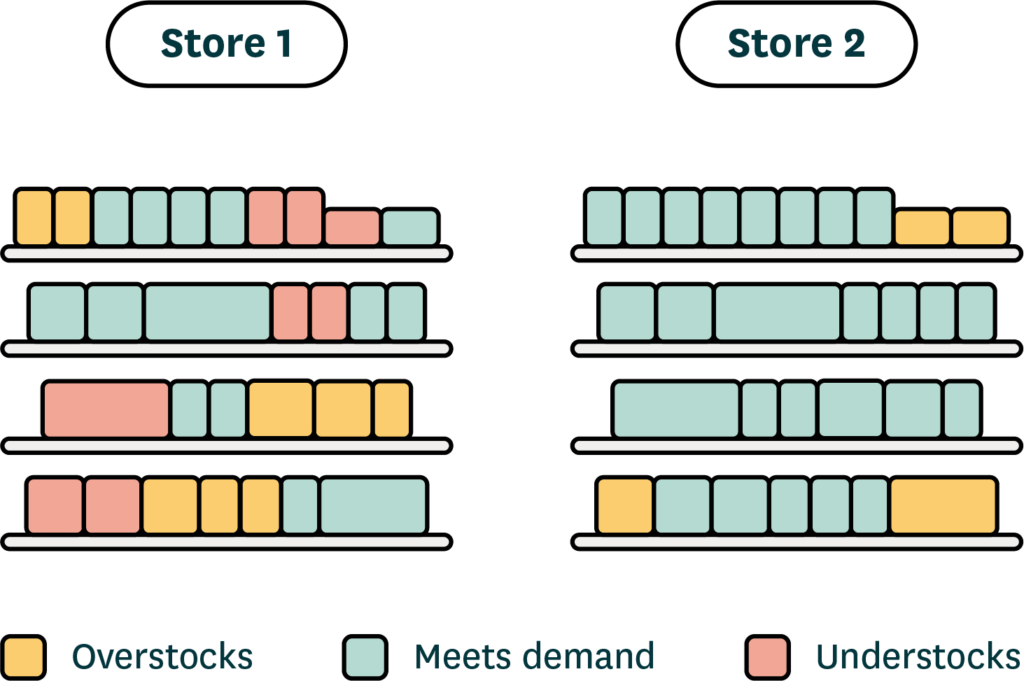
In the competitive world of retail, strategic product placement can make or break sales. At the heart of this strategy are planograms—detailed visual guides that dictate how products should be arranged on shelves. These layouts aren’t just about aesthetics; they’re designed to maximize profitability by giving high-margin and fast-selling items the best visibility. The result? Shoppers experience less decision fatigue, and brands enjoy stronger shelf presence.
In markets like Malaysia, pharmacy chains and wholesale distributors take planograms seriously. Stores customize layouts based on factors like outlet size, product categories (think OTC medications versus health supplements), and even seasonal demand shifts. Take Caring Pharmacy, for instance—while they maintain a standardized planogram across locations, they also tweak placements to cater to local preferences, ensuring flexibility without sacrificing consistency.
But even the best planograms can fall short if execution falters. When stores don’t follow the guidelines, problems arise: items end up in the wrong spots, certain shelf sections underperform, and the overall shopping experience feels cluttered. That’s where pharmacy merchandising services step in. These teams provide hands-on support—fixing misplaced stock, conducting compliance audits, and refining product placements using live sales insights. After all, a well-optimized shelf isn’t just tidy; it’s a proven sales driver.
Quick note: Even the most careful planning needs regular check-ins. Stores that neglect planogram updates risk missing out on revenue—something no retailer can afford.
POSM Deployment: Driving Product Recall and Brand Recognition
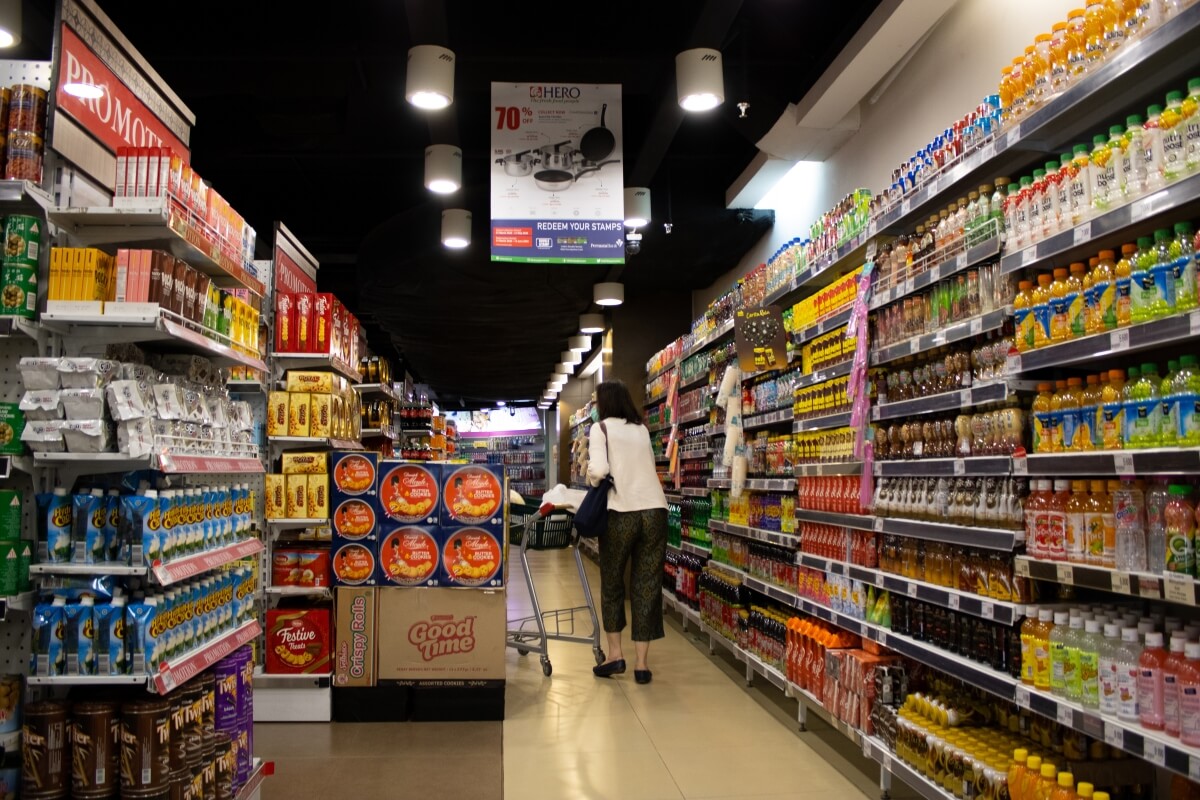
Point-of-sale marketing (POSM) plays a subtle yet powerful role in swaying purchase behavior when shoppers are primed to decide. Think shelf talkers, wobblers, digital promo screens, and eye-catching end-cap displays—these aren’t just decorations. They’re strategic tools that amplify brand recall right when consumers reach for their wallets.
In Malaysia’s competitive retail pharmacies, timing and cultural relevance make all the difference. Distributors align POSM rollouts with local campaigns and health awareness dates. Take Ramadan or World Heart Day, for example. Brands like Blackmores and Eversoft boost engagement by swapping generic displays for themed end-caps with educational graphics—tapping into the season’s mindset. It’s not just about visibility; it’s about context.
But execution can’t be sloppy. Faded posters, crooked wobblers, or off-season creatives scream neglect, undermining trust in the brand. That’s why merchandisers don’t just set up displays; they routinely audit and refresh them. Maintenance is half the battle. The other half? Localization. In a market as diverse as Malaysia, POSM in Bahasa Malaysia drives better connection in Malay-majority areas, while Mandarin versions perform stronger in others.
The lesson? Static displays aren’t passive—they’re silent salespeople. When tailored to cultural moments and meticulously maintained, they nudge shoppers from maybe to yes at the critical last second.
Learn more: Retail distribution | In‑store branding and the psychology of shopping
Visual Merchandising Strategies that Influence Purchase Behavior

The science behind customer behavior in retail spaces boils down to psychological triggers. Strategic elements like color palettes, lighting conditions, visual balance, and aisle navigation subtly guide purchasing decisions. This is why leading pharmacy distributor Malaysia teams invest in training staff to master these in-store techniques.
Take Malaysian pharmacies as an example. Products like collagen supplements or probiotics perform best in minimalist, well-lit displays with symmetrical arrangements—these convey trust and purity. On the other hand, over-the-counter medications often use high-contrast colors (think red for cough syrup) and scarcity messaging to trigger quick purchases.
Location and audience demographics also play a huge role. A pharmacy near a university campus might highlight trendy, wellness-focused items with Instagrammable packaging, while a suburban store could arrange family essentials at eye level for parents. Flexibility in merchandising ensures relevance to local shoppers.
Proof? One Malaysian distributor documented a 22% spike in customer engagement after upgrading to LED-lit vitamin shelves, outperforming dimmer competitors. The lesson? Effective merchandising isn’t about stacking products—it’s about crafting a narrative that resonates.
Learn more: 7 Pharmacy Merchandising Tips | The great consumer shift: Ten charts that show how US shopping behavior is changing | The New Science of Customer Emotions
In-Store Execution Audits: Ensuring Compliance and Consistency

To guarantee that retail strategies translate into real-world results, brands must prioritize execution audits. These systematic evaluations—typically carried out by merchandisers or pharmaceutical wholesalers—serve as a vital checkpoint for compliance and performance. Rather than being a one-time exercise, these audits assess ongoing adherence to key retail standards, including:
Planogram accuracy – Ensuring shelf layouts match brand specifications
POSM (Point-of-Sale Materials) deployment – Checking visibility and condition of promotional displays
Inventory health – Monitoring stock levels and expiry dates to prevent shortages
Competitor activity – Tracking rival product placement and promotions
For example, regional pharmacy chains in Selangor that conducted monthly audits saw an 18% improvement in planogram compliance and a 12% reduction in stockouts compared to stores with irregular checks. This highlights how consistent monitoring directly impacts retail execution.
Critically, these audits aren’t about penalizing lapses—they’re a diagnostic tool for refining retail operations. Common pain points like staff training gaps, inefficient shelf space allocation, or underperforming promotions become evident through structured reviews.
Modern solutions like mobile audit apps and digital photo documentation further streamline the process. By digitizing data collection, distribution teams can compare execution quality across locations, fostering accountability and uniformity. The result? A retail environment where strategy and execution stay perfectly aligned.
Pro tip: While audits are essential, balancing rigor with flexibility helps adapt to store-specific challenges—because even the best plans need room for real-world adjustments.
Collaboration Between Merchandisers and Pharmacy Distributors

The secret to a successful distributor-merchandiser relationship lies in two key ingredients: clear shared goals and consistent, proactive communication. Many independent pharmacy distributors treat their merchandisers as an integral part of their own operations, rather than just an external service. By synchronizing real-time inventory data, analyzing sales patterns, and coordinating promotional schedules, both parties can dramatically improve in-store performance and customer engagement.
Take, for instance, a pharmacy distributor in Sabah that teamed up with a merchandising group to tackle persistent stock shortages. Instead of handling restocking and displays separately, they timed their weekly deliveries to coincide with shelf resets. This simple yet strategic move not only boosted the visibility of promotional campaigns but also slashed unnecessary inventory losses—proving how powerful aligned efforts can be.
In a market as diverse as Malaysia’s, where regional dialects, store layouts, and consumer preferences vary widely, this kind of tight-knit collaboration becomes even more crucial. Distributors and merchandisers must work hand-in-hand to maintain brand standards while still adapting to local tastes. Without this balance, even the best products can struggle to gain traction. And let’s be honest—when communication breaks down, so does efficiency, leaving both sides frustrated and sales opportunities missed.
By fostering trust, staying flexible, and keeping lines of communication wide open, these partnerships don’t just function—they thrive. Whether it’s preventing empty shelves or fine-tuning displays for different neighborhoods, teamwork makes all the difference.
Learn more: Retail merchandising services malaysia
Measuring Retail Execution Success: KPIs and ROI for Pharmacies
Retail execution goes beyond intuition—it’s a data-driven process that can be precisely tracked and analyzed. For pharmacies and retailers, key performance indicators (KPIs) reveal how effectively products are presented and how they perform on the shelf. Critical metrics include:
Product Visibility Rate – Are high-priority SKUs positioned at eye level and facing forward?
Planogram Adherence – How closely does the shelf layout match the intended design?
Campaign-Driven Foot Traffic – Does promotional activity increase store visits?
Inventory Efficiency – How quickly does stock rotate, and what’s the turnover rate?
In Malaysia, progressive pharmacy distributors leverage point-of-sale (POS) analytics, compliance audits, and real-time sales dashboards to measure ROI. One case study revealed a 25% sales boost in campaigns with strong planogram and point-of-sale material (POSM) compliance compared to those with poor execution.
These insights don’t just highlight successes—they expose weaknesses, too. Underperforming displays, misplaced signage, or slow-moving inventory can be flagged early, allowing merchandising teams to adjust strategies quickly. By closing the loop between store execution, marketing campaigns, and supply chain logistics, businesses turn raw data into actionable improvements.
Learn more: The Future of Pharmacy Merchandising Services in Malaysia: Trends and Predictions
In Malaysia’s crowded pharmacy sector, standing out on the shelf isn’t just about securing space—it’s about maximizing every inch to drive sales. With countless brands competing for attention, poor execution can leave even the best products overlooked. That’s where smart merchandising comes in, turning simple visibility into real revenue.
Professional merchandising isn’t just stacking products neatly; it’s a science. By combining data-driven planograms, culturally relevant point-of-sale materials (POSM), and regular performance audits, top brands maintain a competitive edge. It’s the behind-the-scenes work—like strategic supplier collaboration and consistent shelf audits—that keeps products performing at their peak. Without these elements, even high-quality items risk getting lost in the shuffle.
Want to transform your in-store performance? Whether you need targeted merchandising support, a full-scale distribution strategy, or expert guidance tailored to Malaysia’s pharmacy landscape, we’ve got you covered. Partner with us to refine your shelf presence, boost customer engagement, and ultimately—drive more sales.
How can we assist you today? 😊
Just let us know—we’re here to help!