

July 2, 2025
Walk into any high-performing pharmacy chain—whether it’s a global giant like Watsons or a local favorite like Caring Pharmacy—and you’ll notice something immediately: every shelf, display, and promotion feels intentional. The difference between a pharmacy that merely stocks products and one that dominates shelf presence often comes down to strategic merchandising.
In today’s retail landscape, merchandising isn’t just about stocking shelves—it’s about crafting an experience. For pharmacy distributor Malaysia businesses, this means ensuring products don’t just sit on shelves but actively engage customers, drive sales, and reinforce brand trust.
Consider this: Malaysia’s pharmacy sector is booming, with chains like Alpro Pharmacy and Health Lane Family Pharmacy expanding rapidly. Yet, growth alone isn’t enough. Without expert-led merchandising, even the best products can get lost in the noise.
Why Merchandising is a Non-Negotiable for Modern Pharmacies
Brand Consistency: A trusted merchandising partner ensures every store—whether in KLCC or a rural Kedah outlet—reflects the same brand standards.
Regulatory Compliance: Malaysia’s NPRA guidelines demand strict adherence in product labeling and placement. A single misstep can lead to fines or reputational damage.
Customer Trust: When shoppers see well-organized, updated displays, they’re more likely to perceive the pharmacy as reliable and professional.
For pharmacy wholesale distributors, this isn’t just about logistics—it’s about maximizing every square foot of retail space.
The Role of Merchandising in Pharmacy Distribution Ecosystems
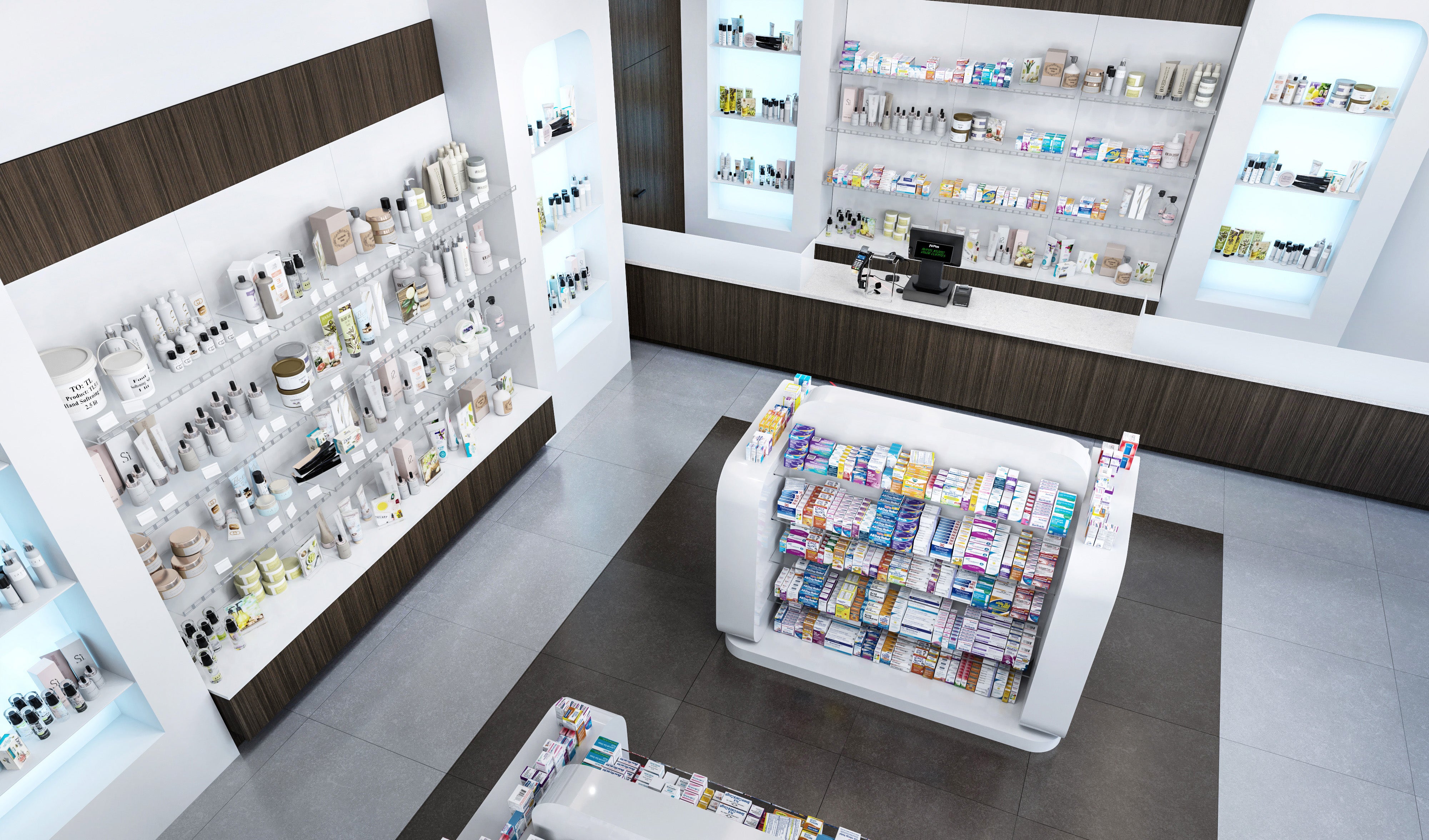
Ever wondered how a new health supplement goes from a warehouse to flying off the shelves? The answer lies in the synergy between distribution and merchandising.
Merchandising acts as the critical link between supply chain efficiency and customer engagement. Here’s how:
Real-World Example: Caring Pharmacy’s Seasonal Success
During the 2023 immune-boosting supplement campaign, Caring’s merchandising team:
✅ Optimized shelf placement for high-demand vitamins (eye-level for maximum visibility)
✅ Trained staff to answer FAQs about product benefits
✅ Rotated stock to prevent expired items from lingering
The result? A 22% sales lift compared to non-merchandised stores.
Data-Driven Insights: Why This Matters for Distributors
Stock Turnover: Pharmacies with strategic merchandising see 15–30% faster inventory turnover (Malaysia Retail Pharmacy Report, 2023).
Waste Reduction: Proper shelf mapping reduces expired stock by up to 40%—a major cost saver for pharmacy wholesale distributors.
For Malaysian pharmacies, this means merchandising isn’t optional—it’s a proven growth lever.
Learn more : The Role of Merchandisers in Enhancing Business Performance in the Pharmaceutical Industry
Key Characteristics of Trusted Merchandising Partners
Not all merchandising firms are created equal. The best ones go beyond basic shelf-stocking—they become strategic partners. Here’s what sets them apart:
1. Regulatory Mastery (NPRA Compliance)
A reliable merchandising partner knows Malaysia’s pharmaceutical display laws inside out. For example:
Health supplements must be separated from prescription medications
Expiry dates must always face forward
Promotional claims must align with advertising standards
2. Hyper-Local Adaptability
What works in Pavilion Kuala Lumpur won’t necessarily work in Kota Bharu. The best firms tailor strategies based on:
✔ Urban vs. rural shopping habits
✔ Cultural preferences (e.g., herbal products in East Malaysia)
✔ Language nuances in POS materials
3. Real-Time Data Utilization
Top-tier merchandisers use live sales analytics to:
Adjust displays based on what’s selling (or isn’t)
Flag low stock before it impacts availability
Test new layouts via A/B testing in select stores
Case in Point: A pharmacy distributor Malaysia client saw a 17% revenue boost after implementing AI-driven planogram adjustments.
Learn more : BUILDING TRUST IN KEY CUSTOMER – SUPPLIER RELATIONSHIPS
In-Store Execution Strategies Used by Global Merchandising Firms

What separates average merchandising from world-class execution? It’s the small, intentional details.
Planogram Precision: The Backbone of Shelf Success
A well-structured planogram ensures:
High-margin products get prime placement
New launches receive dedicated “hot spots”
Slow movers are rotated or bundled
Example: Guardian Malaysia’s skincare section saw a 30% uptick in trial purchases after a strategic gondola-end display for a new collagen brand.
Shelf Maintenance: Beyond Just Stocking
Daily checks for expired or damaged goods
FIFO (First In, First Out) enforcement
Shelf tags updated weekly for pricing accuracy
Staff Training: The Human Touch
Even the best planogram fails if staff don’t understand it. Effective merchandisers conduct:
Monthly workshops on product knowledge
Role-playing for handling customer queries
Feedback loops to refine execution
Learn more : The Importance of Category Management in Pharmacy Merchandising Services
Promotional Support and Campaign Integration Across Retail Chains

A promotion is only as good as its in-store activation. Here’s how merchandising elevates campaigns:
Case Study: Watsons’ Vitamin D3 Launch
To maximize impact, their merchandising team:
Secured end-cap displays in 150+ stores
Placed sampling kiosks near checkout counters
Trained cashiers to suggest add-ons (e.g., magnesium combo)
Result: 48% higher sell-through vs. non-merchandised competitors.
Why Localization Matters in Campaigns
Language: POS materials in Bahasa Malaysia for rural areas
Cultural relevance: Highlighting halal-certified vitamins during Ramadan
Timing: Aligning wellness campaigns with monsoon season (higher immunity product demand)
For pharmacy wholesale distributors, this means every promotional dollar works harder.
Learn more : Pharmacy Merchandising: Best Practices for Product Pricing and Promotion in Malaysia
Top Global Merchandising Companies Working with Pharmacy Chains

When it comes to pharmacy merchandising, a handful of trusted global players dominate the space with strategic, data-driven approaches that elevate in-store performance. These companies don’t just stock shelves—they optimize retail spaces to maximize visibility, compliance, and sales conversions.
Take CROSSMARK, for instance. Their proven expertise in planogram services ensures that every product placement is backed by retail analytics, helping pharmacies minimize dead stock while boosting high-margin item sales. Similarly, Advantage Solutions integrates marketing and merchandising into a single efficient workflow, making them a go-to partner for wellness brands looking to scale in competitive markets.
But what about local adaptation? In Malaysia, boutique firms are stepping up, blending global best practices with hyper-local execution. For example, a Kuala Lumpur-based merchandising agency recently partnered with a leading Malaysian pharmacy chain to implement AI-driven shelf analytics, resulting in a 22% uptick in promotional product sales within three months.
Here’s why these models work:
Data-backed shelf strategies reduce guesswork in product placement
Omnichannel execution (like Mosaic’s experiential marketing) bridges online and offline customer touchpoints
Compliance tracking (a strength of Premium Retail Services) ensures adherence to NPRA and Halal standards
For Malaysian pharmacies, the lesson is clear: Adopting global merchandising frameworks—but with localized tweaks—can dramatically improve store-level KPIs.
Regional Adaptation: How Global Merchandising Practices Translate to Malaysia
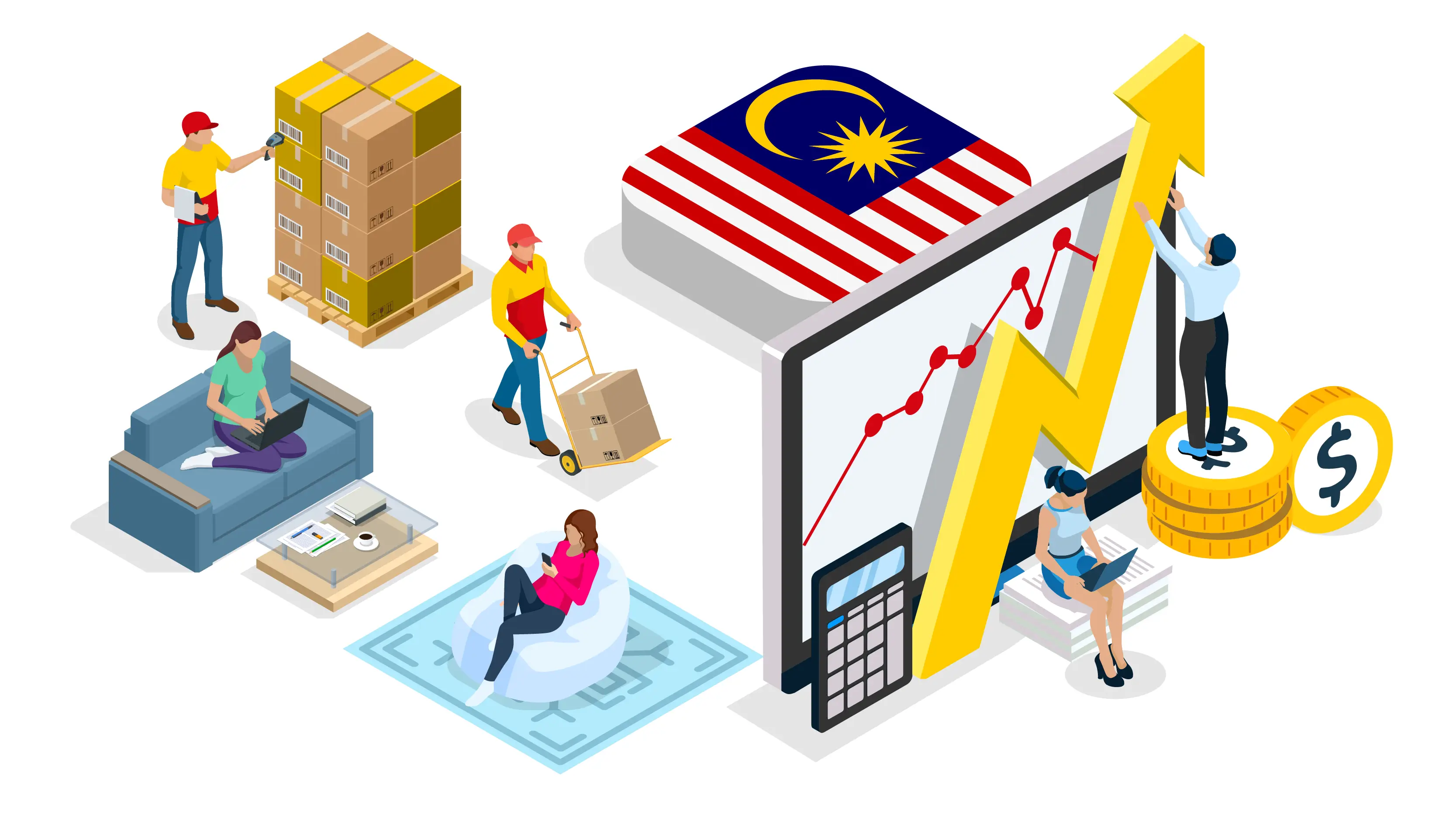
Can global retail strategies thrive in Malaysia’s unique pharmacy landscape? Absolutely—but cultural, regulatory, and logistical nuances demand tailored adjustments.
Consider Halal compliance. A strategic merchandising partner won’t just place products—they’ll ensure packaging, claims, and even shelf positioning align with Islamic consumer expectations. One Johor Bahru-based pharmacy saw a 30% increase in health supplement sales after repositioning Halal-certified items at eye level during Ramadan.
Language is another critical factor. Bilingual labeling (Malay and English) isn’t just a preference—it’s often a legal requirement. A Penang merchandising firm helped a multinational pharma brand avoid costly recalls by auditing point-of-sale materials for regulatory-compliant translations.
Key localized adaptations include:
✅ Aligning promotions with regional holidays (e.g., Chinese New Year bundles for wellness products)
✅ Training staff on NPRA guidelines to prevent compliance breaches
✅ Leveraging East Malaysia’s supply chain dynamics (e.g., prioritizing longer-lasting stock in rural Sabah pharmacies)
The essential takeaway? Global expertise must be refined to fit Malaysia’s market—without sacrificing executional rigor.
Learn more : How In‑Store Pharmacy Merchandising Complements Digital Marketing Strategies
Building Effective Partnerships Between Merchandisers and Pharmacy Distributors

Seamless collaboration between merchandisers and distributors isn’t just about contracts—it’s about shared workflows, transparency, and measurable KPIs.
A proven model in Southeast Asia involves co-managed field teams, where merchandisers report to both the distributor and brand managers. For example, a Selangor-based supplement distributor partnered with a local merchandising agency to deploy real-time stock tracking, slashing out-of-stock instances by 18% in urban pharmacies.
Operational frameworks that drive success:
🔹 Joint dashboards for monitoring promotional compliance and shelf share
🔹 Unified training programs to align merchandisers with distributor SOPs
🔹 Cold chain integration for pharma products requiring temperature control
In Malaysia, such strategic alliances are transforming retail execution—especially for new product launches. When a Klang Valley pharmacy chain teamed up with a merchandising specialist, their immune-boosting syrup achieved 95% shelf visibility in East Coast outlets within four weeks.
Considerations When Choosing a Merchandising Partner in the Pharmacy Sector

Selecting the right merchandising partner in Malaysia’s pharmacy sector isn’t just about cost—it’s about long-term scalability, compliance, and brand trust.
Here’s a tailored checklist for decision-makers:
✔ Healthcare-Specific Experience – Does the firm understand NPRA regulations, OTC standards, and cold chain logistics?
✔ National Coverage – Can they service both urban (e.g., KLCC pharmacies) and rural (e.g., Sarawak clinics) locations?
✔ Tech Integration – Look for real-time audit tools, digital reporting, and AI-driven shelf analytics.
✔ Cultural Agility – Can they adapt campaigns for Malay, Chinese, and Indian consumer segments?
✔ Transparent Pricing – Avoid vague contracts; opt for KPI-driven fee structures.
A reliable case study: A Melaka-based pharmacy switched to a merchandising partner with Halal-certified audit teams, leading to a 40% faster setup for Ramadan promotions.
Learn more : Marketing activity in the community pharmacy sector – A scoping review
In today’s retail pharmacy ecosystem, merchandising is a strategic lever—not an afterthought. For Malaysian distributors, the most effective growth comes from blending global expertise with local execution.
When pharmacies, distributors, and merchandisers operate in sync, the results speak for themselves: higher compliance, faster sell-through, and deeper customer trust.