

June 9, 2025
n Malaysia’s bustling pharmacy sector, neighboring stores with comparable product ranges often experience wildly different outcomes. While one attracts steady foot traffic and sales, another struggles to convert browsers into buyers. The secret? Strategic merchandising. Beyond merely stocking shelves, pharmacies must craft intentional shopping experiences. As competition intensifies, the role of pharmacy distribution service in Malaysia has expanded—today’s leaders blend logistics expertise with visual storytelling to engage modern consumers.
Independent pharmacy distributors and pharmacy wholesale distributors now prioritize merchandising as a core component of their partnerships. Why? Because how products are displayed directly impacts brand visibility and purchase decisions. Seasonal themes, intuitive layouts, and localized product groupings don’t just beautify stores—they guide customers toward informed choices while reinforcing trust. For instance, positioning allergy relief kits near snacks during haze season or organizing baby care essentials into dedicated zones simplifies shopping journeys.
Consumer behavior is shifting rapidly. Patients now expect pharmacies to mirror the convenience of e-commerce, blending quick access with personalized service. This demands collaboration between retailers and pharmacy distributor Malaysia networks to balance aesthetics and functionality. A well-placed endcap promotion or eye-level positioning for high-margin items can quietly steer purchases without aggressive sales tactics.
Adapting to these trends requires more than guesswork. Successful merchandising hinges on seven actionable principles tailored to Malaysia’s unique market:
Seasonal Agility: Rotate displays to align with festivals, health awareness months, or weather changes.
Zonal Logic: Group complementary products (e.g., vitamins near immune boosters).
Localized Curation: Highlight items popular within the community’s demographic.
Interactive Touchpoints: Use QR codes or sample stations to educate customers.
Lighting & Signage: Ensure readability and warmth to reduce clinical sterility.
Impulse Zones: Place smaller items like hand sanitizers near checkout counters.
Feedback Loops: Train staff to observe and adjust layouts based on customer behavior.
By merging these tactics with reliable pharmacy distribution services, retailers transform passive spaces into dynamic hubs. Remember, even subtle changes—a relocated display or refreshed color scheme—can reignite customer interest. Afterall, in an era where 74% of purchases remain unplanned, smart merchandising turns chance visits into consistent revenue.
Understanding the Link Between Merchandising and Pharmacy Distribution Success

In Malaysia’s competitive pharmaceutical industry, merchandising serves as an unsung hero in driving financial performance. Beyond mere product placement, it’s a dynamic tool that bridges retail efficiency and supply chain synergy. When executed thoughtfully, merchandising doesn’t just attract customers—it accelerates sales cycles, minimizes operational bottlenecks, and fosters collaborative success between pharmacies and distributors.
Urban Efficiency vs. Suburban Engagement
Metropolitan hubs like Kuala Lumpur face unique spatial challenges. With premium floor space at a premium, pharmacies must prioritize strategic zoning to maximize visibility of high-demand items. Placing essentials like over-the-counter medications at eye level or near checkout counters streamlines purchases, keeping inventory turnover brisk. This approach not only reduces backroom storage pressures but also enables distributors to maintain tighter, more predictable replenishment schedules.
In contrast, suburban pharmacies cater to shoppers who often browse longer. Here, creative cross-merchandising—like pairing cold remedies with immunity boosters—can lift average transaction values. Seasonal displays or educational signage further engage customers, subtly encouraging add-on purchases while building trust through informed choices.
Collaborative Partnerships for Sustained Success
Modern pharmacy-distributor relationships thrive on data-driven merchandising strategies. From rotating promotional endcaps to staff training programs emphasizing product storytelling, these initiatives align retail execution with broader supply chain goals. For instance, distributors might analyze regional health trends to curate localized assortments, ensuring shelves reflect community needs. Such coordination creates a ripple effect: pharmacies reduce excess stock, distributors optimize delivery routes, and both parties benefit from healthier margins.
The Long-Term Payoff
Investing in merchandising excellence pays dividends beyond immediate sales. Consistent product availability strengthens brand loyalty, while efficient inventory flow minimizes costly markdowns. For wholesale distributors, partnering with detail-oriented pharmacies means fewer emergency shipments and smoother cash flow cycles. Over time, these efficiencies compound, transforming merchandising from a tactical effort into a cornerstone of sustainable profitability.
By blending art and science, Malaysian pharmacies can turn every shelf and display into a profit driver. The secret lies not just in what they stock, but how they present it—a lesson that keeps both registers ringing and supply chains humming.
Learn more : Improving Health Systems Through Pharmaceutical Distribution
Tip #1: Optimize Store Layout for Better Traffic and Product Visibility
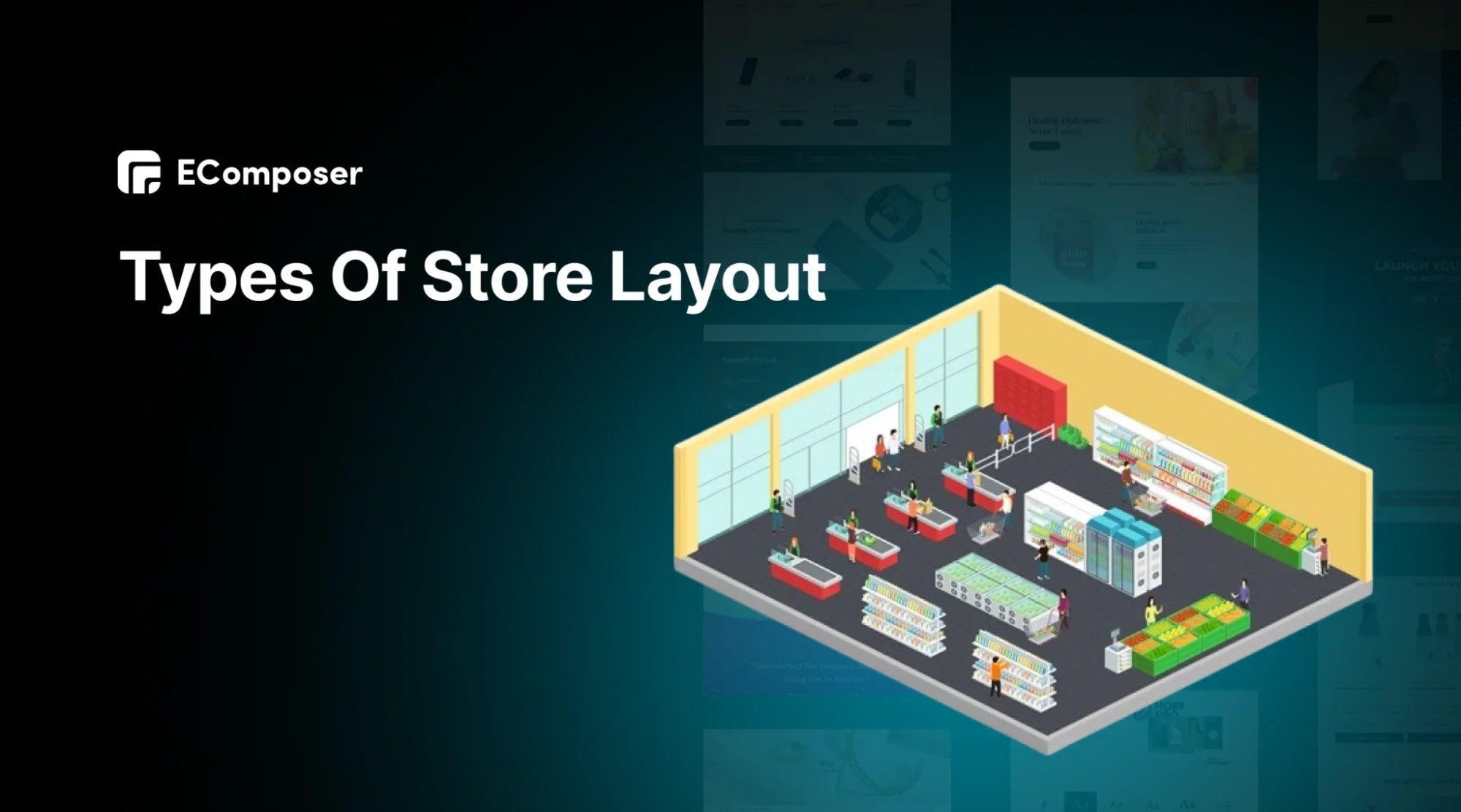
Ever wondered why you consistently leave stores with unplanned purchases? The secret lies in spatial psychology. Retail environments don’t just display products—they choreograph customer journeys. For Malaysian pharmacies aiming to boost sales while maintaining service quality, refining layout strategies isn’t optional; it’s a revenue-building necessity.
Zoning for Success
Effective merchandising starts with intentional spatial design. Instead of overwhelming shoppers with cluttered aisles, segment your pharmacy into purpose-driven zones: daily health necessities, seasonal promotions (think monsoon-ready immunity boosters), non-prescription remedies, preventive wellness supplements, and curated skincare solutions. This zoning approach reduces decision fatigue while ensuring customers encounter relevant products at every turn.
The Science of Strategic Pathways
Customer circulation patterns directly impact basket sizes. By positioning high-margin items like premium vitamins or dermatologist-approved creams along natural walking routes—think entryways or paths toward consultation counters—you create passive upsell opportunities. One Klang Valley pharmacy demonstrated this by moving supplements from dim back shelves to waist-height displays near entrance traffic zones. The outcome? A 15% sales jump for those products in under 10 weeks, proving visibility drives action.
Checkout Psychology: Capturing Final-Minute Decisions
Never underestimate the power of last-second grabs. Compact displays near payment counters—stocked with travel-sized sanitizers, glucose strips, or pocket-friendly pain relievers—convert idle waiting time into incremental sales. These zones work best when updated monthly to reflect current health trends (e.g., allergy season staples).
Case Study: Spatial Tweaks, Tangible Results
A Selangor-based independent pharmacy redesigned its supplement section using two principles: accessibility and adjacency. Relocating these products to high-traffic areas beside popular OTC cold remedies created logical cross-purchases. Combined with staff training on product benefits, this spatial shift didn’t just lift supplement revenue—it strengthened customer trust in their wellness recommendations.
Smart layout planning merges operational efficiency with behavioral insights. For Malaysian pharmacies, it’s not about manipulating choices, but about creating environments where informed decisions happen organically. By aligning physical spaces with how customers actually move and shop, retailers turn everyday foot traffic into measurable growth. After all, in pharmacy retailing, the path to profit literally lies under shoppers’ feet.
Learn more : Pharmacy Merchandising: Best Practices for Product Pricing and Promotion in Malaysia
Tip #2: Leverage Seasonal & Health Awareness Campaigns for Merchandising

Navigating seasonal demand shifts and public health initiatives creates prime opportunities for pharmacies to optimize their product displays. By syncing inventory themes with Malaysia’s health awareness calendar—think World Heart Month or National Nutrition Week—retailers can amplify both urgency and customer resonance.
Wholesale distributors serve as critical partners here, equipping pharmacies with curated product bundles and promotional materials tailored to current events. Take Malaysia’s annual haze season: distributors might stock retailers with “clean air” kits containing N95 masks, antihistamines, and antioxidant-rich supplements. Similarly, monsoon months could prompt displays of waterproof footwear guards alongside antifungal creams to address weather-related foot concerns.
Cultural events also shape purchasing patterns. During Ramadan, for instance, pharmacies often emphasize hydration aids, glucose management products, and digestive enzymes to support fasting customers. These targeted promotions don’t just address immediate needs—they help retailers cycle inventory efficiently, minimizing shelf stagnation while building loyalty through relevant solutions.
The secret lies in proactive planning. Pharmacies that monitor Ministry of Health campaigns or school reopening dates can preemptively showcase children’s immunity blends or allergy relief syrups. Pairing these efforts with educational signage (“Why Vitamin D Matters During Rainy Season”) or bundled discounts (“Respiratory Wellness Pack: 15% Off”) further elevates engagement.
Ultimately, timing is everything. Aligning with seasonal health trends transforms routine inventory into timely solutions, positioning pharmacies as community health hubs rather than mere retailers. By leveraging distributor partnerships and local health calendars, stores can create displays that feel both urgent and empathetic—a balance that drives sales while genuinely serving patient needs.
Learn more : How Seasonal and Promotional Merchandising Drives Sales in Malaysian Pharmacies | Consumer Health Trends Shaping Retail
Tip #3: Use End-Cap Displays to Maximize Promotional Impact
Choosing the Right Merchandising Partners for Malaysian Pharmacies: 5 Key Considerations
Selecting merchandising providers is a high-stakes decision for Malaysian pharmacy owners, impacting everything from shelf appeal to supply chain efficiency. To navigate this process effectively, focus on these five pillars during your evaluation:
1. Industry-Specific Expertise
Not all merchandisers understand pharmacy retail’s unique demands. Prioritize vendors with proven experience in healthcare settings, particularly those familiar with Malaysia’s regulatory landscape. Do they grasp the nuances of independent pharmacies versus large chains? Providers who’ve managed diverse formats can tailor strategies to your specific operational scale and customer demographics.
2. Supplier Network Integration
Seamless supply chain coordination is non-negotiable. Confirm whether potential partners have established ties with top pharmacy distributors in Malaysia. Can they synchronize deliveries with your inventory cycles, or will their workflows clash with your current systems? A provider’s ability to plug into your existing network minimizes disruptions and ensures consistent stock availability.
3. Geographic Coverage and Operational Scalability
A provider’s reach determines your growth potential. Verify their field team presence in critical regions like Penang, Johor Bahru, Sabah, and the Klang Valley. How often can they service rural vs. urban outlets? For multi-location pharmacies, opt for partners equipped to handle rapid scaling without compromising service frequency or quality.
4. Customizable Service Models
Avoid rigid contracts that lock you into unnecessary long-term commitments. Can you request seasonal resets or special promotions without hefty fees? Flexible providers allow à la carte services, letting you adjust support levels during peak seasons or inventory overhauls.
5. Proven Performance Metrics
Always validate claims with data. Request case studies showing KPIs like sales lift percentages or planogram compliance rates. Client references—ideally from pharmacies similar to yours—offer insights into a partner’s reliability.
Pro Tip:
Start with a trial store setup before full rollout. This low-risk test reveals how well the provider adapts to your workflows and customer preferences, ensuring alignment before major investments.
By methodically evaluating these areas, Malaysian pharmacy owners can secure merchandising partners that drive visibility, streamline operations, and ultimately boost profitability.
Tip #4: Incorporate Clear Signage and Educational Materials

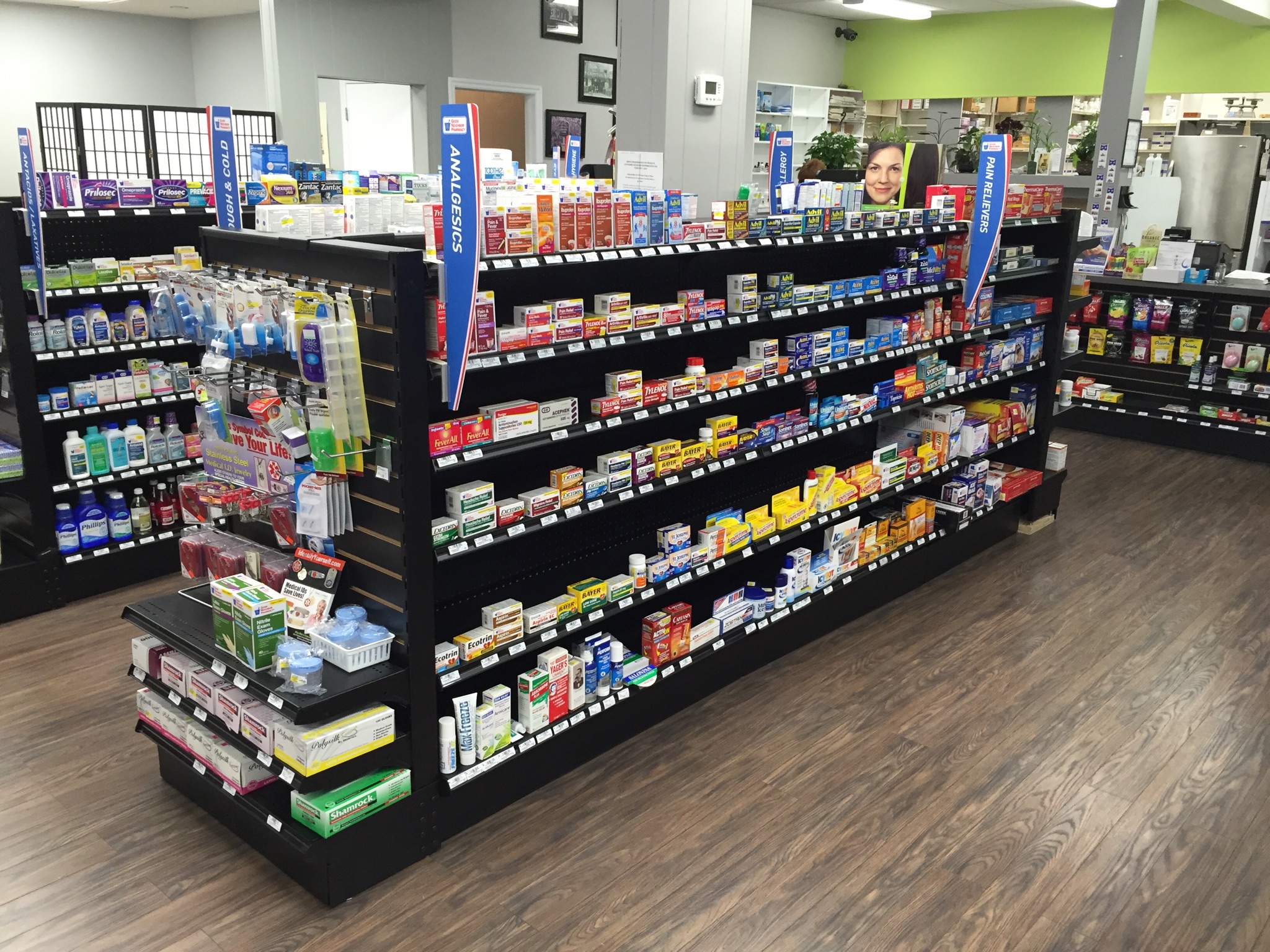
Ever wondered which area of your pharmacy consistently pulls double duty as both a traffic magnet and profit generator? Look no further than your end-cap displays—the often-underestimated heroes of retail merchandising. Positioned at the terminus of shopping aisles, these high-visibility zones act as silent salespeople, effortlessly capturing customer curiosity and driving impulse purchases. For pharmacies, leveraging this premium space can transform underperforming sections into profit powerhouses, particularly when promoting time-sensitive deals or evergreen bestsellers.
In Malaysia’s competitive retail landscape, certain product categories dominate end-cap real estate for good reason. Pediatric nutrition supplements, dermatologist-approved skincare ranges, and immune-support vitamins frequently claim these spots, aligning with local consumer priorities around family wellness and preventive health. Successful execution often hinges on partnerships with distributor networks, which provide pharmacies with turnkey promotional kits—think eye-catching banners, shelf talkers, and sample displays—to ensure brand consistency without draining internal resources.
Timing plays a critical role in maximizing end-cap effectiveness. New product launches gain instant credibility when showcased in these high-traffic zones, while seasonal campaigns—think Hari Raya health bundles or Back-to-School vitamin packs—benefit from the urgency these displays create. Savvy pharmacies amplify results through tactical cross-merchandising, like positioning hand sanitizers alongside travel-sized tissue packs or pairing collagen drinks with beauty tools. These combinations not only simplify shopping but nudge customers toward complementary purchases.
Data from Malaysian retail studies reveals a striking advantage: Products featured on end-caps enjoy over 30% higher visibility compared to standard shelf placements. This boost isn’t just about location—it’s about psychology. Shoppers perceive end-cap items as specially curated or discounted, even when browsing without a specific list.
While these displays require careful rotation to maintain freshness, their ROI per square foot remains unmatched. For pharmacies aiming to balance promotional flair with operational practicality, end-caps deliver a rare trifecta—elevated brand presence, increased basket sizes, and stronger supplier relationships. The question isn’t whether to use them, but how quickly you can refresh your current strategy to outshine competitors.
Learn more : Why Signage Is Important in Retail Settings
Tip #5: Group Products by Health Condition or Category

Imagine if your store layout could guide customers to solutions they hadn’t considered? Condition-based product grouping transforms ordinary shelving into a navigational tool that answers unspoken health concerns. By organizing items around specific wellness scenarios – think Bone & Joint Health or New Parent Essentials – pharmacies create intuitive shopping experiences while boosting basket sizes.
This strategy works because it mirrors how people actually think about healthcare needs. A shopper purchasing a blood glucose monitor might also require lancets, diabetic-friendly nutrition bars, or specialized skincare products. When these items live in separate aisles, customers often miss connections. But a purposefully arranged Diabetes Management zone turns isolated purchases into complete solutions. Recent data shows themed displays can increase complementary product sales by 40% in pharmacies adopting this model.
Malaysian retailers are catching on fast. Major distributors now supply premade bundles like Senior Mobility Kits (featuring pain relief gels, compression sleeves, and walking aids) alongside visual merchandising guides. These ready-to-use setups help time-strapped pharmacies implement clinical groupings without reinventing their floor plans.
The ripple effects benefit everyone involved:
Shoppers discover relevant products through logical associations
Staff gain conversational openings to educate customers
Brands enjoy heightened visibility when their items appear in contextually relevant “solution ecosystems”
One Kuala Lumpur pharmacy chain reported 28% higher supplement sales after reorganizing their cold care section into Immune Support Stations pairing vitamins with herbal teas and humidifiers. Such examples prove that smart categorization does more than move inventory – it builds trust by positioning pharmacies as partners in preventative care.
While traditional aisle-by-category layouts won’t disappear overnight, blending them with need-based zones creates a hybrid model for modern consumers. After all, the best retail environments don’t just stock products…they anticipate questions customers didn’t know to ask.
Tip #6: Rotate Slow-Moving Stock Strategically to Reduce Wastage

Ever wondered about those forgotten vitamin bottles gathering dust on pharmacy shelves? Inefficient inventory turnover doesn’t just clutter storage—it directly impacts profitability through expired products and wasted capital. For pharmacies, particularly those collaborating with Malaysian merchandising partners handling consignment goods or seasonal items, mastering stock rotation isn’t optional—it’s business-critical.
Forward-thinking pharmacy managers combat stagnant inventory with creative merchandising tactics. Repositioning overlooked items to high-traffic zones (like eye-level shelves) boosts visibility, while time-sensitive promotions create urgency for slower sellers. Pairing less popular products with bestsellers through bundled deals can also drive movement. Meanwhile, digital tools transform how pharmacies track inventory—modern POS systems and stock management software automatically highlight items nearing expiry, allowing teams to act before products lose value.
In Malaysia’s competitive pharmacy landscape, distributors increasingly offer innovative solutions to minimize waste. Stock exchange initiatives, where outlets trade soon-to-expire items for fresh batches, are gaining traction. These programs not only preserve profit margins but ensure customers access newer inventory. Local providers also emphasize the importance of structured expiry tracking—setting weekly check-ins for short-dated products or color-coding shelves by expiration month creates failsafe systems.
Operational discipline paired with tech integration makes all the difference. Pharmacies that schedule regular inventory audits and train staff on rotation protocols see fewer losses. Collaborating with Malaysia-based distribution services that understand regional purchasing patterns adds another layer of efficiency, especially for seasonal goods with tighter expiry windows.
The bottom line? Proactive inventory management turns potential losses into opportunities. By blending strategic merchandising, smart partnerships, and tech-driven tracking, pharmacies can keep shelves fresh, customers satisfied, and profitability intact—no more mystery vitamins languishing in the shadows. After all, in retail healthcare, every expired product represents more than waste—it’s a missed chance to serve your community better.
Tip #7: Train Staff on Merchandising Best Practices and Customer Flow

A flawless merchandising strategy means little if frontline employees aren’t aligned with its goals. Pharmacy assistants, cashiers, and retail teams serve as the backbone of in-store execution—their daily actions directly influence whether displays attract attention, products stay organized, and customers feel guided. In Malaysia’s competitive retail landscape, neglecting staff training often leads to disjointed experiences, missed sales opportunities, and diluted brand impact.
Specialized merchandising training bridges this gap. Unlike generic onboarding, these programs—often led by distributors or brand partners—equip teams with layout-specific skills. Staff learn to maintain shelf hygiene, update promotional signage promptly, and engage shoppers using placement logic (e.g., grouping complementary items). For instance, a well-trained pharmacy assistant might seamlessly highlight vitamin bundles near immune-boosting products during flu season, boosting basket size.
The ripple effects are measurable. Stores with trained teams report smoother navigation, as products align with customer search habits. This not only reduces “Where’s this item?” frustrations but primes shoppers for relevant upsells. Imagine a customer seeking painkillers being guided to adjacent heat patches—a subtle nudge that feels helpful, not pushy.
Many brands simplify implementation through pre-built resources. Collaborating with Malaysian merchandising services often unlocks plug-and-play SOPs, visual checklists, or digital training modules. These tools standardize practices across locations while allowing flexibility for regional promotions or store-specific layouts. Regular refresher workshops further reinforce standards, keeping teams agile amid seasonal shifts or new product launches.
Ultimately, merchandising excellence hinges on human execution. By empowering staff with context-driven skills and ongoing support, retailers transform static plans into dynamic, profit-driving experiences. After all, even the most eye-catching display loses its spark if employees don’t understand its purpose—or how to leverage it during customer interactions.
conclusion
Effective merchandising isn’t about radical store makeovers—it’s a deliberate process of refining visibility, enhancing shopper experience, and building trust through smart adjustments. For Malaysian pharmacies, this means blending seasonal promotions, intelligent layout designs, and team education to create spaces that resonate with customers. Below, we break down seven practical merchandising strategies tailored to pharmacies looking to boost engagement without disrupting daily operations.
The foundation of success often lies in partnerships. By working with trusted pharmacy suppliers in Malaysia or established pharmaceutical wholesalers, retailers gain access to insights and resources that elevate their store’s potential. Simple actions—like refreshing product displays, optimizing shelf arrangements, or introducing themed sections—can drive foot traffic and encourage longer browsing. Even subtle tweaks, such as rotating high-demand items to eye-level shelves or grouping complementary products, can yield measurable improvements in sales and customer satisfaction.
Consistency matters, but so does adaptability. Seasonal campaigns, for instance, allow pharmacies to align with local health trends or holidays while keeping inventory relevant. Meanwhile, staff training ensures your team can guide shoppers confidently, answer questions, and highlight promotions—transforming casual visitors into loyal patrons.
The secret lies in balancing aesthetics with functionality. Creating displays that tells a story (think: wellness bundles or allergy relief kits) not only educates customers but also simplifies their decision-making. Pair this with clear signage and logical store flow, and you’ll reduce friction while amplifying perceived value.
How can we assist you today? 😊
Just let us know—we’re here to help!