

November 9, 2025
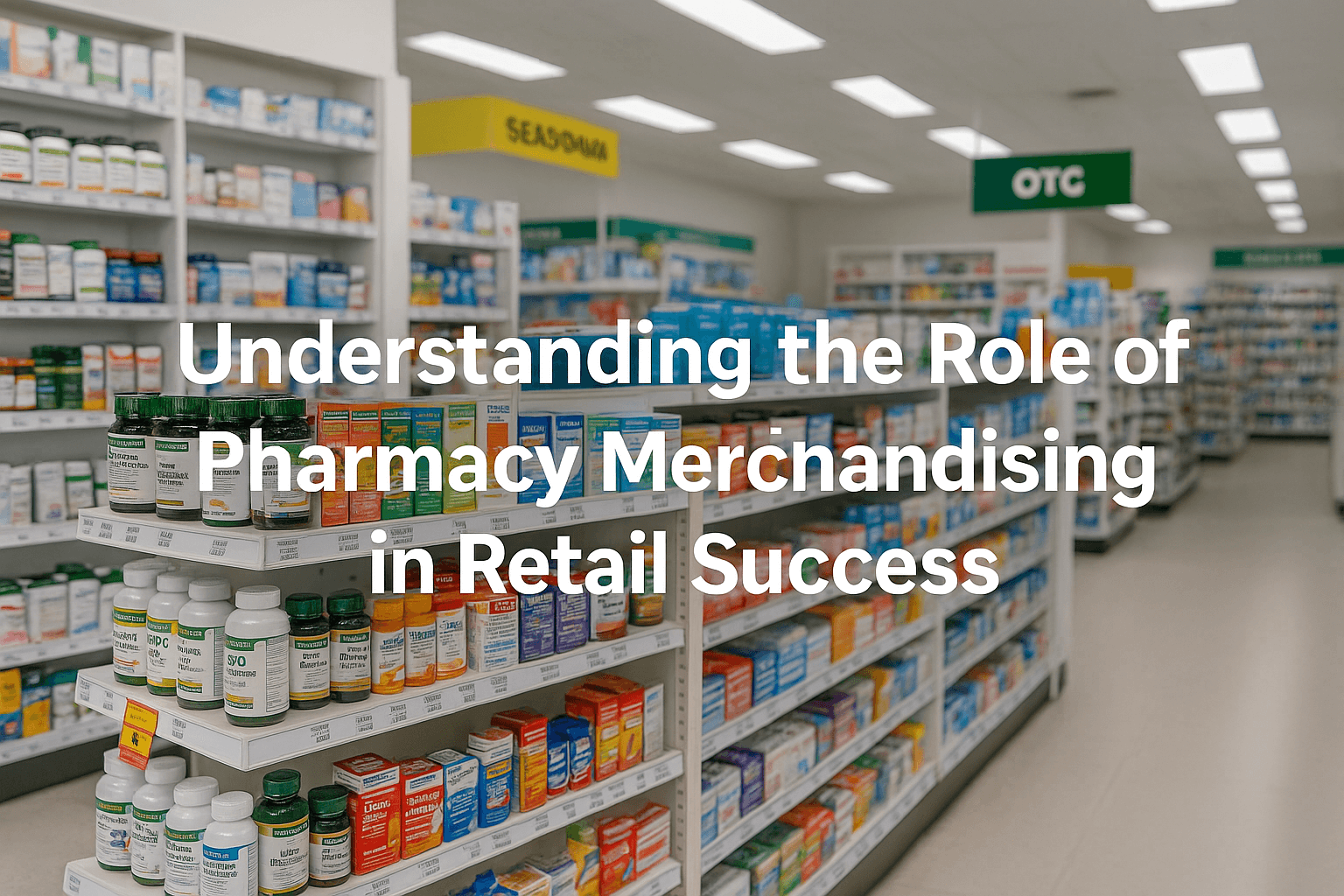
Why does one pharmacy feel inherently more trustworthy than its competitor, even when their product assortments are virtually identical? The answer rarely lies in pricing strategies. Instead, it is the powerful, often subconscious, impact of presentation. The meticulous organization of shelves, the strategic placement of seasonal promotions, and the unwavering adherence to a planned layout, or planogram, directly sculpt customer perceptions of quality and professional care. In Malaysia’s intensely competitive health retail landscape, where consumers choose between sprawling chain outlets and intimate independent pharmacies, superior merchandising operates as the critical, unseen engine that drives not only sales conversion but also profound, long-term customer loyalty. This isn’t about mere decoration; it’s a strategic exercise in building a reliable brand identity that resonates with the discerning Malaysian consumer.
Learn more: The Cost of Poor Merchandising in Malaysia’s Competitive Pharmacy Market
Beyond Aesthetics: The Multifaceted Role of Pharmacy Merchandising
Pharmacy merchandising is frequently misunderstood as a discipline concerned solely with aesthetic appeal. In reality, its function is far more comprehensive, encompassing consistency, regulatory compliance, and the foundational building of customer trust. As the pharmacy distribution service in Malaysia continues to expand through dense national and specialized regional networks, maintaining rigorous visual standards becomes non-negotiable. These standards guarantee that every single outlet—from a bustling urban center in Kuala Lumpur to a community-focused store in Kuching—delivers the same reliable and professional experience. When a customer encounters disorganized shelves, out-of-place products, or mismatched pricing labels, it triggers a subconscious doubt. This doubt can extend beyond the products themselves to question the credibility and expert knowledge of the pharmacists on duty. A trusted and efficient merchandising system thus acts as the pharmacy’s silent, yet profoundly effective, brand ambassador, working tirelessly to reinforce positive perceptions.
The Tangible Impact: How Strategic Merchandising Drives Retail Success
What separates a high-performing pharmacy from an underperforming one when their product portfolios are similar? The divergence almost always stems from the strategic and deliberate application of pharmacy merchandising principles. Within the complex pharmacy distribution ecosystem, merchandising serves a multi-pronged purpose: it maximizes product visibility, stimulates valuable impulse purchases, and, crucially, upholds product integrity in line with strict guidelines from the NPRA and Good Distribution Practice (GDP). For Malaysian pharmacies, the central challenge transcends simply deciding what products to stock; it revolves around the effective methodology of presenting those products to the public. A well-defined merchandising system, often supported by specialized pharmacy merchandising services, simultaneously bolsters commercial performance and ensures compliance, creating a powerful synergy that protects both revenue and reputation.
Consider the critical role of planogram compliance. This disciplined approach systematically avoids cluttered aisles, significantly reduces the risk of expired stock sitting on shelves, and enhances accessibility for both staff and customers. A pharmacy operating within a large distributor pharmacy Malaysia network typically receives detailed planograms, promotional materials, and standard operating procedures for store displays. The objective is uniformity. A patient searching for a specific heart health supplement in a George Town pharmacy should be able to locate it at the same shelf height and in a similar product zone as in a Malacca branch. This consistency isn’t a minor detail; it is a core component of a reliable brand promise. Pharmacies that neglect this discipline risk not only diminished sales but also potential non-compliance during routine GDP audits, which can have serious operational consequences.
From the perspective of a distributor pharmacy collaboration, effective merchandising forms an indispensable bridge between the physical supply of goods and their final sell-through to the consumer. This alignment creates a win-win scenario for all stakeholders involved. Brand managers gain confidence seeing their marketing objectives accurately reflected at the point of sale. Pharmacists and their staff save precious time during customer consultations when products are logically arranged and easy to find. Ultimately, the end-customer enjoys a smoother, more intuitive, and engaging shopping journey. This holistic approach is a proven methodology that directly reinforces the pharmacy’s market credibility and positions it as a trusted healthcare partner in the community.
Core Learning Objectives of a Comprehensive Merchandising Training Program

What specific competencies should pharmacy staff acquire during a structured merchandising SOP training? A prevalent misconception is that visual merchandising is a superficial skill concerned only with making shelves look attractive. In the highly regulated pharmacy environment, it is equally about operational accuracy, logical product placement, and unwavering regulatory compliance. A truly comprehensive training module must equip team members with a blended skill set that marries store execution training with a deep understanding of customer behavior and needs. The learning goals extend far beyond simple tidiness.
Understanding Planogram Structure and Logic
Staff must be trained to accurately interpret and implement detailed planograms. This involves ensuring precise brand blocking—where competing brands are grouped logically—and perfect label alignment. This meticulous attention to detail is fundamental for maximizing pharmacy product visibility and ensuring that strategic placements, such as high-margin or promotional items, achieve their intended impact. It transforms a two-dimensional diagram into a three-dimensional commercial reality.
Maintaining Visual Consistency and Cleanliness
Every shelf, display rack, and promotional stand is a direct reflection of the pharmacy’s commitment to hygiene and professionalism. Dust accumulation, crooked or faded pricing labels, and mismatched product displays can subtly yet powerfully erode customer trust in the pharmacy’s brand professionalism. Training must ingrain the habit of continuous visual maintenance, making it an integral part of the daily routine, not just a task for audit days.
Mastering Category Flow and Strategic Adjacency
Staff need to develop a keen awareness of product hierarchy and the strategic relationship between different categories. Understanding that a customer looking for digestive aids is highly likely to also consider probiotics allows staff to create intuitive category flows. Placing these related items in close adjacency can subtly guide the customer, enhance their experience, and directly increase the average basket size. This is a strategic application of consumer psychology.
Implementing Stock Rotation and Expiry Control
This is a critical SOP requirement with direct financial implications. Proper training must embed rigorous FIFO (First In, First Out) practices into the daily workflow. This disciplined approach minimizes revenue loss from expired products and is a key focus area during distributor audits. It is a fundamental aspect of responsible inventory management.
Upholding Regulatory Knowledge and Compliance
Staff should be equipped to recognize which products have specific display or labeling requirements mandated by bodies like the NPRA. Understanding that certain items cannot be openly displayed or require specific documentation before being placed on sale is essential to avoiding regulatory pitfalls and maintaining the pharmacy’s license to operate.
When a pharmacy team collectively masters these core objectives, store-level performance monitoring becomes a more streamlined and efficient process. Supervisors can quickly identify deviations from the layout or pinpoint underperforming categories. From the dual viewpoints of distributors and brand managers, a well-trained pharmacy team functions as a reliable and expert on-ground execution force. They ensure that the investments in pharmacy merchandising services yield consistent, measurable, and positive outcomes across all regions, from Penang to Johor Bahru.
Learn more: What Is Merchandising in Pharmacy? Definition, Examples, and Strategy
The Role of Pharmacists and Frontline Staff in Merchandising Excellence

How can training sessions remain engaging and memorable while covering necessary technical details? The most effective approach involves blending hands-on, practical execution with visual and contextual learning. Malaysian pharmacies achieve the best results when their training is deeply contextualized, utilizing real product shelves, familiar local product categories, and materials supplied by their pharmacy distributors.
Category Management Fundamentals
Training must begin by teaching staff how to segment products logically—distinguishing between health supplements, personal care items, and over-the-counter (OTC) medicines. This should be framed within a merchandising SOP Malaysia framework, emphasizing the distinct differences between health-driven zones, which require a more clinical feel, and lifestyle-oriented sections, which can be more promotional.
Visual Merchandising Standards and Execution
This topic moves from theory to practice, demonstrating concrete pharmacy visual standards. Trainers should focus on the precise details of product spacing, the strategic use of lighting to highlight specific zones (e.g., using brighter lights for skincare products without overwhelming the more subdued medicinal aisles), and maintaining a balanced color scheme that aligns with the pharmacy’s branding.
Strategic Product Adjacency and Customer Flow
Here, staff learn the “why” behind the planogram. By mapping natural Malaysian shopping patterns, trainers can explain the logic of planogram compliance. For instance, placing pain relief gels next to therapeutic joint supports and hot/cold patches creates a holistic solution hub for customers dealing with muscle or joint discomfort, making the shopping journey intuitive and comprehensive.
Seasonal and Campaign-Based Merchandising
This module prepares staff for the dynamic nature of retail. It incorporates training on executing distributor-sponsored promotions or creating thematic displays. Real-world examples are highly effective, such as setting up a dedicated “Ramadan Wellness Corner” with dates, hydration salts, and nutritional supplements, or constructing a “Flu-Season Immunity Wall” featuring vitamins, masks, and thermometers.
Integrating Merchandising with Pharmacist-Customer Interaction
Perhaps the most crucial topic is training staff to fuse their product placement knowledge with direct customer communication. A staff member who can not only guide a customer to the correct aisle but also explain why certain products are grouped together reinforces the pharmacy’s role as a trusted advisor. This synergy between space and service profoundly strengthens the overall customer experience and cements loyalty.
The ultimate goals of this tailored training syllabus are clear: participants should comprehend the brand display logic from both supply and retail perspectives, maintain visual and operational consistency despite challenges like staff rotation, and execute displays that satisfy both marketing ambitions and strict compliance standards. This deep understanding is what forges an effective and reliable frontline team.
Learn more: “Beauty and Personal Care in Malaysia: Market Trends & Future Growth
The Distributor’s Crucial Role: Bridging the Gap from Warehouse to Shelf
What critical processes occur between the moment a product is delivered and its final placement on the pharmacy shelf? This transition—often called the “last meter” of retail—is where the success of any merchandising strategy is ultimately determined. Distributor pharmacies are instrumental in ensuring that corporate-level merchandising guidelines are accurately and consistently translated into store-level reality, making them a strategic partner in the retail journey.
Distributor-Led Support and On-Site Execution
Pharmacy distributors in Malaysia frequently provide more than just products; they offer essential on-site execution support. Their certified merchandising representatives conduct store visits to verify planogram accuracy, label clarity, and overall compliance with established retail pharmacy display standards. These visits should be framed not as punitive inspections but as collaborative, hands-on coaching sessions. Distributor experts can provide real-time guidance on how to adapt standard displays during major promotional events or manage restocking efficiently without compromising the overall layout.
Comparative Framework: Distributor-Led vs. In-House Training
| Aspect | Distributor-Led Training | In-House Pharmacy Training |
|---|---|---|
| Primary Focus | Brand & visual standards, regulatory compliance, execution precision | Internal store workflow, daily operational routines, staff scheduling |
| Source of Expertise | Conducted by certified, brand-aligned merchandisers | Typically led by in-house supervisors or store managers |
| Regulatory Coverage | Comprehensive, covering NPRA, GDP, and specific planogram audits | Often more limited, focusing on basic operational and safety checks |
| Impact on Cross-Outlet Consistency | High – ensures uniform brand experience across multiple outlets | Moderate to Variable – highly dependent on individual manager focus and resources |
| Primary Outcome | Proven alignment with national marketing campaigns and strict compliance goals | Varies significantly by outlet size, management quality, and available resources |
The Power of Collaborative Impact
When distributors and retail pharmacists engage in strategic collaboration, the outcomes of any training program are significantly amplified. Consider a national launch for a new probiotic brand. The distributor pharmacy might supply a comprehensive visual toolkit—including shelf talkers, wobblers, and branded header boards—while the pharmacy staff, now thoroughly trained, expertly integrate these elements into their local store layout. The result is an efficient, brand-coherent, and visually compelling display that strengthens both the manufacturer’s brand recognition and the individual pharmacy’s reputation for carrying the latest products. This trusted partnership fosters a shared culture of accountability and excellence, ensuring that every product’s journey—from the warehouse pallet to the customer’s eye level—is seamless, fully compliant, and visually consistent.
The Human Element: Empowering Pharmacists and Staff for Merchandising Excellence
Can a meticulously crafted planogram truly deliver results without the dedicated team that brings it to life each day? The simple answer is no. The architecture of a perfect shelf layout remains inert without the human intelligence, daily diligence, and professional pride of the pharmacy’s frontline. Merchandising excellence is not a static achievement but a continuous process fueled by the people who interact with the products, the space, and most importantly, the customers. Their collective effort transforms a generic retail template into a dynamic, trusted healthcare destination. This human-centric approach is what separates a transactional store from a professional pharmacy that commands respect and loyalty.
The Pharmacist’s Dual Role: Clinical Authority and Visual Steward
From the pharmacist’s perspective, their responsibility extends far beyond the dispensary counter. They act as the ultimate gatekeepers of both clinical integrity and the visual environment. Their deep understanding of product indications, contraindications, and safety profiles lends an irreplaceable layer of credibility to the store’s layout. When a pharmacist confidently guides a customer to a specific section that is logically organized and impeccably maintained, it reinforces a powerful message of expert care. This synergy between clinical knowledge and visual order is paramount. Furthermore, pharmacists ensure that the drive for optimal pharmacy product visibility never compromises strict regulatory compliance. They are essential in upholding protocols that keep controlled medicines securely stored while ensuring over-the-counter items and supplements are accessible, creating a shopping experience that is both safe and intuitive for the consumer.
Learn more: “Consumer Behaviour Insights: What Malaysians Actually Respond To
The Frontline Team: The Guardians of Daily Execution and Consistency
While pharmacists set the standard, the frontline staff are the engine of daily execution. Their routine tasks—replenishing stock, conducting expiry date checks, maintaining impeccable cleanliness, and adjusting labels—are the fundamental actions that determine whether pharmacy visual standards are a lived reality or just a forgotten policy. Without their precision and attention to detail, even the most sophisticated planogram quickly degrades into a state of disorder. These team members bring the static layout to life; they are the ones who notice when a product is selling faster than anticipated, who spot a damaged package, and who ensure the shelves always look fully stocked and inviting. Their role is not merely manual; it is observational, making them a reliable source of ground-level intelligence that can feed back into a more effective overall strategy.
The Distributor and Brand Manager Viewpoint: Partnership in Execution
From the vantage point of distributors and brand managers, the pharmacy team are the crucial final link in the supply chain. Brand managers invest significant resources into marketing campaigns and packaging design, and they rely entirely on store staff for flawless in-store execution. A distributor’s representative visiting a outlet is not just an auditor; they are a partner. They collect photographic evidence, not to penalize, but to benchmark and understand discrepancies. They share quick, practical correction tips, turning each visit into a micro-training session. This relationship is a two-way street. For a distributor pharmacy in Malaysia, consistent execution across hundreds of outlets is the cornerstone of their value proposition to the brands they represent. They depend on a strategic partnership with each pharmacy to ensure that national marketing campaigns are translated accurately at the local level, protecting brand equity and driving sell-through.
Fostering a Collaborative Culture for Unbreakable Consistency
The ultimate goal is to build a culture of mutual respect and shared purpose among all parties. This collaboration creates a virtuous, continuous learning loop: pharmacists uphold the quality and safety standards, staff maintain the operational flow and visual clarity, distributors provide the tools and materials, and managers analyze the collective performance data to refine the approach. This integrated effort ensures that pharmacy merchandising services deliver uniform, high-quality outcomes across different regions, from the heart of Kuala Lumpur to the coastal towns of Kota Kinabalu. When everyone is aligned, the system becomes not only more efficient but also more resilient and adaptable to change.
Learn more: A Complete Pharmacy Merchandising Checklist for Malaysian Retail Pharmacies
The Modern Toolkit: Essential Techniques for Effective Merchandising Training
How do leading Malaysian pharmacy chains ensure that a new promotional display in Johor Bahru looks identical to one in Penang? The secret lies in deploying a modern arsenal of tools and techniques that enhance communication, simplify training, and create clear accountability. Moving beyond paper-based manuals, these strategic resources make consistency an achievable, measurable goal.
Digital Planogram Platforms for Real-Time Clarity
Gone are the days of deciphering complex paper diagrams. Modern pharmacies utilize digital planogram software—platforms like Shelf Logic or DotActiv—that allow for the design, sharing, and auditing of layouts in a dynamic digital space. Staff can access these visual templates directly on store tablets or smartphones. This means that any update from the distributor—a new product launch, a packaging refresh, or a revised promotional setup—can be communicated and implemented across all outlets in real time. This technology eliminates ambiguity and ensures everyone is working from the same, most current version of the plan, making the entire process significantly more efficient and reducing errors.
The Power of Photo-Based Audits and Performance Dashboards
To close the loop between instruction and execution, distributors and head offices increasingly rely on photo-based audits. Staff or field representatives periodically submit digital photos of specific shelves or displays. This method provides instant, undeniable evidence of planogram compliance and helps to quickly identify and rectify discrepancies. This visual data is then often fed into integrated performance dashboards. These dashboards merge sales data with audit scores, allowing managers to move beyond guesswork. They can definitively see which displays are not only compliant but are also driving commercial results, enabling a more effective and data-driven approach to store-level performance monitoring.
Interactive Mock Shelf Workshops for Hands-On Learning
The most effective training bridges the gap between theory and practice. This is where mock shelf workshops prove invaluable. During execution training sessions, facilitators recreate full-scale shelf models within a classroom setting. Participants get to physically handle products, arranging SKUs according to the merchandising SOP Malaysia guidelines. This hands-on practice helps staff internalize the rationale behind product placement, brand blocking, and category adjacency. It also allows them to safely troubleshoot common real-world constraints, such as dealing with limited shelf space or integrating new products without disrupting the entire flow. This experiential learning builds muscle memory and confidence.
Comparative Framework: Digital Tools vs. Traditional Methods
| Aspect | Modern Digital Toolkit | Traditional Paper-Based Methods |
|---|---|---|
| Speed of Update | Instant, real-time synchronization across all locations | Slow, requiring physical distribution of updated documents |
| Audit Accuracy | High, with timestamped photo evidence and data integration | Prone to human error and subjective interpretation |
| Training Engagement | Interactive, using tablets and visual software; easier for new hires | Passive, reliant on paper manuals and one-way instruction |
| Data-Driven Insights | Proven ability to correlate display compliance with sales data | Limited to basic checklist compliance without commercial context |
| Scalability | Highly scalable for large chains and distributor pharmacy networks | Cumbersome and resource-intensive to manage at scale |
Cultivating a Sustainable Merchandising Culture Beyond Compliance
Many pharmacy operators make the critical error of treating merchandising as a box-ticking compliance activity, a burden to be endured during audit periods. However, genuine, long-term success arises only when visual discipline becomes an ingrained part of the organization’s daily behavior. A sustainable merchandising culture transforms staff from passive executors of a plan into proactive, proud custodians of the store’s environment.
The Core Elements of an Enduring Culture
Building this culture requires a deliberate and strategic focus on several key elements. First, clear and accessible SOP documentation is essential. Each outlet should have simplified, visual guides—readily available on the shop floor—that cover fundamental routines like shelf zoning, lighting standards, and promotional set-up. Second, the model of annual day-long training seminars is often ineffective. Instead, regular micro-trainings—brief 15 to 20-minute coaching sessions held weekly—are far more effective at reinforcing routines and addressing small issues before they become major problems. Third, recognition and incentives are powerful motivators. Acknowledging staff or teams who maintain exceptional displays, perhaps through a simple “Visual Champion of the Month” program, sustains engagement and fosters healthy competition. Finally, establishing a two-way feedback loop is crucial. Pharmacists and staff must feel empowered to share their insights with distributors about customer reactions to displays or operational bottlenecks they observe daily.
A Local Success Story: The Selangor Pharmacy Group
Consider the proven results achieved by a mid-sized pharmacy group in Selangor. They moved beyond a compliance-centric model by introducing a “Merchandising Champion” program in each of their outlets. These champions were given extra training and were empowered to take ownership of their assigned aisles. Within just three months, the group recorded a 12% sales increase in their supplement category. This was not a coincidence. The increase was directly attributed to the champions’ diligent application of strategic adjacency and color-blocking principles, creating a more navigable and appealing shopping environment. The success was a direct outcome of cultivated cultural ownership, not a top-down mandate.
Quantifying Impact: Measuring the Success of Merchandising Training
How can a pharmacy manager or a brand manager move beyond gut feeling and truly know if their investment in merchandising training is yielding a return? The bridge between activity and outcome is built with quantifiable, data-driven metrics. These Key Performance Indicators (KPIs) provide an objective lens to separate hopeful intentions from proven commercial results.
Essential Key Performance Indicators (KPIs)
The most effective measurement strategy tracks a blend of operational and commercial metrics. The Planogram Compliance Rate is the foundational KPI, measuring the percentage of shelves that adhere to the approved layout. However, compliance alone is not enough. It must be correlated with Category Sales Growth, comparing turnover in specific sections before and after training or a layout change. Another insightful metric is Customer Dwell Time, which can be observed to see if shoppers are spending more time in high-margin zones, indicating improved navigation and engagement. Finally, a comprehensive Display Audit Score—a weighted rating combining cleanliness, signage accuracy, and stock balance—provides a holistic view of visual health.
Practical Methods for Ongoing Monitoring
Implementing these KPIs requires practical monitoring methods. Before-and-after photos provide undeniable visual evidence of improvements and are a powerful motivational tool for staff. Integrated sales dashboards that link directly to pharmacy shelf management data allow managers to see the direct commercial impact of specific displays. Furthermore, mystery shopper programs can evaluate compliance and the overall customer experience from an unbiased, consumer-centric viewpoint, offering insights that internal audits might miss.
Interpreting the Data for Continuous Improvement
The true power of measurement lies in interpretation. For instance, if shelf compliance improves dramatically but sales in that category stagnate, it may indicate that the planogram, while tidy, does not align with actual local customer buying habits. Conversely, high sales with poor compliance might signal a short-term promotional boost but also underlying operational issues that could lead to problems during an audit. A balanced, ongoing review of these metrics turns merchandising from a static, set-and-forget routine into a dynamic, essential management tool for continuous refinement and growth.
Navigating Real-World Hurdles: Common Challenges and Strategic Solutions
Even the most well-designed merchandising program will encounter obstacles when deployed in the dynamic environment of a Malaysian pharmacy. Acknowledging these challenges and having reliable, pre-emptive solutions is key to maintaining momentum and achieving sustainable success.
Challenge 1: High Staff Turnover and Knowledge Loss
The frequent rotation of frontline staff can severely disrupt visual consistency, as institutional knowledge walks out the door.
Solution: Develop compact, engaging digital training modules that new hires can complete within their first few days. Partner with your distributor to schedule brief follow-up visits or virtual check-ins to reinforce the training and answer questions, ensuring new team members are brought up to speed quickly and effectively.
Challenge 2: Severe Limitations on Floor Space
Especially in urban pharmacy settings, the sheer number of SKUs competing for limited shelf space is a constant battle.
Solution: Employ strategic space optimization techniques like vertical zoning to maximize use of height, and implement a disciplined quarterly schedule for rotating seasonal displays. Distributor pharmacies can support this by designing and supplying compact, modular display kits specifically tailored for smaller footprint stores.
Challenge 3: Regulatory Awareness Gaps
Frontline staff may not always be fully aware of the latest NPRA display requirements, potentially leading to unintentional non-compliance.
Solution: Integrate a simple, visual NPRA checklist directly into the regular merchandising SOP assessment. This bakes compliance into the daily routine, making it a habitual part of shelf maintenance rather than a separate, intimidating task.
Frequently Asked Questions (FAQ)
Q1: What is merchandising training for pharmacy staff?
Answer:
Merchandising training for pharmacy staff is a structured program that teaches employees how to arrange, display, and manage products effectively. It covers planogram compliance, product visibility, and customer flow strategies to improve both sales performance and regulatory compliance.
Q2: Why is merchandising important in a pharmacy setting?
Answer:
Effective merchandising ensures customers can find products easily, improves store aesthetics, and builds trust in the pharmacy’s professionalism. It also helps maintain product freshness and compliance with NPRA and GDP standards.
Q3: What are the main objectives of pharmacy merchandising training?
Answer:
The key objectives include understanding planograms, maintaining visual consistency, optimizing category flow, managing stock rotation, and ensuring regulatory compliance — all to enhance the shopping experience and drive sales.
Q4: How often should pharmacy staff undergo merchandising refresher training?
Answer:
Ideally every six months or after major product launches, layout changes, or policy updates. Continuous micro-training sessions help maintain consistent standards across all outlets.
Q5: Who provides merchandising training in Malaysian pharmacies?
Answer:
Training is usually delivered by pharmacy distributors in Malaysia, brand merchandisers, or internal retail trainers. Some large chains also collaborate with external merchandising service providers for standardized execution.
Q6: How does merchandising training support compliance with NPRA and GDP guidelines?
Answer:
Proper training ensures staff understand which items require restricted access or labeling, how to store medicines safely, and how to present approved products only—avoiding compliance breaches or audit issues.
Q7: What tools are used to support merchandising training and monitoring?
Answer:
Tools include digital planogram software, photo-based audit systems, and sales performance dashboards. These technologies track visual standards, consistency, and category performance across pharmacy outlets.
Q8: What are common challenges in implementing merchandising training?
Answer:
Challenges include high staff turnover, limited floor space, inconsistent communication between distributors and stores, and lack of ongoing refresher sessions. Structured SOPs and digital modules help overcome these.
Q9: How does good merchandising benefit customers directly?
Answer:
Well-organized shelves make shopping easier, reduce confusion, and increase confidence in product safety. Customers perceive the pharmacy as more professional and are more likely to return.
Q10: How can pharmacies measure the success of merchandising training?
Answer:
Pharmacies track KPIs such as planogram compliance rate, sales growth by category, customer dwell time, and display audit scores. Improved results in these areas indicate training effectiveness.
A well-executed merchandising strategy is the culmination of deliberate planning, expert training, and continuous refinement. It is a proven investment that pays dividends in customer trust, operational efficiency, and brand strength.
How can we assist you today? 😊
Just let us know—we’re here to help!