

January 6, 2025
Learn more : Challenges and Opportunities in Malaysia’s Pharmaceutical Supply Chain
Learn more : How Sustainability Is Shaping Pharmacy Distribution Services
Learn more : KKM Check Tools and Platforms You Can Use
Executing POSM Setup and Promotion Deployment Across Pharmacy Networks

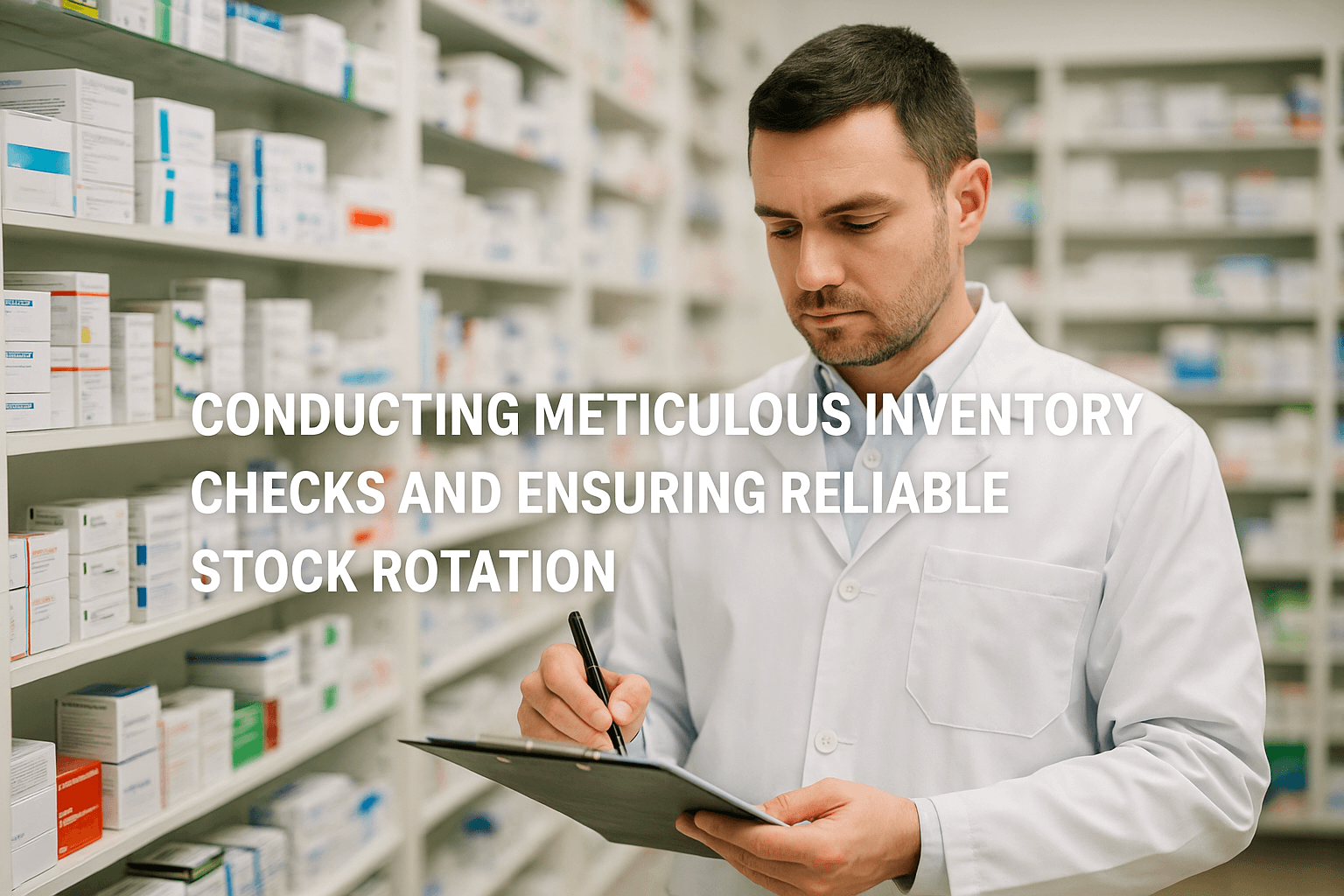
The deployment of Point-of-Sale Materials is a critical function that transforms a standard pharmacy shelf into a dynamic commercial environment. This process involves the efficient installation of a variety of marketing collaterals, including wobblers (shelf-edge banners), shelf-talkers (small informational signs), product testers, promotional bunting, and free-standing standees. The execution of this task requires a meticulous eye for detail, as the merchandiser must ensure that every promotional element not only matches the brand compliance guidelines for font, color, and messaging but also strictly adheres to pharmacy regulations set forth by Malaysian authorities. A key part of this is verifying that all pricing labels follow national guidelines, such as those from the Ministry of Domestic Trade and Cost of Living (KPDNHEP), and align perfectly with the promotional briefs provided by brand managers. This is where a tailored approach becomes vital; a high-traffic pharmacy in a Kuala Lumpur shopping mall may require bold, large-scale standees to capture attention, while a community pharmacy in a smaller town like Ipoh might benefit more from detailed shelf-talkers that educate customers.
The coordination required for successful promotion deployment offers a fascinating multi-perspective view. From the pharmacist’s viewpoint, the merchandiser’s work in setting up POSM is a welcome support that enhances the store’s vibrancy without adding to their already heavy workload. They rely on the merchandiser’s expert knowledge to ensure that all promotional claims are legally sound. For the brand team, the merchandiser is the final guarantee that their costly marketing campaign is implemented correctly and consistently across the retail network, protecting the brand’s integrity. The merchandisers themselves must navigate the practical constraints of each store, often negotiating with store managers for prime positioning and ensuring that promotional materials do not obstruct essential product categories or violate any KKM-approved product arrangements. This triad of interests must be balanced perfectly for a promotion to be both effective and compliant.
Learn more : Planogram Compliance and Retail Execution Insights
The Critical Role of Reporting, Documentation, and Data-Driven Communication

In today’s data-centric world, the work of a visual merchandiser extends far beyond physical shelf management into the realm of data-driven communication. The role demands rigorous reporting and documentation practices, which cement the merchandiser’s status as a trusted field agent for the pharmacy distributor Malaysia they represent. This involves systematically capturing evidence of their work through photo reporting of displays, filling out detailed SKU log sheets to record stock levels and placements, and documenting any compliance issues or competitor activities. The use of digital tools has revolutionized this process, enabling near-instantaneous relay of field information. Platforms like WhatsApp Business are used for quick alerts and photo updates, while more structured CRM systems or field force apps like HubSpot are employed for formal reports, task assignments, and performance tracking.
This consistent and accurate flow of information is what makes the merchandising function so effective. For the distributor pharmacy planning team, these reports are not just paperwork; they are a live feed of market intelligence. A photo of a competitor’s new product launch or a log sheet showing persistent OOS for a key SKU provides actionable data that can trigger a strategic response, from adjusting inventory levels to launching a counter-promotion. This fosters cross-functional collaboration, as the merchandiser’s reports become essential for the sales team to understand ground-level challenges and for the supply chain team to validate their forecasting models. In essence, the merchandiser’s documentation transforms isolated store visits into a cohesive, intelligent system that strengthens the entire distribution operation.
Learn more : How Better Data Improves Retail and Field Operations
Upholding Compliance Responsibilities: KKM, Brand, and Store-Level Standards
A non-negotiable and increasingly complex aspect of the visual merchandiser’s role is serving as a frontline guardian of compliance. This requires expert knowledge to ensure that every product display meticulously follows the KKM-approved guidelines, particularly concerning product claims, visual guidelines for certain therapeutic categories, and the mandatory separation of regulated items from general health products. The merchandiser is responsible for completing detailed compliance checklists that cover aspects of branding accuracy, general hygiene, and customer safety. A significant part of their day is spent identifying and rectifying incorrect placements, such as a high-risk supplement being positioned next to a general wellness product in a way that could mislead consumers, or a skincare item being displayed in an area that violates its registered category. This proven process of vigilance is crucial for protecting both the pharmacy’s license and the consumer’s well-being.
The division of compliance responsibilities often highlights the synergy between the visual merchandiser and the in-house store team. The following table clarifies this dynamic, showcasing how their roles, while distinct, are deeply interconnected in achieving common retail goals.
| Compliance Metric | Primary Role of Visual Merchandiser | Primary Role of In-House Store Team |
|---|---|---|
| KKM Claim Accuracy | Audits POSM and shelf labels to ensure all health claims are approved and not misleading. | Maintains the overall regulatory integrity of the store and handles direct queries from KKM officers. |
| Promo Execution | Installs and verifies that promotional materials and pricing are 100% aligned with brand and legal guidelines. | Protects materials from damage, alerts distributor of missing materials, and applies price changes at the system level. |
| Expiry Management | Conducts proactive shelf scans during each visit, physically rotates stock using FIFO, and flags short-dated items. | Manages the backroom stock rotation and processes the physical removal of expired goods for return or disposal. |
| Planogram Adherence | Resets shelves to the official planogram, corrects misplaced items, and documents any deviations with reasons. | Maintains the planogram integrity between merchandiser visits by preventing staff or customers from disrupting the layout. |
Learn more : OECD Consumer Product Safety Guidelines
Fostering Strategic Collaboration with Pharmacists, Distributors, and Brand Managers
The effectiveness of a visual merchandiser is ultimately determined by their ability to foster strategic collaboration across the entire supply chain. This role is inherently relational, built on becoming a reliable partner to pharmacists, distributor teams, and brand managers. For the pharmacist, a skilled merchandiser provides invaluable support that goes beyond stocking shelves. By optimizing category navigation and ensuring a logical, clean product flow, the merchandiser directly contributes to an improved patient experience, making it easier for customers to find what they need. This collaboration is evident in popular Malaysian categories like OTC cough and cold, where a merchandiser might create a dedicated “Cold & Flu Relief” bay just before the rainy season, or in the competitive vitamins and supplements aisle, where they ensure leading local and international brands are given visibility based on sales data.
For the distributor teams, the merchandiser is a key asset in refining operational efficiency. Their on-ground feedback about traffic patterns and store operating hours directly influences the planning of coverage routes and visitation schedules, making the entire field force more productive. Most importantly, the merchandiser acts as a critical feedback channel for brand managers. They provide unfiltered insights into real-world shopper behaviour and SKU performance, reporting, for instance, that a new Malaysian skincare brand is flying off the shelves in Selangor but struggling in Kelantan, or that the packaging of a mom & baby product is too large for the standard shelf dimensions in independent pharmacies. This intelligence is gold for marketing and product development teams, allowing them to make informed, data-backed decisions. This tripartite collaboration ensures that the entire ecosystem—from the pharmacy wholesale distributors to the retail front line—is aligned and working towards the common goal of retail excellence.
Frequently Asked Questions (FAQ)
Q1: What is the daily routine of a visual merchandiser?
Answer:
A visual merchandiser starts the day by checking store cleanliness, stock levels, and overall display conditions. They update planograms, adjust product placements based on promotions, ensure POS materials are installed correctly, and walk the store to spot issues affecting visibility or customer flow. They also take photos for reporting, collaborate with store staff, and prepare plans for next-day improvements.
Q2: What are the responsibilities of a visual merchandiser?
Answer:
Their core responsibilities include creating attractive product displays, implementing brand guidelines, maintaining visual consistency, enhancing customer navigation, monitoring stock presentation, supporting promotional setups, and ensuring compliance with safety and regulatory standards.
Q3: What is the daily task of a merchandiser?
Answer:
A merchandiser checks inventory levels, rotates stock (FIFO), ensures shelves are fully stocked, verifies pricing labels, arranges products according to planogram standards, reports OOS items, and coordinates with sales or distribution teams to resolve stock or display issues.
Q4: What are the duties of a VM?
Answer:
The duties of a VM (Visual Merchandiser) include designing layouts, creating theme-based displays, optimizing shelf visibility, maintaining store aesthetics, ensuring category clarity, analysing shopper flow, and executing promotional display setups in line with brand and retail requirements.
Q5: What are the 7 functions of merchandising?
Answer:
The seven key functions are:
Product planning
Buying and sourcing
Pricing
Assortment planning
Display and presentation
Promotion and communication
Inventory management
Q6: What is the role of VM in retail?
Answer:
A VM enhances the in-store experience by designing layouts that attract attention, guide customer movement, and boost product visibility, ultimately driving higher sales and strengthening brand identity within the retail environment.
Q7: What are the 7 rules of merchandising?
Answer:
The seven rules typically include:
Right product
Right place
Right time
Right quantity
Right price
Right display
Right customer experience
Q8: What are the six functions of a merchandiser?
Answer:
The six core functions are:
Planning
Forecasting
Purchasing
Display management
Promotion coordination
Stock control and reporting
Q9: What are the 7 R’s of merchandising?
Answer:
The 7 R’s are:
Right product
Right place
Right time
Right quantity
Right price
Right presentation
Right customer
Q10: What are the 5 R’s of merchandising?
Answer:
The 5 R’s include:
Right product
Right place
Right time
Right quantity
Right price
How can we assist you today? 😊
Just let us know—we’re here to help!