

November 15, 2026
In the dynamic landscape of Malaysian healthcare retail, visual merchandising (VM) transcends mere aesthetic appeal to become a critical operational function. It is the indispensable bridge between the pharmacy distribution service in Malaysia and the end consumer, directly influencing safety, navigation, sales performance, and regulatory alignment. As SKU counts expand and compliance standards evolve, the role of the merchandiser transforms from a supportive task to a strategic imperative. A trusted and efficient merchandising execution ensures that the carefully managed supply chain from pharmacy wholesale distributors culminates in a store environment that serves both healthcare needs and business objectives. This is not general retail; it is a specialised discipline where product placement can affect patient outcomes, and shelf organization must reflect the reliable flow of goods from independent pharmacy distributors. The growing complexity makes expert visual merchandising not just beneficial but essential for pharmacy survival and growth in markets from Klang Valley to East Malaysia.
Defining Visual Merchandising Within Malaysia’s Regulated Pharmacy Environment
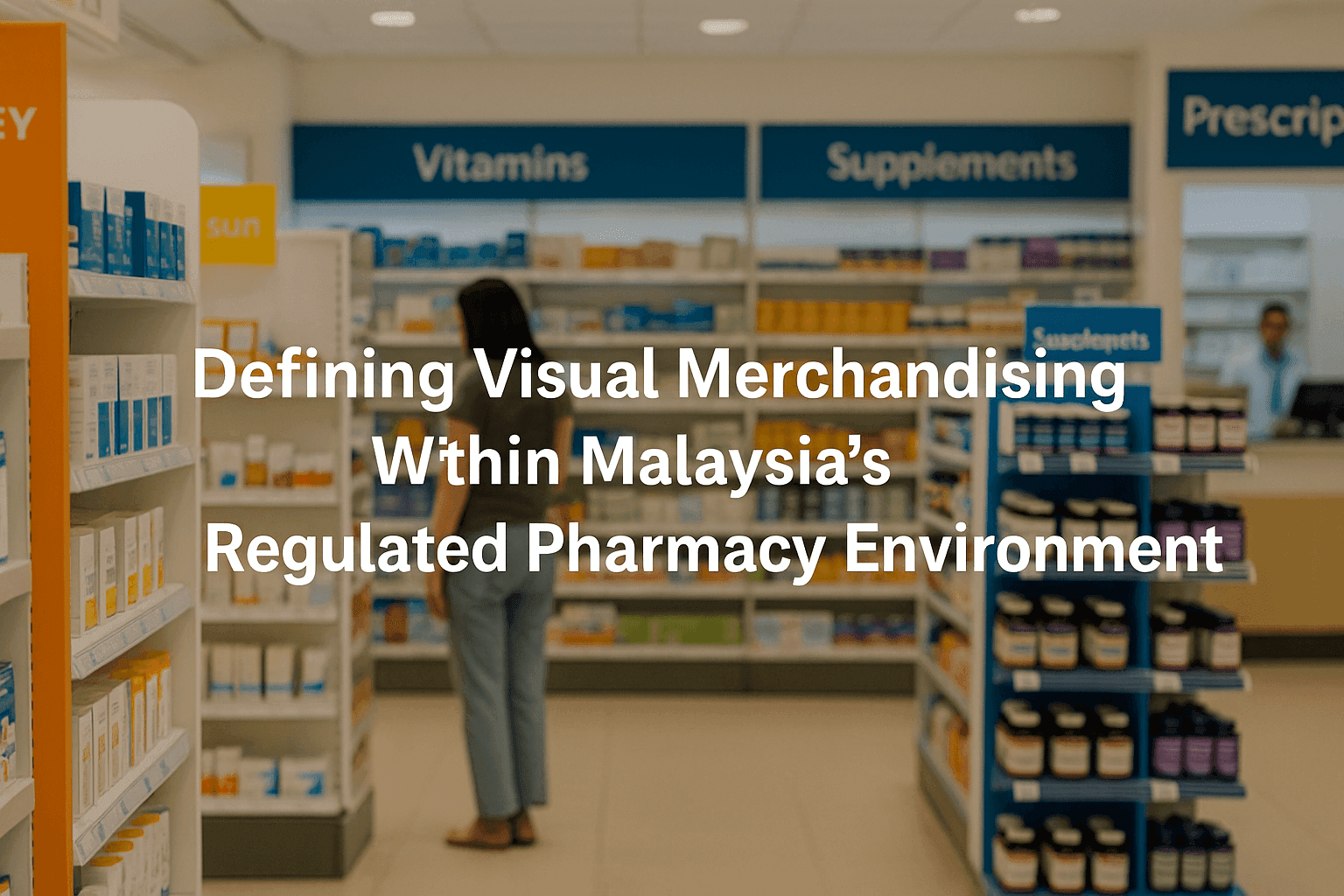
Understanding visual merchandising in the context of a Malaysian pharmacy requires a fundamental shift in perspective from conventional retail. While a supermarket may merchandise for impulse purchases, a pharmacy must merchandise for patient safety, professional integrity, and strict regulatory adherence. The core function of VM here is to translate the physical stock—delivered and managed by a pharmacy distribution service in Malaysia—into a logical, compliant, and accessible in-store journey. This connection to pharmacy distributors is crucial; a planogram is only as effective as the stock availability allows. Therefore, the merchandiser must work in tandem with the supply chain, understanding lead times from independent pharmacy distributors to avoid promising shelf presence that cannot be maintained. Compliance becomes non-negotiable. For instance, the placement of Pharmacy-Only Medicines behind the counter isn’t a suggestion—it’s an NPRA mandate. This makes the merchandiser’s role uniquely hybrid, blending commercial acumen with a reliable understanding of healthcare regulations, ensuring every display aligns with both sales targets and the pharmacy’s duty of care.
Spatial Strategy: The Creative Core of Compliant Pharmacy Layouts

The creative execution of pharmacy VM hinges on design thinking and advanced spatial awareness, skills that must be meticulously tailored to the healthcare retail context. This goes beyond making a shelf look full; it involves architecting a customer flow that guides patients from over-the-counter (OTC) relief to chronic care management seamlessly. A strategic layout accounts for distinct zones—OTC, Chronic Care, Mother & Baby, and Supplements—each with its own adjacency rules and compliance considerations. The creative challenge is balancing this with the practical reality of stock from pharmacy wholesale distributors. For example, a merchandiser for a chain like Guardian or Caring must design planograms that can be adapted across different store footprints in Penang and Sabah, despite variations in delivery schedules from their distributor pharmacy partners. Point-of-Sale Material (POSM) decisions must be creative yet restrained, ensuring promotional banners do not obscure mandatory health warnings or disrupt the clean lines required for easy auditing. This spatial intelligence ensures the pharmacy floor operates as a proven tool for both education and efficient commerce.
Key Zoning Considerations in a Malaysian Pharmacy:
OTC Zone: High-visibility, front-of-store placement for quick access to common remedies, often influenced by seasonal demand patterns reported by distributors.
Chronic Care Zone: Requires discreet yet dignified placement, often with educational materials, supporting long-term patient engagement.
Mother & Baby Zone: Designed for calm and convenience, grouping related items (vitamins, devices, skincare) to simplify shopping for parents.
Supplement & Wellness Zone: Leverages cross-promotion opportunities with OTC, but must clearly separate regulated medical products from general health supplements.
Learn more: The Science of Shopping and Retail Layout
The Data-Driven Merchandiser: Interpreting Analytics for Store-Level Impact

If spatial strategy is the art, then retail data interpretation is the science of effective pharmacy merchandising. The modern merchandiser must be analytically adept, transforming raw data from pharmacy distributors into actionable shelf-level insights. This involves a constant feedback loop: reading stock movement reports and sell-through data to adjust product facings, then observing the results in real-time. For instance, a high sell-through rate on a particular brand of cough syrup, as indicated by the pharmacy distribution service, signals a need to increase its facings or improve its shelf position. Furthermore, consumer flow mapping—understanding the in-store heatmap—reveals how patients navigate. A strategic merchandiser will place high-margin companion items along the highest-traffic paths identified in this analysis.
The application of this data is not one-size-fits-all and requires multiple perspectives. A pharmacist needs stock to be accessible to swiftly advise patients; a brand manager demands promotional consistency across branches; and a distributor requires forecasting accuracy to align replenishment. These needs converge on the merchandiser’s planogram. Consider the differences between a branch in bustling Bukit Bintang and one in a suburban neighbourhood in Johor Bahru. The data will show divergent buying patterns, requiring tailored merchandising approaches even for the same chain, all while working within the constraints of shipments from independent pharmacy distributors. This analytical rigor is what separates a proven sales-driving layout from a merely static one.
Comparative Table: Merchandising Priorities Through Different Lenses
| Perspective | Primary VM Priority | Key Data Utilized | Concern if VM Fails |
|---|---|---|---|
| Pharmacist | Patient Safety & Accessibility | Slow-moving stock reports, customer inquiries | Inability to locate critical products quickly during consultations, regulatory non-compliance. |
| Brand Manager | Visibility & Promotional Consistency | Share of shelf, promotional sell-through rates | Brand dilution, missed sales targets, inconsistent consumer experience across stores. |
| Distributor | Inventory Turnover & Forecast Accuracy | Branch-level order patterns, wastage reports | Stock obsolescence, inefficient truck loads, strained relationship with the pharmacy partner. |
| Merchandiser | Holistic Planogram Performance | All of the above, plus in-store heatmaps and audit results | Poor overall store performance, increased operational friction, and compliance risks. |
Learn more : Retail Merchandising Services Malaysia | Retail Analytics & Decision-Making — OECD
Upholding Standards: The Non-Negotiable Discipline of Compliance and Accuracy
In the Malaysian pharmacy sector, regulatory awareness forms the bedrock of all visual merchandising activities. This is a compliance-driven skill set that demands absolute accuracy and documentation discipline. The National Pharmaceutical Regulatory Agency (NPRA) sets clear guidelines that directly influence VM: from the strict segregation of medical devices and registered supplements to the mandatory behind-counter placement of controlled medicines. A merchandiser’s planogram is a legal document in this context. Clean, clear, and compliant shelving is not an aesthetic goal but a prerequisite for passing routine audits from both internal quality teams and external regulators. This extends to label positioning, expiry date visibility (a direct link to stock rotation principles supported by pharmacy distributors), and the correct use of mandatory health signage.
Collaboration with the pharmacy distribution service in Malaysia is vital here to avoid critical errors. For example, a new product line from a pharmacy wholesale distributor may have specific storage or display conditions outlined by the NPRA. The merchandiser must be the final checkpoint, ensuring these conditions are faithfully executed on the shop floor. This requires a reliable and meticulous approach, where a single oversight—like placing a prescription item in an OTC zone—can have serious ramifications. From the perspective of an independent pharmacy distributor, a compliant pharmacy partner is a trusted partner, reducing risk and ensuring a smooth, continuous supply chain. Therefore, the merchandiser’s discipline in documentation and adherence to protocol is an essential component of the pharmacy’s overall reliable service promise to the Malaysian public.
Learn more : Pharmacy Regulatory Standards — World Health Organization (WHO)
Operational Synergy: Merchandising as the Link Between Distribution and Retail
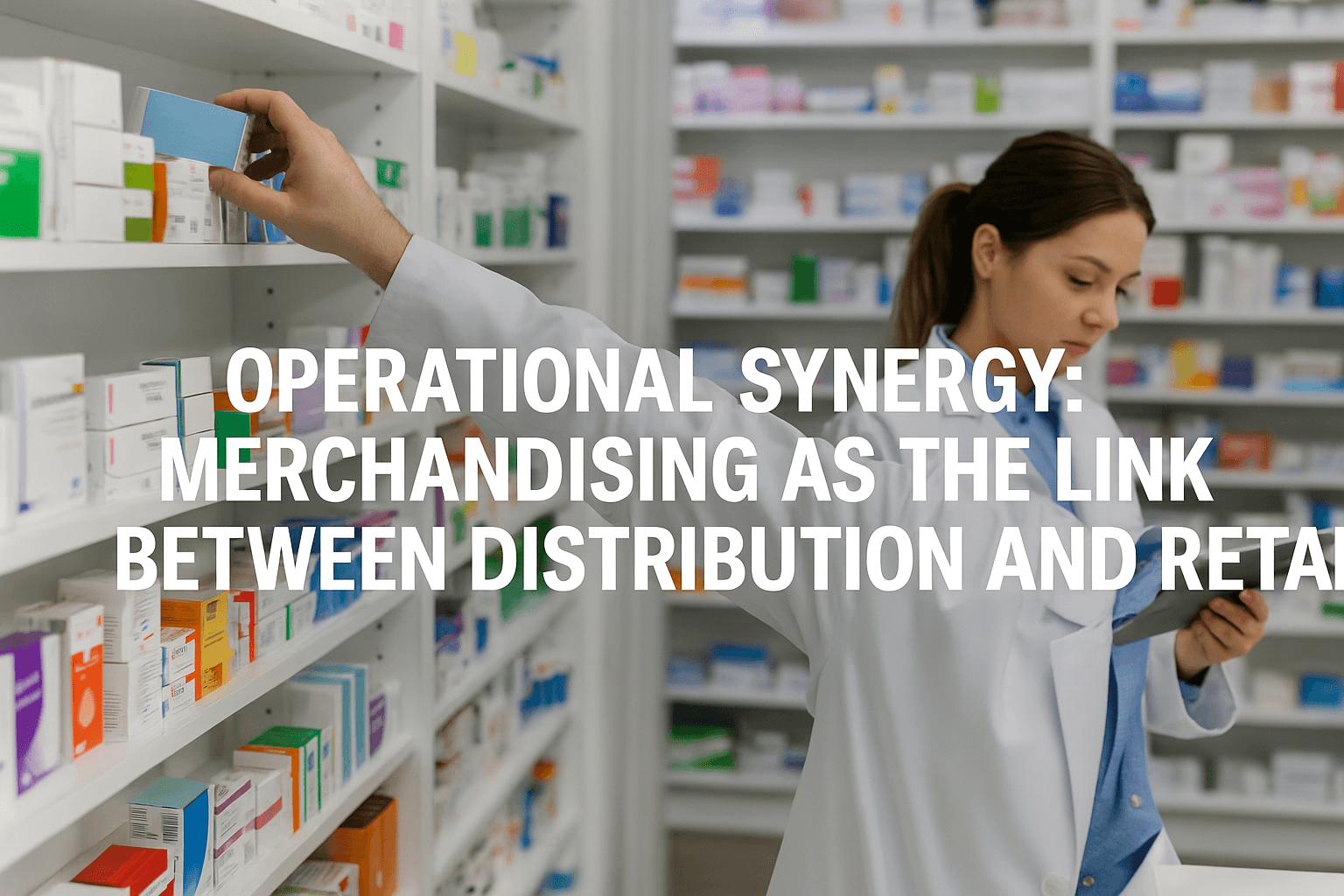
The ultimate test of pharmacy visual merchandising lies in its ability to create operational synergy between the back-end supply chain and the front-end customer experience. The merchandiser acts as the conductor, orchestrating the flow of goods from the distributor pharmacy partner’s warehouse to the specific shelf hook in a way that maximizes both sales and efficiency. This involves practical scenarios familiar to any Malaysian pharmacy operator. For instance, during the haze season or a flu outbreak, a strategic merchandiser, alerted by sales trend data from their pharmacy distribution service, will proactively create prominent displays for relevant masks, eye drops, and respiratory remedies. They coordinate with the independent pharmacy distributors to ensure high-priority stock is pushed forward in the warehouse and highlighted in the store, turning a public health need into a demonstration of reliable service.
Another essential scenario is managing the launch of new products. The merchandiser receives the launch kit and planogram from the brand, aligns it with delivery schedules from the pharmacy wholesale distributor, and executes the physical placement across all relevant stores. This ensures a synchronized market entry, maximizing the impact of marketing campaigns. From the perspective of a chain like Health Lane Family, this synergy means that their central procurement strategy is perfectly reflected in their store-level presentation, regardless of whether the branch is in Kota Kinabalu or Kuantan. This seamless integration is what makes visual merchandising a proven competitive advantage, transforming the pharmacy from a simple point of sale into a dynamic, responsive, and trusted healthcare destination.
Learn more :Essential Features to Look for in Pharmacy Distribution Services
The Art of Coordination: Communication Skills for Pharmacy Merchandising Success
At its heart, visual merchandising in a pharmacy is a symphony of coordination, demanding expert communication to align the often-competing priorities of multiple stakeholders. The core claim is that a merchandiser’s technical skill is meaningless without the soft skills to navigate the daily realities of pharmacists, distributor pharmacy partners, and brand teams. A real-world example in Malaysia might involve a merchandiser arriving at an independent pharmacy in Ipoh to find a critical stock-out of diabetic care products. The effective response isn’t just to adjust the planogram. It requires a clear conversation with the pharmacist to understand the clinical impact, a strategic call to the independent pharmacy distributor to expedite a top-up, and a nuanced update to the brand manager explaining the temporary shelf modification. This avoids blame and focuses on solution. Statistics from retail operations frequently show that over 30% of planogram inaccuracies stem from communication breakdowns, not faulty design. The practical implication is profound: seamless communication directly reduces out-of-stock scenarios, minimizes wastage from poor stock rotation, and ensures that the pharmacy distribution service operates as a reliable link rather than a point of friction, ultimately protecting patient access and pharmacy revenue.
Learn more :Effective Cross-Team Collaboration — Bain & Company
Navigating Stakeholder Perspectives: The Merchandiser as Diplomat
The daily workflow of a merchandiser is a exercise in managing multiple perspectives, each with a valid but different objective. From the pharmacist’s view, communication must prioritize speed, clarity, and accuracy. They need quick resolutions to shelf issues that disrupt their patient consultations. A messy Over-the-Counter (OTC) aisle or misplaced Pharmacy-Only Medicines creates operational inefficiency and potential safety risks. For the distributor, whether a large pharmacy wholesale distributor or a specialized independent pharmacy distributor, the merchandiser’s feedback is vital data for stock flow efficiency. A precise report on slow-moving items or incorrect batch deliveries enables the distributor to adjust forecasts and truck schedules, optimizing the entire supply chain. Conversely, the brand manager is focused on visibility and compliance—ensuring their products have the correct facings, Point-of-Sale Material (POSM) is displayed, and promotional agreements are honoured. The strategic merchandiser must balance these views, perhaps explaining to a brand manager why a prime display isn’t possible due to NPRA zoning rules, while simultaneously informing the pharmacist of a new fast-moving consumer health product arriving next week from the distributor pharmacy partner. This diplomatic role is essential for maintaining harmony and proven performance across the ecosystem.
Mastering the Mechanics: Technical Execution and On-Ground Problem-Solving

Beyond the planogram on paper lies the physical reality of the store, where technical and operational skills are put to the test. This is where reliable execution separates professional merchandising from amateur adjustment. The task begins with accurately reading and executing planograms, which are complex maps dictating every product’s location. This involves the hands-on work of installing shelving systems, divider clips, wobblers, and signage. However, the true expertise shines in on-ground troubleshooting. A common scenario in Malaysian pharmacies is managing short-expiry items. An efficient merchandiser doesn’t just rotate stock; they proactively create a promotional basket for items nearing expiry, coordinating with store staff and sometimes even informing the pharmacy distribution service to temporarily halt further shipments of that batch. Similarly, handling a product recall—a high-stakes situation—requires meticulous removal, documentation, and segregation, all while communicating the action to the pharmacist and the relevant pharma distributor.
Another critical technical skill is coordinating replenishment timing. A merchandiser in a Kota Bharu pharmacy must synchronize their major display resets with the known delivery schedules of their distributor pharmacy partners to avoid building displays for products that aren’t physically in the backroom. When faced with a wrong-batch delivery or an unexpected out-of-stock, the merchandiser becomes a forensic problem-solver, checking delivery dockets, cross-referencing with the pharmacy wholesale distributor’s portal, and implementing a temporary planogram override that maintains shoppability without compromising compliance. This hands-on, proven ability to adapt plans to real-world constraints is what makes the merchandising function indispensable to daily operations.
Anticipating Change: Adaptability to Trends and Seasonal Shifts
The Malaysian consumer landscape is not static, and neither can be the pharmacy shelf. A merchandiser’s adaptability and trend sensitivity are therefore strategic assets, enabling the store to respond dynamically to market pulses. This involves tracking health trend cycles—like the surge in demand for immune boosters post-pandemic or the rising interest in specialized dermatological skincare—and adjusting category layouts to give these trending items greater prominence. The effective merchandiser uses sell-through data and even local social media trends to anticipate these shifts, often advising both the pharmacy and their distributor pharmacy partners on potential stock needs before a trend peaks.
Seasonality creates another layer of complexity requiring tailored responses. During Raya or Chinese New Year, gift-oriented health packs, premium supplements, and wellness items must move to the forefront. Before the school season, pediatric health items and vitamins see increased demand. The skilled merchandiser plans these seasonal peaks months in advance, working backwards from the festival date to coordinate with independent pharmacy distributors on promotional stock buildup and designing high-impact, temporary thematic displays. They must also be sensitive to consumer behaviour unique to Malaysian pharmacies, such as the preference for bundled purchases (e.g., purchasing a glucose meter with its strips and lancets) or the trust placed in certain traditional and complementary medicine sections. By mapping these behaviors, the merchandiser can create intuitive cross-merchandising opportunities that feel helpful rather than purely commercial, driving sales while enhancing the customer’s perception of the pharmacy as a trusted, knowledgeable health hub.
Learn more : Seasonal Merchandising Strategies for Malaysian Pharmacies
Clarifying Roles: The Merchandiser and In-Store Staff Dynamic
A common point of operational friction arises from unclear responsibilities. Understanding the distinct yet complementary roles of dedicated visual merchandisers and in-store pharmacy staff is essential for smooth operations and a reliable customer experience. The following table clarifies this division of labour, highlighting how each function supports the broader pharmacy distribution system.
Comparative Table: Role Delineation in Malaysian Pharmacy Visual Merchandising
| Criteria / Function | Visual Merchandiser (VM) Role | In-Store Pharmacy Staff Role | Impact on Distribution & Compliance |
|---|---|---|---|
| Planogram Execution & Integrity | Expert in compliant setup, reset, and audit-ready accuracy. Primary owner of the planogram as a system. | Follows planogram for daily restocking and facing as time permits amidst clinical duties. | Ensures on-shelf availability matches distributor inventory data, enabling accurate automated replenishment. |
| POSM & Display Management | Installs complete, tailored displays; ensures brand compliance and mechanical soundness. | Maintains displays, reports damage, and may assist with simple leaflet placement. | Directly influences brand visibility and promotional effectiveness, affecting sell-through rates distributors monitor. |
| Stock Flow Coordination & Communication | Proactively coordinates with distributor pharmacy & wholesale distributors on delivery timing and discrepancies. | Reports out-of-stock or overstock issues to the manager or via system. | Acts as a key communication node to reduce OOS, prevent obsolescence, and smooth supply chain cycles. |
| Regulatory & Compliance Vigilance | High focus on display accuracy, NPRA zoning, expiry date visibility, and mandatory signage. | Focus on counselling and dispensing compliance; relies on VM for correct shelf set-up. | Frontline defence for NPRA audit readiness, protecting the pharmacy and distributor from compliance penalties. |
| Consumer Flow & Data Observation | Makes strategic decisions based on heatmap analysis and basket size data to optimize layout. | Provides operational navigation help and gathers anecdotal customer feedback. | Generates insights that feed into data-driven replenishment and category management strategies with distributors. |
Strengthening the Ecosystem: The Concluding Impact of Expert Merchandising
The culmination of these advanced skills—coordination, technical execution, and adaptive strategy—does more than just improve a single store’s appearance. It fundamentally strengthens the entire pharmacy distribution system in Malaysia. Expert visual merchandising creates a ripple effect of efficiency and trust. For the distributor, a network of well-merchandised pharmacies means predictable stock rotation, reduced reverse logistics for expired goods, and more accurate long-term forecasting. This allows pharmacy wholesale distributors to operate more reliable and efficient supply cycles. For the pharmacist, it translates to a floor that supports their clinical role, where products are easy to find and recommend, enhancing their professional authority and patient trust. Ultimately, the customer experiences a pharmacy that is navigable, trustworthy, and consistently stocked, which reinforces loyalty. In a competitive and highly regulated market, investing in proven, strategic visual merchandising capabilities is not a retail cost but a essential investment in systemic resilience, regulatory integrity, and sustainable growth for all stakeholders in Malaysian healthcare retail.
Frequently Asked Questions (FAQ)
Q1: What skills are required to be a visual merchandiser?
Answer: A visual merchandiser needs creativity, strong design sense, attention to detail, understanding of consumer behaviour, space planning skills, product knowledge, and the ability to follow brand guidelines effectively.
Q2: What are the 5 most important elements of visual merchandising?
Answer: The five key elements are colour, lighting, layout, signage, and product placement—each influencing how customers perceive and navigate a retail space.
Q3: What are the five main functions of a visual merchandiser?
Answer: The core functions include planning displays, executing planograms, maintaining store aesthetics, analysing shopper flow, and ensuring brand consistency across all zones.
Q4: What are the 4 P’s of visual merchandising?
Answer: The 4 P’s are Presentation, Pricing, Promotion, and Placement—used to guide effective store display strategies.
Q5: What are the 5 R’s of merchandising?
Answer: The 5 R’s are Right Product, Right Place, Right Time, Right Quantity, and Right Price.
Q6: What are the 4 pillars of merchandising?
Answer: The four pillars are Product, Placement, Pricing, and Promotion—forming the foundation of retail merchandising strategy.
Q7: What are the duties of a VM?
Answer: A visual merchandiser’s duties include creating store displays, updating planograms, monitoring stock presentation, coordinating with suppliers, and ensuring merchandising compliance.
Q8: What are merchandising skills?
Answer: Merchandising skills include inventory coordination, visual design, product organisation, data interpretation, creativity, and understanding customer buying behaviour.
Q9: What are good skills to mention on a CV?
Answer: Useful CV skills include communication, teamwork, problem-solving, creativity, time management, and technical software skills such as Adobe or planogram tools.
Q10: What are the five qualities of merchandising?
Answer: Key qualities include accuracy, consistency, creativity, analytical thinking, and strong organisational ability.
How can we assist you today? 😊
Just let us know—we’re here to help!