
Top 30 Pharmacy Distributors in Malaysia Ranking

April 15, 2026
In a nation as diverse and dynamic as Malaysia, the seamless operation of its healthcare system is a daily marvel. The consistent availability of critical prescription drugs, essential over-the-counter remedies, and daily wellness products on pharmacy shelves is not a matter of chance. It is the direct result of a robust, meticulously managed network of pharmacy distribution companies. These organizations function as the indispensable circulatory system of the healthcare sector, ensuring the uninterrupted flow of pharmaceutical goods from manufacturers to the very communities that depend on them. Their work, often conducted behind the scenes, translates into public health security, economic stability, and patient trust. For pharmaceutical manufacturers, importers, and the pharmacies themselves, these entities are far more than logistical middlemen; they represent a trusted and essential infrastructure that powers national health access. Their strategic positioning allows them to navigate the complex interplay of regulation, geography, and market demand, making them a proven cornerstone of the entire medical ecosystem.
Decoding the Structure of Malaysia’s Pharmaceutical Supply Chain
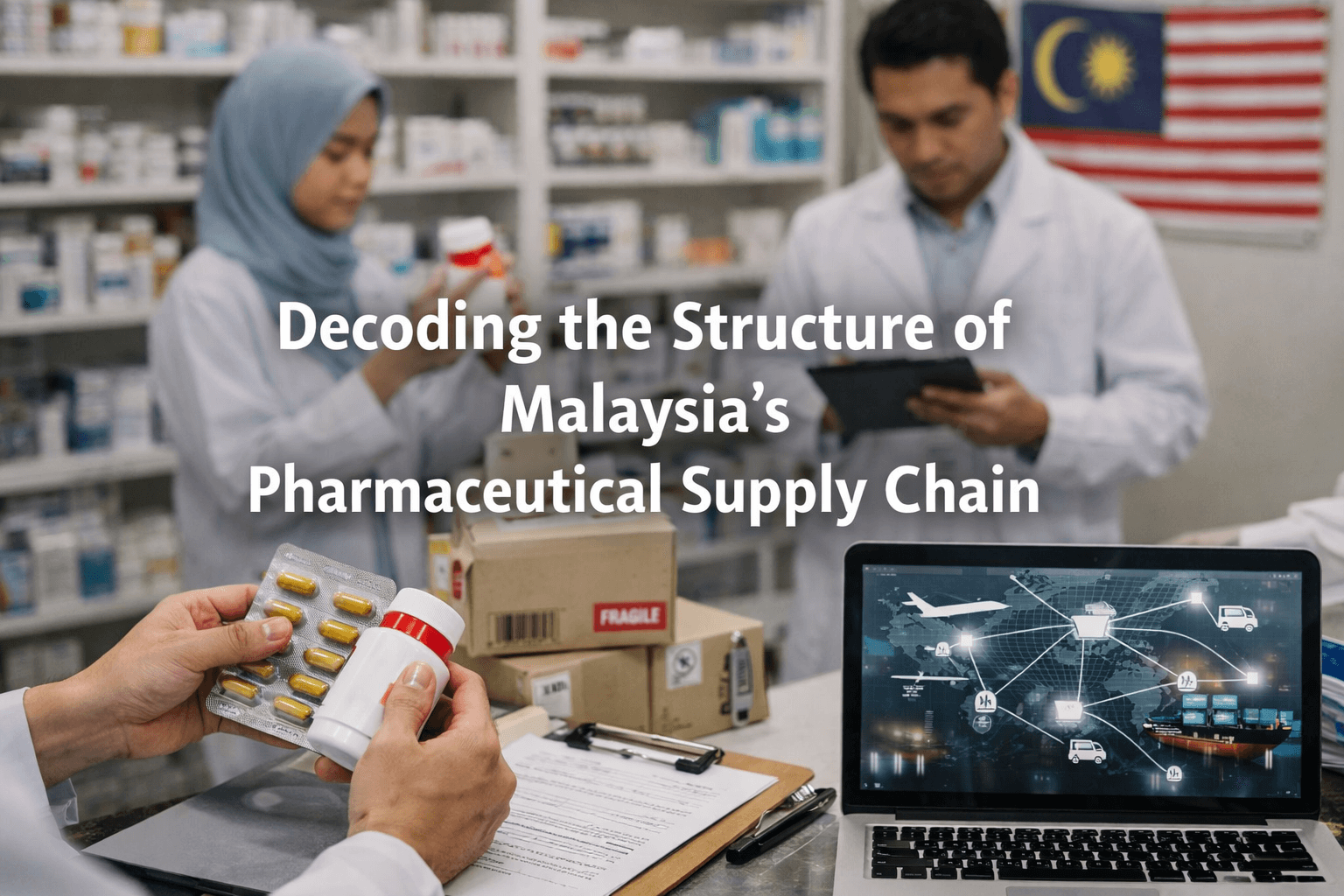
Understanding the mechanism that delivers medicines requires a clear view of the pharmacy distribution landscape in Malaysia. This ecosystem is not monolithic but a tapestry of specialized players, each serving distinct segments with tailored approaches. At its core, the network connects drug originators—be they multinational research giants or local traditional supplement producers—with the myriad points of care, from sprawling hospital pharmacies in Kuala Lumpur to small, independent apotek in the villages of Kelantan or the highlands of Sabah. The key actors driving this system forward include several distinct models, each with its own operational philosophy and market niche. Nationwide pharmacy wholesale distributors typically operate with vast, centralized warehouses and fleets, managing high-volume logistics for major retail chains and offering critical value-added services like cold chain management and regulatory documentation support. In contrast, the independent pharmacy distributor often thrives on agility and deep regional knowledge, serving smaller outlets and penetrating rural areas where larger entities may find logistics challenging. Furthermore, hybrid model operators have emerged, blending core distribution with adjacent services like in-pharmacy merchandising, staff training, and digital ordering platforms, creating a more integrated partnership with retailers.
Learn more : Top 10 Pharmaceutical Companies In Malaysia 2026
Operational Realities and Market Demands Shaping Distribution
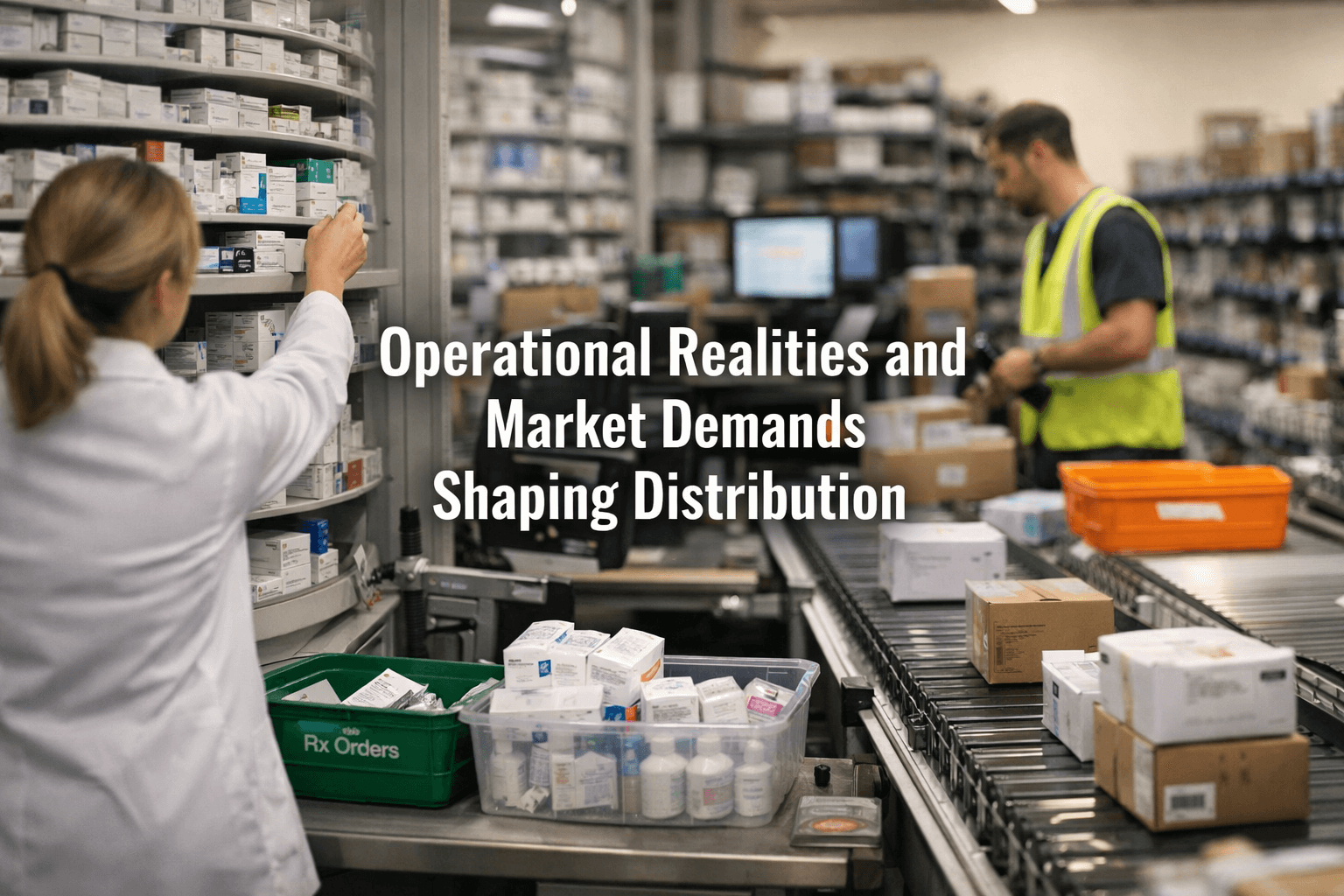
The operational framework of a pharmacy distributor Malaysia is profoundly shaped by Malaysia’s unique geographical and socio-economic context. The country’s mixed terrain—from dense urban centers to remote islands and mountainous regions—demands a logistics strategy that is both robust and flexible. A distributor serving the Klang Valley with multiple daily delivery runs faces a completely different set of challenges than one ensuring stock reaches a clinic in Kapit, Sarawak, which may be accessible primarily by river. This is compounded by Malaysia’s dual public-private health ecosystem, where products and pathways can differ significantly. A strategic and efficient distributor must therefore master not just transportation, but also the nuances of different pharmacy business models, from large franchise chains with centralized procurement to sole proprietors who value personalized service. From the perspective of a brand manager at a multinational company, a distributor is a field-force multiplier, their local expertise essential for navigating tender processes and understanding regional consumption patterns. For a pharmacist running an independent outlet, a reliable distributor is a partner in inventory management, ensuring they can compete with larger chains without over-investing in slow-moving stock. This multi-faceted demand means that only distributors with expert handling protocols, comprehensive licensing knowledge, and scalable systems can truly meet the market’s full spectrum of needs.
Learn more : Securing Medical Supply Chains in a Post-Pandemic World
The Critical Importance of Regulatory Compliance and GDP Standards
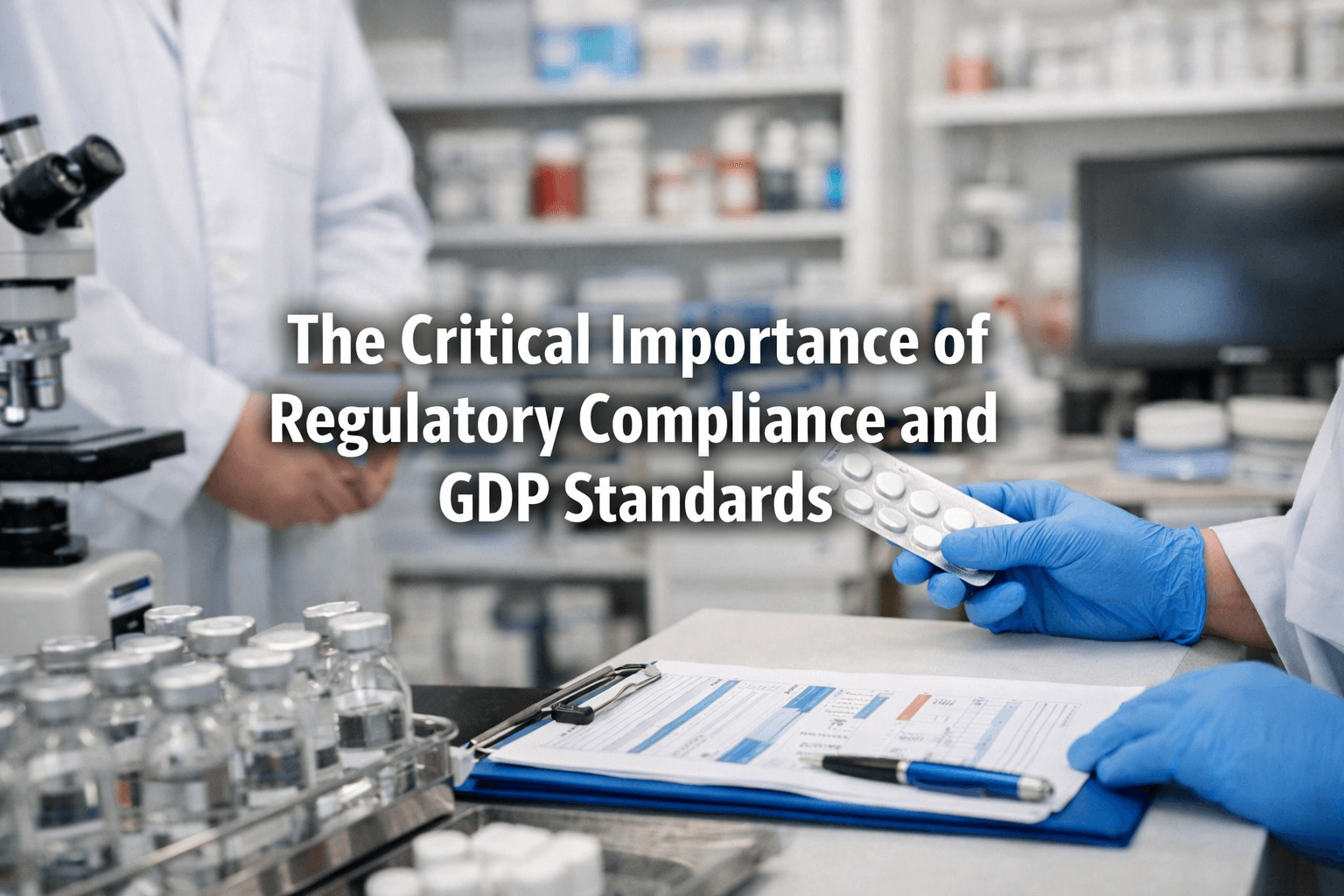
In the pharmaceutical world, operational excellence is meaningless without stringent adherence to regulation. Compliance is the non-negotiable bedrock upon which safe and effective medicine distribution is built. In Malaysia, the Ministry of Health (MOH), primarily through the National Pharmaceutical Regulatory Agency (NPRA) and the Pharmacy Enforcement Division (KKM), mandates strict Good Distribution Practice (GDP) standards for all entities handling medicinal products. This framework is designed to protect product integrity from the warehouse to the pharmacy counter. Key pillars of GDP compliance include temperature-controlled storage and transportation for sensitive products like vaccines, insulin, and certain biologics, ensuring potency and safety are never compromised. Real-time tracking and traceability systems are now a fundamental requirement, enabling rapid response in the event of a product recall—a critical capability for maintaining public trust. Furthermore, accurate product labeling and meticulous documentation for every stock-keeping unit (SKU) are mandatory, creating an auditable trail that satisfies regulatory scrutiny.
For pharmaceutical companies, especially those entering the Malaysian market, a distributor’s compliance infrastructure is a decisive factor. A trusted distributor acts as a regulatory shield and guide, assisting with complex submission support to the NPRA and maintaining perpetual audit readiness. This partnership allows brand owners to focus on marketing and development, secure in the knowledge that their market entry and ongoing operations adhere to local laws. The difference in compliance capability between managing distribution in-house versus partnering with a licensed specialist is stark, as illustrated in the performance comparison below.
Comparative Table: Compliance Capabilities – In-House Teams vs. Licensed Distributors
| Metric | In-House Brand Team | Licensed Pharmacy Distributor |
|---|---|---|
| Licensing & Registration Support | Often limited, requires engaging external consultants | Comprehensive, with dedicated regulatory affairs teams |
| Audit Readiness | Can be irregular, focused on pre-audit scrambling | Ongoing and systematic, embedded in daily SOPs |
| Documentation & Control | May be basic, varying with staff turnover | Advanced and centralized, using specialized systems |
| GDP Training & Adherence | General awareness, may not be deep or certified | Continuous, certified training for all warehouse & logistics staff |
| Recall Execution Speed | Variable, depends on internal communication chains | Proven and rapid, with established communication protocols to all outlets |
Learn more : An Overview Of Cold Chain Management In Malaysia’s Pharmaceutical Distribution Sector (2024) | Good Distribution Practices for Pharmaceutical Products
A Framework for Evaluating Distributor Excellence and Strategic Fit
Given the critical roles they play, selecting the right supply chain partner requires a rigorous, multi-dimensional evaluation framework. The criteria extend far beyond simple price-per-delivery calculations. A truly effective partner demonstrates excellence across regulatory, operational, and strategic domains. First and foremost, regulatory compliance is the gatekeeper; valid GDP certification and a clean record with the NPRA are absolute prerequisites. This includes demonstrated cold chain readiness with temperature-mapped vehicles and warehouses, and robust documentation support for all products. Secondly, logistics capabilities define reach and reliability. This encompasses not just nationwide delivery to major hubs, but rural penetration power—the ability to consistently and cost-effectively service East Malaysia and remote Peninsular locations. Scale and technology of warehousing facilities are also key, impacting storage capacity and order fulfillment accuracy.
From a commercial perspective, the product range and category diversity a distributor manages indicates their market expertise. A distributor skilled with high-volume over-the-counter (OTC) medicines may operate differently than one specializing in dermatological skincare or ethical prescription (Rx) products, which require more controlled handling. Furthermore, the strength and nature of their brand partnerships—whether they are the authorized distributor for reputable global pharmaceutical brands or have strong ties with local supplement manufacturers—speaks volumes about their market standing and reliability. Finally, in today’s environment, innovation and value-added services are significant differentiators. This can include planogram execution to optimize pharmacy shelf layouts, digital order management systems that streamline procurement for pharmacists, and support for in-store promotional activities (A&P). A distributor that invests in these areas functions as a strategic growth partner, not just a cargo mover.
Learn more : Top 10 Most Trusted Pharmacy Distributors in Malaysia
The Tangible Impact on Pharmacies and Patient Access in Malaysia
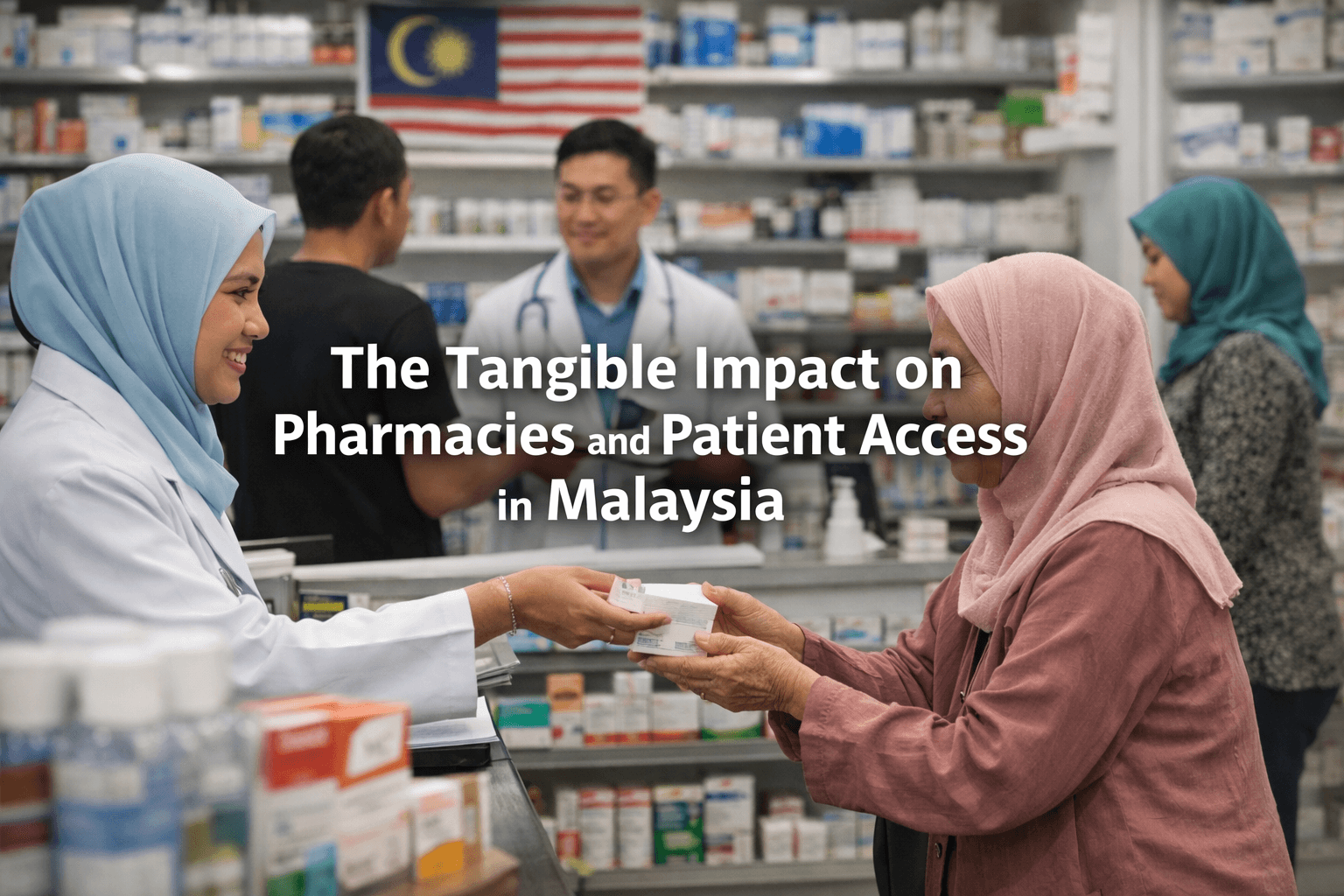
The practical implication of this complex distribution machinery manifests most clearly at the pharmacy level, directly influencing business viability and patient care outcomes. Consider the operational scenario of a independent community pharmacy in a suburban area of Johor Bahru. For the pharmacist-owner, a reliable distributor with a broad product portfolio means they can source everything from chronic disease medications to infant formula from a single, trusted point of contact, simplifying procurement and often improving credit terms. The distributor’s efficient twice-weekly delivery schedule and accurate order fulfillment prevent stock-outs of essential items, which directly protects pharmacy revenue and, more importantly, ensures patients are not left without necessary treatment.
Another Malaysia-related example can be seen in the rollout of seasonal vaccination programs or new specialty medications. When a new vaccine is approved, the distributor’s cold chain integrity becomes a matter of public health. Their ability to store, transport, and monitor these temperature-sensitive products in real-time—whether destined for a hospital in Pulau Pinang or a private clinic in Miri—ensures the vaccine’s efficacy upon administration. From the perspective of a pharmacy chain manager, a top-tier distributor’s data analytics and in-store merchandising support can transform retail performance. By analyzing sales data, the distributor can provide tailored recommendations on inventory mix for different store locations, perhaps suggesting higher stocks of respiratory products in an industrial area or more prenatal supplements in a family-centric neighborhood, thereby driving sales and better serving the community’s specific needs.
From Logistics to Brand Advocacy: The Evolved Partnership Model
The role of a pharmaceutical distributor has undergone a profound metamorphosis. Far beyond the traditional scope of warehousing and transportation, the leading pharmacy distribution model today is fundamentally a strategic brand partnership. This evolution is driven by a singular market reality: in a landscape saturated with choices, getting a product onto a shelf is merely the first step. Ensuring it sells through and builds brand equity requires a deeper, more integrated collaboration. Distributors have responded by building extensive value-added service portfolios that directly influence commercial success at the point of care. This transforms them from a cost center in the supply chain into an indispensable growth engine for brands, particularly in a nuanced and competitive market like Malaysia.
The Strategic Imperative of Value-Added Services
The core claim here is unambiguous: logistics excellence is now the baseline expectation, not the final goal. The true differentiation lies in a distributor’s ability to act as a brand’s extended commercial arm on the ground. This shift is not just theoretical; it is a direct response to the pressures faced by both brand managers and pharmacists. For brands, cut-through in crowded retail environments is increasingly difficult. For pharmacists, managing hundreds of SKUs while providing patient care is a relentless challenge. A strategic distributor bridges this gap by deploying services that address both pain points simultaneously, creating a proven pathway to market performance.
Consider the operational reality in Malaysian retail pharmacies, such as the nationwide chains Guardian and Watsons. A brand manager in Kuala Lumpur can have a flawless marketing strategy and impeccable NPRA compliance, but if their product is stocked in the wrong section, behind older batches, or without the mandated promotional materials, sales will stagnate. This is where the modern distributor steps in. Contracts are increasingly encompassing shelf-check audits and planogram compliance services. A dedicated merchandiser, employed or managed by the distribution partner, will visit stores to ensure Point-of-Sale Materials (POSM) are displayed correctly, stocks are rotated using the FIFO (First-In, First-Out) principle, and the product is positioned according to the brand’s commercial agreement with the retailer. This direct store-level execution is a game-changer for brand visibility and consumer uptake.
The data supports this expanded role. While specific figures vary, industry analyses consistently show that products with consistent planogram compliance and active in-store merchandising see a sales uplift of 15-25% compared to those with passive distribution. Furthermore, the practical implication for pharmaceutical and consumer health companies is significant. It allows brand teams, often stretched thin, to focus on upstream activities like marketing strategy and regulatory affairs, secure in the knowledge that downstream execution is handled by a reliable and expert partner. This division of labor is not just efficient; it’s becoming essential for scalable growth. The distributor’s role thus expands into brand advocacy, ensuring the brand’s promise is fully realized at the critical final moment of consumer decision-making.
Bridging the Geographic Divide: Urban Efficiency vs. Rural Resilience
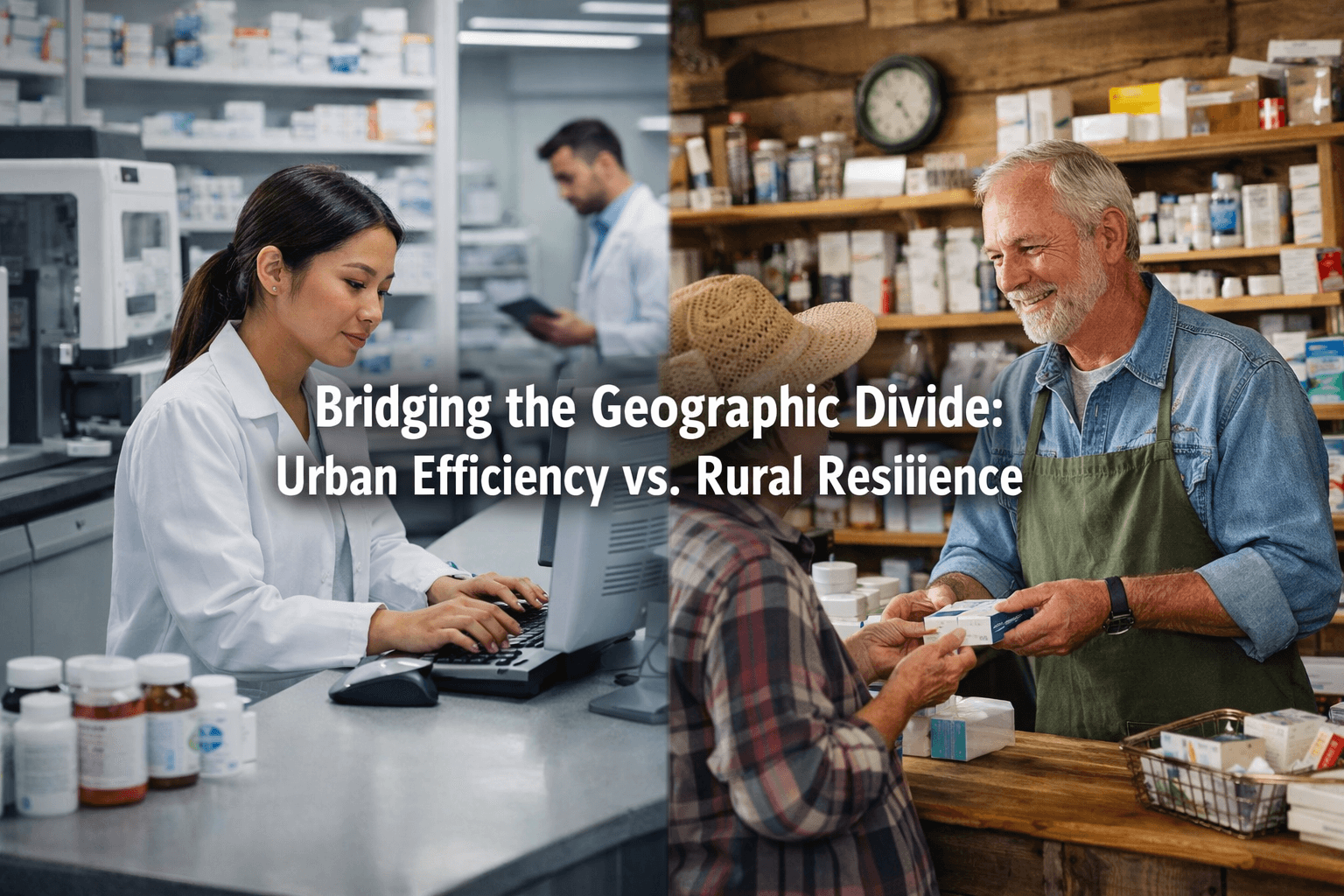
Malaysia’s unique geography presents a defining challenge for pharmacy supply chains. The market is starkly divided between the connected, dense pharmacy clusters in Peninsular Malaysia and the logistically complex, sparse terrains of East Malaysia and remote rural regions. A one-size-fits-all distribution strategy is destined to fail. Therefore, a high-performing distributor must operate with a dual-track mindset: leveraging advanced infrastructure in urban centers while deploying adaptive, localized solutions for harder-to-reach areas. This capability is not just about business; it’s a cornerstone of national healthcare equity, ensuring patients in Kampung clinics have the same access to essential medicines as those in Kuala Lumpur hospitals.
In urban centers like the Klang Valley, Johor Bahru, and Penang, the model prioritizes efficiency and speed. Here, distributors utilize regional depots, sophisticated route optimization software, and high-frequency delivery cycles to serve a dense network of chain pharmacies, hospitals, and independent outlets. The infrastructure supports just-in-time inventory, reducing holding costs for pharmacists and ensuring stock freshness. However, the contrast in East Malaysia is dramatic. The landscape requires a completely different playbook. Independent pharmacy distributor groups often excel in these regions, filling critical gaps where larger national firms may find operations commercially challenging. Their operations are a lesson in adaptability:
Utilizing a fleet of 4×4 vehicles for inland routes in Sabah and Sarawak.
Coordinating with local boat services for riverine and coastal community access.
Establishing micro-fulfillment hubs in key towns like Kuching or Kota Kinabalu to consolidate and forward supplies.
These efforts ensure a consistent supply flow of everything from chronic disease medications to halal-certified vitamins and even traditional and complementary medicine products, which hold significant consumer trust in many communities. The practical implication for brand managers is clear: selecting a distribution partner requires evaluating their pan-Malaysia coverage capability. A partner strong only in the west coast may leave vast market segments untapped. The strategic choice is a partner with either a direct, robust network in East Malaysia or proven partnerships with reliable local distributors, ensuring your brand’s presence is truly nationwide.
Learn more : Low-Carbon, Climate-Resilient Healthcare Supply Chains
The Dual Perspective: What Pharmacists and Brand Managers Truly Value
Understanding the evolved role of distributors requires viewing it through two critical lenses: that of the pharmacist (the custodian of patient care) and the brand manager (the steward of product success). Their priorities, while aligned in wanting quality products to reach patients, have distinct nuances. A trusted distributor successfully integrates these sometimes-differing needs into a seamless, service-oriented partnership. Failing to meet the expectations of either side jeopardizes the entire supply chain.
From the pharmacist’s perspective, the distributor is a pillar of operational reliability. Their core needs are fundamentally about risk mitigation and service consistency:
Uninterrupted Supply: Especially for chronic care medications (e.g., for hypertension, diabetes), stockouts are not a commercial issue but a potential health crisis. Consistency is non-negotiable.
Responsive Support: Efficient handling of product recalls, returns for damaged goods, and swift resolution of invoice discrepancies.
Quality Assurance: Guarantees of stock freshness through strict cold chain management where required and impeccable batch traceability from warehouse to shelf.
For the brand manager, the distributor is a strategic ally in market conquest. Their checklist revolves around growth, visibility, and compliance:
Commercial Execution: Flawless implementation of planograms, setup of POSM, and execution of sampling campaigns or in-store promotions.
Regulatory Gateway: Meticulous handling of NPRA (National Pharmaceutical Regulatory Agency) documentation, KKM (Kementerian Kesihatan Malaysia) notifications, and providing support during audits.
Market Intelligence: Providing transparent, timely sales reporting and POS visibility data that informs future marketing strategy and production planning.
The convergence of these perspectives defines the modern partnership. When a distributor delivers on both fronts, they cease to be a middleman. They become an integrated growth partner. For example, a distributor that not only ensures a new skincare line is delivered to 500 Watsons stores but also provides a post-campaign report detailing sell-through rates and shelf-share performance has delivered tangible strategic value. This depth of service builds a proven and reliable collaboration that fuels long-term brand success.
Future-Proofing the Chain: Key Trends Shaping Malaysia’s Distribution Landscape
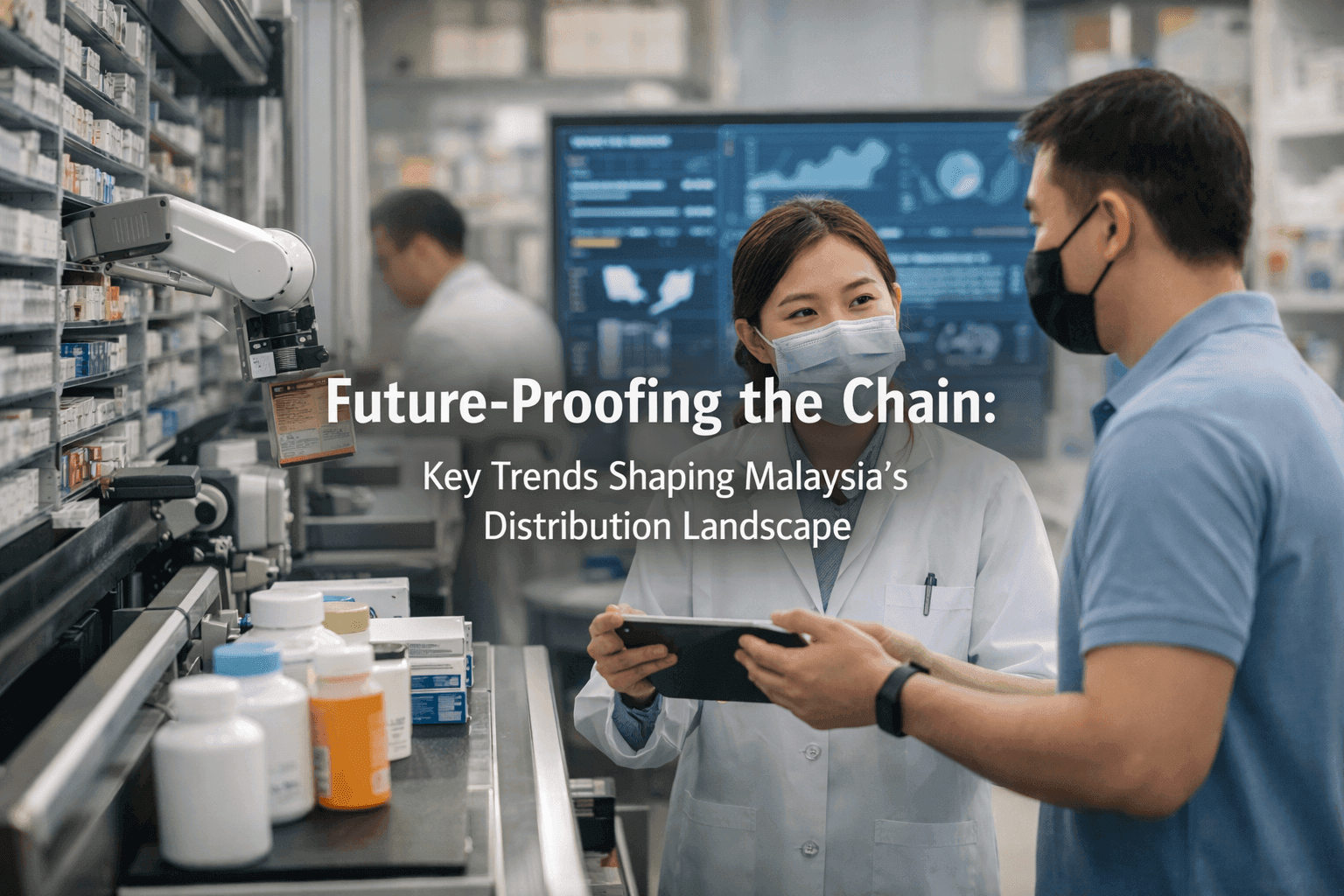
As we look toward 2026 and beyond, several powerful trends are set to further redefine pharmacy distribution in Malaysia. These trends are fueled by technological advancement, evolving consumer expectations, and an increasingly stringent regulatory environment. Distributors who proactively adapt to these shifts will solidify their position as indispensable leaders, while those who cling to legacy models risk obsolescence. The future belongs to agile, data-driven, and specialized partners.
A dominant trend is the full-scale digitalization of the order-to-cash cycle. We are moving past basic email ordering to integrated B2B e-commerce platforms, automated billing systems, and real-time fulfillment tracking. This is closely tied to the use of Artificial Intelligence (AI) and machine learning for predictive demand forecasting. By analyzing historical sales data, seasonality, and even local event patterns, distributors can optimize stock levels at their hubs, dramatically reducing the risk of overstock or shortages. For a brand manager, this means better production planning and healthier inventory turnover rates.
Furthermore, the lines between traditional distribution and e-commerce fulfillment are blurring. With the rise of online pharmacies and healthtech platforms, distributors must now manage direct-to-consumer (D2C) logistics, including last-mile delivery, while also servicing brick-and-mortar stores. This requires a flexible and scalable logistics framework. Another significant trend is the move toward category-specific or channel-specific distribution. We see the emergence of distributors specializing only in dermatology products, ophthalmic supplies, or institutional sales to hospitals and clinics. This allows for tailored expertise, specialized sales teams, and niche regulatory knowledge.
Finally, in the culturally rich Malaysian market, localized and tailored services are becoming a major differentiator. Demand is growing for:
Halal-Certified Logistics: End-to-end supply chains certified by JAKIM for relevant products, a major trust factor for consumers.
Multilingual Packaging Support: Assistance with labeling in Bahasa Malaysia, English, Mandarin, and Tamil as required.
Heritage and Niche Product Expertise: Understanding the supply chain nuances for traditional remedies or specialized supplements.
The practical implication is that brand owners must evaluate potential distributors not just on their current fleet and warehouse size, but on their digital roadmap, specialization strategy, and capacity for customized service delivery. The future-leading supply chain partner will be a hybrid: part logistics expert, part tech company, and part commercial consultant.
Comparative Framework: Merchandising Execution – In-House vs. Distributor-Partnered Models
| Performance Indicator | In-House Brand Team | Strategic Distributor Partner |
|---|---|---|
| Geographic Reach & Frequency | Often limited to key urban centers and major chains due to cost and manpower. | Can achieve pan-Malaysia coverage, including rural areas, with higher visit frequency through dedicated merchandisers. |
| Cost Structure | High fixed costs (salaries, benefits, travel). | Variable, performance-linked cost; scales with market penetration. |
| Local Market Knowledge | May be generalized; slower to adapt to specific store or regional dynamics. | Deep, hyper-local insights from field teams who have long-term relationships with pharmacy staff. |
| Speed of Implementation | Can be fast for targeted campaigns, but scaling is slow. | Rapid, simultaneous rollout across hundreds of outlets due to distributed on-ground teams. |
| Data & Reporting Flow | Direct but manually intensive; risk of being anecdotal. | Systematized and digital; often integrated with live inventory and sales data for holistic reporting. |
Q1: Who are the big 3 pharmaceutical distributors?
Answer: Globally, the “Big 3” pharmaceutical distributors are McKesson, AmerisourceBergen (now Cencora), and Cardinal Health. These companies dominate large-scale pharmaceutical wholesaling, logistics, and healthcare supply chain services worldwide.
Q2: What are the top 5 pharmacy in Malaysia?
Answer: The top pharmacy chains in Malaysia are generally recognised as Watsons, Guardian, Caring Pharmacy, BIG Pharmacy, and Alpro Pharmacy, based on store count, nationwide presence, and consumer reach.
Q3: Which is the largest retail pharmacy in Malaysia?
Answer: Watsons is widely regarded as the largest retail pharmacy chain in Malaysia, with the highest number of outlets nationwide and a strong presence in both health and beauty retail.
Q4: Who are pharmaceutical distributors?
Answer: Pharmaceutical distributors are licensed entities that purchase medicines, supplements, and healthcare products from manufacturers and distribute them to pharmacies, hospitals, clinics, and other healthcare providers while ensuring regulatory compliance and supply continuity.
Q5: Who is the largest medical distributor?
Answer: On a global scale, McKesson is considered the largest medical and pharmaceutical distributor by revenue and distribution volume.
Q6: What are the big 3 pharmacy chains?
Answer: In Malaysia, the three largest pharmacy chains are Watsons, Guardian, and Caring Pharmacy, based on footprint, brand recognition, and retail dominance.
Q7: What are the big 5 pharma companies?
Answer: The global “Big 5” pharmaceutical companies are typically Pfizer, Roche, Novartis, Johnson & Johnson, and Merck & Co., based on revenue, R&D scale, and global market influence.
Q8: Who are the three big wholesalers?
Answer: The three biggest pharmaceutical wholesalers globally are McKesson, AmerisourceBergen (Cencora), and Cardinal Health.
Q9: What is the big 4 in pharma?
Answer: The “Big 4” in pharma usually refers to Pfizer, Roche, Novartis, and Johnson & Johnson, which consistently rank among the world’s largest pharmaceutical companies.
Q10: Who is Pfizer’s biggest competitor?
Answer: Pfizer’s biggest competitors include Roche, Novartis, Merck & Co., and Johnson & Johnson, depending on the therapeutic area and market segment.
Your choice of a distribution partner is one of the most strategic decisions you will make for your brand’s journey in Malaysia. It dictates your market reach, your in-store presence, your operational resilience, and ultimately, your connection with the end-patient. In a landscape where logistics is merely the foundation, the right partner provides the structure for sustained growth.
Our Services
Our marketing and sales teams use their strong relationships with the channel to create demand for your product at every stage of its lifecycle.
Demand creation services we offer:
Market Access Services
Regulatory Registration Services
Pharma Product Listing Services
Merchandising services (RSMS)
Brand Management
Logistic & Warehousing
Exclusive Merchandising Services
Visual Merchandising
Discover More About Our Solution
💬 Need help?
PriooCare Malaysia
👋 Welcome to PriooCare Malaysia!
How can we assist you today? 😊
Just let us know—we’re here to help!
How can we assist you today? 😊
Just let us know—we’re here to help!
Open chat