March 26 , 2026
The intricate dance of getting a pharmaceutical product from a manufacturing line to a patient’s hands is a complex feat of logistics, regulation, and strategic partnership. At its heart lies pharmacy distribution, a critical yet often overlooked engine that ensures the entire healthcare ecosystem functions without disruption. In Malaysia, as the sector advances with new medical services and innovative treatments, the efficiency and reliability of these distribution channels become not just an operational concern, but a matter of public health. The top healthcare companies dominate the landscape not merely through product portfolios or retail footprint, but through their mastery of sophisticated, compliant, and far-reaching distribution models. These models are the true backbone, making companies indispensable partners and turning pharmacy distributor Malaysia operations into a strategic asset for the nation.
Core Architecture: The Multi-Layered Role of a Modern Distributor

A pharmacy distributor in today’s market is far more than a simple middleman or logistics provider. They function as a multi-faceted supply chain partner, integrating services that span regulatory navigation, inventory intelligence, and last-mile delivery. Their core mandate is to bridge the gap between manufacturers and diverse points of care—including retail pharmacies, hospital networks, and clinics—while guaranteeing that every product arrives efficacious, authentic, and in full compliance with the National Pharmaceutical Regulatory Agency (NPRA) and Ministry of Health Malaysia (KKM). This involves maintaining stringent certifications like Good Distribution Practice (GDP) for warehouses and managing product-specific registrations (MAL for drugs, NOT for cosmetics). The operational complexity is immense, requiring a seamless blend of technology, expert human oversight, and robust physical infrastructure. Without this layer, even the most groundbreaking pharmaceutical innovation would fail to reach those who need it, rendering the entire healthcare promise void.
Learn more: Top 10 Healthcare Distributors in Malaysia | The Future of Healthcare Distribution
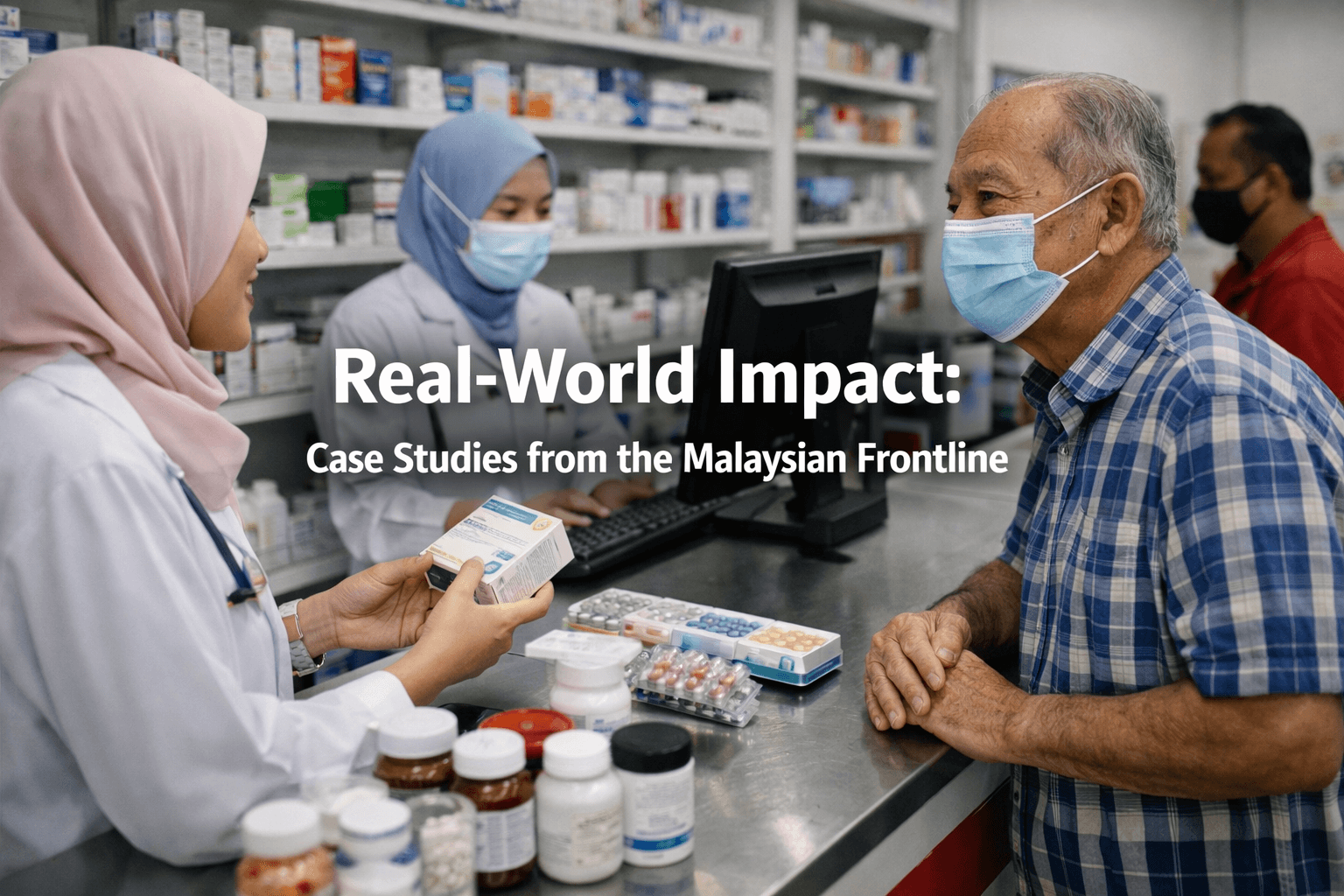
Real-World Impact: Case Studies from the Malaysian Frontline
The abstract importance of distribution crystallizes when examining real-world operational scenarios. Consider the nationwide rollout of a new seasonal influenza vaccine. A leading distributor pharmacy network doesn’t just transport boxes; it activates a temperature-controlled cold chain logistics protocol, with real-time monitoring from central warehouse to rural clinic in Sabah or Sarawak, ensuring vaccine potency is never compromised. This is a proven system of reliable handling that directly impacts public health outcomes. Another example is the supply of chronic disease medications, like those for hypertension or diabetes, to Caring Pharmacy outlets across the country. Here, the distributor’s role involves demand forecasting and inventory synchronization, ensuring that a patient in Johor Bahru or Kangar never faces a stock-out of their essential medication. From the perspective of a brand manager at an international pharma firm, a distributor like DKSH Malaysia is an expert local conduit, providing not just warehousing and delivery, but also market analytics and regulatory submission support, which is essential for successful market entry.
Quantifying the Framework: Scale, Reach, and Compliance Metrics
The scale at which top players operate is staggering, underpinning their market influence. While specific revenue figures are dynamic, their market share is demonstrated through tangible metrics: the number of GDP-certified warehouses nationwide, the fleet size of temperature-controlled vehicles, the percentage of products with fully digitized tracking, and the breadth of retail touchpoints served daily. For instance, a giant like Pharmaniaga Berhad likely services thousands of endpoints, from major hospital groups to independent community pharmacies. Their infrastructure investment is a direct reflection of their commitment to a resilient supply chain. Compliance is another critical data point. The top companies boast near-perfect audit scores from the NPRA, a non-negotiable benchmark that separates trusted partners from the rest. The table below illustrates a simplified comparison of key operational indicators that define a leading distributor, highlighting the integration of scale with stringent quality control.
Comparative Table: Key Operational Indicators for Leading Healthcare Distributors
Practical Implications for Stakeholders: A Tapestry of Interdependent Perspectives
The efficiency of the distribution backbone creates a ripple effect, impacting every stakeholder uniquely. For the community pharmacist, a reliable pharmacy wholesale distributor means being able to promise patients that their vital medicines will be in stock tomorrow, building patient trust and loyalty. It also means receiving accurate batch and expiry information seamlessly, which is crucial for patient safety and inventory management. From the perspective of hospital procurement managers, partners like Medispec or T3 Medical provide more than equipment; they offer tailored solutions kits for surgical procedures and guaranteed maintenance services, ensuring clinical operations are never halted by equipment unavailability. This reliability is strategic for hospital planning.
Conversely, for pharmaceutical manufacturers and brand owners, the choice of a supply chain partner is a long-term strategic decision. A distributor with a robust infrastructure and expert regulatory team becomes an extension of their own organization, mitigating market entry risks and ensuring brand integrity is maintained down to the last mile. They handle the complexities of dealing with myriad small retail accounts, allowing the manufacturer to focus on innovation and marketing. The distributor’s ability to execute store-level performance—like ensuring optimal shelf placement and stock availability for a new product launch at every Guardian Health & Beauty outlet—directly influences the brand’s commercial success. This interdependent relationship highlights that an effective distribution network is a shared competitive advantage.
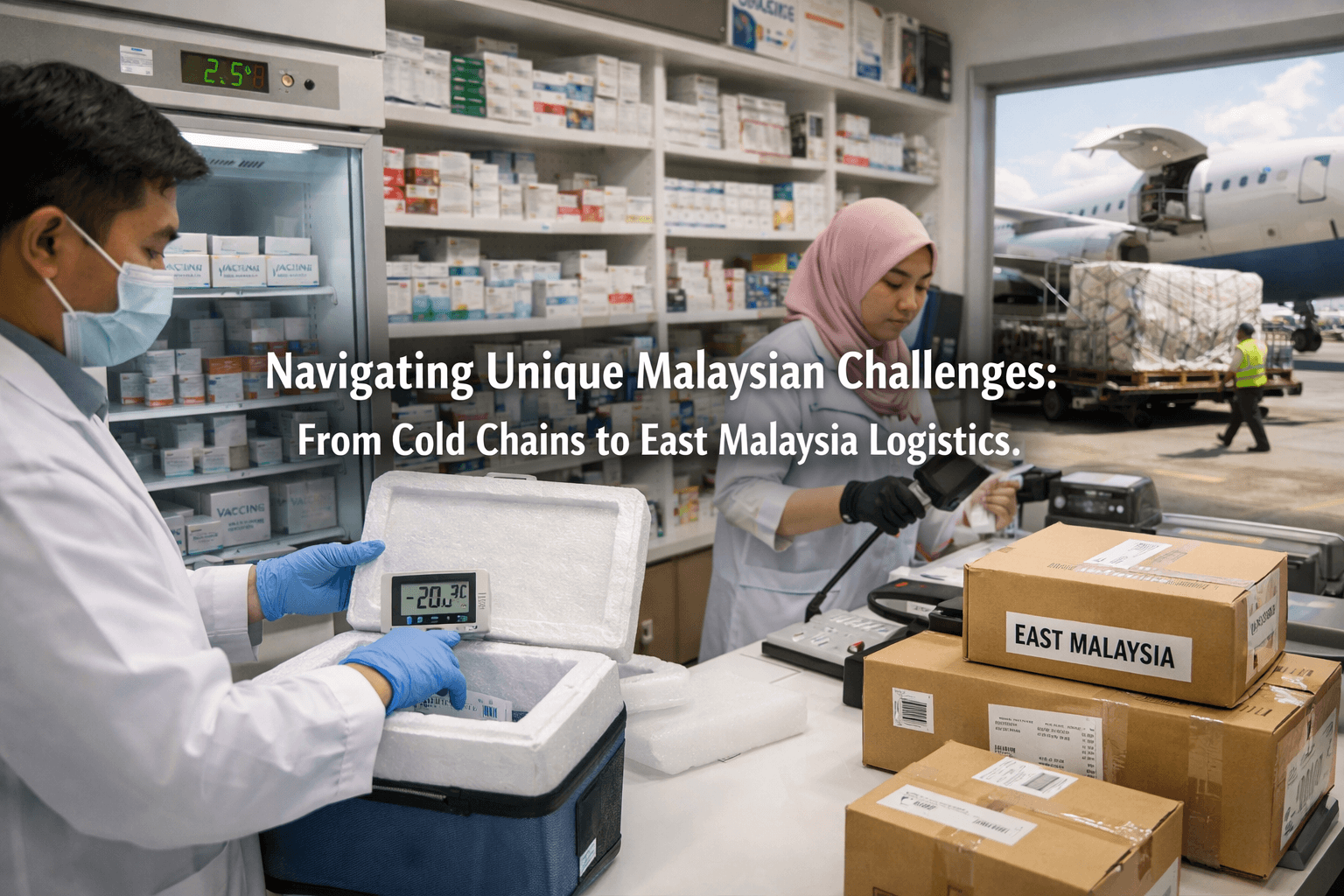
Navigating Unique Malaysian Challenges: From Cold Chains to East Malaysia Logistics
The Malaysian geography and regulatory environment present distinct challenges that test the mettle of any distribution network. The cold chain logistics requirement is paramount, not just for vaccines but for a growing range of biologics and specialized injectables. Companies leading the space have invested heavily in temperature-assured logistics, using IoT sensors and redundant cooling systems to maintain unbroken chains from port to peninsular interior or across the South China Sea to East Malaysia. This is a proven and essential capability. Furthermore, serving East Malaysia requires a tailored logistical approach, often involving strategic partnerships with local sub-distributors and advanced air and sea freight coordination to overcome geographical barriers while still meeting tight delivery windows. Another challenge is the diverse retail landscape, ranging from hypermodern hospital pharmacies in Kuala Lumpur to remote standalone clinics. A pharmacy distributor Malaysia must have the flexibility and route density to serve all these channels efficiently, ensuring healthcare equity. Companies like Yongshin Pharmaceutical and Pharmaforte exemplify this by ensuring their affordable generic medicines reach even the most remote outlets through layered distribution networks.
Learn more: Healthcare Supply Chain Optimization | Cold Chain Logistics in Pharma
The Strategic Evolution: From Logistics to Integrated Health Solutions
The role of the distributor is evolving from a cost-center logistics function to a strategic partner offering integrated health solutions. Forward-thinking companies are now layering value-added services onto their core distribution framework. This includes vendor-managed inventory (VMI) systems for key hospital accounts, where the distributor takes full responsibility for maintaining agreed stock levels, freeing up clinical staff. Others provide data analytics on prescribing trends and stock movement, offering manufacturers and retailers actionable business intelligence. Healthlane’s model, which integrates diagnostic services with retail pharmacy, shows how distribution can be woven into a broader patient journey. This evolution means that the most effective players are those who see their warehouse and fleet not as endpoints, but as platforms for innovation that enhance the entire healthcare value chain, improving outcomes while driving efficient growth for all partners involved.
Navigating the Regulatory Landscape: The Bedrock of Pharmaceutical Operations
For any entity operating within Malaysia’s pharmaceutical sphere, regulatory compliance isn’t just a box to tick—it’s the very foundation upon which market access, consumer trust, and long-term viability are built. The National Pharmaceutical Regulatory Agency (NPRA), under the Ministry of Health, enforces a rigorous framework designed to ensure that every product reaching patients is safe, efficacious, and of high quality. Adherence to these guidelines is non-negotiable; it is the critical differentiator between a trusted market leader and an unviable operation. The consequences of non-compliance extend beyond fines to include product recalls, license revocation, and irreversible damage to brand reputation. Therefore, a deep, integrated understanding of NPRA mandates forms the cornerstone of any effective market strategy.
Exemplars of Compliance: How Industry Leaders Set the Standard
Leading companies demonstrate that compliance should be viewed not as a hindrance, but as a strategic asset. Firms like Pharmaniaga, with its extensive portfolio, and Top Glove, a leader in medical consumables, operationalize this by ensuring 100% of their relevant products carry valid NPRA product registrations (typically indicated by MAL or NOT numbers). Their processes are designed around compliance from the ground up, embedding Good Distribution Practice (GDP) principles into their daily workflows. This proactive culture means regulatory adherence is baked into their operational DNA, rather than being a reactive, last-minute scramble. They invest in continuous training and robust quality management systems, understanding that this diligence is essential for maintaining their license to operate and, more importantly, public confidence.
The Assurance of Advanced Licensing and Infrastructure
Beyond basic registration, the level of regulatory assurance can be significantly elevated. This is where distinctions in licensing and facility certification come into sharp focus. Companies possessing a Type A (Importer’s) License and operating GDP-certified warehouses send a powerful message to brand owners and healthcare providers. For instance, a distributor like Yongshin Pharmaceutical or Healthlane with these credentials provides a higher tier of supply chain integrity. A GDP-certified warehouse guarantees that products are stored, handled, and transported under stringent, audited conditions that preserve their quality—a non-negotiable for temperature-sensitive vaccines or biologic medicines. This infrastructure is a tangible reflection of a company’s proven commitment to the highest standards, offering partners peace of mind in a complex landscape.
Practical Implications for Market Selection and Partnership
The practical implication for international or local brand managers is clear: your choice of distribution partner is a direct extension of your own compliance posture. Aligning with a partner whose licenses and certifications are not just in place but are actively managed and audited mitigates substantial risk. It streamlines your own regulatory oversight and protects your brand’s integrity. Before engagement, a due diligence checklist should be considered:
Verify NPRA product registration status for your specific items.
Confirm the distributor’s license type (e.g., Type A for importers) and its validity.
Request audit reports or certificates for GDP-compliant warehousing and cold chain logistics, if applicable.
Assess their standard operating procedures (SOPs) for recall processes and adverse event reporting.
This strategic approach to partner vetting is crucial in the Malaysian context, where regulatory scrutiny is intensifying alongside market growth.
Learn more: Regulatory Compliance in Pharmacy Distribution
Integrating with Retail Pharmacy: A Choice of Control Versus Scale
The pathway to the end-consumer at the retail pharmacy level presents a fundamental strategic choice: should a company build and control its own retail footprint, or leverage the established networks of distributor partners? This decision between in-house retail operations and a distributor-led model profoundly impacts brand presentation, customer experience, and ultimately, market penetration speed and cost.
The In-House Model: Unparalleled Control and Brand Consistency
Companies that own and operate their retail pharmacies, such as Healthlane with its network of outlets, enjoy maximum control over the entire customer journey. This model allows for tailored brand positioning, consistent merchandising, and direct implementation of promotional campaigns. The staff are company-trained, ensuring deep product knowledge and alignment with brand values. From a data perspective, direct access to real-time sales data and customer feedback is invaluable for strategic planning. However, this model requires immense capital expenditure, deep operational expertise in retail management, and scales at a slower pace due to the need for physical expansion and localized market adaptation.
The Distributor-Led Model: Accelerated Reach and Operational Efficiency
Conversely, partnering with established pharmacy distributors or retail groups offers a faster, often more capital-efficient route to market. A company like Pharmaniaga leverages its wholesale arm to supply a vast network of independent and chain pharmacies, while Caring Pharmacy collaborates with multiple brand partners to stock their shelves. This model provides rapid, widespread geographical coverage without the burden of managing retail real estate and personnel. It transfers the complexities of last-mile logistics, inventory financing, and pharmacy relationships to an expert partner. The trade-off is a degree of removed control over how products are merchandised, promoted, or explained at the final point of sale.
A Framework for Decision-Making: Which Model Fits Your Goals?
The optimal choice depends on a brand’s specific objectives, resources, and product type. Consider this comparative perspective:
For many, especially smaller brands or international entrants, a hybrid or phased approach is most effective. They might start with a trusted distributor for initial market access, then develop flagship in-house retail presence in key urban centers like Kuala Lumpur or Penang for brand building.
The Evolving Frontier: Trends Reshaping Distribution in Malaysia
The Malaysian pharmacy distribution model is not static; it is being dynamically reshaped by technological, consumer, and regulatory forces. Understanding these trends is essential for anticipating future challenges and opportunities.
The Digital Transformation: E-Commerce and Hybrid Distributors
The rise of e-commerce platforms and digital health services has irrevocably changed the landscape. Consumers and practitioners now expect the convenience of online ordering, often with direct-to-home delivery. This has spurred the need for hybrid distributors who seamlessly manage both traditional brick-and-mortar supply and direct-to-consumer (DTC) or business-to-business (B2B) online fulfillment. Companies are now evaluated on their ability to integrate online and offline data, manage omnichannel inventory, and provide a cohesive customer experience across all touchpoints. The pandemic accelerated this trend, making digital capability a core component of a reliable distribution strategy, not just an add-on.
From Volume to Value: Targeted Efficiency and Specialized Logistics
There is a marked shift away from pure volume-based distribution toward more efficient, value-added services. Distributors are increasingly expected to provide insights, support inventory management for pharmacies, and enable targeted marketing—not just move boxes. Furthermore, the growing complexity of medicines, especially biologics and specialized therapies, has elevated the importance of cold chain logistics. Maintaining an unbroken temperature-controlled supply chain from port to patient is a sophisticated, technology-driven operation that demands significant investment and expertise. Compliance technology, including serialization and track-and-trace systems, is also becoming standard, enhancing transparency and security across the supply chain.
The Malaysian Context: Localized Adaptation of Global Trends
In Malaysia, these global trends interact with local realities. For example, serving rural clinics in Sabah or Sarawak presents unique last-mile delivery challenges that require tailored logistics solutions, perhaps involving localized logistics partners. Similarly, the growth of telemedicine platforms regulated by the Malaysian Medical Council creates a new channel that distributors must service, often involving smaller, more frequent deliveries to patients’ homes. A proven distributor in Malaysia is one that can navigate not just the high-tech demands of the Klang Valley, but also the practical, geographic realities of the entire nation.
Strategic Roadmap for Stakeholders: Navigating 2026 and Beyond
For brand owners, pharmaceutical companies, and investors, the trajectory of Malaysia’s healthcare sector points toward a future defined by consolidation, sophistication, and partnership. The dominant players in 2026 will be those who have mastered the integration of ironclad regulatory compliance, logistical efficiency, and adaptive market outreach.
The Imperative of Strategic Partnership
For smaller brands or new entrants, the lesson is clear: going it alone is increasingly untenable. The resource required to build compliant infrastructure and a widespread distribution network is prohibitive. The strategic path forward lies in forming deliberate alliances with reliable distributors who already possess the licenses, warehouses, and retail relationships. This could mean partnering with a national giant for broad coverage, or a specialized regional distributor for focused penetration in East Malaysia, for instance. The goal is to achieve market presence and scale without overextending finite capital and managerial resources.
Multiple Perspectives on the Future
From the Pharmacist’s Viewpoint: Pharmacists will increasingly rely on distributors as partners in inventory management, expecting just-in-time delivery, product consistency, and strong technical support to manage a more complex product range. They value distributors who help them optimize shelf-space and meet their patients’ evolving needs.
From the Brand Manager’s Viewpoint: For brand managers, the distributor is the custodian of brand equity at the point of final sale. They seek partners who provide detailed market intelligence, execute promotional plans faithfully, and protect the brand from parallel import or counterfeit risks through rigorous supply chain controls.
From the Distributor’s Viewpoint: Successful distributors are evolving from logistical service providers into essential channel partners. They are investing in data analytics capabilities to offer insights, developing value-added services like repackaging or kitting, and building their own brands as trusted intermediaries of choice.
The future belongs to integrated healthcare ecosystems. Companies that merely distribute are being surpassed by those who connect, inform, and add value at every stage of the supply chain. For businesses looking to thrive, the question is no longer if to partner, but how strategically to select and collaborate with the right supply chain partner.
Learn more: Global Healthcare Supply Chain Insights
Frequently Asked Questions (FAQ)
Q1: What is the largest healthcare company in Malaysia?
Answer: The largest healthcare company in Malaysia is KPJ Healthcare Berhad, a leading private healthcare provider with a vast network of hospitals across the country.
Q2: Which is the best hospital in the world in Malaysia 2025?
Answer: As of 2025, the best hospital in Malaysia is considered to be the National Heart Institute (IJN) in Kuala Lumpur, renowned for its expertise in cardiology and heart surgeries.
Q3: What are the top 5 healthcare stocks?
Answer: The top 5 healthcare stocks in Malaysia include KPJ Healthcare, IHH Healthcare, Pharmaniaga, Green Packet, and Axis REIT, based on market performance and growth potential.
Q4: What are the top 10 health insurance companies in Malaysia?
Answer: The top 10 health insurance companies in Malaysia include AIA Malaysia, Prudential Assurance, Allianz Life, Great Eastern Life, and Etiqa Insurance, among others.
Q5: What are the big 4 companies in Malaysia?
Answer: The “Big 4” companies in Malaysia are typically the leading conglomerates: Sime Darby, Petronas, Genting Group, and Maybank.
Q6: Who are the top 7 companies?
Answer: The top 7 companies in Malaysia include Petronas, Maybank, Sime Darby, Public Bank, IHH Healthcare, Tenaga Nasional, and CIMB Group.
Q7: What is the top 1 healthcare company?
Answer: The top healthcare company in Malaysia is KPJ Healthcare Berhad, known for its extensive network of private hospitals and healthcare services.
Q8: What are the top 5 biggest companies?
Answer: The top 5 biggest companies in Malaysia by market value include Petronas, Maybank, CIMB Group, Public Bank, and IHH Healthcare.
Q9: What is Malaysia’s biggest company?
Answer: Malaysia’s biggest company is Petronas, the state-owned oil and gas giant, with significant contributions to the country’s economy.
Q10: Who is the largest healthcare company?
Answer: The largest healthcare company in Malaysia is KPJ Healthcare Berhad, providing a wide range of healthcare services across the nation.