
Opportunities in Malaysia’s Pharmaceutical Supply Chain

Prioocare Pharmacy Distribution Services

March 30 , 2026


A nation’s healthcare resilience is not merely a product of its hospitals or medical professionals, but is fundamentally anchored in the silent, often unseen, engine that delivers vital products to the point of care. In Malaysia, this engine is the pharmaceutical supply chain. It is the operational foundation upon which the entire healthcare ecosystem rests, connecting manufacturers to pharmacists and, ultimately, to patients. This network transcends basic logistics; it is a complex, regulated, and strategic framework that must balance efficiency with unwavering compliance. As demand for healthcare services grows and regulations evolve, the strength and sophistication of this supply chain become non-negotiable determinants of public health outcomes and market success. It is the critical backbone that supports pharmacies, clinics, and hospitals nationwide, ensuring that the right product is available at the right time, in the right condition, and through the right channels.


Understanding the Multi-Tiered Architecture of Distribution
Understanding The Multi Tiered Architecture Of Distribution

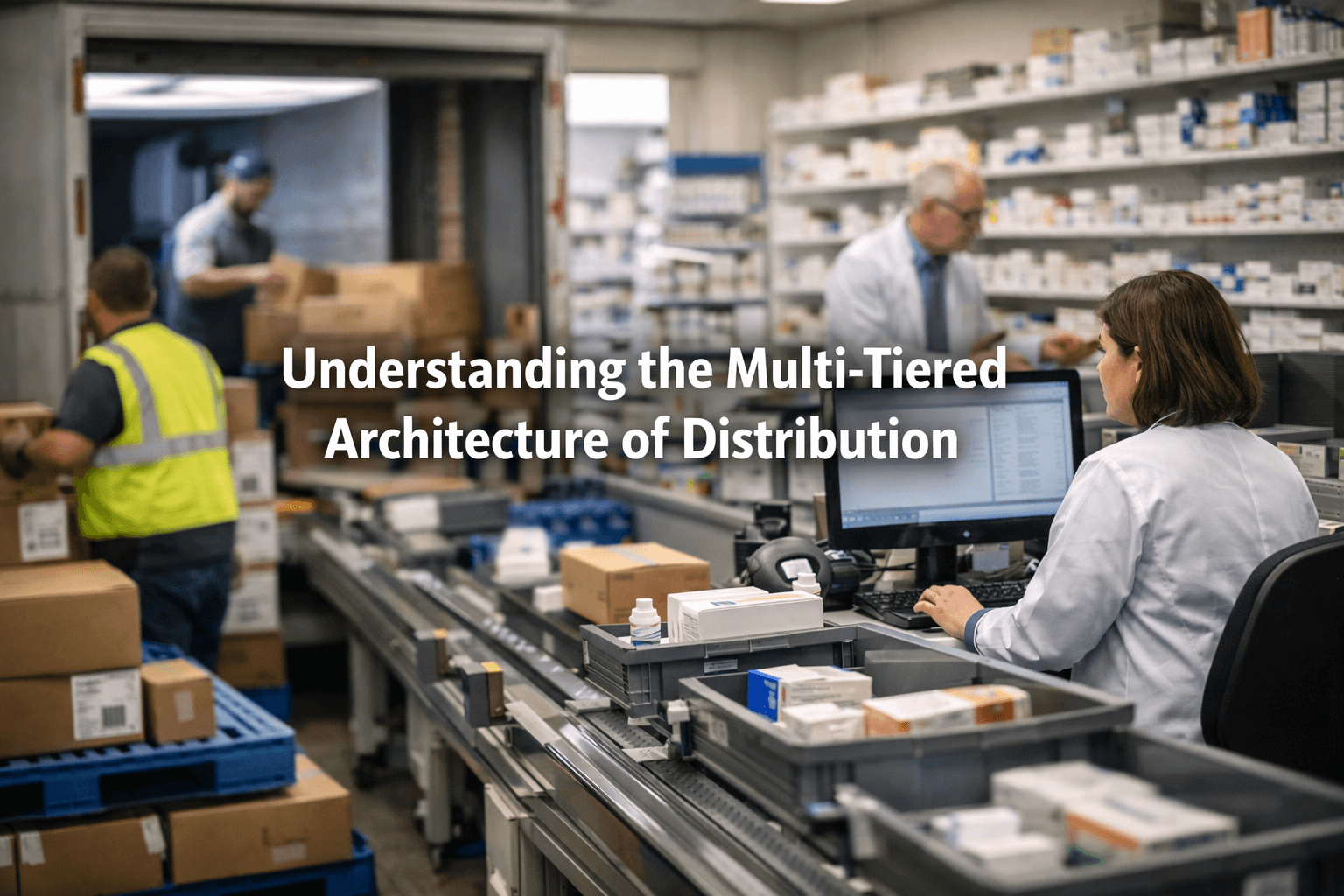
The movement of medicines and health products across Malaysia follows a structured, multi-tiered pathway designed to ensure safety and coverage. At its core, the pharmaceutical supply chain Malaysia operates through four primary tiers: manufacturers and importers, licensed distributors and wholesalers, retailers (including community pharmacies, hospital pharmacies, and chain stores), and the end-users or patients. While large multinational corporations may maintain in-house logistics arms to serve major urban hubs, the role of independent pharmacy wholesale distributors is absolutely essential for penetrating fragmented markets. This is particularly true in East Malaysia and rural regions, where geography and infrastructure present unique hurdles. The distribution models themselves are varied to meet different market needs. The direct-to-retail model is common for manufacturers partnering with large chains like Guardian or Watsons, allowing for centralized control. Conversely, the indirect distribution model relies on third-party pharmacy distributor Malaysia partners who manage the complex trifecta of inventory, logistics, and regulatory liaison, offering brands a turnkey solution. Many companies adopt a hybrid model, using direct channels for key accounts in the Klang Valley or Penang—regions known as high-volume distribution hubs—while leveraging expert local distributors for broader geographical coverage or specialized segments.


Learn more : Top 10 Medicine Distributors in Malaysia for Pharmacies and Clinics


The Non-Negotiable Pillars: NPRA, GDP, and KKM Enforcement
The Non Negotiable Pillars Npra, Gdp, And Kkm Enforcement

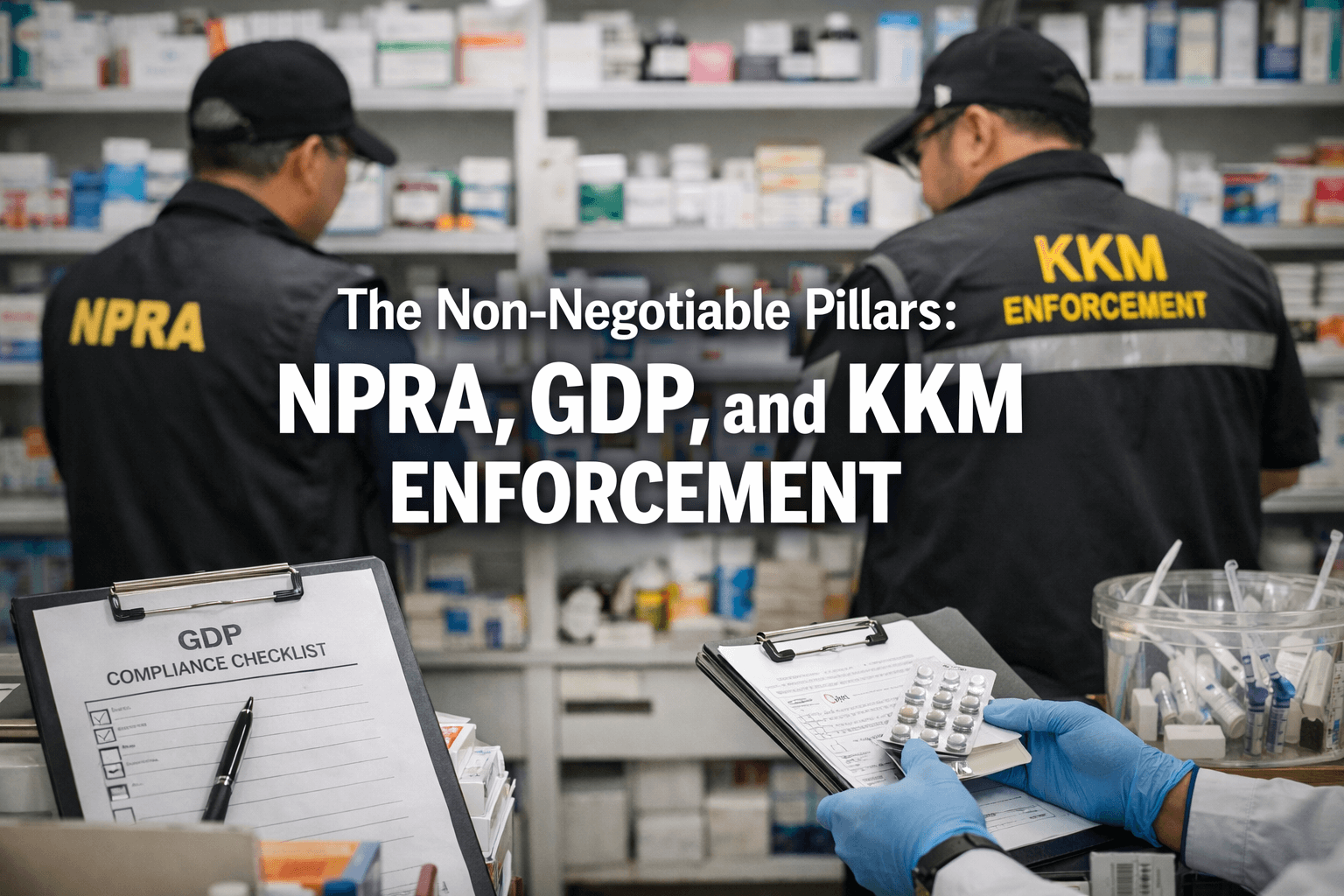
What ensures that every tablet, vial, or cream moving through this complex system is safe, legal, and ethically handled? The answer lies in a robust regulatory framework enforced by key authorities. Compliance is unequivocally anchored by three critical entities: the National Pharmaceutical Regulatory Agency (NPRA), which oversees product registration and notification; the Good Distribution Practice (GDP) licensing regime; and Kementerian Kesihatan Malaysia (KKM), which conducts enforcement and audits. For any distributor pharmacy or logistics provider, holding a valid GDP license is the trusted and visible proof of operational compliance. This certification is far more than a bureaucratic hurdle; it is a comprehensive standard governing every aspect of handling, from warehouse conditions and staff training to documentation and transportation. Failure to adhere can result in severe consequences, including suspended operations, license revocation, and product seizures during regulatory raids. Common compliance pitfalls that distributors must vigilantly avoid include:

  • Handling unregistered products (those without a MAL registration number) or unnotified products.

  • Incomplete or improper documentation for batch traceability.

  • Lapses in cold chain SOPs for temperature-sensitive goods.

  • Operating with expired permits or untrained personnel.
    Thus, a GDP-certified operation is a proven marker of reliability and essential professionalism, directly impacting patient safety and brand integrity.


Learn more : WHO Guidelines on Pharmaceutical Distribution | WHO GDP for Pharmaceutical Products


Stakeholder Synergy: The Interdependent Roles in the Ecosystem

The performance and resilience of the supply chain depend on a symbiotic relationship between three key stakeholders, each with distinct yet interconnected responsibilities. Understanding these roles from multiple perspectives enriches collaboration and drives effective outcomes.


  • From the Brand Owner’s Perspective: Brand owners are the architects of demand. Their strategic role involves product registration with the NPRA, funding promotional campaigns, and setting overall market strategy. However, their success is inextricably linked to their choice of distribution partner. A brand manager must work closely with distributors to plan geographical coverage, conduct product education sessions for pharmacy staff, and ensure aligned sales targets. Their primary concern is often market penetration and brand equity protection, which hinges on reliable distribution.

  • From the Pharmacy Distributor’s Perspective: The pharmacy distributor Malaysia partner is the operational nerve center, managing the critical flow from the central warehouse to the pharmacy shelf. Their expert role encompasses inventory forecasting, order fulfillment, logistics coordination, and serving as the regulatory liaison between the brand and the frontline. They own the challenge of ensuring products reach compliant endpoints efficiently, especially in logistically challenging areas. Their performance is measured by fill rates, delivery timeliness, and audit readiness.

  • From the Pharmacist’s Perspective: The frontline pharmacist is the final gatekeeper and key influencer. Their role extends beyond dispensing to include stock management, consumer advisement, and in-store product placement. They require consistent support from distributors in the form of accurate product information, proper Point-of-Sale Materials (POSM), and timely delivery to avoid stockouts. Their perspective is grounded in day-to-day patient interaction and the practical need for accessible, compliant stock.


This tri-party relationship functions optimally when communication is clear, expectations on reporting and KKM audit readiness are aligned, and tailored SOPs are developed for different product segments (e.g., over-the-counter medications versus prescription drugs or cosmetic products). The synergy between these perspectives is what transforms a linear supply chain into a dynamic, responsive healthcare network.


StakeholderPrimary Role & PerspectiveKey Performance IndicatorsMain Compliance Concern
Brand OwnerDemand creation, brand strategy, and registration. Focus on market growth and equity.Market share, sales volume, brand awareness.Ensuring distributors handle products per brand & GDP standards to protect reputation.
Pharmacy DistributorOperational execution, logistics, and inventory management. Focus on efficiency and reach.Order fill rate, on-time delivery, warehouse audit scores.Maintaining full GDP compliance across all operations to avoid license penalties.
PharmacistPatient care, final product dispensing, and stock management. Focus on availability and service.Stock availability, patient satisfaction, compliance with dispensing guidelines.Receiving only registered, in-condition products with proper documentation for traceability.


Conquering Logistics, Warehousing, and the Cold Chain Imperative
Conquering Logistics, Warehousing, And The Cold Chain Imperative

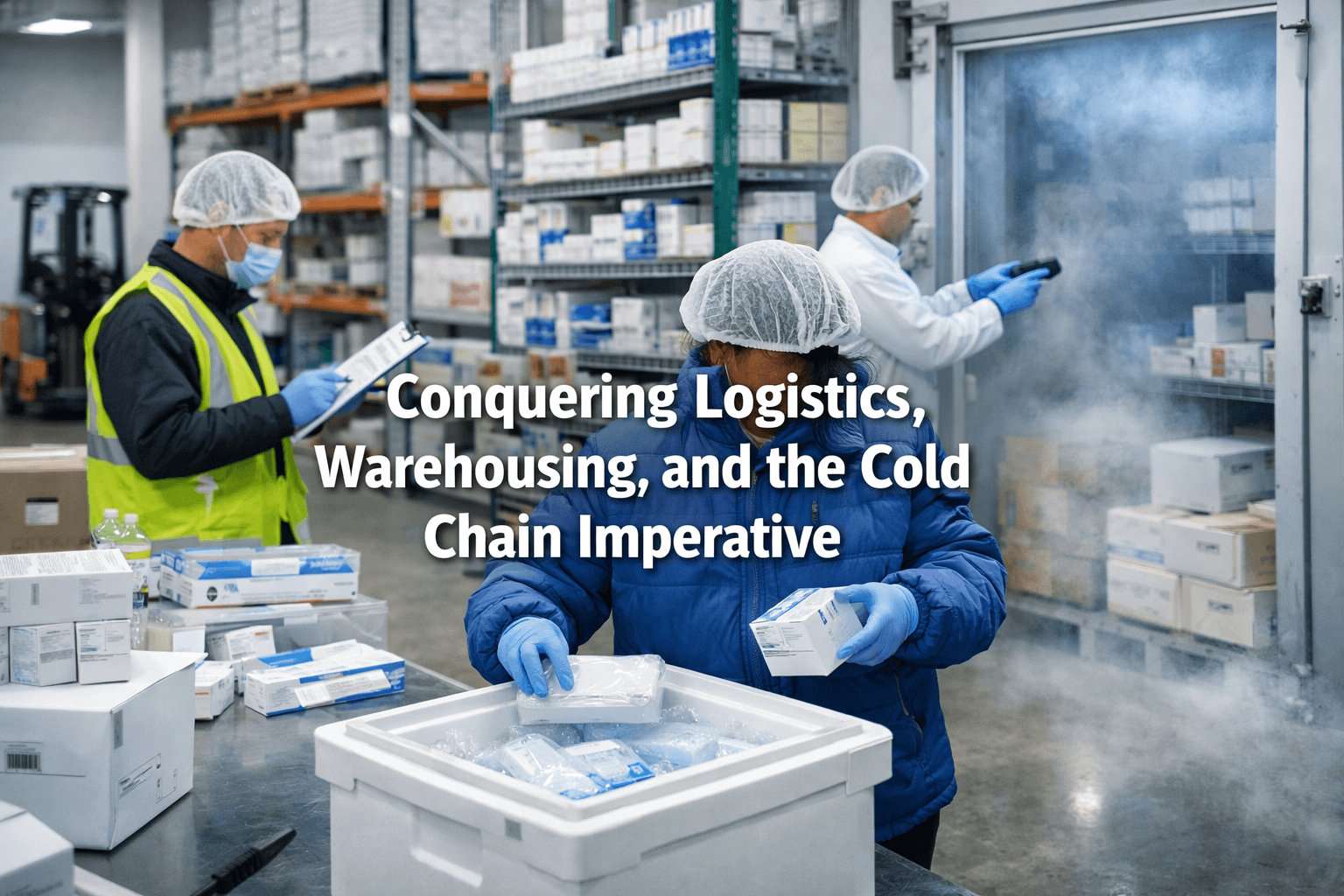
Translating strategic plans and compliant protocols into physical delivery presents one of the sector’s most tangible challenges. The pharmaceutical supply chain Malaysia must navigate a diverse landscape, from the dense urban jungles of Klang Valley to the remote towns of Sabah and Sarawak. Cold chain management is a paramount concern, especially with the growing portfolio of temperature-sensitive products like biologics, vaccines, and certain supplements. A break in the cold chain doesn’t just degrade product efficacy; it represents a serious regulatory and patient safety failure. Operators face a triad of persistent challenges: maintaining unbroken temperature control for sensitive goods, overcoming inefficient last-mile coverage in East Malaysia due to geographical dispersion, and managing inventory to avoid the twin pitfalls of costly overstock or revenue-killing understock caused by inaccurate demand forecasting.


Investing in efficient, modern infrastructure is a key differentiator. This includes temperature-controlled warehouses with validated storage zones and strategically placed regional hubs in locations like Kuching or Kota Kinabalu to serve East Malaysia more effectively. Technological integration provides powerful solutions, such as QR-code-based inventory systems for real-time stock visibility and RFID tracking for enhanced shipment transparency. Furthermore, establishing clear, monitored SOPs for delivery personnel is as crucial as the warehouse technology itself. Many distributors enhance their capability and resilience by partnering with reliable third-party logistics (3PL) providers who bring specialized expertise, while conducting regular, rigorous internal and external warehouse audits to pre-empt compliance risks. These proven investments in infrastructure and process are what ultimately build a trusted and resilient supply network capable of supporting Malaysia’s healthcare ambitions.


Learn more : GDP Requirements on Pharmaceutical Transport


The Make-or-Break Power of Retail Execution in Pharmacy Compliance

The Make Or Break Power Of Retail Execution In Pharmacy Compliance

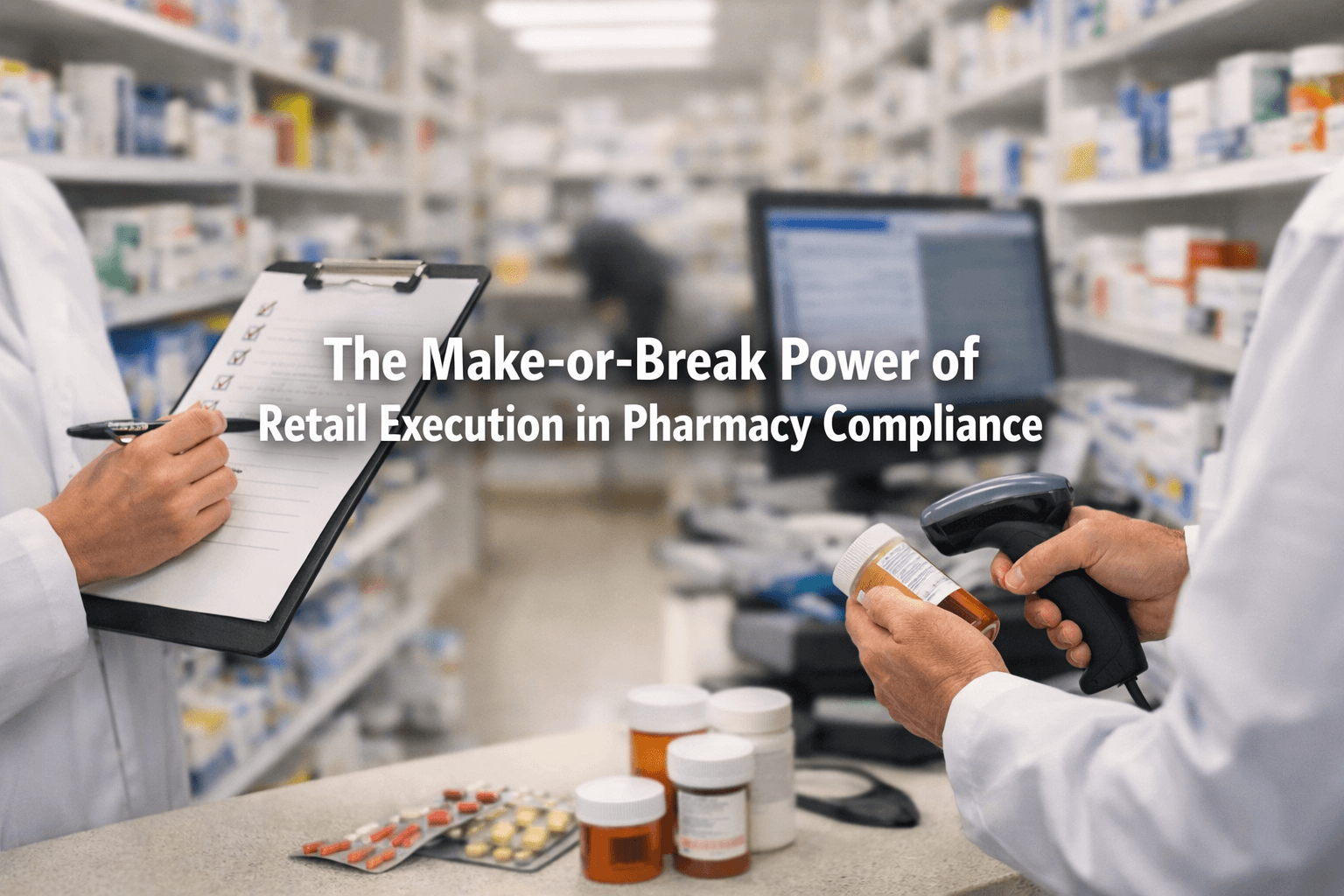
Moving beyond the warehouse and into the pharmacy itself, retail-level execution stands as the final, and perhaps most critical, barrier between a product and the consumer. This stage is far more than mere aesthetics; it is the tangible point where brand performance directly intersects with KKM compliance. Ineffective execution here doesn’t just dampen sales—it can actively jeopardize a product’s legal standing and a brand’s hard-earned reputation. The question for every pharmaceutical distributor and brand manager is clear: how do you ensure this last-mile interface is both commercially potent and rigorously compliant?


Effective merchandising serves as the essential guardian of brand integrity and regulatory adherence. It transforms the pharmacy shelf from a passive storage space into an active, compliant brand ambassador. This involves a meticulous focus on several non-negotiable elements. Firstly, ensuring all legal claims on packaging are displayed correctly and without obstruction is paramount. Pharmacists and consumers alike must be able to instantly verify NOT/MAL numbers and expiry dates without having to handle the product, a simple yet often overlooked detail. Secondly, strategic planogram execution ensures products are not only present but positioned for optimal visibility and accessibility according to brand and retailer agreements. Finally, product awareness is amplified through well-placed Point-of-Sale Materials (POSM) and, more importantly, consistent pharmacist education. An informed pharmacist is the most effective advocate for any product, making their understanding a core component of sales activation.


Choosing the right operational model—in-house teams versus professional services—is a strategic decision with profound compliance implications. Many brands initially consider building their own teams, believing it offers greater control. However, a closer examination reveals significant advantages in partnering with a proven merchandising service, especially within the complex Malaysian landscape. The scalability and specialized focus of a third-party provider often translate into superior outcomes.


CriteriaIn-House Sales TeamProfessional Merchandising Service
Compliance MonitoringModerate; often juggled with sales targetsHigh; dedicated as a primary KPI
Speed & ScalabilitySlower to deploy across regionsFast and flexible, ideal for nationwide launches
Cost StructureHigher fixed HR and management costsEfficient pay-per-project or territory model
Training & KnowledgeInternal, may lack latest retail insightsTailored to both brand guidelines & specific pharmacy chain requirements
Geographic CoverageOften limited to urban centersNationwide, including rural East Malaysia and smaller states

For brands, especially those new to the market or launching complex portfolios, a trusted merchandising partner acts as a strategic force multiplier. They bring a structured, systematic approach to reporting transparency, providing brands with real-time insights into shelf share, compliance status, and competitor movements. This external expertise allows brand managers to focus on strategy, confident that ground-level execution is handled by expert teams trained in the nuances of NPRA regulations and retail dynamics.


Learn more : The Importance of Distribution in Malay Markets
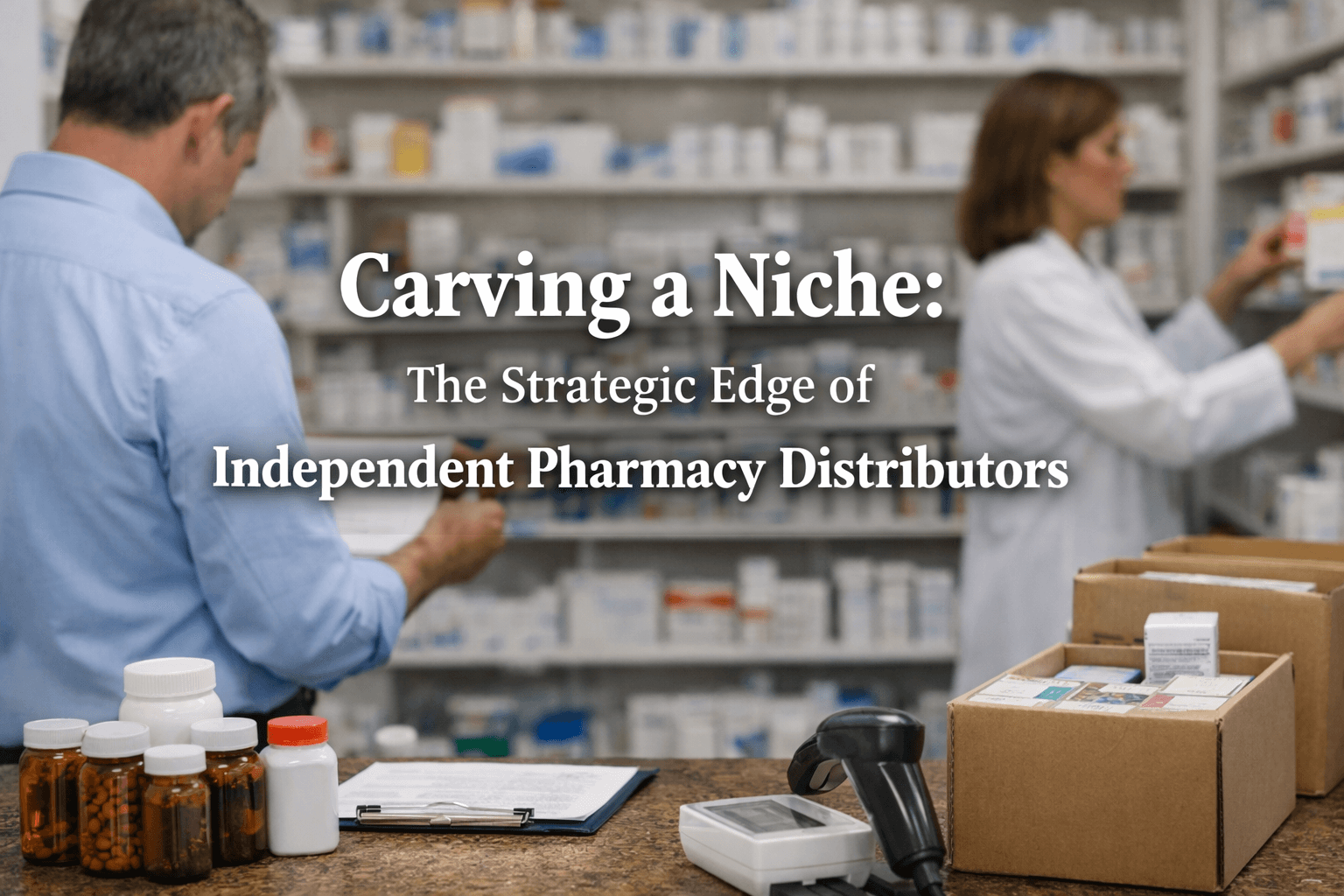
 

Carving a Niche: The Strategic Edge of Independent Pharmacy Distributors

Carving A Niche The Strategic Edge Of Independent Pharmacy Distributors

In a sector often perceived as dominated by large chains and multinational logistics giants, independent pharmacy distributors possess unique, formidable advantages. Their path to growth isn’t about competing head-on with behemoths on all fronts, but rather about identifying and dominating specific, underserved niches with agility and deep local knowledge. This strategic focus allows them to become reliable, even essential, partners for particular brands and pharmacy segments.


Their power lies in mastering specialized health categories and penetrating underserved geographies. While large players focus on volume-driven mainstream products, independents can build expert authority in niche areas. Consider the growing demand for traditional herbal supplements (jamu) or specific maternal and child health products in Malaysia. An independent distributor can curate a focused portfolio and provide deeply tailored education to pharmacists in these categories, becoming the go-to source for both product and knowledge. Geographically, they can serve as the vital link to pharmacies in rural Sarawak and Sabah, or in less congested states like Perlis and Perak, where large distributors may have thinner coverage or longer restocking cycles.


Community-centric operational models foster unparalleled trust and responsiveness. Many successful independent distributors in Malaysia have built their reputation on hyper-local, relationship-based service. This isn’t just about logistics; it’s about partnership. Their operational models often include:

  • Face-to-face pharmacist engagement that goes beyond a sales call, offering live product demos and updates on compliance requirements.

  • Tailored delivery solutions like same-day or next-day restocking for key accounts, or dedicated clinic drop-off services for pharmaceutical products.

  • Localized knowledge that understands specific community needs, pharmacy ordering patterns, and even cultural preferences.


This agility transforms them from a simple logistics vendor into a true supply chain partner. For an emerging international brand seeking to enter the Malaysian market without a massive upfront investment, or for a local brand with a specialized product, an independent distributor offers a low-risk, high-engagement pathway to market. They provide the hands-on, attentive service that ensures products are not just delivered, but properly introduced, maintained, and advocated for at the pharmacy counter.


The Digital Imperative: Transforming Pharmacy Logistics from Reactive to Predictive

The Digital Imperative Transforming Pharmacy Logistics From Reactive To Predictive

The digital transformation sweeping across industries is fundamentally reshaping pharmacy logistics, moving it from a paper-heavy, reactive operation to a streamlined, data-driven, and proactive function. In Malaysia, this shift is being accelerated by both regulatory push and market pull, creating a clear divide between legacy operators and forward-thinking pharmaceutical supply chain leaders. Embracing this digital shift is no longer optional; it is the bedrock of modern efficientreliable, and audit-ready distribution.


Core digital integrations are now central to regulatory compliance and operational excellence. The adoption of official and supporting digital tools is critical. Primarily, mastery of the NPRA QUEST3+ portal is non-negotiable for handling product registration, notifications, and status checks—a single source of truth for regulatory standing. Beyond that, inventory automation through cloud-based platforms or integrated tools like RMS (Retail Management Systems) replaces error-prone manual spreadsheets, providing real-time stock visibility. Furthermore, the move toward e-invoicing and e-permit issuance drastically reduces paper-based errors and delays, smoothing the entire order-to-cash cycle. Distributors who integrate these systems gain a proven advantage in operational speed and create a transparent, traceable audit trail that inspectors value.


The true strategic advantage lies in building interconnected, intelligent systems. Digitization for its own sake offers limited benefits. The leading players are those who build interoperable systems that connect disparate data points. Imagine a dashboard that ties pharmacy-level sell-through data from RMS directly to the distributor’s inventory management system, enabling predictive demand forecasting. This allows for smarter replenishment cycles, preventing both stockouts and costly overstock situations. It also empowers brand managers with performance dashboards that show not just shipment data, but actual retail performance and shelf visibility metrics. This level of integration minimizes supply mismatch, reduces human error during pharmacist visits, and turns data into a strategic asset for all stakeholders—distributor, brand, and pharmacist alike.


Learn more : NPRA Product Search | Four Ways Pharma Companies Can Make Their Supply Chains More Resilient


Navigating the Minefield: Proactive Risk Management in Distribution

Even the most strategic plans can unravel due to unmanaged risks in the pharmacy distribution pipeline. The consequences here are severe, ranging from product recalls and license suspensions to irrevocable damage to brand credibility. Understanding recurring pitfalls is the first step toward building a resilient and reliable operation. A proactive risk management framework isn’t about preventing every single error—that’s impossible—but about creating systems that catch and correct errors before they escalate into crises.


Common operational and compliance failures create significant vulnerabilities. Several recurring issues pose constant threats. The circulation of unregistered or unnotified products, whether through oversight or malpractice, remains a top concern for authorities. Cold chain SOP failures during transportation or storage can ruin the efficacy of sensitive products like vaccines or biologics, posing a direct public health risk. Seemingly minor issues like inaccurate labeling or documentation gaps in delivery notes or permits can halt an entire shipment during an audit. Furthermore, delayed restocking leading to persistent pharmacist complaints erodes commercial relationships and can prompt pharmacies to switch suppliers. These are not theoretical risks; they are daily operational hazards.


Real-world examples underscore the non-negotiable need for rigorous protocols. Malaysian media and regulatory bulletins periodically highlight cases that serve as stark warnings. There have been instances of raids uncovering counterfeit cosmetics and health products being sold in pharmacies without valid NOT numbers, leading to severe penalties for both the retailer and their supplier. More directly, several GDP license suspensions have been issued by the NPRA due to poor stock traceability and inadequate temperature monitoring logs. These scenarios highlight that compliance is an end-to-end responsibility. Mitigating these risks requires proven, audit-ready SOPs and continuous training for every touchpoint—from warehouse staff and drivers to merchandisers and sales reps. Collaboration with brand managers is also essential to ensure the entire chain is instantly aware of regulatory updates, product renewals, or packaging changes. This shared vigilance is the hallmark of an expert partnership.


Forging the Future: Integration as the New Benchmark for Success

The trajectory of Malaysia’s pharmacy sector points toward an increasingly integrated and sophisticated future. Supply chain performance has definitively shifted from a back-office cost center to a front-facing, core component of brand equity and competitive advantage. The market will increasingly reward stakeholders who view the journey from manufacturer to patient not as a series of disjointed transactions, but as a unified, seamless experience. This demands a holistic approach where cold chain integritymerchandising excellencedigital fluency, and stakeholder alignment are not isolated strengths, but interconnected threads of the same fabric.


The landscape will be shaped by those who invest in deep, strategic partnerships. The complexity of navigating NPRA compliance, managing nationwide retail execution, leveraging technology, and mitigating risk is too vast for any single entity to master in isolation. Success will belong to the networks—the aligned ecosystems of brand owners, pharmaceutical distributors, logistics expert, and technology providers—who build reliable, transparent, and efficient collaboration models. In this environment, the pharmaceutical supply chain Malaysia thrives on is one built on shared data, shared goals, and a shared commitment to patient safety and product integrity. This collaborative resilience ultimately translates into sustainable growth and unshakeable reputational strength in a discerning and regulated market.


Frequently Asked Questions (FAQ)

Q1: What is the supply chain in the pharmaceutical industry?
Answer: The pharmaceutical supply chain covers the end-to-end flow of medicines—from raw material sourcing, manufacturing, quality testing, warehousing, distribution, to dispensing at pharmacies or hospitals—under strict regulatory and safety controls.


Q2: What is the flow of the pharmaceutical supply chain?
Answer: The typical flow is API/raw materials → manufacturer → quality release → distributor/wholesaler → pharmacy or hospital → patient, with traceability and cold-chain controls where required.


Q3: How does the drug supply chain work?
Answer: Drugs are produced under GMP standards, released after quality checks, distributed by licensed wholesalers, and dispensed by pharmacists. Each step is documented to ensure safety, authenticity, and regulatory compliance.


Q4: Why is the pharmaceutical supply chain important?
Answer: It ensures medicine availability, patient safety, regulatory compliance, and cost control. Any disruption can lead to shortages, treatment delays, or public health risks.


Q5: What are pharmaceutical distributors?
Answer: Pharmaceutical distributors are licensed intermediaries that store, transport, and supply medicines from manufacturers to pharmacies and healthcare facilities while maintaining regulatory and temperature controls.


Q6: Who are the big 3 pharmaceutical distributors?
Answer: Globally, large distributors include McKesson, AmerisourceBergen (Cencora), and Cardinal Health. In Malaysia, distribution is handled by a mix of multinational partners and strong local licensed wholesalers.


Q7: What are the big 3 pharmacy chains in Malaysia?
Answer: Major pharmacy chains include Watsons, Guardian, and Caring Pharmacy, alongside other growing regional and independent chains.


Q8: What is an example of a chain pharmacy?
Answer: A chain pharmacy operates multiple outlets under one brand and system, such as Watsons or Guardian, with centralized procurement and standardized operations.


Q9: What are the trends in pharmaceuticals in Malaysia?
Answer: Key trends include stronger regulatory enforcement, growth in health supplements and biosimilars, digital supply chain tracking, cold-chain expansion, and rising demand for professional distribution services.


Q10: What jobs will be in demand in Malaysia in 2025 within pharma supply chains?
Answer: High-demand roles include supply chain planners, regulatory affairs executives, quality assurance specialists, cold-chain logistics managers, data analysts, and pharmacy operations professionals.


The maturation of Malaysia’s pharmacy sector signals a clear shift: supply chain performance is now a front-facing metric of brand credibility and resilience. It’s an integrated discipline where cold chain integritydata-driven merchandisingNPRA compliance, and stakeholder collaboration converge. The landscape is being reshaped by regulatory evolution, technological innovation, and rising market expectations for both reliability and transparency. In this environment, the most successful stakeholders will be those who view their distribution and retail execution partners not as vendors, but as strategic allies. Investing in these expert, tailored partnerships is fundamentally an investment in long-term market presence, reputational strength, and sustainable growth.


Navigating the complexities of the Malaysian pharmacy landscape requires a partner with both local expertise and strategic vision. If you are looking to enhance your brand’s compliance, visibility, and growth through a more integrated and reliable distribution approach, we welcome the opportunity to discuss your needs. Reach out to explore how we can support your journey in this dynamic market.

Our Services

Our marketing and sales teams use their strong relationships with the channel to create demand for your product at every stage of its lifecycle.

Demand creation services we offer:

Market Access Services

Regulatory Registration Services

Pharma Product Listing Services

Merchandising services (RSMS)

Brand Management

Logistic & Warehousing

Exclusive Merchandising Services

Visual Merchandising

Discover More About Our Solution