
World’s Top 5 Wholesale Pharmaceutical Distributors

April 21 , 2026
Understanding how a medicine travels from a manufacturing plant in Europe to a community pharmacy in Kuala Lumpur requires peeling back the layers of a sophisticated, globalized system. At its heart are global pharma distributors, entities whose operations form the indispensable backbone of international healthcare. Their role transcends simple transportation; they are the critical architects of a reliable, secure, and compliant flow of vital medical products. For Malaysia, these global players are not distant giants but active, influential forces that set benchmarks for operational excellence, drive regulatory alignment with bodies like the NPRA, and fundamentally shape the expectations and capabilities of the entire local pharmacy distribution service ecosystem. The presence and practices of these distributors elevate the entire market, pushing all stakeholders toward higher standards of safety, efficiency, and service.
Operational Realities: The Multifaceted Duties of a Modern Distributor
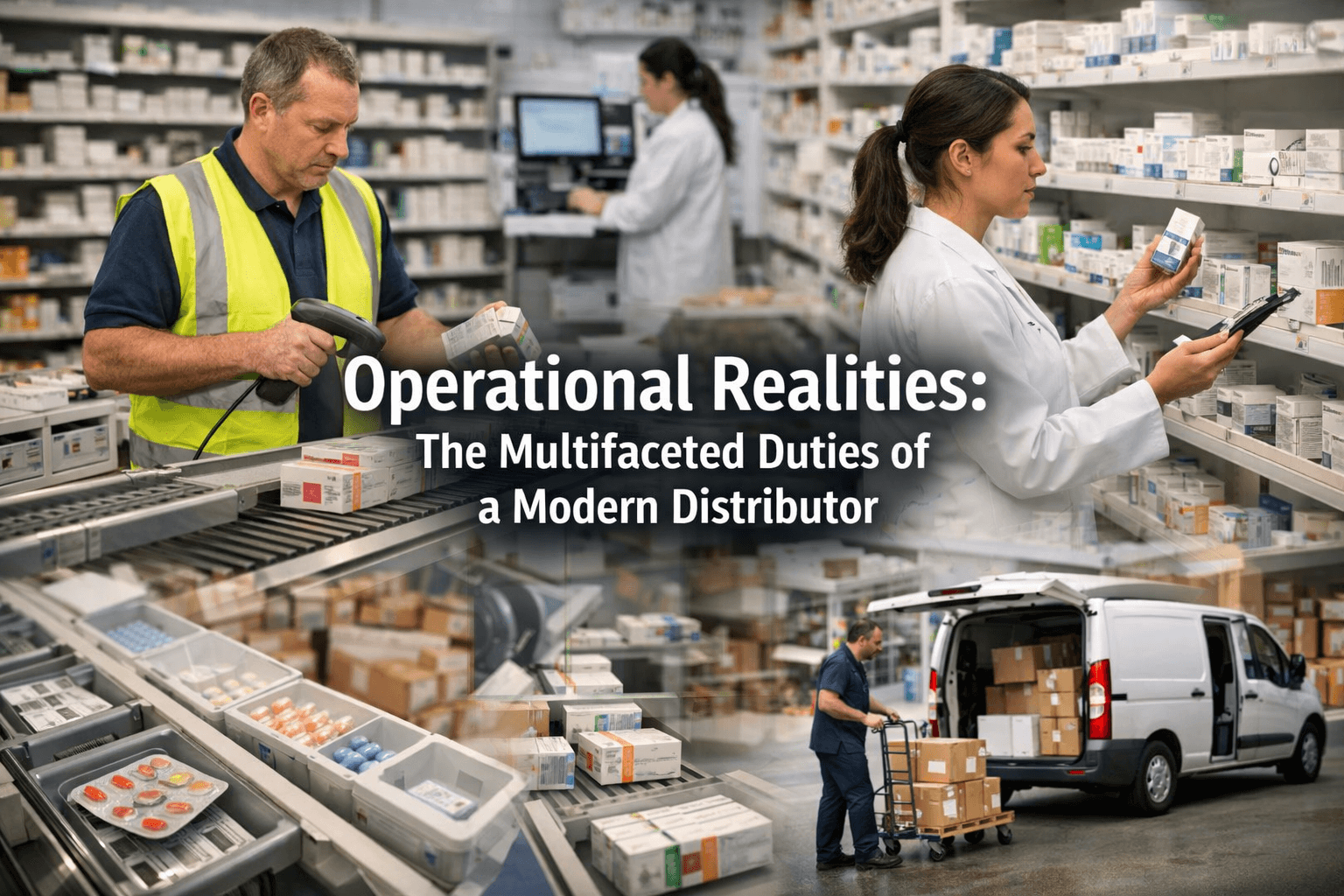
The function of a pharmacy wholesale distributor is often misunderstood as merely a warehousing and delivery service. In reality, it constitutes a complex, mission-critical node in the healthcare value chain with direct implications for patient safety and business continuity. Their responsibilities are a blend of high-stakes logistics and meticulous regulatory stewardship. Key among these are managing cold-chain logistics for temperature-sensitive products like vaccines, insulin, and biologics, a task that demands precision from origin to destination. Furthermore, they shoulder the burden of compliance documentation, ensuring every step adheres to stringent standards such as PIC/S GDP (Good Distribution Practice) and Malaysia’s own NPRA guidelines. This involves maintaining perfect regulatory documentation for audits, executing stock forecasting to prevent shortages or overstock, and managing last-mile distribution networks that reach from urban centers in the Klang Valley to rural clinics in Sabah and Sarawak. It is this broad, technical scope that makes their role so essential.
Learn more: An Overview of Cold-Chain Management in Malaysia’s Pharmaceutical Distribution Sector (2026 Edition) | Cold-Chain Management Best Practices
The Malaysian Context: Local Nuances Meet Global Standards
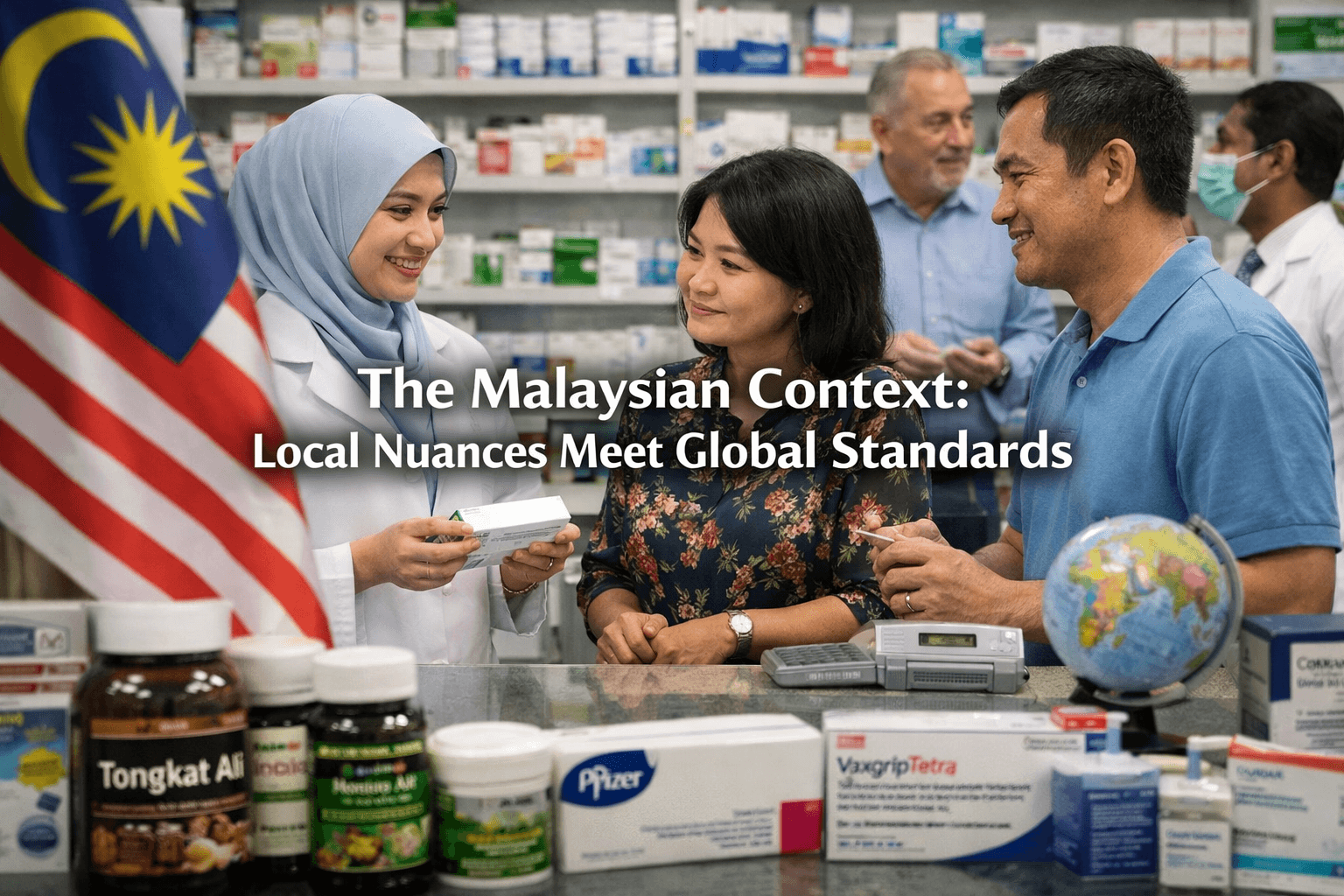
Within Malaysia’s dynamic healthcare landscape, the distinction between global and local distributors takes on significant practical importance. A pharmacy distributor Malaysia-based often excels in regional logistics, deep familiarity with local NPRA processes, and providing tailored, flexible service to a network of retail pharmacies. Their strength lies in hyper-local knowledge and relationships. Conversely, global pharma distributors operate on a transnational scale, navigating multiple regulatory regimes and maintaining infrastructure designed for international throughput. This difference in scale and scope directly impacts service efficiency and risk management. For instance, a global distributor might leverage AI-driven demand prediction models calibrated with global data sets, while a local partner might rely on traditional relationships and regional sales trends. Both models are vital, but they serve different strategic needs within the Malaysian pharmacy ecosystem.
A practical scenario in Penang: A hospital group needs a sustained, complex supply of novel oncology drugs that require -80°C storage until dispensing. This demand typically aligns with the proven infrastructure of a global or regional giant like Zuellig Pharma, which has the strategic investment in specialized cold-chain capability.
A practical scenario in Kelantan: A network of independent community pharmacies needs regular, mixed-SKU deliveries of common over-the-counter and generic prescription medicines, valuing frequent, small-batch deliveries and local credit terms. This is where an efficient local pharmacy distribution service often proves more effective and adaptable.
Defining Leadership: The Core Criteria for Global Excellence

What truly separates a top-tier distributor from the rest? Leadership in pharmaceutical distribution is not a simple matter of revenue or geographic footprint. It is a multidimensional measure of effective performance across diverse healthcare systems while unwaveringly maintaining compliance, speed, and supply chain visibility. For Malaysian pharmacists, hospital procurement managers, and brand owners, understanding these criteria provides a crucial framework for evaluating potential partners or benchmarking internal operations. The key criteria include:
Certified Infrastructure: Possession of GDP-certified facilities and warehouses that guarantee product integrity from receipt to dispatch.
Advanced Digitalization: End-to-end traceability through technologies like barcoding and serialization, plus automated compliance logs that create an immutable audit trail.
Operational Resilience: Built-in operational redundancy with backup systems and contingency plans to mitigate disruptions from natural disasters or geopolitical events.
Regional Adaptability: The expert ability to align global standards with localized requirements, such as tailoring documentation and processes to meet specific NPRA standards without compromising international protocols.
In this landscape, compliance is the non-negotiable foundation. A lapse here, such as a failure in temperature-controlled storage monitoring, can lead to product degradation, costly recalls, and severe reputational damage for both the distributor and the brand owner—a risk too great for any strategic partnership.
Learn more: Digital Transformation in Malaysia’s Pharmaceutical Distribution Services
Global Benchmarks: Profiles of International Supply Chain Pillars
Examining the organizations that define global standards offers invaluable insight into the capabilities that shape the market. These entities set the bar for what is possible in pharmaceutical logistics.
McKesson Corporation, a U.S.-based leader, exemplifies scale and digital innovation. With a significant presence in North America and Europe, its strategic movements in APAC influence regional expectations. Their strengths lie in proven digital infrastructure for supply chain visibility and deep expertise in handling complex specialty drugs, including biologics and oncology products, setting a benchmark for reliable handling that Malaysian stakeholders increasingly expect.
AmerisourceBergen (now Cencora), another global powerhouse, demonstrates mastery in specialized logistics. Its global reach across 50+ countries is complemented by strengths in cold-chain innovation and the efficient handling of controlled substances. Their strategic use of specialized units like World Courier for high-value, time-sensitive shipments showcases a level of service segmentation that informs best practices for tailored logistics solutions globally and within advancing markets like Malaysia.
Cardinal Health rounds out the North American triumvirate, highlighting the integration of technology and logistics. Their focus on technology-driven forecasting and reliable regulatory reporting tools provides a model for how data can optimize inventory management and compliance—a lesson highly relevant for Malaysian distributors looking to scale and reduce stockout risks in a volatile supply environment.
Zuellig Pharma, as the Asia-based leader, is perhaps the most directly relevant model for the region. With deep roots across 13 APAC markets, its operations in Malaysia are trusted and comprehensive. Zuellig’s essential strength is its efficient integration of NPRA-compliant processes with pan-Asian cold-chain systems, effectively bridging the gap between global standards and on-the-ground execution in Southeast Asia. They operate as both a global entity and a pharmacy distributor Malaysia-wide.
Phoenix Group, Europe’s leading pharmaceutical wholesaler, completes this view with its emphasis on GDP-aligned logistics and expert regulatory alignment across diverse European markets. Their model of regional consolidation and strategic partnership expansion into Asia illustrates the pathways through which global best practices in regulatory navigation and network efficiency are disseminated.
Comparative Analysis: Global Scale vs. Local Agility in Malaysia
To truly grasp the Malaysian distribution landscape, a side-by-side comparison of capabilities is illuminating. This analysis reveals complementary strengths and potential gaps, guiding stakeholders in making strategic partnership decisions.
| Metric | Global Pharma Distributors | Local Pharmacy Distributor Malaysia |
|---|---|---|
| Compliance Readiness | Multi-country PIC/S GDP, EU GMP, US FDA standards. | Primarily focused on NPRA requirements, with variable PIC/S alignment. |
| Technology Integration | AI-driven forecasting, E2E track-and-trace, automated compliance platforms. | ERP system integration, basic digital tracking, less predictive modeling. |
| Cold-Chain Capability | 24/7 monitored, globally-audited temperature-controlled logistics. | Varies significantly; often robust in urban areas, limited on rural routes. |
| Service & Support | Data-driven merchandising support, global brand launch expertise. | In-house merchandiser teams or outsourced; highly relational service model. |
| Geographic Coverage | International + broad APAC network. | Concentrated in Peninsular Malaysia, selective coverage in East Malaysia. |
| Supply Chain Redundancy | High; multiple hubs and proven contingency plans. | Moderate to low; more vulnerable to single-point disruptions. |
This table clarifies the strategic trade-offs. A global pharma distributor brings immense scalability, technological depth, and reliable, audit-ready compliance systems. They are effective for managing launches of novel, high-value drugs or ensuring supply for large hospital chains with complex needs. From a brand manager’s perspective, partnering with a global player can streamline entry into multiple ASEAN markets with a single, trusted compliance framework.
Conversely, a local pharmacy distributor offers unparalleled agility, deep familiarity with local regulatory nuances, and a tailored service approach that can be crucial for community pharmacies. For a pharmacist running an independent outlet in Seremban, the local distributor’s flexibility on delivery schedules, order minimums, and personal relationship can be the key to efficient daily operations. Their merchandising support, though perhaps less data-centric, is often more hands-on and immediately responsive to store-level needs.
From the Pharmacist’s View: “My local distributor knows my inventory patterns and delivers exactly what I need twice a week. For my daily operations, that personalized reliability is everything. However, for the new specialty asthma biologic I now stock, I depend entirely on the cold-chain integrity and national documentation provided by the regional giant supplying it.”
From the Brand Manager’s View: “Launching our new cardiology drug requires flawless coordination of controlled-temperature storage, NPRA documentation, and simultaneous availability in major hospitals and clinics. Partnering with a distributor with proven regional infrastructure and expert regulatory affairs team is non-negotiable for mitigating launch risk.”
From the Distributor’s Perspective: “We bridge both worlds. Our goal is to offer the strategic infrastructure and compliance rigor of a global player while maintaining the efficient, localized service touch that Malaysian pharmacies trust. Investing in predictive analytics for our key hospital customers while still running a fleet of vans for last-minute deliveries to clinics is the balance we strike.”
Ultimately, the presence of global benchmarks elevates the entire sector. It creates a pull effect, encouraging local players to invest in better cold-chain capability, adopt more sophisticated digital tools, and strengthen their compliance protocols. This competition and collaboration between global scale and local agility is what drives the continuous improvement of Malaysia’s pharmacy distribution service, ensuring that patients from Johor Bahru to Kota Kinabalu receive the safe, timely medicines they depend on.
Navigating the Fragmented Retail Landscape of Malaysia
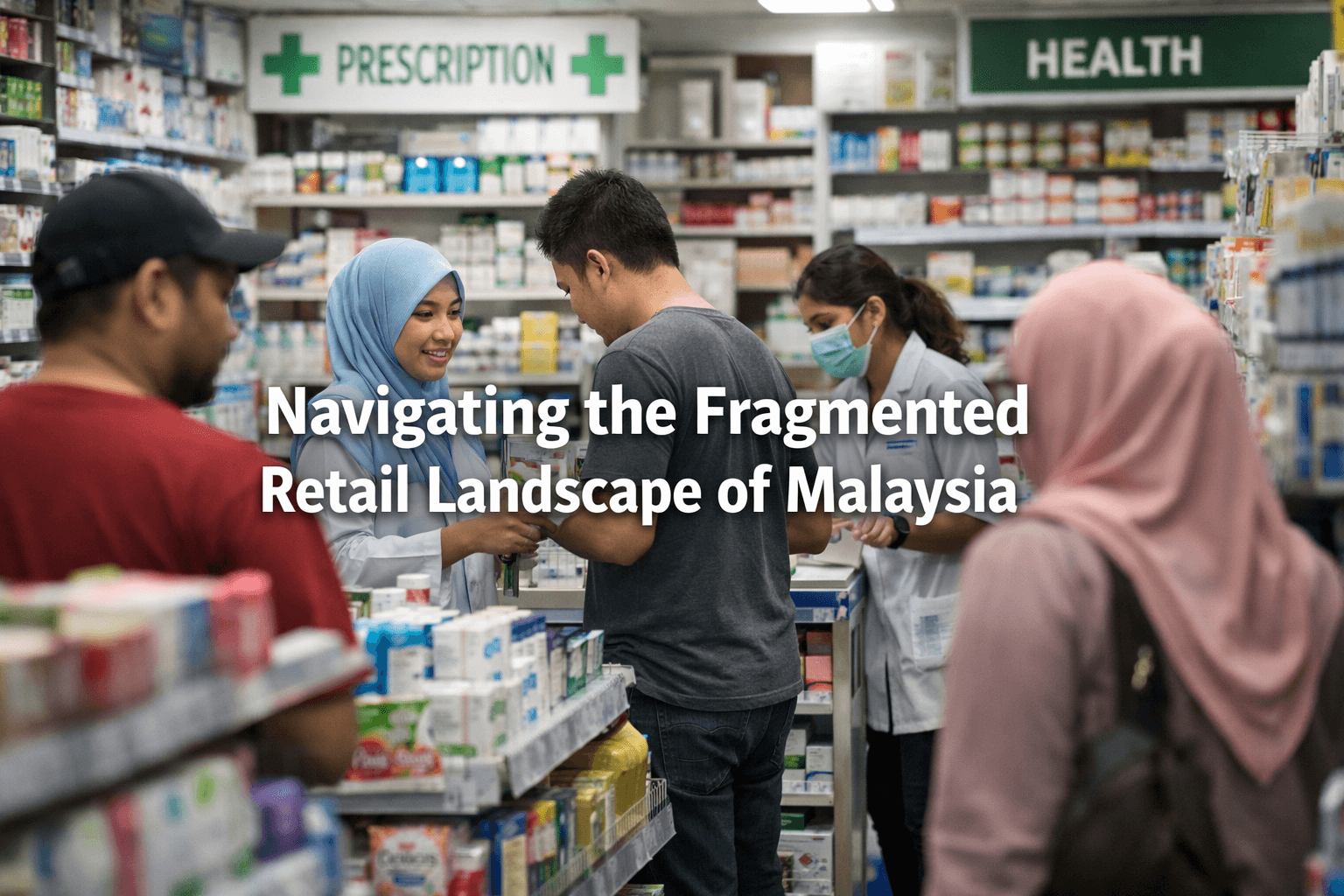
The pharmacy distribution service in Malaysia operates within a uniquely complex ecosystem, a reality that presents a core challenge even for the most trusted distributors. This complexity stems from a market bifurcated between modern retail chains and traditional independent pharmacies, each with vastly different operational footprints and requirements. On one end, organized chains like Guardian, Caring, and Watsons maintain centralized procurement, standardized logistics, and sophisticated inventory systems. On the other, countless kedai ubat and independent community pharmacies operate with highly individualized processes, varying levels of technological adoption, and distinct community ties. For a pharmaceutical distributor, this fragmentation creates a logistical bottleneck that demands a hyper-localized, almost bespoke approach to service delivery. A one-size-fits-all supply chain model simply collapses under the weight of this diversity, making strategic market segmentation and service tiering not just beneficial, but essential for operational survival.
From the pharmacist’s perspective, particularly in independent settings, this fragmentation manifests as daily frustrations: inconsistent supply of key products, limited shelf visibility for new launches, and administrative burdens in dealing with multiple pharma distributors. They require a partner who understands the rhythm of their community—the seasonal demand shifts, the preferred brands of their local clientele—and can provide reliable, nimble service without the minimum order quantities that suit larger chains. Their primary need is for a distribution partner that acts as an extension of their own operations, ensuring they can serve their patients without stockouts or the risk of holding expired inventory. This direct store-level reality is where theoretical supply chain models meet their ultimate test.
Learn more: Pharmaceutical Supply Chain Resilience
The Dual Hurdle of Compliance and Infrastructure
A second, intertwined challenge lies in the varied compliance expectations across the market. While modern chains invest heavily in GDP-standard storage facilities (Good Distribution Practice), many independent pharmacies operate within constrained physical spaces that may not always meet ideal temperature and humidity control parameters. This disparity places a significant burden on the pharmacy wholesale distributor, who is ultimately responsible for ensuring the integrity of the product until the point of handover. The distributor must bridge this gap, often implementing rigorous monitoring protocols and providing support to help pharmacies maintain product quality. This is not merely a regulatory issue; it is a fundamental issue of patient safety and brand integrity, where the distributor’s role as a reliable custodian becomes paramount.
Navigating the National Pharmaceutical Regulatory Agency (NPRA) framework adds another layer of operational complexity. The process involves meticulous management of import documentation, product registration variations (SKU variation), and ensuring all labeling and packaging complies with local language requirements (Bahasa Malaysia). A minor discrepancy in documentation can lead to costly delays at customs or warehouses. For distributors managing a portfolio of international and local brands, this requires an expert in-house regulatory team that functions as the nerve center, pre-empting issues and ensuring a smooth flow of goods from port to pharmacy shelf. This proven competency in NPRA navigation is a critical, non-negotiable differentiator for any distributor aiming for long-term success in Malaysia.
Learn more: How to Ensure Regulatory Compliance for Pharmacy Distribution in Malaysia
The Operational Toll of Last-Mile Inefficiencies
The distributor’s view of these challenges is often quantified in operational metrics: last-mile inefficiencies, elevated stock wastage, and strained profit margins. Delivering to a high-street chain store in Kuala Lumpur is logistically worlds apart from servicing a rural pharmacy in Sarawak or a clinic in the hills of Cameron Highlands. The last-mile in Malaysia’s diverse geography is fraught with unpredictability—traffic congestion in urban centers, accessibility issues in East Malaysia, and the sheer cost of small, frequent deliveries to remote locations. These inefficiencies directly contribute to stock wastage, as products near their expiry date languish in transit or in warehouses due to fragmented demand forecasting. Overcoming this requires more than just a fleet of vehicles; it demands intelligent route planning, dynamic inventory deployment, and sometimes, decentralized warehousing strategies to bring stock closer to point of consumption.
For the brand manager, these distribution challenges translate into commercial risks: poor at-shelf visibility, ineffective product rotation, and diluted marketing spend. A brand can invest millions in consumer advertising, but if the product is not consistently available, correctly merchandised, or stored properly on the shelf, that investment is wasted. The brand manager struggles with a lack of real-time data from the point of sale, making it difficult to gauge true demand, plan promotions effectively, or prevent out-of-stock situations. Their success is inextricably linked to choosing a distribution partner that functions as a commercial ally, not just a logistics vendor—one that provides actionable insights and ensures their brand’s promise is fulfilled at the final, critical moment of truth with the pharmacist and the patient.
Learn more: Regulatory Guidelines for Pharmaceutical Distribution
Adapting Global Best Practices to the Malaysian Context
Malaysia’s pharmaceutical sector stands to gain immensely by adapting strategic lessons from global distribution leaders. These international players have refined their operations through AI-driven stock allocation and predictive demand planning, moving beyond reactive logistics to proactive supply chain management. By analyzing region-specific trends—from seasonal illness patterns in Johor Bahru to chronic medication needs in aging populations in Penang—these systems minimize waste and maximize availability. For instance, a global model could be tailored to anticipate increased demand for respiratory medications during the annual haze season in the Klang Valley, ensuring pharmacies are pre-emptively stocked. This level of data-driven foresight represents a transformative leap from traditional, historical sales-based ordering.
Another powerful innovation from global markets is the use of integrated merchandising portals. These platforms link a distributor’s inventory data directly with a brand’s promotional calendar, ensuring that stock levels are ramped up in anticipation of a marketing campaign for a new diabetes medication in Kota Kinabalu or a heart health month promotion in Melaka. This seamless integration prevents the all-too-common scenario where a promotion launches but products are stuck in a central warehouse, failing to reach the shelves in time to capitalize on consumer interest. Implementing such portals in Malaysia would require collaboration but would significantly enhance campaign effectiveness and return on investment for brand owners.
Furthermore, real-time compliance dashboards represent a proven tool for mitigating risk. These systems provide live alerts for potential GDP breaches, such as a temperature excursion in a delivery van en route to Kuching or a storage unit in a Ipoh pharmacy. For the Malaysian market, where temperature and humidity control is a constant battle, such technology is not a luxury but an essential component of a reliable supply chain. Imagine a system that automatically notifies a driver and a quality manager the moment a cold-chain shipment deviates by half a degree, allowing for immediate corrective action before product integrity is compromised. This strategic use of technology turns compliance from a retrospective audit activity into a proactive quality assurance process.
Learn more: AI-driven Demand Forecasting in Pharma Distribution
Blueprint for Public-Private Collaboration in Malaysia
Malaysia’s unique position, with strong government-linked distributors (like Pharmaniaga) alongside private players, creates a fertile ground for public-private collaboration. One key initiative could be developing standardized documentation portals across all NPRA interfaces. A single, clear digital platform for submission and tracking would drastically reduce the administrative logistical bottlenecks faced by all pharma distributors, especially smaller firms. Additionally, co-funded GDP infrastructure upgrades represent a strategic investment in national healthcare resilience. A program to support rural and independent distributors in upgrading storage facilities would elevate the entire network’s safety and reliability, particularly for servicing East Malaysia and remote regions.
Knowledge exchange programs with global partners like DKSH or Zuellig Pharma, who have deep regional experience, can accelerate capability building. These programs could focus on transferring expertise in areas like cold-chain logistics for biologics or supply chain cybersecurity, ensuring Malaysian distributors are prepared for the future. For the independent pharmacy distributor, the lesson is one of niche specialization. Rather than competing with giants on scale, they can thrive by offering tailored, efficient services—such as specializing in orphan drugs, serving specific clinic networks, or providing ultra-rapid delivery within a focused geographic zone like the greater Penang area. This agility and deep local knowledge is their proven competitive advantage.
The Inseparable Link Between Compliance and Commercial Success
The notion that regulatory compliance and commercial merchandising operate in separate silos is obsolete. In today’s Malaysian market, they are two sides of the same coin. The most successful pharmacy wholesale distributors are those who integrate NPRA-compliant operations directly with in-store execution excellence. This holistic approach recognizes that a product stored perfectly but invisible on the shelf fails commercially, just as a well-merchandised product that has degraded due to poor storage fails ethically and legally. The synergy between these functions is the new benchmark for a trusted distributor.
This integration manifests in several critical operational frameworks. First, temperature logging systems are now being tied directly to shelf-level performance data. This allows distributors and brands to analyze if products subjected to even minor transit variances have different sales rates or return rates, creating a feedback loop that continuously improves handling protocols. Second, the role of the merchandiser has evolved. GDP-trained Merchandisers are now essential; they are personnel who understand not only planogram compliance and promotional execution but also the regulatory nuances of handling samples, checking expiry dates, and identifying improper storage conditions at the pharmacy itself. They become the final, human quality check in the supply chain.
Implementing an Integrated Compliance & Merchandising Framework:
Deploy GDP-trained field teams who audit storage while conducting merchandising.
Use digital checklists that combine shelf visibility metrics with compliance sign-offs (e.g., temperature log verification).
Establish unified audit protocols where warehouse, transport, and point-of-sale data are reviewed in a single dashboard.
Create joint KPIs for quality and sales teams, fostering shared responsibility for product integrity and availability.
Furthermore, auditable storage and handling protocols must extend all the way to the pharmacy back-room. A distributor’s responsibility doesn’t end at delivery. By working with pharmacies to implement simple, effective procedures for stock rotation (FEFO – First Expired, First Out) and proper interim storage, the distributor prevents product retraction during NPRA inspections and protects the brand’s reputation. When a distributor pharmacy aligns these elements into a unified strategy, the results are clear: accelerated product turnover, enhanced compliance ratings, and a deepened trust that makes them an expert partner of choice for both pharmacies and brand owners.
Future-Proofing the Malaysian Pharmaceutical Supply Chain
The future of pharmacy distribution service in Malaysia will be defined by resilience, agility, and technological integration. Decentralized warehousing is emerging as a key trend to mitigate transit delays and serve rural areas more efficiently. Instead of relying solely on massive central hubs in the Klang Valley, forward-thinking distributors are exploring smaller, strategically located hubs in East Malaysia and Northern Peninsular Malaysia. This model ensures faster replenishment cycles for hospitals and pharmacies in Kuching, Sandakan, or Alor Setar, reducing their need to hold large, risky inventories and ensuring patients have reliable access to medicines.
Data-driven compliance will move from dashboards to predictive analytics. Systems will not only track a shipment’s location and temperature but will also forecast potential breaches based on traffic data, weather forecasts, and historical performance on specific routes. This shift from monitoring to predicting and preventing is what will define a next-generation supply chain partner. Concurrently, distributor branding itself is evolving. It’s no longer just about trucks and warehouses; it’s about marketing a distributor’s technological capability, unwavering compliance standards, and proven track record as the cornerstone of a brand’s market entry strategy.
For brand owners evaluating partnerships, the criteria have expanded significantly. The questions have grown more sophisticated:
| Evaluation Criteria | Traditional Focus | Future-Focused Requirement |
|---|---|---|
| Regulatory Adherence | Basic NPRA license. | GDP-certified facilities with real-time audit trails and a flawless inspection history. |
| Commercial Support | Delivery to the pharmacy’s back door. | Integrated merchandising supported by retail analytics and proof of at-shelf visibility. |
| Geographic & Logistic Capability | Coverage of major cities. | End-to-end cold-chain mastery capable of handling sensitive products across both East & West Malaysia reliably. |
| Strategic Partnership | Transactional cost-negotiation. | Tailored solutions, data-sharing for forecast improvement, and joint business planning. |
A resilient supply chain is therefore not merely an efficient one. It is strategic, adaptable, and rooted in proven, transparent systems. It is built with the understanding that in healthcare logistics, reliability is not a performance metric—it is a promise to patients. Building this requires investment, collaboration, and a shared vision among all Malaysian stakeholders: regulators, distributors, pharmacists, and brand owners.
Frequently Asked Questions (FAQ)
Q1: Who is the largest pharmaceutical distributor in the world?
Answer: McKesson is widely cited as the largest pharmaceutical distributor by scale and revenue in drug distribution.
Q2: Who are the big 3 pharmaceutical wholesalers?
Answer: The “Big Three” U.S. drug wholesalers are McKesson, Cencora, and Cardinal Health—often described as controlling the vast majority of U.S. wholesale market revenue.
Q3: Who is the largest medical distributor?
Answer: In broad “medical distribution” (medical supplies + healthcare distribution), McKesson is commonly listed among the largest players, alongside Cardinal Health and others, depending on the exact segment (medical-surgical vs. pharmaceuticals).
Q4: What are the 10 largest pharmaceutical companies in the world?
Answer: Rankings vary by year/metric, but a widely used “pharma sales” list includes: Pfizer, Johnson & Johnson, AbbVie, Merck & Co., Roche, Sanofi, AstraZeneca, Novartis, Bristol Myers Squibb, GSK.
Q5: Who are the big pharma distributors?
Answer: “Big pharma distributors” typically refers to major wholesalers and distribution networks—especially McKesson, Cencora, and Cardinal Health in the U.S.
Q6: Who is Pfizer’s biggest competitor?
Answer: It depends on the therapy area, but at a “big pharma” level, Merck & Co. and Johnson & Johnson are frequently positioned as close peers (size, pipeline breadth, major product categories).
Q7: What is the big 4 in pharma?
Answer: There isn’t one universal “Big 4” definition—people use it differently (by revenue, market cap, or by sub-sectors like generics). A common revenue-style “top tier” grouping often includes names like Johnson & Johnson, Roche, Merck & Co., and Pfizer for recent-year rankings.
Q8: What are the big 3 pharmacy chains?
Answer: In the U.S. retail chain context, the “big three” are commonly cited as CVS Health, Walgreens, and Rite Aid (even though the market has been rapidly changing).
Q9: What are the big 3 pharmaceuticals?
Answer: There’s no single official “big 3,” but in many global revenue lists, the very top tier typically features Johnson & Johnson, Roche, and Merck & Co. (with Pfizer often very close).
Q10: Which country is no. 1 in pharma?
Answer: If you mean the largest pharmaceutical market by sales, the United States ranks #1 (by a wide margin in 2024 sales).
Our Services
Our marketing and sales teams use their strong relationships with the channel to create demand for your product at every stage of its lifecycle.
Demand creation services we offer:
Market Access Services
Regulatory Registration Services
Pharma Product Listing Services
Merchandising services (RSMS)
Brand Management
Logistic & Warehousing
Exclusive Merchandising Services
Visual Merchandising
Discover More About Our Solution
How can we assist you today? 😊
Just let us know—we’re here to help!