Top 3 Medicine Distributors in Malaysia for Pharmacies and Clinics

Prioocare Pharmacy Distribution Services

May 5 , 2026


At its core, the role of a pharmacy distributor in Malaysia is to function as the critical supply chain link that connects pharmaceutical manufacturers with the frontline of healthcare delivery: the pharmacies and clinics that serve patients directly. However, to view them merely as logistical middlemen is a significant underestimation of their strategic value. A trusted distributor pharmacy operates as an extension of a pharmacy’s own operations, assuming immense responsibility for ensuring that the right medicines, of the highest quality, arrive at precisely the right time. In a nation with a diverse geographic landscape spanning bustling urban centers like Kuala Lumpur and remote areas in Sabah and Sarawak, this role becomes not just important, but essential for public health. Their operations are the invisible backbone that supports the entire retail and clinical pharmacy sector, managing the complex flow of products from factory gates to pharmacy shelves while navigating a stringent regulatory environment. Without these pharmacy wholesale distributors, individual pharmacies would be forced to manage hundreds of direct manufacturer relationships, an operational burden that would be both economically and logistically unsustainable, ultimately compromising patient access to essential treatments.


A Multifaceted Operation: Beyond Simple Delivery
A Multifaceted Operation Beyond Simple Delivery

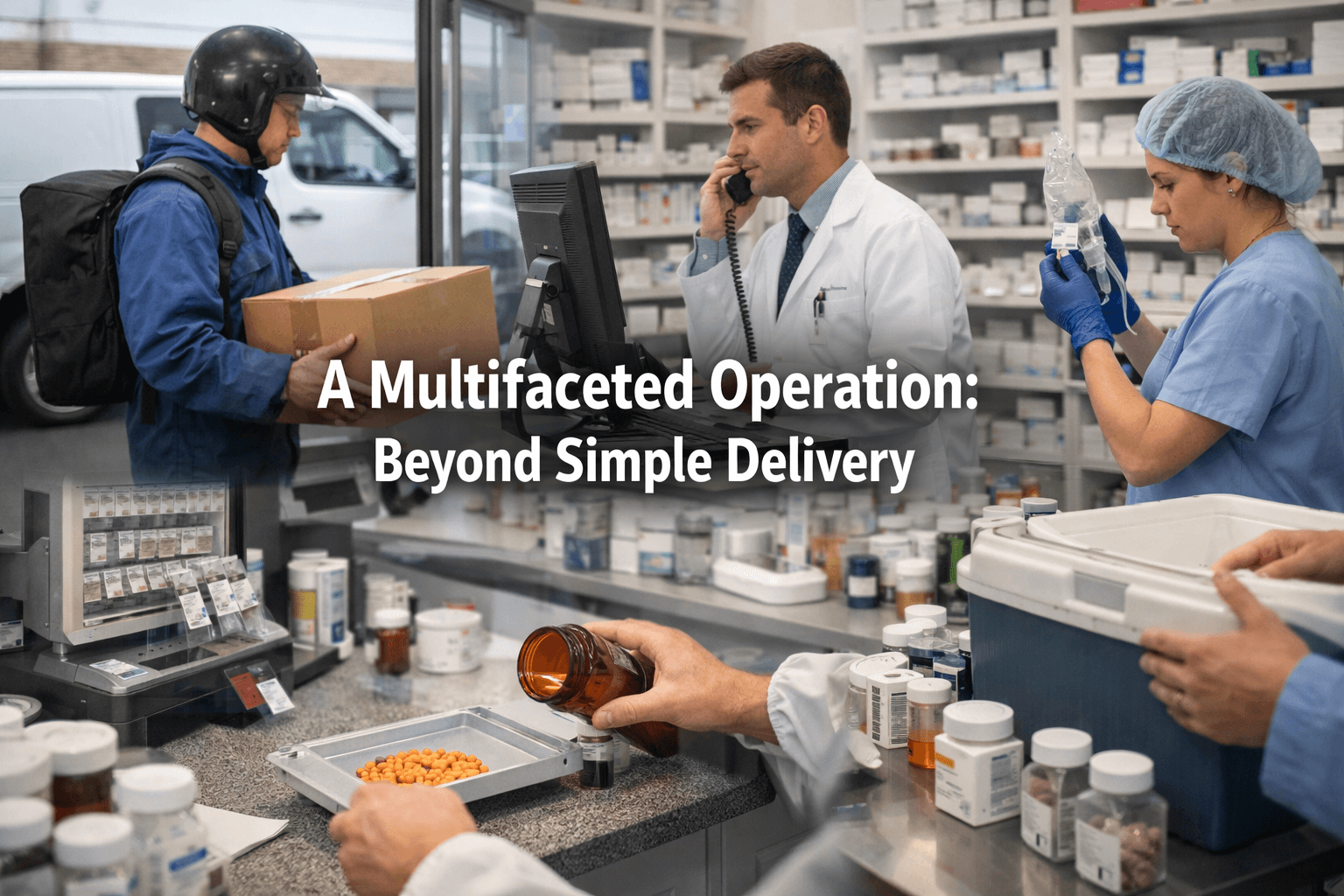
The day-to-day functions of a pharmacy distributor extend far beyond the physical act of delivery. They encompass a sophisticated suite of services designed to ensure supply chain integrityregulatory compliance, and business efficiency for their pharmacy partners. Firstly, they manage vast and complex inventories, holding stock from numerous manufacturers to provide pharmacies with a one-stop procurement solution. This involves sophisticated inventory management systems that forecast demand, prevent stockouts of critical medicines, and minimize overstock situations that tie up a pharmacy’s capital. Secondly, they are the primary custodians of product integrity, especially for temperature-sensitive biologics, vaccines, and insulin. Implementing cold-chain logistics is a non-negotiable, specialized service that requires investment in refrigerated warehouses and vehicles, alongside rigorous protocols to maintain an unbroken chill from receipt to delivery. Thirdly, they shoulder the compliance burden, ensuring all products sourced and distributed adhere to the strict standards set by Malaysia’s National Pharmaceutical Regulatory Agency (NPRA) and the Ministry of Health (KKM). This includes meticulous documentation, product serialization, and recall management capabilities. From the perspective of a pharmacist in a busy Kuala Lumpur outlet, the distributor is a reliable partner who ensures they never have to tell a patient a life-saving medication is out of stock. For a brand manager at a multinational pharma company, the distributor is the proven channel to achieve nationwide market penetration without establishing a massive in-house sales and logistics force.


Learn more: The Role of Pharmacy Distribution Services in Malaysia’s Healthcare System


Critical Evaluation Criteria for Selecting Your Pharmacy Supply Chain Partner
Critical Evaluation Criteria For Selecting Your Pharmacy Supply Chain Partner

Choosing the right pharmacy distributor Malaysia is a strategic business decision with direct implications for patient care, operational smoothness, and profitability. Pharmacies and clinics must evaluate potential partners against a multi-faceted framework that goes beyond simple price comparisons. The foremost criterion is unwavering reliability. Can the distributor guarantee consistent, on-time deliveries in full? Stockouts directly impact patient health and a pharmacy’s reputation, making this the bedrock of the relationship. Secondly, comprehensive service quality must be assessed. This includes the range of value-added services offered, such as:

  • Cold-chain logistics for temperature-controlled products.

  • Inventory management support and demand forecasting.

  • Flexible order cycles and minimum order quantities.

  • Responsive and knowledgeable customer support.

  • Technology integration for easy ordering and tracking.


Thirdly, demonstrable regulatory compliance is non-negotiable. A distributor must have a proven track record with NPRA and KKM regulations, possessing all necessary licenses (e.g., License for Wholesale of Poisons and Controlled Medicines) and operating with Good Distribution Practice (GDP) standards. Finally, technological capability is a key differentiator. Modern pharmacy distributors leverage advanced Warehouse Management Systems (WMS) and offer pharmacies portals for real-time inventory visibility, order tracking, and automated reporting. This digital transformation is no longer a luxury but a marker of an efficient and forward-thinking supply chain partner.


To illustrate the practical differences in operational models, consider the following comparison between relying on a full-service distributor versus a fragmented approach:


Operational AspectPartnering with a Full-Service Pharmacy DistributorManaging Multiple Suppliers & Direct Orders
Ordering & AdminSingle point of contact, consolidated invoicing, streamlined processes.Multiple logins, purchase orders, invoices, and customer service lines.
Delivery LogisticsScheduled, consolidated deliveries reducing receiving time and complexity.Uncoordinated, frequent partial deliveries from various couriers.
Inventory ManagementSupport with forecasting, bulk breaking, and reduced safety stock needs.Complex in-house forecasting needed, higher risk of stockouts or dead stock.
Regulatory OversightDistributor assumes primary responsibility for GDP and NPRA compliance of warehousing & transport.Pharmacy bears full burden of verifying compliance for every product and supplier.
Relationship DynamicStrategic partnership with shared goals for supply chain efficiency.Transactional vendor relationships focused solely on price per item.


The Malaysian Context: Operational Scenarios and Real-World Demands
The Malaysian Context Operational Scenarios And Real World Demands

The specific challenges and opportunities within Malaysia make the choice of distributor particularly consequential. For instance, a chain of clinics across Peninsular Malaysia requires a distributor with a centralized hub-and-spoke logistics network capable of ensuring next-day delivery to both its flagship location in Johor Bahru and its branch in Penang, all while managing different formulary needs. The distributor’s ability to provide a tailored service with consolidated billing and dedicated account management would be a decisive factor. Conversely, an independent community pharmacy in Kuching, Sarawak, faces different hurdles. Their priority might be a distributor with a strong regional warehouse presence in East Malaysia to overcome longer transit times, offer cost-effective shipping solutions to mitigate the Borneo tax, and maintain a robust inventory of essential medicines specifically in demand within the local community. Furthermore, the rise of specialized oncology and fertility clinics in major cities like Kuala Lumpur and Selangor creates demand for niche distributors who excel exclusively in high-value, temperature-sensitive specialty pharmaceuticals. These clinics are less concerned with breadth of catalogue and intensely focused on cold-chain integrity, white-glove delivery services, and expert support for complex products. These scenarios underscore that there is no one-size-fits-all solution; the effective distributor is one whose capabilities are strategically aligned with the specific operational and geographic reality of the pharmacy or clinic they serve.


The Imperative of Cold-Chain Integrity and Regulatory Vigilance
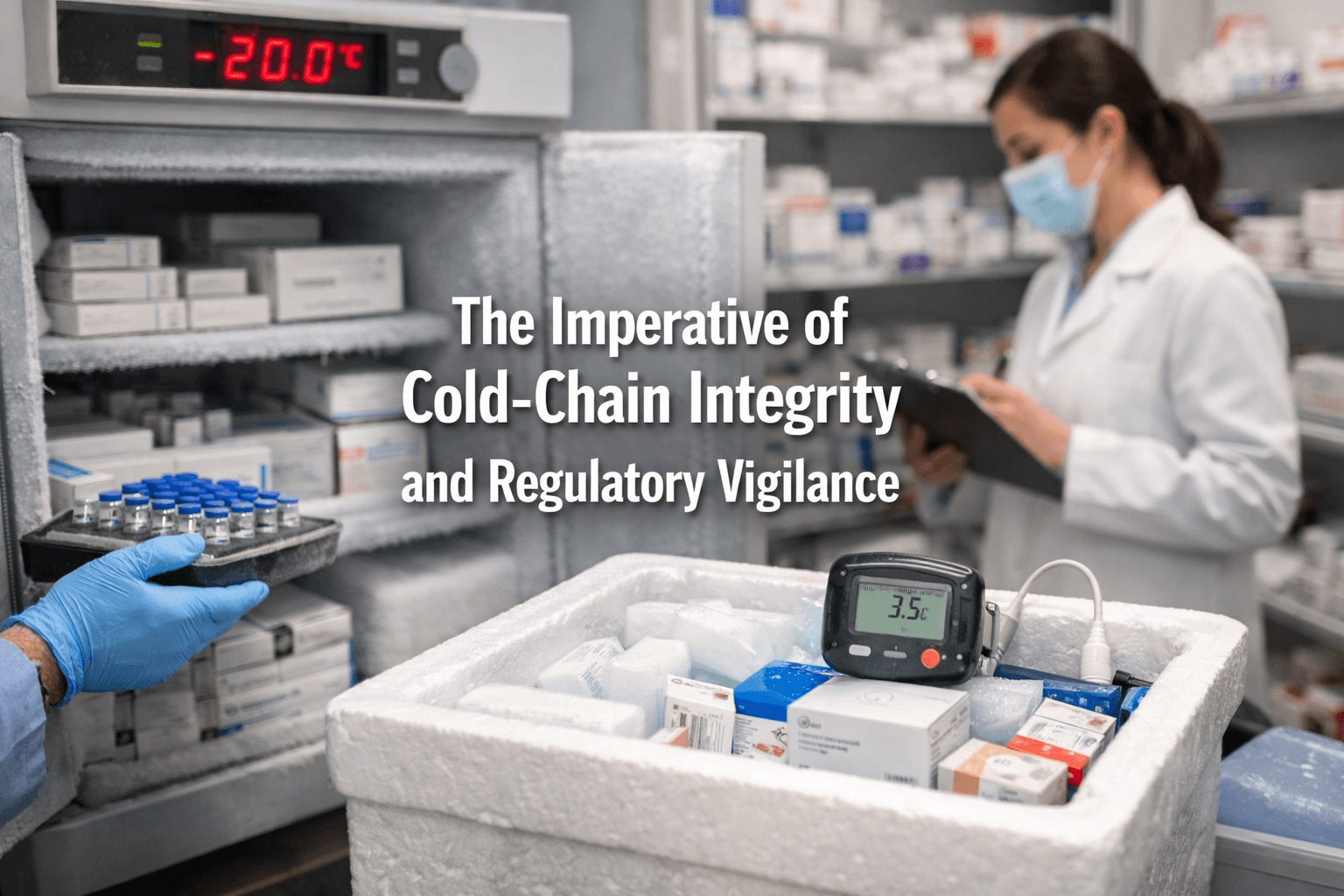
The Imperative Of Cold Chain Integrity And Regulatory Vigilance

In modern medicine, a significant and growing proportion of drugs—including vaccines, insulin, many biologics, and cancer therapies—are temperature-sensitive products. For these, the distributor’s role transcends logistics and enters the realm of product stewardship. The cold chain is an unbroken, monitored series of storage and distribution activities that maintain a product within a specified temperature range (e.g., 2°C to 8°C, or -20°C). A single breach can render a life-saving medication ineffective or even dangerous, leading to patient safety risks and massive financial waste. Therefore, a distributor’s investment in climate-controlled warehousing, refrigerated trucks with continuous temperature monitoring, and validated packing protocols is a direct indicator of their commitment to quality. From a regulatory perspective, this is where NPRA compliance becomes tangible. Distributors must adhere to Good Distribution Practice (GDP), a quality system for warehousing and transportation that ensures products are consistently stored, transported, and handled under suitable conditions. A pharmacy manager must be able to trust that their distributor can provide audit trails and temperature logs for every shipment of sensitive goods. This is not an area for compromise; selecting a distributor with a proven, reliable cold-chain infrastructure is a fundamental aspect of risk management and professional due diligence for any pharmacy dealing in these essential medicines.


Learn more: Distribution Guidelines for Pharmaceuticals | Best Practices for Pharmaceutical Cold Chain Logistics in 2024


The Defining Pillars of a Trusted Pharmaceutical Distributor

When evaluating potential supply chain partners, the distinction between a simple vendor and a strategic ally becomes starkly clear in two interconnected domains: regulatory compliance and operational execution. A distributor’s proven track record in these areas is not merely a selling point; it is the foundational bedrock upon which pharmacy safety, reputation, and business continuity are built. The most reliable partners understand that distribution is a responsibility, a link in the healthcare chain where diligence cannot be compromised. They transform the complex burden of compliance into a seamless, behind-the-scenes assurance for their pharmacy partners.


Learn more: Pharmaceutical Logistics and Distribution Framework

 

Navigating the Regulatory Maze with Expert Precision

Navigating The Regulatory Maze With Expert Precision

What truly separates an exceptional distributor from a mediocre one is a deep-seated, non-negotiable commitment to regulatory adherence. In Malaysia’s tightly governed pharmaceutical landscape, this means mastering the requirements set forth by the National Pharmaceutical Regulatory Agency (NPRA) and the Ministry of Health (KKM). It’s a dynamic, ever-evolving framework. A distributor with a proven history in compliance does more than just check boxes; they maintain rigorous internal Quality Management Systems (QMS) that are integrated into every process, from warehousing to last-mile delivery. This expert approach ensures every product handled—be it prescription medicines, over-the-counter (OTC) items, or sensitive biologics—meets the highest standards of safety, efficacy, and quality.


Consider a real-world scenario familiar to many Malaysian pharmacies: the introduction of a new controlled drug listing or a change in Good Distribution Practice (GDP) guidelines. A distributor with superficial compliance might scramble, causing order delays or compliance gaps that put the pharmacy at risk. In contrast, a trusted partner like those with a long-standing local presence will have already anticipated these changes. Their proactive compliance teams engage in continuous dialogue with regulators, conduct regular internal audits, and provide timely updates and training materials to their pharmacy network. This foresight turns potential regulatory obstacles into non-events for the pharmacist, who can focus on patient care rather than bureaucratic navigation.


  • For the Brand Manager: This distributor is a strategic extension of your own quality assurance. They protect brand integrity by ensuring products are stored and transported under perfect conditions, safeguarding against counterfeits and deterioration.

  • For the Pharmacist: It translates to peace of mind. You gain a partner who shoulders the heavy lifting of documentation, license verification, and recall management, significantly reducing the risk of costly compliance violations that can result in fines or license suspension.


Learn more: How to Ensure Regulatory Compliance for Pharmacy Distribution in Malaysia


The Symphony of Logistical Efficiency in a Diverse Nation

The Symphony Of Logistical Efficiency In A Diverse Nation

A distributor’s commitment is only as good as its ability to execute, and this is where logistical prowess becomes the engine of trust. Malaysia’s unique geography—spanning bustling urban centers like Kuala Lumpur and George Town to remote villages in Sabah and Sarawak—presents a formidable supply chain challengeEfficient distribution here demands more than a fleet of vehicles; it requires a tailored, intelligent network design. A distributor with a proven track record leverages technology and local insight to create a reliable flow of medicines. They utilize advanced warehouse management systems (WMS) and route optimization software to ensure not just speed, but predictability and product integrity.


Take the example of a pharmacy chain in Johor Bahru needing consistent, temperature-controlled deliveries for vaccines and insulin products. A distributor excelling in cold-chain logistics will employ IoT-enabled temperature monitors and dedicated refrigerated transport, with real-time tracking accessible to the pharmacy manager. This visible, controlled chain of custody is essential for high-value, temperature-sensitive inventories. Conversely, for a rural clinic in Kelantan, the challenge might be accessibility and cost-effectiveness for high-volume, essential OTC medicines. An efficient distributor might employ a hub-and-spoke model, using larger trucks to regional hubs and smaller vehicles for final delivery, ensuring affordability and regularity even in less accessible areas.


The practical implication is direct and powerful: optimized inventory turnover and enhanced customer satisfaction. Pharmacies experience fewer stock-outs of critical items and reduce the capital tied up in excessive inventory. Patients receive their needed medicines without frustrating delays. This operational excellence directly supports the pharmacy’s business health, allowing it to serve its community effectively and without interruption.


Learn more: Pharmaceutical Supply Chain and Logistics


Strategic Asset or Integrated Arm? The Merchandiser Dilemma

The question of utilizing independent merchandisers versus a distributor’s in-house team is a pivotal operational decision that impacts brand presence, compliance, and cost. This choice isn’t about which model is universally superior, but which is strategically aligned with a pharmacy’s or brand’s specific objectives and scale. Each model carries distinct advantages and inherent trade-offs that must be carefully weighed.


Independent merchandisers function as specialized, outsourced forces. They offer remarkable flexibility and can provide niche expertise for specific product categories or promotional campaigns. For a large pharmacy chain rolling out a new cosmeceutical range across multiple states, a team of skilled merchandisers can ensure uniform planogram execution, staff training, and promotional material placement in a short timeframe. They act as a scalable, project-based resource. However, this model can sometimes lead to variances in brand messaging and a lesser degree of direct control for the distributor or brand owner, as these merchandisers often serve multiple clients.


In-house merchandising teams, on the other hand, represent a fully integrated extension of the distributor. This model fosters deep brand knowledgeconsistent service quality, and direct accountability. For an independent pharmacy in Melaka, an in-house representative from their distributor becomes a familiar, trusted advisor. This person understands the pharmacy’s specific patient demographics, inventory patterns, and can provide personalized service, from optimizing shelf layouts for better turnover to advising on slow-moving stock. The communication loop is tighter and issues can be escalated and resolved more swiftly.


Comparative Framework: Choosing Your Model


ConsiderationIndependent MerchandisersIn-House Distributor Teams
Control & ConsistencyVariable; depends on briefing and supervision.High; direct training and aligned KPIs ensure uniform standards.
Specialized ExpertisePotentially high for specific campaigns or product types.Deep, brand-specific knowledge built over a long-term partnership.
Cost StructureOften project-based or variable, good for scaling up/down.Typically integrated into service agreement; a fixed operational cost.
Best ForLarge-scale, time-bound projects; national chain promotions.Ongoing, relationship-driven support; independent pharmacies & clinics.

The most effective distributors often offer a hybrid approach, leveraging their core in-house team for day-to-day account management and compliance, while strategically engaging trusted merchandising partners for peak periods or specialized projects. This blended model provides both the stability of direct control and the flexibility to scale operations efficiently.


The Future is Integrated: Digital and Demographic Shifts

The future of pharmacy distribution in Malaysia is being shaped by powerful technological and societal currents, demanding adaptability and foresight from every supply chain partner. Distributors who remain static in their operations will quickly find themselves outpaced. The twin engines of digital transformation and evolving consumer healthcare behaviors are redrawing the map for reliable medicine delivery.


The integration of Artificial Intelligence (AI) and predictive analytics is moving from novelty to necessity. Forward-thinking distributors are deploying these tools to move beyond reactive logistics. AI algorithms can analyze historical sales data, seasonal illness trends (like dengue fever outbreaks), and even local events to forecast inventory demand with striking accuracy. For a pharmacy in Selangor, this means receiving proactive stock replenishment suggestions before a shortage occurs, transforming inventory management from a guessing game into a data-driven science. Furthermore, blockchain technology is emerging as a powerful tool for enhancing supply chain transparency, providing an immutable record of a product’s journey from manufacturer to patient—a powerful asset in the fight against counterfeit drugs.


Simultaneously, the explosion of e-pharmacies and direct-to-consumer health platforms is creating a hybrid distribution model. Patients now expect the convenience of online ordering with the option of quick pickup or home delivery. Distributors must now support not only the traditional business-to-business (B2B) channel to brick-and-mortar pharmacies but also enable efficient business-to-consumer (B2C) or business-to-business-to-consumer (B2B2C) fulfillment. This requires sophisticated last-mile delivery networks and even more robust cold-chain capabilities to serve the growing demand for at-home administration of injectables and specialty medicines.


From the pharmacist’s perspective, this future points to a need for distributors who act as technology partners, offering integrated platforms for ordering, tracking, and analytics. For the brand manager, it means choosing a distributor with the digital infrastructure to protect brand equity across both physical and digital shelves. The distributor of tomorrow must be both a logistics expert and a technology enabler, seamlessly connecting all points of the healthcare ecosystem.


Learn more: Digital Transformation in Malaysia’s Pharmaceutical Distribution Services


Frequently Asked Questions (FAQ)

Q1: What are the top 5 pharmacies in Malaysia?
Answer: The top 5 pharmacies in Malaysia are WatsonsGuardianHealthlaneCaring Pharmacy, and Alpro Pharmacy, known for their extensive networks and high-quality healthcare products.


Q2: Who are the big 3 pharma distributors?
Answer: The big 3 pharma distributors in Malaysia are HovidPharmaniaga, and CCM Pharmaceuticals, known for their wide distribution networks and industry presence.


Q3: Which are the top 10 pharma companies?
Answer: The top 10 pharma companies in Malaysia include PharmaniagaHovidCCM PharmaceuticalsXepa-Soul PattinsonKotra PharmaDuopharma BiotechMediforceRoche MalaysiaGlaxoSmithKline, and Novartis Malaysia.


Q4: Who are the top 20 pharma companies?
Answer: The top 20 pharma companies in Malaysia include all top 10 companies, with additional names such as Eli LillyMerckPfizerSanofiJohnson & JohnsonBaxterBayerAstraZenecaGilead Sciences, and Boehringer Ingelheim.


Q5: Who are the big 3 pharmacies?
Answer: The big 3 pharmacies in Malaysia are WatsonsGuardian, and Caring Pharmacy, leading the retail pharmacy sector in terms of outlets and market share.


Q6: What are the 7 stars of pharmacy?
Answer: The “7 stars of pharmacy” typically refer to key qualities that define an excellent pharmacy: Customer ServiceProduct KnowledgeRegulatory CompliancePharmacist ExpertiseInnovationEfficiency, and Community Outreach.


Q7: What are the big 5 pharma companies?
Answer: The big 5 pharma companies globally are PfizerNovartisJohnson & JohnsonRoche, and Merck, recognized for their vast influence in research, development, and distribution.


Q8: Which is the largest retail pharmacy in Malaysia?
Answer: Watsons is the largest retail pharmacy in Malaysia, with a significant presence across the country and a wide range of health and beauty products.


Q9: Who owns Big Pharmacy in Malaysia?
Answer: Big Pharmacy in Malaysia is owned by Big Pharmacy Sdn Bhd, a local company known for providing healthcare products and services nationwide.


Q10: Which pharmacy has the best rating?
Answer: Guardian and Watsons are often considered to have the best ratings in Malaysia, praised for their customer service and accessibility.


Selecting a pharmaceutical distributor is, ultimately, a long-term strategic decision that reverberates through every aspect of a pharmacy or clinic’s operations. It influences regulatory standing, inventory health, patient trust, and bottom-line sustainability. The landscape rewards partners who blend unwavering compliance with agile, technology-enhanced logistics and personalized support. In a sector where the product is health itself, the margin for error is vanishingly small, and the value of a proven, trusted, and strategic supply chain ally cannot be overstated.


For healthcare providers and brands seeking to navigate this complex terrain with a partner dedicated to these principles, reaching out to PriooCare Malaysia can be a step toward securing a distribution framework built for both today’s challenges and tomorrow’s advancements.


Our Services

Our marketing and sales teams use their strong relationships with the channel to create demand for your product at every stage of its lifecycle.

Demand creation services we offer:

Market Access Services

Regulatory Registration Services

Pharma Product Listing Services

Merchandising services (RSMS)

Brand Management

Logistic & Warehousing

Exclusive Merchandising Services

Visual Merchandising

Discover More About Our Solution