

May 19 , 2026
The landscape of health and wellness retail in Malaysia is evolving at a breathtaking pace, transforming the very essence of what it means to be a pharmacy distributor. The question of what elevates a simple delivery service into a strategic partner finds its answer in the complex, post-pandemic market where consumer demand for vitamins, supplements, and wellness products has not just increased—it has fundamentally reshaped expectations. This shift is profound. A pharmacy distributor Malaysia entity is no longer judged solely on its ability to move cartons from a warehouse to a store. The metric for success has expanded into a holistic evaluation of value creation. Today, the trusted distributor operates as an essential supply chain ally, deeply integrated into the commercial and regulatory fabric of its partners’ businesses. This evolution from a transactional relationship to a deeply collaborative partnership is driven by the critical need for services that extend far beyond basic product availability. It now encompasses expert navigation of Malaysia’s stringent regulatory environment, the provision of actionable market intelligence, and the delivery of tailored operational support. In this new era, the distributor’s insights and capabilities directly influence a pharmacy’s retail success, its competitive positioning, and, ultimately, the consumer’s access to essential wellness items. This is the new benchmark for partnership.
Understanding the Distinct Needs of Malaysia’s Diverse Pharmacy Landscape
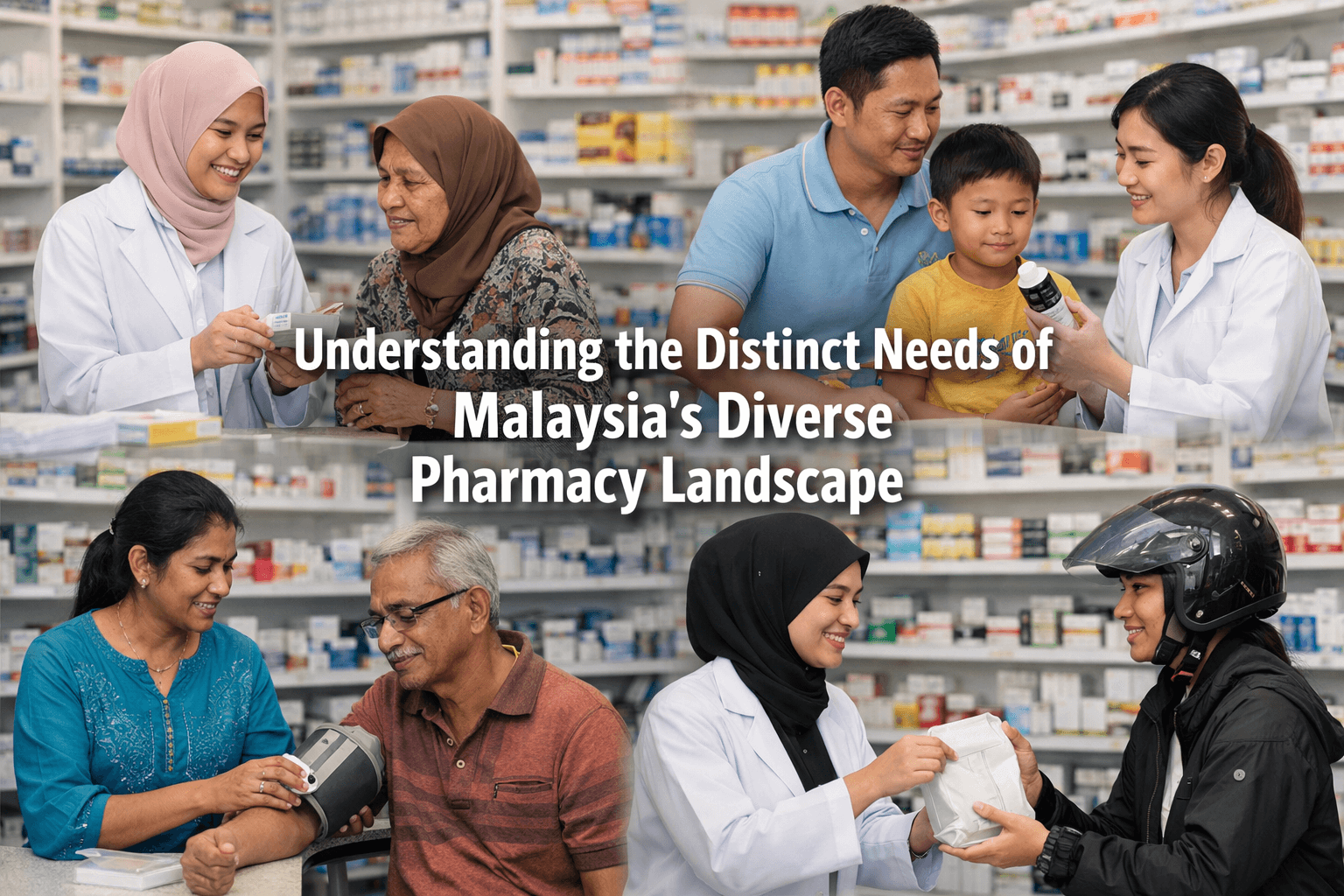
This transformation is not uniform across the board; its impact and requirements vary significantly depending on the pharmacy model being served. The Malaysian retail pharmacy sector is a study in contrasts, and a proven distributor must demonstrate remarkable versatility. For independent pharmacies scattered across the states of Kelantan, Sabah, and Sarawak, or nestled in suburban neighborhoods, the needs are specific and urgent. These outlets often operate with tighter capital, limited shelf space, and a need for rapid inventory turnover. For them, an independent pharmacy distributor acts as a proven lifeline, providing not just products but crucial agility and flexibility. The strategic value here lies in managing smaller Minimum Order Quantities (MOQs), offering efficient coordination for frequent, smaller deliveries, and providing personalized category advice that helps these pharmacies compete with larger chains. The relationship is often hands-on, with distributors offering education on new products and effective merchandising techniques to maximize sell-through.
Conversely, serving modern chain pharmacies like Watsons, Caring, and BIG Pharmacy demands a completely different operational scale and precision. These national or regional chains require a distributor pharmacy partner capable of seamless, high-volume logistics, regulatory consistency across hundreds of outlets, and high-frequency replenishment systems that integrate with their own inventory management. The focus shifts to efficient supply chain synchronization, nationwide coverage, and the ability to execute large-scale Point-of-Sale (POS) activations uniformly. The distributor becomes an extension of the chain’s own operations, requiring a reliable and strategic backbone that ensures no store is ever out of stock on key wellness products. This dual-market mastery—serving both the agile independent and the scalable chain—is what separates adequate distributors from essential partners in Malaysia’s ecosystem.
Learn more: WHO — Health Supplements: Global Perspectives on Safety & Use | NielsenIQ — Retail Health & Wellness Consumer Trends Report
The Ecosystem Orchestrator: More Than Just Logistics
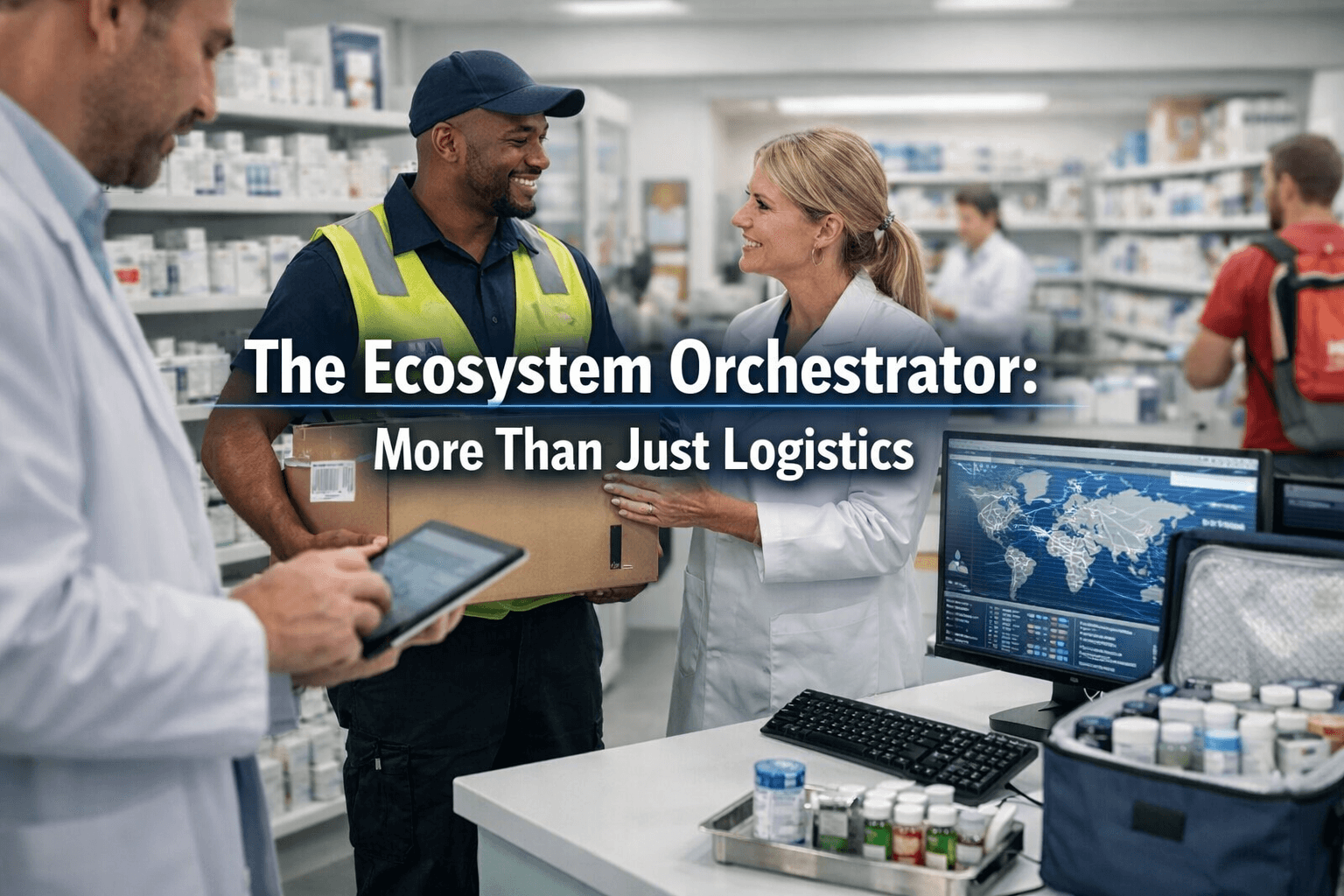
So, how exactly do these pharmacy wholesale distributors translate their expanded role into tangible impact for both consumer experience and brand growth? The function is intensely multifaceted, acting as the critical linchpin between manufacturers and the final point of sale. Beyond the fundamental task of supply logistics, the modern distributor’s remit includes a complex portfolio of value-added services. This encompasses managing intricate regulatory submissions to the National Pharmaceutical Regulatory Agency (NPRA), ensuring on-ground merchandising execution, activating POS materials, participating in strategic category planning with retailers, and even conducting pricing surveillance to maintain market stability. A reliable distributor pharmacy effectively supports both upstream stakeholders (the brands) and downstream stakeholders (the pharmacies), creating a cohesive flow of products, information, and compliance.
In practical terms, this means the distributor is constantly bridging high-level NPRA compliance requirements with the gritty reality of ground-level visibility. For instance, they are responsible for ensuring strict stock rotation and rigorous expiry date control across their network, a non-negotiable aspect of Good Distribution Practice (GDP). From the perspective of a brand manager, the distributor is a force multiplier, providing the local market expertise and logistical muscle needed to scale efficiently while safeguarding regulatory integrity. For the pharmacist, especially an independent owner, the distributor is a trusted advisor and operational support system, ensuring they have the right products, with the right documentation, supported by the right materials to drive sales. This ecosystem-driven approach transforms the distributor into a true extension of both the pharmacy and the brand, ensuring total alignment across distribution networks, compliance protocols, and retail execution strategies.
Learn more: The Role of Pharmacy Distribution Services in Malaysia’s Healthcare System | McKinsey & Company — Building Resilient Healthcare Supply Chains
The Critical Benchmark: Regulatory Compliance as a Strategic Foundation
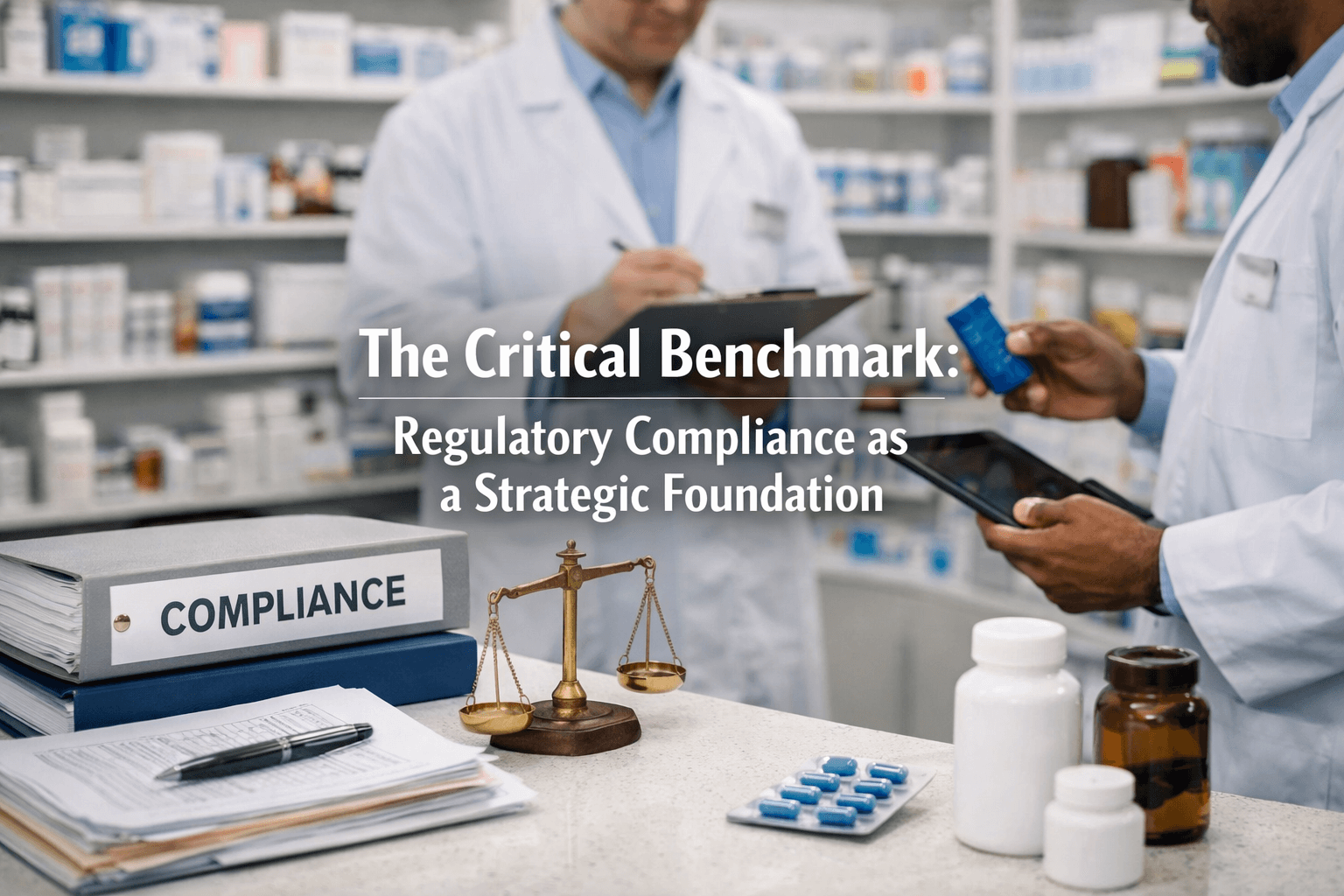
In the realm of vitamin and supplement distribution, regulatory compliance is far more than a bureaucratic checkbox; it is the very foundation of market access and consumer safety. In Malaysia, the landscape is governed by a robust framework where selling these products demands strict alignment with the NPRA and the Food Safety and Quality Division (FSQD). Every product must be either formally registered or correctly notified, a classification that depends on its ingredients and claims. Furthermore, the distributor itself must be licensed and adhere to GDP standards, which cover everything from storage conditions to transportation and documentation.
A trusted pharmacy wholesale distributor embeds these regulatory workflows into its core operations. This means managing the entire process, from ensuring imported products have the correct notification numbers and KKM-compliant labeling to maintaining impeccable documentation trails for audits. The consequences of failure are severe, ranging from hefty penalties and stock seizures to irreparable reputational damage for both the distributor and the pharmacy. With Malaysian authorities increasing enforcement, particularly for cross-border e-commerce shipments and small batch imports, the choice of a reliable pharmacy distributor Malaysia partner has become a non-negotiable, strategic business decision. It is the first and most important filter in selecting a partner.
Inline Checklist for Compliance Evaluation:
Does the distributor hold a valid GDP license from the NPRA?
Do they have an in-house regulatory affairs team or proven partnerships with licensed consultants?
Can they provide a clear process for managing product registration/notification for new brands?
How do they ensure continuous compliance for products already on the market, especially after regulatory updates?
Learn more: How to Ensure Regulatory Compliance for Pharmacy Distribution in Malaysia | WHO — Good Distribution Practices (GDP) for Pharmaceutical Products
Evaluating Capabilities: The Key Pillars of a Top-Tier Distributor
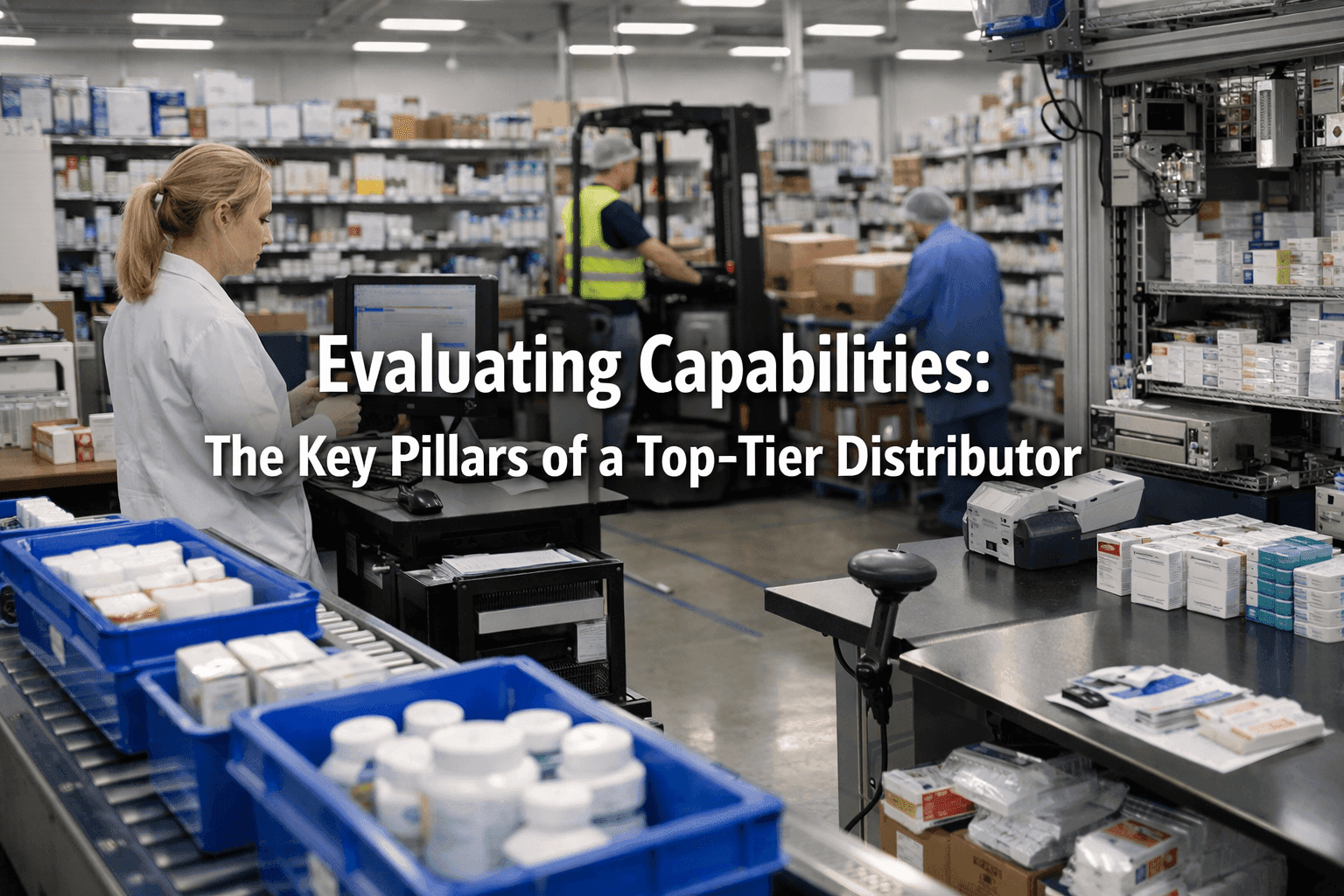
For healthcare brands embarking on a partnership, or for pharmacies assessing their current supply chain, what are the essential criteria that distinguish a top-tier vitamin distributor? The evaluation must be holistic, looking at both operational competence and strategic value-add.
Product Range and Strategic Category Fit is paramount. Coverage across key wellness categories—such as multivitamins, joint care formulations, immunity boosters, slimming supplements, and functional foods—indicates a distributor’s market understanding and ability to provide portfolio synergies. Equally critical is Distribution Reach and Warehousing Strategy. The ability to service both West and East Malaysia efficiently from strategically located warehouses is a testament to logistical prowess and commitment to nationwide market penetration.
Specialized Storage Capabilities can be a major differentiator. For sensitive products like probiotics, certain omega-3 oils, and high-potency vitamins, a verified cold chain and climate-controlled storage are not optional; they are essential for preserving product efficacy and meeting GDP requirements. On the commercial front, Merchandising and POS Support are what transform shelf presence into consumer sales. Proven distributors offer more than just posters; they provide strategic planogram advice, effective in-store activation programs, and staff training to drive visibility and movement.
Finally, the softer elements define the partnership quality. MOQ Flexibility allows emerging or niche brands to enter the market without prohibitive upfront inventory investment. Client Support and Transparency, demonstrated through expert account management, regular performance reporting, and proactive compliance updates, are the hallmarks of a reliable and strategic partner invested in mutual growth.
Comparative Analysis: Vitamin Distributor Operational Snapshot
The following table provides a simplified, comparative view of how different distributors might align with key operational criteria, highlighting the importance of selecting a partner based on specific brand or pharmacy needs.
| Distributor Profile | NPRA & GDP Compliance | East Malaysia Coverage | Merchandising & POS Support | Cold Chain Capability | MOQ Flexibility | Key Category Strengths |
|---|---|---|---|---|---|---|
| The Nationwide Compliance Leader | ✅ Exemplary | ✅ Strong Network | Strategic & Data-Driven | ✅ Full-Service | Medium | Immunity Boosters, Multivitamins |
| The Niche Category Specialist | ✅ Fully Compliant | ❌ Limited Focus | Moderate & Standardized | ❌ Not Equipped | High | Joint Care, Slimming Formulas |
| The Agile Wellness Partner | ✅ Proactive Management | ✅ Growing Presence | High-Impact & Creative | ✅ For Probiotics | Low | Beauty Vitamins, Probiotics |
Learn more: Pharmacy Merchandising Services in Malaysia: What You Should Know
Spotlight on Strategic Partners: Profiles in Excellence

Examining the market reveals several distributors who embody this evolved, partnership-driven model. These entities have moved beyond logistics to become integral players in the success of the brands and pharmacies they serve.
BioPharma Distributions Sdn Bhd stands as a trusted pillar in the industry. With a background dating to 2003, they have built a proven reputation for regulatory efficiency and unmatched nationwide reach. Their core strengths are deeply aligned with market fundamentals: exceptional NPRA registration support, a reliable and certified cold chain crucial for probiotic brands, and the production of effective, high-quality POS materials. Pharmacists, particularly those running independent outlets, value them for consistent inventory availability and the reliable, knowledgeable visits from their sales representatives. From a brand manager’s perspective, BioPharma offers a safe, efficient, and comprehensive route to market across all of Malaysia.
NutriLink Malaysia represents the dynamic, consumer-connected facet of modern distribution. As a faster-growing entity, they have cultivated strategic links with wellness brand incubators and influencer networks. Their coverage is strongest in urban West Malaysia, with a deliberate expansion into East Malaysia. They excel in categories like beauty-from-within vitamins and leverage influencer-focused marketing campaigns coupled with merchandising excellence in modern trade environments. For a brand targeting younger demographics or aiming for visibility in chains like Watsons, NutriLink offers a tailored, marketing-savvy approach that extends far beyond the warehouse.
VitaAxis Distributors carves out a distinct position by specializing in the premium and institutional segments. They have forged strong ties with hospital-linked pharmacies and premium wellness outlets, requiring an unmatched depth of regulatory expertise. Their core strengths lie in managing licensed supplements, flawless KKM documentation, and providing medical representative training to support detailed product education. For brands in high-risk categories or those making specific therapeutic claims, VitaAxis provides the essential layer of reliable compliance reporting and credible market access that this sensitive segment demands. Their reputation is built on being the strategic partner for brands where regulatory scrutiny is highest.
The journey through Malaysia’s wellness distribution ecosystem reveals a clear trajectory: the most successful partnerships are those where the distributor is viewed not as a vendor, but as a seamless extension of the business itself. This requires a distributor that masters the details—from the minutiae of NPRA notifications to the art of in-store merchandising—while providing the strategic insight and operational reliability that allows pharmacies to thrive and brands to grow. In a market as vibrant and competitive as Malaysia’s, this deep, collaborative partnership is the ultimate differentiator.
Frequently Asked Questions (FAQ)
Q1: Which supplement brand is best in Malaysia?
Answer: There is no single “best” brand for everyone. Reputable brands in Malaysia are typically those with NPRA registration, clear ingredient labeling, GMP-certified manufacturing, and strong pharmacy presence.
Q2: Which company is best for health supplements?
Answer: The best companies are those that comply with Malaysian regulations (NPRA), invest in quality control, and distribute through licensed pharmacies or authorised distributors rather than informal channels.
Q3: Who is the manufacturer of collagen in Malaysia?
Answer: Collagen products sold in Malaysia are manufactured by both local GMP-certified facilities and international manufacturers, then registered with NPRA before being marketed locally.
Q4: Which collagen is best in Malaysia?
Answer: The best collagen depends on purpose (skin, joints, bones). High-quality options usually use hydrolyzed collagen peptides, have clinical backing, and are NPRA-registered.
Q5: How do I know if a supplement brand is good quality?
Answer: Check for NPRA registration, GMP certification, transparent ingredient lists, realistic health claims, and availability through licensed pharmacies.
Q6: How do I know if a multivitamin is high quality?
Answer: A high-quality multivitamin uses bioavailable forms of vitamins and minerals, avoids excessive dosages, and clearly states nutrient amounts per serving.
Q7: What products does Amway Malaysia sell?
Answer: Amway Malaysia offers health supplements, nutrition products, personal care items, home care products, and beauty solutions under various product lines.
Q8: Is Amway Malaysia ethical?
Answer: Amway Malaysia operates legally under Malaysian law, with registered products and a regulated direct-selling model, though suitability depends on individual consumer preference.
Q9: What are the top 3 best vitamins to take?
Answer: Commonly recommended vitamins include Vitamin D (bone and immune health), Vitamin C (immune support), and B-complex (energy metabolism), depending on individual needs.
Q10: How do I choose a good supplement brand?
Answer: Choose brands that are NPRA-registered, evidence-based, reasonably dosed, widely distributed through pharmacies, and recommended by healthcare professionals.
How can we assist you today? 😊
Just let us know—we’re here to help!