

June 10, 2025
In Malaysia’s dynamic healthcare sector, pharmacies have evolved far beyond traditional medication dispensaries. Today, they function as integrated wellness hubs, combining access to treatments, health education, and preventive care. This shift makes retail merchandising a cornerstone of modern pharmacy success—transforming sterile retail environments into spaces that prioritize patient safety, engagement, and holistic well-being.
The strategic design of pharmacy layouts plays a vital role in this transition. By collaborating with independent distributors and wholesale suppliers, pharmacies can optimize product visibility while adhering to strict regulatory standards. Thoughtful placement of over-the-counter (OTC) remedies, for instance, balances consumer convenience with safety protocols, whereas prescription drug zones demand controlled access to prevent misuse. Compliance isn’t just a recommendation here—it’s a legal obligation, governing everything from signage clarity to the segregation of scheduled medications.
Beyond regulation, effective merchandising fosters trust. Clear educational displays on supplements or chronic disease management empower customers to make informed choices, while eye-level positioning of high-demand items subtly drives sales. Digital tools further amplify this experience: interactive screens can offer dosage tutorials, and QR codes link to verified health resources, blending offline accessibility with online depth.
This article explores tailored merchandising strategies for Malaysia’s unique market, focusing on three pillars:
Layout Efficiency – Balancing traffic flow, product grouping, and regulatory requirements.
Educational Engagement – Using visuals and tech to simplify complex health information.
Digital-Physical Synergy – Enhancing in-store experiences through apps or loyalty programs.
Designed for pharmaceutical brands, distributors, and retail planners, the insights here aim to bridge commercial goals with community health needs. As competition intensifies, pharmacies that master these principles won’t just boost revenue—they’ll become indispensable allies in Malaysia’s journey toward accessible, patient-centered care.
Understanding the Pharmacy Retail Ecosystem in Malaysia
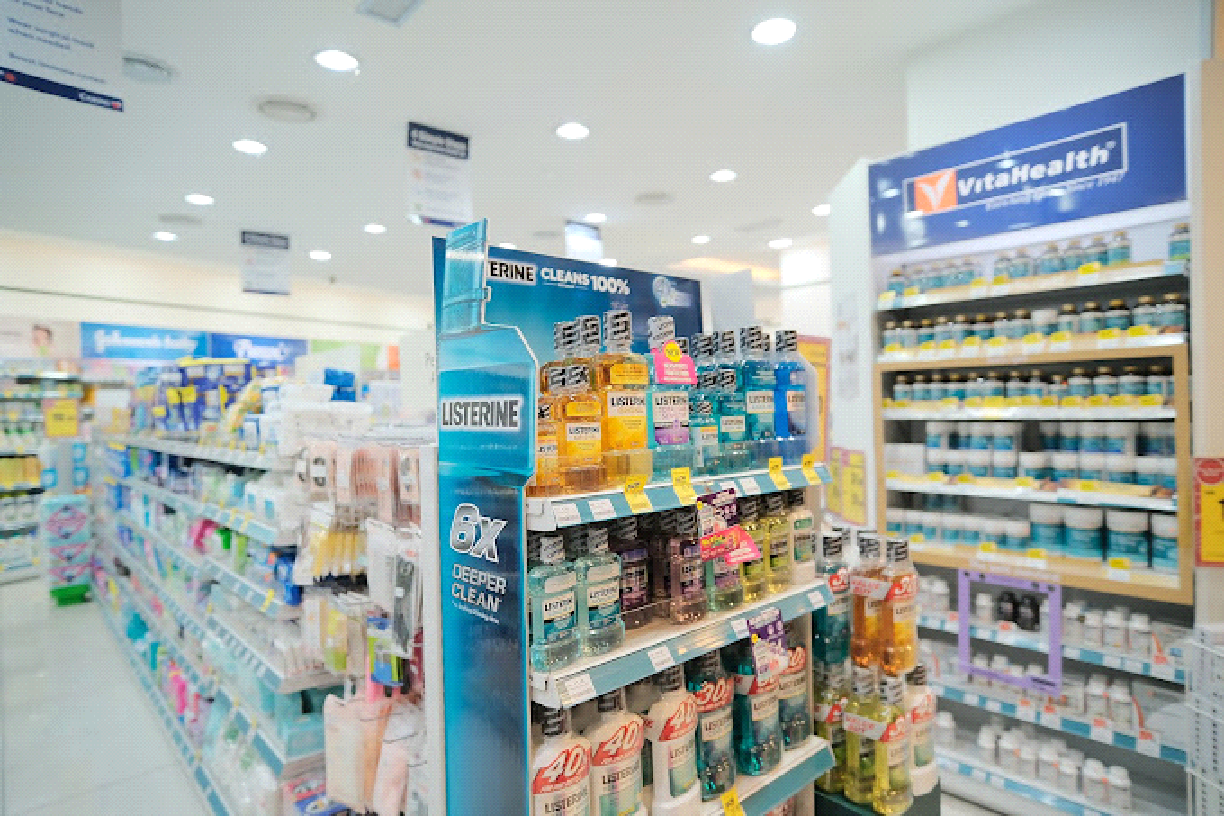
Malaysia’s healthcare sector thrives on diversity, and its pharmacy ecosystem is no exception. Spanning bustling city centers to quiet suburban neighborhoods, pharmacies here operate under varied models tailored to their communities. Broadly, these establishments fall into three distinct frameworks:
Independent Pharmacies – Often family-run or managed by licensed pharmacists, these small-scale outlets prioritize personalized care.
Chain Pharmacies – Nationwide brands with standardized operations, leveraging bulk purchasing power and corporate strategies.
Distributor-Backed Pharmacies – Directly integrated with Malaysia’s pharmaceutical distribution networks for seamless supply chain access.
While each model serves critical roles, their operational hurdles differ starkly. Chain pharmacies, for instance, benefit from centralized decision-making but may lack flexibility in adapting to hyperlocal needs. Independent setups, meanwhile, depend heavily on regional distributors for inventory and compliance support—a gap that distributor pharmacy services in Malaysia expertly fill. These intermediaries ensure products move efficiently from manufacturers to shelves while balancing regulatory demands with retail profitability.
Regulatory oversight adds another layer of complexity. Agencies like Malaysia’s Ministry of Health (MOH) and National Pharmaceutical Regulatory Agency (NPRA) enforce strict standards for everything from shelf layouts to temperature-controlled storage. Merchandisers must stay updated on evolving rules, particularly for controlled substances, multilingual labeling, and product zoning. A single oversight—say, misprinted dosage instructions or improper storage of vaccines—could trigger fines, stock confiscation, or even license suspensions.
This is where partnering with a seasoned pharmacy distributor Malaysia becomes invaluable. Distributors don’t just deliver products; they translate dense legalese into actionable shelf plans. Their expertise helps retailers maximize space utilization—strategically placing high-margin items or seasonal promotions while reserving zones for regulated goods. The result? Compliant, customer-friendly layouts that drive sales without sacrificing legal adherence.
In a sector where margins are tight and regulations tighter, Malaysia’s pharmacies rely on this symbiotic retailer-distributor dynamic to thrive. By bridging gaps in logistics, knowledge, and compliance, distribution services ensure even the smallest neighborhood pharmacy can compete in this intricate, ever-evolving market.
Learn more : Designing Effective Pharmacy Layouts: Strategies and Considerations
OTC vs. Prescription Product Placement: Maximizing Accessibility and Control

When designing retail spaces for pharmaceuticals, understanding the distinct strategies for over-the-counter (OTC) and prescription products isn’t just helpful—it’s non-negotiable. The divide stems from two critical factors: consumer purchasing habits and regulatory landscapes. Let’s explore how savvy retailers optimize both categories without compromising safety or sales.
OTC Merchandising: Visibility Drives Impulse Purchases
OTC items—think pain relievers, dietary supplements, or acne creams—flourish through high-visibility placements and intuitive layouts. Unlike prescription drugs, these products thrive on spontaneity. Retailers often position them in high-traffic zones using eye-catching displays, strategic product pairings (like bundling immune-boosting zinc with allergy medications), and attention-grabbing shelf tags highlighting benefits. Effective pharmacy layout planning for OTC sections prioritizes easy navigation, allowing shoppers to explore options without feeling bombarded. Color-coded signage or themed endcaps can further stimulate discovery while maintaining a clutter-free environment.
Prescription Medications: Controlled Access Builds Trust
In stark contrast, prescription drugs demand meticulous oversight. These products typically reside behind professional counters or in secured dispensaries, inaccessible without pharmacist authorization. Restricted access isn’t just about adhering to regulations—it’s a cornerstone of patient trust. In markets like Malaysia, where medications under Schedule C (controlled therapeutic substances) or Schedule G (poisons) require strict documentation, confidentiality protocols and staff training become paramount. Only licensed professionals may handle these items, ensuring compliance with national pharmaceutical laws and minimizing misuse risks.
Case Study: Balancing Retail Efficiency and Safety
A Kuala Lumpur-based pharmacy chain exemplifies this balance. By dividing OTC and prescription zones with color-coded signage and directional floor markers, they’ve created distinct shopping experiences. Prescription areas feature discreet consultation booths, while OTC sections use modular shelving to showcase trending wellness products. This hybrid model not only streamlines operations but reinforces consumer perceptions of professionalism and reliability—a blueprint for pharmacies worldwide.
Ultimately, the key lies in recognizing that OTC and prescription items serve different purposes for different audiences. While cough syrups benefit from playful cross-promotions, blood pressure medications require sterile, controlled environments. Retailers who master this duality—prioritizing both discoverability and discretion—position themselves as trusted healthcare partners rather than mere vendors. After all, in pharmacy merchandising, success hinges on aligning with both human behavior and legal frameworks.
Learn more : How Effective Merchandising Supports Pharmaceutical Branding in Malaysia | Retail Pharmacy Layouts and Customer Flow Patterns
Compliance-Driven Signage and Regulatory Labelling Standards
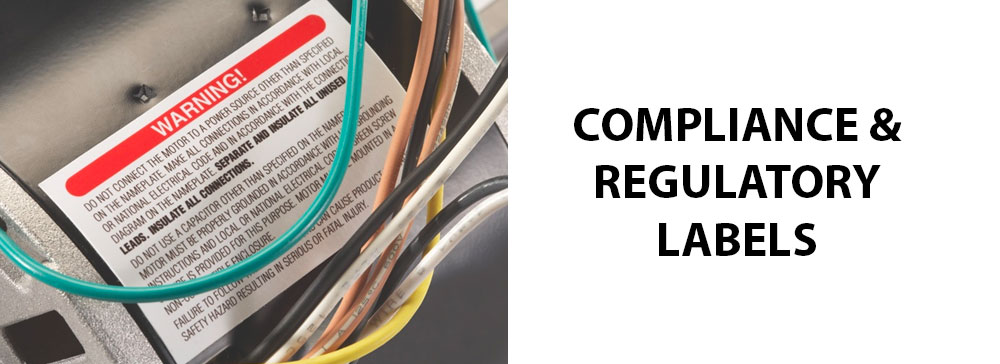
In pharmaceutical retail, signage does far more than identify products—it’s a cornerstone of patient safety and regulatory compliance. Unlike conventional labels, these visual tools ensure medications are handled correctly and risks are minimized. But how exactly does signage transcend basic identification? The answer lies in its dual role as both a guide and a legal safeguard.
Regulatory bodies like Malaysia’s Ministry of Health (MOH) and National Pharmaceutical Regulatory Agency (NPRA) enforce strict standards for Schedule medications. These products require unmistakable identifiers, such as bold “Rx Only” markers or vibrant color-coded strips, to distinguish them from over-the-counter (OTC) alternatives. Such signals aren’t optional; they’re designed to prevent misuse by ensuring staff and shoppers instantly recognize controlled substances.
Integrating compliance signage with aesthetic appeal demands strategic planning. Retailers can merge mandatory warnings with brand identity through methods like illuminated backdrops or cohesive color palettes. For example, a pharmacy might align its turquoise brand accents with subtle regulatory striping, ensuring signage remains both functional and visually harmonious. This isn’t just about aesthetics—it’s about building trust through visual clarity and adherence to pharmaceutical retail standards.
Promotional displays add another layer of complexity. OTC supplements, while less restricted, still face tight regulations. Malaysian law prohibits unverified health claims, comparative imagery against prescription drugs, or exaggerated efficacy promises. A skincare supplement display, for instance, can’t feature “miracle” results or imply medical-grade potency without evidence.
This is where pharmacy wholesalers prove invaluable. Many distributors now offer pre-approved shelf strips, signage kits, and compliant display templates as part of their Malaysia-focused merchandising services. For smaller pharmacies lacking design teams, these resources are lifesavers—they streamline compliance while maintaining professionalism.
Ultimately, pharmacy signage is a silent yet vital communicator. It bridges legal obligations with consumer safety, all while reinforcing brand credibility. In an industry where mistakes carry dire consequences, getting signage right isn’t just good practice—it’s non-negotiable.
Controlled Substances and Scheduled Medications: Secure Merchandising Protocols

When handling pharmaceuticals with restricted access, Malaysian pharmacies face unique merchandising challenges. Under the National Pharmaceutical Regulatory Agency (NPRA), medications fall into categories such as Schedule D (high-risk substances) and Schedule G (prescription-only items). These classifications mandate strict display guidelines—think secure storage units, surveillance systems, or dedicated counters monitored by licensed pharmacists.
Why Storage Compliance Isn’t Optional
Adhering to NPRA’s storage rules isn’t just about organization—it’s a legal safeguard. For example, morphine-based products require isolation in locked compartments, far from customer reach. Non-compliance, like leaving scheduled drugs on open shelves, risks hefty penalties or even temporary closure. Retailers must treat these protocols as non-negotiable, blending safety with regulatory alignment.
Training: The Backbone of Compliance
Staff education is equally critical. Pharmacists and merchandisers need regular workshops on SOPs covering inventory checks, restocking workflows, and product rotation. These procedures aren’t mere suggestions; they’re binding requirements to prevent mishandling. A well-trained team reduces errors, ensures audit readiness, and maintains public trust in sensitive drug distribution.
The Distributor’s Role in Secure Merchandising
Here’s where pharmaceutical distributors in Malaysia become invaluable allies. Beyond supplying lockable display fixtures, many offer compliance training programs and routine facility audits. Their expertise helps pharmacies balance visibility with security—like optimizing layouts to deter theft while meeting NPRA criteria. This partnership minimizes diversion risks and shields businesses from operational disruptions.
By merging meticulous storage practices, ongoing education, and distributor collaboration, pharmacies can ethically merchandise controlled substances. The goal? To uphold safety without sacrificing accessibility for patients who genuinely need these treatments. After all, in regulated pharma retail, every locked cabinet and logged audit reinforces both community health and business longevity.
Patient Education at the Shelf: Empowering Informed Purchases

Surprisingly, the answer lies in creative merchandising strategies that blend education with accessibility. In pharmaceutical retail, well-designed shelf displays aren’t just storage solutions—they’re silent educators guiding customers toward smarter health decisions.
Pharmacy merchandising transforms ordinary product displays into decision-making guides. This approach proves particularly effective in over-the-counter healthcare aisles, where confusion often clouds purchasing choices. Strategic tools like shelf-mounted signage, visual flowcharts, or scannable digital codes provide bite-sized educational resources. These might explain dosage guidelines, compare ingredient benefits, or clarify symptom-specific recommendations—all without requiring staff intervention.
Consider a real-world example: A neighborhood pharmacy in Penang redesigned its supplement section by embedding QR codes near magnesium products. When scanned, these codes direct time-strapped shoppers to a concise video explaining the mineral’s role in nerve function and sleep quality. This tactic merges instant accessibility with memorable storytelling—a budget-friendly way to boost both knowledge and sales.
Modern pharmacies increasingly blend physical and digital education methods. Printed materials, interactive screens, or self-service stations allow customers to explore product details at their own pace. When complemented by pharmacist consultations, these resources create layered learning experiences. They answer immediate questions while reinforcing proper usage—and building trust through every interaction.
Seasonal health initiatives gain traction when aligned with smart merchandising. A cold/flu display pairing thermometers with immune boosters, for instance, becomes a visual reminder of preventive care. Bundling related items (think hydration packets with pain relievers) simplifies preparedness while educating customers about holistic symptom management.
The impact extends beyond urban centers. A Malaysian pharmaceutical distributor recently equipped rural pharmacies with illustrated, dual-language decision trees near antacid selections. By replacing text-heavy instructions with visual guides, they improved medication literacy in regions with language barriers—proving that thoughtful shelf design can bridge healthcare gaps.
These visual aids do more than grab attention—they inform decisions, they simplify complex information, and ultimately, they foster long-term customer relationships. Shoppers who understand why a product matters become repeat buyers who trust your expertise. In healthcare retail, that’s not just good merchandising—it’s community empowerment disguised as everyday shelf organization.
Learn more : Pharmacy Merchandising Solutions for Health and Wellness Product Categories | Patient-Centered Pharmacy Services: A Global Framework
Role of Pharmacy Wholesale Distributors in Merchandising Support

Pharmacy wholesale distributors play a far more strategic role than simply moving products from manufacturers to shelves. Often overlooked, their value lies in providing tailored merchandising support that elevates both retail performance and regulatory compliance. By integrating these services, distributors transform into collaborative partners, empowering pharmacies to optimize operations while maintaining visually appealing, regulation-friendly displays.
What specific services do distributors offer? Beyond logistics, their expertise spans shelf layout optimization, custom point-of-sale material design, data-driven category management advice, and seasonal promotion strategies. These solutions address common retail challenges—ensuring products are not only visible but positioned to align with consumer behavior and local health guidelines.
In Malaysia, where pharmacy aesthetics and compliance standards are rigorously upheld, these services have become indispensable. For instance, during Ramadan, a distributor in Johor partnered with pharmacies to create hydration stations near store entrances. Bundling electrolyte supplements with multilingual health leaflets, the displays addressed community needs while driving sales—a balance of commercial savvy and social relevance. Such initiatives demonstrate how distributors quietly enhance retail success without overshadowing the pharmacy’s brand.
The benefits of these collaborations extend beyond immediate sales. By streamlining shelf organization, retailers reduce stock redundancies and improve inventory turnover. Strategic product zoning also helps pharmacies adhere to Malaysia’s strict pharmaceutical regulations, minimizing compliance risks. Moreover, seasonal campaigns—like monsoon-ready wellness bundles or back-to-school vitamin packs—keep displays dynamic and customer-centric.
Crucially, these partnerships foster trust between distributors and retailers. When wholesalers invest in understanding a pharmacy’s clientele or regional trends, they position themselves as advisors rather than mere suppliers. This shift builds long-term loyalty, turning transactional relationships into strategic alliances.
In an industry where margins are tight and competition fierce, leveraging a distributor’s merchandising expertise can be transformative. It’s not just about delivering goods—it’s about delivering value that resonates with both retailers and their communities. As pharmacies navigate evolving consumer expectations, aligning with distributors who offer these nuanced services will remain a key differentiator in Malaysia’s bustling healthcare retail landscape.
Digital Integration in Physical Merchandising: Bridging Online and Offline

Can Technology Elevate Brick-and-Mortar Pharmacy Sales? The evidence suggests a resounding yes—innovative digital strategies are actively reshaping outcomes.
Dynamic digital signage offers pharmacies far more than static advertisements. These screens can adapt content based on the hour—think immunity-boosting supplements highlighted during sunrise hours shifting to melatonin reminders as dusk approaches. Beyond promotions, they serve bite-sized wellness tips, creating value that keeps customers engaged while waiting for prescriptions.
Meanwhile, bridging online and offline experiences amplifies reach. QR codes for store locators or mobile-optimized menus let shoppers interact with brands before and after visits. Take one forward-thinking Selangor-based pharmacy: by syncing in-store displays with its Shopee catalog, it eliminated the “online vs. shelf” disconnect. Customers browsing vitamin C tablets digitally could instantly locate them in-store, streamlining their journey.
Inventory transparency also gets a tech-driven upgrade. Geo-targeted social ads now alert nearby customers when specific products—say, allergy medication during peak season—are stocked at their closest branch. This isn’t just clever marketing; it’s a digital-age solution for maximizing retail space efficiency while reducing overstock headaches.
Even community-focused pharmacies gain ground with accessible tools. WhatsApp Business streams allow announcing flu shot availability or seasonal discounts directly to opted-in customers. Pair this with a Google Business Profile updated with new arrivals, and smaller outlets can compete through hyper-localized, real-time communication. Pharmacies adopting these tools not only future-proof their business but creates personalized touchpoints that build loyalty.
The lesson? Physical retailers thrive not by resisting digitization, but by weaving it into their operational fabric. From smart displays that educate to targeted ads that drive foot traffic, the blend of tech and tradition unlocks untapped potential. As consumer expectations evolve, pharmacies embracing this hybrid approach position themselves not just as vendors, but as adaptable health hubs ready for tomorrow’s challenges.
Learn more : Using Digital Tools to Improve Medication Adherence
Challenges and Solutions in Malaysian Pharmacy Retail Merchandising

In Malaysia’s fast-paced pharmacy sector, optimizing product displays remains an uphill battle—but what exactly creates these hurdles? While patient care sits at the core of operations, practical barriers like limited floor space, regulatory complexity, and inventory mismanagement often undermine retail potential. Let’s unpack these challenges and explore actionable fixes.
The Space Squeeze in Urban Stores
Cramped retail environments, particularly in cities like Kuala Lumpur or Penang, force pharmacies into tight corners. Narrow aisles and minimal shelving real estate make it tough to balance clutter-free layouts with discreet consultation zones. Without adaptable displays, stores risk overcrowding shelves or compromising patient privacy—a lose-lose for both customer experience and sales.
Regulatory Overload & Compliance Burnout
Staying aligned with Malaysia’s NPRA standards—covering everything from labeling protocols to product placement rules—is no small feat. Staff already juggling prescriptions and customer queries often lack bandwidth to track evolving guidelines. This “compliance fatigue” can lead to accidental violations, risking fines or operational delays that strain small businesses.
Inventory Blind Spots & Mismatched Stock Levels
Another pain point? Predicting product demand. Overstocking niche items that gather dust ties up capital, while high-turnover essentials like vitamins or OTC meds may lack visibility. Without data-driven insights, pharmacies struggle to spotlight bestsellers or phase out slow movers, hurting both profitability and shelf appeal.
How Pharmacy Distributors Elevate Merchandising Strategy
Collaborating with reliable pharmacy distributors in Malaysia bridges these gaps through tailored support:
Space-Smart Shelving: Modular, vertical displays maximize narrow layouts without sacrificing accessibility.
Regulatory Safeguards: Monthly audits update planograms to match current guidelines, minimizing compliance risks.
Demand Analytics: Shared sales trends help pharmacies order smarter, reducing dead stock and prioritizing fast-selling SKUs.
Staff Training Workshops: Hands-on guidance ensures teams can arrange compliant displays efficiently, even during rush hours.
By shifting from reactive procurement to proactive merchandising—backed by distributor expertise—pharmacies unlock dual advantages: sharper regulatory adherence and enhanced customer engagement. Small tweaks, like rotating seasonal products to eye-level shelves or using dual-purpose fixtures for storage, compound into long-term gains.
Ultimately, overcoming Malaysia’s merchandising challenges hinges on blending smart space use, agile compliance habits, and data-backed inventory choices. When pharmacies invest in these areas, they don’t just survive—they thrive as trusted, patient-first destinations.
Within Malaysia’s dynamic pharmaceutical retail landscape, shelf arrangements serve as silent ambassadors of credibility. Beyond mere product displays, strategic pharmacy merchandising solutions empower local businesses to harmonize regulatory adherence, consumer outreach, and therapeutic results through intelligent spatial design.
Modern pharmacies now leverage specialized compliance aids—from GMP-certified labeling systems to interactive health information hubs—that simultaneously educate customers while meeting strict regulatory standards. This synergy between function and education transforms routine shopping trips into opportunities for meaningful health advocacy. As demand grows for sophisticated Malaysia-specific merchandising services, collaboration with established pharmaceutical distributors and regional supply networks has become indispensable for maintaining competitive edge.
For healthcare retailers, periodic evaluation of store layouts and product placement strategies isn’t merely advantageous—it’s becoming vital for survival in an increasingly regulated market. Three critical focus areas demand attention:
Optimized floor plans that guide natural customer flow while prioritizing essential medications
Compliance-first visual merchandising that balances promotional needs with patient safety protocols
Strategic partnerships with distributors offering real-time inventory solutions and market insights
These operational elements work cohesively to create environments where clinical effectiveness meets commercial success. With Malaysia’s pharmaceutical sector projected to grow 6.8% annually through 2027, pharmacies that neglect merchandising strategy risk falling behind competitors who recognize shelving as a three-dimensional communication tool.
Ready to enhance prescription visibility, simplify audit processes, or implement OTC product zoning that aligns with current health trends? Our integrated approach combines wholesale pharmaceutical distribution expertise with localized merchandising intelligence tailored for Malaysian consumer behaviors.
How can we assist you today? 😊
Just let us know—we’re here to help!