

June 16, 2025
In Malaysia’s fast-paced pharmaceutical retail sector, shifting consumer demands are reshaping how businesses operate. Today’s shoppers seek more than convenience—they want intuitive, informative shopping experiences. This is where innovative merchandising steps in, transcending traditional product stacking to become a powerful tool for engagement. Far from passive shelf arrangements, modern merchandising acts as an unseen influencer, shaping purchasing behaviors while building brand credibility. For pharmacies, this strategy bridges the gap between clinical necessity and retail appeal.
At its core, healthcare merchandising involves the methodical organization and presentation of goods to boost product recognition, stimulate purchases, and elevate shopper satisfaction. It’s a science that combines visual storytelling with logistical precision—think eye-level placements for high-demand items, color-coded signage for easy navigation, or themed displays highlighting seasonal needs. In pharmacies, where customers often make health-driven decisions under time constraints, a well-curated layout can simplify choices and reduce decision fatigue. This approach transforms sterile aisles into guided journeys, merging practicality with subtle persuasion.
However, excelling in this arena requires more than in-store creativity. Malaysia’s highly contested pharmaceutical distribution sector demands seamless collaboration between retailers and suppliers. Here, partnerships with established players like pharmacy distributor Malaysia networks or reliable pharmacy wholesale distributors become invaluable. By aligning with specialized partners such as Prioocare—a platform epitomizing distribution made easy—pharmacies gain access to tailored inventory solutions and market insights. This unified strategy ensures products move efficiently from warehouses to strategically designed shelves, maintaining freshness and relevance.
Ultimately, effective merchandising in Malaysian pharmacies isn’t just about aesthetics—it’s a dynamic dialogue between consumer psychology and operational savvy. Retailers who master this balance not only stand out in crowded markets but also foster lasting trust. As the industry evolves, those leveraging smart collaborations and data-driven displays will lead the charge, proving that in modern healthcare retail, every shelf speaks volumes.
Understanding the Core Functions of Merchandising in Pharmacy Environments
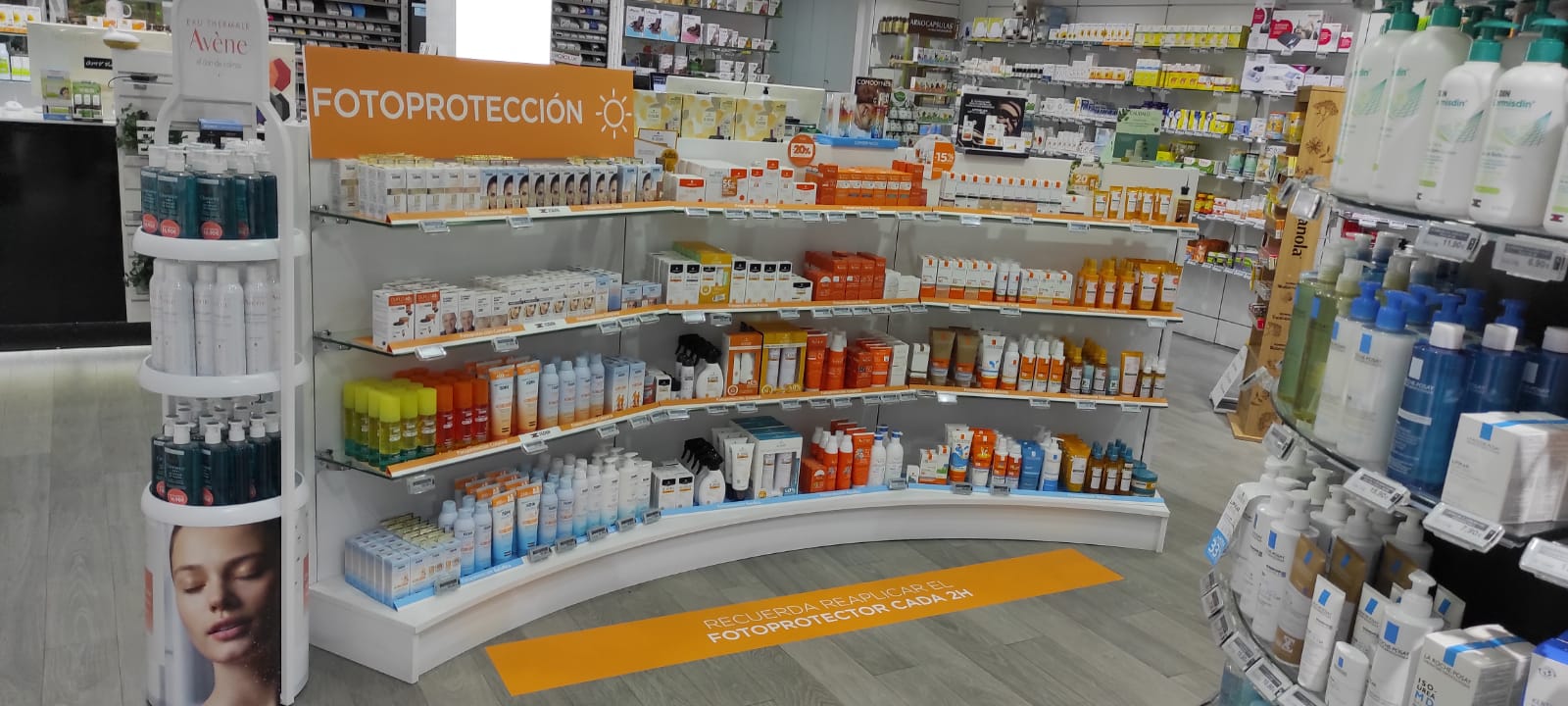
In Malaysia’s competitive pharmacy landscape, merchandising acts as a silent ambassador, shaping how shoppers perceive reliability and care. Beyond mere product placement, it’s a carefully orchestrated strategy that builds confidence, simplifies choices, and fosters lasting trust—critical factors in healthcare retail.
The Role of Merchandising in Building Confidence
Pharmacies aren’t just retail spaces; they’re hubs of health guidance. Effective merchandising bridges the gap between clinical expertise and consumer needs by creating intuitive, stress-free environments. When customers effortlessly find what they need—whether allergy relief or vitamins—they associate the pharmacy with competence and empathy. Logical categorization, such as grouping items by symptom or age group, minimizes confusion, letting shoppers make informed decisions without second-guessing.
Elements That Drive Engagement and Trust
Intuitive Product Grouping: Arranging items based on use cases (e.g., “Cold & Flu Essentials” or “Daily Wellness”) streamlines the shopping journey. This clarity signals professionalism, assuring customers they’re in capable hands.
Educational Signage: Bilingual labels, dosage guides, or QR codes linking to tutorials empower customers to self-educate. This transparency reduces dependency on staff while positioning the pharmacy as a trustworthy resource.
Flow-Centric Layouts: Wide aisles, visible price tags, and strategic lighting encourage exploration. A well-planned floor plan guides customers past high-demand items, subtly increasing basket size while maintaining a non-pushy atmosphere.
Real-World Impact: Merging Strategy and Care
Consider a Johor Bahru pharmacy partnering with a wellness brand to showcase immune-boosting supplements near the entrance during monsoon season. This targeted display not only capitalizes on seasonal demand but also communicates proactive care—shoppers feel the business anticipates their needs. Similarly, placing pediatric vitamins at child-eye level or creating a dedicated “Senior Wellness” zone demonstrates attentiveness to diverse demographics.
By blending logic with empathy, Malaysian pharmacies transform routine purchases into moments of reassurance. When merchandising aligns with customer priorities—safety, clarity, and respect—it doesn’t just drive sales; it cements the pharmacy’s role as a pillar of community health.
Learn more : The Essential Guide to Retail Pharmacy Layouts
Impact on Consumer Behavior and Purchasing Decisions

In Malaysia’s bustling pharmacy sector, clever merchandising acts as a quiet yet powerful force in steering purchasing decisions. But what exactly makes these visual and tactical strategies so effective in healthcare retail environments? The answer lies in a blend of psychology, trust-building, and opportunistic positioning—all working together to shape buyer behavior without overt persuasion.
The Science of Sightlines and Accessibility
Human psychology plays a starring role in product placement. Items positioned at eye level or clustered near checkout zones capitalize on natural visual habits, increasing the likelihood of spontaneous purchases. For instance, pain relievers or vitamins placed along prime sightlines often see higher pickup rates, as customers gravitate toward easily accessible solutions. This approach transforms ordinary shelves into conversion hotspots, subtly nudging shoppers toward targeted products.
Credibility Through Consistency
In healthcare settings, trust isn’t optional—it’s a currency. Clear, uniform branding across signage and packaging reassures customers navigating sensitive purchases, from over-the-counter medications to specialized supplements. Informative displays that simplify complex product benefits (think dosage charts or ingredient breakdowns) further cement a pharmacy’s reputation as a reliable resource. When shoppers feel confident in a store’s transparency, repeat visits and brand loyalty naturally follow.
The Art of the Impulse Buy
Even in clinical environments, impulse purchases thrive. Vibrant displays of travel-sized hygiene products, seasonal wellness kits, or aesthetically arranged skincare items tempt shoppers to add “extras” to their baskets. Data shows that well-curated endcap promotions can lift unplanned sales by 15–20%, proving that strategic visual appeal transcends traditional retail boundaries.
Behind the Scenes: Distributors as Data Partners
Malaysian pharmacy wholesalers amplify these efforts by providing localized market insights and promotional tools. By analyzing regional health trends—like surges in allergy medication demand during haze season—distributors empower retailers to tailor displays to current needs. This synergy ensures shelves stay relevant, whether highlighting immunity boosters post-pandemic or eco-friendly packaging to align with growing sustainability concerns.
Ultimately, effective merchandising in Malaysian pharmacies isn’t just about organizing products—it’s about creating an intuitive, trustworthy journey that guides decisions while adapting to cultural and market shifts. Through smart layouts, consistent messaging, and collaborative data use, retailers turn everyday transactions into opportunities for engagement and growth. And as consumer preferences evolve, so to must these strategies, ensuring pharmacies remain both competitive and customer-centric in a dynamic landscape.
Learn more : Consumer Behavior in Pharmacies | Consumer Behavior Guide for Businesses
The Role of Merchandising in Brand Visibility and Product Awareness
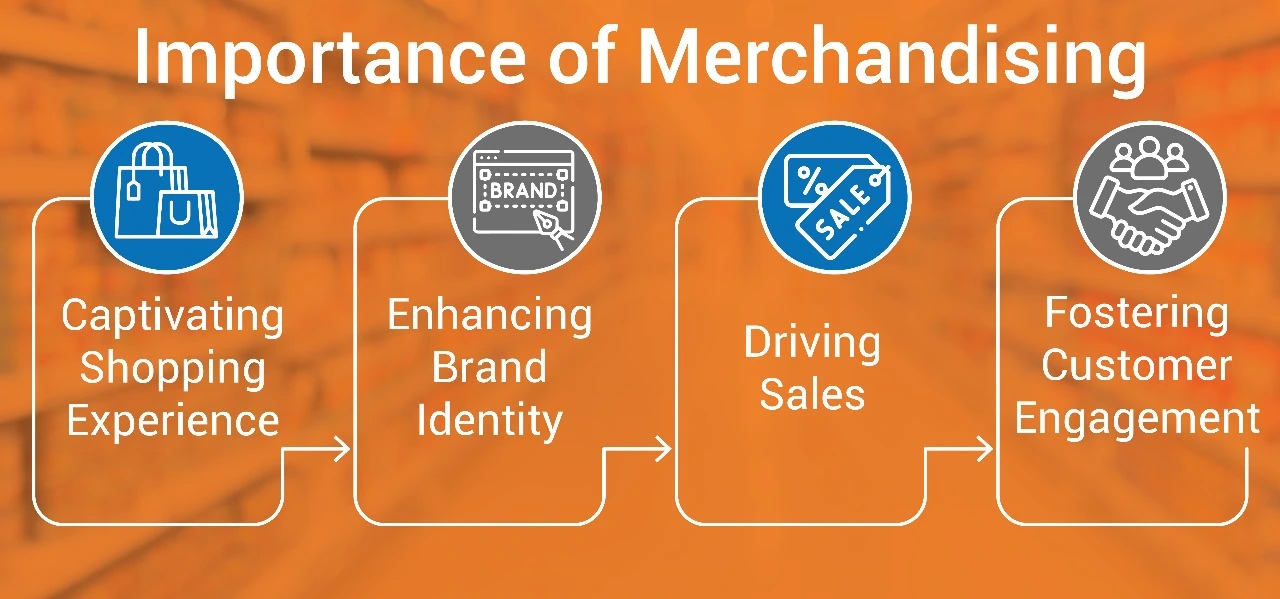
In Malaysia’s competitive pharmaceutical retail landscape, distinguishing a brand from rivals isn’t just advantageous—it’s essential for survival. With countless products fighting for consumer attention, intelligent merchandising acts as a direct line to engage shoppers at the critical moment of purchase. By optimizing visibility and fostering memorable interactions, brands can transform casual browsers into loyal customers while reinforcing their market authority.
Three Tactics Driving Impact
Exclusive Shelf Dominance
Reserving entire sections for a single brand—often termed “brand-blocking”—creates a visual stronghold that boosts recognition. This approach not only simplifies decision fatigue for shoppers but also positions the brand as a category leader. Imagine walking into a pharmacy and seeing one company’s entire skincare line unified in a single, cohesive block; the subconscious message is clear: this brand owns expertise here.High-Traffic Promotional Zones
End-caps, the prime real estate at aisle terminals, act as billboards within the store. Placing products here—especially those tied to seasonal offers or discounts—capitalizes on heavy foot traffic. For time-strapped Malaysians, these displays shortcut the search process, making promotions impossible to overlook.Experiential Engagement Tools
Modern consumers crave interaction. Digital touchscreens offering ingredient insights, or testers allowing hands-on trials, turn passive browsing into active participation. A parent testing a hypoallergenic baby cream sample, for instance, is far likelier to convert than one squinting at a crowded shelf.
The Power of Localized Partnerships
Success hinges on collaboration. Independent pharmacy distributors intimately understand regional shopping behaviors, enabling them to tailor displays to community preferences. By aligning with these partners, brands ensure their messaging resonates culturally while maintaining consistency across outlets. A cough syrup promoted in Kuala Lumpur might emphasize urban convenience, while the same product in rural Kelantan could highlight affordability—all through adjusted visuals or placement.
Ultimately, strategic merchandising in Malaysian pharmacies isn’t about shouting the loudest—it’s about crafting moments that feel both intuitive and intentional. When executed thoughtfully, these efforts don’t just boost short-term sales; they embed brands into the daily lives of consumers, fostering recognition that outlasts any single shopping trip.
Driving Sales Through Smart Merchandising Techniques
In today’s competitive retail pharmacy environment, driving sales hinges on blending strategic planning with innovative execution. While pharmacies traditionally focus on healthcare essentials, adopting retail-savvy merchandising techniques can unlock new revenue streams and improve customer satisfaction. Below, we explore actionable methods to optimize product visibility, encourage upsells, and align offerings with consumer needs—all while maintaining a professional, health-focused atmosphere.
1. Cross-Merchandising for Complementary Purchases
Grouping related items together capitalizes on natural customer buying habits. For instance, positioning vitamins alongside immune-boosting supplements or placing allergy medication near nasal sprays simplifies shopping and prompts customers to add complementary products to their baskets. This tactic not only enhances convenience but also subtly educates shoppers about product synergies.
2. Strategic Product Bundling
Combining frequently purchased items into discounted packages—such as pairing pain relievers with heating pads or skincare products with sunscreen—creates perceived value. Bundling incentivizes higher spending per transaction while addressing multiple customer needs in one offer, making it a win-win for both pharmacies and clients.
3. Data-Backed Shelf Optimization (Planograms)
Consistent, visually appealing shelf layouts are non-negotiable. Detailed planograms ensure high-demand products are placed at eye level, seasonal items are highlighted, and slower-moving inventory doesn’t occupy prime real estate. Regularly updating these layouts based on sales data keeps stores fresh and aligned with shifting consumer preferences.
4. Seasonal and Localized Promotions
Timing promotions around regional festivals, flu seasons, or health awareness months (e.g., diabetes or heart health campaigns) fosters relevance. Limited-time displays featuring themed products—think hydration kits in summer or wellness bundles during New Year resolutions—tap into immediate customer interests and urgency.
Collaborating with Distributor Teams for Success
Pharmacy distributor partners play a crucial role in executing these strategies. Their insights into regional sales trends, combined with hands-on support for setting up displays or auditing inventory, ensure campaigns remain grounded in data and tailored to local demographics. By leveraging their expertise, pharmacies can refine planograms, identify underperforming products, and maintain cohesive branding across locations.
Ultimately, the key lies in balancing analytical rigor with creativity. Regularly testing layouts, monitoring campaign performance, and adapting to feedback keeps strategies dynamic. Small tweaks—like adjusting bundle offers based on purchasing patterns or refreshing cross-merchandised pairings quarterly—can yield significant returns without overwhelming staff. With thoughtful execution, pharmacies can transform their spaces into destinations that drive sales while reinforcing trust as community health hubs.
Learn more : Pharmacy Merchandising: Best Practices for Product Pricing and Promotion in Malaysia
Merchandising Strategies for Different Product Categories in Pharmacies

Navigating Malaysia’s diverse pharmacy landscape demands merchandising strategies customized to each product type. With varied consumer needs across categories, retailers must adapt shelf layouts, displays, and marketing tactics to drive engagement while adhering to local preferences. How can pharmacies optimize their approaches for maximum impact?
OTC Medications: Simplify Navigation
Over-the-counter remedies thrive when organized by health concern rather than brand. Grouping pain relievers, allergy treatments, or digestive aids together streamlines the shopping experience for time-strapped customers. Prime shelf placement near high-traffic zones, paired with bilingual signage, ensures quick discovery.
Supplements: Build Credibility
Nutritional and wellness products require trust-building. Emphasize clinical benefits through shelf talkers or QR codes linking to certifications (e.g., Halal, GMP). Seasonal campaigns—like immune boosters during monsoon season—can align with local health trends.
Skincare: Encourage Interaction
Shoppers often hesitate without testing textures or scents. Install sample stations for serums or sunscreens, complemented by skincare routine guides. Tiered pricing for bundled items (cleanser + moisturizer) can upsell complementary products.
Medical Devices: Educate to Empower
Blood pressure monitors or glucose kits need clarity. Dedicate demo zones with step-by-step videos or staff-assisted trials. Multilingual instruction cards reduce hesitation, particularly among older demographics.
Children’s Essentials: Family-Friendly Appeal
Position colorful bandages or vitamins at eye level for kids, but include parent-focused details nearby (e.g., sugar-free formulations). Playful themes, like cartoon-character vitamin displays, create a welcoming vibe.
Leverage Distributor Expertise
Collaborate with pharmacy wholesalers familiar with Malaysia’s regulatory landscape. Many offer planogram templates, compliance-checked promotional materials, or staff training—key for balancing creativity with industry standards.
By blending strategic product placement, educational elements, and cultural relevance, pharmacies can transform aisles into destinations. Small tweaks, like prioritizing Malay/English labeling or aligning with local wellness rituals, foster loyalty in this competitive market. Remember: flexibility and customer-centric experimentation often yield the best results.
Learn more : Modern Pharmacy Layout: 5 Key Tips on Design Trends 2020
Integration with Pharmacy Distribution Services in Malaysia

In Malaysia’s competitive pharmaceutical sector, the interplay between distribution and merchandising plays a pivotal role in driving both operational efficiency and commercial success. Rather than treating these functions as separate processes, forward-thinking providers blend them to ensure products reach shelves promptly and captivate customers through strategic visibility. This integrated approach transforms standard supply chains into dynamic tools for boosting sales while meeting healthcare demands.
Take, for example, a Malaysian pharmacy distributor collaborating with retailers to predict consumer demand, distribute eye-catching marketing materials, and synchronize promotions. By aligning these efforts, businesses not only prevent stock shortages but minimizes excess inventory, ensuring fresher products cycle through stores. This proactive coordination bridges gaps between supply logistics and in-store appeal, creating a win-win for distributors and retailers alike.
Core Elements of Effective Integration
Live Inventory Tracking
Merchandising plans rely on real-time stock data to match promotions with available products. This minimizes empty shelves—a critical factor in maintaining customer trust—while allowing retailers to capitalize on trending items.
Multifaceted Logistics
Beyond transporting medications, distributors often handle banners, demo units, or digital displays. This dual focus ensures pharmacies receive both goods and the tools needed to attract shoppers, eliminating delays in campaign rollouts.
On-Ground Retail Partnerships
Many distributors deploy field teams to assist pharmacies in optimizing layouts or executing regional campaigns. Whether arranging seasonal displays or training staff on new products, this hands-on support elevates in-store experiences.
The synergy between distribution and merchandising proves especially vital for multi-location pharmacy chains or independent stores joining nationwide health initiatives. A unified strategy ensures branding consistency, timely restocks, and campaign coherence—key drivers for customer retention in Malaysia’s fast-evolving market. By merging logistical precision with creative retail tactics, businesses cultivate resilience while adapting to shifting consumer needs.
Technology and Data in Modern Pharmacy Merchandising

Gone are the days when pharmacy merchandising relied solely on intuition or manual processes. As Malaysia’s retail sector evolves, digital transformation is driving a seismic shift—replacing guesswork with precision through data-driven strategies. By leveraging cutting-edge tools, pharmacies now craft merchandising plans that adapt dynamically to consumer behavior, market trends, and operational demands.
The Digital Toolkit Redefining Retail Layouts
Leading this revolution are digital planograms, which offer visual blueprints to standardize shelf arrangements across stores. Unlike static paper guides, these digital layouts update in real time, ensuring consistency while accommodating regional preferences. Complementing this, sales analytics tools parse point-of-sale data to identify top-selling products, seasonal trends, and purchasing patterns. For example, a pharmacy chain might discover that immune-boosting supplements surge in sales during monsoon months, prompting strategic stock adjustments.
Predictive analytics take this further. AI algorithms analyze foot traffic, dwell times, and purchase histories to recommend product placements. Imagine a store noticing increased evening visits for vitamins—AI could suggest relocating these items to high-traffic zones during those hours.
Personalization Meets Precision
Integration with customer relationship management (CRM) systems adds another layer of sophistication. Loyalty program data or prescription histories enable hyper-targeted promotions. A customer collecting diabetes medication might receive tailored offers for glucose monitors or dietary supplements at checkout, blending care with convenience.
Malaysian pharmacies are rapidly adopting these innovations to stay competitive. By merging live data streams with agile merchandising tactics, retailers reduce overstock risks, optimize shelf space, and respond to shifting demands faster than ever.
The Road Ahead
As digital tools become mainstream, the focus shifts to seamless implementation. Challenges like staff training and system integration persist, but the rewards—heightened efficiency, personalized service, and sharper market relevance—are undeniable. For Malaysia’s pharmacies, embracing this tech-driven approach isn’t just about survival; it’s about redefining what modern healthcare retail can achieve.
Learn more : The Role of Data Analytics in Pharmacy Merchandising for Malaysian Pharmacies
Challenges and Opportunities in Malaysian Pharmacy Merchandising

For community pharmacies in Malaysia, balancing healthcare services with retail potential often feels like solving a puzzle with missing pieces. While these establishments remain vital health hubs, evolving consumer expectations and operational hurdles create unique barriers—yet also reveal promising pathways for growth. Let’s explore how pharmacies can reimagine their spaces and strategies to thrive.
Navigating Operational Hurdles
Spatial Constraints: Many neighborhood pharmacies operate within compact layouts, leaving minimal room for eye-catching product arrangements. This spatial crunch forces owners to prioritize essentials over innovative displays, potentially missing chances to upsell or highlight complementary items.
Regulatory Complexities: Strict guidelines govern everything from health product labeling to promotional claims. These rules, while necessary for consumer safety, can stifle creative signage or dynamic visual storytelling at the point of sale.
Skill Gaps: Unlike retail chains, independent pharmacies rarely invest in formal merchandising training. Without expertise in visual marketing or planogram design, teams may struggle to execute campaigns that drive foot traffic or basket size.
Unlocking Growth Through Innovation
Supplier Synergy: Building partnerships with distributors and brands offers access to turnkey display solutions, shared marketing budgets, and data-driven insights. Collaborative endcap promotions or educational kiosks can elevate in-store experiences without straining internal resources.
Hyperlocal Campaigns: Tapping into cultural touchpoints—think Ramadan wellness bundles or Hari Raya gift sets—creates emotional connections with communities. Seasonal displays featuring traditional motifs or limited-edition packaging often outperform generic promotions in engagement.
Green Branding: Eco-friendly materials like biodegradable signage or reusable display stands align with Malaysia’s growing sustainability movement. Environmentally conscious merchandising not only attracts ethically minded shoppers but also strengthens CSR narratives for pharmacy chains.
From Dispensaries to Destinations
While spatial limits and compliance demands present real challenges, forward-thinking pharmacies are rewriting the playbook. By blending supplier partnerships, cultural relevance, and planet-friendly practices, these businesses can transcend their transactional roles. The result? Spaces that don’t just fill prescriptions, but inspire holistic wellness journeys—a shift that turns occasional visitors into loyal advocates.
The path forward requires rethinking both where products are placed and how they’re presented. With agile strategies, even compact pharmacies can create immersive, educational environments that make every square foot work harder. After all, in todays competitive landscape, smart merchandising isn’t just about selling—it’s about storytelling.
Learn more : Sustainable Pharmacy Merchandising: Eco-Friendly Solutions for Malaysian Pharmacies
In today’s rapidly evolving retail pharmacy landscape, merchandising has shifted from an optional tactic to a critical necessity for staying competitive. Gone are the days when arranging products neatly sufficed—modern pharmacies require dynamic merchandising strategies that amplify customer engagement, reinforce brand identity, and optimize spatial efficiency. When paired with Malaysia’s growing pharmacy distribution networks, these strategies unlock unparalleled operational synergy, ensuring pharmacies thrive in an increasingly crowded market.
Beyond enhancing customer interactions, effective merchandising serves as a silent salesforce. Thoughtful product placement and visually appealing displays not only guide purchasing decisions but also strengthen brand recall. For pharmacies collaborating with wholesale distributors or independent distribution partners, this synergy becomes particularly impactful. Integrated systems enable real-time inventory coordination, minimizing stockouts while aligning promotions with supplier capabilities. Imagine launching a targeted campaign for seasonal health products just as distribution channels ensure seamless restocking—this harmony drives both sales and customer trust.
The future of Malaysian pharmacy retail hinges on interconnected, data-driven approaches. As partnerships between distributors, wholesalers, and pharmacies deepen, merchandising evolves into a shared priority. Analytics now inform everything from shelf layouts to localized promotions, ensuring strategies resonate with diverse consumer needs. Forward-thinking pharmacies leverage these insights to curate hyper-relevant product assortments, turning casual shoppers into loyal patrons.
Yet, many pharmacies still underestimate merchandising’s full potential. Are you maximizing your retail space? Do promotions align with inventory availability and community demand? Bridging these gaps requires expertise—and sometimes, external collaboration.
Ready to transform your pharmacy’s retail strategy?
Whether refining in-store displays or aligning with distribution partners for smarter stock management, professional merchandising support can elevate your business. At PriooCare Malaysia, we specialize in crafting tailored solutions for Malaysian pharmacies—from data-backed planogram designs to partnership frameworks that synchronize supply chains with sales goals.
How can we assist you today? 😊
Just let us know—we’re here to help!