

May 12, 2025
Disasters don’t just test infrastructure—they expose the backbone of healthcare systems. Amidst chaos, one group often overlooked yet vital emerges: pharmacists. In Malaysia, these professionals operate both visibly and invisibly, bridging gaps in care when it’s needed most. But what exactly do they do when typhoons flood cities or pandemics strain resources?
Far from merely dispensing medications, pharmacists become orchestrators of survival. They redesign supply chains on the fly, ensuring life-saving drugs reach evacuation centers and remote clinics. Picture teams verifying prescriptions under flickering lights, repurposing community spaces as pop-up pharmacies, or training volunteers to handle basic triage. Their adaptability transforms pharmacies into crisis hubs.
None of this happens in isolation. Behind the scenes, partnerships with pharmacy distributor Malaysia networks and independent medical suppliers keep the wheels turning. Bulk purchasing agreements with pharmacy wholesale distributors prevent stockouts during surges, while local distributor pharmacies enable last-mile delivery to cutoff regions. This synergy between frontline experts and logistical allies creates a safety net that’s both flexible and robust.
Yet the role keeps expanding. Modern disasters demand pharmacists double as mental health first responders, counterfeit drug detectives, and even data analysts tracking outbreak patterns. The public now expects them to debunk misinformation about emergency treatments while maintaining routine care for chronic patients. It’s a balancing act requiring equal parts empathy and technical skill.
This article unpacks how Malaysia’s pharmaceutical ecosystem—from neighborhood apothecaries to nationwide pharmacy distributor Malaysia chains—prepares for the unpredictable. We’ll explore real-world case studies, the quiet heroism of late-night inventory audits, and why investing in these partnerships isn’t just practical—it’s a lifeline for national health security.
The Expanding Role of Pharmacists in Disaster Response
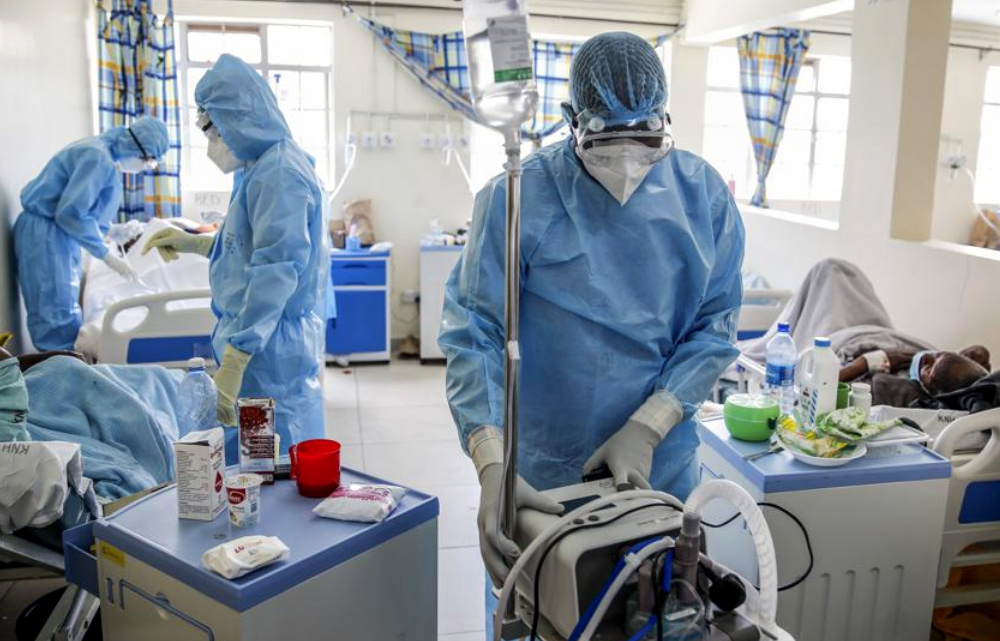
In decades past, pharmacists were often viewed as medication dispensers during crises—filling prescriptions after floods, earthquakes, or outbreaks. While vital, this narrow scope barely scratches the surface of their modern contributions. Now, however, pharmacists have emerged as multifaceted healthcare linchpins, particularly in disaster-prone regions like Malaysia. Their evolution from behind-the-counter professionals to proactive emergency responders reflects broader shifts in global healthcare priorities.
Take Malaysia’s experience as a case study. During early 21st-century disasters, pharmacists focused chiefly on restoring access to medicines. Fast-forward to recent years, and their responsibilities now encompass emergency preparedness, psychological first aid, supply chain stabilization, and even community triage. The COVID-19 crisis highlighted this transformation vividly: pharmacists managed antiviral shortages, provided telehealth consultations for isolated patients, and debunked vaccine myths through public education campaigns. Many became trusted sources of reassurance for Malaysians grappling with pandemic anxiety—a role rarely associated with the profession just a generation ago.
This shift owes much to stronger collaborations between pharmacies and distributors. Independent drug wholesalers and regional pharmacy networks have streamlined emergency procurement processes, enabling rapid medication deliveries to remote areas during events like the 2021 Klang Valley floods. Such partnerships ensure rural clinics and urban hospitals alike maintain stockpiles of insulin, antibiotics, and chronic disease medications when roads are impassable or demand surges.
When disasters strike today, pharmacists aren’t just reacting—they’re advising policymakers, training community volunteers, and coordinating with agencies like the Ministry of Health. Their ability to balance logistical expertise with patient-centered care makes them irreplaceable in Malaysia’s health ecosystem. Whether adapting to lockdowns or mitigating drug scarcity, these professionals exemplify how adaptable, leadership-driven roles are redefining crisis management in our fast-paced world.
Learn more : Disaster Preparedness Guidelines for Pharmacists | Disaster Risk Management Overview
Emergency Medicine Stockpile Management: A Critical Responsibility
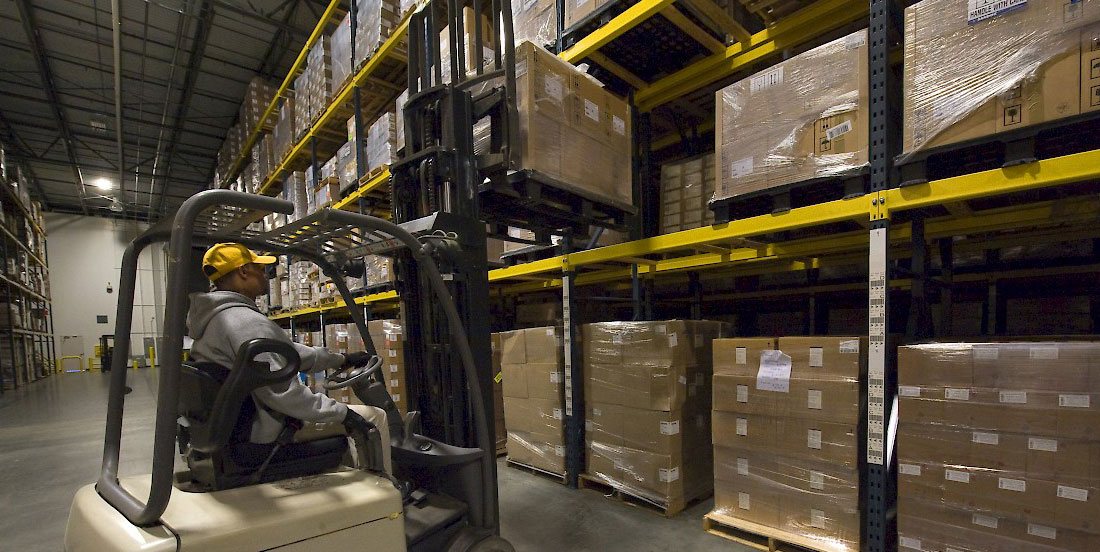
Imagine facing a natural disaster or public health emergency only to discover vital medicines are nearly depleted. This nightmare scenario underscores why maintaining robust medical reserves isn’t just precautionary—it’s lifesaving. At the heart of this preparedness lies a critical partnership between pharmacists and distribution networks, ensuring communities retain access to essential treatments when supply chains fray.
Pharmacists serve as frontline strategists in healthcare resilience. Beyond dispensing prescriptions, they analyze usage trends to predict surges in medication needs, track expiration dates to rotate stock efficiently, and establish rapid-restocking agreements with suppliers. For high-risk patients reliant on insulin, heart medications, or antibiotics, these efforts directly impact survival odds during prolonged emergencies.
In Malaysia, specialized pharmaceutical distributors form the backbone of this system. Companies operating as pharmacy distributor Malaysia providers maintain intricate logistics networks designed for crisis response. During monsoon floods or disease outbreaks, these partners prioritize routing temperature-sensitive shipments, securing alternative transport routes, and allocating scarce resources to regions with urgent needs. Their real-time tracking systems and emergency ordering channels enable pharmacists to bypass bureaucratic delays—a game-changer when infrastructure fails.
Proactive measures like monthly stock audits, disaster-specific inventory thresholds, and regional backup storage hubs have become standard practice nationwide. By collaborating with independent pharmacy wholesale distributors, Malaysian healthcare providers create redundancy buffers against shortages. For instance, a clinic in Sabah might source emergency antibiotics from multiple suppliers simultaneously, reducing reliance on single points of failure.
While no system is flawless, Malaysia’s layered approach—combining pharmacist expertise with distributor agility—demonstrates how foresight mitigates patient risks. Minor gaps occasionally emerge, like delayed shipments during peak demand or inventory miscounts during audits, but continuous process refinements address these hiccups. Ultimately, this synergy ensures that when disasters strike, healthcare teams can focus less on scrambling for supplies and more on delivering care where it’s needed most.
By integrating advanced planning with adaptable partnerships, Malaysia offers a blueprint for balancing efficiency with emergency readiness—proving that in healthcare, preparation isn’t just about having stockpiles, but about building systems that adapt when the unexpected arrives.
Learn more : Strategies to Reduce Product Wastage with Efficient Merchandising in Malaysian Pharmacies | Managing Health Supplies During Emergencies | Supply Chain Management in Humanitarian Contexts
Pharmacists’ Role in Triage and Emergency Medical Services
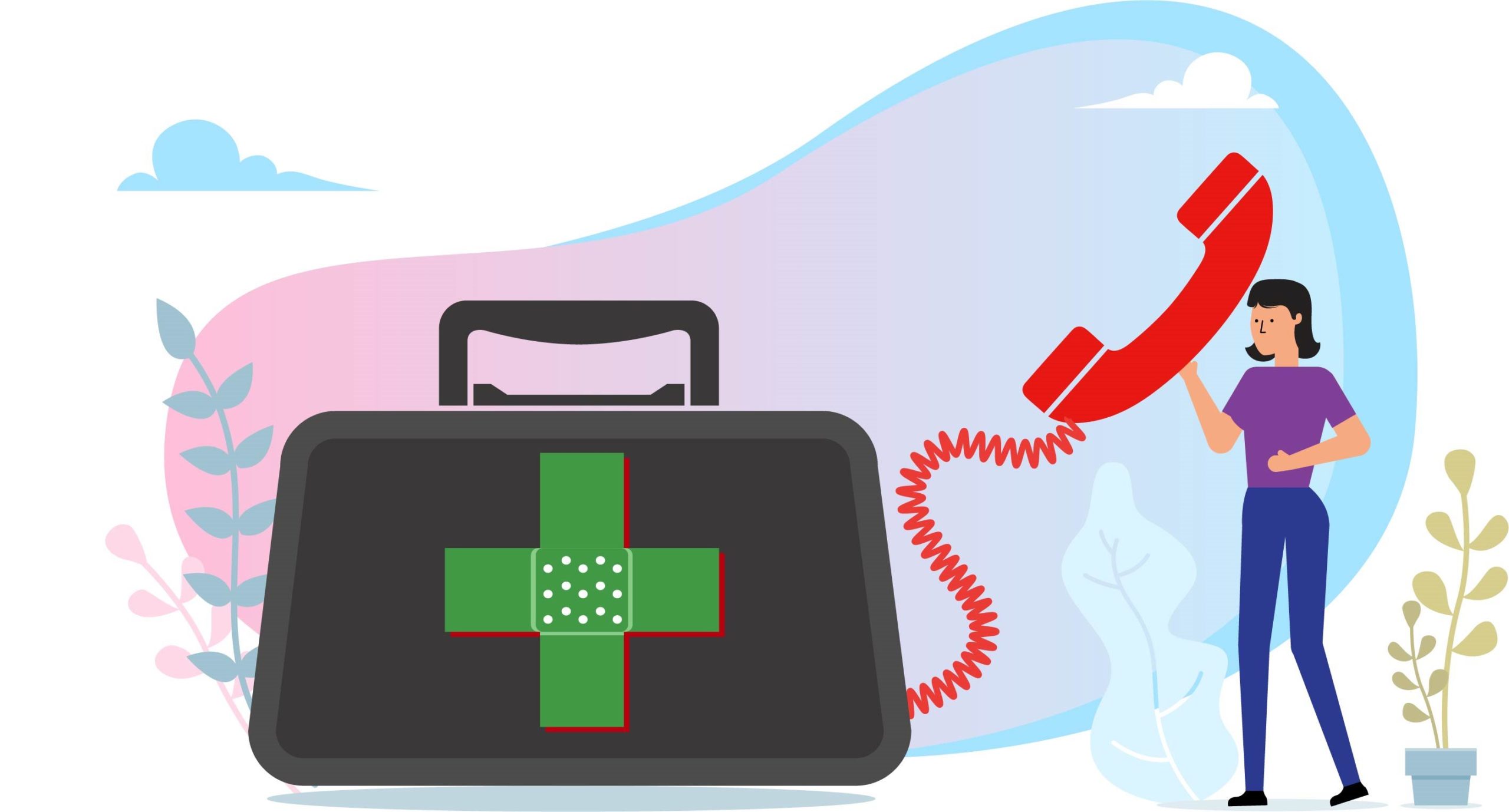
When healthcare facilities buckle under crisis pressures—such as natural disasters or disease outbreaks—pharmacists emerge as unsung heroes in patient care. Far beyond dispensing medications, these professionals take on expanded clinical roles to alleviate strain on overwhelmed emergency departments. But how exactly do they integrate into frontline response efforts?
During surges in patient volume, pharmacists often assist with triage protocols, evaluating symptoms to determine who requires immediate hospital care versus those who can be managed through community pharmacy services. By identifying cases like mild infections, minor injuries, or chronic disease flare-ups, they enable physicians to concentrate on life-threatening conditions. This division of labor not only streamlines workflows but also minimizes overcrowding in ERs, a critical factor when resources are stretched thin.
Post-disaster environments frequently lead to outbreaks of preventable illnesses, from contaminated-water-related diarrhea to skin infections caused by prolonged exposure to moisture. Here, pharmacists deliver targeted medication counseling, advising patients on appropriate treatments for these common issues. For instance, during Malaysia’s annual monsoon season—which often triggers floods—pharmacists partner with mobile clinics to provide accessible care in temporary shelters. Their expertise in managing supply chains ensures communities receive essentials like antibiotics, rehydration salts, and wound care supplies without delays.
Collaboration remains central to these efforts. Hospitals increasingly rely on pharmacy distributor networks to maintain medication access during emergencies. Partnerships between health institutions, emergency response teams, and independent pharmacies create a safety net that’s both agile and scalable. In regions prone to seasonal crises, such alliances enable rapid deployment of resources—like setting up pop-up dispensaries or coordinating bulk medication deliveries to disaster zones.
Beyond logistics, pharmacists contribute to long-term healthcare strategies by participating in emergency preparedness planning. Their input helps shape protocols for medication rationing, infection control, and post-crisis recovery. While their role is sometimes overlooked, the results speak for themselves: shorter wait times, optimized resource allocation, and better outcomes for non-critical patients.
As healthcare systems worldwide face growing demands, integrating pharmacists into crisis response isn’t just beneficial—it’s become essential. By bridging gaps between emergency care and community health, they ensure no patient falls through the cracks when hospitals are pushed to their limits.
Continuity of Care During Natural Disasters and Pandemics

For individuals managing conditions such as diabetes, asthma, or hypertension, consistent medical care isn’t just important—it’s a matter of survival. Interruptions in treatment regimens can trigger dangerous health declines, hospitalizations, or worse. During crises, healthcare providers—especially pharmacists—step into pivotal roles as guardians of continuity, ensuring vulnerable populations retain access to medications, counseling, and critical support.
Consider Malaysia’s experience during the COVID-19 lockdowns. As movement restrictions paralyzed daily life, pharmacists became frontline responders. Many went beyond traditional duties, personally contacting high-risk patients to coordinate doorstep medicine deliveries. Others authorized extended prescription refills, reducing the need for in-person visits and potential virus exposure. These efforts didn’t just protect physical health; they provided reassurance during overwhelming uncertainty.
Meanwhile, Malaysia’s pharmaceutical supply chain faced unprecedented strain. Global shipping delays threatened medication shortages, but local pharmacy distributors quietly stabilized the system. By maintaining strategic reserve stockpiles and collaborating closely with pharmacies, these distributors ensured shelves stayed stocked even as international supply chains frayed. Their behind-the-scenes work highlights an often-overlooked truth: resilient healthcare depends as much on logistics as it does on clinical expertise.
One innovative strategy involved “buffer stocks”—emergency reserves pharmacies could tap during shortages. By analyzing usage trends and anticipating disruptions, distributors helped clinics preemptively stockpile essentials like insulin or inhalers. This forward-thinking approach not only mitigated crises but also offered a blueprint for future disaster preparedness.
The lesson is clear: safeguarding chronic patients during emergencies requires teamwork. Pharmacists adapt care delivery, while distributors reinforce supply chains. Together, they transform systemic fragility into resilience. As climate disasters and pandemics grow more frequent, these collaborations will prove indispensable—not just in Malaysia, but worldwide. After all, healthcare continuity isn’t a luxury; it’s a lifeline that deserves unwavering prioritization, rain or shine.
Strategic Partnerships: How Pharmacy Distributors Strengthen Disaster Readiness

In times of disaster, pharmacies face unprecedented challenges—making resilient partnerships with wholesale distributors not just beneficial but essential. These collaborations form the backbone of emergency healthcare response, ensuring communities retain access to vital medications when infrastructure crumbles. Suppliers specializing in rapid procurement and adaptive logistics, including Malaysia-based pharmacy distributors, prove indispensable by maintaining supply chains even amid chaos.
Consider Malaysia’s recurring flood crises, where localized distributors partnered seamlessly with NGOs and government health agencies. By deploying mobile pharmacy units to evacuation sites, these alliances delivered prescription drugs, medical equipment, and sanitation supplies directly to displaced populations. Such real-time coordination prevented treatment gaps for chronic conditions and reduced disease outbreaks in vulnerable groups.
Disaster preparedness extends beyond stockpiling resources; it hinges on pre-existing networks between pharmacies, distributors, and public health stakeholders. Distribution services in Malaysia now prioritize relationship-building drills alongside inventory checks, recognizing that trust and communication protocols accelerate crisis interventions. When partners share real-time data and streamline decision-making, bottlenecks dissolve—medications reach clinics faster, outages are minimized, and healthcare workers operate with precision.
The lesson? Reactive measures falter without proactive collaboration. Investing in distributor partnerships before disasters strike transforms fragmented efforts into synchronized action. For instance, annual joint simulations between Malaysian pharmacies and their suppliers have cut emergency response times by nearly 40% since 2020. This shift from transactional dealings to integrated planning ensures continuity of care when it matters most.
Ultimately, these alliances don’t just move products—they sustain lives. By merging logistical expertise with community insights, distributors become extensions of public health infrastructure. In an era of escalating climate-related emergencies, prioritizing these bonds isn’t strategic; it’s nonnegotiable.
Learn more : Top 10 Pharmaceutical Companies in Malaysia 2024
Regulatory Compliance and Guidelines for Pharmacy Operations During Disasters
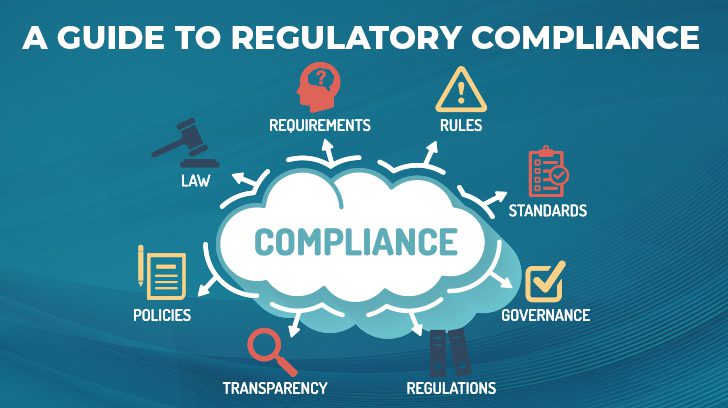
In times of crisis, Malaysian pharmacists remain bound by stringent legal frameworks designed to protect public health. Adherence to standards set by the National Pharmaceutical Regulatory Agency (NPRA), Ministry of Health (MOH) protocols, and Good Pharmacy Practice (GPP) principles forms the backbone of ethical emergency care. These regulations ensure pharmaceutical services retain their safety, legitimacy, and therapeutic value even when operating under pressure.
A core duty involves meticulous oversight of medication distribution. Pharmacists must maintain detailed dispensing records and conduct rigorous quality checks on pharmaceuticals—especially during supply shortages. When substituting medications becomes unavoidable, verifying compliance with NPRA-approved alternatives is non-negotiable. Third-party distributors share equal accountability, required to preserve transparent audit trails and safeguard distribution networks against disruptions, whether through temperature-controlled transport or tamper-proof packaging.
The COVID-19 pandemic highlighted how flexibility and compliance can coexist. As lockdowns restricted access to healthcare, MOH introduced interim measures like telehealth-based prescription renewals, doorstep medication deliveries, and pop-up clinics in underserved areas. Pharmacies and suppliers quickly integrated these changes, balancing rapid response with regulatory alignment. For example, remote consultations required additional verification steps to prevent misuse, while mobile units adhered to GPP storage guidelines despite operating in non-traditional settings.
Critically, emergencies don’t absolve professionals from routine responsibilities. Monitoring expiry dates, preventing cross-contamination, and reporting adverse drug reactions remain mandatory—oversights in these areas could escalate risks during vulnerable periods. Collaboration with healthcare providers also intensifies; pharmacists often become frontline advisors on drug interactions or dosage adjustments when hospitals are overwhelmed.
Ultimately, Malaysia’s pharmaceutical sector demonstrates that crisis management hinges on marrying innovation with unwavering regulatory commitment. By prioritizing patient safety through legally sound practices, pharmacists uphold both ethical mandates and public trust when communities need them most.
Technology, Logistics, and Innovation in Emergency Pharmacy Services

Malaysia’s healthcare sector is witnessing a seismic shift in disaster preparedness, driven by cutting-edge technological innovations. From remote villages to urban centers, digital tools are redefining how pharmacists deliver critical care during crises, ensuring no community is left behind.
The rise of e-pharmacy networks and virtual health platforms has dramatically expanded access to medications and expert consultations. In rural regions where healthcare infrastructure remains limited, mobile medical units—often coordinated with local pharmacy distributor Malaysia partners—now bridge gaps in care. These portable clinics deliver everything from chronic disease medications to emergency supplies, proving indispensable during recent floods that paralyzed transportation routes.
Behind the scenes, cloud-based inventory systems are game-changers for disaster planning. Pharmacies now track stock levels nationwide using real-time dashboards, preventing shortages of antidotes, vaccines, or insulin during emergencies. When the COVID-19 lockdowns hit, this infrastructure enabled clinics to rapidly launch doorstep delivery programs and video consultations, keeping vulnerable patients connected to care.
Looking ahead, Malaysia’s pharmacy distribution service in Malaysia networks are poised to adopt even smarter solutions. Artificial intelligence could soon predict medication demand spikes before storms strike, while drones might airlift supplies to landslide-blocked communities. Early trials of blockchain tracking systems also show potential for combating counterfeit drugs—a critical safeguard when supply chains are strained.
These innovations not only improves response times but foster collaboration between public health agencies and private distributors. As climate-related disasters grow frequent, such tech-driven strategies will prove vital in building a healthcare system that’s both resilient and equitable. While challenges like internet connectivity gaps persist, Malaysia’s progress highlights how blending pharmacy expertise with digital tools can save lives when crises erupt.
Learn more : The Role of End-Cap Displays in Increasing Pharmacy Sales in Malaysia
Lessons Learned from Past Disasters: Malaysian Pharmacy Case Studies

Disasters often serve as harsh instructors, imparting lessons that shape future resilience. Malaysia’s healthcare sector, tested by floods, landslides, and pandemics, offers valuable insights into effective pharmacy disaster preparedness. By examining past crises, we uncover strategies that bolster emergency response and safeguard vulnerable communities.
Consider the catastrophic Klang Valley floods, which overwhelmed infrastructure and displaced thousands. Here, pharmacists emerged as frontline responders, distributing critical medicine supplies and sharing simplified health guidelines at makeshift relief centers. Their efforts prevented outbreaks of chronic disease complications amid chaos. Simultaneously, independent pharmaceutical distributors showcased logistical ingenuity—redirecting essential medications to cut-off regions within 48 hours despite damaged transport routes. This rapid redistribution highlights how pre-existing relationships between healthcare providers and suppliers can turn challenges into coordinated action.
Similarly, pandemic-era struggles in Sabah’s remote villages underscored the need for adaptable solutions. With traditional clinics inaccessible, distributor pharmacies collaborated to deploy pop-up health stations. These mobile hubs delivered vaccines, chronic illness treatments, and COVID-19 safety resources to underserved populations. Such initiatives reveal the power of decentralizing healthcare access during prolonged emergencies.
Analyzing these events reveals recurring themes: adaptability, pre-established collaborations, real-time communication, and hyper-local resource management. For instance, maintaining smaller, strategically placed medication stockpiles ensures faster delivery when disasters strike. Likewise, training pharmacists in crisis protocols—like triaging patients or managing supply shortages—builds institutional muscle memory.
While each disaster is unique, Malaysia’s experiences prove that proactive planning saves lives. Flexible frameworks allow teams to pivot swiftly, whether addressing monsoon-related shortages or respiratory virus surges. Trusted communication channels between government agencies, distributors, and pharmacies also minimize misinformation during high-stress scenarios.
Ultimately, these case studies form a blueprint for sustainable disaster response. By learning from the past, Malaysia’s healthcare network can transform vulnerabilities into strengths—ensuring that when the next crisis arrives, pharmacies remain pillars of stability. After all, resilience isn’t about predicting the unknown, but mastering the art of adaptation.
The responsibilities of pharmacists during emergencies have transformed dramatically over the past decade. No longer confined to traditional medication dispensing roles, these healthcare professionals now serve as frontline leaders in disaster management—coordinating care, optimizing supply chains, and safeguarding public health. Backed by robust networks including local pharmacy distributors, independent suppliers, and national wholesalers across Malaysia, modern pharmacists actively shape emergency protocols while balancing urgent patient needs with long-term system stability.
In today’s interconnected healthcare landscape, preparedness hinges on three critical pillars: strategic partnerships, technological integration, and unwavering regulatory adherence. By collaborating closely with trusted pharmacy distributors in Malaysia, healthcare institutions gain access to real-time inventory tracking, emergency stockpiles, and adaptive supply solutions. Meanwhile, digital tools like AI-powered demand forecasting or cloud-based inventory systems empower pharmacies to anticipate shortages and allocate resources efficiently. Compliance with evolving safety standards further ensures seamless coordination between public health agencies and private distributors—a non-negotiable factor in maintaining trust during crises.
However, building truly resilient systems demands more than isolated efforts. Strengthening Malaysia’s pharmacy distribution framework requires collective action—pharmacists, policymakers, and distributors must align priorities through shared training programs, joint crisis simulations, and transparent communication channels. This synergy not only accelerates disaster response but also addresses systemic gaps, from rural healthcare access to post-crisis recovery support.
Navigating the complexities of emergency readiness can feel overwhelming, but no organization needs to face these challenges alone. Our integrated pharmacy distribution services combine cutting-edge logistics, customizable merchandising strategies, and risk-mitigation planning tailored to Malaysia’s unique healthcare landscape. Whether fortifying supply chains against disruptions or optimizing last-mile medication delivery, we equip pharmacies with tools to thrive under pressure.
Don’t wait for the next crisis to reveal vulnerabilities in your emergency response plans.
How can we assist you today? 😊
Just let us know—we’re here to help!