

May 16, 2025
In Malaysia’s rapidly evolving healthcare landscape, pharmacy businesses face mounting demands to adapt. Consumers no longer view pharmacies as mere dispensaries for medications—they expect a smooth, integrated journey that combines efficiency, education, and aesthetic appeal. This shift underscores the transformative power of intelligent merchandising strategies, which can elevate both customer loyalty and revenue streams.
Gone are the days when a functional prescription counter was sufficient. Modern pharmacies must prioritize optimized layouts that minimize wait times while maximizing accessibility. For instance, strategically positioning prescription areas near consultation zones fosters privacy and trust, encouraging patients to ask questions about their medications. Meanwhile, over-the-counter (OTC) sections should captivate shoppers with visually engaging displays. Think themed arrangements for seasonal needs—think allergy relief products showcased during haze season or immune-boosting supplements highlighted amid flu outbreaks. These subtle touches not only drive impulse purchases but also position the pharmacy as a proactive health partner.
The stakes are particularly high in Malaysia’s competitive market, where healthcare awareness is surging. Independent pharmacies and larger chains alike must differentiate themselves. Partnering with a reputable pharmacy distributor in Malaysia can ensure access to trending products, from organic vitamins to tech-driven health monitors. However, success hinges on more than inventory—it’s about storytelling. Educative signage explaining product benefits, QR codes linking to usage videos, or loyalty programs tied to wellness goals can deepen customer relationships.
Critically, merchandising isn’t just about physical space. Digital integration, like apps for prescription refills or personalized OTC recommendations via SMS, bridges online and offline experiences. Yet, even the best strategies falter without staff training. Employees who confidently guide customers between prescription pickups and relevant OTC items create seamless transitions that boost basket sizes.
Amid rising competition, pharmacies that treat merchandising as a dynamic, data-driven tool—not a static checklist—will thrive. By aligning layouts with behavioral trends, curating relatable product narratives, and leveraging local distributor partnerships, businesses can transform routine transactions into meaningful health interactions. After all, in an era where consumers value convenience and care, smart merchandising isn’t optional—it’s the prescription for sustained growth.
Understanding the Current Pharmacy Retail Landscape in Malaysia
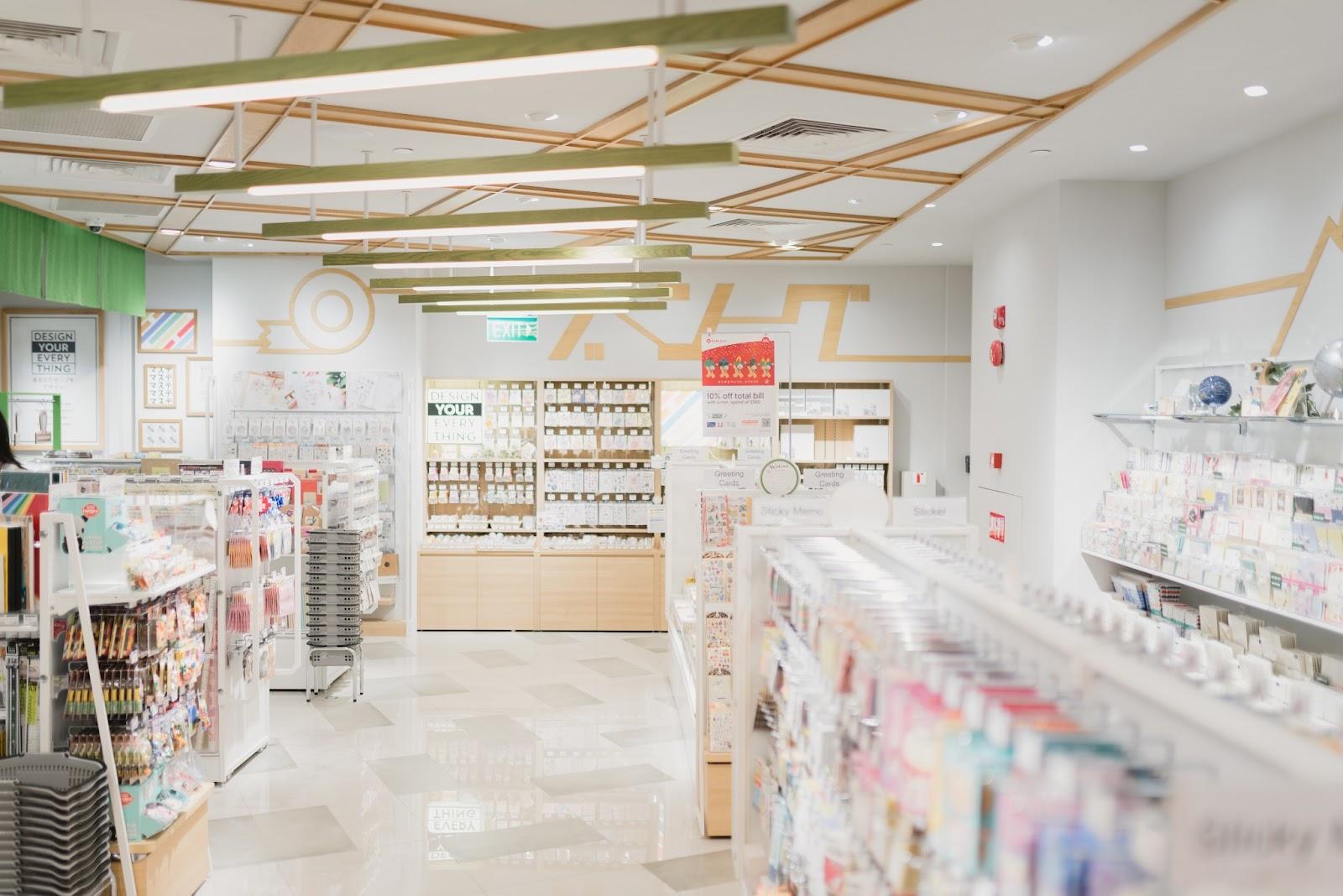
Malaysia’s pharmacy retail sector is transforming at an unprecedented pace, reshaping how consumers access healthcare products. While prescription medications remain the backbone of the industry, over-the-counter (OTC) offerings—think vitamins, skincare, and wellness essentials—are rapidly closing the revenue gap. This shift isn’t just a trend; it’s redefining priorities for distributors, retailers, and shoppers alike. But with opportunity comes challenges, and stakeholders must navigate hurdles like cramped retail spaces, inconsistent consumer awareness, and logistical complexities to stay ahead.
A decade ago, prescriptions dominated pharmacy sales. Today, however, OTC categories are driving expansion as Malaysians increasingly prioritize preventive health and self-care. Supplements now line aisles once reserved strictly for medications, while personal care products attract younger demographics. Yet, this growth spurt isn’t without friction. Distributors and wholesalers, for instance, grapple with limited shelf space and the delicate art of balancing fast-moving items with niche products. Add to this the maze of inventory management—where overstocking risks expiry dates and understocking means missed sales—and the pressure intensifies.
Independent pharmacies face their own uphill battle. Without the bulk purchasing power or sleek layouts of chain competitors, smaller players must innovate to survive. Creative merchandising, like dedicating prime shelf space to trending wellness items or redesigning stores for a spa-like experience, can level the playing field. Consumer education remains an hurdle, though. Shoppers often default to familiar brands, leaving newer OTC options overlooked unless staff actively guide purchasing decisions.
The key differentiator? Agility. Pharmacies that monitor shifting preferences—say, surging demand for immune-boosting supplements or organic skincare—can pivot stock and marketing strategies faster. Meanwhile, chains leverage data analytics to optimize layouts, a tactic independents could adopt through affordable digital tools.
As Malaysia’s pharmacy sector evolves, adaptability isn’t just advantageous; it’s existential. Whether through smarter inventory systems, staff training, or store redesigns, stakeholders who aligns with these dynamics won’t just survive—they’ll thrive. After all, in a market where consumers now shop for health and lifestyle, innovation is the ultimate prescription for growth.
Learn more : Five retail pharmacy trends for 2024
Optimizing the Prescription Counter: Turning Pickups into Cross-Selling Opportunities

Have you ever considered how the design of your prescription pickup area could quietly drive higher OTC revenue? As one of the busiest zones in a pharmacy, the prescription counter isn’t just for dispensing medications—it’s a goldmine for strategic merchandising. By refining your pharmacy layout to balance efficiency with customer convenience, you can transform wait times into opportunities for impulse buys. Think of it this way: when patrons linger near the counter, they’re far more likely to grab last-minute items like pain relievers, vitamins, or allergy medication.
In regions like Malaysia’s Klang Valley, pharmacies adopting this approach have reported an 18% jump in average OTC basket sizes. How? By placing high-demand products—think hand sanitizers, cough drops, or travel-sized essentials—within arm’s reach of the prescription pickup zone. Suppliers specializing in pharmacy distribution services often provide ready-made counter displays for this exact purpose, streamlining implementation. These pre-packed units cater to hurried shoppers who appreciate quick, stress-free add-ons while waiting.
To replicate this success, start by auditing your current setup. Are fast-selling items visible and accessible? Clear, well-designed signage is non-negotiable—customers shouldn’t need to hunt for solutions to urgent needs. Prioritize products tied to immediate concerns: digestive aids for sudden discomfort, antihistamines for allergy flare-ups, or energy boosters for fatigue. The goal is to answer unspoken questions like, “What else do I need before heading home?”
Efficiency remains critical, though. Overloading counters with too many products can backfire, causing clutter and longer wait times. Keep prescription processing smooth—automate refill systems or train staff to multitask—so customers aren’t rushed or bored. Strike a balance between speed and subtle product exposure.
Finally, observe seasonal trends. Rotate displays to match demand: cold remedies in monsoon season, sunscreen in summer, or immunity support during flu outbreaks. Small tweaks, paired with a frictionless layout, keep your OTC offerings feeling fresh and relevant.
Pro tip: Track sales data monthly to identify which impulse buys resonate. Sometimes, a $2 lip balm or travel-pack of tissues can quietly nudge your revenue upward without customers even noticing.
Enhancing OTC Product Visibility: Display Strategies That Drive Sales

Wondering how to optimize your pharmacy’s layout for maximum over-the-counter (OTC) sales? The answer lies in intelligent product categorization—a cornerstone of effective retail strategy. Instead of random placement, group items by purpose, audience, or timing to streamline customer decisions. For instance, create sections like “Cough & Cold Relief” for symptom-specific needs, “Kids’ Wellness” for pediatric care, or “Seasonal Defense” aligning with health trends. In Malaysia’s climate, this approach proves particularly impactful: demand for flu remedies spikes during monsoon months, while vitamins gain traction ahead of Ramadan as shoppers prioritize nutritional preparedness.
When refining your pharmacy merchandising Malaysia strategy, consider these proven tactics:
Prioritize High-Value Zones: Place premium-margin products at eye level where shoppers naturally focus. Everyday essentials? Those belong on lower or upper shelves.
Curate Trending Collections: Designate “Health Hub” zones showcasing in-demand categories—think immunity boosters, herbal supplements, or diabetic care—to tap into current consumer interests.
Leverage Impulse Triggers: Position bold promotions like “Stock Up & Save” deals near checkout areas or entrances to capture attention during high-foot traffic moments.
Savvy pharmacies amplify these efforts by partnering with pharmacy wholesale distributors Malaysia offering tailored retail solutions. From modular display racks to seasonal shelf signage, these collaborators provide tools that adapt to regional buying patterns—like monsoon-ready cold kits or Ramadan-focused vitamin bundles. Some suppliers even supply data-driven insights, helping retailers anticipate inventory needs before demand surges.
One often-overlooked tactic? The power of visual storytelling. Thematic displays—imagine a “Back-to-School Wellness” corner with children’s vitamins and hygiene products—create memorable shopping experiences that encourage basket growth. Pair these with concise, bilingual shelf tags (key in Malaysia’s multilingual market) to eliminate language barriers and speed up decision-making.
Remember, strategic OTC placement isn’t just about organization—it’s about creating intuitive pathways that guide customers from need to solution. By blending data-backed category management with localized merchandising flair, your pharmacy can boost sales while strengthening its reputation as a trusted health partner.
Pro Tip: Rotate displays quarterly to align with seasonal shifts and refresh shopper interest. And don’t shy from testing—what works in Kuala Lumpur’s urban hubs might need tweaking for East Malaysia’s smaller towns.
Building Strong Supplier Partnerships: How Pharmacy Distributors Support Merchandising Success

Are you maximizing every opportunity within your supplier relationships? Leading pharmacy distributors in Malaysia deliver far greater value than simple product shipments—they’re strategic allies capable of elevating your retail performance. Beyond ensuring shelf stock, these partners often supply merchandising guidance, staff training resources, and market trend analyses tailored to local demand. Collaborative relationships can unlock perks like limited-time promotional bundles, complimentary retail fixtures, and analytics highlighting top-performing products—tools critical for staying competitive.
Consider this real-world example: A Johor Bahru-based pharmacy witnessed a 25% surge in over-the-counter skincare sales within three months. How? Their distributor didn’t just deliver products—they orchestrated eye-catching end-cap displays, distributed free trial kits, and hosted interactive customer education sessions. This trifecta of visual appeal, product sampling, and consumer engagement transformed passive shoppers into confident buyers. Such outcomes underscore why relying on luck isn’t an option; intentional collaboration with distributors bridges the gap between inventory and profitability.
To optimize these partnerships, pharmacies must proactively engage with distributors. Start by evaluating their value-added services through targeted questions:
Planogram Expertise: Can they design customized shelf layouts that balance aesthetics with sales performance? Effective planograms turn clutter into conversion-friendly spaces.
Campaign Coordination: Do they provide advance notice of seasonal promotions, complete with themed materials? Timely campaigns aligned with holidays or health awareness days capture impulse purchases.
Launch Support: Are branded POS materials (posters, shelf talkers, digital assets) included during product introductions? Visibility at checkout zones drives last-minute decisions.
The difference between average and exceptional retail performance often lies in how deeply distributors integrate into a pharmacy’s operational strategy. By treating them as extensions of your team—not just logistics providers—you gain access to tools that simplify compliance, amplify marketing, and ultimately, boost revenue.
Learn more : How Effective Merchandising Supports Pharmaceutical Branding in Malaysia
Integrating Technology: Digital Solutions for Modern Pharmacy Merchandising

Picture a pharmacy where every interaction feels tailored, efficient, and unexpectedly engaging. As competition intensifies, innovative technology is no longer optional—it’s an integral component of modern pharmacy merchandising strategies. Beyond traditional shelving and promotions, digital tools are reshaping how pharmacies connect with shoppers, streamline operations, and drive sales.
Progressive pharmacies are moving past static displays by embracing smart upgrades. Take dynamic pricing tags, for example: these digital shelf labels allow instant price adjustments during promotions or inventory shifts, minimizing pricing errors. Meanwhile, personalized loyalty apps are gaining traction, offering targeted discounts on vitamins or pain relievers while tracking customer preferences. Interactive QR codes add another layer, letting curious shoppers scan codes to access video tutorials or dosage guides directly from product aisles.
The impact? Consider Southeast Asian markets like Malaysia, where pharmacies testing basic digital screens near self-care sections saw noticeable results. By showcasing combo deals—think allergy relief bundles with immune boosters—stores reported a 15% lift in time spent browsing and a measurable uptick in basket sizes. These innovations isn’t just about flashy gadgets; they address pain points like long wait times too. Queue management systems, for instance, use digital signage to entertain waiting customers with health tips or limited-time offers, easing perceived wait times by up to 40%.
What separates leading pharmacies from the rest? A willingness to blend human expertise with tech-powered convenience. By integrating solutions like app-exclusive coupon codes or real-time inventory alerts, retailers create seamless journeys that keep customers returning. After all, today’s shoppers expect more than transactions—they crave experiences that simplify decisions and add value.
Learn more : How In-Store Pharmacy Merchandising Complements Digital Marketing Strategies | The tech transformation imperative in retail
Staff Training and Customer Interaction: Frontline Impact on Sales
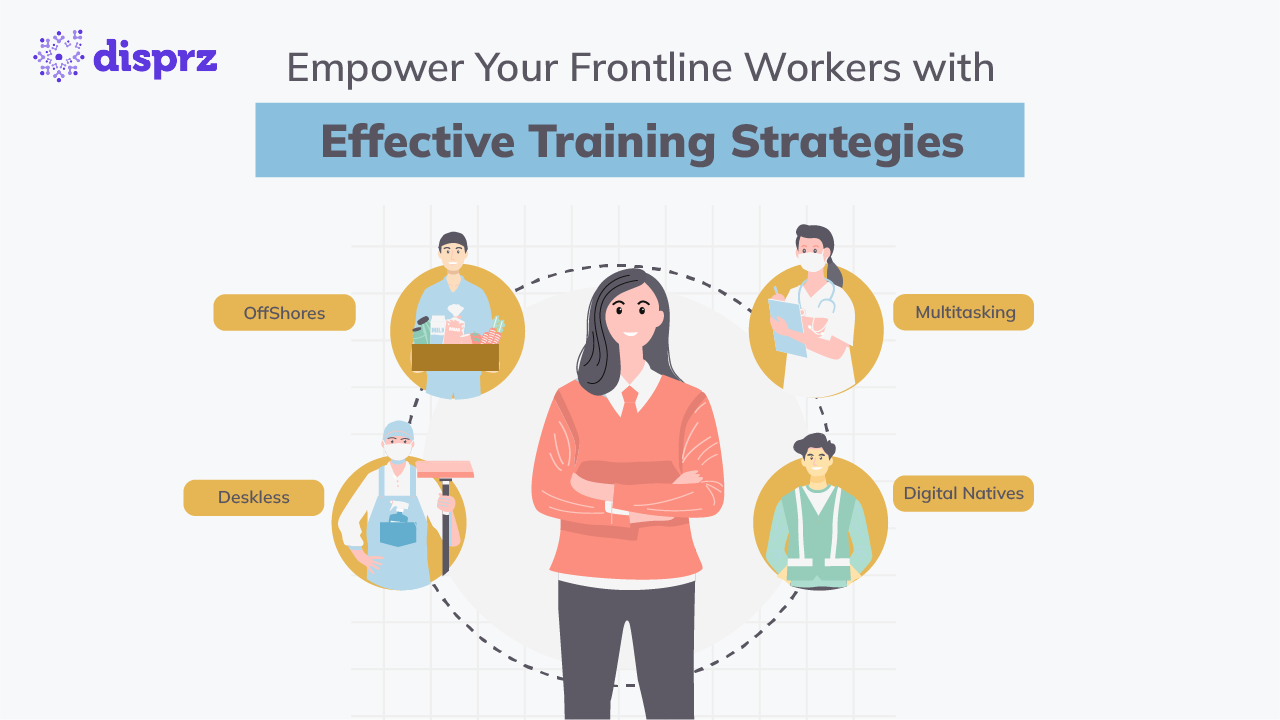
Your frontline staff’s effectiveness could make or break over-the-counter revenue growth. In today’s competitive retail pharmacy landscape, casual interactions at the prescription counter or OTC aisle hold untapped potential. A customer’s brief visit isn’t just a transaction—it’s a golden opportunity to enhance their experience while strategically boosting sales.
Three Pillars of Frontline Excellence
Relationship-Building Agility
First impressions matter. Teams skilled at reading body language, offering warm greetings, and initiating non-intrusive conversations create loyal customers. Think of it as service with substance—a staff member who remembers a regular’s preferences or asks thoughtful questions can organically guide shoppers toward relevant products.Mastery of Product Insights
Can your team explain why a zinc supplement pairs well with allergy meds? Do they know which muscle rub suits desk workers versus athletes? Detailed knowledge transforms routine recommendations into trusted advice. Invest in ongoing training that covers not just product specs but real-life applications. Role-playing “how would you suggest this?” scenarios builds confidence.Strategic Recommendation Tactics
The art of suggestive selling lies in timing and relevance. Instead of generic upselling, frame additions as solutions: “Many customers pairing this painkiller with a heat patch find faster relief—would you like me to show you options?” Bonus points for aligning suggestions with seasonal needs (e.g., hydration boosts during heatwaves).
The Distributor Advantage
Forward-thinking Malaysian pharmacies are leveraging distributor partnerships to stay ahead. Many providers now offer localized training kits covering Bahasa Melayu communication nuances, culturally appropriate persuasion techniques, and even Ramadan-specific merchandising strategies. Regular skills refreshers—delivered via microlearning apps or in-person workshops—keep teams sharp without disrupting workflow.
Monitoring and Measuring Success: Metrics for Merchandising Performance

How can you tell if your merchandising strategies are delivering results? Relying on intuition alone won’t cut it—data-driven insights are essential. For pharmacies, especially, tracking the right performance indicators separates thriving operations from costly guesswork. But which metrics actually matter, and how can you implement tracking without expensive tools?
Start by monitoring three core areas:
Prescription fulfillment efficiency – Measure both speed and customer satisfaction during pickup. Long wait times or frustrated patients signal workflow gaps.
OTC product performance – Analyze average over-the-counter (OTC) sales per visit. Are customers adding pain relievers or vitamins to their baskets?
Inventory turnover rates – High stock turnover suggests demand alignment; low rates may indicate overstocking or poor product selection.
In Malaysia, forward-thinking pharmacy chains prove you don’t need complex systems to start. Many use free tools like Google Sheets, combining internal data with weekly distributor reports to spot trends. For example, by cross-referencing promotional calendars with OTC sales spikes, they identify which campaigns drive revenue—and which fall flat.
Independent pharmacies can adopt similar tactics. A basic KPI dashboard tracking metrics like average transaction value growth or shelf restocking frequency reveals actionable insights. Did a newly organized allergy section lead to larger baskets? Is a bestseller constantly out of stock, prompting rushed replenishment? These patterns inform smarter purchasing and layout decisions.
The bottom line? Without metrics, you’re optimizing in the dark. Even modest tracking—like pairing POS data with simple spreadsheets—exposes what’s working. Start small, focus on trends (not perfection), and gradually refine your approach. After all, in retail pharmacy, the difference between profit and stagnation often lies in the details you choose to measure.
Pro tip: Don’t overlook qualitative feedback. A customer complaining about “always waiting too long” or praising “easy-to-find products” adds context numbers alone can’t capture. Blend hard data with real voices for a complete picture.
By focusing on these practical metrics, pharmacies of any size can transform guesswork into strategy—no six-figure software required. The question isn’t whether you can track performance, but whether you’ll start before competitors do.
Future Trends: The Evolving Role of Merchandising in Malaysian Pharmacy Distribution

As consumer priorities shift toward holistic wellness, individualized care, and environmental responsibility, pharmacy retail spaces are poised for transformative changes. By 2026, expect store layouts and product strategies to reflect these evolving values through innovative, experience-driven designs. Here’s how the sector will adapt:
1. Story-Driven Wellness Zones
Static product aisles will give way to immersive, lifestyle-focused displays. Picture dedicated hubs like “Heart Health Pathways” or “Daily Immunity Boosters” that guide customers through curated product combinations, educational materials, and digital tools. These zones will act as mini-destinations, blending supplements, OTC medications, and connected health devices to support specific wellness goals.
2. Sustainability Takes Center Stage
Eco-conscious shoppers will see expanded “green” sections featuring biodegradable packaging, cruelty-free certifications, and carbon-neutral OTC products. Retailers may even introduce refill stations for reusable containers or highlight local brands with transparent supply chains. This shift won’t just attract eco-aware buyers—it’ll align pharmacies with global climate commitments.
3. Hyper-Personalized Shopping Experiences
Loyalty programs will evolve beyond points systems, leveraging AI to analyze purchase histories and health profiles. Imagine receiving tailored supplement recommendations via app notifications or in-store digital kiosks suggesting allergy relief bundles based on local pollen data. Pharmacies might even partner with wearable tech companies to sync real-time health metrics with product suggestions.
For markets like Malaysia, where pharmacy chains compete with both local retailers and international brands, distributors must rethink their roles. Success will hinge on providing flexible merchandising frameworks—think modular shelving for seasonal campaigns or AI-powered inventory systems that predict regional demand spikes. Closer distributor-retailer partnerships will enable dynamic planogram updates, ensuring shelves stay relevant amid fast-changing trends.
The future pharmacy won’t just dispense products—it’ll serve as a wellness partner. By integrating smart technology, earth-friendly practices, and customer-centric storytelling, retailers can stay ahead in an increasingly conscious and connected marketplace. And as shopper expectations grow, those who adapt quickest will likely dominate the aisles.
Learn more : Digitalized supply chains are essential to biopharma’s future
Navigating Malaysia’s competitive pharmacy industry requires a proactive approach that goes beyond basic inventory management. While well-stocked shelves form the foundation, truly standing out hinges on refining two critical areas: prescription service efficiency and strategic over-the-counter (OTC) product placement. By reimagining these elements, pharmacies can create seamless customer journeys while unlocking new revenue streams in an increasingly crowded marketplace.
Modern Malaysian consumers prioritize speed and accuracy when collecting medications. Streamlining prescription workflows—from order processing to patient counseling—reduces wait times and minimizes errors, fostering trust and loyalty. Consider integrating digital tools like automated refill reminders or mobile pickup notifications to simplify the experience. Simultaneously, train staff to deliver personalized consultations, transforming routine transactions into opportunities for meaningful health education.
The strategic arrangement of non-prescription products significantly influences purchasing decisions. Position high-demand OTC items like vitamins, pain relievers, and skincare solutions in high-traffic zones using eye-catching displays. Seasonal promotions for allergy medications or immunity boosters can capitalize on trending health concerns. Complement physical layouts with digital signage highlighting special offers to engage tech-savvy shoppers.
Aligning with established pharmacy wholesale distributors in Malaysia ensures access to competitively priced, authentic products while maintaining consistent stock levels. Prioritize partners with localized market expertise—those who understand regional consumer preferences and regulatory nuances. These relationships become invaluable when navigating supply chain disruptions or sourcing niche health supplements gaining traction in urban centers.
Tech-Driven Merchandising: Data as Your Compass
Adopt inventory management systems that track sales patterns and predict demand spikes, preventing both overstocking and shortages. Leverage customer analytics to identify cross-selling opportunities—for instance, pairing cold medications with herbal teas. Emerging technologies like smart shelves with real-time restocking alerts further optimize operations, letting staff focus on customer interactions rather than manual checks.
Building a Future-Ready Pharmacy Ecosystem
Sustainable growth in this sector demands blending human-centric service with operational innovation. By modernizing prescription services, curating OTC layouts, and forging alliances with reliable pharmacy distributor Malaysia specialists, businesses can adapt to shifting consumer expectations while maintaining profitability.
How can we assist you today? 😊
Just let us know—we’re here to help!