

July 23, 2025
Are Malaysian pharmacies like yours battling unpredictable stock delays, climbing medication prices, or shifting compliance demands? In today’s healthcare landscape—where consistent access to affordable medicines can determine both patient trust and business sustainability—the value of reliable pharmacy distributors in Malaysia has surged dramatically.
Across the nation, pharmacies—both independent operators and chain establishments—increasingly depend on trusted pharmaceutical wholesalers in Malaysia to manage intricate procurement challenges. This partnership goes beyond inventory management, it directly impacts your pharmacy’s ability to maintain margins, adhere to regulations, and deliver uninterrupted care. Selecting an optimal pharmacy supplier Malaysia-wide isn’t just about filling shelves; it’s a strategic move that influences long-term viability.
In this analysis, we’ll unpack three core advantages of partnering with established Malaysian pharmaceutical distributors:
Cost-Smart Procurement: Bulk purchasing through wholesalers slashes per-unit costs, while negotiated agreements shield budgets from market volatility.
Streamlined Operations: Distributors with nationwide networks simplify order fulfillment, reducing administrative burdens and delivery lag times.
Regulatory Safeguards: Reputable wholesalers stay ahead of compliance updates, minimizing legal risks and certification bottlenecks.
Whether you’re combating cash flow pressures or aiming to enhance service reliability, aligning with the right pharmacy distributor Malaysia-based transforms supply chain hurdles into competitive advantages. The difference lies not just in product access, but in choosing a partner invested in your operational success.
Understanding the Role of Pharmacy Wholesale Distributors in Malaysia

Have you ever wondered how medications reach your local pharmacy shelves? In Malaysia’s intricate healthcare ecosystem, pharmaceutical wholesalers act as the unsung backbone, bridging drug manufacturers with hospitals, clinics, and retail pharmacies. Far from simply transporting products, their role demands rigorous quality control, regulatory adherence, and strategic pricing—ensuring seamless access to essential health supplies across the nation.
Types of Wholesalers: Tailoring Services to Diverse Needs
Malaysian pharmaceutical wholesalers fall into three primary categories, each serving distinct segments of the market. Independent distributors often specialize in supplying boutique pharmacies or smaller healthcare providers, offering personalized service and niche product lines. Larger corporate-affiliated distributors, meanwhile, partner with national pharmacy chains through exclusive agreements, guaranteeing bulk supply efficiency. Hybrid models stand out by merging wholesale and retail operations under one entity, creating flexibility for both businesses and consumers.
Regulations: Safeguarding Quality at Every Step
Strict oversight by Malaysia’s National Pharmaceutical Regulatory Agency (NPRA) ensures wholesalers comply with Good Distribution Practice (GDP) standards. These protocols mandate proper storage conditions, temperature controls, and traceability—critical for preserving medication efficacy. By collaborating with global pharmaceutical brands and local manufacturers, wholesalers empower pharmacies to stock diverse inventories, from over-the-counter remedies to specialized medical devices, without compromising safety.
Streamlining Access for Pharmacies
Platforms like Pharnex and Mega Meds highlight the sector’s efficiency. By managing bulk procurement and regulatory submissions, these distributors eliminate the need for individual pharmacies to navigate complex import processes. This not only saves time but also ensures consistent availability of high-demand items, from skincare products to chronic disease medications. Pharmacies can then focus on patient care rather than logistical hurdles.
The Silent Enablers of Healthcare
Pharmaceutical wholesalers in Malaysia play a multifaceted role that extends far beyond logistics. Their expertise in compliance, partnerships, and supply chain management keeps the healthcare system running smoothly. As demands evolve—whether due to regulatory changes or market trends—these intermediaries remain pivotal in delivering safe, affordable treatments to communities nationwide. After all, behind every well-stocked pharmacy counter lies a network of wholesalers working tirelessly to connect dots most of us never see.
Learn more : Malaysia’s Pharmaceutical Industry: A Fast-Growing Force
Reason #1: Cost Efficiency Through Bulk Purchasing and Competitive Pricing

Struggling with inflated costs for everyday medications and health products? The culprit could be fragmented purchasing habits. For independent pharmacies and healthcare providers, consolidating orders through pharmaceutical wholesalers isn’t just convenient—it’s a financial game-changer rooted in bulk purchasing strategies. Here’s how aligning with wholesale partners transforms cost management while stabilizing operations.
Wholesale medicine advantages start with collective buying power. By aggregating orders across thousands of pharmacies, distributors negotiate directly with manufacturers—securing bulk medicine discounts smaller players simply can’t match. These savings trickle down through flexible pricing models, including:
Multi-tiered discount structures (spend more, save more)
Quarterly incentive programs offering cash-back rewards
Limited-time deals on seasonal essentials like immunity boosters or pediatric fever relievers
Beyond per-unit savings, streamlining suppliers cuts hidden expenses. Juggling multiple vendors often leads to duplicate shipping fees, uneven stock levels, and unpredictable price fluctuations. One Klang Valley pharmacy, for instance, reduced monthly procurement costs by 18% after transitioning from five regional suppliers to a single full-service distributor. Consolidation eliminated redundant orders and minimized overstock risks—critical for medications with tight expiry windows.
Predictability is another unsung perk of cost-effective pharma supply chains. Most wholesalers offer price-lock agreements, insulating pharmacies from abrupt manufacturer hikes. This stability aids budgeting accuracy, especially for long-term therapies or chronic disease medications where patient demand stays consistent.
Operational efficiency amplifies these benefits. Centralized ordering systems, automated inventory alerts, and batch purchasing tools help pharmacies optimize stock without manual guesswork. During flu season or viral outbreaks, reliable access to high-demand inventory prevents panic buying from pricier secondary markets.
In an industry where margins are slim and patient trust hinges on availability, wholesale partnerships provide both economic relief and operational reassurance. The question isn’t whether you can afford to switch—it’s whether you can afford not to.
Learn more : Cost-Effective Strategies for Pharmacy Distribution in Malaysia
Reason #2: Operational Convenience and Inventory Management

Imagine a scenario where juggling multiple suppliers for medications, supplements, and equipment becomes a relic of the past. For pharmacies in Malaysia and beyond, partnering with a single pharmaceutical wholesaler isn’t just a logistical upgrade—it’s a game-changer for day-to-day efficiency.
Centralized procurement eliminates the headache of coordinating orders across fragmented vendors. Instead of scrambling through time zones or chasing conflicting delivery schedules, pharmacies gain access to a unified ecosystem. Think over-the-counter essentials, specialized health supplements, first-aid kits, and even durable medical equipment—all available through one streamlined platform. Beyond product diversity, wholesalers like Mega Meds simplify operations with predictable delivery timelines, real-time order tracking, and transparent invoicing. Returns and refunds? Standardized policies remove the guesswork.
The real magic lies in digital tools. Modern wholesalers provide intuitive dashboards that empower pharmacists to monitor stock in real time, set automated reorder triggers, and receive expiration alerts. This not only eases staff workload but ensures patients receive uninterrupted care—no more last-minute rushes to source critical items.
Consolidating suppliers also sharpens your forecasting accuracy. With purchase histories and consumption trends consolidated into a single dataset, predicting demand becomes less of a gamble. For multi-location pharmacies, this unified approach guarantees consistency. Whether a customer visits an outlet in Kuala Lumpur or Penang, they’ll encounter the same product quality and availability—a non-negotiable for building trust.
Let’s not overlook the hidden costs of fragmented sourcing: staff hours lost to vendor coordination, discrepancies in shipment tracking, and the risk of human error when managing disjointed systems. By centralizing procurement, pharmacies free up resources to focus on what truly matters—patient care.
In a sector where margins are tight and precision is everything, leaning on a tech-savvy wholesaler isn’t just convenient. It’s a strategic move toward sustainability and growth. After all, why settle for complexity when simplicity drives better outcomes?
Learn more : The Role of Third-Party Logistics (3PL) in Malaysia’s Pharmaceutical Supply Chain
Reason #3: Regulatory and Quality Risk Mitigation
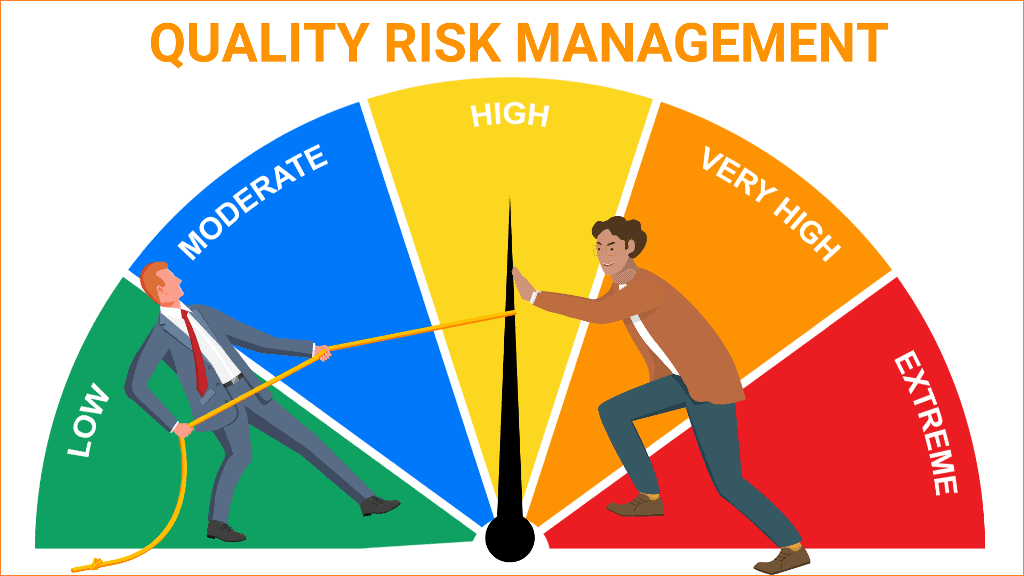
Have you ever wondered about the origins of your medications—and whether they meet strict safety standards? Partnering with a licensed pharmacy distributor in Malaysia isn’t just a formality—it’s a critical step in safeguarding your business and customers. Authorized wholesalers adhere to Good Distribution Practices (GDP), prioritize cold-chain management for sensitive products, and guarantee full traceability across all batches. These measures aren’t optional; they’re the backbone of compliance in Malaysia’s tightly regulated pharmaceutical landscape.
Why does this matter? The risks of non-compliance are steep. Substandard drugs, inaccurate labeling, or incomplete Ministry of Health (MOH) paperperwork can trigger severe consequences. Imagine customs confiscating shipments, hefty fines from regulators, or even temporary closure of your pharmacy. These scenarios aren’t hypothetical—they’re real-world threats for businesses cutting corners.
A trusted independent pharmacy distributor acts as your shield against such risks. Beyond basic logistics, they deliver:
Comprehensive documentation, including Certificates of Analysis (COA), Material Safety Data Sheets (MSDS), and legally compliant invoices.
Real-time batch monitoring and instant alerts for recalls, ensuring swift action if issues arise.
Halal certification trails, a non-negotiable for serving Malaysia’s Muslim-majority population ethically and legally.
Consider the experience of a Kelantan-based pharmacy that recently underwent an unannounced MOH audit. Thanks to their partnership with a GDP-certified distributor, they provided flawless documentation—from batch origins to storage conditions. The result? Zero penalties and uninterrupted operations, proving that preparation pays off.
In a sector where oversight is intensifying, aligning with verified partners isn’t just about avoiding fines—it’s about building trust. Patients rely on pharmacies to deliver safe, authentic products. By prioritizing compliance through certified distributors, you protect both public health and your reputation.
Still cutting costs with unverified suppliers? The short-term savings pale against the long-term risks. Invest in transparency today to avoid becoming tomorrow’s cautionary tale. After all, in healthcare, there’s no room for compromise—only excellence.
Learn more : How to Ensure Regulatory Compliance for Pharmacy Distribution in Malaysia | Navigating Regulatory Compliance in the Pharmaceutical Industry
Choosing the Right Distributor: What Malaysian Pharmacies Should Look For

Choosing the right distributor is a critical decision for Malaysian pharmacies—one that directly impacts patient care and operational stability. But how do you distinguish dependable partners from those that might jeopardize your supply chain? A structured evaluation process, combined with an understanding of distributor types, can guide this decision-making.
Start With Non-Negotiables: The Essential Checklist
First, verify legal compliance. Ensure potential partners holds valid NPRA certifications and licenses, confirming adherence to national safety standards. This step isn’t just about paperwork—it’s a baseline for trust.
Next, scrutinize logistics capabilities. Reliable distributors should guarantee timely deliveries across their service areas. For pharmacies in remote regions, confirm coverage maps align with your needs. Temperature-sensitive products like vaccines demand extra attention: assess whether the distributor’s cold-chain infrastructure includes real-time monitoring and backup protocols to prevent spoilage.
Don’t overlook inventory policies. Clear return guidelines and shelf-life buffers—ideally 30–60 days beyond expiry dates—minimize losses from unsold stock. Ambiguous terms here could signal future disputes.
Match Distributor Types to Your Business Needs
Independent distributors often excel in flexibility, offering tailored order sizes and rapid adjustments—perfect for smaller pharmacies or niche product lines. However, their bulk purchasing power may be limited.
Corporate wholesalers, conversely, provide scale and added value. Many offer marketing support (A&P funds), staff training, and dedicated regional reps who streamline communication. While less adaptable to sudden changes, their resources can help pharmacies expand services or enter new markets.
Prioritize Partners Who Invest in Your Growth
Look beyond transactions. Distributors that prioritize pharmacist education through seminars, regulatory update alerts via WhatsApp, or product training sessions demonstrate long-term commitment. These initiatives not only keep your team informed but also enhance patient counseling quality—a subtle competitive edge.
Final Thoughts
Selecting a distributor requires balancing practical logistics with strategic alignment. By methodically evaluating compliance, capabilities, and collaborative potential, Malaysian pharmacies can build partnerships that support both daily operations and future ambitions. Remember: the right distributor acts as an extension of your team, not just a supplier. A rushed decision here might save time today but create costly disruptions tomorrow. Take the time to ask detailed questions—and listen for answers that shows they understand your priorities.
Learn more : Top 10 Pharmacy Distributors in Malaysia for Reliable and Cost-Effective Services
Challenges Faced When Not Using Verified Pharmaceutical Wholesalers

Are you sourcing medications or supplements through random online suppliers or untested vendors? While it might seem convenient, this approach exposes pharmacies to significant operational and regulatory pitfalls—something many Malaysian healthcare providers underestimate. Let’s explore the hidden risks of partnering with unverified suppliers and how they destabilize your business.
1. Compliance Nightmares: Regulatory Gaps You Can’t Ignore
Unverified suppliers often operate without proper certifications, leaving pharmacies vulnerable to compliance breaches. Imagine stocking products lacking valid registration documents or traceable origins. Regulatory bodies like the MDA (Malaysian Medical Device Authority) mandate strict documentation for pharmaceuticals. Without transparent sourcing, pharmacies risk fines, license suspensions, or even legal action during routine inspections.
2. Erratic Inventory: The Rollercoaster of Stock Availability
Pharmacy stock inconsistency isn’t just frustrating—it’s a revenue killer. Unreliable vendors struggle to meet demand during peak seasons, such as flu outbreaks or holiday rushes. This unpredictability forces pharmacies to turn away customers, damaging trust and loyalty. Worse, overstocking to compensate ties up capital in expired or unsellable inventory.
3. Cold-Chain Catastrophes: When Logistics Fail Patient Safety
Temperature-sensitive medications like vaccines or biologics require specialized handling. Yet, many unverified suppliers rely on generic couriers ill-equipped for cold-chain pharma logistics in Malaysia. A single temperature deviation during transit can render products ineffective, risking patient health and your reputation.
Real-World Consequences: A Selangor Pharmacy’s Costly Mistake
One pharmacy in Shah Alam learned this lesson painfully after ordering supplements from an online third-party vendor. The delivery arrived with expired batches and zero documentation—no batch numbers, expiry dates, or safety certifications. During an inspection, authorities flagged the violations, resulting in temporary closure and costly reputational damage.
The Takeaway: Secure Your Supply Chain
From medicine supply chain issues to cold-chain failures, cutting corners with vendors jeopardizes compliance, profitability, and patient safety. Partnering with verified wholesalers ensures transparency, regulatory alignment, and consistent stock levels. Don’t let short-term savings undermine long-term success—audit your suppliers today.
How Wholesalers Strengthen Independent and Chain Pharmacy Models
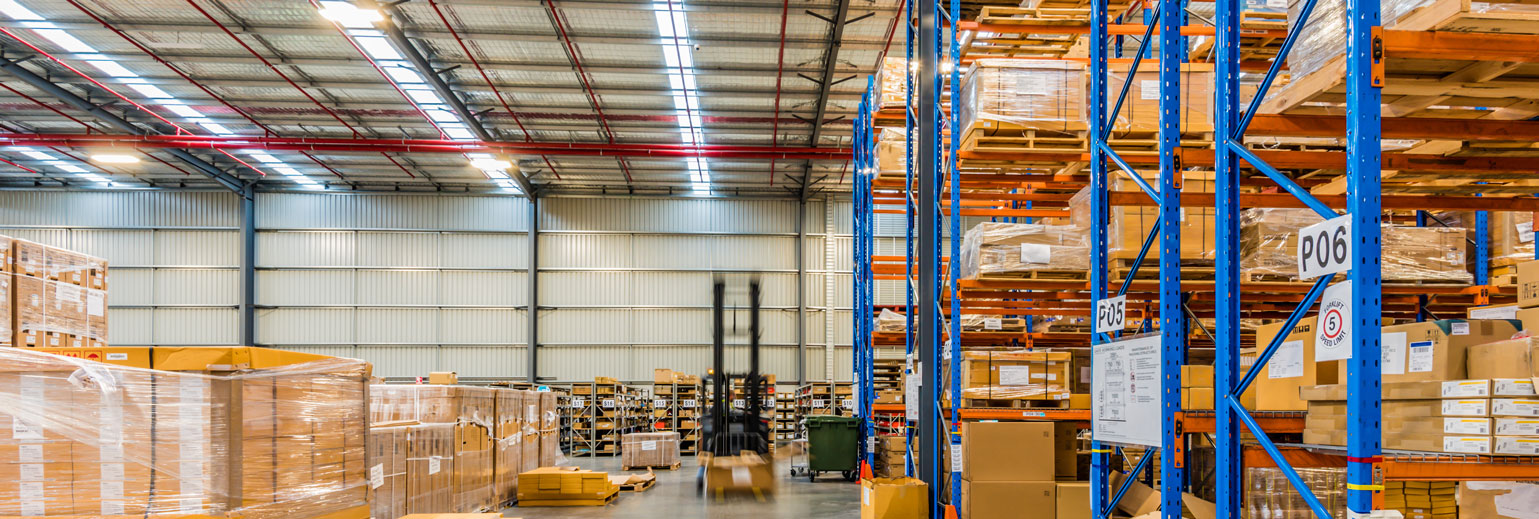
Navigating the diverse needs of independent pharmacies and sprawling chain networks requires wholesalers to adopt flexible, tailored strategies. By understanding the unique challenges each faces, distributors can deliver value that strengthens competitiveness across the board.
Empowering Independent Pharmacies
For smaller, independent operators, wholesalers act as strategic allies in leveling the playing field. Streamlined purchasing processes cut operational costs, allowing owners to redirect resources toward patient care or community outreach. Beyond cost efficiency, distributors provide real-time insights into trending wellness products—think immune-boosting supplements or niche skincare lines—enabling independents to refresh their shelves with high-demand inventory. This agility helps local pharmacies differentiate themselves in crowded markets.
Driving Efficiency for Chain Pharmacies
National chains, with their complex logistics and standardized operations, benefit from economies of scale. Wholesalers negotiate bulk purchasing agreements that lower per-unit costs, a critical advantage when managing hundreds of locations. Centralized billing systems further simplify financial oversight, while unified reporting tools give corporate teams visibility into regional performance. Additionally, chains gain access to harmonized advertising and promotional (A&P) initiatives, ensuring consistent branding and customer experiences across all branches.
Collaborative Success Stories
Forward-thinking wholesalers are taking collaboration a step further through hands-on partnerships. For instance, Alpro Pharmacy amplified its community impact by co-hosting diabetes awareness campaigns with its distributor, combining educational events with product sampling. Similarly, AA Pharmacy leveraged wholesaler-provided marketing kits and training modules to roll out pharmacist-recommended vitamin ranges nationwide. These initiatives not only boost sales but also position pharmacies as trusted health advisors.
By blending operational support with innovative co-branding opportunities, wholesalers create win-win scenarios. Whether helping a neighborhood pharmacy stock the latest organic remedies or equipping a chain with data-driven inventory tools, the right distributor becomes an invisible backbone to retail success. After all, in an industry where margins matter and customer loyalty is hard-won, strategic wholesale partnerships aren’t just helpful—they’re transformative.
Emerging Trends in Malaysia’s Pharmacy Distribution Ecosystem
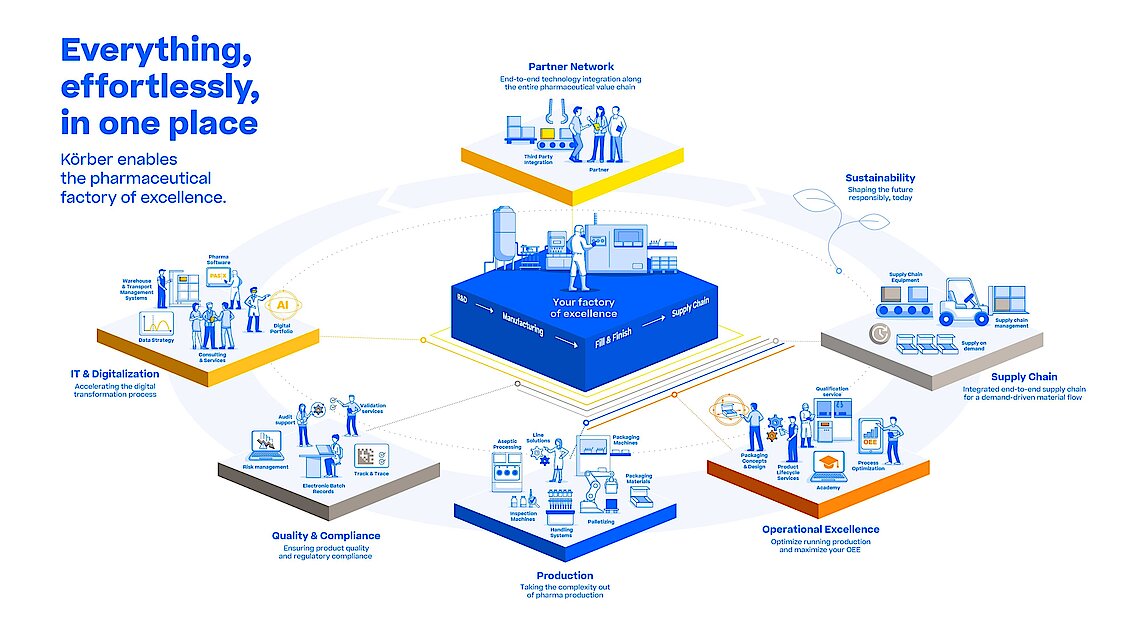
The pharmaceutical distribution sector in Malaysia is undergoing a transformative shift, driven by technological innovation and strategic regional collaboration. As we approach 2025, industry players must adapt to emerging trends or risk falling behind in an increasingly competitive market. Let’s explore the forces reshaping this landscape and the opportunities they create for forward-thinking pharmacies.
Emerging Trends in Pharmaceutical Distribution
Digital Integration and Automation
Online ordering platforms equipped with electronic invoicing capabilities are becoming indispensable. These systems not only reduce manual errors but also accelerate transaction cycles, allowing pharmacies to focus on patient care rather than administrative tasks. Seamless integration with inventory databases further minimizes discrepancies, ensuring real-time stock visibility.
Predictive Analytics for Smarter Inventory
Artificial intelligence is revolutionizing demand forecasting. Advanced algorithms analyze historical sales data, seasonal trends, and even regional health patterns to predict SKU-level demand with remarkable precision. This enables pharmacies to optimize stock levels—reducing excess inventory while avoiding shortages of critical medications.
Regional Collaboration Networks
Cross-border distribution hubs in Singapore and Thailand are fostering a more interconnected supply chain. By leveraging these partnerships, Malaysian pharmacies gain access to a wider range of specialty medications and bulk procurement advantages. This regional synergy also mitigates risks associated with local supply chain disruptions.
Strategic Advantages for Early Adopters
Pharmacies embracing these innovations are unlocking measurable benefits. Enhanced inventory control translates to reduced waste and improved cash flow management. Additionally, tech-savvy distributors often receive priority access to newly launched products, positioning them as pioneers in offering cutting-edge treatments.
Perhaps most critically, digital-first operations enable quicker adaptation to regulatory changes. Automated systems can update compliance protocols in hours—not weeks—ensuring adherence to evolving safety standards or import/export requirements. This agility is becoming a key differentiator as regional regulations grow more complex.
Looking ahead, pharmacies must view technology as an enabler rather than a cost. Those investing in integrated platforms and regional partnerships today will dominate tomorrow’s market. The question isn’t whether to adapt, but how quickly it can be done. As consumer expectations rise and global supply chains tighten, stagnation is a risk no business can afford.
The future belongs to organizations that blend human expertise with AI-driven efficiency. For Malaysia’s pharmacy sector, the roadmap to 2025 is clear: digitize, collaborate, and anticipate.
Learn more : Digital Transformation in Malaysia’s Pharmaceutical Distribution Services
In today’s climate, where the healthcare industry is transforming at an unprecedented pace, selecting pharmacy wholesale distributors goes beyond simple budgeting—it’s a strategic priority shaping long-term success. For pharmacy operators in Malaysia, whether you manage a single neighborhood pharmacy or oversee a network of locations, collaborating with reliable wholesalers unlocks critical advantages: streamlined budgeting processes, transparent supply chain management, and assurance in meeting ever-changing regulatory standards.
The Malaysian pharmaceutical market demands distributors who balance compliance with adaptability. By aligning with forward-thinking distributors who emphasize ethical practices, real-time inventory tracking, and innovative logistics solutions, pharmacies can transform routine procurement into a competitive edge. This approach not only future-proofs your business but creates opportunities for growth in an increasingly competitive market. From predictable pricing structures to proactive regulatory updates, the right partnership fosters operational resilience while maintaining patient trust through consistent product availability.
For pharmacy owners seeking distributors attuned to Malaysia’s unique market dynamics—including shifting consumer preferences and strict quality control mandates—the path to optimization starts with vetting partners who prioritize your operational needs. Modern distributors now offer tech-driven platforms for order management, data analytics for demand forecasting, and compliance frameworks tailored to Southeast Asia’s regulatory environment. These tools empower pharmacies to minimize waste, reduce stockouts, and focus resources on patient care rather than logistical headaches.
When ready to revolutionize your procurement strategy, our team specializes in crafting flexible, cost-effective pharmaceutical distribution solutions designed for Malaysia’s evolving landscape. From niche product sourcing to bulk purchasing discounts, we help you balance affordability with reliability—without compromising on service quality.
How can we assist you today? 😊
Just let us know—we’re here to help!