

July 24, 2025
Over the last ten years, Malaysia’s pharmaceutical supply chain has undergone significant shifts, reflecting broader changes in consumer behavior and industry dynamics. With rising demand for health supplements, over-the-counter medications, and self-care products, the mechanisms for delivering these goods to pharmacies have grown increasingly sophisticated. Central to this transformation are two distinct yet interconnected players: independent distributors and corporate chain distributors.
In Malaysia, distributors serve as the backbone of pharmaceutical retail, bridging manufacturers with neighborhood pharmacies and nationwide chains. Their responsibilities range from sourcing generic drugs to curating wellness products, ensuring shelves remain stocked with essentials. While corporate distributors leverage centralized logistics and bulk purchasing power, independent operators—often smaller, family-run businesses—carve out competitive edges through localized expertise and personalized service.
What enables independent pharmacy distributors to not just survive but flourish in this competitive arena? Flexibility emerges as their key strength. Unlike large chains bound by rigid protocols, independents adapt swiftly to regional trends, from stocking herbal remedies popular in Penang to addressing seasonal demand shifts in Johor. Many also specialize in niche markets, such as premium vitamins or hard-to-source medical devices, creating loyalty among pharmacies catering to specific demographics.
Relationship-driven approaches further differentiate independents. By maintaining close ties with local pharmacists and manufacturers, they streamline order customization, resolve supply hiccups faster, and even provide tailored business insights. For healthcare brands, this decentralized model offers opportunities to test products in targeted markets before scaling nationally.
For pharmacy owners and industry stakeholders, grasping these nuances is vital. As Malaysians prioritize preventive care and personalized health solutions, distribution strategies must balance efficiency with adaptability. Whether partnering with agile independents or resource-rich chains, the goal remains unchanged: delivering quality products reliably, even as consumer expectations evolve.
This article explores how independent distributors continue to shape Malaysia’s pharmaceutical sector—proving that in an era of consolidation, localized innovation still holds remarkable value.
Learn more : Fundamentals of the Pharmaceutical Supply Chain
What Defines an Independent Pharmacy Distributor?

When comparing independent pharmacy distributors to corporate chain operators in Malaysia, the differences extend far beyond size. These locally rooted businesses carve out their value through personalized approaches, community integration, and operational flexibility—factors that national chains often struggle to replicate.
Unlike corporate distributors governed by shareholder priorities, independent distributors are usually privately owned, with structures ranging from family enterprises to regional collaboratives. This autonomy allows them to prioritize relationships over rigid protocols. While large chains focus on standardized processes for efficiency, independents thrive by adapting services to match the unique needs of neighborhood pharmacies. Their strength lies not in sprawling warehouses but in hyper-local expertise—think of a distributor in Kelantan stocking traditional jamu remedies or Quranic herbal blends that align with community practices.
Geographic specialization enables these distributors to act as partners rather than mere suppliers. They often provide same-day restocking for rural pharmacies, customize credit terms for cash-strapped clinics, or advise retailers on optimizing shelf layouts. Their product catalogs reflect intimate knowledge of regional demographics—such as Tamil-language packaging in Johor or diabetes management kits tailored for aging populations in Penang.
The operational model here is inherently hands-on. Owners frequently engage directly with pharmacists, leveraging decades of trust to anticipate inventory gaps before they arise. For instance, during flu season, an independent distributor might proactively increase stocks of pediatric syrups in Kuching while advising urban clients on trending skincare imports. This responsiveness stems from decentralized decision-making—a stark contrast to the multi-layered approvals required in corporate hierarchies.
Critically, independent distributors fill gaps left by larger players. National chains often overlook niche products, small-batch orders, or culturally specific items due to cost inefficiencies. Meanwhile, local distributors build loyalty by supporting pharmacies through regulatory changes, supply chain disruptions, or seasonal demand spikes. Their survival hinges on community embeddedness: knowing which neighborhoods prefer generic medicines, which clinics need bilingual labeling, or which regions face chronic shortages of specific vitamins.
While corporate chains dominate in pricing power and tech infrastructure, Malaysia’s independent distributors counter with agility and cultural fluency. Their success isn’t measured in market share but in sustaining the pharmacies that form the backbone of grassroots healthcare—proving that scale isn’t everything in this sector. By blending tradition with adaptability, these businesses remain vital connectors between manufacturers and the communities they serve.
Learn more : How to Choose the Right Pharmaceutical Distributor in Malaysia: A Step-by-Step Guide
Key Strengths of Independent Distributors in Malaysia

Have you ever wondered why neighborhood pharmacies across Malaysia increasingly partner with independent distributors instead of corporate chains? The reason often comes down to tailored solutions that align with the realities of local healthcare ecosystems. Let’s explore the competitive advantages driving this preference.
1. Agile Operations for Dynamic Needs
Unlike rigid supply chains tied to corporate protocols, independent distributors prioritize adaptability. They deliver faster turnaround times for orders, accommodate last-minute adjustments, and respond swiftly to sudden demand spikes—whether during monsoon-related illness surges or Hari Raya seasons. This flexibility allows pharmacies to avoid stockouts without maintaining excessive inventory, a crucial edge for smaller businesses with limited storage space.
2. Hyper-Local Relationship Building
In regions like Johor’s rural towns, pharmacists serve communities with distinct preferences—think traditional remedies or allergy-specific medications. Independent suppliers excel here by assigning dedicated reps who visit stores regularly, learning each pharmacy’s clientele and adjusting product mixes accordingly. This hands-on collaboration fosters trust and ensures shelves reflect what neighbors actually need, a stark contrast to the impersonal, one-size-fits-all approach of national chains.
3. Championing Emerging Health Innovators
While large wholesalers prioritize mass-market pharmaceuticals, independents act as launchpads for niche brands. From plant-based skincare lines to diabetic-friendly snacks, these distributors help pharmacies diversify their offerings and tap into Malaysia’s growing wellness culture. This support not only drives innovation but also lets smaller pharmacies differentiate themselves in competitive markets.
4. Financial Partnerships, Not Just Transactions
Cash flow volatility plagues many independent pharmacies, especially post-pandemic. Local distributors often provide flexible payment windows or customized credit terms—sometimes even adjusting schedules for monsoon-related revenue dips. Such arrangements, built on years of collaboration, demonstrate a grasp of on-the-ground challenges that corporate lenders rarely match.
From the kampungs of Kelantan to Penang’s suburbs, these advantages make independent distributors indispensable allies. They combine the efficiency of modern logistics with a warung-style understanding of community needs, proving that in Malaysia’s pharmacy sector, big doesn’t always mean better. As healthcare evolves, their role in balancing scale with personalization will only grow more vital.
Learn more : Cost-Effective Strategies for Pharmacy Distribution in Malaysia
Advantages Large Chains Bring to the Table

When evaluating distribution channels, global pharmaceutical and personal care brands frequently prioritize partnerships with established pharmacy chains over independent retailers. While smaller distributors offer niche advantages, corporate networks like Guardian or Watsons deliver unmatched infrastructure for scaling products nationwide. Let’s explore the strategic benefits driving these decisions.
1. Cost Efficiencies Through Bulk Purchasing
Major pharmacy chains wield significant bargaining power by aggregating orders across hundreds of locations. This bulk purchasing capability allows them to secure preferential pricing from drug manufacturers and skincare labs—savings that often translate to competitive retail pricing for customers. Additionally, chains can redirect a portion of these economies into aggressive advertising and promotional (A&P) budgets, amplifying brand reach through coordinated campaigns.
2. Precision in Supply Chain Management
Centralized inventory systems enable chains to maintain rigorous quality control while optimizing stock levels. Advanced warehousing solutions support specialized requirements like temperature-sensitive cold storage for biologics or vaccines. Real-time expiry date monitoring and automated replenishment algorithms minimize waste and stockouts, ensuring consistent product availability—a critical factor when launching time-sensitive OTC medications or seasonal skincare lines.
3. Maximized Brand Exposure
Securing shelf space in high-traffic chain locations guarantees visibility among millions of monthly shoppers. Corporate merchandising teams prioritize eye-level placements for promoted products, complemented by nationwide in-store displays and digital campaigns. For brands targeting mass-market penetration, this omnichannel presence accelerates consumer recognition more effectively than fragmented independent partnerships.
4. Navigating Regulatory Complexities
Compliance remains a persistent challenge in pharmaceutical distribution, particularly with evolving NPRA (Malaysia) or MDA guidelines. Established chains maintain dedicated regulatory affairs departments to manage documentation, audits, and protocol updates. This institutional expertise reduces approval bottlenecks for new product launches, allowing brands to focus on innovation rather than bureaucratic hurdles.
For companies prioritizing rapid market entry and scalable growth, pharmacy chains provide a turnkey solution. Their integrated networks address both logistical and commercial challenges, transforming distribution from an operational task into a strategic growth lever. While independent pharmacies serve vital community roles, the infrastructure and reach of corporate distributors remain irreplaceable for brands operating at scale.
Where Independent Distributors Win: Strategic Comparison
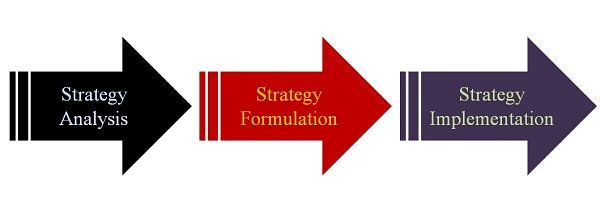
What advantages do independent pharmacies hold over major retail chains? A deeper look uncovers four strategic edges that smaller operators leverage effectively in today’s competitive market.
1. Operational Agility
When popular items run out independent pharmacies frequently restock high-demand products within 24 hours—occasionally even same-day. By contrast, large chains often struggle with delayed responses due to layers of corporate approvals and standardized protocols. This nimbleness proves critical for time-sensitive healthcare needs, positioning independents as reliable partners during shortages or urgent situations.
2. Niche Product Opportunities
Mainstream retailers often overlook specialized items like Halal-certified supplements or region-specific wellness brands. Independent distributors, however, excel at piloting niche products through targeted local networks. For instance, a distributor might soft-launch a new spirulina line across a dozen neighborhood pharmacies, gathering actionable data before committing to wider distribution. This flexibility helps brands refine offerings without the pressure of immediate chain-scale performance.
3. Hyperlocal Community Ties
While chains rely on centralized decision-making, independent pharmacies thrive through personalized relationships. Owners and staff often possess intimate knowledge of their customer base, enabling tailored inventory choices that corporate buyers might miss. A trusted distributor representative collaborating directly with store managers can adapt strategies faster than distant corporate teams bound by impersonal guidelines.
4. Launchpad for Emerging Brands
For startups, independent networks provide a low-barrier entry point with high-value feedback loops. Many successful Malaysian skincare lines, for example, first gained traction via independent distributors who offered shelf space and real-world testing grounds. This partnership model allows brands to validate demand, adjust formulations, and build credibility before pursuing national chain placements.
The Strategic Advantage
Independent pharmacies aren’t just smaller versions of chains—they’re innovation incubators. Their adaptability supports market experimentation, fosters loyalty through localized service, and creates pathways for sustainable growth. For brands prioritizing agility over scale, these distributors offer a risk-mitigated route to refine products and cultivate lasting B2B partnerships. In an era where personalization and speed define success, independents continue carving out irreplaceable roles in the healthcare ecosystem.
Learn more : A Case Study on Successful Pharmacy Distribution Networks in Malaysia
Distribution Challenges Faced by Independent Players
Independent pharmacies remain vital to Malaysia’s healthcare ecosystem, yet their path to growth is riddled with obstacles. While these local players excel in personalized service and community trust, systemic barriers often prevent them from rivaling larger chains. Let’s explore the key challenges—and how agile operators are adapting to thrive.
Challenge #1: Tight Budgets Restrict Growth
Unlike well-funded chains that invest in cutting-edge warehousing or temperature-controlled logistics, independents often operate on shoestring budgets. Cash flow volatility makes it tough to scale operations or adopt infrastructure upgrades, leaving many stuck in survival mode.
Challenge #2: Lagging Behind in Tech Adoption
Digitizing supply chains isn’t optional in today’s market—think automated inventory trackers or AI-driven CRM tools. However, the steep upfront costs of these systems strain independents’ finances, forcing some to rely on outdated, error-prone manual processes.
Challenge #3: Regulatory Maze Creates Delays
Malaysia’s KKM regulations demand meticulous compliance, from product registrations to licensing. Without dedicated legal teams, independents risk costly approval bottlenecks. A single paperwork misstep could delay critical medicines reaching shelves.
Challenge #4: Weak Bargaining Power with Suppliers
Manufacturers prioritize bulk buyers, offering chains volume discounts independents can’t match. This pricing disparity squeezes profit margins, making it harder to compete on everyday essentials like masks or vitamins.
Challenge #5: Talent Drain Beyond Cities
Recruiting skilled staff—think regulatory experts or inventory planners—is notoriously tough outside Klang Valley. Younger professionals often gravitate toward urban corporate roles, leaving rural pharmacies understaffed and overburdened.
Silver Linings: Collaboration & Niche Strategies
Despite these hurdles, savvy independents are finding workarounds. Some pool resources through purchasing cooperatives to negotiate better supplier rates. Others outsource compliance tasks to third-party specialists or adopt hyper-localized marketing—like stocking culturally relevant herbal remedies. By leveraging community ties and staying nimble, these pharmacies prove that size isn’t everything.
The road ahead remains steep, but innovation and partnerships are helping independents carve their niche. For patients valuing trust over convenience, these neighborhood heroes continue delivering care where it’s needed most.
Learn more : Pharmacy Supply Chain: What You Need to Know
The Role of Relationships in Malaysia’s Pharmacy Supply Chain

In an industry driven by precision and regulatory rigor, could something as intangible as trust genuinely set businesses apart? For Malaysia’s pharmaceutical distribution sector, the evidence suggests it’s not just possible—it’s transformative.
Unlike large corporate entities, independent distributors here leverage human-centric relationships to carve out their niche. By nurturing decades-long partnerships with pharmacists, clinic operators, and healthcare providers, these agile players gain insights no algorithm can replicate. Consider the advantages: anticipating regional medication demand spikes ahead of seasonal outbreaks, designing hyper-localized discount programs for underserved communities, or mediating supply hiccups before they escalate into complaints. Crucially, this trust enables flexible payment arrangements or inventory adjustments during economic shifts—a lifeline for smaller pharmacies balancing tight margins.
Take a rural clinic in Sarawak as a case study. Despite access to national distributors, they’ve partnered with the same pharmacy distributor Malaysia-based supplier for 12 years. Why? Because the rep’s advice—rooted in firsthand knowledge of Borneo’s malaria patterns—outperforms generic sales forecasts. This symbiosis transcends transactional exchanges, evolving into collaborative problem-solving.
Language and cultural fluency further amplify this edge. A Kelantanese distributor conversant in Terengganu dialects doesn’t just communicate—they connect. Shared customs, humor, and regional sensitivities dissolve barriers faster than any corporate training manual. In Peninsular Malaysia’s mosaic of ethnicities, these nuances determine whether a contract gets signed or a competitor wins the bid.
While bulk discounts and flashy promotions have their place, Malaysia’s healthcare providers increasingly prioritize partners who listen as much as they sell. It’s the difference between a vendor and a strategic ally. After all, when supply chains falter or novel treatments emerge, who will providers turn to first? Likely the team that’s proven they care beyond the quarterly sales target.
In this climate, trust isn’t just ethical—it’s economical. For distributors willing to invest in relationships over rigid spreadsheets, loyalty becomes the ultimate differentiator. And in an industry where margins are slim but stakes are life-or-death, that’s an advantage no AI can replicate.
Embracing Technology: Levelling the Playing Field

For independent pharmacy distributors, competing with larger chains once seemed impossible. Yet as Malaysia’s digital economy evolves, technology is reshaping the game. By adopting lean, cost-effective tools, smaller players now rival big competitors in speed, service, and scalability. Let’s explore how smart tech integration is empowering these businesses.
1. Streamlined Inventory & Order Management
Gone are the days of clunky spreadsheets and manual processes. Cloud-based inventory systems paired with mobile ordering platforms let distributors manage stock in real time, even with limited staff. Solutions like EasyParcel and Ginee automate order processing, while POS integrations sync sales data effortlessly. This shift not only cuts errors but frees teams to focus on strategic growth.
2. Smarter Customer Relationship Strategies
Building loyalty requires more than occasional check-ins. Affordable CRM software now enables distributors to track purchase histories, monitor pharmacist preferences, and schedule timely follow-ups. By personalizing interactions—like reminding a client about restocking cycles or suggesting complementary products—reps foster trust and repeat business. It’s a low-cost way to mimic enterprise-level account management.
3. Outsourced Logistics with Big-Business Perks
Why invest in fleets when partnerships deliver better results? Collaborating with third-party logistics (3PL) providers grants small distributors access to specialized services—think temperature-controlled transport or live delivery tracking—without upfront costs. This agility lets them promise reliability comparable to national chains.
4. Virtual Product Showcases That Save Time
Physical samples and in-person demos drain resources. Now, WhatsApp catalogs and digital sampling kits allow remote product presentations. Pharmacists can browse items, watch demo videos, or even request virtual consultations—all from their phones. This approach slashes travel expenses while speeding up decision-making.
As Malaysia’s digital infrastructure expands, the gap between small and large distributors keeps narrowing. By prioritizing tools that enhance efficiency without bloating budgets, independents aren’t just surviving—they’re redefining responsiveness. The lesson? In today’s market, smart tech adoption trumps deep pockets.
Learn more : Pharmaceutical Logistics in Malaysia: A New Era of Safer, More Reliable Solutions with Ninja Van
Outlook: Future of Independent Distribution in Malaysia

The landscape for independent distributors is evolving rapidly, presenting both challenges and opportunities. Here’s a closer look at the trends poised to define their path forward—and how agile players can position themselves for success.
1. Tapping into Underserved Regions
While major chains dominate urban hubs, rural and semi-urban pharmacies often lack access to consistent distribution networks. This gap creates fertile ground for independents. By delivering reliable, personalized service to areas overlooked by larger competitors, smaller distributors can build loyalty and carve out a sustainable niche. Proximity matters, and local trust remains a currency that’s hard to replicate.
2. Riding the Wellness Wave
Health-conscious consumers aren’t just buying products—they’re investing in solutions. Functional items like probiotic supplements, collagen-infused beverages, and plant-based sleep aids are surging in popularity. Independent distributors who stay ahead of these trends, curating shelves with in-demand wellness products, can outmaneuver slower-moving corporate rivals. Speed to market and niche expertise will differentiate winners in this space.
3. Becoming the Go-To for New Market Entrants
Global brands entering markets like Malaysia often seek partners who offer agility over scale. Independent distributors shine here, providing lower entry barriers, hyper-local market insights, and the flexibility to adapt strategies on the fly. For companies testing new regions, collaborating with a responsive local partner minimizes risk while accelerating rollout timelines.
4. Leveraging Post-Pandemic Lessons
COVID-19 exposed vulnerabilities in global supply chains, but it also highlighted the value of resilient, community-focused partnerships. Pharmacies and retailers now prioritize distributors who demonstrated reliability during crises—not just those with the lowest prices. Trust, adaptability, and regional expertise have become non-negotiable assets in the recovery era.
The Bottom Line
To thrive, independents must strike a delicate balance: adopting modern tools—like data analytics or digital ordering platforms—without sacrificing the high-touch, personalized service that defines their brand. Those who blend operational efficiency with human-centric relationships will not just survive but lead in the new distribution economy. After all, in an age of automation, the “human edge” might be the ultimate differentiator.
Learn more : Technology and Transparency: How the Pharma Supply Chain Must Adapt
In Malaysia’s dynamic pharmacy sector, independent distributors are redefining resilience by blending innovation with localized expertise. Far from merely keeping pace with industry giants, these agile partners are carving out competitive advantages through rapid response times, community-centric relationships, and adaptive service models. For mid-sized pharmacies and neighborhood healthcare providers, this combination of speed and personalization often makes independent operators the go-to solution for streamlined supply chain management.
Large pharmaceutical chains undoubtedly dominate in terms of nationwide reach and regulatory resources. Yet, what independent distributors lack in scale, they compensate for through hyper-local market intelligence and bespoke partnership approaches. Their ability to interpret regional buying patterns, navigate cultural nuances, and build trust through face-to-face collaboration creates value that standardized corporate systems struggle to match.
For businesses navigating Malaysia’s complex pharmacy networks—from emerging beauty brands entering the market to established pharmacists preparing for seasonal surges—the choice between distribution models carries significant weight. Multinational corporations, too, increasingly recognize that blending broad infrastructure with localized distributor alliances can unlock untapped opportunities in secondary cities and rural communities.
The strategic advantage lies in customization. Independent networks adapt quickly to inventory fluctuations, experiment with niche merchandising strategies, and provide real-time feedback loops that help brands refine their market approach. This flexibility proves particularly valuable when launching new products or targeting specific demographic segments.
How can we assist you today? 😊
Just let us know—we’re here to help!