

May 14, 2025
In Malaysia’s dynamic healthcare environment, pharmacy merchandising has evolved into a sophisticated science that shapes consumer decisions, amplifies brand impact, and fuels revenue growth. Far more than just organizing inventory, it’s a calculated blend of retail psychology, regulatory adherence, and commercial innovation. As health-conscious Malaysians become discerning shoppers and competition tightens, the way products are showcased often determines whether a pharmacy thrives or merely survives.
Merchandising in this context acts as a silent salesforce. It transforms clinical spaces into inviting retail hubs where every display, aisle layout, and promotional signboard serves a strategic purpose. For NPRA-certified items—from prescription drugs to herbal supplements—visibility isn’t just about aesthetics. It’s about aligning with Malaysia’s stringent compliance standards while making products irresistibly accessible. Consider how cough syrups placed beside humidifiers or collagen supplements neighbored by skincare samples can trigger complementary purchases, subtly guiding shopper behavior.
The Malaysian market’s unique challenges heighten merchandising’s importance. With strict regulations governing product claims and an influx of wellness trends, pharmacies must balance educational rigor with visual appeal. Effective displays, for instance, might pair diabetes management tools with portion-control meal planners, merging health education with tactical upselling. This approach not only builds trust but also positions pharmacies as holistic care destinations rather than transactional outlets.
For distributors and wholesalers, optimizing merchandising strategies is now non-negotiable. As product gatekeepers, their success hinges on ensuring items don’t just reach shelves but dominate attention through seasonally updated planograms and localized campaigns. A vitamin C display during flu season or hydration solutions promoted in urban heatwaves demonstrates market responsiveness that resonates with regional health concerns.
Crucially, merchandising bridges the gap between clinical authority and retail charm. Staff trained to curate eye-level placements for high-margin items or design interactive vitamin zones create memorable shopping experiences. These strategies not only boost immediate sales but foster long-term loyalty in a market where 63% of Malaysians revisit pharmacies that simplify their health journeys.
In an era where every square foot of shelf space battles for attention, smart merchandising empowers Malaysian pharmacies to transcend traditional roles. By weaving compliance, consumer insight, and creativity into their layouts, they can turn routine purchases into brand-building moments—proving that in healthcare retail, presentation is just as vital as the product itself.
Why Merchandising Matters in Pharmacy Retail
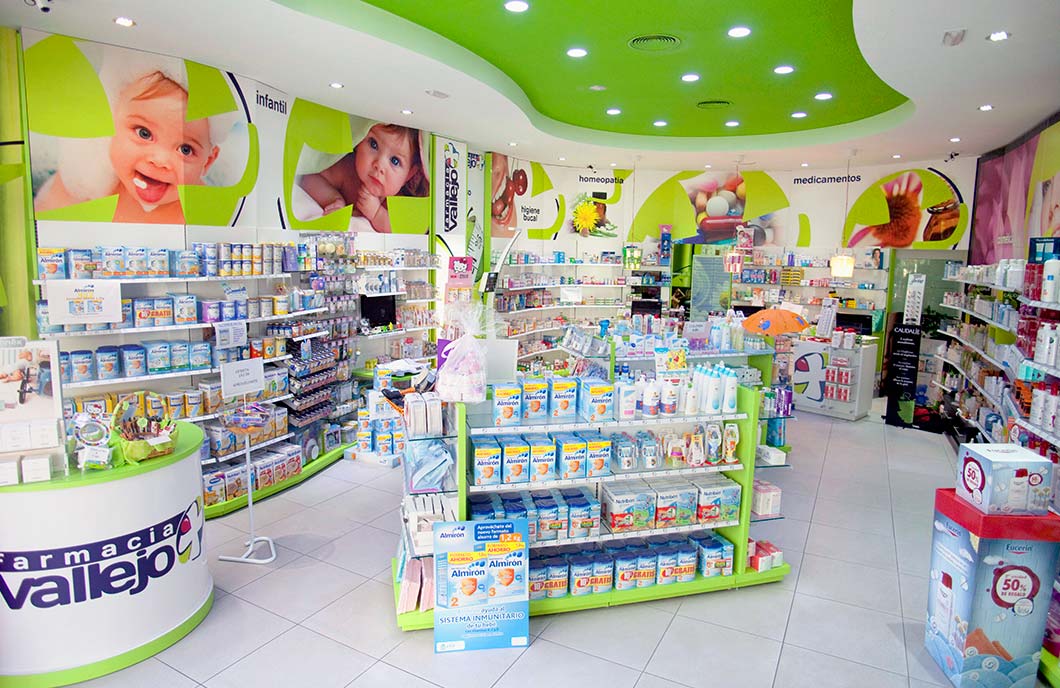
In Malaysia’s competitive health and wellness sector, strategic merchandising acts as silent salesperson—shaping perceptions and nurturing consumer confidence. With limited medical expertise among shoppers, first impressions at the shelf-level often become decision-making shortcuts. Products positioned prominently signal legitimacy, bridging the gap between uncertainty and purchase intent.
This psychological link between visibility and credibility grows critical for regulated items. Take NPRA-approved goods, for instance: Clear labeling paired with shelf-edge callouts doesn’t just inform—it reassures. During flu peaks, pharmacies that stage immune supplements at eye level with vibrant signage report 2-3× faster sales velocity compared to poorly organized displays. It’s visual storytelling that translates complex compliance into instant trust.
Major players in Malaysia’s pharmacy distribution networks already adapting. Collaborative agreements between brands and retailers now prioritize localized layouts, tailoring displays to regional preferences in chains like Guardian or Alpro Pharmacy. Yet smaller outlets lag, clinging to cluttered shelf arrangements that dilute impact. Without clear visual hierarchy—say, grouping pain relief products thematically or using color-coded sections—these stores miss opportunities to convert casual browsers.
The stakes extend beyond transactions. In healthcare retail, where credibility impacts wellbeing, thoughtful merchandising doubles as reputation-building. A well-curated vitamin aisle doesn’t just move inventory; it positions the retailer as a knowledgeable ally. Contrast this with disjointed setups where expired stock lingers beside new arrivals—a scenario that erodes trust and footfall.
While flashy promotions grab attention, consistency matters most. Regular shelf resets, compliance checks for NPRA badges, and staff training on display logic create cumulative trust. For distributors, this means auditing partner stores not just for sales data but for how products show up—because in Malaysia’s wellness market, what customers see first shapes what they believe long after leaving the aisle.
Learn more : Pharmacy Merchandising: Best Practices for Product Pricing and Promotion in Malaysia
Visual Merchandising and Its Psychological Impact on Shoppers
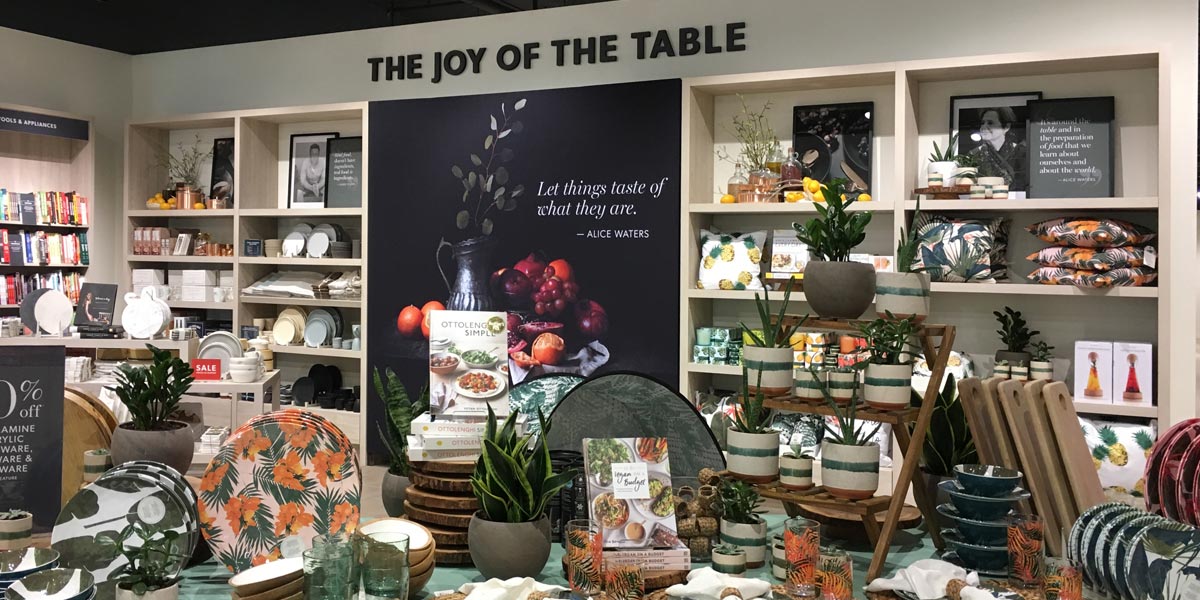
In today’s competitive retail landscape, a product’s visual appeal often speaks louder than its printed details—but why? At its core, visual merchandising combines design psychology and spatial strategy to shape consumer decisions. This practice isn’t unique to global markets; Malaysian shoppers, like buyers worldwide, form split-second impressions based on aesthetics, lighting, and presentation.
Consider how color choices subconsciously sway perceptions. Cool blues evoke reliability and tranquility—a tactic banks often use—while earthy greens signal natural purity, resonating with wellness-focused shoppers. Retail giants like Watsons master this art, using angled spotlights and tiered displays to highlight skincare serums or vitamin bundles. These techniques don’t just attract eyes; they create narratives around products before labels are even read.
Walk into any Malaysian pharmacy, and you’ll notice carefully curated “power aisles.” Shelves near consultation counters often feature NPRA-certified brands alongside pharmacist recommendations, blending regulatory trust with visual persuasion. Contrast this with disorganized racks or sun-bleached banners, which subconsciously signal neglect—a quick way to erode buyer confidence.
Localized adaptability gives smaller distributors an unexpected advantage. Unlike rigid corporate chains, independent pharmacies can tweak layouts to mirror community values. In Kelantan, for instance, stores might spotlight Halal-compliant herbal remedies with Malay-language signage, fostering cultural connection. This hyper-relevance isn’t just about aesthetics; it’s about embedding products into daily life narratives.
The takeaway? Successful visual merchandising merges regulatory credibility with emotional resonance. When displays align with both safety standards and regional preferences—say, grouping pregnancy-safe supplements near baby care sections—shoppers don’t just browse; they trust. And trust, as any retailer knows, is what turns passing glances into loyal purchases.
Ultimately, labels inform, but visuals persuade. In a world of endless choices, it’s the silent language of color, light, and layout that cuts through noise—no bolded disclaimers required.
Learn more : The Importance of Visual Merchandising for Pharmacies in Malaysia
The Role of Planograms in Standardized Pharmacy Merchandising

In today’s competitive retail landscape, effective shelf planning has emerged as a game-changer for boosting product turnover and curbing waste. Central to this strategy is the planogram—a visual roadmap that dictates precise product placement across store shelves. Far from being a static diagram, modern planograms balance aesthetic appeal with functionality, ensuring consistent merchandising, real-time inventory tracking, and strategic prioritization of high-demand items.
For Malaysia’s pharmacy sector, planograms have become indispensable. Wholesale distributors frequently integrate these layouts into their service packages, enabling brands to maintain uniform visibility across diverse retail outlets. Major chains like Alpro and Healthlane exemplify rigorous adoption, revamping planograms quarterly to align with new product launches, NPRA regulations, or shifting consumer trends. Smaller independent pharmacies, while adaptable to local preferences, often struggle with inconsistent execution without expert guidance—a oversight that risks inventory mismanagement and customer dissatisfaction.
This is where third-party distributors step in as crucial allies. Take PriooCare Malaysia, which offers end-to-end planogram compliance solutions, from staff training to routine shelf audits. Their programs empower retailers to identify slow-moving stock early, optimize replenishment cycles, and accelerate sales—particularly vital for perishable categories like supplements and dermaceuticals. By preventing expired goods and stockouts, businesses safeguard margins while keeping shelves fresh and relevant.
The true power of planograms lies in their adaptability. Forward-thinking retailers now blend these layouts with real-time sales data, allowing swift adjustments during seasonal spikes or promotions. Imagine expanding cold remedy sections before monsoon season or highlighting immunity boosters amid flu outbreaks—such agility ensures inventory aligns with demand, minimizing dead stock.
Once relegated to back-office planning, planograms now drive frontline sales strategies. They harmonize operational efficiency with customer-centric displays, fostering loyalty through seamless shopping experiences. In an era where sustainability and profitability go hand-in-hand, mastering shelf planning isn’t just smart—it’s essential for survival.
Learn more : How to Use Planograms to Guarantee Increased Pharmacy Retail Sales | Planograms Lend a Helping Hand
Merchandising Strategies for Independent Pharmacy Distributors

In an era dominated by big-box retailers, independent pharmacy distributors carve out a unique advantage by prioritizing adaptability over standardization. While corporate chains rely on strict protocols that limit experimentation, smaller networks thrive through agile, community-focused strategies. This positions them as invaluable allies for newer brands or specialty products targeting underserved markets—particularly those requiring nuanced audience engagement.
A standout differentiator lies in adaptable placement terms. Major retailers often enforce rigid six-month shelf commitments, but independent partners frequently allow short-term trial periods paired with hyperlocal feedback mechanisms. Distributors can then reallocate stock to neighborhoods where items gain traction—whether in regions with specific cultural preferences or areas dominated by particular age groups.
Take health supplements for diabetes management as a case study. In suburban pharmacies near Seremban, distributors might design customized displays featuring educational content about blood sugar management alongside product samples—a tactic proven to resonate with older shoppers seeking trusted clinical information.
Moreover, these distributors excel at creating synergistic promotions. Collaborative relationships with pharmacists enable curated bundles—think vitamin packs paired with NPRA-approved pamphlets explaining dosage guidelines. This not only educates consumers but builds regulatory compliance into the purchasing journey organically.
The secret sauce? Community embeddedness. By aligning assortments with neighborhood health trends and training staff to offer personalized consultations, independents drive both loyalty and basket sizes. A suburban pharmacy might stock Ayurvedic remedies in South Asian enclaves or collagen boosters near fitness hubs—decisions informed by street-level insights rather than corporate playbooks.
While chains compete on scale, independents win through relevance. By leveraging these advantages, distributors not only enhance product visibility but fosters trust—a combination that translates to faster inventory turnover and higher satisfaction rates in today’s experience-driven retail landscape.
Collaborating with Pharmacy Distributors to Maximize Merchandising ROI

For brands aiming to dominate Malaysia’s competitive pharmacy sector, seamless collaboration between manufacturers and distributors isn’t just beneficial—it’s essential. When stakeholders align their goals, retail execution transforms from a routine task into a revenue-driving powerhouse. But how can these partnerships thrive in practice?
Strategic Co-Creation Fuels Consistency
Regular dialogue forms the backbone of effective merchandising. By hosting collaborative sessions every quarter, brands and local distributors—such as those specializing in pharmacy networks across Malaysia—can refine tactics using real-time sales analytics, in-store assessments, and customer behavior data. These meetings enable teams to craft compelling product narratives, whether highlighting best-selling items or designing bundled offers that resonate with regional preferences. Shared insights ensure campaigns stay agile, adapting to shifting market dynamics without losing strategic focus.
Cross-Promotion Drives Basket Value
Innovative product pairings offer a proven path to higher sales. Imagine displaying a premium vitamin D supplement alongside a bone health screening kit—a combination that educates shoppers while encouraging multi-item purchases. Such co-branded displays, when positioned prominently near high-traffic zones, frequently outperform standalone promotions. This tactic not only boosts average transaction values but also strengthens brand visibility through contextual storytelling.
Shared Resources Amplify Impact
Forward-thinking distributors, including industry leaders like PriooCare Malaysia, increasingly pool budgets with brands to fund in-store activations or cooperative advertising. This mutual investment unlocks opportunities for optimized shelf placements, trained brand ambassadors, and eye-catching point-of-sale materials. When both parties contribute resources, campaigns gain the longevity and scale needed to cut through cluttered retail environments.
While fragmented efforts often lead to lackluster results, unified strategies turn merchandising into a conversion catalyst. The difference lies in commitment: Brands that prioritize open communication, creative co-selling, and financial partnerships with their Malaysian distributors don’t just survive market challenges—they redefine them. After all, in a sector where shelf space is gold, collaboration is the pickaxe.
Common Merchandising Challenges in Malaysia’s Pharmacy Sector

Success in Malaysia’s pharmacy sector demands more than just stocking effective products. Many retailers grapple with systemic inefficiencies that undermine their potential, even when offering in-demand items. The reality stems from overlooked operational gaps that require strategic intervention—not just better merchandise.
Common Obstacles in Pharmacy Merchandising
1. Poor Product Visibility
Overcrowded shelves remain a critical issue. When pharmacies cram shelves beyond capacity, newer or specialty items become invisible to shoppers. This visual clutter frustrates customers and stalls sales for high-potential SKUs.
2. Untapped Staff Potential
Pharmacists and staff often lack the tools to excel as brand ambassadors. Without structured training or motivation to prioritize merchandising, shelf organization and promotional execution suffer. This disconnect between product quality and presentation erodes customer trust.
3. Seasonal Strategy Missteps
Holiday surges like Ramadan or back-to-school rushes frequently lead to haphazard displays. Temporary promotions dominate limited shelf space, overshadowing core products and confusing shoppers with disjointed messaging.
Building Solutions Into Operations
Forward-thinking distributors combat these issues through preemptive measures. Strategic shelf audits, conducted monthly, identify stagnant inventory needing relocation or removal. Pairing this with incentive programs—think sales bonuses tied to display accuracy or customer engagement metrics—drives staff accountability.
Specialized solutions providers like PriooCare Malaysia streamline this process. Their approach combines standardized merchandising guidelines, data-driven performance tracking, and space-efficient promotional kits tailored to small footprints. These tools help pharmacies maintain brand consistency during peak seasons without sacrificing everyday bestsellers.
The Bigger Picture
Addressing these operational weaknesses creates ripple effects. Pharmacies that address these challenges not only sees improved sales metrics but also reinforce their reputation as organized, customer-first retailers. In competitive markets, this operational polish becomes as vital as the products themselves—a lesson many Malaysian pharmacies are now prioritizing to stay relevant.
By marrying smart processes with staff empowerment, pharmacies transform from cluttered shops into trusted healthcare destinations. The result? Stronger revenue and lasting brand equity in an increasingly crowded marketplace.
Learn more : Merchandising in Pharmacies
Data-Driven Merchandising: Sell-Through Tracking and Planogram Audits
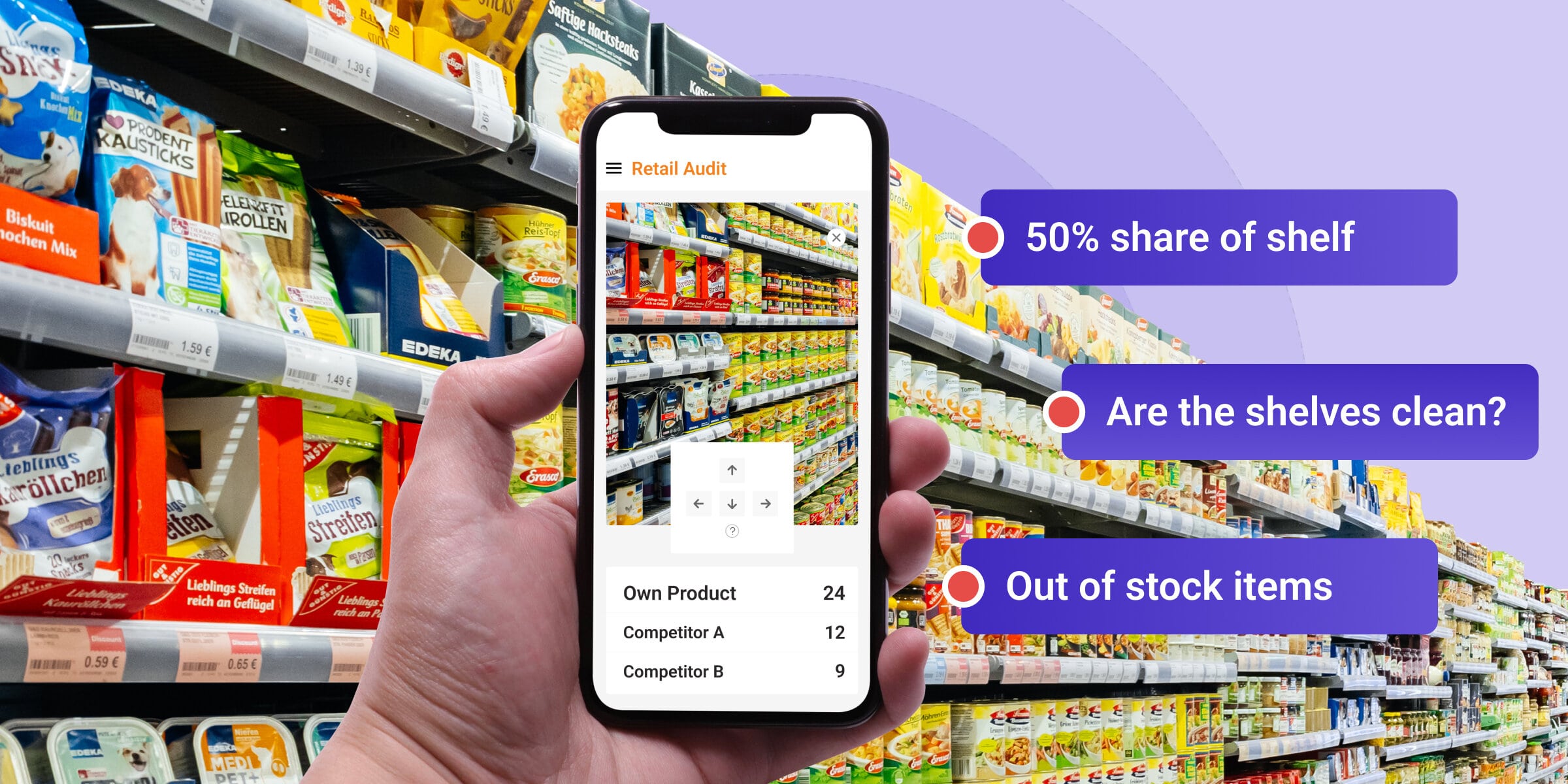
Gone are the days when data lingered in spreadsheets as an afterthought. In Malaysia’s competitive pharmacy sector, analytics now drive dynamic merchandising decisions, transforming how distributors optimize shelf space and inventory. By merging real-time insights with operational workflows, brands are closing performance gaps while staying ahead of regulatory demands.
The New Era of Retail Analytics
Modern pharmacy networks leverage three core data streams to refine strategies:
Monthly Product Performance Reviews: Tracking inventory turnover at the SKU level prevents overstocking while ensuring popular items remain available.
AI-Powered Shelf Audits: Teams photograph store displays, using machine learning to spot misplaced products or promotional material violations within minutes.
Interactive Brand Portals: Custom dashboards let managers compare sales metrics across regions, identifying underperforming outlets needing attention.
Consider a scenario where a health supplement distributor notices uneven demand for a new collagen product. Real-time sales data reveals stronger traction in urban Klang Valley pharmacies compared to East Malaysian stores. Instead of waiting for quarterly reports, they reroute inventory within days—maximizing revenue while minimizing wasted shelf space.
Proactive Problem-Solving & Compliance
Data’s true value lies in its predictive power. By analyzing historical trends and current stock levels, brands can anticipate shortages or seasonal spikes before they impact customers. This foresight proves critical in regulated segments like medical devices or OTC drugs, where non-compliance with MDA or NPRA standards risks fines or product recalls. Automated alerts for expiring batches or documentation lapses add another layer of protection.
Retailers adopting these tools report sharper decision-making and improved partner relationships. When brand managers can validate planogram adherence through photo evidence rather than manual checks, disputes decrease and execution quality rises.
The shift to data-centric merchandising isn’t just about efficiency—it’s about building resilient, responsive supply chains that adapt to Malaysia’s fast-paced retail environment. As pharmacies embrace these insights, they’re not only stocking shelves smarter but future-proofing their operations in an increasingly competitive market.
Learn more : Planogram in Pharmacy: Why You Should Try a Planogram Today
Future Trends: Tech-Enabled Merchandising in Malaysian Pharmacies

Malaysia’s pharmacy sector is poised for a transformative shift, driven by three pillars: digital innovation, individualized customer experiences, and operational flexibility. Gone are the days of static pricing—electronic shelf tags now empower retailers to update costs in real-time, responding to market shifts instantly. Meanwhile, augmented reality (AR) displays are redefining skincare trials, letting shoppers virtually test products without opening a sample. Behind the scenes, AI-powered layout tools analyze sales trends to optimize store arrangements, ensuring high-demand items stay visible while slower stock gets strategic repositioning.
Personalization is equally critical. Integrated CRM systems now push tailored promotions to loyalty members—imagine receiving a discount alert as you stroll past the vitamins aisle. These platforms also enable hyperlocal campaigns, where distributors craft micro-targeted deals for neighborhoods or cultural communities. A promotion for postnatal vitamins, for instance, might focus on areas with higher young family populations.
Yet tech adoption remains uneven. Urban giants like Watsons leverage cutting-edge tools effortlessly, while rural pharmacies often grapple with connectivity or budget constraints. This gap highlights the growing role of pharmacy distributor Malaysia partners, who simplify tech integration through standardized systems, hands-on training, and turnkey rollouts. Their support ensures even smaller players stay competitive without drowning in complexity.
Success, however, won’t hinge on gadgets alone. The true winners will balance automation with human intuition. Pharmacy staff who interpret AI-generated data to refine inventory choices, or use AR demos to spark genuine customer conversations, will thrive. It’s this synergy—melding tech’s speed with human empathy—that will define tomorrow’s pharmacies.
As infrastructure improves and consumer expectations evolve, adaptability remains key. Brands that embrace scalable solutions while nurturing customer trust won’t just survive Malaysia’s retail evolution—they’ll lead it. After all, innovation without relevance is just noise. The future belongs to those who listen, adapt, and care.
Learn more : How Technology is Revolutionizing Pharmacy Merchandising Services in Malaysia
In Malaysia’s competitive healthcare landscape, merchandising has evolved far beyond stocking shelves—it’s now a critical growth strategy. For modern pharmacies, effective product presentation directly shapes consumer trust, influences purchasing decisions, and builds long-term brand loyalty. When executed strategically, merchandising becomes a dynamic tool that bridges clinical value with commercial success, ensuring products not only reach shelves but also resonate with health-conscious shoppers.
Today’s pharmacy merchandising spans multiple dimensions, from optimizing planograms for maximum visibility to deploying data-driven promotional campaigns. Advanced analytics now guide inventory decisions, while tech integrations like smart shelving and digital price tags enhance in-store experiences. However, the true differentiator lies in blending these tactics with NPRA-compliant practices—think accurate labeling and pharmacist-led consultations—to marry regulatory adherence with customer confidence. This dual focus transforms standard retail spaces into trusted healthcare hubs.
The stakes are high in Malaysia’s $2.5 billion pharmacy market. Brands that neglect merchandising’s evolving role risk losing shelf space to competitors who leverage real-time sales data or localized demand trends. Conversely, those aligning clinical expertise with retail savvy—like placing allergy relief products alongside seasonal displays or pairing vitamins with staff recommendations—see measurable boosts in both foot traffic and repeat purchases.
Ready to future-proof your pharmacy strategy?
At PriooCare Malaysia, we specialize in end-to-end retail solutions tailored to this unique sector. Our team combines deep regulatory knowledge with hands-on merchandising mastery, helping brands navigate everything from compliance hurdles to shopper psychology. Whether you’re refining planograms for urban outlets or launching rural awareness campaigns, we provide the tools and insights to amplify your market impact.
But here’s the reality: Success requires more than just eye-catching displays. It demands a holistic approach where merchandising syncs with supply chain agility, staff training, and digital integration. For instance, a well-placed OTC product might attract initial attention, but consistent sales hinge on factors like inventory reliability and post-purchase support.
Don’t let outdated tactics limit your brand’s potential.
How can we assist you today? 😊
Just let us know—we’re here to help!