

July 27, 2025
Can small-scale players carve out a profitable niche in Malaysia’s competitive pharmaceutical industry—even without corporate-scale resources? The answer is a resounding yes. Over recent years, nimble independent pharmacy distributors have emerged as key disruptors, particularly in specialized or underserved regions. By prioritizing agility and hyper-localized service, these businesses are challenging traditional wholesalers and redefining what it means to succeed in pharmaceutical logistics.
Malaysia’s healthcare landscape is undergoing a quiet revolution. As patient needs grow more diverse—from demand for rare medications to personalized wellness products—pharmacies and clinics increasingly prioritize partners who can adapt swiftly. Large corporations, while efficient for bulk distribution, often struggle to address niche requirements or deliver rapid responses. This gap has created a golden opportunity for independent distributors to thrive by offering tailored solutions, shorter lead times, and a deeper understanding of regional demands.
Launching an independent pharmacy distribution venture isn’t just feasible—it’s a strategic play in today’s fragmented market. Success hinges on mastering a few critical areas: securing licenses (a process requiring meticulous attention to Malaysia’s regulatory framework), forging relationships with trusted suppliers, and cultivating partnerships with local pharmacies. Equally vital is building a brand synonymous with reliability; think transparent communication, consistent delivery, and expertise in handling temperature-sensitive or specialty products.
This guide will walk you through everything from navigating regulations to building relationships—positioning you as the go-to distributor pharmacies trust. Whether you’re targeting urban clinics requiring same-day restocks or rural providers needing cost-effective access to generics, flexibility and local insight will be your greatest assets. By leveraging technology for inventory management and prioritizing customer-centric service, independent distributors can not only compete but set new standards in Malaysia’s evolving pharmaceutical sector.
The era of one-size-fits-all logistics is fading. For entrepreneurs ready to embrace adaptability, the rewards are waiting.
Understanding the Pharmacy Distribution Landscape in Malaysia
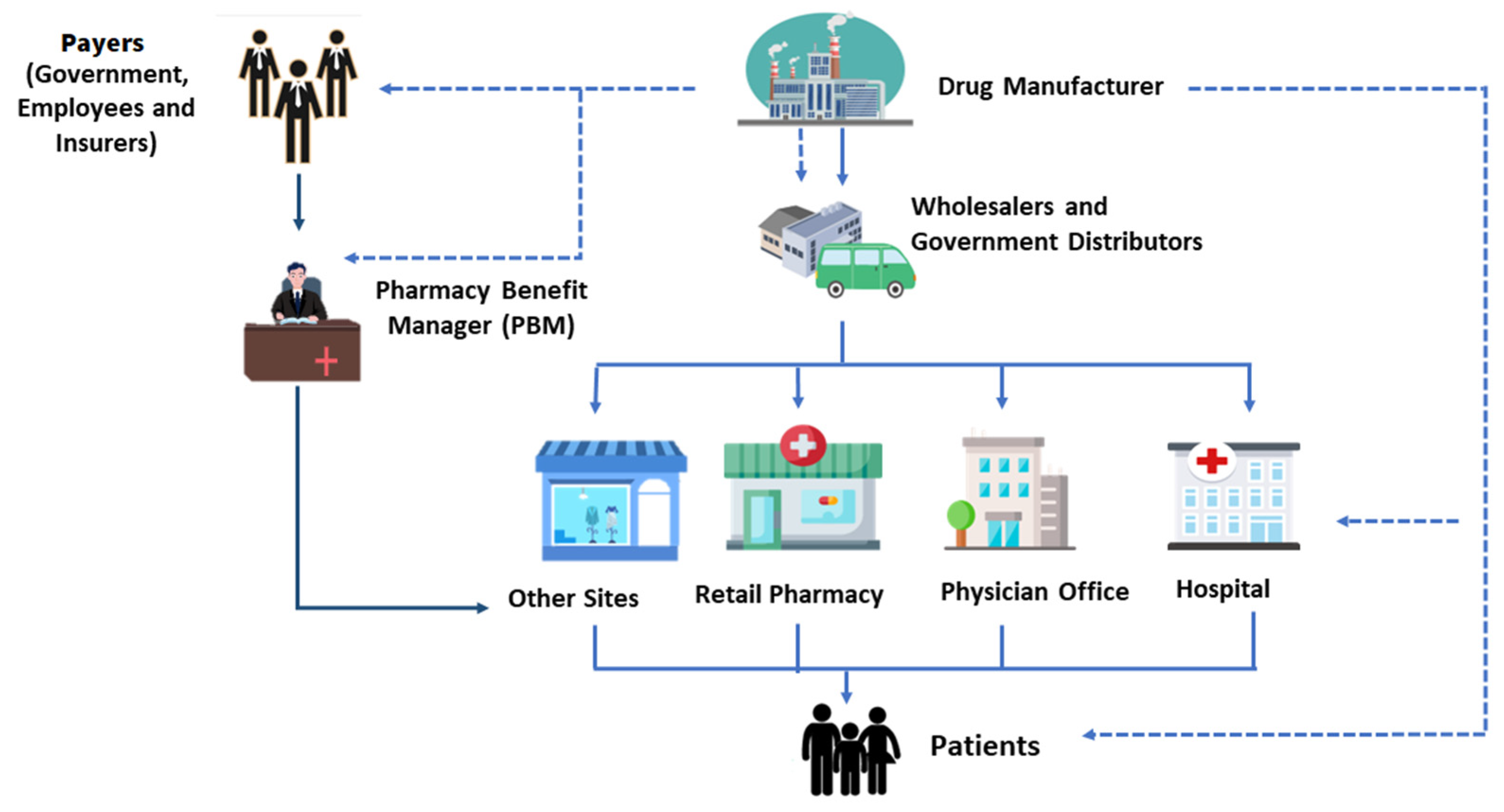
Have you ever wondered why certain pharmacies maintain perfectly stocked shelves while others struggle with frequent shortages? The answer lies in optimized supply chain management—specifically, how products navigate Malaysia’s intricate pharmaceutical distribution network. Let’s unpack the layers powering this critical ecosystem and explore emerging opportunities for agile players.
At the core of this system sit manufacturers and importers, who channel medications and health products through dual pathways: direct partnerships or third-party brokers. These initial links set the foundation, but the real magic happens at the next tier. Distributors emerge as unsung heroes here, acting as precision conduits that connect production hubs with frontline retailers. Their operational efficiency directly impacts whether neighborhood pharmacies can meet patient needs without delays.
Malaysia’s retail landscape showcases fascinating diversity, from sprawling chains like Guardian and Big Pharmacy dominating urban centers to family-run independents serving tight-knit communities. This variety creates space for specialized distributors catering to underserved niches. Unlike bulk-focused corporate operators, regional distributors offers tailored solutions—flexible delivery timetables that adapt to small inventories, rapid restocking during flu seasons, and curated access to specialty supplements larger networks overlook. As healthcare demands grow more sophisticated (think temperature-sensitive biologics or urgent vaccine rollouts), hyperlocal expertise becomes indispensable. These distributors doesn’t just move boxes—they decode regional buying patterns and regulatory quirks that make or break stock availability.
Simultaneously, shifting consumer preferences are reshaping the game. A wellness revolution fueled by demand for organic supplements, functional foods, and preventive care products allows nimble independents to thrive—if they balance compliance with speed. Success now hinges on marrying regulatory awareness with warehouse agility, ensuring trending items reach shelves before competitors catch on. For pharmacies, choosing the right distribution partner isn’t just logistics—it’s about securing a strategic ally in Malaysia’s fast-evolving healthcare marketplace.
Learn More : Malaysia’s Pharmaceutical Industry: A Fast-Growing Force
Legal Requirements and Licensing to Operate as a Distributor Pharmacy
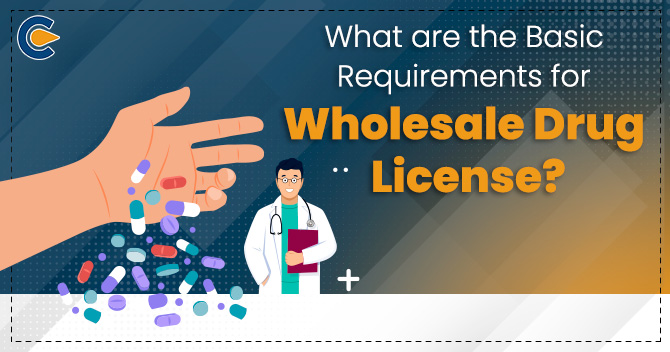
Starting a pharmaceutical distribution business in Malaysia requires meticulous adherence to national regulations. The cornerstone of this process lies in obtaining NPRA (National Pharmaceutical Regulatory Agency) approval while complying with guidelines from the Ministry of Health (KKM). Below, we break down the essential steps to establish your operations without regulatory hiccups.
Step 1: Secure the Right Licenses
Every distributor must first acquire a Wholesaler’s License, which authorizes the trade of pharmaceuticals, over-the-counter medicines, and health supplements. This license serves as your foundation for legal distribution activities.
Step 2: Validate Product Classifications
Products must display either a MAL registration number (for drugs/medicines) or a NOT notification number (for cosmetics/supplements). Misclassification is a frequent pitfall—double-check whether your items fall under the Control of Drugs and Cosmetics Regulations 1984 to avoid penalties.
Step 3: Optimize Storage Facilities
Your warehouse must align with Good Manufacturing Practice (GMP) standards. This is non-negotiable for temperature-sensitive products, which demand cold chain compliance. Regular audits ensure storage conditions meet NPRA’s stringent criteria.
Step 4: Appoint a Qualified Responsible Person (RP)
An RP—typically a licensed pharmacist or KKM-certified specialist—must supervise daily operations. Their role includes verifying documentation, ensuring quality control, and liaising with regulators during inspections.
Additional Requirements for Importers
Importing pharmaceuticals? You’ll need permits under the Poisons Act 1952 or Sale of Drugs Act 1952. Don’t overlook niche categories: If your inventory includes medical devices, MDA (Medical Device Authority) clearance becomes mandatory.
Why Compliance Matters
Malaysia’s regulatory framework prioritizes public safety, but it also rewards transparency. Complete, accurate paperwork accelerates approvals and minimizes delays. One common oversight? Failing to verify if hybrid products (e.g., medicated cosmetics) require dual registrations. Proactive compliance not only builds trust with authorities but also strengthens your market reputation.
By methodically addressing each requirement—from licensing to logistics—you’ll create a resilient operational framework. Remember, cutting corners risks fines or license suspensions, while thoroughness paves the way for long-term success.
Learn More : How to Choose the Right Pharmaceutical Distributor in Malaysia: A Step-by-Step Guide
Building Your Distribution Network: Sourcing, Storage, and Delivery
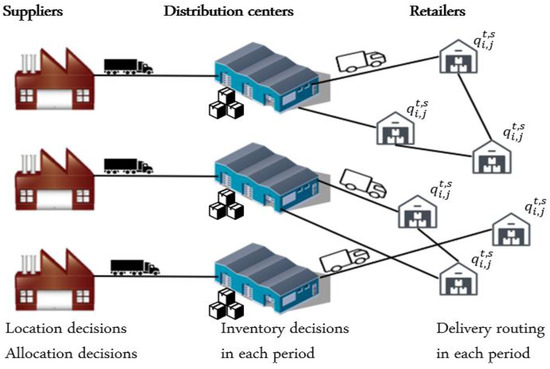
What strategies do leading distributors use to secure high-demand products, and what systems ensure smooth storage and delivery? The answer lies in smart sourcing practices, tailored storage solutions, and strategic logistics planning—all critical for thriving in Malaysia’s competitive pharmaceutical sector.
Strategic Product Sourcing
Successful distributors start by partnering with domestic manufacturers producing NPRA-certified items or internationally recognized brands. Many focus on niche markets with steady demand, such as:
Urban wellness trends: Supplements and nutraceuticals favored by city dwellers
Family health essentials: Nutrition-focused functional foods for households prioritizing preventive care
High-turnover OTC staples: Everyday remedies like pain relievers, sore throat tablets, and dermatological creams
Adaptable Storage Solutions
Inventory management requires customized approaches based on product characteristics:
Temperature-sensitive goods: Refrigerated storage for probiotics, biologics, and vaccines
Shelf-stable items: Ventilated warehouses with moisture regulation for tablets and capsules
Security measures: 24/7 surveillance and access controls to minimize pilferage risks
Intelligent Distribution Networks
Delivery models must align with geographic coverage goals. Operators targeting the Klang Valley often use centralized hubs with dedicated regional teams, ensuring rapid metro-area service. For broader national reach—particularly to challenging regions like Sabah and Sarawak—third-party specialists like GDex or J&T Express provide reliable last-leg delivery capabilities.
Building a Competitive Edge
Leading wholesalers recognize that supply chain excellence relies on three interconnected factors: rapid order fulfillment, airtight compliance, and complete product journey visibility. By implementing warehouse automation tools and track-and-trace technologies, distributors reduce errors while meeting strict regulatory standards.
Investing in robust pharmaceutical logistics infrastructure not only enhances operational speed but also ensures product traceability and regulatory compliance—three critical factors that sets leading wholesalers apart. Those who master this balance between strategic sourcing, smart storage, and adaptable delivery systems position themselves as indispensable partners in Malaysia’s evolving healthcare landscape.
Learn More : Developments in the Market for Healthcare & Pharmaceutical Logistics
Establishing Partnerships with Retail Pharmacies and Clinics

Building lasting partnerships with pharmacies requires more than just competitive pricing or a broad product range—it demands a strategic, value-driven approach. To become their preferred distributor, start by thoroughly analyzing the regional retail pharmacy landscape. Pinpoint underserved areas, such as rural communities or smaller towns where consistent inventory access is limited, or where niche products are in higher demand. Recognizing these gaps allows you to tailor solutions that directly address their pain points.
Cultivating Confidence Through Action
Trust isn’t built overnight. Begin by offering customized merchandising support, including eye-catching displays and promotional materials that enhance in-store appeal. Complement this with concise, easy-to-digest product guides and training sessions for pharmacy staff. These resources empower teams to answer customer questions confidently, positioning your brand as a partner invested in their success.
Don’t underestimate the power of sampling programs and seasonal promotional bundles. These not only introduce new products but also demonstrate your commitment to helping pharmacies boost sales. Additionally, prioritize transparent communication—implement real-time order tracking and responsive customer service to streamline restocking processes.
Forward-thinking distributors go a step further by providing workshops on emerging healthcare trends or optimizing inventory for peak seasons. By sharing actionable insights, you transition from a supplier to a strategic advisor.
Leveraging Tech & Operational Excellence
Adopt user-friendly digital platforms for seamless ordering and inventory management. Reliable logistics and flexible payment terms further solidify your reputation as a dependable partner. Consistency here is key; erratic service or delayed deliveries can erode trust quickly.
Ultimately, pharmacies gravitate toward distributors who anticipate their needs, add tangible value, and maintain open lines of communication. By staying adaptable, proactive, and genuinely invested in their growth, your brand will naturally become the first name mentioned in industry discussions—and the last one they’ll consider replacing.
Technology and Operations: Systems to Streamline Your Distribution Business

In today’s fast-paced distribution landscape, scaling your business without a modern technological infrastructure is like building a skyscraper on sand—it simply won’t hold. As product portfolios expand and SKU complexity increases, relying on outdated manual processes becomes unsustainable. The solution? A strategic embrace of digital transformation.
Core Systems Every Distributor Needs
Inventory Management Software: Real-time tracking of batch numbers, expiration dates, and stock levels isn’t optional anymore. Advanced systems minimize waste, prevent stockouts, and ensure compliance with industry regulations.
E-Invoicing Solutions: Manual billing errors damage client trust. Automated platforms streamline B2B transactions, reduce delays, and improve cash flow by ensuring invoices are accurate and delivered instantly.
CRM Systems: Understanding clients goes beyond basic sales data. Modern CRM tools track order histories, measure satisfaction metrics, and automate follow-ups to strengthen relationships and identify upsell opportunities.
AI-Powered Forecasting: Predictive analytics transform historical sales data into actionable insights. Anticipating demand spikes or slowdowns allows smarter purchasing decisions and reduces excess inventory costs.
Collaboration & Automation: The Hidden Advantage
Seamless integration with pharmacy networks or retail partners takes efficiency further. Automated reordering triggers and low-stock alerts eliminate guesswork, ensuring clients never face shortages. Meanwhile, routine tasks like expiration date monitoring or delivery route planning can be handed off to algorithms, freeing teams to focus on strategic growth.
Why Tech Adoption Isn’t Optional
Customers now expect Amazon-level speed and transparency. Distributors clinging to spreadsheets and paper trails risk losing accounts to competitors offering real-time tracking portals and AI-driven insights. By contrast, tech-savvy businesses leverage these tools to deliver faster order fulfillment, proactive communication, and data-backed reliability.
The bottom line? In an industry where margins are tight and expectations relentless, robust tech systems aren’t just a differentiator—they’re the price of staying relevant. Companies that delay investing in these solutions will soon find themselves outpaced by agile, data-driven rivals.
Learn More : Technology and Transparency: How the Pharma Supply Chain Must Adapt
Pricing Strategy and Competitive Positioning in a Saturated Market
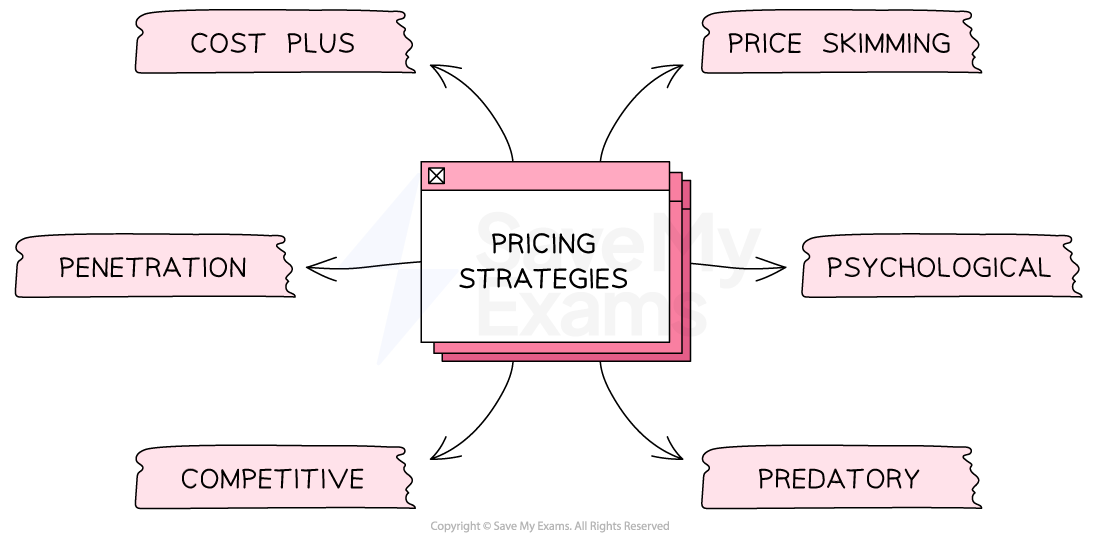
The answer is a resounding yes—but only with smart, strategic pricing. While large distributors dominate through bulk sales, smaller players can carve out a competitive edge by emphasizing agility and customer-centric solutions. Here’s how independent pharmacy distributors can thrive without sacrificing margins:
1. Prioritize Flexibility Over Scale
Instead of pushing high-volume orders, offer adaptable minimum purchase requirements. This allows pharmacies to manage inventory without overstocking—a pain point for smaller businesses. Pair this with rapid delivery options, such as next-day or scheduled shipments, to address urgent needs that national chains often overlook.
2. Curate Targeted Product Offerings
Generic bulk suppliers can’t match the value of tailored assortments. Analyze regional demand or niche therapeutic categories—like pediatric vitamins or diabetic care—to build specialized catalogs. This relevance not only attracts pharmacies but also positions your business as a trusted partner rather than a transactional vendor.
3. Structure Incentives That Drive Loyalty
Create multi-tiered pricing models that reward consistent ordering, prompt payments, or long-term contracts. For example, offer 2% discounts for invoices settled within 10 days or introduce membership programs with exclusive access to high-demand SKUs. These tactics deepen client relationships while improving cash flow predictability.
4. Leverage Localized Expertise
National distributors often neglect regional pharmacies in areas like East Malaysia or smaller towns. Fill these gaps by providing hyper-localized service, whether it’s stocking Ayurvedic medicines in Klang Valley or offering bilingual support. Use case studies and video testimonials from satisfied pharmacists to highlight your community-focused approach.
5. Compete on Value, Not Just Cost
In Malaysia’s fast-evolving market, reliability trumps rock-bottom pricing. Pharmacies prioritize distributors who deliver accurate orders on time and adapt to regulatory changes swiftly. Invest in real-time tracking systems or personalized account managers to reinforce your commitment to seamless service.
By combining strategic pricing with operational agility, independent distributors can build profitable, sustainable businesses. Remember—it’s not about undercutting competitors, but about delivering unmatched relevance and reliability that pharmacies genuinely value. After all, in an industry where trust is currency, consistency is the ultimate differentiator.
Learn More : Cost-Effective Strategies for Pharmacy Distribution in Malaysia
Marketing Your Pharmacy Distribution Brand Professionally

In the competitive pharmacy supply landscape, how do you transform casual inquiries into loyal partnerships? The answer lies in blending operational efficiency with strategic credibility-building. Clients don’t just buy products—they invest in brands that radiate professionalism, compliance expertise, and scalability.
Start With a Foundation of Trust
A polished digital footprint is non-negotiable. Launch with a user-friendly website featuring downloadable catalogs and clear NPRA compliance badges—these subtly reassure clients you meet regulatory standards. Next, leverage LinkedIn not as a static business card but as a dynamic hub. Share bite-sized industry analyses, case studies, and client testimonials to position your team as informed collaborators.
Visibility Beyond the Screen
While online presence anchors credibility, real-world engagement cements it. Attend niche expos like MyPHAM or host CPD-accredited workshops to demonstrate hands-on expertise. These forums aren’t just networking goldmines—they’re trust accelerators. Pair this with a meticulously optimized Google My Business profile, blending local SEO with crisp service descriptions and genuine reviews to dominate search results while projecting reliability.
Content: Your Secret Weapon for Lasting Impressions
Transactional relationships fade; knowledge-driven partnerships thrive. Regularly publish blogs or newsletters dissecting KKM regulation changes, product usage guides, or inventory management tips. For example, a post on “Navigating Malaysia’s Latest Cold Chain Storage Guidelines” doesn’t just inform—it preempts client headaches.
Shift From Vendor to Value Multiplier
B2B clients rarely impulse-buy pharmaceutical supplies. By the time they need to reorder, you want your brand to already be top-of-mind. Consistently delivering insights—not just invoices—builds a perception of your company as a strategic ally. Imagine a distributor who also helps clients audit shelf-life compliance: that’s a partner worth retaining.
The takeaway? Credibility isn’t a checkbox; it’s a narrative woven through every catalog download, LinkedIn comment, and seminar handshake. Start crafting yours today—before your next client realizes they need you.
Learn More : The Importance of Visual Merchandising for Pharmacies in Malaysia
Challenges Faced by Independent Pharmacy Distributors—and How to Overcome Them

Three primary concerns dominate the minds of new distribution businesses: unpredictable cash cycles, evolving compliance requirements, and logistical bottlenecks. Take product certification delays—like waiting months for MAL/NOT approvals—which can freeze inventory movement and strain client relationships overnight.
Breaking Down the Pain Points
Fresh entrants often grapple with financial pressures before establishing market credibility. Suppliers frequently demand full upfront payments, leaving little room for error. Seasonal demand miscalculations compound this, trapping capital in unsold stock that gathers dust. Regulatory curveballs add another layer: sudden NPRA guideline revisions can derail approval timelines by weeks, while serving remote areas often erodes profits through disproportionate fuel and handling expenses.
Turning Challenges Into Opportunities
Survivors in this space share one trait—they innovate without cutting corners. Building trust with manufacturers opens doors to flexible payment plans or consignment agreements, easing initial capital strain. Data-driven inventory management helps too: analyzing past sales patterns minimizes guesswork in ordering, especially for seasonal items.
Staying ahead of regulators requires vigilance. Subscribing to NPRA alerts and attending industry briefings ensures you’re never blindsided by policy updates. For last-mile delivery headaches, collaborative logistics models shine. Sharing refrigerated transport networks with non-competing businesses, for instance, slashes cold chain costs by up to 40% in some cases.
The Bottom Line
While obstacles abound, proactive adaptation separates fleeting ventures from enduring players. By blending financial creativity with compliance diligence, distributors can transform operational weaknesses into competitive advantages—all while keeping their supply chains (and profit margins) intact.
Learn More : Pharmaceutical Logistics Market: Cold Chain Imperatives
Malaysia’s leading healthcare enterprises aren’t just service providers—they’re architects shaping the entire medical ecosystem. With extensive networks, cutting-edge infrastructure, and collaborative partnerships, these industry giants influence how pharmaceuticals and health products circulate nationwide. For startups, investors, or regional distributors aiming to scale, aligning strategies with these key players isn’t optional—it’s a catalyst for sustainable growth.
Breaking into Malaysia’s dynamic healthcare sector requires more than ambition. Success hinges on three pillars:
Master Regulatory Navigation
Local compliance isn’t a checkbox—it’s a strategic advantage. Familiarize yourself with frameworks like the NPRA (National Pharmaceutical Regulatory Agency) for product registration, MDA (Medical Device Authority) guidelines, and NOT/MAL import permits. Missteps here can delay market entry by months.Forge Strategic Distribution Partnerships
Collaborate with established pharmacy distributors in Malaysia who possess regional expertise and logistical muscle. Credible partners bridge gaps between manufacturers and end consumers while ensuring compliance with Malaysia’s multi-tiered distribution channels.Align with Market Evolution
Modern healthcare consumers prioritize convenience and personalization. Structure your product strategy around emerging trends like telehealth integrations, chronic disease management solutions, and omnichannel retail experiences. Pharmacies aren’t just points of sale anymore—they’re becoming health education hubs.
Whether you’re introducing innovative medical devices or expanding a supplement line, Malaysia’s regulatory and distribution complexities demand localized insights. Our team specializes in end-to-end support—from decoding compliance requirements to identifying high-impact pharmacy distributor Malaysia partners. We don’t just open doors; we build bridges between your products and the communities needing them.
How can we assist you today? 😊
Just let us know—we’re here to help!