

June 24, 2025
Ever wondered what truly makes a pharmacy brand flourish across Malaysia’s Malay-majority regions? It’s tempting to think top-notch products alone guarantee success. But the real differentiator often lies deeper: it’s about how those essential health solutions actually reach the people who need them most, navigating the right channels effectively. Across the diverse Malaysian landscape, the Malay-speaking community forms a vital cornerstone for healthcare businesses. This is especially true outside major urban centers, in the suburban neighborhoods and rural towns where genuine community trust and a deep understanding of local cultural nuances aren’t just nice-to-haves – they’re absolutely fundamental to gaining acceptance.
Achieving distribution wins in these specific markets goes way beyond basic logistics and trucks making deliveries. Sure, getting products physically where they need to be is part of it, but the foundation is much more complex. Success genuinely hinges on cultivating real trust with local pharmacists and communities. It requires navigating regulatory clarity smoothly, ensuring compliance is second nature. Product visibility on shelves needs consistent effort, not just occasional attention. And perhaps most crucially, demonstrating authentic community relevance – showing your brand understands and respects local needs and preferences – is non-negotiable.
Whether you’re running a smaller, independent pharmacy distributor operation or you’re a major pharmacy distributor Malaysia relies on for scale, grasping these core, interconnected drivers isn’t optional. Ignoring them can mean the difference between your products gaining strong traction and simply stagnating on shelves, unseen and underutilized. Getting distribution right here directly impacts market penetration and brand loyalty in a significant way.
This exploration dives into the essential components needed for an effective pharmacy distribution service Malaysia demands, specifically tailored to resonate within the unique dynamics of Malay-speaking markets. Understanding these elements isn’t just strategy; it’s the pathway to building lasting relationships and sustainable growth where it matters most. Ultimately, it’s about connecting quality healthcare solutions with communities in a manner that feels respectful, reliable, and truly relevant.
Learn More : The Role of Pharmacy Distribution Services in Malaysia’s Healthcare System
Understanding the Malay Consumer: Cultural and Behavioral Drivers

For Malay consumers navigating health and wellness decisions, clinical information is just one piece of the puzzle. Deeply held cultural values, woven from threads of language, faith, and family bonds, exert a powerful influence on what products they choose and where they buy them. Understanding these influences isn’t just insightful; it’s essential for businesses aiming to connect authentically within these communities.
The language barrier is a significant factor. Consumers actively seek reassurance through clear Malay-language product descriptions and packaging. This linguistic comfort builds trust and ensures crucial safety and usage information is fully understood. Equally vital is adherence to Islamic principles. Halal certification isn’t a mere preference; it’s a fundamental requirement for peace of mind regarding ingredients and manufacturing processes, reflecting deep religious sensibilities. Family advice also carries considerable weight, with recommendations from relatives often shaping purchase decisions.
This cultural context elevates the role of pharmacies, particularly in states like Kelantan, Terengganu, and rural Johor and Kedah. Here, pharmacies transcend simple retail outlets; they become trusted community health hubs. The pharmacist’s recommendation holds immense sway. Customers frequently consult them directly for advice, viewing them as knowledgeable and reliable first-line health advisors. Consequently, products endorsed by the local pharmacist consistently see stronger sales performance compared to alternatives.
Recognizing these intricate behavioral patterns is key for distributor success. Pharmacy partners who localize their approach – think providing Bahasa Melayu point-of-sale materials (POSM), ensuring crystal-clear Malay labeling, and tailoring safety messages – are far more likely to win lasting consumer confidence. Furthermore, distributors who invest time in building genuine relationships with local pharmacists unlock a powerful advantage. This pharmacist trust directly translates into significantly stronger sell-through rates for their products, demonstrating that cultural fluency is not just respectful, but commercially critical in the Malay health and wellness market. Getting this right makes all the difference.
Learn More : Nine key consumer trends in 2024
Role of Independent Pharmacy Distributors in Local Market Penetration
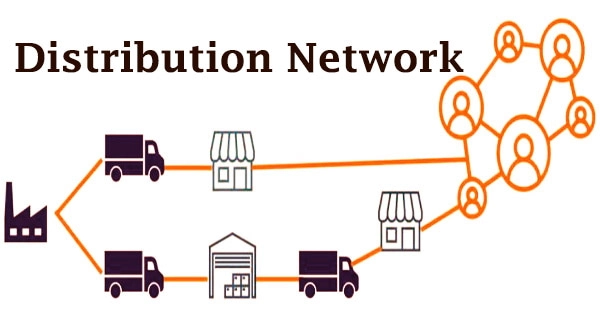
Ever wonder how smaller, independent pharmacy distributors consistently give the big players a run for their money across Malaysia’s Malay-speaking heartlands? It boils down to an often-overlooked superpower: agility. These nimble operators possess an unmatched ability to pivot quickly, deeply understanding the unique rhythms of local demand in a way larger corporations simply can’t match. This flexibility isn’t just theoretical; it translates directly into tangible success on the ground.
Think about towns like Batu Pahat or Kuala Selangor. An independent distributor excels here because they intimately know the community. They stock precisely the regionally relevant SKUs that resonate with local needs and preferences, avoiding the generic, one-size-fits-all approach. More importantly, they invest time in building genuine, personal relationships directly with pharmacy owners and staff. This connection fosters trust, leading directly to higher visibility on shelves and, critically, increased repeat purchases from loyal customers. It’s a hyper-local touch that builds real traction.
Consider this real-world example: A specific skincare supplement brand wanted to gauge interest in Negeri Sembilan. Instead of partnering with a national giant, they chose a specialized regional distributor. This local partner didn’t just move boxes; they crafted a culturally resonant strategy. This included developing Muslim-friendly marketing materials that respected local sensibilities, conducting in-depth briefings for in-store pharmacists to ensure knowledgeable recommendations, and offering flexible payment terms that suited smaller pharmacy cash flows. The outcome was undeniable: a staggering 38% surge in reorder volume within just two months. This wasn’t luck; it was localized execution.
For numerous pharmacy distribution service in Malaysia providers operating independently, embracing these hyper-local approaches isn’t optional – it’s fundamental to survival and growth. Success in the diverse Malay-speaking territories hinges on understanding cultural nuances, adapting offerings swiftly, and fostering those crucial personal connections. While large corporations struggle with bureaucratic layers and standardized processes, the independent distributor thrives on its ability to listen, adapt, and serve each unique community with remarkable precision. Their agility is their ultimate competitive edge, proving that sometimes, David really does outmaneuver Goliath in the complex Malaysian pharmacy landscape.
Product Registration and Compliance with NPRA for Malay Market Entry

For businesses eyeing the vibrant Malaysian market, viewing KKM registration (signified by that crucial MAL or NOT number) as merely a bureaucratic hurdle is a critical mistake. Why? Because for countless Malay-speaking consumers, that small identifier on your packaging speaks volumes. It’s not simply a sign the product meets safety standards; it’s a fundamental badge of trustworthiness.
Neglecting this registration process, or letting it drag on unnecessarily, doesn’t just risk regulatory fines—it actively erodes consumer confidence, and quickly. This isn’t theoretical. On the ground, community pharmacists, particularly those serving customers in regions known for more conservative purchasing habits, frequently refuse to stock non-compliant goods. Their shelves are reserved for products meeting the mark. This reality makes a deep understanding of NPRA compliance requirements and navigating the often-complex documentation timelines absolutely mission-critical for market access and shelf presence.
So, how can brands navigate this effectively and build that vital trust? Smart strategies go beyond the basics:
Expert Partnership: Collaborating with experienced regulatory consultants isn’t just helpful; it’s often essential for fast-tracking your submission and avoiding costly delays or rejections. They know the NPRA’s expectations inside-out.
Holistic Credibility: Where applicable, securing Halal certification isn’t an afterthought—it synergizes powerfully with KKM compliance, significantly boosting product acceptance and appeal within key demographics. It’s about aligning with cultural and religious values.
Visibility is Key: Don’t hide your compliance. Displaying the MAL or NOT number prominently on the front of packaging is non-negotiable. This allows consumers and retailers to instantly verify legitimacy, acting as a constant reassurance.
The commercial payoff for getting compliance right is undeniable. Market data consistently shows that products enjoying registered pharmacy product status outperform their unregistered competitors, and this gap is especially pronounced in sensitive categories like dietary supplements and cosmetics. Consumers actively seek out that mark of official approval. Ultimately, KKM compliance is far more than a checkbox; it’s the cornerstone of consumer trust, retail access, and sustainable success in Malaysia. Investing properly in the process isn’t just about following rules—it’s about building a reputable brand that resonates deeply with the local market. Getting it wrong means potentially missing out on huge opportunties.
Learn More : How to Ensure Regulatory Compliance for Pharmacy Distribution in Malaysia | Pharmacy Merchandising Tips to Improve Prescription Pickup and OTC Sales in Malaysia | WHO Guidelines on Good Distribution Practices (GDP) for Pharmaceutical Products
Pharmacist Trust and Recommendation Power in Malay Communities

Ever wonder why that friendly neighbourhood pharmacist seems to command such deep respect? Especially within Malay-majority areas across Malaysia, their role transcends simply dispensing medication. They’re often regarded with a level of trust and authority comparable to a family doctor – a genuine health advisor embedded right within the community. This unique position makes pharmacist engagement absolutely fundamental, arguably the most critical element within any effective pharmaceutical distribution strategy targeting these regions.
Recognising this immense influence, the truly smart pharmacy distributor Malaysia players don’t just deliver boxes. They invest strategically in building strong, informed partnerships right at the pharmacy counter. What does this look like in practice? It involves providing comprehensive pharmacist training tools that go beyond dusty manuals. Think easily digestible leaflets, dynamic digital presentations, and even quick-reference WhatsApp briefs tailored for busy professionals. Furthermore, equipping pharmacists with tangible resources like in-store demo kits and trial sachets empowers them to confidently introduce and explain products directly to curious customers. It’s about giving them the tools to be effective advocates.
But engagement isn’t a one-way street. Savvy distributors establish robust feedback loops. They actively solicit those invaluable real-world insights from pharmacists who are interacting with patients daily. This frontline intelligence is pure gold for understanding local needs, preferences, and any emerging concerns.
The payoff for this dedicated approach is significant and multifaceted. A distributor pharmacy that consistently keeps pharmacists well-informed, well-supported, and genuinely involved tends to reap tangible rewards. We’re talking about preferential shelf placement ensuring products are visible, an increase in those powerful verbal recommendations when patients seek advice, and demonstrably stronger reorder cycles as trust builds. Why? Because in Malay-speaking communities particularly, the pharmacist isn’t just a sales point; they are very much the first line of conversion. Their endorsement carries immense weight, directly influencing patient choices and brand loyalty. Ignoring this relationship dynamic means missing the heart of the market. Building it thoughtfully is the key to sustainable success.
Retail Channel Strategy: Matching the Right Outlet to the Right Region

Finding success in the Malaysian pharmacy market isn’t just about getting your product into stores; it’s critically about getting it into the right kind of stores, precisely where your target customers shop. A common mistake? Assuming the pharmacy landscape looks the same coast to coast. The reality is far more nuanced, and overlooking these regional quirks can seriously dent your sales potential.
Think about it: Malaysia’s retail pharmacy scene is a vibrant patchwork, not a uniform chain. Certain areas thrive with fiercely independent pharmacies deeply woven into the local community fabric – these places often enjoy incredible customer loyalty. Other districts, however, might be dominated by nimble mini-chains or specialized wellness boutiques catering to specific health trends. Recognizing this diverse retail pharmacy network is absolutely fundamental to crafting an effective distribution plan. It’s the bedrock of pharmacy distribution success here.
Picture this: a pharmacy wholesale distributor might aggressively target major urban centers, placing products in large chain outlets – seems logical, right? Yet, they could completely overlook high-traffic suburban neighborhoods where clusters of smaller, independent pharmacies actually capture most of the local footfall. The consequence? Significant missed sales opportunities. Getting this match right – aligning your specific product category with the most receptive outlet type – is key to boosting your sales velocity. For instance, those digestive health supplements gathering dust on a shelf in a busy KL hypermarket chain might fly off the counter in a trusted, family-run pharmacy up in Kelantan, where personal recommendations carry immense weight.
So, how do you tailor your approach effectively? You need to dig into several crucial factors:
Local Demand Data: Don’t rely on national averages; understand hyper-local purchasing habits and health concerns.
Outlet Type Dynamics: Map where independents, mini-chains, larger chains, hospital-linked pharmacies, and specialty stores actually hold sway in each region.
In-Store Flexibility: Assess how much control you realistically have over placement, visibility, and promotional space within different store formats – independents often offer more agility here than rigid corporate chains.
Ultimately, a one-size-fits-all national rollout simply doesn’t cut it in Malaysia’s pharmacy sector. By meticulously tailoring your pharmacy distribution by region, you ensure far greater product visibility. This strategic placement significantly boosts brand recall precisely where it matters most: right at the point of purchase for your ideal customer. Stop guessing where your product sells; start strategically placing it where it will sell. Getting your distribution strategy finely tuned to Malaysia’s unique regional mosaic is the smartest move you can make.
Strategic Use of Language in POSM, Packaging & Promotions

Forget treating language as a mere afterthought in the Malaysian market. When engaging Malay consumers, the choice of language isn’t a minor detail – it fundamentally drives their purchasing decisions. Using Bahasa Melayu effectively transcends simple translation; it becomes a powerful catalyst for building trust and boosting engagement at critical touchpoints. Think front-of-pack messaging that instantly resonates, point-of-sale (POS) materials that feel genuinely relevant, and pharmacist training aids that ensure clear communication – all significantly amplified through Bahasa Melayu.
So, what constitutes effective localization in this context? It demands going beyond the superficial. Key winning strategies include:
Prioritizing Bahasa Melayu for Core Benefits: Clearly communicate product advantages directly in Malay. Phrases like “Membantu penghadaman” (Aids Digestion) land far more powerfully than their English equivalents, instantly conveying value in the consumer’s heart language. This clarity is non-negotiable.
Embracing Dual-Language Clarity: Especially for crucial instructions or usage details, employ a dual-language format. This ensures accessibility for everyone, catering seamlessly to varying levels of English fluency while reinforcing key information in the primary language. It demonstrates thoroughness and respect.
Reflecting Local Values Visually: Localization isn’t just verbal. Adapt the imagery and messaging on your POS materials to authentically mirror Malaysian family structures, cultural nuances, and community values. Visuals that feel familiar and relatable create a high trust environment and reinforce brand connection.
Brands that overlook these deep localization principles often face an uphill battle, regardless of product quality. A strong formulation means little if potential buyers struggle to grasp what it does or how it benefits them. Confusion stemming from language barriers directly translates to lost sales and diminished brand perception. Effective consumer education hinges entirely on message comprehension – starting with the language itself. This is particularly vital in regions or demographics where English literacy might be secondary, or where Bahasa Melayu is simply the preferred language for daily life and significant decisions. Ignoring this preference isn’t just a marketing misstep; it’s a fundamental disconnect that hinders market penetration and loyalty. The message is clear: in Malaysia, speaking the customer’s language, literally and culturally, isn’t optional for success—it’s the essential foundation.
Learn More : Strategies That Fit Emerging Markets
Digital-to-Offline Integration for Rural Penetration

Forget dusty newspaper ads or fading billboards. In Malaysia’s Malay-majority rural heartlands, the way consumers discover local pharmacies has fundamentally shifted. The new frontier? Vibrant WhatsApp community groups, engaging Facebook Live sessions, and relatable TikTok videos. These platforms aren’t just popular; they’re becoming the primary drivers for connecting rural communities with essential health services and products.
The proof lies in real results. Consider this compelling Malaysian case study: A savvy pharmacy distribution service tackled the challenge of promoting a specific herbal multivitamin. Their strategy? Hyper-targeted, Malay-language Facebook advertising campaigns, cleverly combined with a pharmacist referral system operating directly through WhatsApp. This powerful one-two punch didn’t just generate buzz – it actively funnelled significant new customer traffic towards carefully chosen partner pharmacies within specific communities. The tangible outcome? A standout 27% surge in unit sales recorded in the districts of Baling and Muar. It clearly demonstrates digital’s power to move the needle.
Here’s the crucial takeaway for distributors and their pharmacy partners: Success hinges on more than just sparking initial interest online. The winning formula involves deploying smart geo-targeted digital strategies – reaching the right people in the right villages or towns. But critically, this digital effort must be seamlessly backed up at the physical counter. When the intrigued customer walks in, the product absolutely needs to be readily available on the shelf. And coupling that availability with compelling in-store promotions? That’s how you truly close the loop, transforming that digital curiosity sparked on Facebook or WhatsApp into an actual purchase right there in the community pharmacy.
It’s this closed-loop approach – targeted online visibility meeting frictionless offline fulfillment – that unlocks serious growth potential for pharmacies serving rural Malaysia. Distributors who empower their partners with these integrated digital tools and support the physical execution are the ones seeing the real traffic boosts and sales wins. The tools exist; the strategy is proven.
Common Pitfalls in Malay Market Distribution—and How to Avoid Them

Ever launch a fantastic product, only to watch it gather dust on pharmacy shelves across Malaysia and Indonesia? You’re not alone. Many companies face surprisingly low uptake in these vibrant Malay-speaking regions, despite solid products and significant effort. The root cause? Often, it boils down to a handful of avoidable misalignments with the local market’s unique rhythms.
Where Things Frequently Go Off Track:
One major stumbling block is misjudging product relevance for specific demographics. Imagine promoting premium collagen supplements heavily to elderly gentlemen in rural Kelantan – it’s simply not a cultural priority or common purchase habit for that group. This disconnect happens more often than brands realize. Another common pitfall? Relying solely on English in marketing materials, packaging, and training resources. While English is understood in urban centers, Malay (Bahasa Melayu/Indonesia) is the heart language for genuine connection, especially outside major cities and crucial for pharmacist buy-in. Perhaps most critically, many brands fail to engage community pharmacists early enough. These aren’t just retailers; they’re trusted local health advisors whose endorsement is gold. Neglecting this relationship-building phase from the outset is a strategic error.
The Real-World Consequences:
The ripple effects of these missteps are tangible and costly. Market penetration stalls frustratingly low, with products failing to gain traction despite promotional spend. Pharmacy logistics become a nightmare – products sit unsold, expire, or stock doesn’t align with local demand, leading to inefficiency and waste. Ultimately, significant promotional effort gets wasted, draining budgets without delivering ROI. It’s a harsh reality: even exceptional products fail without that crucial local fit and understanding.
Charting a Smarter Course:
The good news? These challenges are navigable. Success hinges on deep localization and collaboration:
Co-Create with Pharmacists: Don’t just sell to them; involve key pharmacists from target regions early in planning. Tap into their insights on local needs, pricing sensitivity, and effective communication tactics. Their frontline perspective is invaluable.
Test Rigorously with Local A/B Trials: Don’t guess what works. Run controlled A/B tests on messaging, visuals, and promotions in different towns or states (e.g., try Kedah vs. Johor, or Surabaya vs. Medan). Real-world feedback trumps assumptions every time.
Hyper-Localize Your SKU Bundles: A one-size-fits-all approach rarely wins. Tailor your product bundles, promotions, and even pack sizes specifically for different outlet types or locations. What works in a Kuala Lumpur city-center pharmacy differs vastly from a rural Negeri Sembilan outlet.
The Winning Formula:
Getting this right pays off. Navigating the complexities of distribution and building brand love in Malay-speaking areas becomes infinitely smoother when you move beyond surface-level translation. It demands a genuine, nuanced understanding of both the end-buyer’s motivations and the pharmacist’s pivotal role as the trusted gatekeeper. Invest in true localization – understanding the buyer, respecting the seller, and speaking their language – and watch your market presence finally thrive. Success is built on these local insights, frankly, its what separates the winners from those who just keep struggling.
Learn More : Supply chain resilience in the pharmaceutical sector
Standing out in Malaysia’s bustling pharmacy market isn’t about luck or just having a good product. It boils down to a distinct strategic approach. The clear divide between brands that resonate deeply and those that fade into obscurity hinges on one critical factor: mastering culturally-aware, trust-centric, and meticulously channel-focused distribution. Whether you operate as an independent distributor or represent a large-scale pharmacy distribution service in Malaysia, genuine success demands adapting your strategy to the unique Malaysian audience, not expecting them to bend to your standard approach.
This means going beyond surface-level translations. It demands a profound understanding of local healthcare customs, patient expectations, and the specific dynamics within Malay-majority communities. Building authentic trust isn’t a checkbox; it’s an ongoing commitment demonstrated through consistent, respectful engagement and reliable service. Furthermore, recognizing that pharmacies in Kelantan operate differently from those in Kuala Lumpur or Sarawak is paramount. Tailoring your distribution and merchandising tactics to each specific channel and region isn’t optional – it’s the bedrock of relevance and impact.
Staying ahead requires constant vigilance: Stay informed about evolving regulations and cultural shifts. Stay deeply localized in your messaging, partnerships, and service delivery. Stay collaborative, fostering genuine, mutually beneficial relationships with both pharmacists and the communities they serve. It’s this integrated, respectful execution that transforms market entry into lasting market leadership.
✅ Ready to Elevate Your Brand’s Presence in Malay-Speaking Markets?
Navigating the complexities of Malay regions requires a dedicated expert. Partner with PriooCare. We specialize in the nuanced art of localized pharmacy distribution, providing comprehensive regulatory navigation support, and crafting impactful in-pharmacy merchandising solutions. We don’t just move products; we build sustainable growth by understanding exactly what it takes to win trust and secure shelf space where it matters most. Our focus is ensuring your products not only reach the market but thrive within it for the long term.
How can we assist you today? 😊
Just let us know—we’re here to help!