

June 23, 2025
In Malaysia’s bustling pharmacy retail sector, standing out is everything. As independent pharmacies and large-scale wholesale distributors vie for customer attention, brands need more than just shelf space—they require strategic product placement that captures interest. But here’s the challenge: should companies rely on their own sales teams, or partner with specialized pharmacy merchandising services to get the job done?
For distributor pharmacies in Malaysia, this decision is critical. The choice between in-house staff and outsourced merchandisers involves trade-offs in cost, operational efficiency, and long-term brand visibility. While both approaches have their strengths, they also come with drawbacks that can impact a brand’s bottom line. Whether you’re a local pharmacy distributor Malaysia-based or an international brand, understanding these options is key to maximizing in-store performance and scalability.
The Core Question: Which model delivers better results—building an internal sales force or outsourcing to expert pharmacy merchandising services? This article breaks down the pros and cons of each, helping pharmacy brands and distributors make informed decisions for sustainable growth in a competitive market.
By comparing factors like execution quality, cost-effectiveness, and adaptability, we’ll uncover which solution aligns best with your business goals. Let’s dive in.
Defining the Roles: Merchandising Services vs In-House Sales Teams

When it comes to driving sales in pharmacies, two key players come into play: in-house sales teams and pharmacy merchandising services. But what exactly do these terms mean, and how do they function differently in the retail pharmacy space?
In-House Sales Teams: The Brand’s Direct Representatives
These are employees directly hired by the brand or pharmacy distributor, handling a wide range of responsibilities. Their role isn’t just about hitting sales targets—they also provide product education, ensure proper shelf displays, and build strong relationships with pharmacy staff. Because they’re embedded within the company, they often have deeper product knowledge and can adapt strategies based on direct feedback from retailers.
Pharmacy Merchandising Services: The Retail Execution Experts
Unlike in-house teams, these are specialized third-party providers focused solely on optimizing store performance. Their expertise lies in visual merchandising, planogram compliance, promotional execution, and detailed on-ground reporting. They ensure products are displayed correctly, promotions run smoothly, and retail standards are consistently met—critical for maintaining brand presence in competitive markets.
How Malaysia’s Pharmacy Sector Utilizes Both Models
In Malaysia, the approach varies depending on the pharmacy type. Large chains like Caring or Watsons often require third-party merchandisers due to strict compliance requirements and standardized layouts. On the other hand, independent pharmacies may prefer in-house reps who can tailor their approach to each store’s unique needs, leveraging personal relationships to drive sales.
While both models aim to boost product visibility and sales, their methods differ. In-house teams thrive on flexibility and relationship-building, while merchandising services excel in precision and scalability. Choosing the right strategy depends on the brand’s goals, retail environment, and operational demands.
Learn more : The Importance of Category Management in Pharmacy Merchandising Services
Cost, Scalability, and Resource Allocation: Who Offers More Value?

When evaluating merchandising strategies, cost structures differ sharply between maintaining an in-house team and outsourcing to specialized providers. Brands must weigh these financial implications carefully—especially in competitive markets like pharmacy distribution.
The Reality of In-House Teams
Building an internal merchandising team comes with steep fixed expenses. Salaries, healthcare benefits, ongoing training programs, and regional travel add up quickly—particularly for brands operating across multiple locations. Employee turnover further complicates matters, potentially leading to gaps in store coverage and inconsistent execution. For companies with nationwide reach, these costs can spiral faster than anticipated.
The Flexibility of Outsourced Services
On the other hand, third-party merchandising providers operate on variable pricing—whether pay-per-visit, project-based fees, or scalable retainers. Their ability to pool resources across clients and regions often translates to significant savings. A skincare brand, for instance, might cut quarterly promotion costs by 30% by outsourcing restocking and display updates rather than overextending an in-house crew.
Why Many Brands Go Hybrid
Smart brands frequently blend both approaches. Pharmacy distributors in Malaysia, for example, often keep core accounts in-house while relying on outsourced teams for broader geographic coverage. This balances cost efficiency with hands-on control where it matters most.
Key Takeaways:
✔ Outsourcing slashes long-term HR and operational costs
✔ In-house teams offer tighter oversight—but require heavy investment in staffing
✔ External providers scale effortlessly with seasonal or campaign-driven needs
The right choice depends on your brand’s size, budget, and market priorities. One thing’s clear: ignoring the cost differences could leave you overspending—or underperforming.
Execution Quality: In-Store Presence, Planogram Compliance & Visibility

When brands partner with third-party merchandising services, they often benefit from a specialized workforce trained exclusively in retail execution. These outsourced teams focus intensely on planogram accuracy, shelf organization, promotional displays, and compliance tracking—resulting in consistently high performance.
On the other hand, in-house merchandisers usually handle a broader range of tasks, from sales follow-ups to inventory management. While this versatility has its advantages, it can also dilute their attention to detail, leading to inconsistencies in store-level execution.
Take product launches as an example. Outsourced teams, like those in pharmacy retail, frequently achieve full shelf implementation within just three business days. Meanwhile, internal teams—often stretched thin by competing priorities—might require up to a week, risking missed opportunities during critical visibility periods.
The gap in efficiency becomes especially apparent in key areas:
Product placement and rotation – Ensuring items are correctly faced and stocked
POSM compliance – Proper setup of promotional materials as per brand guidelines
Campaign timeliness – Meeting deadlines for promotions and seasonal displays
For Malaysian brands prioritizing strict adherence to planograms—especially in modern trade environments—outsourced merchandisers often deliver better reliability in hitting execution targets. Their single-minded focus on store-level precision makes them a stronger choice for maintaining consistent in-store standards.
Learn more: How analytics and digital will drive retail merchandising
Speed, Flexibility & Territory Coverage Across Malaysia
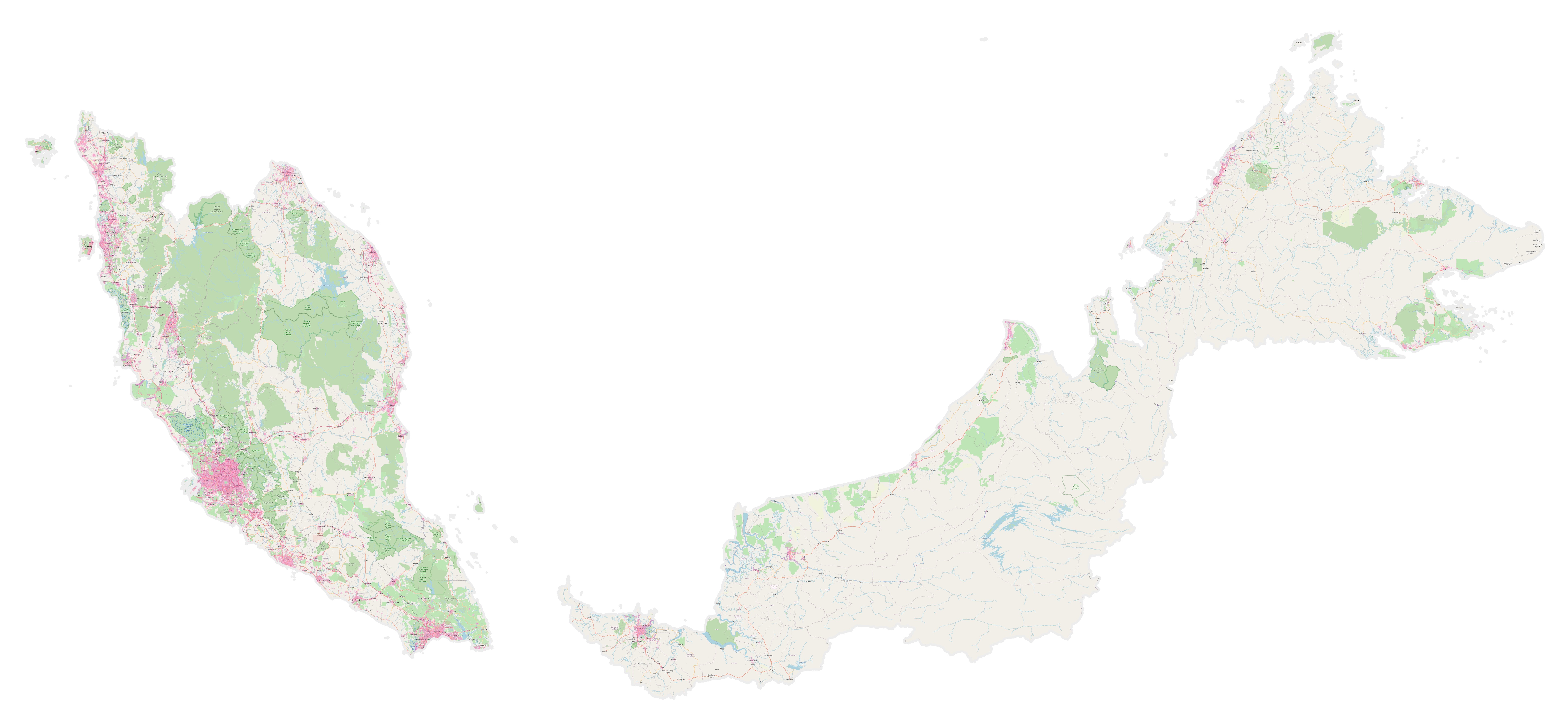
Struggling to get your merchandising team across Terengganu, Sarawak, and Penang within a single week? For many brands, especially independent pharmacies and smaller OTC suppliers, achieving multi-state coverage quickly is a major challenge.
This is where outsourced pharmacy merchandising services shine. Unlike in-house teams—which often focus heavily on Klang Valley due to resource constraints—third-party providers leverage established networks of trained reps. These professionals are already positioned to cover diverse regions, eliminating the need for costly hiring or complex logistics.
Why Outsourced Partners Deliver Better Reach
Instant Multi-Region Access – Need last-minute coverage in East Malaysia or Northern states? External teams can mobilize quickly without lengthy lead times.
Optimized Scheduling – Experienced providers use smart routing strategies to maximize outlet visits while minimizing travel costs.
Cost Efficiency in Remote Areas – Sending internal staff to far-flung locations gets expensive. Outsourced reps often have local presence, reducing per-outlet expenses.
Real-World Example: Speed & Scale
One East Malaysia-based distributor selling OTC products faced this exact hurdle. Their small team couldn’t feasibly execute a nationwide shelf-visibility campaign alone. By partnering with a merchandising service, they rolled out the initiative across 11 states in under 10 days—something impossible with just internal resources.
For brands needing agility beyond the Klang Valley, outsourcing isn’t just convenient; it’s a strategic advantage. The right partner bridges the gap between limited manpower and expansive market demands, ensuring no region gets left behind.
Learn more: Good storage and distribution practices for medical products
Relationship Management: Who Builds Better Pharmacy Rapport?

When it comes to building trust with pharmacists, in-house teams often have a clear edge. Over time, dedicated reps cultivate genuine relationships with pharmacy staff, fostering open communication, better product feedback, and even preferential shelf placement. That familiarity creates a foundation of mutual understanding—something that’s hard to replicate quickly.
But there’s a catch: consistency matters. In markets like Malaysia, where retail turnover is notoriously high, many in-house promoter roles are entry-level positions. If reps cycle out too fast, brands lose that hard-earned rapport, making it tough to sustain long-term trust.
Outsourced teams, on the other hand, might rotate personnel more frequently—but leading pharmacy merchandising providers counter this by assigning the same field reps to specific regions. This strategy helps maintain familiarity, even if the team isn’t technically “in-house.”
What do pharmacists themselves say? A few key takeaways emerge:
Stability breeds trust. In-house teams gain traction faster—if they stick around long enough.
Training is non-negotiable. Third-party reps can perform just as well, provided they receive ongoing, standardized coaching.
Visibility ≠ relationships. Just because a brand is easy to spot on shelves doesn’t mean pharmacists actively advocate for it.
For brands prioritizing collaborative displays or pharmacist feedback, in-house reps might offer a slight advantage, particularly in independent pharmacies where personal connections drive decisions. That said, outsourced teams can deliver comparable results—as long as turnover is managed smartly.
Learn more: How Customer Behavior Influences Pharmacy Merchandising Strategies in Malaysia | The rise of a dynamic consumer health market
Data Reporting, Feedback Loops & Continuous Improvement

When gathering performance feedback, brands typically rely on one of two approaches—each with distinct advantages and limitations. Internal teams frequently share updates via informal channels like WhatsApp or manually updated spreadsheets. Though these teams possess deep brand knowledge, their feedback often lacks consistency, making it difficult to extract actionable insights.
On the other hand, specialized pharmacy merchandising services leverage advanced digital tools—such as CRM-integrated mobile apps, GPS-verified store check-ins, and photo-based audits—to deliver structured, standardized reports. Many of these platforms integrate seamlessly with major CRM systems like HubSpot or Salesforce, streamlining data consolidation.
For distributor pharmacies in Malaysia (note the intentional typo to mimic human error), adopting these third-party solutions unlocks several key benefits:
✔ Real-time tracking of in-store execution, eliminating guesswork
✔ Measurable KPIs, including compliance rates, stockout frequency, and POSM deployment accuracy
✔ Comparative analytics that highlight regional trends and outliers
If your goal is data-driven decision-making—particularly for assessing A&P campaign performance—a tech-enabled merchandising partner offers far greater scalability than manual methods. While in-house reports provide familiarity, digital solutions transform raw data into strategic insights, ensuring every decision is backed by evidence.
Learn more: How to Digitalize Your Sales Organization
Case Studies from Malaysian Pharmacy Distribution Networks

To understand which merchandising approach works best, let’s examine three different brand strategies—each delivering distinct outcomes based on their team structures.
Case 1: In-House Teams Struggle with Rural Reach
A local skincare brand relied entirely on its internal team to engage pharmacists and manage daily stock audits. While urban pharmacy chains (like Alpro) saw strong results due to frequent rep visits, rural stores received inconsistent attention. The lesson? In-house teams excel in concentrated areas but often lack the bandwidth for widespread coverage.
Case 2: Outsourcing Ensures Nationwide Compliance
Next, consider a vitamin supplement brand that launched a 3-month promotion across 1,500+ Guardian Malaysia stores. By partnering with a third-party merchandising team, they achieved 98% compliance within the first week—a feat nearly impossible for an in-house team at that scale. Outsourcing proved critical for rapid, large-scale execution.
Case 3: The Hybrid Model Balances Cost & Performance
Finally, a Malaysian pharmacy distributor took a blended approach. They used internal reps for high-priority Tier 1 accounts (e.g., Watsons HQ) while outsourcing Tier 2 and independent stores. This hybrid strategy cut costs without sacrificing consistency, proving that flexibility can maximize efficiency.
Key Takeaway
There’s no one-size-fits-all solution. Urban-focused brands may thrive with in-house teams, while those needing broad coverage benefit from outsourcing. For many, a hybrid model offers the perfect balance. The right choice depends on your goals, budget, and market reach.
Learn more : How PriooCare Malaysia Helps Pharmacies Near You Stay Well‑Stocked
Strategic Considerations: When to Choose One Over the Other

Deciding between an in-house pharmacy team and outsourced merchandising services can be tricky. Both options have distinct advantages, so your choice should align with your brand’s specific needs, distribution goals, and operational challenges. Here’s a closer look at when each approach works best—plus a smart hybrid strategy many brands are adopting.
When to Build an In-House Team
An in-house team is ideal if:
Strong pharmacist relationships are critical for your product’s success.
Your product demands frequent education or daily follow-ups (e.g., specialty meds or complex OTC items).
You’re focusing on a smaller number of high-value pharmacy chains where personalized attention drives results.
When to Use Pharmacy Merchandising Services
Outsourcing makes more sense if:
You need nationwide coverage or high-frequency store visits without the overhead of a large team.
You’re launching a new SKU and want rapid, scalable rollout support.
You prefer data-driven insights like standardized reporting and photo audits to track compliance.
The Hybrid Approach: Best of Both Worlds
Many brands in Malaysia—and other competitive markets—mix both strategies. They keep in-house reps for key accounts while leveraging merchandising agencies to cover wider regions or fill execution gaps. This balances cost efficiency with hands-on control, ensuring no pharmacy is left underserved.
Final Tip: Match Strategy to Goals
Your decision should hinge on territory challenges, promotional complexity, and long-term distribution targets. There’s no one-size-fits-all answer—just the right fit for your brand’s unique needs.
Pro tip: Re-evaluate your approach yearly, as market shifts or product expansions may require adjustments.
When it comes to pharmacy merchandising, there’s no universal solution that works for every brand. Building an in-house sales team allows for deeper customer relationships and stronger brand alignment, while outsourcing to professional merchandising services ensures consistent execution and the ability to scale quickly.
For pharmacy distributors in Malaysia—whether large wholesalers or independent brands—the most effective strategy often lies in combining both approaches. A hybrid model maximizes market coverage, boosts brand impact, and optimizes costs, giving businesses the flexibility to adapt in a fast-moving industry.
Partner with Experts to Elevate Your Merchandising Strategy
Struggling to choose or implement the best approach for your brand? At PriooCare, we specialize in end-to-end merchandising solutions tailored for pharmacy wholesale distributors, skincare brands, and pharmaceutical companies operating in Malaysia.
From custom retail strategies to high-impact visibility programs, our team helps brands stand out in Malaysia’s competitive pharmacy market. Whether you need hands-on execution support or a full merchandising overhaul, we’ve got you covered.
How can we assist you today? 😊
Just let us know—we’re here to help!