

June 14, 2025
Malaysia presents a unique challenge for any industry relying on distribution: a vibrant tapestry of languages, cultures, and regional nuances. This complexity becomes especially critical within the pharmacy sector. Here, patient health outcomes, deep-rooted trust, and strict medication compliance aren’t just goals – they’re absolute necessities. The stark differences between large-scale global distribution networks and nimble local operators are increasingly evident.
Pharmacy distributor Malaysia players operate at the heart of this intricate ecosystem. Success demands far more than just moving products. They must continuously adapt to a maze of localized regulations that can shift between states, deeply understand the varied expectations and purchasing habits of the Malay-speaking population across different regions, and bridge significant cultural communication gaps. While multinational pharmaceutical distributors certainly bring impressive scale, extensive resources, and established international brands to the table, independent pharmacy wholesale distributors often possess an invaluable counter-strength: genuine community-rooted agility.
This piece delves into the practical realities confronting both local champions and global giants within Malaysia’s pharmaceutical supply chain. We’ll examine how distributors – whether large or small – can either thrive or face significant setbacks when navigating the specific demands of distributing medicines and health products effectively across the diverse Malay-speaking markets. The core question remains: in an environment demanding such localized sensitivity, is a rigid, uniform approach to distribution even feasible? The answer lies in understanding the ground-level complexities explored here.
Understanding the Malay-Speaking Market Landscape
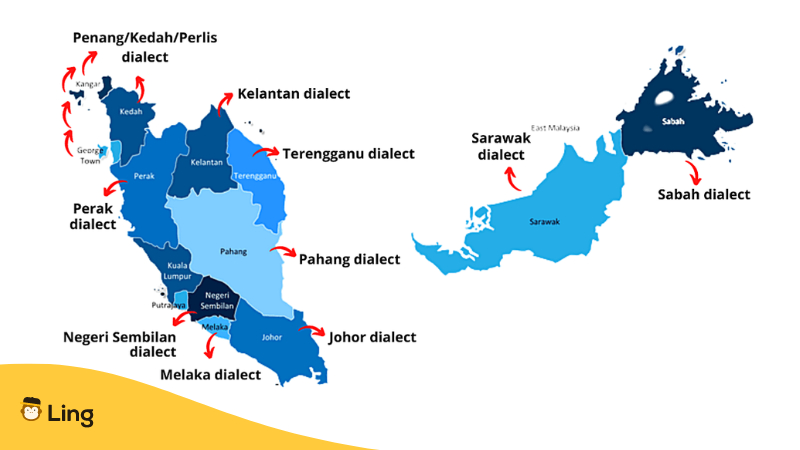
Understanding the linguistic fabric of Malaysia isn’t just about culture; it’s fundamental for effective pharmacy distribution. The nation’s significant Malay-speaking population, representing well over 60% of its people, creates distinct dynamics influencing buying habits from bustling cities to quiet villages. This linguistic reality presents unique hurdles for getting medicines and health products into the right hands effectively.
Consider pharmacies operating in states like Kelantan, Terengganu, or specific areas within Johor. Here, a substantial portion of customers genuinely prefers interacting and receiving information in Bahasa Malaysia, both verbally and in written form. This preference isn’t a minor detail – it directly shapes critical aspects like product labeling clarity, the delivery of essential health advice at the counter, and even how products visually attract shoppers on the shelf. Ignoring this preference creates a real risk of brands simply not connecting with a huge segment of their potential market.
For distributors supplying pharmacies and the brand managers overseeing portfolios, overlooking this linguistic need is a strategic misstep. It can lead to disengagement where customers feel the brand doesn’t understand or cater to them. Thankfully, savvy local pharmacy wholesale distributors often step into this gap. They provide essential bridges through localized customer support teams, packaging adapted for the Malay market, and point-of-sale materials designed to resonate. In contrast, global distribution models that lean too heavily on English or standardized, one-size-fits-all labeling can stumble badly. This reliance often causes genuine confusion, particularly among older generations or consumers in more rural settings who rely solely on Bahasa Malaysia. The consequences of unclear instructions or misunderstood dosage can be serious, too.
So, what does this mean specifically for succeeding in Malay-speaking markets? Several key implications emerge:
Trust Hinges on Clarity: Having clear, accurate labeling in Bahasa Malaysia isn’t just nice; it’s non-negotiable for building consumer trust. When people understand exactly what a product is, its dosage, and potential side effects in their primary language, they feel safer and more confident in their purchase.
Cultural Resonance in Promotions: In-store promotions and marketing materials must go beyond mere translation. They need deep cultural alignment to be truly effective. What works visually or thematically in one market might miss the mark or even offend in another. Understanding local sensitivities and preferences is crucial.
Pharmacists as Vital Educators: Malay-speaking pharmacists frequently become the de facto educators for brands on the front lines. They translate complex information, answer specific questions in the customer’s language, and provide the personalized reassurance that standardized packaging or global ads cannot. Supporting these professionals with localized training and resources becomes incredibly important for brand acceptance.
Ultimately, acknowledging and adapting to the dominance of Bahasa Malaysia within a huge segment of the population isn’t optional for pharmacy distribution success; it’s the essential foundation. Getting language right means building trust, ensuring safety, and genuinely connecting with millions of potential customers. Local distributors understand this intrinsically, and brands aiming for impact here would do well to really listen. It makes a massive difference in how products are perceived and adopted.
Local Pharmacy Distribution: Strengths, Limitations & Trends

Ever wonder why homegrown Malaysian pharmaceutical distributors consistently outshine their multinational counterparts when it comes to local trust and community rapport? It’s not just luck or happenstance. The secret sauce lies deep within their fundamental approach to business, rooted firmly in the unique soil of Malaysian community retailing.
Unlike sprawling global chains, these independent distributors possess an innate, almost intuitive grasp of the local landscape. This isn’t just about geography; it’s about cultural fluency and hyper-local relationships. Their core strength manifests in several key areas. First, they cultivate exceptionally strong, personal bonds with independent pharmacists across the nation. This isn’t transactional; it’s built on mutual understanding and shared context. Second, they offer incredibly personalized merchandising support. They don’t force a one-size-fits-all global template onto the local market. Instead, they tailor displays, promotions, and materials specifically to resonate with Malaysian consumers and adhere precisely to local norms and expectations.
A prime example? Consider launching a new skincare line. A nimble local distributor can rapidly deploy impactful Bahasa Malaysia shelf-talkers and secure endorsements from relevant local ambassadors. They understand the cultural nuances instantly. Conversely, a multinational competitor might still be tangled in layers of internal corporate approvals and standardized global marketing protocols long after the local player has captured shelf space and consumer attention. Furthermore, navigating the crucial NPRA (National Pharmaceutical Regulatory Agency) approval maze often happens significantly faster with these local experts, who understand the intricacies of the system intimately.
Key Advantages Summarized:
Lightning-Fast Market Response: They pivot quickly to capitalize on emerging local trends and consumer shifts.
Bespoke Merchandising: Support is customized, not cookie-cutter, aligning perfectly with specific pharmacy and community needs.
Pharmacist Rapport: Deep, trust-based relationships are the bedrock of their operations.
Of course, it’s not without hurdles. Independent distributors naturally operate with smaller logistics footprints compared to global giants, which can sometimes limit reach or delivery speed in extremely remote areas. Additionally, their bargaining power when dealing with large pharmacy chains might be less formidable than a multinational corporation wielding massive global purchasing agreements.
Yet, here’s the crucial takeaway: Despite facing these structural challenges, Malaysian independent distributors possess an unparalleled capacity for adaptation and market alignment. As the pharmaceutical distribution sector increasingly demands cultural sensitivity – particularly regarding language preferences and local health perceptions – the inherent agility of these local players becomes their superpower. They move quickly, understand deeply, and build trust authentically. This responsiveness, this ability to mirror the community’s pulse, is precisely what grants them a significant and enduring competitive edge in the vital metric of local trust. Their smaller size becomes an advantage, allowing them to be far nimbler and culturally attuned where it matters most.
Learn More : 7 Pharmacy Merchandising Tips | Great merchandising never goes out of fashion
Global Distributors Entering Malay Markets: What Goes Wrong?

It’s a puzzling scenario witnessed across the Malaysian pharmaceutical landscape: major international pharmacy brands, boasting significant global footprints, often struggle to gain significant market share here. What lies behind this disconnect despite their worldwide presence?
A core, recurring challenge stems from the fundamental misalignment between rigid global operating procedures and the specific expectations of Malaysian consumers and regulators. International distributor networks frequently enforce standardized packaging, universal marketing messages, and uniform compliance documentation across markets. While efficient, this approach can seriously backfire in Malaysia. Why? Because local consumers and authorities actively expect – and often legally require – adherence to specific Malaysian norms. This includes clear compliance with the Ministry of Health’s (KKM) stringent labeling guidelines, prominent Halal certification where applicable, and accurate Bahasa Malaysia translations on all product information. Ignoring these isn’t just an oversight; it’s a critical barrier to acceptance.
Consider the telling experience of a well-established European supplement brand. It entered Malaysia leveraging a large, global pharmacy distribution service, anticipating success based on its strong international reputation. However, the brand encountered a surprisingly lukewarm reception. Key hurdles included packaging with labeling that Malaysian shoppers found confusing and frustrating delays in securing necessary local regulatory approvals. Sales remained sluggish until a strategic shift occurred: partnering with a knowledgeable Malaysian distributor pharmacy. This local expert undertook a comprehensive rebranding effort, meticulously adapting the product specifically for Malaysian shelves and sensibilities. Only then did consumer interest and sales momentum truly pick up.
This case highlights widespread global missteps seen too often:
Overlooking NPRA Requirements: Failing to meticulously follow the National Pharmaceutical Regulatory Agency’s (NPRA) specific labeling and registration rules is a fast track to delays and rejection.
Inadequate Merchandising: Applying global shelf layouts or promotional tactics without considering how Malaysian pharmacies actually operate and how local consumers browse products leads to poor visibility and engagement.
Neglecting Pharmacist Relationships: Underestimating the influential role pharmacists play in the Malaysian healthcare ecosystem and failing to build trust and provide them with localized support materials hinders recommendations.
The lesson is unequivocal. Achieving success within the unique Malaysian pharmacy sector demands far more than just having a distribution channel in place. It necessitates deep, respectful localization – a genuine commitment to understanding and integrating into the fabric of Malaysian regulations, culture, and consumer behavior. Simply dropping a global product onto local shelves, without this crucial adaptation, is a recipe for stagnation rather than traction. True market penetration requires speaking the local language, literally and figuratively, in every aspect of the operation.
Learn More : Common Mistakes to Avoid in Distribution in Malay-Speaking Regions
Regulatory Barriers and Compliance Challenges

Breaking into Malaysia’s thriving pharmaceutical market? Prepare for a regulatory journey. The path to shelf space is meticulously governed by agencies like the National Pharmaceutical Regulatory Agency (NPRA) and the Ministry of Health (KKM). Think of it as a multi-stage gate: securing the essential MAL registration number, adhering to strict labelling mandates (including specific language requirements), and passing rigorous safety checks – even for basic over-the-counter items. Honestly, the efficiency of any pharmacy distribution service within Malaysia fundamentally depends on navigating this complex approval process swiftly and accurately.
Global Distributors: Facing Uphill Compliance Battles
While international players bring scale, they often hit significant regulatory speed bumps rooted in their structure. Common struggles include:
Slow Documentation Flow: Crucial paperwork frequently gets bogged down navigating layers of approval at distant international headquarters, causing frustrating delays locally.
Product Format Misalignment: Standard global packaging, formulations, or documentation might not fit neatly into the NPRA’s specific Malaysian criteria, demanding costly and time-consuming adjustments.
Submission Missteps: Communication gaps between HQ and the local team can easily lead to incomplete applications, errors in compliance documents, or just missing the nuances required by the NPRA – resulting in inevitable rejections or requests for clarification that stalls everything.
Local Distributors: The Agile Compliance Advantage
Conversely, independent Malaysian distributors typically operate with a distinct edge. They cultivate direct, responsive relationships with specialized regulatory consultants who understand the NPRA and KKM inside out. This local network translates into a proven ability to fast-track compliance. A prime example? Skincare products. International formulations often require tweaks to meet Malaysian ingredient standards or concentration limits. Local partners possess the know-how and connections to manage this reformulation process efficiently, avoiding the lengthy back-and-forth global entities typically endure. It’s about having the right conversations with the right people, quickly.
The Essential Takeaway
Forget viewing local regulatory knowledge as a mere nice-to-have add-on. When distributing pharmaceuticals or health products in Malaysia, understanding NPRA and KKM compliance inside out isn’t optional – it’s the non-negotiable master key unlocking market access. Trying to shortcut this with purely global processes is a recipe for delays, extra costs, and missed opportunities. Partnering with local expertise isn’t just smart; it’s fundamental to your success on the ground. They speak the language, literally and regulatorily.
Learn More : Access to Medicines and Health Products | Substandard and falsified medical products
Language, Culture & Trust in Distribution Strategies

When it comes to building genuine market momentum in Malaysia’s diverse pharmaceutical sector, the question arises: might a distributor deeply attuned to local languages actually forge stronger connections than a universally recognized international player? The answer often hinges on a critical factor beyond mere brand awareness: authentic relevance. Effective health communication here demands linguistic and cultural sensitivity, particularly outside major urban centers where Bahasa Malaysia is the primary language for daily life and healthcare discussions.
Distributors committed to this reality demonstrate significant advantages. Those investing resources into culturally resonant communication tools – think professionally translated informational brochures, community health initiatives held locally, or product demonstrations conducted in Bahasa – consistently cultivate deeper trust and rapport with both pharmacy retailers and end consumers. This localized approach proves especially potent at the crucial point of purchase. Pharmacy merchandising services utilizing Bahasa Malaysia POSM (point-of-sale materials) demonstrably sway buying choices far more effectively than promotions relying solely on English. The reason is clear: customers engage with and understand information presented in their mother tongue.
Why Does This Local Focus Breed Such Trust?
Several interconnected factors drive this preference. Firstly, pharmacy counter staff fluent in Bahasa Malaysia become powerful, credible product advocates; they can explain details clearly and answer questions comfortably. Secondly, regional campaigns intelligently weave in essential cultural and religious context – highlighting halal certification or family-safe product assurances resonates powerfully within the community context. Thirdly, the personal selling styles adopted by locally focused teams typically align much better with Malaysian communication norms and customer service expectations.
Consequently, global brands operating within Malaysia face a significant challenge. Those neglecting these nuanced localization requirements, including language adaptation and cultural understanding, risk appearing distant or even disconnected from the very communities they aim to serve. While international recognition holds weight, it rarely compensates for a perceived lack of genuine local understanding and respect in the sensitive realm of healthcare products. Building traction fundamentally requires speaking the customer’s language, both literally and figuratively.
Learn More : How CPG Packaging Impacts Consumer Behavior
Logistics & Last-Mile Distribution Constraints

For any pharmacy product hoping to succeed in Malaysia, navigating the final leg of its journey – the infamous “last-mile delivery” – isn’t just a logistical hurdle; it’s a critical determinant of market acceptance and repeat business. The landscape here presents a stark contrast, significantly impacting how reliably medicines and health supplies reach their end point.
Urban centres, particularly the bustling Klang Valley, often benefit from sophisticated infrastructure. This enables rapid resupply for pharmacies and increasingly common promises of same-day delivery for end consumers. However, venture beyond these metropolitan hubs into states like Sabah or Kelantan, and the picture changes dramatically. Delivery delays become a frequent reality, frustrating both pharmacists needing timely stock and patients awaiting essential items. This inconsistency creates a major challenge.
Compounding the issue is the approach of large, global distributors. Many operate centralized warehousing located outside Malaysia’s borders. While efficient for global scale, this model frequently stumbles when faced with the specific, often demanding lead time expectations ingrained within the local Malaysian market. The distance and complexity involved simply can’t always meet the need for speed and predictability that pharmacies and their customers require.
This is precisely where local Malaysian pharmacy wholesale distributors carve out a decisive advantage. Their deep understanding of the domestic terrain allows them to implement solutions tailored to its unique demands:
Faster Resupply Turnaround: They inherently operate shorter, more responsive resupply cycles. Pharmacies aren’t left waiting excessively long for essential stock replenishment, crucial for maintaining patient trust.
Strategic Regional Hubs: Instead of relying on a single distant warehouse, local players establish networks of regional distribution centres. This significantly cuts down transit times across diverse geographies, bringing stock closer to the point of need.
Localized Demand Forecasting: They possess the cultural and market insight to plan inventory around significant local events. Anticipating surges in demand linked to festivities like Ramadan, for instance, ensures pharmacies aren’t caught short during peak periods.
Mastering Specialized Needs: Perhaps most importantly, local distributors demonstrate superior capability in handling sensitive requirements like cold-chain logistics. Products such as certain probiotics or temperature-sensitive supplements demand rigorous temperature control throughout transit. Local networks, intimately familiar with Malaysia’s sweltering transit conditions, have developed the protocols and infrastructure to maintain product integrity far more effectively than distant operators might manage.
Ultimately, for pharmacy products in Malaysia, success hinges less on sheer global scale and more on mastering the nuances of the last mile. Timeliness in getting products where they’re needed, rigorous temperature control for sensitive items, and the agility to adapt inventory based on hyper-local realities – these factors, expertly managed by local distributors, consistently prove more vital to winning shelf space and consumer confidence than the broad reach offered by international giants. Getting that final delivery right is non-negotiable.
Learn More : How to Build a Successful Distribution Network in Malay-Speaking Areas
Pricing, Profit Margins & Channel Strategy

Ever wonder how pricing really works for medicines reaching your local pharmacy versus big chains? The strategies between local Malaysian distributors and global giants show fascinating contrasts, impacting both pharmacies and consumers.
Unlike their multinational counterparts, local independent distributors often operate on razor-thin margins. But here’s the advantage: they boast incredible flexibility. These nimble players actively tweak their pricing based on direct feedback from pharmacists, understanding the actual purchasing power within specific towns or states, and running hyper-local promotions. It’s pricing shaped by the community it serves.
Global distributors, however, typically take a different path. They lean heavily on fixed margin structures anchored in international pricing frameworks. While efficient for them, this approach can sometimes feel disconnected, failing to fully capture the nuances of Malaysian consumer spending habits or regional economic variations. What looks good on a global spreadsheet might not resonate on the ground in Penang or Johor Bahru.
This divergence creates another layer: channel conflict. Big international brands might unintentionally favor large pharmacy chains with standardized deals, leaving independent pharmacists feeling sidelined or squeezed. That friction is real. Local distributors, in contrast, often excel at relationship management. They understand the distinct realities – from high-traffic urban stores to essential kampung pharmacies – and try to craft solutions balancing both segments needs.
So, what resonates with Malaysian shoppers? Key insights show they actively respond to smart promotions like bundled offers (think cough syrup with lozenges), appreciate free samples for trial, and engage well with tiered pricing structures. Successful local campaigns cleverly integrate these pricing tactics with genuine trust-building efforts – maybe sponsoring a health talk alongside a promotion. Ultimately, that adaptability in pricing and distribution directly translates to better product sell-through rates for pharmacies. Flexibility isn’t just nice, it’s commercially crucial in this diverse market.
Case Studies: What Works in Malaysia’s Pharmacy Distribution

Navigating Malaysia’s pharmaceutical supply chain requires more than just logistics; it demands deep market understanding. Consider these contrasting real-world examples demonstrating what works—and what definitely doesn’t:
Case Study A: The Local Advantage Wins Big
A homegrown Malaysian skincare brand decided to collaborate with a distributor specializing exclusively in the Malaysia pharmacy channel. This partner didn’t just move boxes. They crafted a hyper-localized marketing strategy featuring promotional posters in Bahasa Melayu, organized complimentary skin consultation clinics right inside partner pharmacies, and rolled out tailored training programs educating pharmacists about the product’s specific benefits. The result? An impressive 42% surge in actual product sell-through happened within just half a year. Clearly, understanding the local context paid off substantially.
Case Study B: The Global Giant Stumbles
Conversely, a well-known US supplement brand entered the Malaysian market using a large multinational distributor. Sounds solid, right? Unfortunately, things unraveled quickly. Shipments faced frustrating labeling compliance delays due to unfamiliar regulations. Point-of-sale materials arrived only in English, failing to connect with many local pharmacists and customers. Plus, the pricing strategy felt out-of-touch with Malaysian market expectations. Pharmacist confidence plummeted, leading to minimal shelf push and stagnant sales figures month after month. Performance only turned around significantly after the brand finally switched to a knowledgeable, locally-focused distribution partner who understood the landscape.
Key Takeaways for Market Success:
Cultural Fluency Isn’t Optional, It’s Essential: Product acceptance hinges directly on resonating with local customs, language, and consumer behaviors. Ignoring this is a recipe for failure in the pharmacy space.
Pharmacists Are Your Ultimate Sales Force: Building genuine relationships and equipping pharmacists with product knowledge transforms them into powerful advocates influencing purchase decisions at the critical point of sale. They trust partners who invest in their success.
Localize Your Entire Distribution Strategy: From regulatory paperwork and marketing materials right down to pricing structures and partner selection – every element must be adapted for the Malaysian environment. A one-size-fits-all global approach consistently underperforms compared to a dedicated local strategy.
Success in Malaysia’s pharmacy sector fundamentally relies on respecting its unique dynamics and empowering local experts. Trying to bypass this reality inevitably leads to costly setbacks.
Navigating Malaysia’s vibrant pharmacy sector demands more than just broad international experience. True success hinges on strategically aligning your distribution approach with the unique fabric of the local market. While large global distributors undeniably offer significant scale, partnering with established local distributors unlocks a crucial competitive edge: unparalleled market nuance, faster adaptability, and deep-rooted trust within communities.
For brands aiming to genuinely connect and win in Malay-speaking regions specifically, several key strategies become non-negotiable:
Embrace Cultural & Linguistic Resonance: Communication must go beyond simple translation. Messaging, branding, and engagement need to authentically reflect local customs, values, and, critically, the Malay language at every touchpoint.
Prioritize Regulatory Agility: Malaysia’s pharmaceutical regulations are exactingly detailed and can evolve. Partnering with distributors possessing fluent, up-to-date regulatory knowledge and established compliance processes is absolutely essential to avoid costly delays or missteps.
Cultivate Pharmacist Relationships: Frontline pharmacists are trusted advisors. Building genuine, collaborative relationships with them – understanding their needs and challenges – is fundamental for product advocacy and ensuring optimal shelf presence and patient recommendation.
Localize Operations Holistically: A one-size-fits-all approach fails. Your pricing models, supply chain logistics, and point-of-sale (POS) strategies must be meticulously tailored to the specific dynamics and competitive realities of the Malaysian landscape.
Therefore, the critical decision for any pharmacy brand entering Malaysia isn’t a binary choice between global or local distribution giants. It’s about meticulously selecting partners who demonstrate exceptional capability in Malay-language distribution, characterized by precision execution, genuine cultural empathy, and the operational agility needed to thrive in this diverse market. The right partner acts as a true extension of your brand on the ground.
📞 Struggling to Find Your Perfect Pharmacy Distribution Fit in Malaysia?
Navigating the complexities of local nuances, regulations, and relationships can feel overwhelming. Don’t settle for generic solutions that miss the mark.
Partner with PriooCare. We specialize in expert pharmacy distribution, merchandising services, and deeply localized support precisely designed for Malay-speaking markets across Malaysia. Our focus is on helping your brand achieve sustainable growth through strategies that are:
Culturally Attuned: Resonating authentically with local communities.
Regulatory-Compliant: Ensuring smooth market access and ongoing operations.
Results-Driven: Focused on maximizing your brand’s reach and impact.
How can we assist you today? 😊
Just let us know—we’re here to help!