

July 8, 2025
Is entering pharmacy retail in Malaysia only for well-funded brands? For many indie skincare and healthcare brands, the answer often feels like a yes. The cost of merchandising—often overlooked at the start—can quickly become a major roadblock.
In Malaysia’s competitive pharmacy scene, shelf space isn’t just about availability—it’s about visibility, positioning, and staying power. But merchandising services don’t come cheap. Whether it’s in-store promoters, planogram enforcement, or display materials, emerging brands must stretch their resources carefully.
This is where strategic, essential, and tailored merchandising partners come in. Through trusted independent pharmacy distributors and pharmacy wholesale distributors, small-to-medium-sized brands can access budget-friendly merchandising without compromising professional presence. In this post, we’ll explore how to tap into these resources effectively.
Understanding the Role of Merchandising in Pharmacy Success
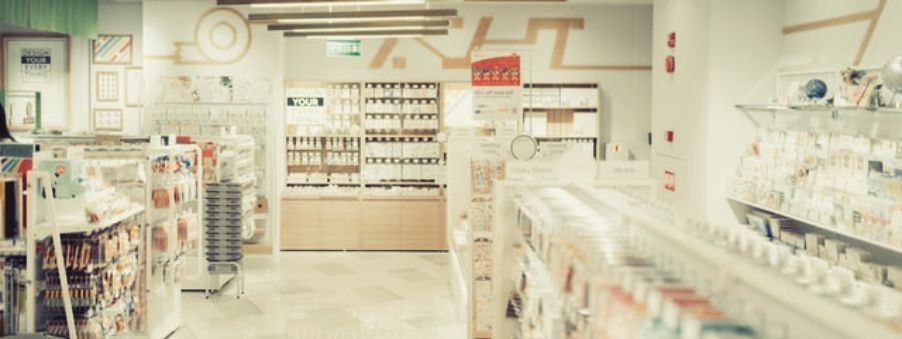
Merchandising isn’t just about placing products on shelves—it’s the strategic backbone of pharmacy retail success in Malaysia. In a market where consumer attention is fragmented, and competition is fierce, how a product is displayed, promoted, and maintained can make or break its performance. For healthcare and skincare brands, especially those in the indie or emerging category, mastering merchandising isn’t optional—it’s essential for survival.
Take a walk through any Malaysian pharmacy chain, from Caring to BIG Pharmacy, and you’ll notice a clear hierarchy in shelf placement. Premium eye-level slots are often reserved for trusted household names, while lesser-known brands get relegated to lower shelves or shadowed corners. This isn’t accidental. Big pharma players invest heavily in planogram compliance, in-store promoters, and seasonal displays to dominate visibility. For smaller brands, this creates an uneven battlefield—but not an unwinnable one.
Consider this real-world scenario: A local KL-based skincare startup specializing in halal-certified acne solutions secured prime shelf space in 20 pharmacies across Selangor. Their secret? Partnering with a reliable pharmacy distributor that offered tailored merchandising services—including monthly promoter rotations and customized shelf talkers. Within six months, their sales spiked by 68%, proving that even modest budgets can yield outsized results with the right execution.
Learn more : PHARMACY MERCHANDISING IN CONSUMER BEHAVIOR SYSTEM
Why Merchandising Matters More in Healthcare & Skincare

Unlike FMCG goods, healthcare and skincare purchases are benefit-driven and often emotional. A shopper browsing for vitamin C serums or joint supplements isn’t making impulsive decisions—they’re evaluating efficacy, brand credibility, and perceived value. Effective merchandising bridges the gap between skepticism and conversion by:
Enhancing discoverability: 72% of pharmacy shoppers admit they rarely look beyond the first two shelves of a product category (Source: Malaysian Retail Pharmacy Report 2023).
Supporting pharmacist recommendations: Pharmacists are trusted advisors. When your product is neatly displayed with clear benefit callouts, they’re more likely to suggest it.
Building brand recall: Consistent visual branding (colors, logos, POS materials) reinforces recognition.
For emerging brands, this is where expert merchandising partners become invaluable. Most pharmacy wholesale distributors in Malaysia now bundle merchandising support—from planogram audits to sampling campaigns—helping brands compete without the overhead of an in-house team.
Learn more : A STUDY ON THE IMPACT OF MERCHANDISING OF COSMETICS OR BEAUTY PRODUCTS ON CONSUMER BUYING BEHAVIOUR
Key Challenges Faced by Indie Brands in Pharmacy Merchandising
Let’s be blunt: The system isn’t designed to favor small players.
Independent brands face four structural hurdles when entering Malaysian pharmacy retail:
Budget Constraints: Hiring dedicated merchandisers costs RM 3,000–RM 5,000 monthly per rep (Source: JobStreet Malaysia 2024). For a bootstrapped brand, that’s unsustainable.
Minimum Order Quotas: Large distributors often impose volume thresholds, forcing brands to over-produce or lose shelf space.
Limited Negotiation Power: Chain pharmacies like Watsons prioritize brands with national advertising spend, leaving indie labels to fight for scraps.
Geographic Gaps: Rural pharmacies in Kedah or Perak rarely get visited by corporate merchandisers, creating “dead zones” for visibility.
A Johor-based herbal supplement brand learned this the hard way. After securing listings in 30 pharmacies, they realized zero merchandising support was included. Their products ended up stacked behind expired stock, and sales flatlined. The fix? Switching to a flexible distributor offering pay-per-outlet merchandising—resulting in a 112% rebound in East Coast sales.
Learn more : Threats and opportunities facing retail pharmacy
Types of Merchandising Services Offered by Pharmacy Distributors
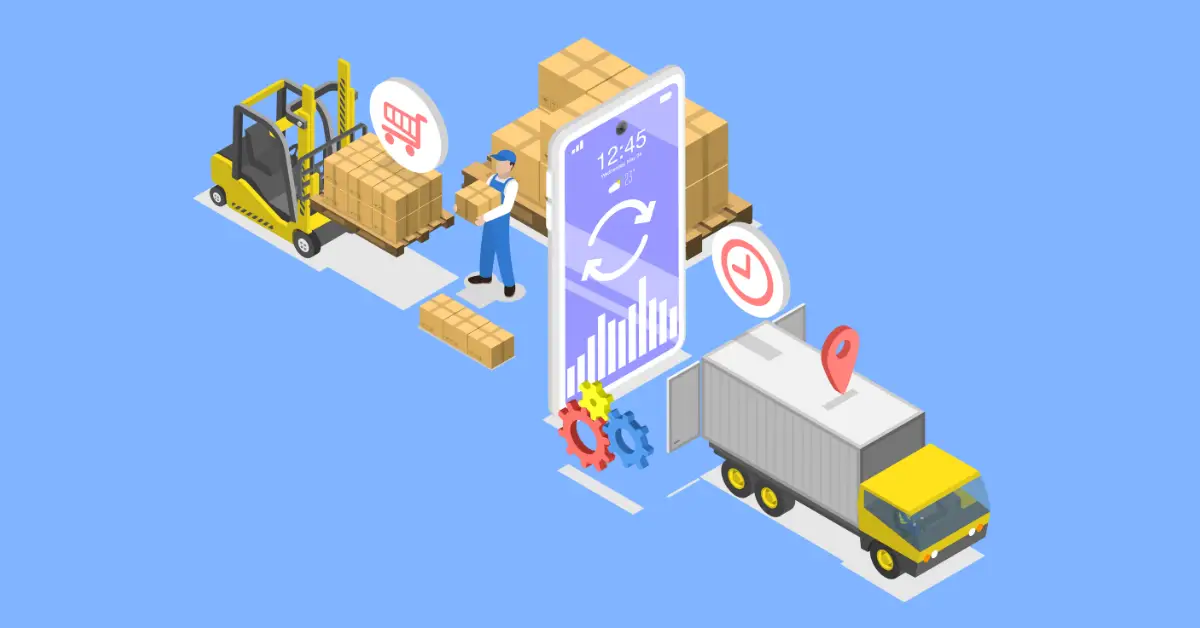
Not all merchandising is created equal. In Malaysia, pharmacy distribution partners provide tiered solutions:
✅ Basic Tier
Shelf tagging & barcode placement
Monthly stock rotation checks
✅ Mid Tier
Planogram compliance (ensuring your product gets its contractual shelf share)
POSM deployment (posters, wobblers, header boards)
✅ Premium Tier
In-store promoters (especially effective for new skincare launches)
Sampling kiosks or health screening tie-ins (e.g., free glucose tests with supplement purchases)
For example, a Kuching-based distributor helped a natural deodorant brand penetrate Sarawak’s market by combining strategic shelf placements with weekend demo booths at high-traffic outlets. The result? 83% sell-through rates in the first quarter.
Learn more : Pharmacy Merchandising: Best Practices for Product Pricing and Promotion in Malaysia | Pharmacy Merchandising. Features and Types of Product Placement
Affordable Yet Effective Merchandising Models: What to Look For

You don’t need a Fortune 500 budget—just smart prioritization. Here’s how to identify a cost-efficient partner:
🔹 Regional Flexibility
Some distributors charge flat rates for nationwide coverage, but hyper-local campaigns (e.g., focusing only on Klang Valley pharmacies) can slash costs by 40%.
🔹 Shared Merchandisers
A Kuala Lumpur pharmacy wholesaler pools reps across 5–6 non-competing brands, reducing fees to RM 800–RM 1,200 per outlet annually.
🔸 Performance-Based Pricing
Pay only for verified activations with photo proof—no more ghost visits.
Pro Tip: Always request case studies. A Penang distributor recently boosted an artisanal sunscreen brand’s revenue by 91% using guerrilla tactics like pharmacist training sessions and seasonal endcap displays.
Operational Scenarios: Malaysia-Specific Wins
Urban Edge (Kuala Lumpur)
A collagen drink brand partnered with a reliable distributor for 1,200 hours of promoter coverage across 45 high-traffic pharmacies. Sales jumped 3.5x during the campaign period.Rural Workaround (Pahang)
With no budget for in-store staff, a turmeric supplement brand used custom shelf strips with QR codes linking to testimonial videos. Offline-to-online engagement rose by 210%.Hybrid Model (Johor Bahru)
A migraine patch company combined low-cost gondola displays with pharmacist incentive programs (RM 10 per product recommended). Moves 1,200 units monthly now.
Final Checklist Before Partnering
Before signing with a merchandising provider, verify they offer:
✓ At least two service tiers (basic + scalable options)
✓ Transparent reporting (real-time photos, outlet-level KPIs)
✓ Local market expertise (e.g., understanding Malay vs. Chinese-majority pharmacy preferences)
✓ Regulatory compliance (MOH guidelines for health claims, halal certification visibility)
Learn more : 7 Pharmacy Merchandising Tips
How Independent Pharmacy Distributors Can Support Brand Growth

When it comes to pharmacy merchandising, agility and local expertise often make the difference between stagnant shelf presence and rapid brand adoption. Independent pharmacy distributors bring a level of flexibility that larger, corporate-driven networks frequently struggle to match. But why does this matter for brands—especially in Malaysia’s competitive healthcare and skincare retail landscape?
The answer lies in their operational DNA. Unlike national chains bogged down by rigid protocols, independent distributors thrive on close-knit pharmacy relationships. They’re embedded in communities—serving suburban neighborhoods in Klang Valley, niche markets in Penang, or high-traffic but underserved areas in Johor Bahru. This localized focus allows them to:
✅ Tailor merchandising strategies to individual store cultures
✅ Activate pilot programs without corporate red tape
✅ Negotiate partial campaigns for brands testing new markets
For example, a halal skincare startup in Malaysia partnered with an independent pharmacy distributor to bypass the lengthy onboarding cycles of big-box retailers. Within weeks, their products were featured in 20+ independent pharmacies, complete with custom shelf talkers and trained staff. The result? A 72% increase in trial purchases and sustained reorders—proof that agility drives growth.
But it’s not just about speed. Independent distributors offer trusted networks that help brands build organic visibility. Pharmacies in East Coast Malaysia, like those in Kelantan or Terengganu, often prefer working with reps who understand regional preferences—whether it’s natural health supplements or locally sourced wellness products. This hands-on approach ensures brands aren’t lost in the sea of mass-market SKUs.
Learn more : Top 10 Distributors in Malaysia for Vitamin and Wellness Products
Evaluating ROI: Measuring the Value of Budget Merchandising Partners

One common myth about low-cost merchandising is that it’s untrackable or lacks impact. The reality? When executed strategically, even budget-friendly campaigns can deliver measurable, high-return outcomes—if you focus on the right indicators.
Essential ROI Metrics for Pharmacy Merchandising:
📊 Sell-through uplift – Compare pre- and post-activation sales data (e.g., a 30% spike in a Johor Bahru pharmacy after a sampling campaign)
📊 Planogram compliance – Are displays placed correctly? Independent audits via photo logs or WhatsApp updates ensure accountability
📊 Repeat order rates – Pharmacies restocking = sustained demand
A strategic yet efficient approach doesn’t require expensive digital dashboards. In Malaysia, many brands rely on real-time WhatsApp updates from promoters, branch-level summaries, and even pharmacist feedback to gauge success.
Pro Tip: When drafting contracts with merchandising partners, clarify:
🔹 Coverage targets (e.g., 15 outlets in Penang within 4 weeks)
🔹 Reporting formats (photo evidence, checklist submissions)
🔹 Escalation protocols for underperforming activations
This proven framework turns low-cost efforts into reliable growth drivers.
Regulatory and Branding Considerations in Malaysian Pharmacy Merchandising

Navigating Malaysia’s healthcare compliance landscape is non-negotiable—whether you’re promoting skincare, supplements, or OTC medicines. The National Pharmaceutical Regulatory Agency (NPRA) and KKM (Ministry of Health) enforce strict guidelines, and missteps can lead to costly penalties or brand damage.
Key Compliance Rules for Merchandising:
⚠️ Product registration – Ensure all items have NOT or MAL numbers displayed
⚠️ POSM limitations – Avoid unapproved medicinal claims (e.g., “cures acne” vs. “supports clear skin”)
⚠️ Promoter conduct – Staff must never dispense medical advice without qualifications
A Kuala Lumpur-based supplement brand learned this the hard way when non-compliant posters led to a regulatory warning. They switched to a distributor pharmacy partner well-versed in NPRA standards, which helped redesign POSM and train promoters—eliminating future risks.
Why Compliance Matters for Brand Trust:
✔️ Pharmacists prefer compliant brands – Ensures long-term shelf space
✔️ Avoids costly recalls or fines – Especially critical for SMEs
✔️ Builds consumer confidence – Ethical merchandising = trusted reputation
Case Studies: Affordable Merchandising Success in Malaysian Pharmacies
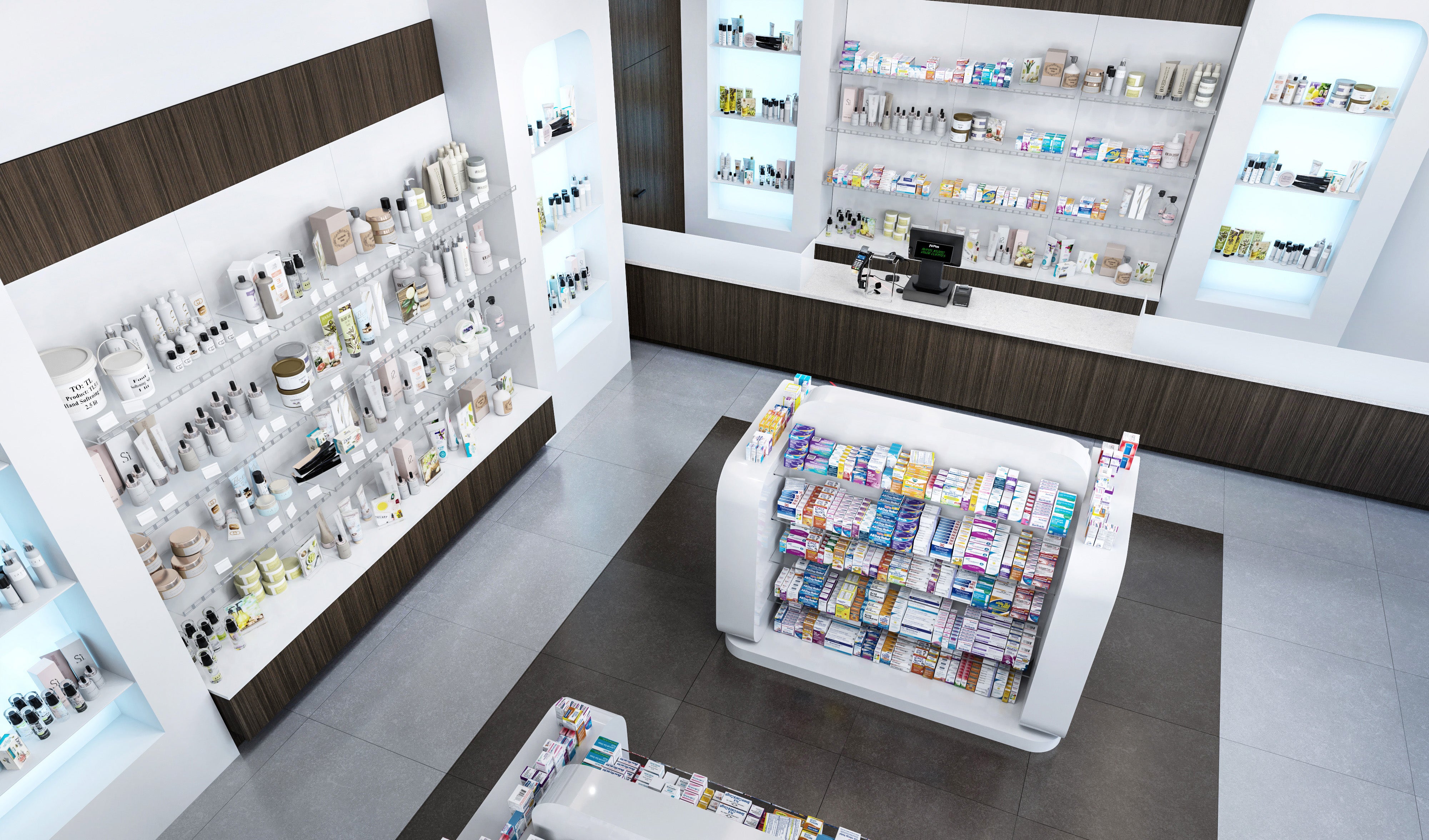
Real-World Example #1: Herbal Skincare in Klang Valley
A local brand invested RM4,000 in an independent pharmacy distributor to activate 15 stores. The campaign included:
Shelf talkers highlighting halal certification
Pharmacist training on ingredient benefits
2-week sampling drive
Result: 40% monthly sales uplift and expanded distribution to 10 additional outlets.
Real-World Example #2: Supplement Brand in East Malaysia
With a RM3,500 budget, a Kuching-based brand partnered with a pharmacy wholesale distributor for:
Eye-catching counter displays in Kota Kinabalu
Mini-training sessions for pharmacy assistants
Result: 30% higher shelf visibility and a 25% increase in new customers.
These effective, tailored campaigns prove that limited budgets don’t limit impact—strategic execution does.
Skincare and healthcare brands don’t need massive budgets to win in Malaysian pharmacies. They need the right partner.
A reliable, expert, and cost-conscious merchandising servicer—whether through an independent pharmacy distributor, distributor pharmacy, or pharmacy distributor Malaysia—can help brands stay present, relevant, and compliant.
Plan selectively, start small, and scale gradually. The right merchandising choice can turn visibility into velocity.
How can we assist you today? 😊
Just let us know—we’re here to help!