

July 15, 2025
Walking into a pharmacy should feel like stepping into a trusted space where health solutions are intuitive, accessible, and strategically presented. In Malaysia’s fast-growing retail pharmacy sector, effective merchandising isn’t just about aesthetics—it’s a proven driver of foot traffic, customer retention, and revenue growth. With chains like Guardian, Watsons, and independent outlets competing for attention, the difference between thriving and merely surviving often comes down to how well products are displayed, promoted, and aligned with shopper psychology.
Consider this: A customer entering for cough syrup might leave with vitamins, a thermometer, and a bundle of immune boosters—if the store layout nudges them toward those purchases. This isn’t accidental. Strategic merchandising leverages reliable principles of consumer behavior, supply chain efficiency, and local preferences. For instance, Malaysian shoppers often rely on pharmacist recommendations, making placement near consultation counters a critical factor in conversion.
Pharmacy distributor Malaysia partners play an essential role here. They don’t just deliver stock; they collaborate on planograms, expiry management, and promotions to ensure shelves reflect real-time demand. A well-executed partnership with pharmacy wholesale distributors means:
Freshness control: Avoiding expired products that erode trust
Compliance adherence: Meeting NPRA guidelines for health product displays
Localized assortments: Stocking items aligned with regional health trends (e.g., dengue prevention kits in Klang Valley during outbreaks)
A tailored approach separates high-performing pharmacies from the rest. For example, a Kuala Lumpur outlet rearranged its cold-and-flu section during monsoon season, placing pediatric syrups at child-height and pairing them with tissue packs—resulting in a 22% sales lift.
Understanding Merchandising Fundamentals for Pharmacy Distribution

Merchandising in pharmacies isn’t the same as arranging snacks in a convenience store. It’s a strategic blend of healthcare credibility, logistical precision, and retail psychology. At its core, it answers: How do we make the right product impossible to ignore at the right moment?
Key differences between general retail and pharmacy merchandising:
| Factor | General Retail | Pharmacy Merchandising |
|---|---|---|
| Product Placement | Impulse-driven (e.g., checkout candies) | Health-need-driven (e.g., pain relief at eye level) |
| Stock Rotation | Seasonal trends dictate turnover | Expiry dates and compliance are non-negotiable |
| Shopper Interaction | Minimal staff involvement | Pharmacists actively guide purchases |
In Malaysia, trusted pharmacy distributor Malaysia teams optimize these dynamics by:
✔ Prioritizing high-demand categories (e.g., vitamins, OTC meds) near high-traffic zones
✔ Using “blocking” techniques—grouping all brands of antacids together—to simplify decisions
✔ Aligning with cultural habits, like displaying herbal supplements prominently during Ramadan for post-fasting wellness
A real-world example: A Penang-based pharmacy shifted diabetic care products closer to the prescription counter after data showed 40% of customers buying chronic meds also purchased glucose test strips. This strategic replan increased cross-category sales by 18% in three months.
Why this matters: Poor merchandising leads to “phantom stock”—items buried on bottom shelves that expire unsold. A Johor Bahru outlet reduced wastage by 31% after adopting a proven facing system (ensuring each product’s label is fully visible) during monthly shelf audits.
Learn more : Perspectives on the pharmacist’s “product”: a narrative review
End-Cap Displays: Proven Strategies to Drive Visibility and Impulse Purchases
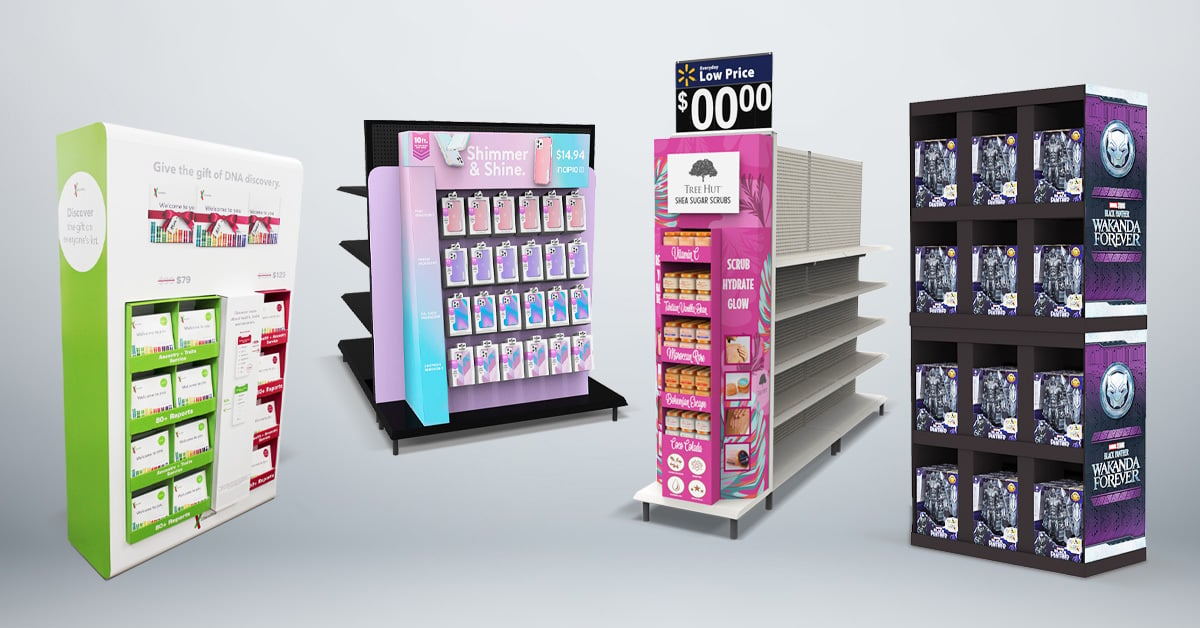
End-caps are the secret weapon of pharmacy merchandising. Positioned at aisle ends, they’re prime real estate for promotions, new launches, or high-margin items. But randomness won’t cut it—effective end-cap designs follow a science.
What works in Malaysian pharmacies:
Vertical stacking of skincare serums (e.g., placing travel-sized sunscreens atop full-size bottles) to showcase range depth
Thematic grouping, like a “Back-to-School” display with hand sanitizers, lice treatments, and multivitamins in August
Pharmacist-approved callouts, such as a sign saying “Recommended for Joint Pain” next to glucosamine bundles
A case study: A pharmacy distributor Malaysia partner in Ipoh used an end-cap to promote a “Travel Wellness Kit” (antiseptic wipes, motion sickness pills, and rehydration salts) near the checkout. With bold signage and a strategic price point (RM29.90 vs. RM35 if bought separately), sales jumped 45% in two weeks.
Checklist for high-converting end-caps:
✅ Match local demand (e.g., highlight air purifiers during haze season)
✅ Limit to 3–5 SKUs to avoid decision paralysis
✅ Refresh every 2–3 weeks to maintain novelty
Learn more : The Impact of Lighting, Layout, and Store Design on Pharmacy Merchandising in Malaysia
Bundle Promotions and Cross-Selling Tactics in Pharmacy Settings

Bundling isn’t about pushing excess stock—it’s about strategic solutions that feel personalized. Malaysian shoppers respond to bundles that solve specific problems, like a “Migraine Relief Pack” (painkillers + caffeine tablets + eye masks) or a “New Mom Essentials” set (nipple cream, baby wash, and sanitizer).
Data-driven bundling works:
A Selangor pharmacy analyzed receipts and found customers buying adult diapers frequently purchased barrier creams. A tailored bundle reduced shelf time for both by 60%.
Pharmacy wholesale distributors can suggest pairings based on nationwide trends (e.g., vitamin C with zinc during flu peaks).
Operational must-dos:
✔ Avoid forced discounts (e.g., bundling a niche item with a bestseller can frustrate buyers)
✔ Use tiered pricing (e.g., “Buy 2 supplements, get 10% off; buy 3, get 15%”)
✔ Place near point-of-decision zones (e.g., dental floss next to toothpaste)
Power nuance: Bundles endorsed by pharmacists see 3x higher conversion. A Malacca outlet labeled its “Heart Health Bundle” (omega-3, CoQ10, and blood pressure monitor) with “Pharmacist’s Pick”—lifting sales by 70%.
Learn more : Promotional Strategy to Increase Sales on Sahabat Pharmacy
Shelf Replan and Product Facing: Optimising In-Store Assortment

Shelf replan isn’t a “once-a-year” task. It’s a dynamic process to align with shopping patterns, expiry cycles, and seasonal shifts. For instance:
Eye-level = high-margin items (e.g., private-label vitamins)
Waist-level = kid-friendly products (e.g., colorful band-aids)
Bottom shelf = bulk/niche items (e.g., economy-sized cotton balls)
A Malaysian success story: A distributor pharmacy in Sabah revised its shelf planogram quarterly, moving best-selling painkillers from the top shelf to eye level. Sales rose 27% without additional marketing.
Framework for replan:
Audit sales data to identify slow-movers needing better placement
Front-face nearing-expiry stock (e.g., “Last 3 Months” tags)
Balance facings—giving more space to top 20% SKUs driving 80% revenue
Common pitfall: Overfacing (allocating too many shelves to one item) can backfire. A Negeri Sembilan outlet reduced facings for a low-turnover allergy brand, freeing space for faster-selling generics—boosting category revenue by 14%.
Learn more : A shelf-space optimization model when demand is stochastic and space-elastic
Stock Rotation and Expiry Management: Ensuring Product Freshness and Compliance

Poor stock rotation in pharmacies isn’t just an operational hiccup—it’s a strategic risk that can erode customer confidence, trigger regulatory penalties, and inflate wastage costs. When products near expiry go unnoticed, pharmacies risk selling compromised goods, damaging brand trust and violating NPRA compliance guidelines. For pharmacy distributors in Malaysia, where shelf space is often limited and SKU counts run high, mastering efficient stock rotation isn’t optional—it’s essential for sustainability.
Real-World Impact of Neglecting Expiry Management
A trusted pharmacy wholesale distributor in Kuala Lumpur documented a 40% annual reduction in wastage costs after overhauling their expiry protocols. Before the intervention, nearly 15% of slow-moving SKUs expired prematurely due to inconsistent rotation. The ripple effect? Lost revenue, strained supply chain partnerships, and frustrated pharmacists forced to explain stockouts to customers.
Proven Strategies for Effective Stock Rotation
First-Expiry-First-Out (FEFO) Implementation
Prioritize stock with the nearest expiry dates for front-facing displays.
Train staff to scan barcodes systematically, ensuring no product slips through the cracks.
Tech-Driven Expiry Tracking
Integrate reliable expiry management systems with RSMS (Retail Stock Management Software) for SKU-level monitoring.
Set automated alerts for batches within 30–60 days of expiry to trigger markdowns or promotions.
Staff Training and Accountability
Conduct quarterly workshops for pharmacists and merchandisers on identifying near-expiry stock.
Empower teams to flag at-risk products for clearance sales or donations (e.g., to clinics serving B40 communities).
Local Challenges and Solutions in Malaysia
Limited Shelf Space: Urban pharmacies like those in Pavilion Kuala Lumpur or 1Utama face intense competition for display real estate. Solution: Negotiate with brands for smaller, frequent deliveries to avoid overstocking.
High SKU Diversity: A single Malaysian pharmacy may carry 300–500 SKUs, from over-the-counter meds to niche supplements. Solution: Use color-coded labels (red = expiry within 3 months) for visual management.
Pharmacist Engagement and Advocacy: Strengthening Merchandising Impact

Pharmacists aren’t just dispensers—they’re trusted health advisors whose endorsements sway 70% of customer purchases (Malaysian Pharmaceutical Society, 2023). When pharmacy distributors invest in strategic pharmacist engagement, they transform passive shelves into dynamic sales drivers.
Why Pharmacists Matter in Merchandising
Influence Over Shoppers: A pharmacist’s recommendation can override price sensitivity for healthcare logistics products.
Planogram Compliance: Pharmacists who understand a product’s clinical benefits are 3x more likely to maintain display standards (Source: IQVIA Malaysia).
Feedback Loop: They provide real-time insights on shopper objections (e.g., “This probiotic is too expensive”) that distributors can address.
Best Practices for Building Pharmacist Advocacy
✅ Tailored Product Training
Focus on clinical benefits (e.g., “This vitamin D3 reduces bone fracture risks for postmenopausal women”) rather than generic features.
Role-play customer FAQs to prepare pharmacists for objections.
✅ Sampling KitsA Selangor-based distributor boosted probiotic sales by 60% after letting pharmacists test products firsthand.
✅ Recognition ProgramsHighlight top-performing pharmacists in monthly newsletters or offer exclusive CPD (Continuing Professional Development) credits.
Monitoring, Reporting, and Continuous Improvement of Merchandising Execution

Merchandising isn’t a “set and forget” process. Efficient monitoring separates top-performing pharmacy distributors from those leaking revenue due to inconsistent execution.
Key Metrics to Track
Display Compliance Rate: Are 80%+ of outlets adhering to planograms?
SKU Off-Take Growth: Compare sales before/after merchandising interventions.
Expiry Risk Reduction: Measure % decrease in near-expiry stock quarterly.
Tools for Real-Time Visibility
RSMS Reports: Weekly audits flag outlets with poor compliance (e.g., Ampang pharmacies missing display stands).
Planogram Audits: Use mobile apps to capture shelf images and compare against golden standards.
Continuous Improvement Tactics
Data-Driven Route Planning
Redeploy merchandisers to underperforming stores (e.g., Puchong locations with declining off-take).
Quarterly Brand Reviews
Align with principals on seasonal priorities (e.g., pushing flu meds before monsoon season).
Learn more : Top 10 Pharmacy Distributors in Malaysia Ranking
Case Studies: Successful Merchandising Tactics from Malaysian Pharmacies

Case Study 1: Strategic End-Cap Execution
A Klang Valley pharmacy partnered with a trusted distributor to create a two-tier vitamin C display with:
Eye-catching signage (“Boost Immunity in 7 Days!”)
Pharmacist education cards explaining bioavailability differences.
Result: 45% sales uplift in 4 weeks.
Case Study 2: Bundle Promotions Near Pharmacist Counters
A Penang independent pharmacy grouped probiotics with digestive enzymes, placing them near consultation zones. Result: 50% larger basket sizes for gut-health shoppers.
Case Study 3: FEFO in Action
A Malacca distributor slashed wastage by 40% using expiry-tracking software to auto-prioritize older stock.
Learn more : A Case Study on Successful Pharmacy Merchandising in Malaysia
Effective merchandising blends strategic product placement, pharmacist advocacy, and data-driven adjustments. For pharmacy professionals in Malaysia, the opportunity lies in tailored execution—whether optimizing stock rotation or leveraging pharmacist trust.
How can we assist you today? 😊
Just let us know—we’re here to help!