

September 20, 2025
Ever wondered how your medications stay safe, potent, and compliant from the moment they leave the manufacturer until they land on pharmacy shelves? The answer lies in the trusted backbone of the pharmaceutical supply chain—warehousing. In Malaysia’s fast-evolving healthcare landscape, warehouses do far more than just store boxes. They act as strategic nerve centers, ensuring medicines retain their integrity, meet strict regulatory standards, and reach patients under precise conditions.
For pharmacy distributors, whether large-scale operators or regional players, the choice of warehouse type isn’t just about space—it’s about compliance, efficiency, and risk mitigation. A single misstep in temperature control or documentation can derail an entire shipment, leading to costly recalls or regulatory penalties. That’s why understanding Malaysia’s pharmaceutical warehousing ecosystem isn’t optional—it’s essential for survival in this compliance-driven industry.
Types of Pharmaceutical Warehouses and Their Functions
Not all warehouses are created equal. Depending on the product’s sensitivity, shelf life, and distribution needs, Malaysian pharma operators rely on four proven warehouse models, each with specialized functions:
Central Warehouses
These massive hubs serve as the heart of pharmaceutical logistics, often operated by manufacturers or major pharmacy wholesale distributors. Think of them as the Grand Central Station for medicines—handling bulk storage, nationwide distribution, and even returns processing.
Real-World Example:
A leading distributor in Selangor uses its central warehouse as a national stockpile for essential drugs, ensuring seamless supply even during peak demand periods like flu season or monsoon-related transport delays.
Key Functions:Acts as the primary hub for inventory redistribution to smaller regional centers
Consolidates batch documentation for regulatory audits
Manages reverse logistics (expired or recalled products)
Regional Distribution Centers
Speed matters in healthcare. These smaller, strategically placed facilities cut delivery times by positioning stock closer to hospitals, clinics, and retail pharmacies. In a country like Malaysia, where urban centers like Penang and Johor Bahru have high patient densities, regional hubs are game-changers.Operational Scenario:
A Penang-based pharma distributor reduced delivery lead times from 48 hours to under 12 by shifting 30% of its inventory from a central KL warehouse to a regional hub in Butterworth.Why It Works:
Lowers last-mile delivery costs by minimizing cross-state transport
Enables rapid restocking for pharmacies during unexpected demand spikes
Bonded Warehouses
Importing high-value specialty drugs? Bonded warehouses let distributors delay customs duties until products are released—a strategic advantage for managing cash flow. They’re particularly useful for Malaysia’s growing market in biologics and orphan drugs, where a single shipment can be worth millions.Local Insight:
Port Klang’s bonded facilities handle nearly 60% of Malaysia’s imported cancer medications, with strict NPRA oversight to prevent counterfeit infiltration.Cold Chain Warehouses
Malaysia’s tropical climate is a minefield for temperature-sensitive drugs. From insulin to COVID-19 vaccines, cold chain logistics demand precision. These warehouses aren’t just refrigerated rooms—they’re engineered environments with backup power, real-time monitoring, and segregated zones for different temperature tiers.Breaking Down the Requirements:
2–8°C zones for most vaccines and biologics
-20°C freezers for mRNA-based therapies
Deep freeze units (-70°C) for specialized treatments
Why Compliance Can’t Be Compromised:
A 2023 NPRA report flagged 12% of Malaysian pharmacies for minor cold chain breaches during inspections—a reminder that even small lapses risk product efficacy and patient safety.
Learn more : Role of the Warehouse in Pharmaceuticals Manufacturing
Regulatory Compliance and Warehouse Standards in Malaysia
Running a pharmaceutical warehouse here isn’t just about square footage—it’s about navigating a labyrinth of regulations. The National Pharmaceutical Regulatory Agency (NPRA) and Ministry of Health (KKM) set non-negotiable standards, with penalties ranging from fines to license revocation for violations.
The Big Three Compliance Frameworks:
Good Distribution Practice (GDP)
Mandates detailed documentation trails (batch numbers, expiry dates, storage conditions)
Requires staff training on proper handling of hazardous or sensitive materials
Good Manufacturing Practice (GMP)
Applies if repackaging or labeling occurs onsite
Demands cleanroom environments for certain operations
NPRA Storage Guidelines
Ambient products: 15°C–25°C with <60% humidity
Narcotics: Dual-access controls with 24/7 CCTV
Checklist for Audit-Ready Warehouses:
✓ Daily temperature logs with automated alerts
✓ Separate zones for quarantine, approved, and rejected stock
✓ Fire suppression systems (water-free to protect medicines)
Case Study: A Near-Miss in Kuala Lumpur
In 2022, a distributor faced a surprise NPRA audit. Thanks to their reliable digital tracking system, they traced a misplaced vaccine batch within minutes—avoiding a potential shutdown. Paper-based systems? They wouldn’t have stood a chance.
Learn more : Legal Regulatory Framework for Logistics Services in Malaysia | Best Practices for Pharmaceutical Warehousing and Transportation in Malaysia
Cold Chain Warehousing: Protecting Temperature-Sensitive Medicines
Malaysia’s average humidity hovers around 80%, and ambient temperatures regularly hit 32°C. For drugs like insulin or monoclonal antibodies, those conditions are a death sentence. That’s why cold chain warehousing isn’t a luxury—it’s a lifeline.
Inside a Compliant Cold Chain Facility:
Monitoring: IoT sensors track temperature every 3 minutes, sending alerts to pharmacists’ phones if deviations occur.
Redundancies: Backup generators kick in within 30 seconds of a power outage.
Validation: Quarterly “stress tests” simulate equipment failures to ensure protocols work.
Malaysian Success Story:
A Sabah-based pharma distributor reduced vaccine wastage by 40% after investing in solar-powered cold rooms—a strategic move given the state’s frequent grid instability.
Common Pitfalls to Avoid:
Overloading refrigerators, obstructing airflow
Using domestic-grade fridges (NPRA requires medical-grade units)
Neglecting to calibrate thermometers quarterly
Learn more : An Overview of Cold Chain Management in Malaysia’s Pharmaceutical Distribution Sector
The Logistics-Warehouse Interface: How Distribution Networks Operate
Storing medicines correctly is half the battle. The other half? Getting them to destinations without breaking the cold chain or missing deadlines.
Critical Integration Points:
ERP Systems
Sync inventory levels in real time across warehouses
Auto-generate expiry alerts to prioritize stock rotation
Fleet Management
GPS-tracked refrigerated trucks with dual cooling systems
Ambient vs. cold chain delivery routing algorithms
East Malaysia’s Unique Challenge:
Distributors servicing Sarawak often use “hub-and-spoke” models—airlifting stock from KL to Kuching, then relying on smaller vans for rural deliveries. One expert tip? Partner with logistics firms specializing in medical cargo to avoid delays at small-town clinics.
Framework for Seamless Operations:
Pre-Dispatch:
Verify export documentation for interstate shipments
Pre-cool trucks 1 hour before loading
In Transit:
Drivers trained in emergency protocols (e.g., transferring to backup units if a fridge fails)
Last-Mile:
Use insulated coolers for motorbike deliveries in congested cities like Georgetown
Learn more : Research on Logistic Warehouse Scheduling Management With IoT and Human-Machine Interface | The Impact of Logistics and Supply Chain Management on Malaysia’s Pharmacy Distribution Services
Warehouse Design and Infrastructure for Pharma Safety
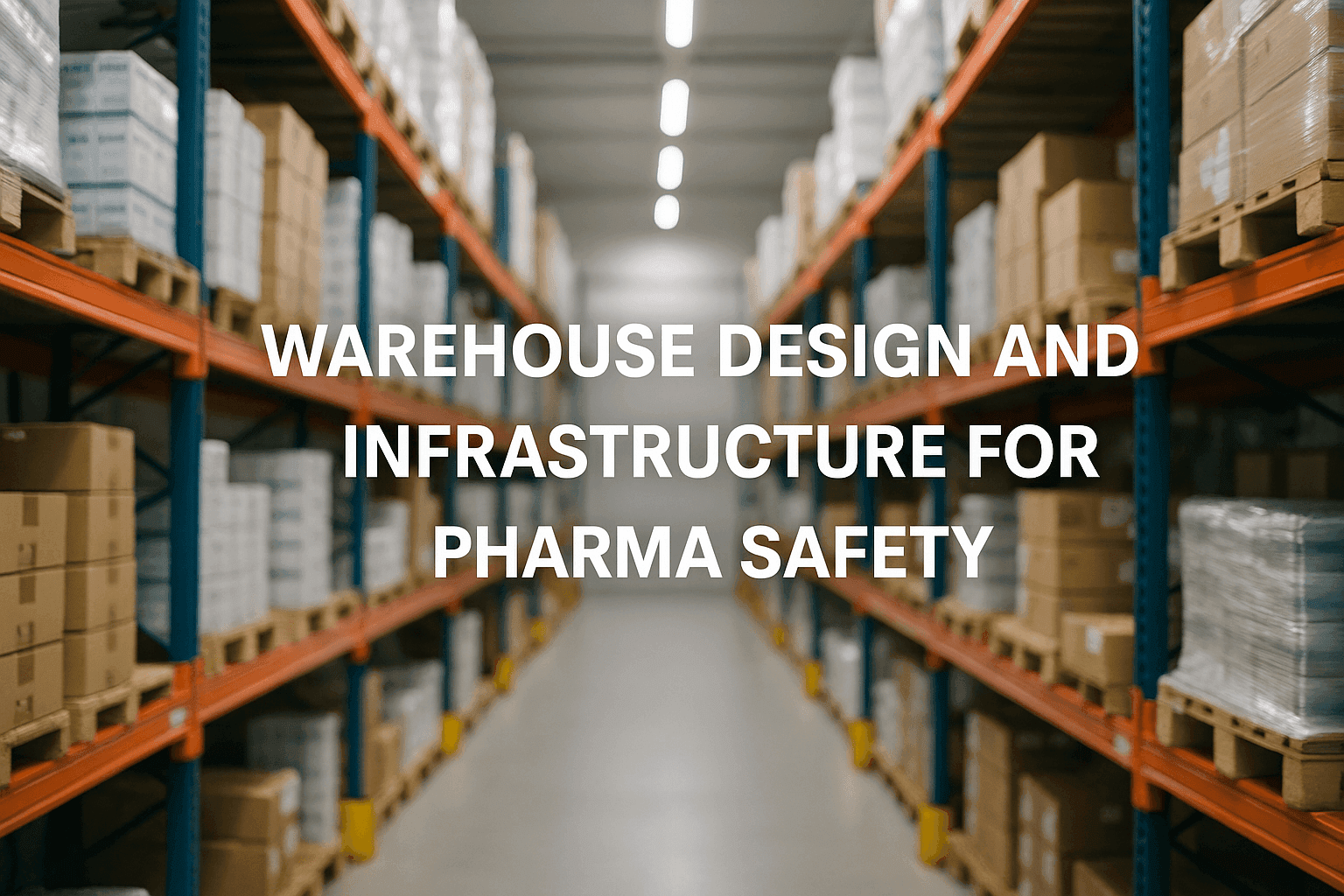
When it comes to pharmaceutical warehousing, design isn’t just about shelving and square footage—it’s a strategic framework that ensures product integrity, regulatory compliance, and operational resilience. In Malaysia, where environmental factors like high humidity, heavy rainfall, and urban congestion pose unique challenges, a reliable warehouse setup isn’t optional—it’s essential for business continuity.
Core Design Principles for Pharma Warehouses
A well-structured pharmaceutical warehouse must account for multiple layers of safety, efficiency, and compliance. Here’s what separates a trusted facility from a basic storage unit:
Zoning & Segregation: High-risk medications, ambient goods, and cold-chain products require dedicated zones to prevent cross-contamination. For example, vaccines stored in Kuala Lumpur’s urban hubs need isolated cold rooms with backup generators, while oral solid dosages in Johor may prioritize dry, climate-controlled sections.
Racking Systems: Adjustable pallet racks accommodate varying carton sizes and weights—critical for distributors handling everything from bulky skincare shipments to delicate biologics.
HVAC & Environmental Controls: Temperature and humidity fluctuations in Penang or Sabah can degrade sensitive medications. Proven HVAC systems with 24/7 monitoring are non-negotiable.
Safety Infrastructure: Fire-resistant walls, anti-slip flooring, and pest-proof sealing aren’t just regulatory checkboxes—they prevent costly losses.
Malaysia-Specific Adaptations
Local climate and logistics demand tailored solutions:
Flood Mitigation: Warehouses in Kelantan or Pahang, where monsoon rains are intense, often use elevated flooring and waterproof barriers.
Heat Management: Facilities in Klang Valley combat urban heat islands with reflective roofing and solar-insulated panels.
Urban vs. Rural Layouts: City-based distributors (e.g., near Petaling Jaya) maximize vertical storage with mezzanine shelving, while rural operators in Sarawak prioritize sprawling layouts for easier ventilation and truck access.
A strategic investment in infrastructure doesn’t just prevent regulatory fines—it slashes long-term costs. For instance, a Selangor-based 3PL reported a 30% reduction in temperature excursions after upgrading to IoT-enabled cold rooms.
The Role of Independent Pharmacy Distributors in Warehousing
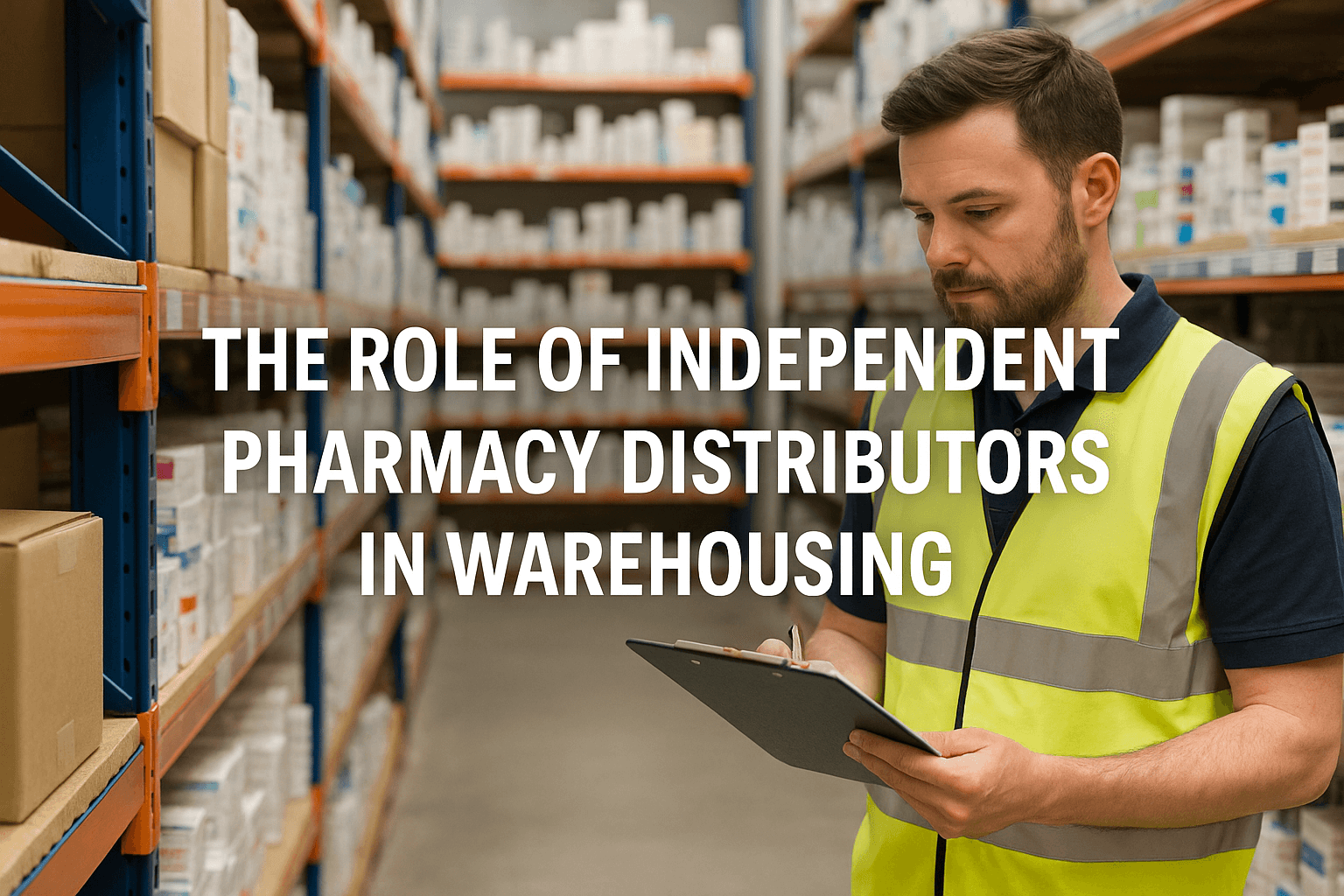
Can smaller distributors compete in Malaysia’s tightly regulated pharma market? Absolutely. Independent players are the backbone of last-mile delivery, especially in underserved regions like Perlis or East Malaysia. Their agility and local expertise fill gaps that larger corporations often overlook.
Why Independents Thrive
Niche Customization: They offer tailored stock rotations for rural clinics or compounding pharmacies, unlike rigid corporate models.
Localized Knowledge: A distributor in Ipoh understands peak delivery times during festive seasons, optimizing warehouse staffing accordingly.
Cost-Efficient Models: Many share bonded warehouse spaces (e.g., a Penang operator partnering with a Selangor hub) to cut import duty overheads.
Key Warehousing Choices for Small-Scale Players
Outsourcing vs. In-House: Most independents use hybrid models—storing ambient products onsite while leasing cold-chain space from trusted 3PLs.
Tech on a Budget: GPS-tracked crates and cloud-based WMS platforms help smaller players maintain compliance without massive capex.
For example, a Kuching-based distributor reduced spoilage rates by 22% after adopting shared cold storage—a proven workaround for limited resources.
Warehouse Workforce and Operational Best Practices
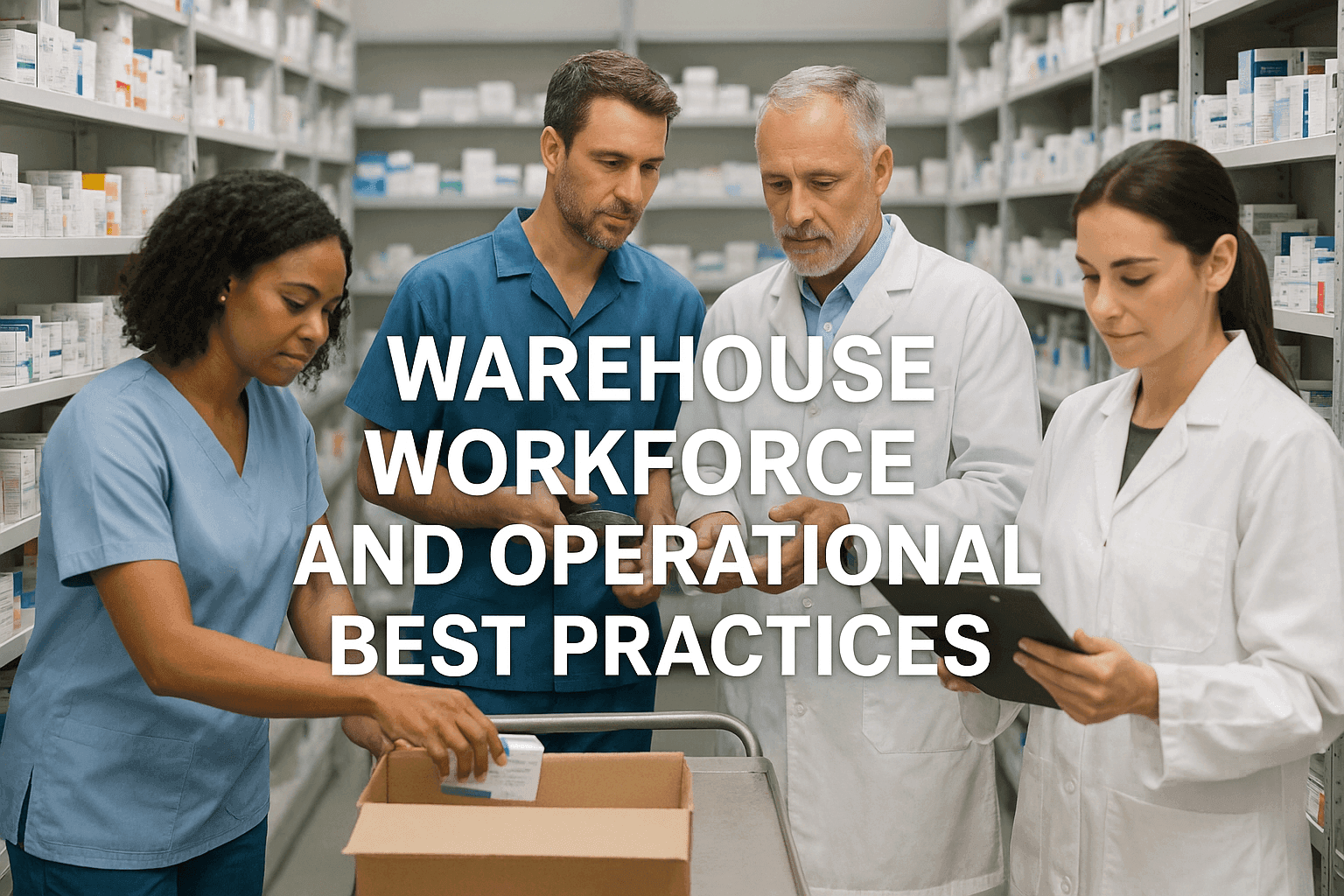
Even the most advanced warehouse fails without a skilled team. In Malaysia’s pharma sector, workforce competency is as critical as steel racking.
Must-Have Roles & Responsibilities
Pharmacists: Oversee controlled substances, validate batch records, and ensure NPRA compliance.
Warehouse Managers: Coordinate just-in-time inventory, minimizing stockouts during peak demand (e.g., flu season in Klang Valley).
QA/QC Teams: Audit temperature logs, flag discrepancies, and manage recall protocols.
Training Priorities for Malaysian Teams
With NPRA regulations evolving, continuous upskilling is essential:
Annual refreshers on GDP (Good Distribution Practices)
Hands-on cold-chain handling simulations
Emergency drills for floods, fires, or chemical spills
While urban centers like Kuala Lumpur attract talent, rural areas face shortages. Reliable operators counter this by partnering with vocational schools (e.g., in Kedah) to train future warehouse staff.
Innovations and Technology in Pharmaceutical Warehousing
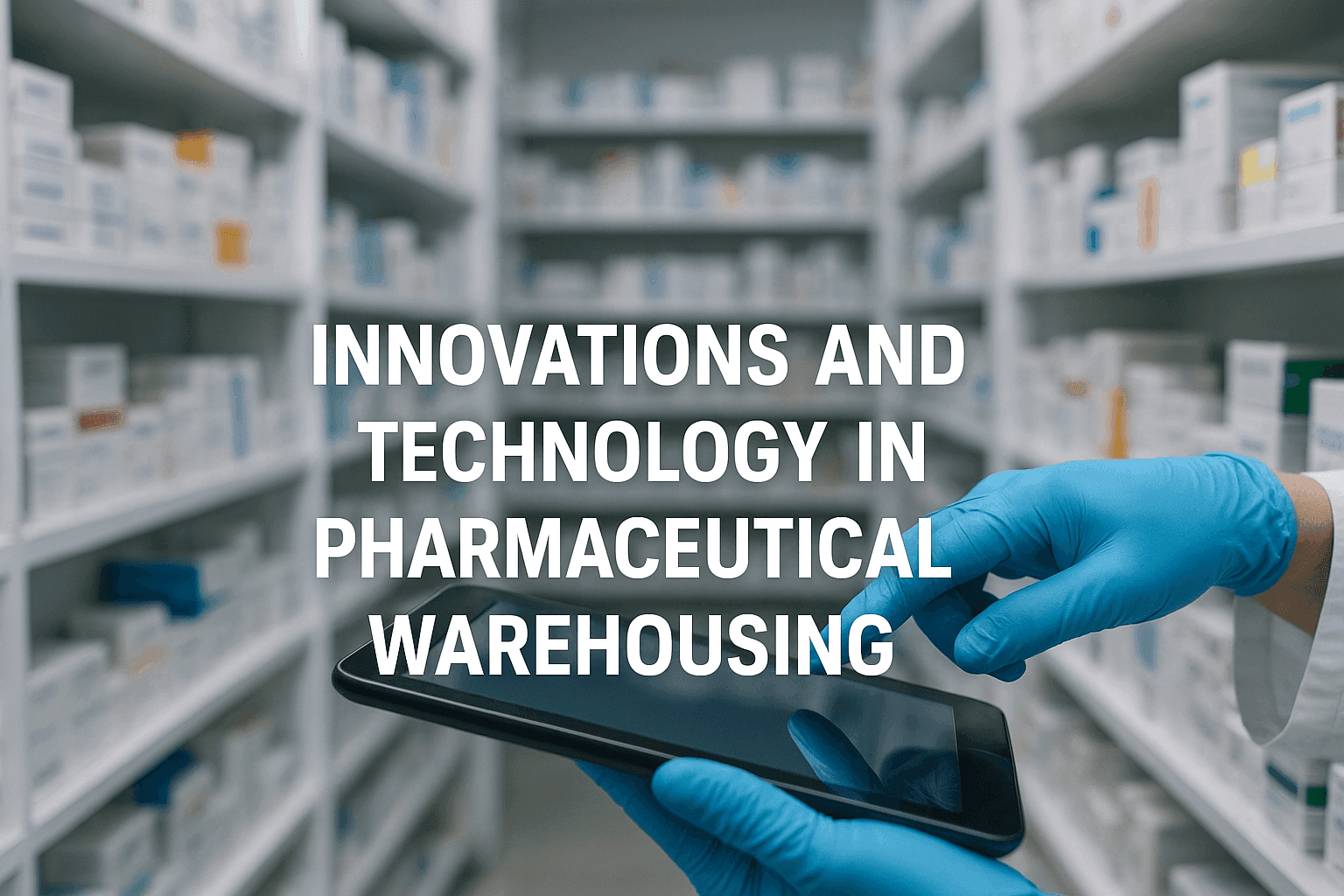
Digital transformation isn’t futuristic—it’s today’s baseline for compliance and efficiency.
Game-Changing Technologies
IoT Sensors: Real-time humidity tracking in Johor warehouses prevents drug degradation.
Blockchain: Ensures tamper-proof batch records, crucial during recalls.
Automation: Robotic pickers in Shah Alam warehouses cut order-processing time by 40%.
Malaysia’s Tech Adoption
Klang Valley leads with solar-powered cold rooms and AI-driven inventory forecasting. Meanwhile, smaller distributors leverage affordable SaaS WMS platforms to compete.
Learn more : How innovative technologies shape the future of pharmaceutical supply chains
Frequently Asked Questions (FAQ)
Q1: What are the requirements for a pharmaceutical warehouse?
Answer: A pharmaceutical warehouse must maintain controlled temperature and humidity, follow GDP/GMP standards, ensure secure storage, provide proper segregation of products, implement FEFO/FIFO systems, and maintain accurate documentation and traceability for all medicinal products.
Q2: What are the GMP rules for a warehouse?
Answer: GMP rules require controlled storage conditions, validated equipment, clean and organized areas, proper pest control, documented SOPs, trained personnel, secure handling of sensitive products, and strict compliance with receiving, storing, and dispatch procedures.
Q3: What is warehouse qualification in pharma?
Answer: Warehouse qualification is the process of verifying that a storage facility meets GMP/GDP standards. It involves temperature mapping, equipment validation, layout verification, risk assessment, and confirming that warehouse operations consistently protect product quality.
Q4: What is the role of a warehouse in the pharmaceutical industry?
Answer: A pharmaceutical warehouse ensures safe storage, protects product quality, supports distribution efficiency, maintains regulatory compliance, and ensures medicines are handled, stored, and dispatched according to strict health and safety standards.
Q5: What are the requirements for a warehouse in the FDA?
Answer: FDA requirements include maintaining proper storage conditions, having validated processes, ensuring product security, preventing contamination, keeping accurate records, implementing QMS, and adhering to 21 CFR Part 211 for handling, warehousing, and distribution.
Q6: What is a pharma grade warehouse?
Answer: A pharma grade warehouse is a facility specifically designed to meet GMP and GDP requirements with controlled environments, validated equipment, monitored conditions, dedicated storage zones, and robust documentation systems for pharmaceutical products.
Q7: How to set up a pharmaceutical warehouse?
Answer: Set up involves choosing a compliant location, designing controlled storage areas, validating HVAC and monitoring systems, creating SOPs, training staff, implementing QMS and FEFO/FIFO workflows, and ensuring compliance with GMP, GDP, and regulatory guidelines.
Q8: What is GMP warehouse?
Answer: A GMP warehouse is a storage facility operating under Good Manufacturing Practice standards, ensuring that medicinal products are stored under controlled, clean, secure, and validated conditions that protect product quality throughout their shelf life.
Q9: What is QMS in pharma warehouse?
Answer: QMS (Quality Management System) refers to the structured system of policies, SOPs, audits, training, deviation handling, CAPA, documentation, and monitoring used to ensure pharmaceutical warehouse operations consistently meet regulatory and quality standards.
Q10: What are the 5 rules of GMP?
Answer: The five key rules are:
Follow written procedures
Maintain clean and hygienic facilities
Document everything accurately
Train personnel properly
Ensure controlled, validated processes
From flood-proof storage in Terengganu to AI-audited inventories in Cyberjaya, strategic warehousing is the unsung hero of Malaysia’s pharmaceutical supply chain. It’s where compliance, product safety, and business scalability intersect.
Optimizing your warehouse isn’t just about avoiding fines—it’s about securing your role in Malaysia’s growing healthcare ecosystem. Whether you’re a KL-based distributor or a Sabah skincare brand, contact PriooCare Malaysia for expert warehousing design, NPRA compliance support, and efficient logistics solutions. Let’s build a supply chain that’s as resilient as your products.
How can we assist you today? 😊
Just let us know—we’re here to help!