

June 19, 2025
Ever wonder about the journey that bottle of vitamins takes before landing in your local Malaysian pharmacy? It’s a path navigated through a surprisingly complex network of distribution channels, forming the very backbone of the nation’s healthcare delivery. Far more than simple shipping routes, these are carefully designed strategic pathways. Their ultimate mission? To guarantee patients consistently receive safe, effective health products precisely when they’re needed most. This entire system hinges on the seamless collaboration within the supply chain – from the largest national suppliers right down to the essential pharmacy distributor Malaysia community relies on, including the smaller, specialized operators.
Pharmacy distribution service in Malaysia operates through a fascinating blend of both formal, regulated partners and more nimble, informal networks. Pharmacies utilize this diverse mix to keep shelves fully stocked with everything from essential over-the-counter medicines and preventative health supplements to popular skincare lines. The choice between engaging a fully certified pharmacy distributor or perhaps a trusted independent agent isn’t random; it reflects deep understanding of specific local community demands, competitive pricing pressures, and navigating the realities of Malaysian health regulations. This intricate dance ensures vital products reach every corner. This guide aims to unpack the mechanics behind Malaysia pharmacy distribution, using relatable local context (think familiar kedai ubat scenarios) and clear explanations to illuminate how these crucial networks truly function day-to-day. Understanding this flow is key to appreciating how healthcare access works on the ground here.
Overview of Malaysia’s Pharmaceutical Supply Chain

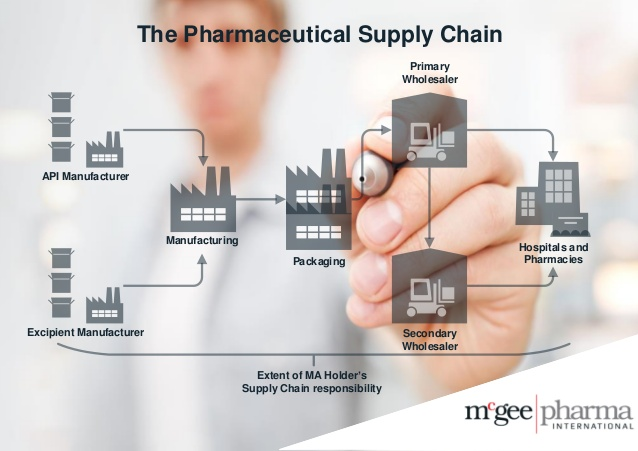
Ever wonder how your medications reliably reach the pharmacy shelf in Malaysia? It’s thanks to a uniquely structured supply chain, quite distinct from many other markets. Unlike simpler models, Malaysia’s system thrives on the tight coordination of several key players – think global pharmaceutical giants, specialized local distributors, and retail pharmacies – all operating under exceptionally rigorous government oversight. This interconnected web ensures safety and availability from the factory right to your hands.
So, Who Exactly Keeps This Vital System Running?
Manufacturers: This group forms the starting point. It includes both international powerhouses and respected local Malaysian producers. Their essential role? Supplying the registered medicines and health supplements that form the chain’s foundation.
Distributors: Acting as the crucial middlemen are the distributors. These specialized entities, encompassing dedicated pharmacy wholesale distributors and niche logistics experts focused on healthcare, handle the complex task of moving products efficiently from manufacturers to the next stage. They are the logistical backbone.
Wholesalers: Think of wholesalers as bulk purchasers. They typically buy significant volumes from distributors, then act as suppliers primarily for smaller pharmacy chains or individual community pharmacies that might not order directly from manufacturers or large distributors in massive quantities.
Pharmacies: Finally, we reach the retail front: pharmacies themselves. This diverse group ranges from nationwide chain stores with hundreds of locations down to the essential independent community pharmacy serving its local neighbourhood. They are the critical final access point for patients.
The Guardian of Safety: Strict Regulatory Oversight
The entire process isn’t left to chance. Malaysia’s Ministry of Health exerts powerful control through its specialized agencies: the National Pharmaceutical Regulatory Agency (NPRA) and the Medical Device Authority (MDA). Their mission? To rigorously enforce quality standards, guarantee legal compliance, and above all, ensure the absolute safety of the supply for every Malaysian.
These agencies mandate strict Good Distribution Practice (GDP) guidelines. This isn’t just paperwork; it means every single distributor pharmacy operation must meticulously follow documented procedures. This becomes especially critical for sensitive items – think temperature-controlled “cold chain” products, vital vaccines, and delicate formulations where any deviation could compromise safety or efficacy.
The Critical Link: Trusted Distributors
Ultimately, the smooth, secure flow of medicine – traveling from an NPRA-approved manufacturer all the way to your trusted local pharmacy – fundamentally depends on one group: reliable pharmacy wholesale distributors. These partners shoulder the immense responsibility for ensuring accurate, efficient, and fully compliant delivery at every single step. Their role is indispensable in maintaining the integrity that defines Malaysia’s pharmaceutical supply chain, making sure the right medicines reach the right people, safely and on time. It’s a complex dance, but one performed with impressive coordination.
Learn More : Pharmaceutical Supply Chain
Formal Distribution Channels in Malaysia

Ever wonder how major brands reliably get their products onto pharmacy shelves nationwide, especially in highly regulated sectors like healthcare? The answer often lies in leveraging formal distribution channels. But what exactly are these pathways, and why should companies prioritize them, particularly when eyeing significant growth or strict compliance needs? Simply put, formal channels operate within a robust framework of legal standards and regulations, providing a secure and traceable backbone for moving goods – a non-negotiable for sustainable expansion and adherence.
Key Models Defining Formal Distribution:
Think beyond basic logistics. Formal models represent highly structured partnerships:
Licensed Pharmacy Distributors: Entities holding critical GDP (Good Distribution Practice) certification, ensuring medicines maintain quality throughout the complex supply journey.
National Logistics Powerhouses: Specialized providers with the scale and infrastructure to serve multinational brands across entire countries, managing intricate regulatory hurdles.
Chain-Approved Wholesalers: Organizations directly integrated with large retail pharmacy groups (think chains like Caring Pharmacy, Alpro Pharmacy, or Big Pharmacy), guaranteeing access to vast consumer networks.
The Tangible Advantages: Security & Integration
The real strength of formal channels lies in their commitment to integrity and visibility. They enforce rigorous end-to-end tracking and comprehensive documentation for every product movement. Quality is further bolstered by advanced warehouse solutions, such as facilities boasting GMP (Good Manufacturing Practice) certification or specialized temperature-controlled storage units vital for cold chain logistics handling sensitive biologics or vaccines.
Leading distributors – names like DKSH or Zuellig Pharma, alongside established regional pharmacy distributor networks in Malaysia – often go a step further. They seamlessly connect with a brand’s backend inventory management systems. This deep integration enables real-time stock level updates, automated expiry date alerts, and streamlined restocking processes. Crucially, this closed-loop system drastically reduces the risks associated with product counterfeiting and costly regulatory non-compliance.
The Investment in Credibility
Sure, opting for formal channels can mean a more structured approach and potentially higher operational costs upfront. However, viewing this solely as an expense misses the bigger strategic picture. This investment is fundamental for building long-term product credibility with healthcare professionals, regulators, and consumers alike. More importantly, it unlocks the potential for truly wide, sustainable distribution, providing the reliable reach essential for serious market penetration and enduring brand success. Choosing formality is choosing a foundation built for trust and scale.
Learn More : Cost-Effective Strategies for Pharmacy Distribution in Malaysia | Pharmacy Supply Chain: What You Need to Know
Informal or Semi-Formal Distribution Channels in Practice
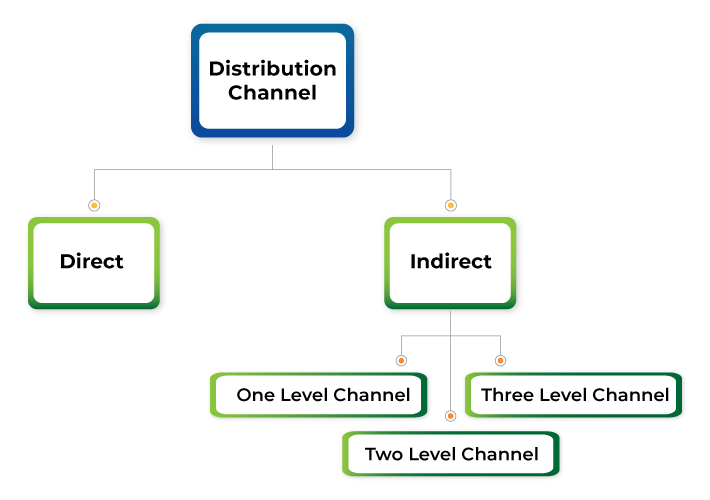
Ever wonder why unofficial pharmaceutical distribution networks keep operating strong across Malaysia, even with regulators pushing for stricter controls? The answer isn’t simple black and white—it boils down to two powerful factors: accessibility and operational flexibility. These elements create a persistent demand that formal channels sometimes struggle to match.
Common Examples of Informal Distribution Practices:
Parallel Importing: Sourcing products internationally that intentionally sidestep the brand’s official Malaysian distributors.
Direct Pharmacy Arrangements: Sales deals made directly between pharmacies and manufacturer representatives or small-scale traders, often under the radar.
Unlicensed Local Resellers: Smaller operators acting as distributors without holding the required Good Distribution Practice (GDP) licenses.
These semi-formal or outright informal suppliers hold significant appeal, particularly for smaller pharmacies or clinics. They frequently offer lower minimum order quantities, which is easier on tight budgets, alongside more lenient payment terms and surprisingly quicker delivery times. The trade-off, however, is substantial. Such channels typically lack robust systems for product traceability, offer minimal quality assurance guarantees, and rarely provide the full suite of compliance documentation required by authorities like the NPRA (National Pharmaceutical Regulatory Agency).
Pharmacies relying on these informal routes expose themselves to serious consequences. These include failing product audits, facing significant financial penalties from the NPRA, and even having their stock confiscated. Despite these very real dangers, the picture isn’t entirely negative. That independent distributor operating informally? They often become an absolute lifeline for pharmacies located in rural regions or areas underserved by the major, formal distributors. Access to essential medicines can hinge on their presence.
Understanding this complex duality—the tangible benefits weighed against the severe compliance risks—is absolutely fundamental for any pharmacy owner or manager in Malaysia when evaluating their distribution service partners. Choosing the right supply chain involves navigating this very real tension. That’s why careful assessment is non-negotiable.
Learn More : Pharmaceutical Supply Chain Challenges and Solutions
The Role of Independent Pharmacy Distributors

Sure, corporate distribution giants have massive reach. But when it comes to agility, personalized service, and filling critical gaps in the pharmaceutical supply chain, independent distributors deliver a unique value proposition that’s simply irreplaceable. Their smaller size isn’t a weakness; it’s the engine driving their remarkable adaptability, allowing them to thrive where larger players often can’t effectively tread.
So, what exactly sets these independent operators apart? Let’s break down their distinct advantages:
Targeting the Overlooked: They excel at serving highly specialized niche markets or geographic areas that bigger corporations might deem too small or logistically challenging. Think rural communities, specific therapeutic categories, or pharmacies focusing on unique patient populations.
Flexibility is Key: Forget rigid, one-size-fits-all contracts. Independent distributors frequently offer significantly more flexible credit arrangements and fulfillment terms. This adaptability can be a lifeline for smaller pharmacies managing tighter cash flows or needing bespoke delivery schedules.
The Power of Relationship: This is arguably their superpower. Independent distributors build genuine, personal rapport with pharmacy owners and managers. They’re not just a vendor; they become a trusted partner who understands the specific challenges and opportunities of that individual pharmacy.
Operating fundamentally differently than the major chains
these independents play a vital role as connectors. They often bridge the crucial gap between innovative brands (think a cutting-edge skincare line or specialized nutraceuticals) and actual retail shelf space. They know how to localize the approach – understanding regional preferences, building trust within specific communities, and effectively communicating a product’s value directly to pharmacists in a way that resonates.
Of course, the path isn’t without its bumps.
Independent distributors must diligently navigate significant barriers. Building brand trust requires consistent performance and reliability. Maintaining rigorous regulatory awareness and compliance is non-negotiable in this highly controlled industry. And competing in increasingly saturated markets demands constant innovation and sharp business acumen.
Therefore, choosing the right independent distributor partner becomes a critical strategic decision. Pharmacies must carefully balance essential factors: Does this partner have the reach into my desired niche? Can I absolutely rely on their consistency and service? Most importantly, do they possess the deep compliance expertise necessary to operate safely and legally? Getting this partnership right unlocks the immense, personalized value that only independent pharmacy distributors can consistently provide. They’re the nimble specialists ensuring vital medicines and health products reach every community, especially the ones others might miss. That’s an edge worth recognizing.
Learn More : How to Choose the Right Pharmaceutical Distributor in Malaysia: A Step-by-Step Guide
Comparing Large-Scale Distributors vs Independent Distributors

Selecting the ideal distribution model for your pharmaceutical brand or retail chain isn’t about finding a single “best” option. Honestly, the right path hinges entirely on your specific operational goals and market strategy. Understanding the core contrasts between large national distributors and focused independent players is crucial for making an informed, strategic decision.
Coverage Reach: National Scale vs. Localized Focus
The most obvious difference lies in geographical reach. Major distributors boast extensive national networks, ensuring your products can potentially land on shelves across the entire country. This blanket coverage is invaluable for established brands needing ubiquitous presence. Conversely, independent distributors typically concentrate their efforts within defined regional territories. They cultivate deep roots and strong relationships within their specific areas, offering brands a powerful foothold in targeted local markets where broad national reach might be overkill or inefficient.
Service & Support: Personalized Attention vs. System Efficiency
Service levels diverge significantly. Smaller, independent distributors frequently excel in providing highly personalized merchandising support. Think dedicated reps offering tailored planogram assistance, hands-on shelf management, and a more responsive partnership – services that can feel more boutique. Larger distributors, meanwhile, leverage their scale to invest heavily in integrated technology platforms. They offer sophisticated IT system integrations for seamless ordering, inventory tracking, and automated reporting, streamlining operations for chains that prioritize efficiency and data flow over high-touch service.
Technology & Reporting: Automation vs. Flexibility
This tech focus extends to reporting. Big distributors rely on robust, automated systems that generate standardized data streams, ideal for large-scale analytics. Independents, while sometimes utilizing technology, often retain more manual or flexible reporting processes. This can allow for quicker adaptation to unique requests or rapid shifts in local market conditions, though potentially at the expense of seamless, automated data feeds.
Strategic Fit: Matching Model to Brand Needs
For example, a well-known national vitamin supplement brand will likely prioritize the vast reach and established logistics of a major wholesale partner. It just makes sense for their scale. A nimble startup skincare company, however, might accelerate growth faster by partnering with niche distributors who offer targeted regional introductions and that coveted personalized launch support. They can get that crucial initial traction where it matters most.
Value-Added Services: The Evolving Landscape
Both models increasingly compete on value-added offerings. Services like promotional display placement, targeted pharmacist education programs, or seasonal promotional pushes are becoming common tools. Yet, independents often maintain an edge in execution speed and adaptability. Their ability to pivot quickly proves critical in dynamic markets where consumer preferences shift rapidly, allowing brands to capitalize on trends faster than larger bureaucracies sometimes manage. Ultimately, the optimal choice boils down to carefully weighing your priorities: Is nationwide saturation, cutting-edge tech integration, or agile, personalized local support paramount for your brand’s next chapter?
Common Malay Terms Used in Pharmacy Distribution Context
Ever encountered phrases like “agen pengedar farmasi” or “pengedar sah” while discussing supply chains in Malaysia? If you operate within the pharmaceutical sector there, mastering this specific Malay terminology isn’t just helpful—it’s fundamental for smooth operations and legal safety. The precise labels used shape every conversation about distribution roles among stakeholders.
Understanding the Key Players: Essential Malay Vocabulary
Let’s break down those critical terms you’ll frequently hear:
Agen Pengedar Farmasi: This translates to Pharmacy Distributor Agent. Crucially, this role often carries regional responsibility, meaning the agent has exclusive or primary rights to distribute specific pharmaceutical products within a designated geographical area. They’re a key link between manufacturers and the next tier.
Pengedar Sah: Simply put, this means Authorized Distributor. This designation is vital. It signifies a distributor officially sanctioned by the pharmaceutical manufacturer or product owner to handle their goods within the market. Always verify this status.
Pemborong: This term refers to a Wholesaler or Bulk Distributor. These entities typically purchase large quantities from manufacturers or authorized distributors and sell smaller volumes to pharmacies, hospitals, or clinics. They focus on volume sales logistics.
Penghantar Produk: Think of this as the Delivery Agent or Fulfillment Partner. Their core function is the physical transportation and last-mile delivery of pharmaceutical products, ensuring goods reach pharmacies, hospitals, or other endpoints efficiently. They handle the logistics execution.
Why Precise Language is Non-Negotiable
Getting these terms straight isn’t just about avoiding confusion during a chat. It’s absolutely critical during high-stakes moments like regulatory audits, trade negotiations, or when vetting potential partners. Both formal, licensed entities and informal players utilize these labels, which makes cross-referencing every claim against official legal documentation and contracts an indispensable step. Assuming you understand based on the label alone is a significant risk.
When evaluating any pharmacy distribution service provider in Malaysia, the language used truly matters—far beyond simple clarity. Using the correct term ensures everyone is aligned on responsibilities, authority, and scope. More importantly, it directly impacts legal compliance. Misidentifying a partner’s role (e.g., confusing a delivery agent with an authorized distributor) can lead to serious regulatory breaches, contract disputes, or unintentional dealings with unauthorized parties. Accurate terminology is the bedrock of compliant and secure pharmaceutical distribution in the Malaysian market. You’ll find that neglecting this linguistic precision inevitably causes operational and legal headaches down the line.
Case Studies: Real-World Distribution Setups in Malaysian Pharmacies
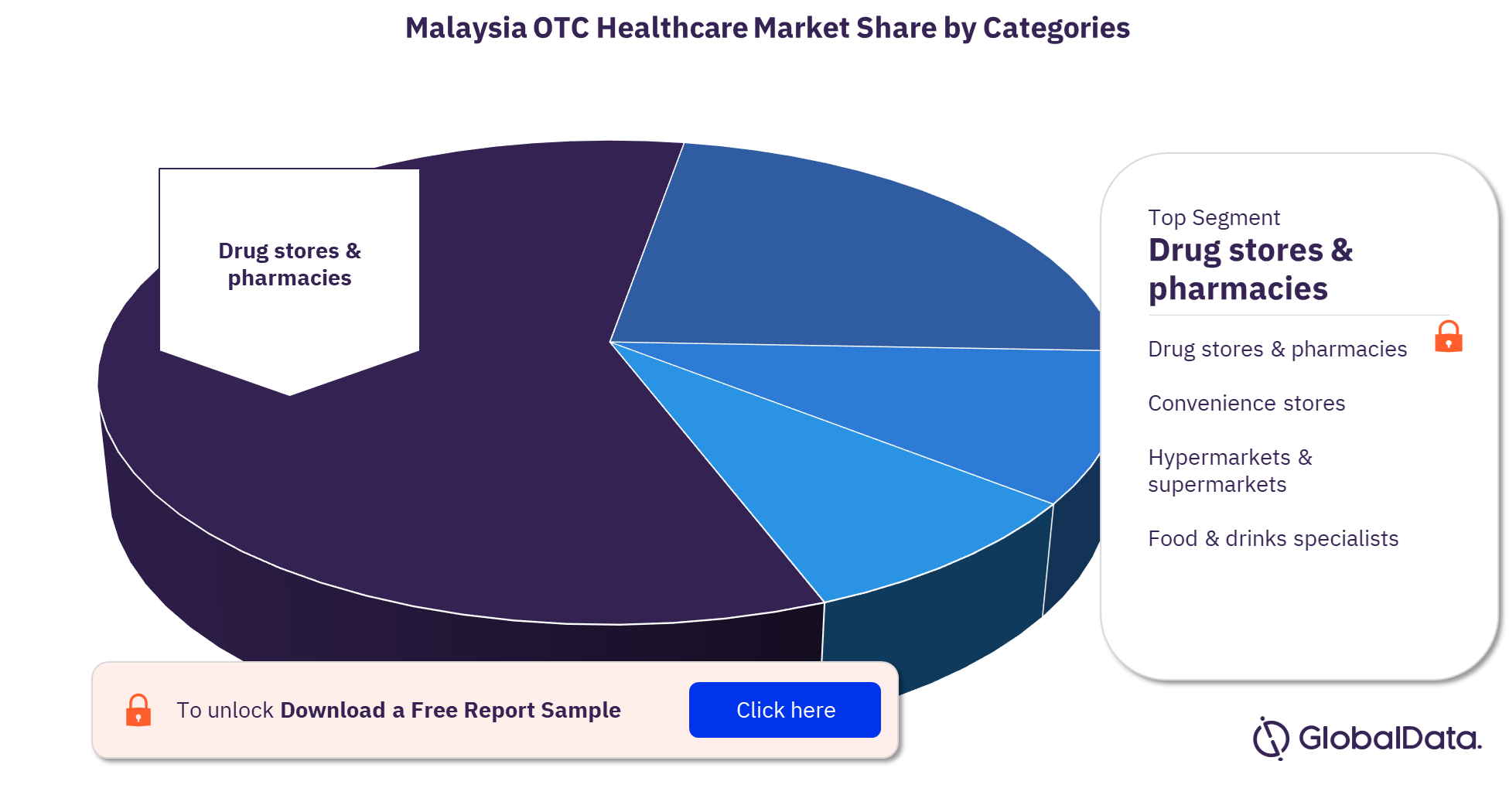
Understanding how medicines actually reach pharmacies across Malaysia requires looking beyond theory. The distribution landscape varies dramatically depending on the pharmacy’s location, size, and business model. Let’s break down three common scenarios encountered on the ground:
The Community Pharmacy (Semi-Urban): Here, you often find a pragmatic mix. Alongside licensed wholesalers, informal resellers play a significant role in keeping shelves stocked. Success hinges heavily on established personal relationships with distributors – trust built over time is paramount. Reflecting the local environment, transactions and communications frequently utilize Malay terms, fostering a sense of familiarity and ease in all business dealings. Speed and personal connection can sometimes outweigh purely formal processes.
The Chain Pharmacy (Urban): Operating within stricter corporate frameworks, these outlets implement rigorous vendor approval protocols. Purchasing is almost always centralized, flowing through established partnerships with licensed pharmacy distributor Malaysia entities who meet stringent criteria. Supply agreements often extend beyond simple product delivery; they commonly include valuable merchandising support services, ensuring consistent brand presentation and stock management across multiple urban locations. Compliance and reliability are non-negotiable.
The Independent Outlet (Rural): Serving remote communities presents unique hurdles. These pharmacies typically rely on a single, independent pharmacy distributor capable of navigating challenging logistics. The primary focus is securing essential medicines quickly and affordably; formal certification requirements may be secondary concerns given the practical difficulties and costs involved. This environment, unfortunately, carries a higher inherent risk of encountering grey market products slipping into the supply chain due to access constraints.
What These Models Reveal:
These distinct examples vividly illustrate how a pharmacy’s fundamental business structure dictates its specific distribution requirements. There’s no universal solution. Each model – community, chain, or independent – strikes its own delicate balance between adhering to compliance regulations, ensuring reliable access to necessary medicines, and managing operational costs effectively. The choice of partners and processes is deeply intertwined with the pharmacy’s operational reality and its patient community’s needs. Understanding these dynamics is key for anyone involved in Malaysia pharmaceutical supply chain.
Learn More : A Case Study on Successful Pharmacy Distribution Networks in Malaysia
Regulatory Framework and Compliance for Pharmacy Distributors

Becoming a licensed distributor within Malaysia’s tightly regulated healthcare market demands more than just ambition—it requires meticulous navigation through a complex landscape of paperwork and unwavering regulatory adherence. Forget shortcuts; success hinges on understanding and fulfilling every single mandatory requirement. The stakes are high, and the path is clearly defined by authorities expecting nothing less than full compliance.
So, what exactly stands between you and legal distribution operations?
Let’s break down the essential hurdles:
Drug Distribution (NPRA): If pharmaceuticals are your game, securing a valid license from the National Pharmaceutical Regulatory Agency (NPRA) is absolutely non-negotiable. This isn’t a simple registration; it’s a rigorous approval process scrutinizing your entire operation’s ability to handle medicines safely, securely, and traceably from origin to end-user. You’ll need to demonstrate robust quality management systems and storage capabilities meeting their exacting standards.
Medical Devices (MDA): Distributing medical devices? Then registration with the Medical Device Authority (MDA) becomes your critical first step. The specific requirements vary depending on the device classification (A, B, C, or D), with higher-risk devices naturally facing more stringent controls. Ensuring your devices meet safety and performance benchmarks before they hit the market is paramount under the MDA’s watch.
Logistics Excellence (GDP): Getting products physically to their destination isn’t just about trucks and warehouses. Any logistics provider involved in storing or transporting healthcare products must hold Good Distribution Practice (GDP) certification. This globally recognized standard verifies that temperature controls, security protocols, and handling procedures are meticulously maintained throughout the entire supply chain journey, safeguarding product integrity every single step of the way.
Smooth Imports (Customs): Bringing goods into Malaysia? Prepare for a mountain of customs clearance documentation. Accurate and complete paperwork – including permits, certificates of analysis, invoices, and packing lists aligned perfectly with NPRA or MDA approvals – is the only way to avoid costly delays, frustrating seizures, or even outright rejection at the border. Missing one stamp can derail everything.
The Cost of Cutting Corners is Severe.
Ignoring these mandates isn’t a risk; it’s a direct path to operational disaster. Consequences range from shipments being indefinitely held up at ports, to the devastating suspension or outright revocation of your hard-earned licenses. For pharmacy wholesale distributors especially, losing crucial retail partnerships due to compliance failures isn’t just bad business—it’s an existential threat. Maintaining flawless traceability and documentation isn’t merely recommended; it’s the bedrock of survival in this sector.
Why Mastering This Matters:
Whether you’re a multinational scaling your Malaysian distribution footprint or a local business carefully selecting the right distributor pharmacy partner, a deep, current understanding of this evolving regulatory ecosystem is your most valuable strategic asset. It allows you to proactively align your operations, mitigate risks effectively, and build a sustainable, compliant distribution network that thrives under scrutiny. Staying informed and agile isn’t optional; it’s the key to unlocking long-term success in Malaysia’s demanding market. Getting it right from the start saves immense headaches down the road.
Learn More : Fundamentals of the Pharmaceutical Supply Chain
Launching a breakthrough product or refining your store network? The distribution partner you select within Malaysia’s complex pharmaceutical landscape absolutely determines your business trajectory. Making the right call is foundational to achieving your market goals.
So, what avenues are open? Formal distribution channels provide undeniable advantages: robust security protocols and massive scalability to handle significant volume. The trade-off? Expect more rigorous paperwork and regulatory documentation upfront. It’s a structured path built for reliability and wide reach.
Informal routes, meanwhile, promise greater flexibility and potentially faster market entry. However, this agility comes paired with inherent risks – less predictable supply chains and potentially weaker compliance safeguards demand careful navigation. It’s a path requiring constant vigilance.
Don’t overlook independent distributors. These specialists unlock access to unique, niche markets through deep-rooted, relationship-driven networks. They offer personalized service models that larger entities sometimes struggle to match, ideal for targeted approaches or specialized products.
Crucially, success involves more than just picking a channel type. Developing genuine fluency in local “distribution in Malay” terminology isn’t just polite; it builds essential cultural bridges and ensures you navigate regulatory requirements more effectively. This understanding smooths operations and fosters trust.
Ready to sharpen your distribution edge?
How can we assist you today? 😊
Just let us know—we’re here to help!