

July 22, 2025
Have you ever walked into a pharmacy and noticed how certain products seem to magically catch your eye while others blend into the background? In Malaysia’s fiercely competitive pharmacy sector, merchandising isn’t just about stacking boxes on shelves—it’s a strategic, trusted, and essential process that can make or break a new product launch.
When a new SKU enters the market, its success hinges on far more than just quality or demand. Effective merchandising ensures the product gains visibility, engages shoppers, and ultimately drives sales. But what does this process really entail? For pharmacy distribution services in Malaysia, it’s a tailored approach that combines meticulous planning, efficient execution, and continuous adjustments based on real-time consumer behavior. From the moment a product is onboarded to its placement on the shelf, every step influences brand equity, retailer relationships, and long-term market performance.
Consider this: A skincare brand could have the most innovative serum on the market, but if pharmacy staff aren’t trained on its benefits, or if the product is buried behind competitors, sales will suffer. That’s where expert merchandising comes in—bridging the gap between product potential and consumer discovery.
Understanding Merchandising Needs for New Product Launches in Pharmacies

Why do so many new product launches fail, even when the product itself is high-quality and in demand? The answer often lies in ineffective merchandising.
When a new SKU hits pharmacy shelves, three critical factors determine its performance:
Placement – Is it positioned at eye level, or hidden in a bottom corner?
Promotional Materials – Are there wobblers, shelf talkers, or testers to draw attention?
Staff Awareness – Do pharmacy assistants understand the product well enough to recommend it?
Brands frequently encounter these hurdles:
Lack of tailored onboarding for store staff, leading to knowledge gaps that hurt upselling opportunities.
Poor POSM (Point-of-Sale Material) rollout, resulting in inconsistent branding across stores.
Inadequate shelf execution, where products get lost in crowded categories like vitamins or pain relief.
This is where trusted pharmacy wholesale distributors step in. They don’t just deliver products—they provide strategic merchandising solutions that include:
Expert onboarding sessions for pharmacy staff, ensuring they can confidently explain product benefits.
Efficient POSM installations, guaranteeing brand visibility from day one.
Data-driven shelf placement, so products don’t get overshadowed by competitors.
Take, for example, a recent skincare launch in Malaysia. The distributor didn’t just ship the products—they trained pharmacy teams on the serum’s unique anti-aging properties, installed testers for customer trials, and secured prime shelf space. The result? A proven 40% increase in first-month sales compared to previous launches without merchandising support.
When done right, merchandising doesn’t just boost initial sales—it builds long-term consumer trust. Shoppers who see a product prominently displayed with clear messaging are more likely to perceive it as a reliable choice. And in Malaysia’s competitive pharmacy landscape, that kind of visibility is essential for staying ahead.
Learn more : Tip of the Week: Carefully Consider Merchandising to Supplement Pharmacy Services
Key Criteria for Selecting a Reliable Merchandising Partner

Choosing the right merchandising partner isn’t just about who offers the lowest price—it’s about finding a team that can strategically position your product for success. So, what should brands look for?
1. Distribution Network Coverage
Does the partner have a strong presence in both urban hubs (like KLCC pharmacies) and rural areas (such as smaller towns in Sabah or Sarawak)? A reliable distributor should ensure your product reaches all target outlets without delays.
2. Onboarding Efficiency
Are their training programs structured and tailored to your product category? For instance, a supplement brand might need staff trained on clinical benefits, while an OTC pain reliever requires emphasis on fast action.
3. Regulatory Compliance
Do they adhere to Malaysia’s strict pharmacy retail standards, including KKM (Ministry of Health) guidelines? Non-compliance can lead to costly recalls or reputational damage.
4. Local Shopper Behavior Insights
Do they understand regional preferences? For example:
In Klang Valley, busy professionals may prefer grab-and-go health snacks.
In Penang, family-sized vitamin packs might sell better due to multigenerational households.
A proven case study: A Malaysian nutrition brand partnered with a distributor to launch a new probiotic line. Instead of a blanket rollout, the distributor executed a strategic phased approach:
Week 1: Focused on high-traffic KL pharmacies with demo stations.
Week 3: Expanded to suburban areas with bundled promotions.
Result? Sales exceeded forecasts by 35% in three months.
Effective merchandising partners also provide real-time feedback. Instead of guessing what works, they track shelf performance, competitor movements, and staff feedback—allowing for agile adjustments. In Malaysia’s fast-moving pharmacy sector, this level of expert execution separates market leaders from forgotten brands.
Learn more : Pharmacy Merchandising: Best Practices for Product Pricing and Promotion in Malaysia | 5 Tips for Choosing the Right Merchandising Partner
Overview of Merchandising Services Offered by Pharmacy Distributors in Malaysia
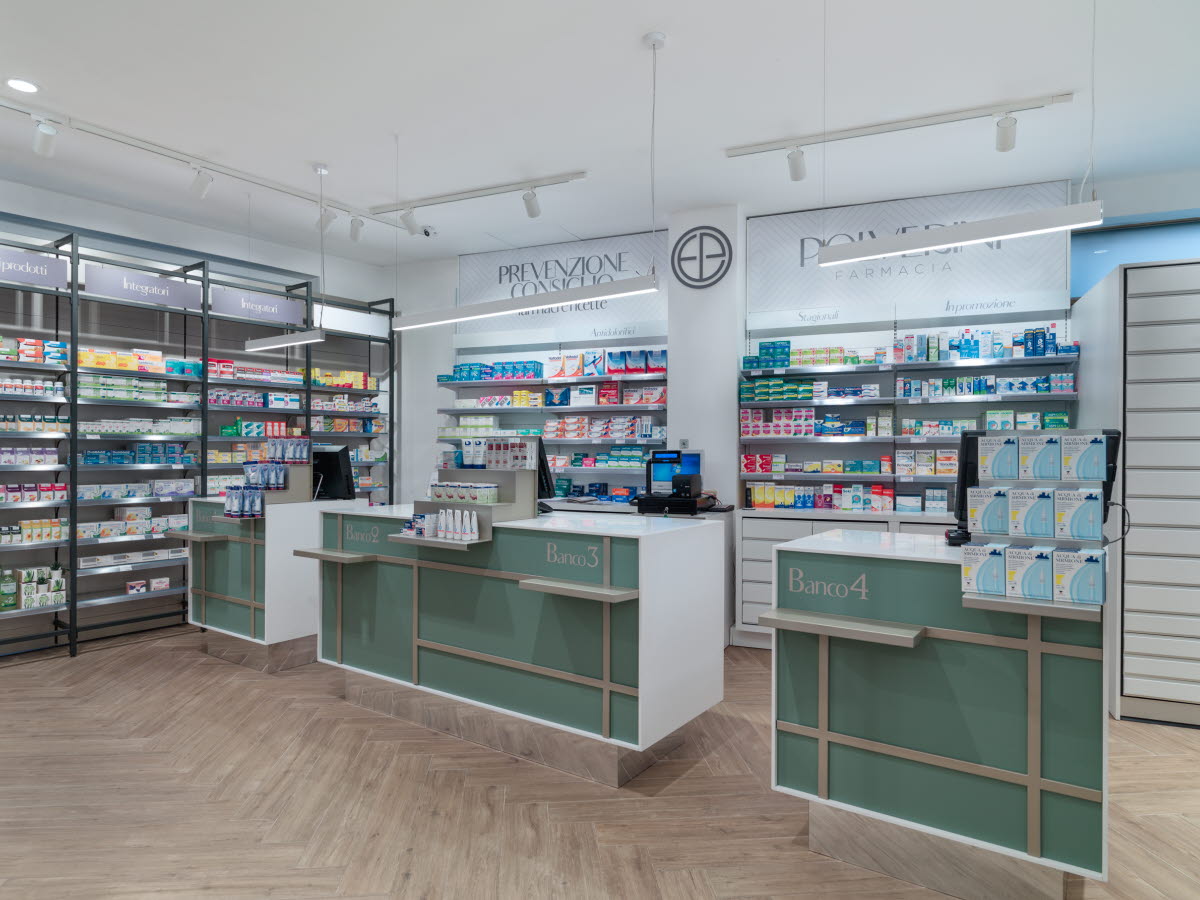
What exactly do pharmacy distributors handle when it comes to merchandising? Far more than just stocking shelves.
Core Services Breakdown
✅ In-Store Execution
Setting up eye-catching displays at gondola ends or checkout counters.
Implementing seasonal promotions (e.g., flu prevention kits before monsoon season).
✅ Planogram Compliance
Ensuring your product is placed as agreed (no last-minute shelf shifts by store staff).
Regular audits to maintain consistency across all outlets.
✅ POSM Installation
Installing wobblers, shelf talkers, and testers to drive engagement.
Managing promotional stands for limited-time offers.
✅ Onboarding & Training
Conducting interactive sessions to educate pharmacy teams on product USPs.
Providing quick-reference guides for busy staff.
✅ Monitoring & Reporting
Sending weekly updates on stock levels, competitor activity, and promo performance.
Flagging issues like out-of-stocks or misplaced POSM.
A real-world example: When a popular OTC flu brand launched in Malaysia, their distributor ensured:
All 300+ Klang Valley pharmacies had POSM installed before peak season.
Staff were trained to highlight the product’s fast relief formula.
The result? 98% in-store readiness within two weeks.
For brands—whether multinational or local—this level of tailored, efficient support is essential for cutting through market noise. Because in the end, even the best product won’t sell itself. It needs strategic merchandising to shine.
Learn more : The Role of End-Cap Displays in Increasing Pharmacy Sales in Malaysia | Pharmacy Merchandising: 5 Ideas to Increase Pharmacy Sales and Boost Customer Engagement
Top 10 Merchandising Services Providers for New Launches
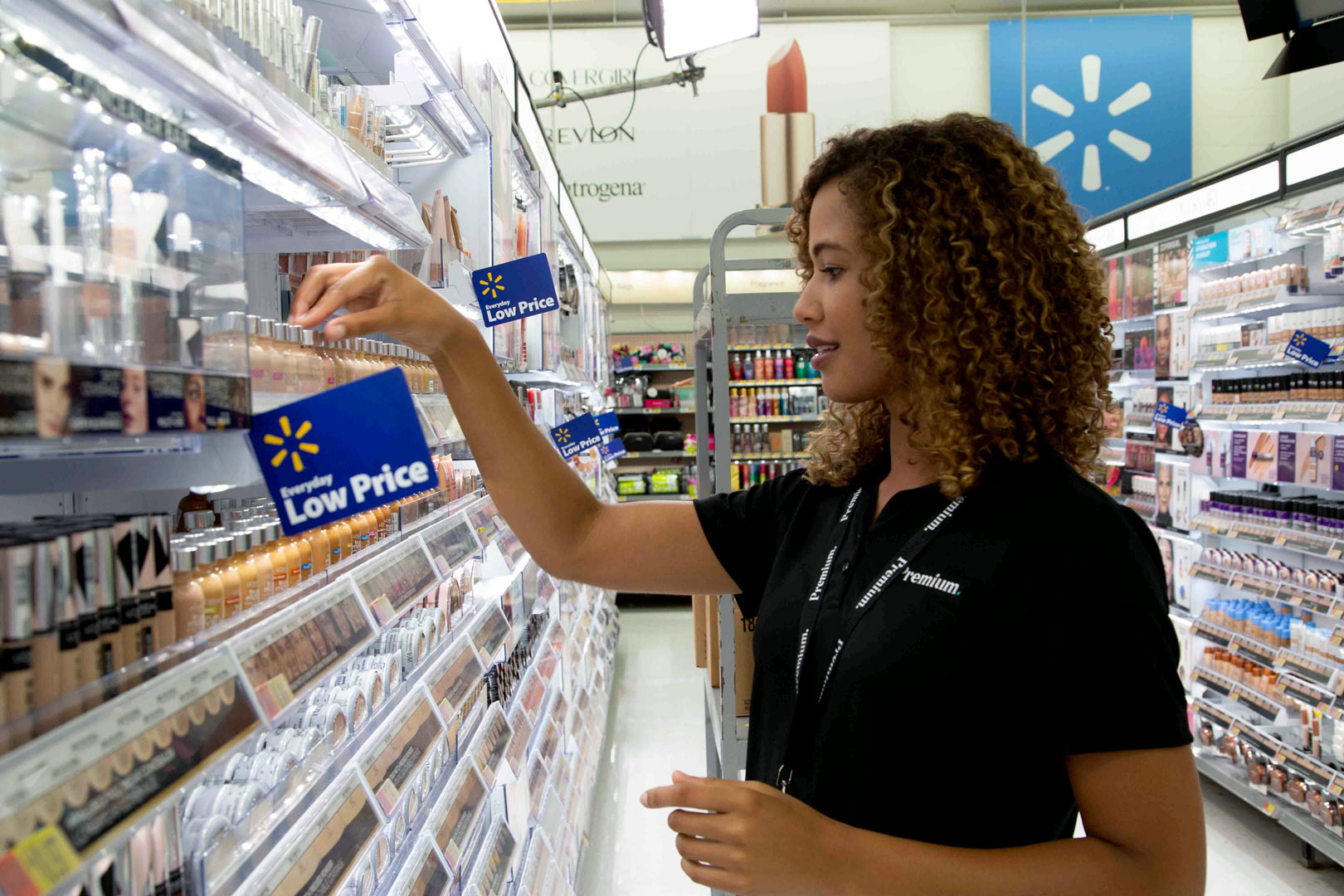
Which merchandising service providers stand out in Malaysia’s pharmacy landscape?
Here are our top 10 picks known for trusted, efficient, and effective services:
PriooCare Malaysia
Strength: Expert onboarding processes, fast POSM rollout, tailored training for pharmacy staff.
Unique Value: Strategic integration with pharmacy distribution networks ensures seamless SKU availability alongside merchandising execution.
DKSH Malaysia
Strength: Proven regional retail solutions, with integrated supply chain and merchandising services.
Unique Value: Strong data analytics driving in-store decisions.
C Square
Strength: Focused on FMCG and pharmacy merchandising execution.
Unique Value: Reliable nationwide coverage with efficient reporting systems.
Advantage Group Malaysia
Strength: In-store activation and compliance expertise.
Unique Value: Strategic shopper marketing integration within merchandising rollouts.
Apex Pharma
Strength: Experienced pharmacy distributor with merchandising capabilities for OTC and health supplements.
Unique Value: Trusted relationships with major chain pharmacies ensuring effective brand positioning.
LF Logistics Malaysia
Strength: Strong supply chain integration with merchandising solutions.
Unique Value: Tailored distribution and in-store execution for healthcare brands.
MRM Worldwide Malaysia
Strength: Digital integration into merchandising programs.
Unique Value: Data-driven merchandising design aligned with omnichannel strategies.
Brandt International
Strength: Effective field merchandising with trained brand ambassadors.
Unique Value: Tailored consumer education programs during new launches.
Field Solutions Malaysia
Strength: Focused on sales and merchandising execution in pharmacies and FMCG retail.
Unique Value: Efficient campaign deployment with real-time reporting dashboards.
Brandt Retail Analytics
Strength: Merges merchandising execution with shopper analytics.
Unique Value: Strategic recommendations based on performance data to optimise merchandising investments.
Each of these partners brings expertise, local market knowledge, and operational capabilities essential for new SKU success.
Learn more : Top 10 Pharmacy Distributors in Malaysia Ranking
How Effective Merchandising Drives ROI for New SKUs
Can merchandising truly influence your financial outcomes? The answer is a resounding yes—when executed strategically, merchandising doesn’t just enhance shelf appeal; it directly fuels revenue growth. Brands that invest in proven merchandising techniques consistently outperform competitors by accelerating sell-through rates, amplifying brand recall, and maximizing in-store conversions.
The Financial Mechanics Behind Merchandising Success
Faster Sell-Through
Products placed in high-traffic zones—such as eye-level shelves or near checkout counters—sell 47% faster than those in less visible spots. This reduces inventory holding costs, freeing up capital for reinvestment.Increased Brand Awareness
A study by Nielsen found that 72% of purchase decisions are made in-store, making POSM (Point-of-Sale Materials) like wobblers, shelf talkers, and demo units essential for capturing attention.Staff Advocacy
Pharmacies with trained staff who understand product benefits see 30% higher upsell rates. For example, a Malaysian nutraceutical brand launching an immunity supplement partnered with a trusted distributor to train staff across 50 pharmacies. The result? A 25% surge in sales above projections within three months.Consumer Conversion
Strategic placement converts casual browsers into buyers. A well-executed planogram (a visual merchandising blueprint) can lift sales by 15–20%, especially for new SKUs fighting for shelf space.
Learn more : Great merchandising never goes out of fashion
Integrating Merchandising with Broader Distribution Strategies
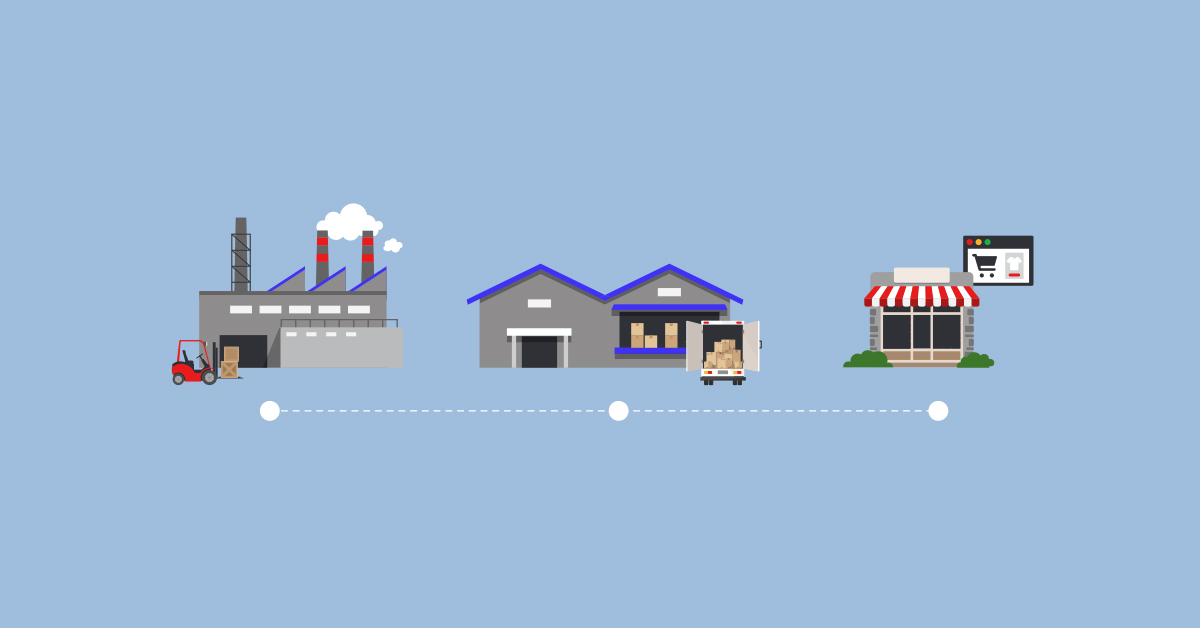
Merchandising doesn’t operate in a vacuum. Even the most eye-catching display fails if supply chains can’t keep up. Imagine a high-traffic pharmacy running a promotion, only to stock out mid-campaign. The result? Lost sales, frustrated customers, and damaged brand trust.
4 Pillars of Seamless Integration
Joint Planning Sessions
Align sales, logistics, and merchandising teams early. For instance, a Malaysian pharmaceutical distributor reduced stockouts by 22% by synchronizing promo calendars with warehouse replenishment cycles.Inventory Buffering
Distributors must anticipate demand surges. A leading Malaysian healthcare supplier now keeps a 15% buffer stock for SKUs under merchandising campaigns.Real-Time Data Sharing
Cloud-based tools enable live tracking of sales velocity and inventory levels. One brand used this to cut replenishment delays from 5 days to under 48 hours.Flexible Route-to-Market Adjustments
Urban pharmacies may need weekly restocks during campaigns, while rural stores require monthly bulk shipments. A tailored approach ensures no shelf goes empty.
Why Malaysian Brands Need Integrated Partners
A reliable distributor does more than move boxes—they orchestrate visibility. For example, a Kuala Lumpur-based wellness brand saw stock availability rise to 98% after switching to a full-service distributor with embedded merchandising teams.
Common Mistakes When Choosing Merchandising Services for New Launches

Not all merchandising providers deliver equal value. Some cut corners, others lack local nuance. Here’s how to avoid critical missteps:
Pitfalls to Sidestep
✅ Ignoring Local Expertise
International agencies may not grasp Malaysia’s pharmacy culture. One brand’s “global best practice” planogram failed because it didn’t account for Malay consumers’ preference for bundled health kits.
✅ Prioritizing Cost Over Capability
Cheap vendors often skip staff training or use low-quality POSM. A Penang-based supplement brand learned this the hard way when flimsy display stands collapsed within a week.
✅ Neglecting Compliance Checks
Without audits, planogram adherence drops by 60% post-launch. A Johor Bahru distributor now conducts bi-weekly store checks, lifting compliance to 92%.
Expert Recommendations
Demand case studies from potential partners (e.g., ask for proof of ROI in Malaysian pharmacies).
Include merchandising KPIs in launch timelines (e.g., “95% POSM compliance by Week 4”).
Pre-launch staff workshops are non-negotiable. A Selangor chain boosted sales by 18% after a 2-hour product training session.
Future Trends in Merchandising Services for Malaysia’s Pharmacy Sector

The industry is evolving. Brands that adapt now will dominate shelves tomorrow.
3 Trends Reshaping Merchandising
Digital Planograms
Apps like ShelfWatch let managers snap shelf photos to auto-detect compliance gaps. A Malacca pilot reduced manual audits by 70%.Hyper-Localized Analytics
Heat mapping shopper foot traffic helps place high-margin SKUs in hot zones. A Klang Valley chain used this to increase basket size by 12%.Eco-Conscious POSM
With 65% of Malaysians preferring sustainable brands, biodegradable signage and reusable displays are becoming market differentiators.
Forward-Thinking Move: Pair in-store merchandising with e-commerce visibility. A Negeri Sembilan brand linked QR codes on POSM to Shopee promo pages, driving online-offline synergy.
Selecting the right merchandising partner is a strategic decision that directly impacts your new SKU success. From onboarding to planograms, trusted partners provide essential expertise ensuring brand visibility, shopper conversion, and market competitiveness. As Malaysia’s pharmacy landscape continues to evolve, brands must invest in proven merchandising services that integrate seamlessly with distribution strategies for lasting impact.
How can we assist you today? 😊
Just let us know—we’re here to help!