

July 17, 2025
Have you ever stepped into a pharmacy and found your gaze instinctively drawn to certain products? That’s no accident—it’s the result of strategic and essential merchandising efforts. For pharmacy distributor Malaysia, independent pharmacy distributors, and distributor pharmacies, in-store visibility isn’t just about aesthetics—it’s a proven driver of customer decisions and brand performance.
In Malaysia’s bustling urban centers, where competition among pharmacies is fierce, tailored merchandising strategies can mean the difference between a product flying off the shelf or gathering dust. This isn’t just theory—real-world data shows that well-executed in-store visibility tactics directly influence stock pull rates, customer satisfaction, and long-term sales growth.
Understanding Merchandising: Definitions, Principles, and Impact on Stock Pull Rates

So, what exactly is merchandising in the context of pharmacy retail, and why does it hold such power?
At its core, merchandising is the strategic planning and execution of product displays, shelf arrangements, and promotional materials to maximize sales. It’s not just about making shelves look neat—it’s about creating an efficient shopping experience that guides customers toward purchases. Three trusted principles underpin successful pharmacy merchandising:
Eye-Level Placement – Research shows that products placed at eye level are up to 35% more likely to be picked compared to those on lower shelves.
Planogram Compliance – Following a structured planogram ensures consistent stock rotation and optimal brand positioning across multiple outlets.
Brand Blocking – Grouping products from the same brand together strengthens brand recognition and shopper confidence.
The Direct Link Between Merchandising and Stock Pull Rates
Stock pull rate—the speed at which products sell—is heavily influenced by merchandising. When customers can easily locate what they need thanks to clear signage, well-organized shelves, and effective visual cues, their decision-making process speeds up, leading to higher conversion rates.
Real-World Example from Malaysia
A study conducted by a reliable pharmacy wholesale distributor found that outlets using planogram-compliant shelf arrangements for skincare products saw an 18% increase in weekly stock pull rates compared to stores with disorganized layouts.
Learn more : Top 10 Pharmacy Distributors in Malaysia Ranking
Optimizing Shelf Layouts for Maximum Eye-Level Visibility

Ever wonder why some products seem to sell themselves while others go unnoticed? The answer lies in shelf psychology.
Shoppers naturally scan shelves from left to right, with their eyes resting longest at eye level. This makes product placement a critical factor in influencing purchasing decisions.
Best Practices for Malaysian Pharmacies
Top Shelf – Ideal for premium or niche products (e.g., specialized supplements).
Eye-Level Shelf – Reserved for high-demand, fast-moving items.
Below Eye-Level – Suitable for bulk or economy packs.
Bottom Shelf – Best for heavy or slow-moving SKUs.
Local Success Story: A Selangor-Based Pharmacy’s Shelf Strategy
A leading pharmacy distributor Malaysia revamped its oral care section by placing high-margin toothbrushes at eye level. The result? A 25% sales uplift within just one month. This strategic adjustment not only boosted revenue but also improved inventory turnover, reducing stock wastage.
Practical Implementation Tips
✔ Map customer flow to identify high-traffic shelf zones.
✔ Test different placements within planogram guidelines to find the most effective arrangement.
✔ Use clear, benefit-driven labels (e.g., “sugar-free,” “extra strength”) to reinforce purchase decisions.
Learn more : Pharmacy Merchandising: Best Practices for Product Pricing and Promotion in Malaysia
Leveraging Category Blocking and Brand Blocking for Higher Conversions

Why do some pharmacy sections feel intuitive while others feel chaotic? The secret lies in category blocking—a merchandising technique that groups similar products together for a seamless shopping experience.
The Benefits of Category Blocking
Reduces shopper confusion by creating logical product groupings.
Boosts cross-selling opportunities (e.g., placing vitamins next to immune boosters).
Enhances overall category visibility, making it easier for customers to find what they need.
Brand Blocking: Building Trust Through Consistency
While category blocking organizes by product type, brand blocking groups all SKUs from a single brand together. This reinforces brand authority and makes premium products stand out.
Malaysian Case Study: OTC Analgesics
A trusted distributor pharmacy implemented brand blocking for Panadol, placing all variants together at eye level with expert shelf talkers highlighting use cases. The outcome? A 15% increase in total analgesic sales.
How to Execute Blocking Strategies Effectively
✔ Analyze sales data to identify high-potential categories.
✔ Train merchandising teams to maintain consistency across stores.
✔ Supplement with educational POSM (e.g., shelf strips explaining product benefits).
When done right, blocking techniques create a strategic shopping environment that benefits both customers and retailers.
Maximizing POSM (Point of Sale Materials) for Higher Engagement
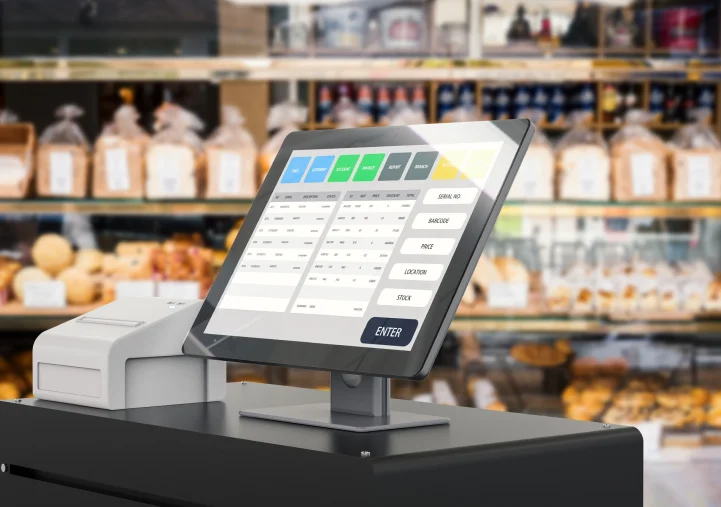
Why do some promotional materials grab attention while others go unnoticed? The difference lies in strategic placement, messaging clarity, and relevance.
Types of POSM That Work in Malaysian Pharmacies
Shelf Talkers – Small, informative tags (e.g., “Doctor Recommended”).
Wobblers – Moving tags that catch the eye.
Gondola End Displays – Premium space for seasonal promotions.
Local Example: A Winning Ramadan Campaign
A pharmacy distributor Malaysia used gondola end displays for immune boosters, paired with shelf talkers highlighting key benefits. The result? A 42% sales uplift during the campaign period.
Keys to Effective POSM Implementation
✔ Use bold, brand-aligned colors to stand out without clashing.
✔ Keep messaging concise—focus on health benefits, not just features.
✔ Rotate POSM regularly to maintain freshness and relevance.
Well-executed POSM doesn’t just drive impulse buys—it educates shoppers and reinforces brand trust, making it an essential tool for pharmacy success.
Learn more : Maximizing Sales with Effective Point of Sale Materials: Tips and Strategies
Leveraging Data-Driven Planograms and Stock Replenishment Insights

The modern pharmacy distribution landscape demands more than intuition—it requires data-backed precision. Data-driven planograms are not just theoretical concepts; they are proven tools that merge sales analytics, shopper behavior patterns, and inventory turnover metrics to craft shelf layouts that maximize both revenue and customer satisfaction.
Why Data-Driven Planograms Work
Reduces out-of-stock risks: Real-time sales tracking ensures high-demand products are always available.
Improves inventory efficiency: By aligning stock levels with actual demand, wastage drops significantly.
Enhances compliance: Stores adhere to layouts that are scientifically optimized, not guesswork.
A real-world example from Malaysia highlights this perfectly. A leading pharmacy distributor analyzed sales velocity data for skincare products and discovered that facial cleansers placed at eye-level sold 35% more than those on lower shelves. By simply adjusting the planogram based on this insight, they achieved a dramatic sales uplift in just four weeks.
Learn more : How Today’s Retailers Leverage Data To Optimize Inventory Management
Seasonal and Promotional Merchandising for Maximum Impact

Malaysia’s diverse cultural fabric makes it a goldmine for seasonal merchandising. Consumers here don’t just shop—they respond to festive cues, health trends, and emotional triggers. A well-timed promotion can double engagement, while a generic one might fade into the background.
The Power of Localized Campaigns
Take Hari Raya, for instance. One pharmaceutical distributor launched a tailored campaign bundling vitamin C packs with festive-themed POS displays and promotional pricing. The result? A 50% surge in sales, proving that cultural relevance isn’t just nice-to-have—it’s essential for cutting through the noise.
Key Tactics for Seasonal Success
✅ Align with local calendars: Ramadan, Chinese New Year, and Deepavali each present unique opportunities.
✅ Leverage emotional visuals: Use motifs, colors, and messaging that resonate (e.g., “Stay Healthy for Raya” banners).
✅ Strategic bundling: Pair immune boosters with travel-sized sanitizers during holiday seasons to increase basket size.
Unlike static promotions, seasonal campaigns tap into routine consumer needs while creating urgency. For pharmacy wholesalers, this means higher sell-through rates without deep discounts. It’s a win-win: shoppers feel understood, and brands enjoy efficient stock movement.
Learn more : The Role of End-Cap Displays in Increasing Pharmacy Sales in Malaysia
Training Merchandisers and Pharmacy Teams for Consistent Execution

Even the most strategic planogram fails without expert execution. Inconsistent shelf layouts, misplaced POSM, or poor compliance can derail the best-laid plans. That’s why training isn’t an afterthought—it’s the backbone of effective merchandising.
How Training Transforms Outcomes
Clear visual SOPs: Use real shelf photos (not just diagrams) to eliminate ambiguity.
Role-playing drills: Simulate common in-store challenges (e.g., out-of-stock scenarios) to sharpen problem-solving.
Refresher workshops: Quarterly sessions keep standards high as strategies evolve.
A Malaysian distributor saw this firsthand. After training staff on brand-blocking techniques for OTC medications, execution compliance jumped by 20% in a month. The lesson? Skilled teams turn strategy into tangible results.
Why Invest in Training?
Consistency: Every outlet reflects the same brand excellence.
Adaptability: Teams can adjust to new planograms or promotions swiftly.
Long-term ROI: Reduced errors mean fewer costly restocks or missed sales.
For pharmacy distributors, this is a strategic priority. A well-trained team ensures that data-driven insights and seasonal campaigns don’t just exist on paper—they thrive in the real world.
Measuring Merchandising Effectiveness: KPIs and Continuous Improvement
What gets measured gets improved. Without tracking KPIs, even the most effective merchandising strategies become guesswork. For pharmacy distributors, key metrics like stock pull rates, sell-through velocity, and shelf-share percentages are the compass guiding continuous optimization.
Critical KPIs to Monitor
✅ Stock pull rate: Are products moving as projected?
✅ Shelf-share %: Does your brand dominate its category visually?
✅ Compliance audits: Are stores adhering to planograms?
A Malaysian case study underscores this. One distributor noticed stagnant sales for a high-margin SKU—until they realized it was placed below eye level. A simple shelf adjustment led to a 15% sales bump in two weeks.
The Improvement Cycle
Monthly data reviews: Identify underperforming SKUs or stores.
Root-cause analysis: Is it placement? Pricing? POSM visibility?
Test and refine: Implement small changes (e.g., relocating products) before scaling.
This proven approach turns merchandising from a static task into a dynamic growth engine. For pharma distributors, it’s the difference between hoping for results and knowing what works.
Learn more : The key performance indicators (KPIs) and their impact on overall organizational performance
In Malaysia’s fast-evolving pharmacy sector, strategic merchandising isn’t optional—it’s the cornerstone of sustainable growth. From data-driven planograms to culturally attuned promotions, each tactic we’ve explored offers tailored solutions for enhancing visibility, boosting sales, and strengthening distributor partnerships.
The brands that thrive will be those that treat merchandising not as a one-time effort, but as a continuous cycle of insight, execution, and refinement. It’s about leveraging data, empowering teams, and measuring relentlessly—because in retail, what’s on the shelf determines what’s in the cart.
How can we assist you today? 😊
Just let us know—we’re here to help!