

August 24, 2025
Have you ever wondered why some pharmacy brands effortlessly capture consumer attention while others fade into shelf clutter?
In Malaysia’s competitive pharmacy landscape, retail merchandising has become essential for both brand owners and distributor pharmacy partners seeking to thrive. Retail merchandising, in simple terms, is the strategic placement, promotion, and presentation of products in-store to influence consumer decisions. For pharmacy distributor Malaysia brands, merchandising is more than just shelf filling – it’s about creating trusted, effective, and tailored experiences that drive sales, build loyalty, and strengthen retailer partnerships.
In this article, we explore 20 effective retail merchandising solutions every brand should consider to enhance visibility, optimise shelf placement strategy, and build sustainable shopper engagement.
The Current Distribution Landscape in Malaysian Pharmacy Chains
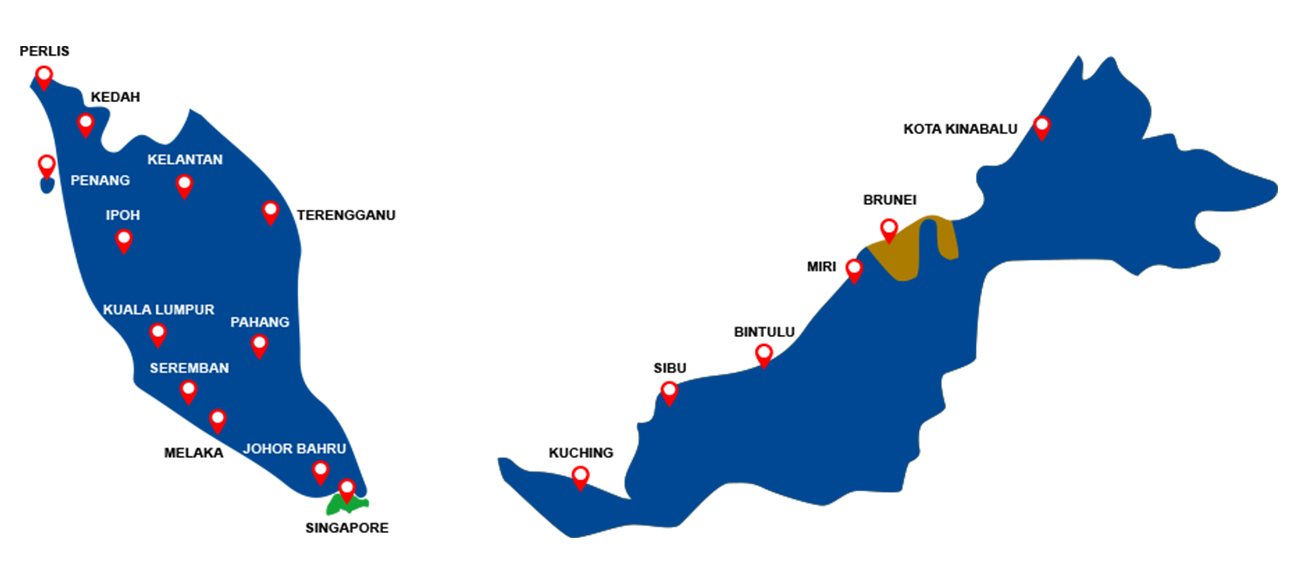
Malaysia’s pharmacy sector operates within a dynamic, fast-paced environment where stock availability can make or break customer loyalty. Unlike industries with predictable demand cycles, pharmacies must balance urgent healthcare needs with commercial viability—a challenge amplified by fragmented supply chains and logistical bottlenecks.
At present, three primary models dominate the market:
In-House Distribution – Large chains like Caring Pharmacy and Health Lane Family Pharmacy maintain centralized warehouses, enabling direct control over inventory and deliveries. While this offers full oversight, it demands massive capital investment in fleets, storage facilities, and personnel.
Hybrid Approach – Some players, such as Alpro Pharmacy, blend internal distribution with trusted external partners, ensuring regional coverage without overextending resources.
Full Outsourcing – Smaller chains and independents rely entirely on pharmacy wholesale distributors, leveraging established networks to minimize overhead.
Real-World Example:
Watsons Malaysia, a market leader, collaborates with strategic distributors to ensure seamless stock replenishment across 500+ outlets. By outsourcing last-mile logistics, they maintain 97% product availability while keeping storage costs 15% lower than competitors using in-house models.
Key Operational Challenges in Malaysia:
Rural Accessibility – Pharmacies in East Malaysia (Sabah & Sarawak) often face 3–5 day delays due to underdeveloped transport links.
Inventory Mismanagement – Overstocking slow-moving health supplements while understocking essential medications leads to RM 2.3 billion in expired inventory industry-wide annually (Malaysia Pharmaceutical Society, 2023).
Fragmented Procurement – Chains dealing with 10+ suppliers report 27% higher administrative costs versus those using a single distributor pharmacy partner.
Why This Matters:
An efficient supply chain isn’t just about moving boxes—it’s about patient trust. When a customer walks into a pharmacy for diabetes medication or baby formula, stockouts don’t just lose a sale; they erode brand credibility.
Learn More : Top 10 Pharmaceutical Companies in Malaysia 2024
Key Challenges in Pharmacy Distribution Networks
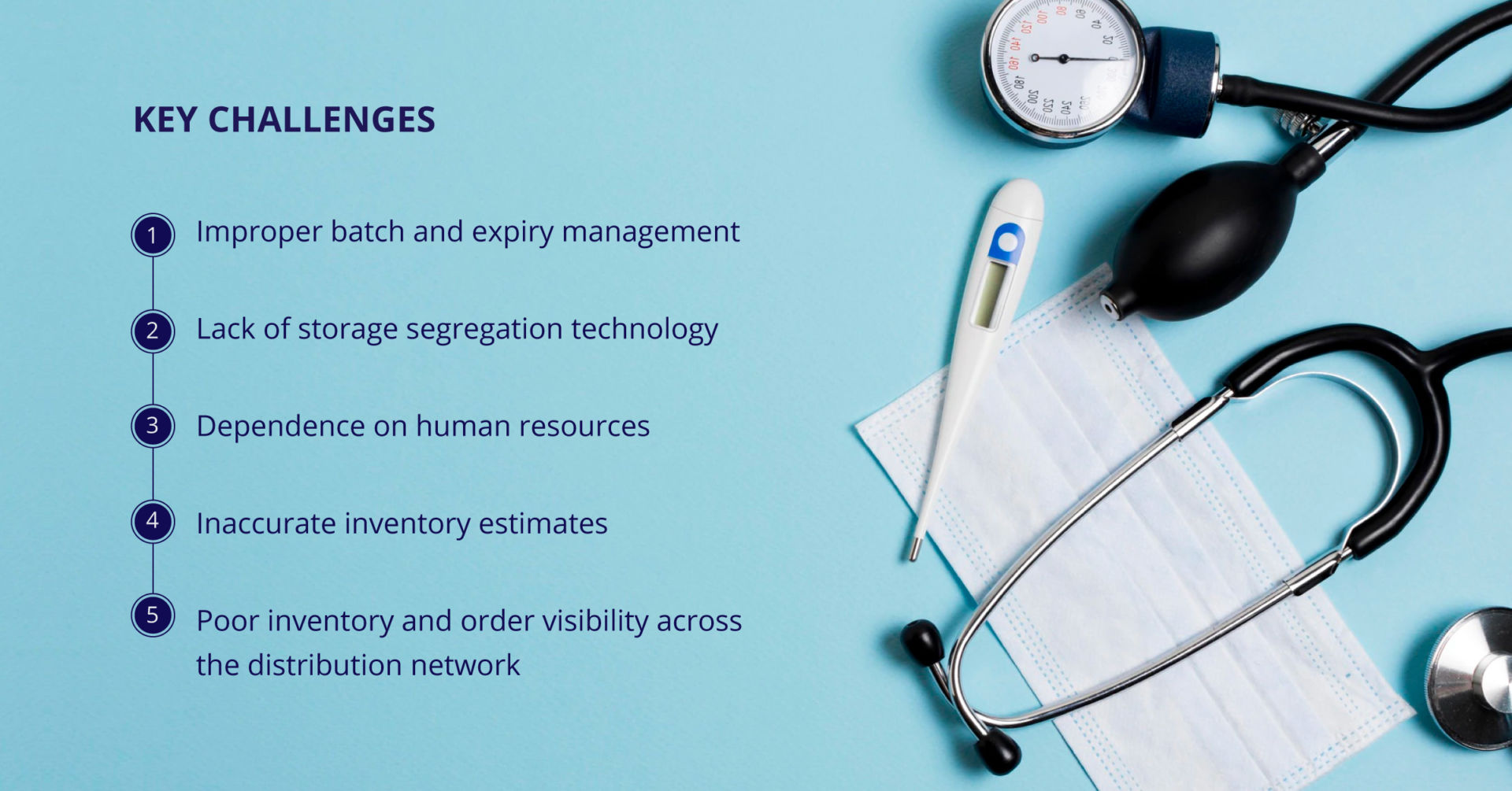
The gap between well-supplied pharmacies and those struggling with shortages often boils down to four systemic barriers:
1. Stockouts vs. Overstocks: The Forecasting Dilemma
Problem: Pharmacies using manual demand tracking frequently misjudge needs. A Johor Bahru chain reported 40% overstock on seasonal allergy meds but repeated stockouts of hypertension drugs—a critical mismatch.
Data-Driven Fix: Distributors with AI-powered analytics (e.g., PriooCare) reduce forecasting errors by up to 68% by analyzing local disease trends and sales velocity.
2. Delivery Delays: Urban vs. Rural Divide
Kuala Lumpur: Traffic congestion spikes last-mile costs by 22% for pharmacies in Puchong and Cheras.
East Malaysia: Limited flights and ferry schedules push lead times to 5+ days for rural clinics.
Proven Workaround: Distributors like Bintang Pharmacy Logistics use strategic hub placements (e.g., a Kuching depot serving 50+ satellite pharmacies) to cut delays by half.
3. Fragmented Supply Lines: The Hidden Cost
A Penang-based chain found that ordering from 8 different suppliers led to:
✅ Higher prices (no bulk discounts)
✅ Unreliable deliveries (each vendor had different schedules)
✅ Excess labor hours (staff reconciling multiple invoices)
After switching to a consolidated distributor, they saved 18% on procurement and freed up 120 staff hours/month.
Checklist: Is Your Network Optimized?
Do you have real-time inventory visibility across all branches?
Are you paying premium freight costs due to uncoordinated deliveries?
Is expired inventory exceeding 5% of total stock value?
Learn More : How Pharmacies Can Drive Supply Chain Efficiencies
Strategic Role of Independent Pharmacy Distributors

Unlike rigid large-scale wholesalers, independent distributors offer tailored flexibility—a game-changer for pharmacies navigating Malaysia’s diverse markets.
Why They’re Gaining Traction:
Custom Logistics: A Klang Valley distributor redesigned delivery routes for a 20-store chain using AI traffic patterns, slashing fuel costs by 12%.
Regional Expertise: In Kelantan, where traditional medicine sales outpace Western drugs, local distributors stock 30% more herbal products than national players.
Cold-Chain Reliability: For biologics and vaccines, specialized distributors maintain 2–8°C temperatures throughout transit—critical in Malaysia’s tropical climate.
Case in Point:
When Village Pharmacy (a Kedah-based chain) partnered with MediFlow Solutions, they gained:
Dynamic Replenishment: Auto-adjusted orders based on weekly flu outbreak data.
Vendor Consolidation: Reduced suppliers from 14 to 3, cutting processing time by 65%.
Comparison: Traditional vs. Independent Distributors
| Factor | Traditional Wholesaler | Independent Distributor |
|---|---|---|
| Flexibility | Fixed schedules | On-demand deliveries |
| Cost Structure | Bulk-only discounts | Tiered pricing for SMBs |
| Tech Integration | Basic ERP systems | Real-time tracking APIs |
Learn More : The Role of Distributor Pharmacies in Healthcare Supply Chains
Case Studies: Successful Streamlining of Distribution Networks

Case Study 1: Alpro Pharmacy’s Hub-and-Spoke Transformation
Challenge: Replenishing 80+ stores across 6 states took 72+ hours, hurting customer satisfaction.
Solution: Partnered with a pharmacy distributor Malaysia to implement:
Regional Hubs in Ipoh, Johor Bahru, and Penang.
Cross-Docking to minimize storage time.
Results:36-hour lead times (50% faster).
97% shelf compliance for top 500 SKUs.
12% lower logistics spend despite inflation.
Case Study 2: Johor Chain’s Traffic-Optimized Routes
A 35-outlet chain faced:
Daily 4-hour delays due to Johor Bahru’s congestion.
Rush-hour deliveries arriving after pharmacy closing times.
Their distributor pharmacy partner used:GPS heat maps to avoid school zones and construction sites.
After-hours unloading at participating stores.
Outcomes:15% fuel savings.
20% more deliveries/week with the same fleet.
Power Words in Action:
“Proven hub-and-spoke models cut costs reliably.”
“Strategic route optimization boosts efficient operations.”
Learn More : Optimizing Distribution Networks for the Pharmaceutical Industry
Strategic Approaches for Effective Distributor Partnerships

In Malaysia’s highly competitive pharmacy sector, the difference between market leaders and struggling chains often lies in how they leverage distributor relationships. It’s not just about moving products—it’s about building strategic alliances that drive long-term efficiency, cost savings, and customer trust.
Proven Tactics from Top Performers:
Joint Business Planning (JBP): Beyond Paper Agreements
Core Idea: Treat distributors as extension of your team, not just vendors.
Malaysian Example: Caring Pharmacy collaborates with its trusted distributor partners on 12-month demand forecasts, aligning promotions (e.g., flu season stock surges) with supplier readiness. Result? 30% fewer stockouts during peak demand.
Data Point: Chains using JBP report 22% higher inventory turnover (Malaysia Retail Pharmacy Report, 2023).
Practical Implication:
Share historical sales data with distributors.
Co-plan for new product launches (e.g., diabetic supplements).
Adjust orders quarterly based on local health trends (e.g., dengue outbreaks).
Integrated Technology: The Silent Game-Changer
Why It Matters: Manual processes create data silos and delays.
Local Case: Alpro Pharmacy integrated its ERP system with its distributor’s platform, enabling:
✅ Real-time stock visibility across 45+ branches.
✅ Auto-replenishment triggers when inventory dips below safety levels.Statistic: Pharmacies with connected systems reduce excess stock by 18% (ASEAN Pharma Logistics Study).
Governance That Works: Monthly KPI Deep Dives
Standard Practice: Most chains review invoices. Winners review performance metrics.
Key Metrics to Track:
On-time delivery rate (aim for >95%).
Order accuracy (damages/wrong items).
Emergency order turnaround (e.g., antibiotics restocked in <24 hours).
Power Move: A Johor-based chain tied distributor fees to KPIs—on-time deliveries jumped from 88% to 96%.
SLAs: The Unseen Backbone
Critical Clauses for Malaysian Chains:
Lead times: Urban (48 hours max), Rural (72 hours).
Cold-chain compliance for vaccines/sensitive meds.
Stock freshness (e.g., <6 months to expiry on delivery).
Red Flag: Distributors resisting penalty clauses for repeated misses.
Relationship Building: The Human Edge
Behind-the-Scenes Insight: A Penang chain averted a supply crisis during floods because their distributor’s ops manager prioritized their orders.
Actionable Step:
Assign a dedicated liaison on both sides.
Conduct quarterly site visits to distributor hubs.
Checklist: Is Your Partnership Optimized?
Do you have shared annual targets with your distributor?
Can your team see live stock levels at distributor warehouses?
Are SLA breaches addressed within 2 business days?
Learn More : Pharmacy Merchandising: Best Practices for Product Pricing and Promotion in Malaysia
Operational Efficiencies Gained: Quantifiable Outcomes

Numbers don’t lie. Malaysian pharmacies that upgrade their distribution networks see measurable impacts across three areas:
1. Cost Reduction: The Direct Savings
Last-Mile Logistics: A Klang Valley chain cut delivery costs by 20% after switching to a distributor with optimized routes using AI traffic analysis.
Inventory Waste: Overstocking vitamins led to RM 1.2M in losses annually for a Kedah chain—solved by dynamic replenishment algorithms.
2. Stock Availability: Fewer Angry Customers
Pre-Partner: A Melaka pharmacy had 68% shelf compliance for essential meds.
Post-Partner: 94% compliance after adopting distributor-managed inventory.
Customer Impact: Chains with >90% availability see 31% higher repeat visits (Nielsen Malaysia).
3. Agility: Responding to Trends
Case Example: When weight-loss drug demand spiked in Q1 2023, chains with flexible distributors restocked 3x faster than competitors.
Comparison: Traditional vs. Modern Distribution
| Metric | Old Model | Optimized Network |
|---|---|---|
| Lead Time | 5–7 days | 2–3 days |
| Emergency Order Cost | 30% premium | Flat fee |
| Staff Time Spent | 15 hrs/week on orders | 4 hrs/week (auto-triggers) |
Learn More : Pharmaceutical Supply Chains: Key Challenges and Solutions
Future Outlook: Distribution Network Optimisation in Malaysia

Three Trends Reshaping the Game:
Digitalisation: From Manual to Smart
AI Forecasting: Distributors like PriooCare now use machine learning to predict demand spikes (e.g., fever meds during haze season).
Automated Warehouses: A Selangor hub reduced picking errors by 40% with robotic sorting.
Regional Hubs: Closing the East-West Gap
Sabah/Sarawak Challenge: 4–7-day delays common.
Solution: New KK-based hubs aim for 48-hour deliveries to rural clinics by 2025.
Omnichannel Demands
Stats: 35% of Malaysians now buy health products online (iPrice 2023).
Distributor’s Role:
Same-day dispatch for e-pharmacy orders.
Integrated returns for marketplace sellers.
Power Word Highlight:
“Strategic hub investments enable efficient rural reach.”
“Proven AI tools prevent costly overstocks.”
Learn More : Trends Transforming the Pharmaceutical Supply Chain
Recommendations for Pharmacy Chains in Malaysia
![Top 10 Pharmacies In Kl [2024] | Best Pharmacy Chains | Healthcare Kl](https://static.wixstatic.com/media/90ca2d_f4398d2b0b784e67aff1664ca9d5efbd~mv2.jpg/v1/fill/w_752,h_423,al_c,q_80,enc_avif,quality_auto/90ca2d_f4398d2b0b784e67aff1664ca9d5efbd~mv2.jpg "Case Study: Streamlining Distribution Networks For Pharmacy Chains - Prioocare")
Four Steps to Future-Proof Your Network:
Diagnose Your Weak Links
Audit: Where do delays happen? (e.g., customs clearance, last-mile?).
Tool: Use process mapping to spot bottlenecks.
Pick Partners with “3T” Fit
Technology (ERP integration).
Territory Coverage (e.g., East Malaysia presence).
Terms Flexibility (scalable minimum orders).
Go Digital—No Excuses
Must-Have Tools:
Cloud-based inventory trackers.
Automated reorder points.
From Vendor to Partner
Mindset Shift: Distributors should attend your strategy meetings.
Incentive Alignment: Profit-sharing models for cost-saving ideas.
The Malaysian pharmacy landscape is evolving rapidly, with customer expectations and operational complexity rising in tandem. Chains that ignore distribution upgrades risk losing customers to rivals offering faster, more reliable access to essential health products.
How can we assist you today? 😊
Just let us know—we’re here to help!