

The fundamental premise that a pharmaceutical supply chain is merely a conduit for moving boxes from point A to point B is a dangerous oversimplification. In reality, the system that ensures medicines are available on the shelf when a patient needs them is a dynamic, intelligence-driven ecosystem. At its heart, the role of a pharmacy distributor Malaysia stakeholders depend on has evolved into something far more strategic. It is no longer just about logistics, but about integrating regulatory expertise, technological agility, and market intelligence into a single, reliable service offering. This transformation is directly driven by the pressures of modern healthcare: intensified regulatory enforcement, the acceleration of digitalisation, and rising patient expectations. For pharmacy wholesale distributors and independent pharmacy distributor teams, simply moving product is no longer sufficient. The modern mandate is to navigate complexity, mitigate risk, and create tangible value at every handoff—from the manufacturer’s loading bay to the final retail pharmacy shelf. This requires a proven and deeply integrated approach tailored specifically to the nuances of the Malaysian market.

Understanding the operational landscape begins with deconstructing the journey of a single product. Consider a fever medication manufactured in Penang destined for a family-run retail pharmacy in Kuching, Sarawak. This journey is not a simple straight line but a meticulously governed relay race involving multiple key players, each bound by strict protocols. The process initiates with the manufacturer operating under Good Manufacturing Practice (GMP) standards. From there, the baton is passed to a licensed pharmacy distributor, a trusted entity holding critical certifications like Good Distribution Practice (GDP) from the Ministry of Health (KKM). Major players like Zuellig Pharma or PHARMAxius provide nationwide coverage, while independent pharmacy distributor firms often carve a niche by serving rural areas or specific therapeutic segments with more tailored logistics solutions. Finally, the product reaches the retail pharmacy, which could be a large chain like Watsons or Guardian, a growing regional player like BIG Pharmacy, or an independent community outlet.
This flow is overseen by a robust framework of regulatory bodies. The National Pharmaceutical Regulatory Agency (NPRA) governs product registration and safety, issuing crucial MAL numbers for prescription medicines and NOT numbers for over-the-counter and cosmetic products. The Food Safety and Quality Division (FSQD) oversees health supplements and cosmetics, while KKM provides the overarching public health authority. The entire system is fortified with checkpoint systems designed to ensure integrity: NPRA product registration is verified against the KKM online database, cold chain documentation is meticulously maintained for temperature-sensitive products, and in-store merchandising compliance is enforced. Each layer is interdependent; a failure at the distributor level in maintaining GDP compliance, for instance, doesn’t just cause a local stock-out—it risks a regulatory breach that can ripple through the entire downstream network, affecting patient access on a regional scale.
Learn more : Top 10 Medicine Distributors in Malaysia for Pharmacies and Clinics
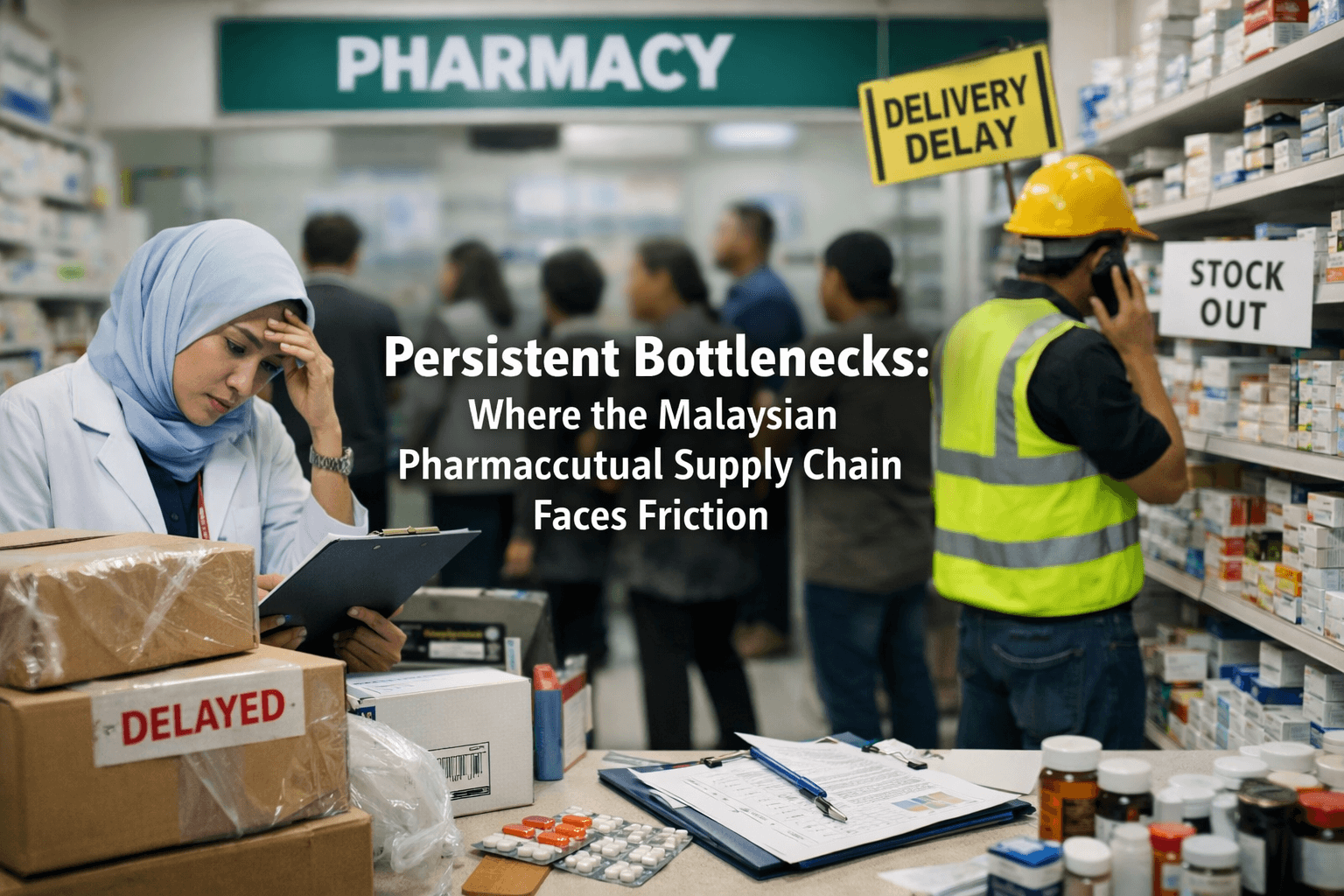
Despite this structured framework, the system is not immune to disruption. The question of why pharmacies sometimes face stock-outs of essential medicines, even with predictable demand, points to a series of entrenched, sector-wide bottlenecks. These challenges are particularly pronounced across the diverse geography of Malaysia, affecting both the urban hubs of Peninsular Malaysia and the more remote regions of East Malaysia. A primary issue is limited warehousing capacity, especially in East Malaysia, where infrastructure may not support the growing volume and variety of pharmaceutical products. This is compounded by outdated inventory systems that rely on manual counts and forecasts, leading to either overstocking or dangerous shortages.
The last-mile delivery phase presents another critical vulnerability. During the monsoon season in the east coast states or the festive rush around Hari Raya and Chinese New Year in urban centers, delivery delays are commonplace. For an independent pharmacy distributor serving clinics in rural Sabah, inconsistent transportation access can make routine deliveries a major challenge. Furthermore, a nationwide shortage of trained compliance officers adept at GDP handling creates a significant human resource gap. These pain points are exacerbated by several compounding factors:
A chronic lack of central visibility across stock levels at manufacturer, distributor, and retail tiers.
Inflexible delivery schedules that cannot adapt to urgent, unexpected demand from clinics or hospitals.
High dependency on manual tracking, such as paper-based log sheets for temperature-sensitive goods, which introduces risk and inefficiency.
From the pharmacist’s perspective, these bottlenecks translate into daily frustration and clinical uncertainty. They cannot confidently promise medication availability to their patients. For the brand manager, it means inconsistent market penetration and potential revenue loss. For the distributor themselves, it results in operational inefficiency, increased costs from emergency shipments, and damage to their hard-earned reputation for reliable service.
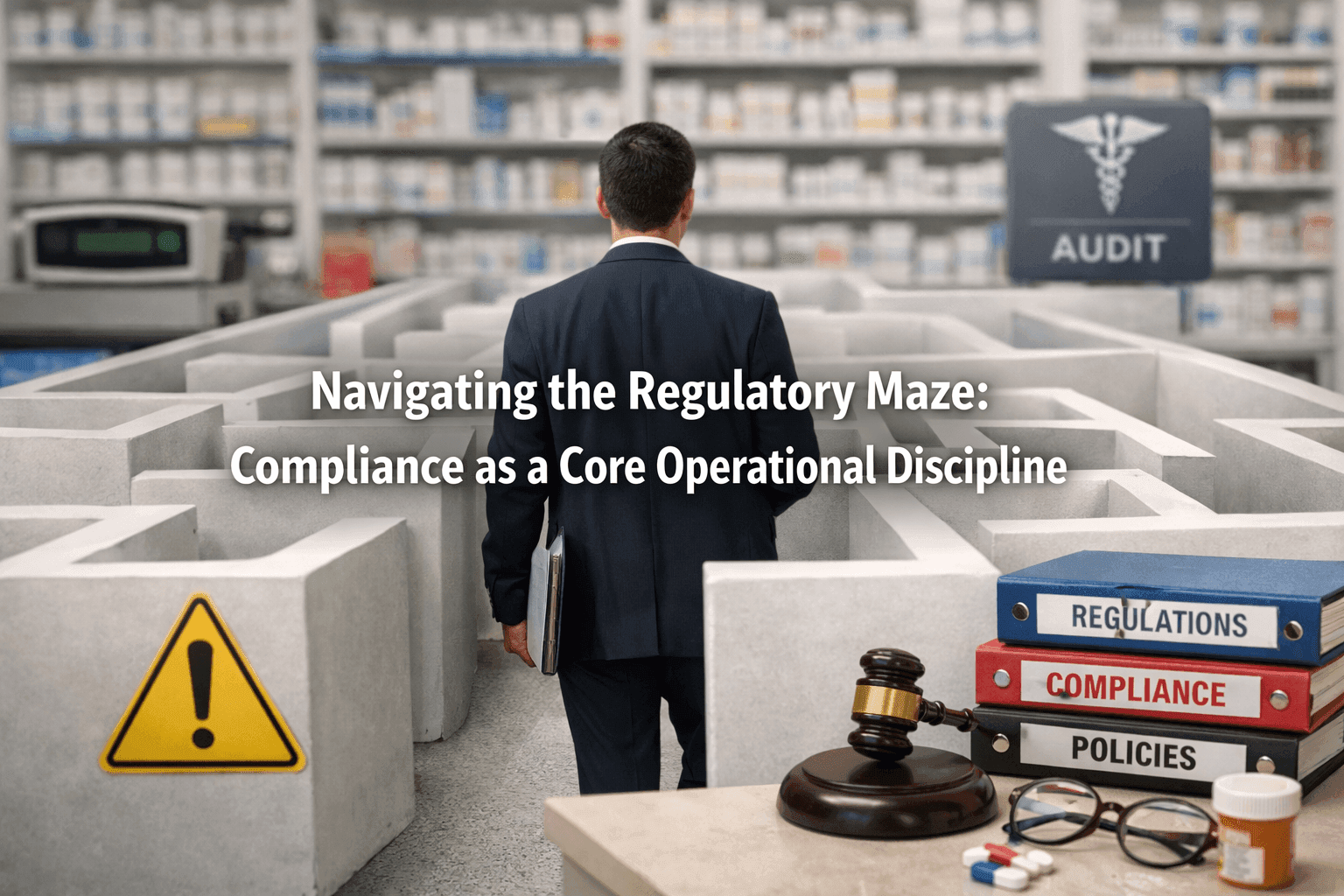
The operational challenges are magnified exponentially by Malaysia’s intricate and stringent regulatory environment. The compliance burden on a pharmacy wholesale distributor is immense and multifaceted. It begins with the foundational step of product registration, where MAL registration delays can extend beyond 12 months, creating a long pipeline of products awaiting market entry. There is also frequent confusion between “NOT” and “MAL” classifications, leading to accidental mis-categorization that can trigger regulatory action. At the distributor level, GDP site audits and their subsequent renewal processes involve rigorous scrutiny of storage facilities, documentation practices, and staff training protocols—any lapse can result in a backlog of goods unable to be distributed.
The consequences of non-compliance are severe and designed to be deterrents. If a pharmacy distributor Malaysia operation is found to be carrying unregistered or improperly stored products, they face a cascade of penalties. FSQD officers have the authority for immediate product seizure, which can be followed by a temporary license suspension that halts all business operations. A mandatory product recall may also be enforced, a process that is not only costly but also devastating to public trust. The documentation load itself is a formidable obstacle, requiring expert administrative oversight. Teams must perfectly manage:
Batch tracking reports for full traceability from manufacturer to patient.
Import permits and customs clearance documentation for internationally sourced products.
Notarised lab reports and certificates of analysis for every batch of health supplements and cosmetics.
This regulatory complexity is not static; it evolves constantly. New guidelines on serialization or updated cold chain standards from KKM mean that compliance is not a one-time achievement but a continuous, resource-intensive operational discipline. For distributors, building a strategic compliance framework is not optional—it is the absolute bedrock of their license to operate.
Learn more : KKM Product Search: Cara Guna Sistem QUEST | Good Distribution Practices for Pharmaceutical Products | WHO GDP for Pharmaceutical Products

Achieving regulatory approval and perfect logistics is only half the battle. The final, critical determinant of a product’s success occurs at the point of care: the retail pharmacy shelf. A retail execution failure can completely negate all prior efforts, turning a proven and effective product into a commercial non-performer. Common execution pitfalls are often surprisingly basic but have outsized impact. Products may be shelved in the incorrect category—a pediatric vitamin placed with adult supplements, for instance. Missing or incorrect price tags and KKM approval labels are a frequent finding during audits. Outdated promotional materials might linger long after a campaign has ended, confusing customers. Perhaps most significantly, a failure to adhere to agreed planogram compliance in major chains leads to inconsistent brand visibility and lost sales opportunities.
The root causes of these pitfalls become clear when examining the divergent perspectives of the key stakeholders involved:
From the Pharmacist’s Viewpoint: “We are often inundated with new SKUs but receive minimal briefing. We simply display what the delivery driver unpacks, with little guidance on placement or promotion. Our priority is patient care, not constantly reorganizing shelves to match a brand’s latest planogram.”
From the Brand Manager’s Viewpoint: “Our in-store visibility is frustratingly inconsistent. You can see perfect execution in one outlet of a major chain and total neglect in another just a few kilometers away. This fragmentation makes national launch campaigns incredibly difficult to measure and manage.”
From the Distributor’s Viewpoint: “Access is a major issue. Some pharmacy managers do not allow our merchandisers adequate time or access to refresh planograms, update labels, or educate front-line staff on new products. We are caught between the brand’s expectations and the retailer’s operational constraints.”
This is where the choice between in-house and distributor-led merchandising becomes a strategic decision. An outsourced pharmacy distributor with a dedicated field force brings a standardized, scalable approach to this final-mile challenge.
Comparative Table: In-House vs. Distributor-Led Merchandising in Malaysian Retail Pharmacies
| Factor | In-House Team (Brand or Retailer) | Pharmacy Distributor (Outsourced Field Force) |
|---|---|---|
| Execution Consistency | Highly variable; dependent on individual store staff priorities and turnover. | Standardized SOPs applied uniformly across all serviced outlets. |
| Regulatory Display Accuracy | Higher risk of KKM non-compliance due to lack of specialized focus. | Built-in verified compliance checkpoints during every store visit. |
| Training & Product Briefing | Often infrequent and disconnected from actual shelf placement. | Direct, in-person briefing by dedicated merchandisers during restocking visits. |
| Operational Flexibility & Geographic Reach | Limited by internal headcount and travel budgets. | Nationwide field coverage capable of serving urban and rural pharmacies efficiently. |
| Cost Structure | Fixed internal salary costs, regardless of activity level. | Variable cost linked directly to service scope and coverage, often more efficient. |
An effective distributor partner thus acts as the brand’s eyes, hands, and voice at the retail front line. They ensure that the strategic investment made in development, regulation, and logistics is fully realized where it matters most—in front of the patient, on the shelf, presented correctly and compliantly. This holistic capability, from GDP-compliant warehousing to data-driven retail execution, defines the modern, essential role of the pharmaceutical supply chain partner in Malaysia’s evolving healthcare landscape.
The Core Challenge: Outdated Systems Undermining Efficiency
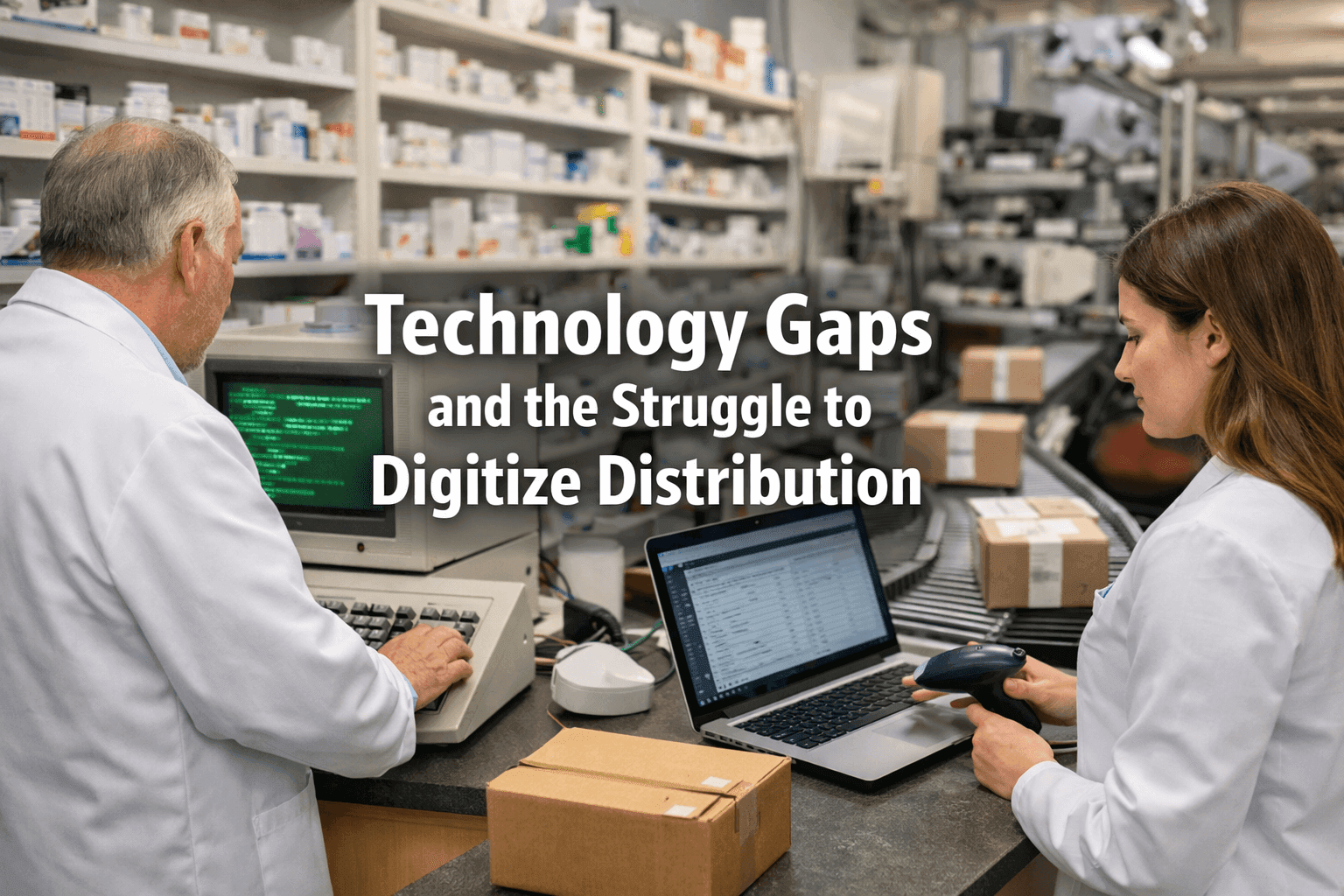
The persistence of manual, disconnected systems remains a critical bottleneck for many pharmaceutical distributors in Malaysia, directly impacting their ability to operate with precision and agility. While the global industry marches toward digital transformation, a significant segment of local players is hamstrung by reliance on basic spreadsheets and informal communication channels. This isn’t merely an inconvenience; it represents a fundamental operational risk that compromises inventory accuracy, compliance readiness, and ultimately, market competitiveness. The gap between those who have embraced technology and those who have not is widening into a chasm, determining who can reliably serve the modern pharmacy landscape and who will struggle to survive.
Real-World Example: The Cost of Informality in Johor
Consider the operational reality of a traditional distributor servicing independent pharmacies across Johor. Their primary tool for stock updates and order management is a series of WhatsApp groups. Pharmacists send voice notes or typed lists; warehouse staff scramble to decipher and consolidate these into a master spreadsheet. This method, while familiar, is fraught with peril. Stockouts of essential medicines occur frequently because demand signals are lost in the chat history. Delayed restocks follow, as the manual processing creates lag. Perhaps most damaging is the complete lack of SKU performance tracking; the distributor cannot tell which products are moving fast in which areas, missing crucial opportunities for strategic replenishment and targeted promotions. This scenario is not hypothetical but a daily struggle that erodes trust and revenue.
Data and the Digital Advantage: A Performance Gulf
Contrast this with a tech-enabled distributor utilizing an integrated inventory dashboard. Real-time data flows from pharmacy point-of-sale systems directly into the distributor’s demand planning platform. This isn’t just about replacing WhatsApp; it’s about enabling proactive supply chain decisions. The data reveals a clear advantage: automated systems can reduce stockout rates by up to 40% and improve order accuracy to near 100%. Furthermore, when integrating API-connected planogram compliance tools, these distributors give brand partners something invaluable: verifiable, real-time proof of in-store execution. This capability transforms them from a simple logistics provider into a strategic commercial partner, capable of ensuring campaign success and protecting brand equity at the retail front line.
Practical Implication: Building a Digitally Resilient Operation
The practical shift required is a move from fragmented data to a centralized command center. For a Malaysian distributor, this means investing in a cloud-based pharmacy management system that does more than track stock. It must integrate key functionalities:
Automated temperature and humidity loggers that sync data directly to the platform, creating an unbroken audit trail for KKMP/NPRA compliance.
Real-time expiry and batch tracking tools that trigger automatic alerts, preventing the costly scandal and public health risk of expired products reaching shelves.
Digital KKM product verification links, allowing pharmacists to instantly confirm the status of a product using its MAL number, right at the point of order.
Adopting such a system is no longer a luxury but an essential step for any distributor aiming to be reliable in the eyes of both regulators and brand owners. The initial investment is offset by the drastic reduction in costly errors, lost sales, and compliance penalties. It creates a foundation for sustainable growth in an increasingly data-driven market.
The Core Challenge: A Hostile Environment for Sensitive Products
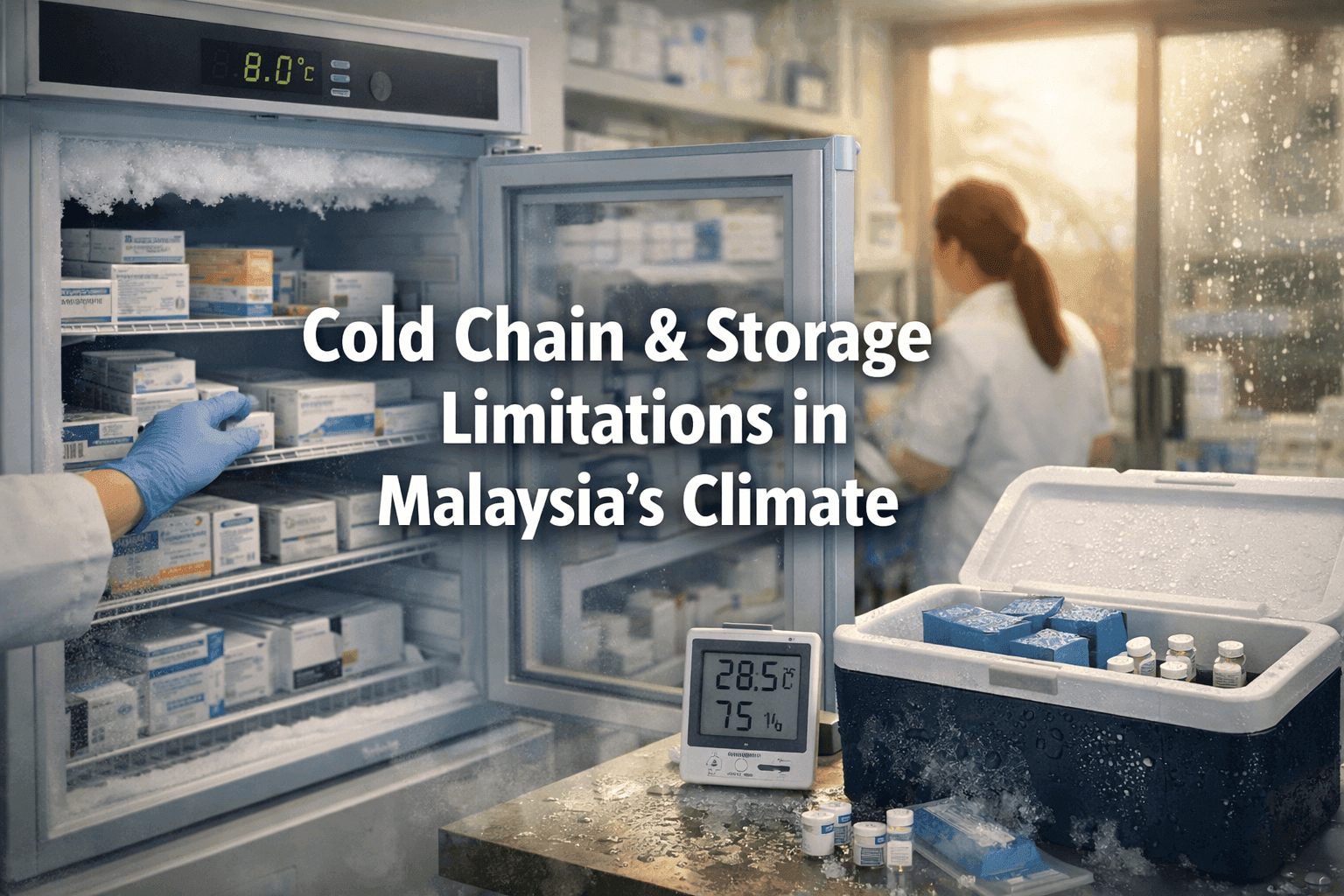
Malaysia’s perennial tropical climate, characterized by high heat and humidity, acts as a constant, aggressive adversary to cold chain integrity. Maintaining products like vaccines, biologics, insulin, and premium probiotics within their strict 2°C to 8°C range is an engineering and logistical battle against ambient conditions that frequently exceed 33°C. The risk is not sporadic but systemic, threatening product efficacy and safety from the moment they leave the manufacturer’s warehouse until they are administered or sold. A single breach can render an entire batch useless, resulting in significant financial loss and, more importantly, a dangerous gap in patient care. This makes end-to-end climate control a non-negotiable pillar of pharmaceutical logistics in the region.
Real-World Incident: A Lesson from Kelantan in Compromised Integrity
A stark example of this systemic vulnerability occurred with a distributor in Kelantan. A batch of high-value probiotic supplements, requiring controlled room temperature not exceeding 25°C, was rejected by pharmacy receivers. The reason? Temperature loggers revealed a sustained 5-hour spike above 30°C during the road transit from the central warehouse. The root cause investigation uncovered a critical failure: the insulated cold box used had previously been used for general food delivery and had not undergone validated performance testing for pharmaceutical use. Its insulation was degraded, and the cooling elements were not calibrated for the specific thermal load of the medicines. This incident highlights how supply chain shortcuts and repurposed equipment, often a cost-saving measure, can lead to catastrophic compliance and product integrity failures.
Data and Systemic Risks: Where the Weak Links Are
The vulnerabilities in Malaysia’s pharmaceutical cold chain are often predictable. Data from logistics audits frequently pinpoint several recurring critical control point failures:
Inconsistent preventive maintenance for refrigeration units on vehicles and in storage rooms, leading to unpredictable breakdowns.
An absence of backup power systems (like UPS or generators) for storage facilities, leaving products vulnerable during Malaysia’s not-uncommon power outages.
The lack of real-time GPS-temperature tracking for in-transit shipments, which turns every delivery into a black box until it’s too late to intervene.
These gaps collectively create a scenario where the cold chain custody is assumed, not proven. For brand managers, especially of temperature-sensitive skincare or ophthalmic products, this uncertainty is a major commercial and regulatory risk when entering the Malaysian market.
Practical Implication: Implementing a Proven Climate Defense Strategy
Securing the cold chain requires a multi-layered, defense-in-depth approach. It begins with expert investment in validated equipment—not repurposed containers, but purpose-built pharmaceutical-grade shippers and vehicles with dual cooling systems.
Secondly, continuous monitoring is key. Modern IoT-enabled sensors provide live data streams to a central dashboard, alerting managers to deviations in real time, allowing for immediate corrective action before a product is compromised. Finally, staff training on Good Distribution Practice (GDP) for temperature-sensitive products is essential. They must understand not just how to operate equipment, but why the protocols exist, fostering a culture of quality ownership. For a distributor, this rigorous approach becomes a powerful competitive differentiator, proving they are a trusted guardian of product quality.
Learn more : GDP Requirements on Pharmaceutical Transport
The Core Challenge: Siloed Operations Stifling In-Store Success
A perplexing and common scenario in the Malaysian market is the underperformance of KKM/NPRA-approved products that, despite regulatory clearance and market potential, fail to gain traction on pharmacy shelves. Often, the root cause lies not in the product itself, but in the collaboration gaps between the three key actors: the brand owner, the distributor, and the frontline pharmacist. When these entities operate in silos, with misaligned information and incentives, even the most promising launch can falter. The result is wasted marketing investment, frustrated brand managers, and pharmacists left with products they don’t fully understand or are incentivized to promote.
The Pharmacist’s Perspective: An Information Desert
From the pharmacist’s viewpoint, a new product can sometimes arrive with little more context than a price list. They may lack crucial product information: detailed therapeutic indications, differentiation from existing competitors, side-effect profiles, or the strategic intent behind its launch. Without a clear value proposition and supporting materials, the product simply gets placed on a shelf—a tactic known as “stock and hope.” Furthermore, promotional timelines from the brand may not be communicated effectively through the distributor, causing the pharmacy to run a conflicting promotion, diluting campaign impact. In cases of product recalls or NPRA status updates, delayed communication from the brand through the distributor can put the pharmacist in a legally and ethically precarious position.
The Distributor’s Dilemma: The Middleman Squeeze
The pharmacy distributor Malaysia team often bears the brunt of this misalignment. They receive a forecasted demand from the brand, but without transparent sell-through data from pharmacies, their own inventory planning is a guess. They are tasked with merchandising excellence but may receive digital launch kits late or in an unusable format. They are expected to be the brand’s ambassador yet are not always included in strategic briefing sessions. This puts their field merchandisers in an impossible position, unable to answer pharmacist queries convincingly or execute planograms accurately, damaging their credibility as an effective partner.
Strategic Fixes: Building Bridges for Unified Execution
Closing these gaps requires intentional, structured collaboration. The first fix is technological: establishing shared, transparent inventory dashboards that give brands visibility into distributor stock levels and give distributors insight into pharmacy sell-out rates. This aligns forecasting with reality. The second is procedural: standardized monthly business review meetings involving commercial teams from the brand and distributor to review performance, align on promotions, and troubleshoot issues. The third is communication excellence: utilizing digital launch kits—a centralized portal containing training videos, artwork, leave-behinds, and compliance documents—ensures every pharmacist and merchandiser receives the same, consistent message. This tailored approach ensures the entire channel is synchronized, turning a product launch into a unified market deployment.
The Vision: A Resilient, Integrated, and Data-Driven Ecosystem
The future-ready pharmaceutical supply chain in Malaysia will be defined by its resilience, intelligence, and seamless collaboration. It will move from being a cost center focused on moving boxes to a strategic asset that drives commercial success and public health outcomes. This ecosystem will leverage digital integration to create transparency, use predictive analytics to preempt disruptions, and foster regulatory partnership to enable faster, safer market access. The goal is a system where temperature breaches are predicted and prevented, where stock levels are optimized autonomously, and where every player from manufacturer to pharmacist is empowered with real-time, actionable data.
Key Strategic Recommendations for Systemic Advancement
Achieving this vision requires concerted action on three fronts:
Digital Incentives for Inventory Modernization: Industry associations and government bodies could explore schemes to encourage SMEs in pharmacy wholesale distribution to adopt digital management systems. This could be through matched grants, tax incentives, or showcasing proven ROI case studies from early adopters.
Regulatory Sandbox Pilots: The NPRA and KKM could initiate pilot programs for digital product verification and e-submissions for specific product categories. A sandbox environment allows for testing new compliance pathways in a controlled manner, reducing future bottlenecks for all healthcare logistics players.
Enhanced Training and Upskilling: Increased focus on continuous professional development for GDP-compliance officers, regulatory affairs executives, and pharmacy merchandisers. Grants or subsidized programs for certifications in pharmaceutical supply chain management would elevate the entire industry’s expertise.
Expert Forecast: The Automation Dividend
Industry analysts consistently project that the divide between traditional and modernized distributors will deepen. Those who invest in automation—from automated storage and retrieval systems (ASRS) in warehouses to AI-driven demand forecasting—and proactive compliance tools are forecasted to outperform their slower-moving competitors by a significant margin. Estimates suggest this performance gap could reach 35% or more in metrics like order fulfillment accuracy, inventory turnover, and profit margin by 2028. This isn’t just about efficiency; it’s about the ability to offer value-added services like detailed market intelligence analytics to brand partners, becoming an indispensable link in the commercial chain.
A Natural Conclusion
The journey toward a more robust pharmaceutical distribution network in Malaysia is a complex but necessary evolution. It hinges on replacing fragmentation with integration, assumption with data, and reactive processes with strategic foresight. The capability to maintain unbroken cold chains, ensure perfect order fulfillment, and foster genuine collaboration across the supply network will separate the market leaders from the rest. This evolution is already underway, shaping a more reliable and efficient future for delivering healthcare to every community.
Learn more : Four Ways Pharma Companies Can Make Their Supply Chains More Resilient
Q1: What is the supply chain in the pharmaceutical industry?
Answer: The pharmaceutical supply chain covers the end-to-end flow of medicines—from raw material sourcing, manufacturing, quality testing, warehousing, distribution, to dispensing at pharmacies or hospitals—under strict regulatory and safety controls.
Q2: What is the flow of the pharmaceutical supply chain?
Answer: The typical flow is API/raw materials → manufacturer → quality release → distributor/wholesaler → pharmacy or hospital → patient, with traceability and cold-chain controls where required.
Q3: How does the drug supply chain work?
Answer: Drugs are produced under GMP standards, released after quality checks, distributed by licensed wholesalers, and dispensed by pharmacists. Each step is documented to ensure safety, authenticity, and regulatory compliance.
Q4: Why is the pharmaceutical supply chain important?
Answer: It ensures medicine availability, patient safety, regulatory compliance, and cost control. Any disruption can lead to shortages, treatment delays, or public health risks.
Q5: What are pharmaceutical distributors?
Answer: Pharmaceutical distributors are licensed intermediaries that store, transport, and supply medicines from manufacturers to pharmacies and healthcare facilities while maintaining regulatory and temperature controls.
Q6: Who are the big 3 pharmaceutical distributors?
Answer: Globally, large distributors include McKesson, AmerisourceBergen (Cencora), and Cardinal Health. In Malaysia, distribution is handled by a mix of multinational partners and strong local licensed wholesalers.
Q7: What are the big 3 pharmacy chains in Malaysia?
Answer: Major pharmacy chains include Watsons, Guardian, and Caring Pharmacy, alongside other growing regional and independent chains.
Q8: What is an example of a chain pharmacy?
Answer: A chain pharmacy operates multiple outlets under one brand and system, such as Watsons or Guardian, with centralized procurement and standardized operations.
Q9: What are the trends in pharmaceuticals in Malaysia?
Answer: Key trends include stronger regulatory enforcement, growth in health supplements and biosimilars, digital supply chain tracking, cold-chain expansion, and rising demand for professional distribution services.
Q10: What jobs will be in demand in Malaysia in 2025 within pharma supply chains?
Answer: High-demand roles include supply chain planners, regulatory affairs executives, quality assurance specialists, cold-chain logistics managers, data analysts, and pharmacy operations professionals.
Our marketing and sales teams use their strong relationships with the channel to create demand for your product at every stage of its lifecycle.
Demand creation services we offer: