

August 11, 2025
Malaysia’s pharmaceutical sector is transforming rapidly. For pharmacies navigating this change, picking a distribution partner isn’t just about logistics – it’s a fundamental strategic choice impacting your entire business health. Think about it: you’re constantly juggling the demands for top-notch service, ensuring shelves are stocked reliably, managing competitive pricing pressures, all while staying strictly compliant with regulations. The pressure is real. The critical fork in the road? Deciding between partnering with a focused independent pharmacy distributor or aligning with a large-scale wholesale pharmacy distributor. This seemingly operational decision echoes deeply, influencing everything from your brand’s reputation and profit margins to the ultimate satisfaction of your patients.
Given the surging demand for dependable pharmacy distribution services across Malaysia, countless players – brand owners, pharmacists, merchandisers – are actively weighing their options. Is a personalized, locally nimble partner the better fit, or does a vast wholesale network offer the muscle needed? Getting this choice wrong carries significant, often overlooked costs. This article cuts through the complexity. We’ll break down the structural frameworks, the financial implications, and the day-to-day operational contrasts between independent and wholesale distribution models within the unique Malaysian landscape. Our goal? To provide a clear, context-specific comparison focusing on cost efficiency, service flexibility, and scalability. Armed with this analysis, pharmacy stakeholders can make the most strategic choice for their specific business model and long-term success in this dynamic market.
Understanding the Two Models: Independent vs Wholesale Distributors
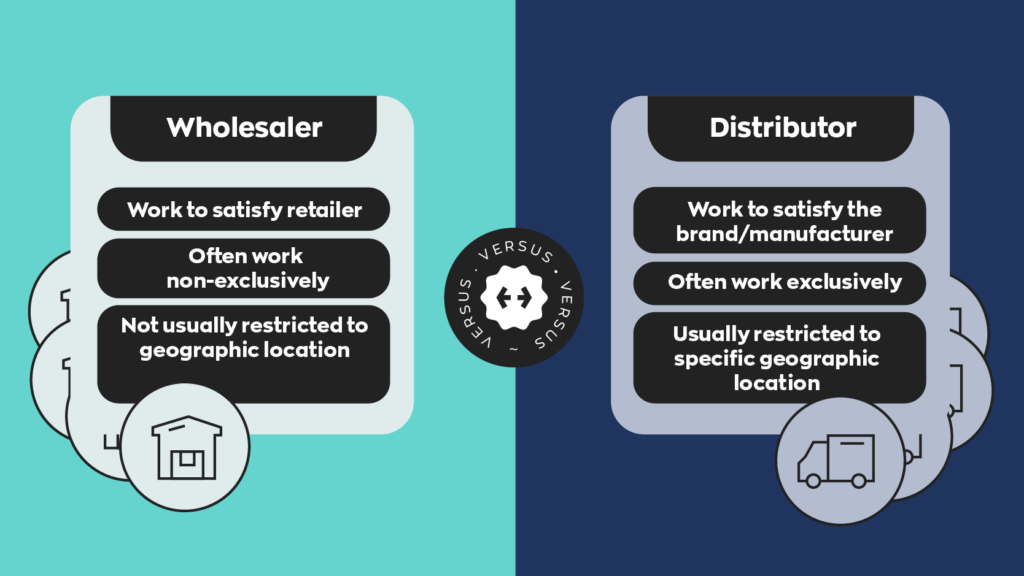
Understanding the difference between an independent pharmacy distributor and a wholesale distributor is crucial for any pharmacy business navigating its supply chain. But what really sets them apart, and why should you care about this distinction?
Think of an independent pharmacy distributor as your specialized, high-touch partner. These distributors typically operate with significant flexibility, focusing on managing select brands or specialized niche product lines. Their core strength lies in relationship-driven servicing, working intimately with smaller pharmacies, local clinics, or wellness shops. While they might manage a smaller overall number of distributor pharmacy SKUs compared to giants, they offer significantly deeper engagement. This often translates into hands-on support with shelf planning strategies, targeted educational outreach for staff or customers, and detailed local demand mapping to ensure your specific community needs are met effectively.
In contrast, a pharmacy wholesale distributor operates on a fundamentally different model: sheer volume and scale. They distribute vast inventories encompassing hundreds or thousands of SKUs across extensive national or regional pharmacy chains. Their primary focus is achieving wholesale logistics efficiencies, leveraging economies of scale, and ensuring highly standardized, high-volume fulfillment processes. The relationship here tends to be more transactional. Emphasis is placed heavily on maintaining massive stock volumes, optimizing complex logistics networks, and guaranteeing strict delivery compliance to meet the demands of large-scale operations.
Looking at the landscape in Malaysia illustrates this dynamic well. A known pharmacy distributor Malaysia like PriooCare often demonstrates a hybrid approach. They skillfully serve independent retailers with that essential tailored support and relationship focus, while also supplying larger chains with efficient bulk delivery options. Meanwhile, the major wholesale players in the distributor pharmacy space typically dominate through high-volume contracts with nationwide chains such as Guardian or Watsons, where their scale and logistical prowess provide the biggest advantage.
Why does this matter? Choosing the right distribution partner directly impacts your pharmacy’s inventory flexibility, the level of support you receive, and ultimately, your ability to serve your unique patient base effectively. Understanding these models is key to making informed, strategic supply chain decisions.
Scalability & Reach: Which Model Supports Business Growth?

Choosing the right pharmacy distributor isn’t just about today’s needs—it’s about future-proofing your supply chain as your business evolves. Pharmacy wholesale distributors are fundamentally engineered for scalability. They typically operate extensive networks covering wide regions (even entire peninsulas!), supported by major centralized warehousing, reliable cold-chain healthcare logistics, and predictable, high-volume restocking schedules. This infrastructure makes them the backbone for large pharmacy chains needing consistent, massive-volume deliveries across many locations.
However, independent pharmacy distributor partners bring a different, crucial set of strengths, particularly for reaching communities or markets outside major hubs. Rural pharmacies, specialized wellness stores, or clinics in harder-to-access areas often depend on these local experts. Why? Independents deeply understand specific terrain challenges, the unique health needs of local populations, and hyperlocal inventory preferences. This intimate knowledge translates into impressive agility—often meaning quicker delivery turnarounds and a superior ability to adapt to sudden shifts or specific requests.
Picture this: A specialized wellness store in East Malaysia thrives with a local independent pharmacy distributor visiting every other week. This partner not only delivers curated products but also provides tailored promotional advice. Meanwhile, a major national chain’s stores in a dense urban area rely entirely on the sheer volume and efficiency of pharmacy wholesale distributors to replenish essential products literally every single day.
The Key Takeaway for Growth: For pharmacies planning significant expansion, a blended strategy frequently proves most effective. Leverage the massive scalability and efficiency of wholesale distributors for your high-volume, core product lines. Simultaneously, tap into the flexibility and localized expertise of independent distributors for niche products, challenging locations, or specialized services. This hybrid approach within your healthcare logistics strategy balances nationwide reach with the essential local touch, ensuring you’re never held back. Smart operators realize it’s not always an either/or choice in complex markets. There’s advantages to utilizing both models strategically.
Service Customization and Relationship Management
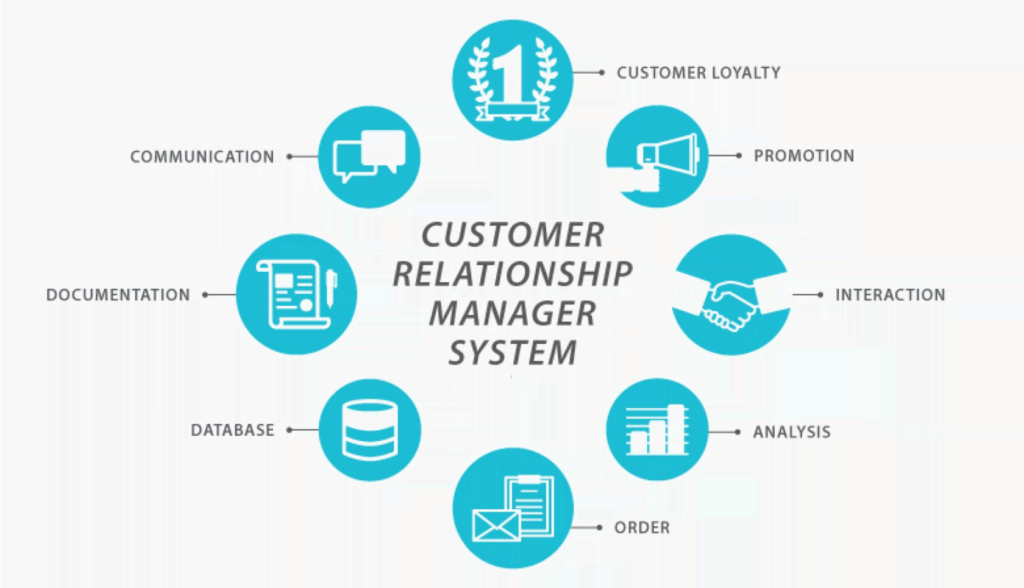
When sourcing products for your pharmacy, the big question isn’t just who delivers, but how they support your business long-term. Do you need a genuine collaborator, or simply a reliable delivery service? The answer shapes your operational success and customer experience profoundly.
Independent pharmacy distributors truly shine through personalized, hands-on support. That’s their signature strength. Beyond just dropping off boxes, these partners often deploy dedicated sales representatives or skilled pharmacy merchandisers directly into your store. These experts assist with crucial tasks like designing eye-catching product displays, conducting staff educational workshops, and performing regular operational check-ins. This deeply collaborative approach isn’t just nice to have; it actively boosts product visibility on the shelf and builds stronger customer trust through professional presentation. Think of them as an extension of your own team.
Wholesale distributors, conversely, focus laser-like on logistical efficiency and order fulfillment. Their model prizes speed and consistency above all else, offering less room for customization or special requests. While this system excels for replenishing standard, fast-moving items reliably, it often falls short when you need extra help. Think launching new products effectively, setting up seasonal promotional displays (like holiday themes!), or implementing unique branding strategies within the pharmacy. Their strength is getting products where they need to go, not necessarily helping you maximize their impact once they arrive.
Consider this real-world scenario in Malaysia: Local independent distributors frequently step up during major festive seasons – like Hari Raya or Chinese New Year – helping pharmacies optimize shelf layouts for peak traffic and execute targeted sales campaigns. They become active marketing allies. Wholesale partners, while dependable for delivery during these hectic periods, typically just provide the essential logistic support without that added strategic layer. They get the goods there, but the creative merchandising? That’s usually left entirely to you.
Ultimately, the choice hinges on your pharmacy’s specific needs: Do you prioritize comprehensive pharmacy merchandising services and proactive local distributor support, or is basic, efficient delivery for established items sufficient? Understanding this distinction between a partner and a shipper is key for any distributor pharmacy relationship.
Cost Efficiency and Pricing Models

Ever stop to crunch the numbers? Does your current distributor partnership actually grow your pharmacy’s bottom line, or is it quietly nibbling away at your hard-earned profits? Choosing the right supply partner fundamentally shapes your financial health.
The classic appeal of pharmacy wholesale distributors lies in their power of bulk. They leverage massive economies of scale, passing savings through mechanisms like tiered pricing models and centralized buying. This often translates into lower per-unit costs, which looks fantastic on paper. However, this model carries inherent constraints. Strict minimum order quantities (MOQs) can force you into larger purchases than you need, tying up capital and shelf space. Plus, the lack of tailored promotional assistance or merchandising support often leaves you managing the heavy lifting alone, impacting overall efficiency.
Now, consider the independent distributor route. Sure, their per-item price might appear slightly higher upfront compared to the wholesale giants. But look deeper. These partners frequently offer crucial flexibility and value-added services directly impacting pharmacy profitability. Think promotional bundling deals that move products faster, hands-on merchandising support to optimize shelf appeal, and often more accommodating credit distributor terms. For pharmacies strategically focused on maximizing profit per individual SKU rather than just chasing sheer volume sales, this approach frequently proves far more sustainable and responsive to actual market demand.
Picture this common scenario: A busy suburban pharmacy identifies a promising new skincare line. They realistically project selling about 20 units monthly. A major wholesaler mandates a 100-unit MOQ for the best price, forcing an 80-unit overstock that gathers dust. Meanwhile, an independent distributor allows that smaller 20-unit order, plus throws in bonus units and provides shelf activation materials to help drive sales immediately. That’s the kind of agile partnership that protects margins and prevents dead stock.
Ultimately, the smartest choice hinges on your specific pricing model strategy and operational reality. Are you optimizing for massive volume turnover, or carefully cultivating profitability item by item? Understanding how distributor terms directly influence your cash flow and shelf efficiency is absolutely key to sustainable pharmacy profitability. Don’t just look at the sticker price; analyze the whole partnership’s impact on your real-world margins.
Learn More : Optimising Pharmacy Inventory Management in Malaysia
Regulatory Compliance & Risk Management

Navigating Malaysia’s tightly regulated pharmacy sector demands absolute vigilance. Every product hitting shelves must satisfy strict NPRA (National Pharmaceutical Regulatory Agency) registration mandates. Crucially, product traceability isn’t optional; it’s fundamental for swift recalls or inevitable audits. Your choice of distributor partner becomes a critical factor: will they be an asset ensuring smooth regulatory support, or an unseen source of risk?
Here’s the reality shaping the pharmaceutical market. Smaller pharmacies or those handling unique, small-batch items often find invaluable allies in independent distributors. Why? Their model thrives on personalized attention. They typically offer direct, hands-on help navigating complex KKM documentation – you know, the paperwork that keeps everyone compliant. Need rapid action on a recall alert or addressing specific customer feedback about KKM approved products? Their leaner structure and direct pharmacy connections usually translate to significantly faster responses. It’s agility you can count on.
Conversely, wholesale distributors undeniably excel at managing large-scale volume while maintaining baseline compliance standards. Their systems are built for bulk. However, that very scale can be a double-edged sword. Communication channels might involve more layers, potentially causing delays when you need immediate clarification or support. While they ensure the big shipments meet requirements flawlessly, providing tailored, individualized regulatory support for specific SKU quirks or niche situations isn’t always their forte. They guarantee the broad compliance umbrella, but might lack the finesse for intricate, case-by-case needs.
Consider this real scenario: You launch a unique, niche supplement requiring a specific NOT registration process. An independent partner doesn’t just move the stock. They proactively ensure correct KKM sticker placement directly on the shelves themselves, and they’ll brief pharmacy staff on the product’s regulatory standing and proper handling. This granular, hands-on oversight minimizes audit surprises and builds customer trust through visible compliance.
Ultimately, selecting your distributor isn’t just about logistics; it’s fundamentally about your commitment to safety and adhering to Malaysia’s strict pharmaceutical rules. Does their operational style genuinely align with your specific compliance risk profile and support requirements? Choosing wisely protects your license and reputation.
Learn More : Guidelines: Distribution (Good Distribution Practice) | Good distribution practice | European Medicines Agency | Good Distribution Practices (GDP) In the Pharmaceutical Industry
Product Range and Stock Availability
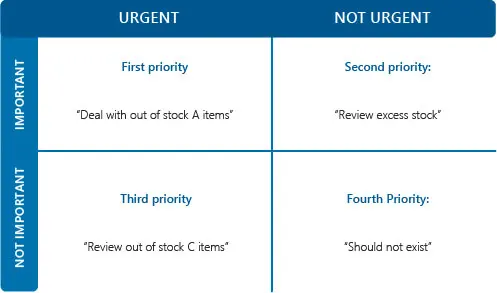
Ever wonder who’s truly behind ensuring your store shelves hit that sweet spot – never frustratingly bare, yet never overstuffed with slow-movers? Understanding the distinct approaches of wholesale versus independent distributors is key to unlocking reliable stock fulfillment, especially for branded OTC and specialty goods.
Wholesale Distributors: Masters of Massive Breadth
Think of major wholesalers as the big-box stores of distribution. Their core strength lies in offering an incredibly wide product range. We’re talking dozens, even hundreds, of brands and a truly massive inventory of SKUs, often covering national or regional demands. This breadth means you can source a vast array of items from a single supplier. Sounds ideal, right? But here’s the catch: managing such an enormous catalogue can sometimes create bottlenecks. When it comes to restocking those less common, niche, or specialized items – the ones that aren’t top-tier fast-moving SKUs – fulfillment speed might lag. Their systems prioritize high-volume flows, meaning smaller-quantity, specialized orders can get deprioritized, leading to frustrating gaps for retailers focusing on unique offerings.
Independent Distributors: Champions of Focused Depth
Meanwhile, independent distributors operate on a fundamentally different principle: depth over sheer breadth. They typically concentrate deeply on managing a much tighter selection, often just 10-20 core products or within a very specific niche category. While their overall product range might seem limited compared to a giant wholesaler, their superpower is laser-focused reliability. Because they specialize, they develop incredibly efficient supply chains for their specific items. The result? Consistent, rapid restocking. What they carry, they manage exceptionally well, ensuring retailers get those key products replenished like clockwork, minimizing out-of-stocks for their curated lines.
The Real-World Impact: Niche Needs Met
Consider this scenario: a local pharmacy proudly offers a sought-after Korean skincare line. Relying solely on a massive wholesaler might lead to inconsistent restocks. Why? That niche line, while popular locally, is likely a tiny blip in the wholesaler’s ocean of fast-moving SKUs. It easily gets overshadowed. An independent distributor, however, specializing specifically in wellness brands or Asian beauty, lives and breathes that niche. Their entire operation is geared towards maintaining reliable inventory for those exact products. They become the pharmacy’s secret weapon against empty shelves for their unique skincare offering, ensuring customers always find what they came for.
Choosing the right distribution partner hinges on your inventory needs. Need vast selection? Wholesalers deliver breadth. Demand absolute reliability for core, niche, or specific branded OTC items? Independent distributors provide the focused depth and speed essential for keeping your shelves perfectly poised.
Learn More : How PriooCare Malaysia Helps Pharmacies Near You Stay Well‑Stocked
Technology, Tracking, and Supply Chain Integration
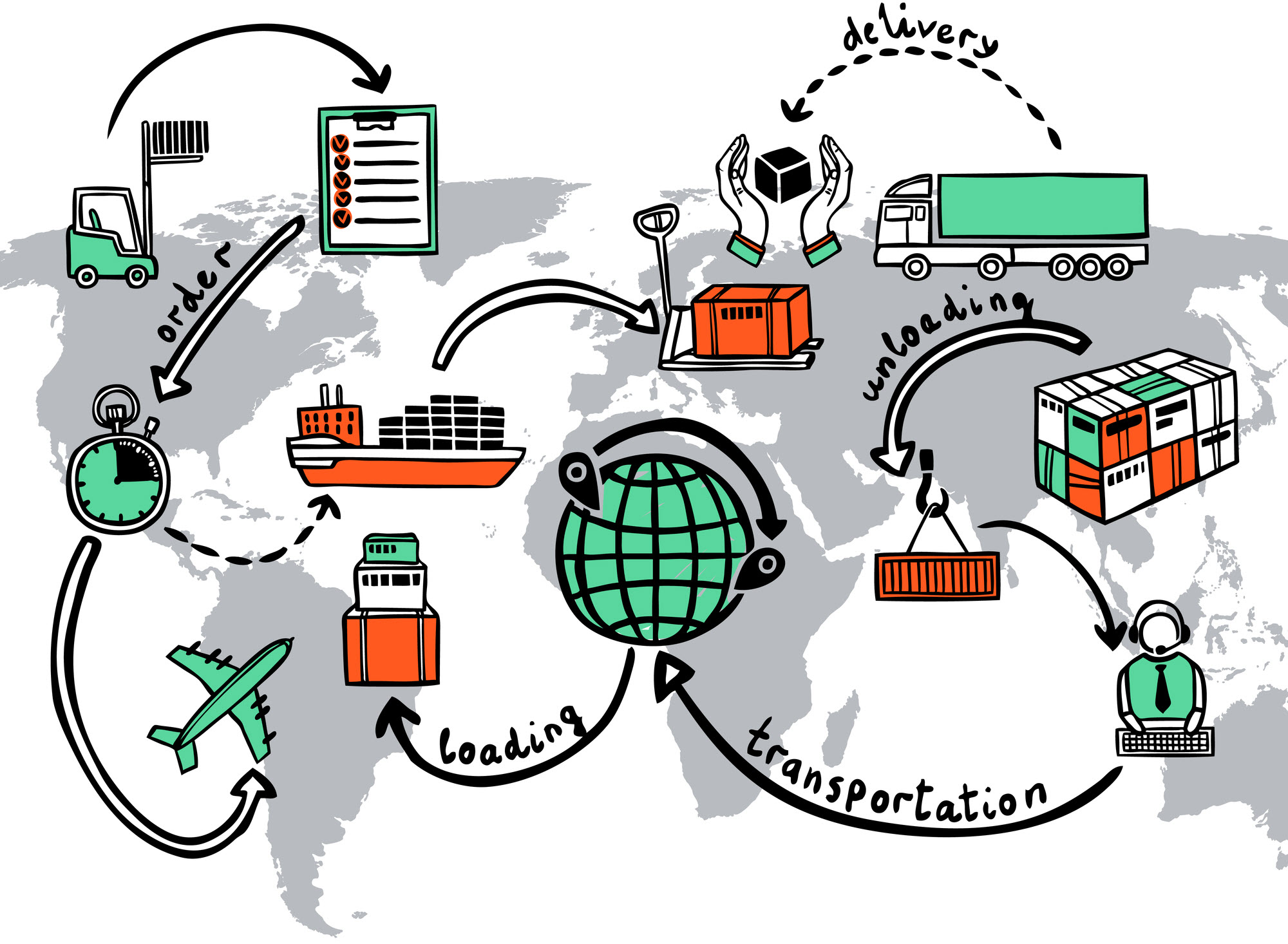
Ever wonder how your pharmacy medications actually reach the shelves? The journey hinges massively on distributors, but here’s the critical question: Is your distributor stuck shuffling paper invoices, or are they genuinely riding the digital wave? Let’s unpack the tech landscape powering modern pharmaceutical supply chains.
For the Big Players: Wholesale Tech Muscle
Large-scale wholesale pharmacy distributors typically operate with serious technological backbone. Think comprehensive ERP (Enterprise Resource Planning) systems acting as their central nervous system. These integrate everything from procurement to shipping. Crucially, barcode integration is non-negotiable, enabling precise pharmacy tracking at the pallet and even item level throughout vast warehouses and transit routes. Dedicated online order portals streamline the entire purchasing process for pharmacies, offering real-time visibility into pricing and availability. This powerful combination tackles the immense complexity of bulk logistics, making large-scale order automation and shipment tracking not just possible, but efficient and reliable.
The Agile Independents: Lightweight & Accessible Solutions
Now, independent distributors might traditionally have had a reputation for less sophisticated setups, relying more on personal relationships and manual processes. But times are changing fast! To stay competitive and responsive, they’re increasingly adopting smart, nimble tools. Lightweight CRM (Customer Relationship Management) platforms help manage client interactions and orders without overwhelming complexity. Mobile inventory management systems are a game-changer, allowing reps to check stock levels right from their phones or tablets. Surprisingly often, ubiquitous apps like WhatsApp become vital order automation channels, offering pharmacies a familiar and incredibly accessible way to place urgent requests or check on deliveries quickly.
Local Insight in Action: PriooCare’s Smart Approach
Consider PriooCare’s independent representatives as a prime example. Instead of cumbersome spreadsheets or guesswork, they utilize intuitive mobile dashboards. These dashboards provide live insights into local stock depletion rates at partner pharmacies. This real-time data isn’t just for viewing; it empowers reps to proactively schedule automatic replenishments. It’s a brilliant blend of modern supply chain tech adapted for the independent model, ensuring shelves stay stocked without constant manual intervention.
The Bottom Line: Integration is Key
Whether dealing with a massive wholesaler leveraging complex ERPs and barcodes or a nimble independent using mobile CRM sync and messaging apps, the direction is crystal clear. Digital integration is moving far beyond a luxury—it’s becoming essential for efficient pharmacy tracking, reliable fulfillment, and maintaining crucial accessibility within the pharmaceutical supply chain tech ecosystem. Distributors clinging solely to paper trails risk getting left behind as pharmacies increasingly demand speed, transparency, and seamless digital interaction. The tech exists across the spectrum, it’s all about choosing the right tools and actually using them effectively to streamline the flow of vital medicines. Their definitely getting better at it, but there’s always room to grow!
Learn More : Pharmaceutical distribution – Wikipedia
Which Model Fits Different Pharmacy Types in Malaysia?

Is your pharmacy or wellness business truly leveraging the best possible distribution model for its unique structure and goals? Just like pharmacies themselves vary wildly, the ideal supply chain solution isn’t one-size-fits-all. Choosing incorrectly can mean lost efficiency, higher costs, or missed opportunities. Let’s break down the smart choices for different business types.
Think about the bustling urban chain with 30+ locations. For them, predictability and massive volume are king. A major wholesale pharmacy distributor makes absolute sense. These giants deliver consistent, large-scale shipments efficiently, keeping shelves stocked across many stores without constant headaches. National players like Caring or Alpro often thrive on this model – it’s built for their scale.
But what about the friendly neighborhood pharmacy in a smaller town, or that specialized holistic wellness boutique? Their needs are entirely different. A smaller independent pharmacy distributor often shines here. These partners offer flexibility, personalized service, and a willingness to handle smaller, more frequent orders. They understand the local market nuances and can provide the tailored support a single-location or niche business desperately needs.
Speaking of niche, wellness clinics and aesthetic-focused stores face unique challenges. They require highly specific, sometimes low-volume SKUs – think specialized supplements or premium skincare lines. Large wholesalers might not prioritize these items. This is where focused independent distributors, who specialize in these exact product categories, become invaluable partners. They provide access to those hard-to-find items and understand the specific demands of the wellness sector.
Here’s a smart tip gaining traction: the hybrid sourcing model. Savvy businesses, recognizing the strengths of both worlds, are increasingly partnering with both a major wholesaler and select independent distributors. They use the wholesale network for their core, high-volume pharmaceuticals and essentials – benefiting from bulk pricing and reliability. Then, they strategically source high-margin specialty items, seasonal products, or those niche wellness SKUs through their independent partners. This approach optimizes both cost and product availability.
The key takeaway? Your distributor network must align with your specific business reality. Whether it’s the sheer power of wholesale, the personalized touch of an independent vs wholesale pharmacy distributor, or the strategic blend of a hybrid sourcing model, making the right choice is fundamental to your operational success and profitability. Don’t settle for a mismatch!
Learn More : Building Strong Relationships with Distributors in Malay-Speaking Countries
Think exceptional product quality guarantees success for your pharmacy or healthcare brand in Malaysia? Think again. While crucial, your products truly win when they reliably reach the shelves where customers can find them. The bridge between your innovation and patient access? Your distribution strategy – it’s absolutely fundamental.
Choosing the right path isn’t about a one-size-fits-all solution. Do you prioritize massive scale and potentially sharper pricing? A large-scale wholesale distributor might fit that bill, getting your products into a wide network quickly. Or, perhaps your focus leans towards personalized attention, support for specialized products, and the ability to pivot fast? In that case, an independent pharmacy distributor could be your ideal match. The real key lies in aligning your choice tightly with where your business is right now – considering your growth phase, the specific nature of your products, and your most important strategic goals for the next 12-18 months.
Each distribution model brings distinct advantages to the table. Wholesalers typically excel at cost efficiency through volume, achieving incredibly broad geographic coverage, and ensuring consistently high stock availability across numerous outlets. Independent distributors, conversely, shine by offering dedicated, personalized service relationships, a proven knack for supporting niche or complex product lines effectively, and demonstrating genuine agility in adapting to sudden market shifts or unique brand requests.
Before making this critical decision, a thorough internal audit is non-negotiable. Honestly assess your core operational capabilities and gaps. Dig deep into understanding your target customer’s buying preferences and where they actually shop. And clearly define your merchandising and brand visibility objectives. Getting these factors crystal clear makes the distributor choice significantly more straightforward.
Ready to Build a Distribution Strategy That Actually Scales With You?
Whether you’re preparing to launch an exciting new product line, navigating the complexities of managing a rapidly growing brand portfolio, or simply seeking a more responsive and flexible distribution partner than your current setup, PriooCare understands the unique Malaysian landscape. We deliver tailored pharmacy distribution services designed specifically for success here. Our innovative hybrid model uniquely blends the extensive market penetration of strategic wholesale networks with the dedicated, hands-on service ethos you’d expect from a focused independent partner. The result? Smarter scaling for your pharmacy or healthcare brand.
How can we assist you today? 😊
Just let us know—we’re here to help!