

June 23, 2025
Ever scratch your head wondering why a health product flies off the shelves in one Malaysian neighborhood but gathers dust in another? Often, it’s not about the price tag or how flashy the branding is. The real key? Cultural relevance. For any independent pharmacy distributor operating in Malaysia – or aiming to become a successful pharmacy distributor Malaysia relies on – grasping the subtle layers of local culture isn’t just helpful, it’s absolutely fundamental. This understanding drives genuine market penetration and builds the kind of lasting brand loyalty that weathers competition.
Within Malaysia’s diverse pharmacy sector, culture isn’t some passive backdrop. It actively shapes everything. Think of it as the engine behind consumer trust, whether products get noticed on crowded shelves, and how deeply people engage with a brand. Yet, many distributor pharmacy partners still hit roadblocks. Aligning product positioning, messaging, and even store displays with the deeply held values and expectations of Malay-speaking communities presents a consistent hurdle. Seriously, cultural alignment touches every single point where customers interact with the brand – from the initial visual appeal on a pharmacy shelf to the crucial advice given by a trusted pharmacist during a consultation. Getting it wrong at any step can mean lost sales and eroded trust.
As Malaysian consumers become increasingly savvy and discerning, cultural insight is rapidly evolving. It’s moving beyond a nice-to-have edge over competitors; it’s becoming a core, non-negotiable requirement for survival and growth. Simply translating materials isn’t enough anymore. Authentic connection demands a deeper dive. This piece delves into those complex cultural currents that significantly influence pharmacy distribution service effectiveness across Malaysia. We’ll explore actionable strategies designed to help health brands bridge the gap, fostering genuine connections and achieving tangible results within these vital Malay-speaking markets. Because understanding culture isn’t just smart business, it’s the foundation for meaningful impact. And sometimes, the biggest wins comes from respecting the smallest details.
The Role of Culture in Shaping Pharmacy Consumer Behavior
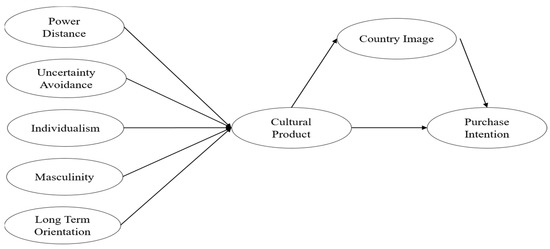
Ever wonder what truly influences health supplement, skincare, or over-the-counter medicine selections among Malay-speaking communities in Malaysia? The decision-making process isn’t just about ingredients or price points; it’s deeply rooted in a fascinating tapestry woven from cultural heritage, linguistic context, and deeply held generational values. Understanding this unique blend is absolutely crucial for brands aiming to connect authentically.
At its core, purchasing behavior within many Malay-majority populations reflects shared priorities that often supersede purely commercial considerations. Family well-being consistently ranks as a paramount concern, shaping choices towards products perceived as nurturing collective health. Alongside this, adherence to religious principles forms a non-negotiable pillar. Thing is, consumers exhibit high sensitivity towards faith-based labeling, with Halal certification being a fundamental requirement influencing trust and acceptance far beyond just food items. This spiritual compliance is deeply intertwined with the third key driver: profound social trust. Community endorsement carries immense weight.
This reliance on communal validation manifests in distinct behavioral patterns:
Personal Recommendations Trump Digital Influence: Trusted word-of-mouth from family, friends, and respected community figures holds significantly more sway than flashy influencer campaigns or anonymous online reviews. Authentic personal experience shared within trusted networks is gold.
The Local Pharmacist as a Trusted Advisor: There’s a strong preference for consulting knowledgeable staff at familiar neighborhood pharmacies over faceless e-commerce platforms. These local experts provide personalized advice and reassurance valued within the community context.
Halal Compliance is Non-negotiable: Sensitivity towards religious adherence extends rigorously to health and beauty products. Clear, verifiable Halal status isn’t just a preference; it’s often a prerequisite for product consideration and a major trust signal.
Furthermore, appreciating Malay healthcare perspectives means acknowledging a prevalent duality. Consumers frequently navigate a space integrating both modern scientific approaches and respected traditional wellness practices passed down through generations. Brands and distributors who demonstrate genuine respect for this holistic viewpoint, avoiding dismissiveness towards traditional remedies, build significantly stronger credibility and rapport. Ignoring this integration creates a barrier.
Successfully engaging this market demands far more than simple translation. It requires culturally relevant marketing strategies that resonate with these core values – emphasizing family health, ensuring impeccable religious compliance (especially Halal), and fostering genuine trust through community-centric engagement. Pharmacist partnerships become vital touchpoints. Ultimately, recognizing the nuanced interplay of faith, family, tradition, and community trust is the key to unlocking meaningful connections with Malay-speaking health consumers. Plus, regional variations, like differing receptiveness between states such as Kelantan and Selangor based on local beliefs, further highlight the need for localized understanding beyond broad national strategies.
Learn More : Malaysian Consumer Confidence
Language and Communication: The Influence of Bahasa Melayu on Product Messaging

Reaching the heart of Malaysia’s pharmacy market demands more than basic translation – it requires genuine linguistic and cultural localization. Bahasa Melayu isn’t merely the national language here; it’s the essential bridge connecting brands to Malay-speaking consumers. For pharmacy distribution services aiming for genuine success in these vital markets, product communication must resonate locally. Simply converting English or Mandarin text won’t cut it.
Think about every customer touchpoint: product labels, informational brochures, and crucially, the training materials pharmacists rely on. These all need to reflect the natural, everyday Bahasa Melayu spoken by your target demographic. Launching a pharmacy product relying solely on English or Mandarin content? That strategy risks alienating a massive segment of the potential Malay-speaking customer base right from the start.
So, what does effective, localized communication actually involve? Key components typically include:
Clear Malay Descriptions: Ingredient lists and benefit explanations written in straightforward, accessible Malay – not stiff formal language.
Cultural Resonance: Advertising that thoughtfully incorporates familiar idioms and analogies that make sense within the local context.
Malay-Speaking Support: Ensuring pharmacist representatives are fluent speakers, enabling clear dialogue and trust-building.
Consider the impact: One successful pharmacy distributor in Malaysia launched an herbal liver detox product featuring truly localized communication. They used dual-language packaging (English and Malay), prioritized crystal-clear Malay explanations of benefits, and prominently displayed Halal certification symbols. The outcome? Significantly higher trust levels among pharmacists directly led to stronger recommendation rates to patients.
Ultimately, mastering language usage for this market isn’t just about ticking a compliance box. It’s a powerful conversion tool that builds trust, fosters understanding, and directly drives product acceptance within the crucial Malay-speaking community. Getting the language right means your product speaks with the market, not just at it.
Trust, Halal Certification, and Religious Sensitivity
Wondering just how much Halal certification truly matters when distributing products in regions with large Malay populations? Let’s be blunt: it’s absolutely fundamental. Forget an afterthought – securing and visibly demonstrating Halal compliance is the bedrock of success for health and wellness brands aiming to thrive in these crucial markets.
Consumer trust, and ultimately product acceptance, hangs directly on this status. Without clear, verifiable Halal credentials, products face swift rejection not only from shoppers themselves but also from the gatekeepers: pharmacists. It’s a landscape where ambiguity simply doesn’t fly. So, what builds that essential trust?
First off, third-party Halal certification needs prominent placement right on the front of your packaging – no hunting required. Consumers actively look for this visual proof. Secondly, transparency is non-negotiable. Brands must clearly communicate ingredient origins and sourcing practices. Any murkiness raises immediate red flags. Crucially, this means rigorously avoiding alcohol, any porcine-derived components, or supply chains that lack clear Halal integrity at every single step.
But it goes beyond just the label and ingredients. Trusted community figures wield incredible influence. Local religious leaders and, significantly, neighborhood pharmacists often hold more sway over purchasing decisions than faceless online reviews or even big corporate branding. In many rural areas especially, a pharmacist’s personal endorsement of a product’s Halal status can be the ultimate deciding factor for hesitant customers. Their word carries genuine weight.
Underestimating this deep-seated religious sensitivity carries real, tangible risk. Just look at the backlash a major skincare player faced in Johor when their Halal claims were perceived as vague or insufficient – a costly lesson in the market’s zero-tolerance for anything less than absolute clarity. For any brand serious about pharmacy distribution in Malaysia or similar markets, achieving and communicating impeccable Halal compliance isn’t just a ‘nice-to-have’ or a box to tick; it’s the very foundation of market entry and sustainable success. Getting this level of diligence right isn’t optional; it’s the absolute essential first step. Who’s packaging and sourcing practices meet this critical standard? That’s the real question brands need to ask.
Learn More : Halal Certification for Medicines & Vitamins
Community-Centric Distribution Models: Leveraging Local Networks
So, how do pharmacy brands truly cement trust that lasts long after a product leaves the shelf? Forget fleeting transactions; the bedrock of enduring loyalty, especially within culturally distinct Malay-speaking markets, lies within powerful community pharmacy networks. For wholesale distributors aiming for success here, it’s about so much more than simply getting products onto those shelves. Victory hinges on cultivating hyper-local relationships, deeply woven into the social fabric of each neighborhood.
Moving beyond basic distribution logistics requires genuinely community-centric strategies. Think authentic collaboration – partnering directly with trusted local figures like village midwives and community health clinics. These partnerships lend immediate credibility. Or consider sponsoring meaningful local events: think kampung wellness talks or dedicated health days that directly address community needs. And it’s crucial to empower the frontline: equipping community pharmacists with culturally aligned sales kits and training ensures they resonate authentically with customers.
The proof is in the results. Take one leading Malaysian distributor who significantly boosted their rural market share. How? They prioritized sending pharmacists to conduct in-person product demonstrations right at village gatherings. This commitment to face-to-face interaction wasn’t just about information; it powerfully reinforced brand credibility within a setting where personal trust matters immensely.
Ultimately, effective distribution in these vital networks transcends boxes and trucks. It’s fundamentally about fostering a sense of belonging. When brands genuinely invest in the human connections underpinning their distribution services – understanding local nuances and contributing meaningfully – they unlock far greater rewards: notably stronger customer loyalty and significantly improved brand retention over the long haul. The shelf space is just the starting point; the community’s heart is where lasting trust gets built.
Learn More : Malaysian Community Pharmacy Business Forum (MyCPBF)
Visual Merchandising and Cultural Preferences in Pharmacy Retail

For retail pharmacies targeting Malay-speaking communities in Malaysia, visual communication isn’t just decoration—it’s make-or-break territory for grabbing attention and building trust. Understanding the specific colors, symbols, and imagery that resonate culturally is absolutely fundamental to effective in-store marketing. Get this right, and you forge a genuine connection; get it wrong, and your message might feel alienating or simply get ignored.
Color: Speaking the Language of Trust and Purity
Forget generic palettes. Malaysian pharmacy customers deeply connect with colors imbued with cultural meaning. Green, symbolizing nature, growth, and Islamic associations with paradise, strongly conveys health, purity, and tranquility. Gold signifies quality, trustworthiness, and value – crucial attributes for health products. Conversely, overly bright, harsh, or aggressive color schemes can feel jarring, impersonal, or culturally out-of-step, potentially pushing customers away. Subtlety and cultural relevance wins here.
Symbols & Visuals: Building Familiarity and Comfort
It goes far beyond just colors. Every visual element needs careful consideration:
Culturally Familiar Cues: Shelf wobblers, posters, and other Point-of-Sale Materials (POSM) must incorporate designs Malaysians instinctively recognize and trust. Think motifs inspired by local flora, traditional patterns (batik elements subtly integrated), or familiar cultural symbols. Avoid overly abstract or purely Western aesthetics.
Halal Visibility: The Halal certification isn’t just a requirement; its placement is strategic. Positioning the Halal logo prominently at customer eye-level is non-negotiable. It provides immediate reassurance and signals respect for religious observance – a critical factor in purchasing decisions for many.
Imagery Tone: Ditch the cold, clinical minimalism often seen in pharmacies elsewhere. Malay customers typically respond much better to warm, family-oriented visuals. Show diverse families in caring, everyday health scenarios. Focus on wellness and prevention rather than just illness treatment. Photography should feel inclusive and relatable.
The Power of Nature and Heritage
Audits from merchandising services consistently reveal a powerful trend: Malay-speaking customers show significantly stronger positive responses to wellness themes deeply rooted in nature and traditional healing practices. Campaigns that thoughtfully incorporate these elements, perhaps using Malay taglines for authenticity or visuals subtly referencing local landscapes, traditional attire (baju kurung, songkok), or natural ingredients (like herbs), consistently performs better. It taps into a shared cultural heritage and understanding of wellbeing.
Beyond Trend: Design as a Bridge
Ultimately, tailoring your pharmacy’s visual language for the Malay-speaking market isn’t about chasing a fleeting trend. These cultural design strategies are essential tools for building meaningful connection and trust. When customers see themselves and their values reflected in your store’s environment – through respectful color choices, familiar symbols, visible Halal assurance, and warm, natural imagery – you’re not just selling products; you’re creating a welcoming space where they feel understood and valued. That’s the foundation of true loyalty in competitive retail pharmacy landscape
Learn More : The Impact of Lighting, Layout, and Store Design on Pharmacy Merchandising in Malaysia
Challenges Faced by Pharmacy Distributors in Malay-Speaking Markets

Getting products onto shelves in culturally distinct regions seems straightforward, right? Logistics, trucks, warehouses – the usual suspects. But beneath the surface lurk significant, often overlooked barriers that can derail even the most well-intentioned distributor, particularly in sensitive pharmacy markets. It’s not just about moving goods; it’s about navigating the complex web of local understanding and trust.
So, what truly trips distributors up? The challenges are frequently relational, not purely operational:
Lost in Translation (Beyond Words): Imagine a pharmacist unable to grasp the nuances of a new product because training materials or explanations are in an unfamiliar language. This isn’t just about basic instructions; it’s about conveying subtle benefits, usage details, and safety information accurately. Staff trainings that aren’t delivered in the local tongue leave knowledge gaps, impacting confidence and recommendations. This creates a fundamental disconnect right at the point of sale.
When Marketing Misses the Mark: Visuals and messaging crafted for one audience can completely alienate another. Product imagery featuring models, settings, or cultural cues that feel foreign or inappropriate to the local population creates an instant barrier. Similarly, a promotional tone that seems too aggressive, too casual, or simply misaligned with local communication norms can make a product feel irrelevant or even disrespectful. It’s a mismatch in the unspoken language of marketing.
The Crucial Missing Link: Local Pharmacist Buy-In: Ultimately, pharmacists are the trusted advisors. If they aren’t convinced or comfortable with a product – often stemming from inadequate, culturally-insensitive training or materials – they simply won’t advocate for it to their customers. Their endorsement is vital, and without it, products gather dust.
A Case in Point:
Consider the experience of a Japanese probiotic brand entering Malaysia through a distributor. Despite its potential benefits, the launch materials were solely in English. Sales in the states of Kelantan and Terengganu, with predominantly Malay populations, stalled significantly. Why? Local pharmacists, lacking confidence in explaining the product effectively to their customers in a language they were fully comfortable with, hesitated to recommend it. The product was available, but the crucial connection wasn’t made.
The Core Issue:
These aren’t failures of trucks arriving late or warehouses being full. These are failures of connection. They stem from a gap between the assumptions baked into imported products and the lived cultural realities on the ground where those products need to be understood and accepted.
The critical takeaway for distributors? Success demands more than efficient supply chains. It requires actively bridging that cultural divide. Understanding local languages deeply, respecting and reflecting cultural norms in every visual and message, and earning the genuine buy-in of local healthcare professionals through relevant training and support are non-negotiable steps. Overcoming these hidden relational barriers is the true key to unlocking distribution success in culturally sensitive territories. You gotta build bridges, not just move boxes.
Learn More : Malaysia’s Pharmaceutical Industry: A Fast-Growing Force
Strategic Adjustments for Independent Pharmacy Distributors

For independent pharmacy distributors eyeing success in vibrant Malay-speaking regions, a generic approach simply won’t cut it. The real competitive edge lies in a deep, authentic localization strategy. It’s not just translation; it’s about resonating culturally and linguistically at every touchpoint. How can smaller players effectively implement this without breaking the bank? Here’s actionable insights:
Empower Local Teams with Malay Resources:
Don’t just translate manuals. Equip pharmacists and frontline staff with training scripts, product knowledge bases, and support materials primarily in Bahasa Melayu. This ensures critical information is grasped quickly and accurately, leading to better patient consultations and higher confidence among staff. When your local team understands deeply, they support customers better.
Bridge Cultural Gaps Proactively:
Success hinges on cultural sensitivity. Provide distributors and partners with comprehensive onboarding kits detailing essential cultural norms, communication preferences, and business etiquette specific to Malay communities. Understanding subtle do’s and don’ts prevents misunderstandings and builds crucial trust from the get-go. Respectful engagement is non-negotiable.
Prioritize Bahasa Melayu in Consumer Touchpoints:
Visibly commit to the local language. Redesign product brochures, packaging, and informational leaflets to feature Bahasa Melayu prominently, with English secondary or supplementary. This signals respect and directly addresses consumer preferences, significantly reducing hesitation. Clear communication in the customer’s native tongue builds immediate rapport.
Proof is in the Performance:
Take inspiration from one savvy pharmacy distributor operating in Malaysia. They completely overhauled their skincare product leaflets, using Bahasa Melayu as the main language and integrating simple QR codes linking directly to video testimonials also in Malay. The result? A dramatic tripling of their product sell-through rates. This demonstrates the potent combination of linguistic relevance and accessible, localized social proof.
Let’s be real: some perceive localization as a costly hurdle. But when you weigh the substantial upside – significantly enhanced pharmacist effectiveness, drastically lower consumer hesitation leading to more sales, and ultimately, far more successful market penetration across Malay territories – the investment delivers compelling returns. Smart, focused localization isn’t an expense; it’s the essential foundation for sustainable growth and competitiveness for independents in these specific markets. Getting the language and culture right unlocks the door.
Learn More : The Role of Employee Training in Effective Pharmacy Merchandising | The Importance of Category Management in Pharmacy Merchandising Services
Case Studies: Successful Cultural Alignment in Distribution

Forget generic strategies. In Malaysia’s diverse retail pharmacy landscape, genuine cultural understanding isn’t nice-to-have—it’s the essential ingredient for growth. Let’s explore how three brands transformed insights into impressive results:
Brand A: Digestive Wellness Solutions: Recognizing the importance of trust in healthcare, Brand A went beyond simple translation. They completely adapted their pharmacist briefing materials into fluent Malay, ensuring clarity and cultural relevance. Staff training incorporated local analogies and relatable examples that resonated deeply with community health perceptions. This commitment wasn’t just noticed; it directly fueled a 25% sales increase in Johor within just one quarter. People trusted advice they truly understood.
Brand B: Skincare for Muslim Consumers: Entering a sensitive personal care segment, Brand B meticulously addressed specific needs. They developed a rigorously Halal-certified formula, completely free from fragrance to align with modesty preferences. Their marketing visuals powerfully reflected the audience, featuring models in tasteful modest attire. This authentic representation wasn’t just respectful; it paved the way for crucial acceptance in the conservative Northern states, building trust where it mattered most.
Brand C: Wellness Drinks in Rural Communities: Understanding Kelantan’s unique dynamics, Brand C adopted a community-first mindset. They forged practical partnerships with village clinics, facilitating accessible trial programs right where people lived. Further embedding themselves, they sponsored vital health awareness events strategically timed during Ramadan, demonstrating support for local priorities. This genuine involvement fostered significantly stronger brand recognition, proving that showing up builds loyalty.
The undeniable lesson? Sustainable success across Malaysia hinges on authentic cultural resonance, not just commercial muscle. These examples shine a spotlight on a fundamental truth: connection drives real pharmacy growth. Deep cultural alignment builds the trust that turns shoppers into loyal advocates, making it the cornerstone of any winning market strategy. Isn’t that the goal after all?
Navigating the vibrant, multi-ethnic tapestry of Malaysia’s consumer landscape presents unique hurdles, especially for pharmacy brands targeting Malay-speaking communities. Success here demands far more than simply managing stock-keeping units (SKUs) or optimizing supply chain logistics. Truly mastering distribution in these crucial regions hinges on achieving deep cultural fluency, actively building genuine trust, and executing strategies with thoughtful precision. It’s about understanding the heartbeat of the community.
Whether partnering with nimble independent pharmacy distributors or established nationwide pharmacy wholesale distributors, brands that prioritize authentic cultural adaptation aren’t just making a tactical move – they’re investing in invaluable long-term brand equity. This commitment transcends smart marketing tactics; it fundamentally represents sustainable business practice. Ignoring the cultural context means missing the core connection points that drive loyalty and preference in these distinct markets. Think about it: pharmacists and consumers respond powerfully to brands that resonate with their values and lived experiences.
This is precisely where PriooCare excels. We specialize in the nuanced art of aligning pharmacy brands seamlessly with deeply held local values, understanding intricate pharmacist behavior patterns, and implementing culturally tuned merchandising that speaks directly to the community. Our approach ensures your products aren’t just available, but are presented and perceived in ways that foster meaningful engagement and trust.
Ready to forge stronger, more resilient connections within Malaysia’s vital Malay-speaking markets?
How can we assist you today? 😊
Just let us know—we’re here to help!