

August 22, 2025
The Malaysian pharmaceutical distribution sector stands at a critical juncture, where traditional models are being reshaped by technological disruption and evolving patient needs. Imagine this scenario: A mother in rural Pahang urgently needs asthma medication for her child, but the nearest pharmacy is 50km away. This everyday challenge underscores why Malaysia’s medication supply chain requires nothing short of transformation. The solution? A new generation of distribution networks that blend digital innovation with localized expertise to deliver reliable, efficient access to medicines across every corner of the nation.
Independent Distributors: The Agile Backbone of Local Healthcare

What makes independent pharmacy distributors increasingly indispensable in Malaysia’s healthcare ecosystem? These nimble operators have carved out a strategic niche by addressing gaps that larger wholesalers often overlook. Unlike corporate giants bound by rigid systems, independent players like Kedai Ubat Aman in Kelantan demonstrate remarkable adaptability – during the 2023 floods, they utilized fishing boats to deliver insulin to cut-off communities when roads became impassable.
Three key advantages define these trusted local partners:
Hyperlocal Market Knowledge: They understand regional prescription patterns – like higher demand for hypertension meds in urban Johor Bahru versus more pediatric supplements in family-heavy Putrajaya
Personalized Service Models: Many offer after-hours emergency deliveries or customized packaging for elderly patients
Manufacturer Relationships: Direct ties with generics producers enable 15-20% better pricing compared to traditional wholesale channels
Yet challenges persist. A recent survey of 150 Malaysian independent distributors revealed:
✓ 68% struggle with rising last-mile delivery costs
✓ 52% face inventory financing constraints
✓ 41% report difficulty meeting new NPRA cold-chain requirements
The proven solution? Collaborative networks. In Penang, 12 independent distributors formed a buying consortium to achieve bulk pricing power while maintaining their individual operations – a model now being replicated across three other states.
Learn More : The Role of End-Cap Displays in Increasing Pharmacy Sales in Malaysia
Integrated Distributor Pharmacies: The Future of Medication Access
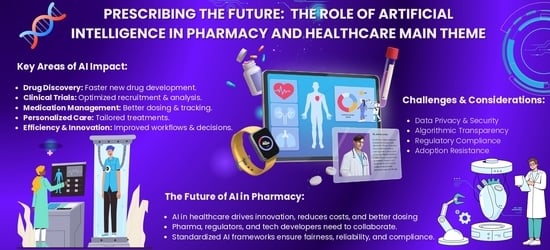
The lines between distribution and dispensing are blurring in exciting ways. Consider Caring Pharmacy’s strategic move: By vertically integrating their supply chain, they reduced stockouts of essential medicines by 40% while improving profit margins by 8-12%. This distributor pharmacy model succeeds through:
Technology-Enabled Inventory Management
AI-driven demand forecasting cuts overstock by 18-25%
Automated replenishment systems maintain optimal stock levels
Micro-Fulfillment Innovation
Urban hubs in KL and Johor enable 4-hour deliveries
Temperature-controlled “pharma lockers” in transit stations for after-hours access
Strategic Manufacturer Partnerships
Exclusive distribution agreements for high-demand supplements
Collaborative forecasting with drug makers to anticipate shortages
The operational impact is measurable. Pharmacies using integrated models report:
→ 30% faster inventory turnover
→ 22% reduction in expired write-offs
→ 15% improvement in chronic medication availability
Digital Transformation: Reshaping Wholesale Distribution
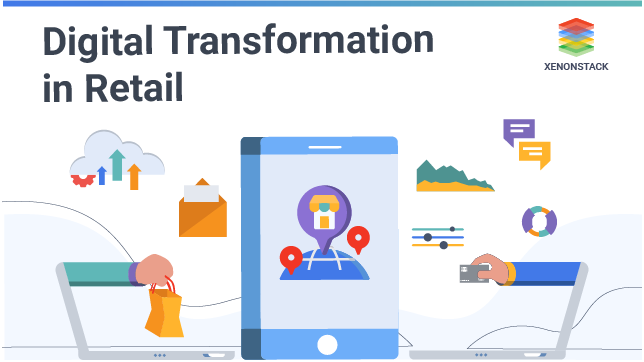
Technology is no longer optional for pharmacy wholesale distributors – it’s the price of admission. The numbers speak for themselves: early adopters of digital tools achieve 20-35% better operational efficiency. Let’s examine three game-changing innovations:
Predictive Inventory Systems
A Klang Valley distributor reduced excess stock by RM1.2 million annually using machine learning that analyzes:Local disease outbreaks
Prescription trends
Weather patterns affecting medication needs
Smart Logistics Networks
GPS-optimized routing combined with real-time traffic data has enabled:28% faster delivery times in KL
15% fuel cost savings in East Malaysia
99.2% on-time performance for critical meds
Blockchain Verification
Pilot programs with NPRA now allow:Instant authentication of high-risk medications
Tamper-proof batch tracking
Automated compliance reporting
The human impact matters most. In Sarawak, digital tools helped reduce malaria medication stockouts from 15 days annually to just 2 – a lifeline for remote communities.
Learn More : The Pharmaceutical Supply Chain: Worldwide Trends and Emerging Issues
Navigating Malaysia’s Regulatory Landscape

Compliance isn’t just about avoiding fines – it’s a competitive advantage. The most effective distributors treat regulations as a framework for excellence rather than a constraint. Current priorities include:
Critical Compliance Areas for 2025
NPRA’s new serialization mandates
KKM’s updated cold-chain protocols
ASEAN harmonization of import standards
Proactive Strategies
Digital audit trails that automatically flag near-expiry stock
Mobile compliance apps for field staff
Quarterly regulatory training sessions
One reliable distributor in Malacca turned compliance into a selling point by:
Achieving 100% audit readiness
Publishing their quality metrics publicly
Offering compliance consulting to pharmacy clients
The result? A 35% increase in new client acquisitions within six months.
Operational Frameworks for Success
Forward-thinking distributors are adopting structured approaches to maintain quality while scaling operations:
The 4-Pillar Distribution Framework
Supply Chain Resilience
Dual sourcing for critical medications
30-day emergency buffer stocks
Alternative transport contracts
Technology Integration
Cloud-based inventory systems
IoT temperature monitoring
Automated reporting tools
Talent Development
NPRA-certified training programs
Cross-functional team rotations
Continuous improvement culture
Customer-Centric Innovation
Flexible ordering platforms
Personalized stock alerts
Value-added services like medication packaging
A Selangor-based operator implementing this framework achieved:
✓ 40% improvement in order accuracy
✓ 25% reduction in compliance incidents
✓ 18% growth in customer retention
The path forward demands both strategic vision and operational discipline. Distributors who master this balance won’t just survive the coming changes – they’ll define the future of medication access in Malaysia.
Learn More : Pharmacy Merchandising: Best Practices for Product Pricing and Promotion in Malaysia
Strategic Challenges and Solutions for Distribution in 2025

The road ahead for pharmacy distributors in Malaysia is paved with both opportunities and obstacles. While the sector’s growth is undeniable, 2025 will demand proactive strategies to tackle supply chain volatility, cost pressures, and capacity constraints. Picture this: A trusted distributor in Penang faces a 30% spike in diabetes medication orders due to rising regional prevalence—but global API shortages delay shipments by six weeks. This scenario isn’t hypothetical; it’s the new normal for healthcare logistics professionals.
Core Challenges (and How to Outmaneuver Them)
Supply Chain Fragility
Geopolitical tensions and raw material bottlenecks (e.g., India’s 2024 heparin export restrictions) disrupt reliable medication access. A strategic workaround? Multi-sourcing: A Klang Valley-based pharma distributor now procures generics from three ASEAN manufacturers, reducing dependency on single suppliers.Cost Volatility
With diesel prices swinging unpredictably, last-mile delivery expenses can erode margins by 12–15%. Proven solutions:Route consolidation: Partnering with nearby clinics to share transport costs (e.g., a Johor Bahru network cut fuel spend by 18%).
Hybrid fleets: Piloting electric bikes for urban deliveries, slashing per-kilometer costs by 40%.
Warehousing Squeeze
Limited storage space complicates stock diversification. One efficient workaround: A Selangor operator adopted vertical racking systems, boosting capacity by 25% without expanding footprints.
Local Wins: Case Studies in Resilience
Chronic Care Continuity: During 2024’s insulin shortage, a distributor pharmacy in Ipoh collaborated with GP clinics to pool buffer stocks, ensuring no diabetic patient faced lapses in treatment.
Flood-Proof Logistics: A Kuantan-based wholesaler pre-positioned emergency meds in elevated storage hubs before monsoon season—a tailored tactic that saved 15 clinics from stockouts.
Learn More : Healthcare Supply Chain Trends to Watch in 2025
Future Outlook: Emerging Trends Impacting Pharmacy Distribution Services
![Pharmacy Market Size, Share &Amp; Growth | Outlook Report [2032]](https://www.fortunebusinessinsights.com/img/featured_images/pharmacy_market-01.webp "Distribution Trends In Healthcare And Pharmaceuticals For 2025 - Prioocare")
The next frontier for Malaysia’s healthcare supply chains isn’t just about moving products—it’s about intelligent, sustainable, and patient-centric innovation. Consider how AI and eco-conscious practices are reshaping the game:
Trend 1: Sustainability as a Competitive Edge
Green packaging: A Kuala Lumpur wholesale distributor switched to biodegradable blister packs, reducing plastic waste by 8 tons annually.
Carbon-neutral deliveries: Partners like Lalamove Health now offer offset programs for medical shipments.
Trend 2: Hyperlocal Hubs = Faster Fulfillment
Strategic placement of micro-distribution centers (e.g., Penang’s Batu Kawan hub) cuts delivery times to pharmacies from 48 hours to under 6. This isn’t just convenient—it’s essential for temperature-sensitive biologics.
Trend 3: AI’s Role in Precision Distribution
Predictive demand modeling: A Melaka supply chain partner uses historical Rx data to pre-stock asthma inhalers before haze season.
Dynamic routing: GPS algorithms redirect trucks around KL’s traffic snarls, ensuring on-time delivery for 98% of orders.
The Strategic Payoff
Pharmacies aligning with tech-forward distributors gain:
✅ Faster inventory turnover (e.g., AI slashes overstock by 20%).
✅ Compliance confidence (automated NPRA audit trails).
✅ Competitive differentiation (eco-friendly practices attract ESG-minded hospitals).
Learn More : Top 10 Pharmacy Distributors in Malaysia Ranking | Global Health Supply Chain Overview and Best Practices | Future of Logistics in Healthcare: Key Trends
Practical Recommendations for Pharmacies and Distributors

2025 won’t wait—here’s how to future-proof operations today:
For Pharmacies: Partner Smarter
Vet distributors for proven tech capabilities (e.g., real-time inventory APIs).
Demand transparency: Insist on blockchain-tracked shipments for high-risk meds.
For Distributors: Innovate or Stagnate
Cold-chain investments: Temperature-logging sensors cost <RM5/unit but prevent RM500k in spoiled stock.
Staff upskilling: NPRA compliance training reduces audit fines by 60%.
Joint Action Plan
| Priority | Quick Wins | Long-Term Plays |
|---|---|---|
| Cost Control | Renegotiate freight contracts quarterly; pool orders with neighboring pharmacies. | Invest in solar-powered warehouses by 2026. |
| Regulatory Agility | Subscribe to NPRA bulletins; conduct mock audits biannually. | Develop in-house compliance AI by 2025. |
| Patient-Centricity | Offer after-hours emergency delivery slots. | Partner with telehealth apps for Rx sync. |
Malaysia’s pharmacy distribution sector is at a crossroads. The winners in 2025 won’t be the biggest players—they’ll be the most adaptable. Whether it’s leveraging AI to outpace disruptions or adopting green logistics to meet regulatory shifts, the path forward is clear: Innovate with purpose, collaborate with intent, and execute with precision.
For pharmacies, this means choosing distribution allies who blend expert market knowledge with cutting-edge tools. For distributors, it’s about building trusted ecosystems where efficiency and compliance aren’t trade-offs—they’re the foundation.
How can we assist you today? 😊
Just let us know—we’re here to help!