

June 30, 2025
With Malaysia’s pharmaceutical and personal care industries expanding quickly, the demand for reliable pharmacy distributors has never been higher. But how do you guarantee that medications reach patients without compromising safety, efficiency, or legal compliance? The stakes are immense—missteps can result in heavy fines, license revocations, or even threats to public health.
Navigating Malaysia’s tightly controlled pharmacy distribution network requires a deep understanding of regulatory frameworks. Whether you’re an independent distributor or managing wholesale pharmacy operations, compliance isn’t optional. From securing the right licenses to ensuring proper product registration, every step must align with national regulations. Regular audits and strict enforcement further complicate the process, leaving little margin for error.
In this guide, we’ll explore the key legal and operational requirements for pharmacy distributors in Malaysia. You’ll gain insights into licensing protocols, compliance best practices, and how to avoid costly violations. If you’re responsible for keeping your distribution network running smoothly, this breakdown will help you stay on the right side of Malaysia’s strict pharmaceutical laws—because when it comes to public health, cutting corners simply isn’t an option.
By staying informed and proactive, distributors can not only meet regulatory standards but also contribute to a safer, more efficient healthcare system. After all, in an industry where lives are on the line, compliance isn’t just about rules—it’s about responsibility.
Regulatory Bodies Overseeing Pharmacy Distribution

Malaysia’s pharmacy distribution industry operates under strict oversight, with regulatory authority split between two key bodies: the National Pharmaceutical Regulatory Agency (NPRA) and the Ministry of Health (MOH). Functioning as a branch of the MOH, the NPRA plays a pivotal role in ensuring pharmaceutical products meet stringent standards for quality, safety, and effectiveness. This is achieved through comprehensive measures, including drug registration protocols, adherence to Good Distribution Practice (GDP) guidelines, and mandatory NPRA product approvals.
Core Responsibilities of the NPRA
The agency’s regulatory duties are wide-ranging, covering:
Issuing product registration numbers (MAL) after thorough evaluation of applications
Conducting routine inspections and audits of documentation to verify compliance
Taking corrective actions, such as confiscating illegal products or revoking licenses for serious violations
Meanwhile, the MOH focuses on broader healthcare policies, coordinating between agencies—particularly in high-stakes areas like narcotics control or public health crises.
Real-World Enforcement: A Case Study
In 2022, the MOH made headlines by shutting down an unlicensed wholesale distributor in Selangor. The company was caught distributing unregistered supplements and failing to maintain proper cold chain storage—a critical requirement for product integrity. This incident served as a sharp reminder for all distributors to rigorously review their compliance frameworks or face similar consequences.
By understanding these regulatory dynamics, businesses can better navigate Malaysia’s tightly controlled pharmaceutical landscape—avoiding costly penalties while ensuring patient safety.
Learn more : Journal of Pharmaceutical Policy and Practice – Strengthening Health Systems: the Role of Drug Shops
Licensing Requirements for Distributors in Malaysia

Setting up a pharmaceutical distribution business in Malaysia? You’ll need to secure the proper licenses—and the requirements vary depending on your operations. Whether you’re a wholesaler, manufacturer, importer, or exporter, compliance with Malaysia’s regulatory framework is mandatory. Here’s what you need to know before applying.
Types of Licenses for Pharmaceutical Distribution
Wholesaler’s License – Necessary if you plan to sell medicines to hospitals, clinics, or other pharmacies rather than directly to consumers.
Manufacturer’s License – Required if your distribution process includes repackaging, relabeling, or any form of product modification.
Import License – For businesses sourcing pharmaceuticals from international suppliers.
Export License – If you’re distributing Malaysian-manufactured drugs to foreign markets.
Application Process: Key Steps
Both local and foreign applicants must follow these steps:
Register with SSM – The Companies Commission of Malaysia must approve your business entity first.
Submit via Quest3+ – All applications go through NPRA’s online portal, where you’ll upload necessary documents.
Provide Supporting Documents – This includes facility layouts, cold chain validation (if applicable), and standard operating procedures (SOPs).
Foreign businesses often face an extra hurdle: Malaysia requires a local presence. Many partner with an established domestic distributor to meet physical premises and legal entity rules.
Important Considerations
Licenses are location and product-specific—you can’t transfer them between businesses or regions.
Approval timelines vary, so factor in potential delays during planning.
By understanding these regulations early, you can avoid compliance pitfalls and launch your distribution operations smoothly. Need help navigating the process? Consulting a local regulatory expert might save you time and hassle.
Good Distribution Practice (GDP) Standards
When it comes to pharmaceutical distribution, holding a license is just the starting point. True compliance hinges on adhering to Good Distribution Practices (GDP), a critical framework that ensures medicines remain safe, effective, and unaltered throughout storage and transportation. Under Malaysia’s NPRA regulations, GDP isn’t optional—it’s a legal requirement for all wholesale pharmacy distributors.
Key Pillars of GDP Compliance
To meet GDP standards, distributors must focus on several non-negotiable elements:
Strict environmental controls – Maintaining precise temperature and humidity levels to prevent product degradation.
End-to-end traceability – Tracking batch numbers and expiration dates to avoid mix-ups or expired stock circulation.
Secure logistics protocols – Implementing damage-proof handling and transportation methods.
Comprehensive documentation – Keeping detailed SOPs, staff training records, and audit trails.
How NPRA Enforces GDP Standards
The NPRA doesn’t just take your word for it—they conduct rigorous inspections using a thorough checklist. Key areas under scrutiny include:
Facility conditions – Is the warehouse layout optimized to prevent cross-contamination?
Employee expertise – Are staff properly trained in GDP protocols?
Equipment reliability – Are temperature monitors and other tools calibrated regularly?
Recall preparedness – Can the distributor swiftly pull compromised products from the supply chain?
Common Pitfalls That Lead to Non-Compliance
Despite clear guidelines, many distributors fall short due to:
Incomplete temperature logs during cold chain shipments.
Weak pest management systems, risking product contamination.
Missing or disorganized paperwork, like delivery confirmations and batch records.
Ignoring GDP doesn’t just mean failing an NPRA audit—it damages your reputation as a trusted pharmacy distributor in Malaysia. Cutting corners might save time now, but the long-term costs (fines, lost partnerships, or worse) simply aren’t worth it.
Learn more : How to Build a Successful Distribution Network in Malay-Speaking Areas | WHO: Guidelines for Good Distribution Practices for Pharmaceutical Products
Registration of Products for Distribution

If you’re wondering whether a license grants you unlimited distribution rights for health products in Malaysia, the answer isn’t so straightforward. The country has strict regulations governing the distribution of health-related items, and compliance is non-negotiable.
Understanding Malaysia’s Product Registration Requirements
Before distributing any health product, you must ensure it’s properly registered or notified under one of these key categories:
MAL (Drug Registration) – Required for pharmaceuticals
NOT (Notification) – Mandatory for cosmetics
MDA (Medical Device Authority) – Applicable to medical devices
As a distributor, you’re responsible for verifying each product’s registration status through the Quest3+ NPRA system. This platform provides essential details, including ingredient lists, manufacturer information, and license validity. Skipping this step isn’t an option—non-compliance can trigger serious consequences.
The Risks of Non-Compliance
Even if a product has a NOT number, misleading claims—such as unapproved therapeutic benefits—can lead to enforcement actions, including suspension. Distributing unregistered or improperly labeled items puts your business at risk, so due diligence is critical.
Key Responsibilities of a Pharmacy Distributor in Malaysia
Your role goes beyond simply moving products from one place to another. You must:
✔ Keep meticulous records of all product licenses and ensure they’re up to date
✔ Reject shipments that don’t have valid MAL, NOT, or MDA certifications
✔ Stay informed about NPRA updates affecting product classifications
By following these guidelines, you’ll not only stay compliant but also protect your business from costly penalties. Always double-check registrations—because in Malaysia’s tightly regulated market, assumptions can lead to legal trouble.
Special Licensing for Controlled Substances and Cold Chain Products

When distributing high-risk pharmaceutical products, additional compliance measures aren’t just recommended—they’re legally required. Whether you’re dealing with controlled substances, sensitive biologics, or vaccines, skipping these protocols can lead to costly losses or even regulatory penalties.
Which Products Fall Under High-Risk Categories?
Distributors handling the following must adhere to stricter guidelines:
Controlled substances like psychotropics or narcotics (e.g., codeine-based medications)
Biologics, including insulin and monoclonal antibodies
Vaccines and temperature-dependent pharmaceuticals
Mandatory Requirements for High-Risk Product Distribution
Malaysia’s Ministry of Health (MOH) enforces several non-negotiable safeguards, such as:
Special licensing under the Dangerous Drugs Act
Cold chain validation reports to ensure product integrity
Real-time temperature tracking during transit and storage
Secure, designated storage facilities to prevent unauthorized access
Unlike standard Good Distribution Practices (GDP), these products demand meticulous attention—especially in Malaysia’s challenging tropical climate. A single lapse in temperature control can render an entire shipment unusable, leading to significant financial and reputational damage.
Why Malaysia’s Climate Demands Extra Vigilance
High humidity and heat amplify risks during transportation. For example, a shipment traveling from Johor to the Klang Valley might pass through three separate temperature checkpoints before final delivery. Without rigorous monitoring, even a brief exposure to unsuitable conditions can compromise product safety.
Importation and Exportation Rules for Pharmacy Distributors
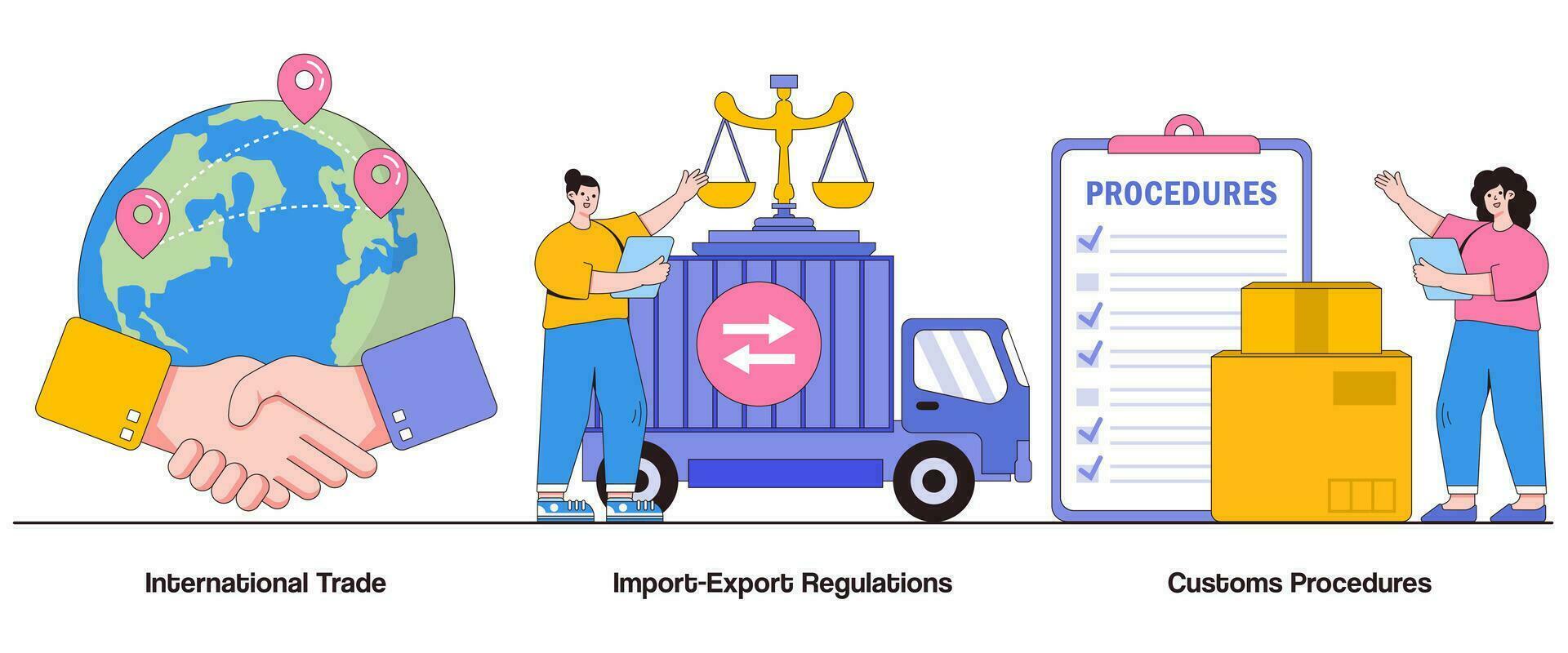
Wondering if a product license automatically allows unrestricted import or export of pharmaceuticals? The reality isn’t so straightforward. While licensing is a critical first step, moving medicines across borders involves additional layers of compliance—each with its own set of hurdles. Here’s what businesses must prepare for:
Essential Documentation for Cross-Border Trade
Every shipment requires an import permit, issued on a per-batch basis—a safeguard ensuring traceability and quality control. Customs clearance isn’t just paperwork; it demands precise Harmonized System (HS) code alignment, a frequent stumbling block for unprepared shippers. And let’s not forget the NPRA product documentation, which varies by drug type and often trips up even seasoned distributors.
Eligibility isn’t universal, either. Only licensed independent pharmacy distributors holding specialized import/export credentials can legally facilitate these transactions.
Operational Pitfalls and How to Avoid Them
Common bottlenecks? Start with incomplete NPRA dossiers—missing even a single appendix can stall shipments for weeks. Misclassified HS codes trigger frustrating border holds, while mismatches between brand and distributor paperwork create avoidable delays.
Pro tip? Partner with customs brokers who specialize in pharma logistics—their expertise in navigating regulatory labyrinths is invaluable. Even better, assign a dedicated regulatory affairs officer to oversee submissions, ensuring consistency and reducing last-minute scrambles.
The takeaway? Compliance isn’t just about checking boxes; it’s about anticipating roadblocks and building relationships with experts who speak the language of both regulators and supply chains. Miss this, and you’ll be stuck untangling red tape while competitors move product.
Learn more : Why Efficient Pharmacy Distribution is Crucial for Malaysia’s Rural Healthcare Development | Drug Quality and Security Act – Title II: Drug Supply Chain Security Act (DSCSA)
Penalties, Enforcement, and Common Compliance Pitfalls

The consequences for pharmacy distributors in Malaysia who take shortcuts can be severe—ranging from hefty fines up to RM 50,000 to serious criminal charges. This is especially true when violations involve controlled substances, falsified records, or breaches of Good Distribution Practices (GDP). Regulatory bodies like the NPRA (National Pharmaceutical Regulatory Agency) don’t hesitate to enforce penalties, and repeat offenders risk losing their operating licenses entirely.
Real-Life Cases of Non-Compliance
In one 2023 incident, a Klang-based distributor had their operations suspended after inspectors discovered 14 products being sold without valid MAL (Marketing Authorization License) numbers. Another high-profile case involved a well-known pharmacy distributor in Malaysia receiving a RM 75,000 fine for failing to maintain proper cold chain protocols during vaccine deliveries—a lapse that could compromise product safety.
Frequent Oversights That Trigger Penalties
Many violations stem from simple but costly oversights, such as:
Incomplete GDP paperwork during logistics and storage
Missing license renewal deadlines, leading to automatic suspensions
Stocking products without verifying regulatory status, risking illegal sales
How to Avoid Costly Mistakes
Proactive compliance is the best defense against penalties. Key strategies include:
Setting up a compliance calendar to track deadlines for renewals and inspections
Conducting bi-annual SOP audits to ensure processes align with current regulations
Investing in regular staff training so employees stay updated on the latest NPRA requirements
Cutting corners might save time in the short term, but the long-term repercussions—financial losses, legal trouble, or reputational damage—are never worth it. Staying vigilant with compliance protects both your business and public health.
Learn more : Common Mistakes to Avoid in Distribution in Malay‑Speaking Regions
Preparing for a Successful Pharmacy Distribution Audit

Staying audit-ready isn’t just about compliance—it’s a competitive advantage. Whether it’s a scheduled evaluation or an unannounced inspection from Malaysia’s NPRA or MOH, your pharmacy or wholesale operation must demonstrate flawless adherence to regulations. The key? Proactive preparation with meticulous SOPs, organized storage, and a well-trained team that understands Good Distribution Practices (GDP) inside and out.
Your Pre-Audit Checklist: Don’t Miss These Essentials
Before auditors arrive, ensure every critical component is in place. Start with updated SOPs—available in both English and Malay—to avoid language-related compliance gaps. Next, verify that temperature logs are accurately documented, reflecting stable storage conditions for sensitive products. Don’t forget staff training records; auditors will scrutinize whether your team is up-to-date on NPRA guidelines and GDP protocols.
Another non-negotiable? Batch traceability. Every product on your shelves should have a clear, verifiable history from manufacturer to delivery. Malaysian regulators prioritize this, along with expiry date management and pest control measures, so double-check these areas for discrepancies.
Why Audit Success Matters Beyond Compliance
Passing an audit isn’t just about avoiding penalties—it’s a reputation booster. Leading pharmacy distributors leverage clean audit reports to secure partnerships with top-tier brands, proving their operational excellence. A single oversight, like incomplete logs or untrained staff, can undermine credibility. But a consistently audit-ready business? That’s a trusted partner in the eyes of both regulators and industry players.
Learn more : Digital logistics: Technology race gathers momentum – McKinsey & Company
In Malaysia’s tightly regulated pharmaceutical sector, cutting corners on compliance isn’t just risky—it could cost you everything. The healthcare supply chain relies heavily on pharmacy distributors, from small-scale operators to large wholesale providers. And with strict oversight governing every aspect of operations, there’s zero room for error.
Think about it: NPRA certifications, temperature-controlled logistics, Good Distribution Practice (GDP) audits, and product licensing aren’t just bureaucratic hurdles. They’re critical safeguards ensuring patient safety and supply chain integrity. But here’s the thing—compliance isn’t merely about avoiding penalties. When handled strategically, it builds credibility with hospitals, drug manufacturers, and end consumers.
For pharmacy distributors in Malaysia, regulatory adherence isn’t a box-ticking exercise. It’s what separates industry leaders from those struggling to keep up. Falling behind on updates or mishandling documentation doesn’t just invite fines—it erodes trust, damages reputations, and can even halt operations entirely.
So, if you’re aiming for long-term growth, treating compliance as an afterthought isn’t an option. Proactive adaptation to Malaysia’s shifting regulatory landscape doesn’t just mitigate risks—it positions your business as a reliable partner in a competitive market.
How can we assist you today? 😊
Just let us know—we’re here to help!