

August 3, 2025
Ever walked into a pharmacy and immediately noticed how some stores feel strategic and inviting, while others appear disorganized? The difference often boils down to merchandising—a critical yet overlooked aspect of retail success. In Malaysia, pharmacies—whether pharmacy wholesale distributors, independent outlets, or chain stores—can no longer afford to lag behind global trends. The rise of tech-driven solutions, shifting consumer behaviors, and sustainability demands are reshaping how products are displayed, marketed, and sold.
Take AI-powered planograms, for example. Once a niche tool for multinational retailers, they’re now essential for local distributor pharmacy networks aiming to compete. Or consider digital shelf talkers—what used to be simple price tags now deliver dynamic promotions, multilingual content, and even QR-code traceability. Then there’s the wellness aisle revolution, where preventive health products are merchandised like lifestyle brands, not just OTC necessities. And let’s not forget green POSM—no longer a “nice-to-have” but a trusted way to align with Malaysia’s growing eco-conscious consumer base and impending EPR regulations.
The message is clear: pharmacies that cling to outdated merchandising risk losing relevance. Those who adapt? They’re poised to dominate.
AI-Powered Planograms: Enhancing Shelf Efficiency and Product Visibility
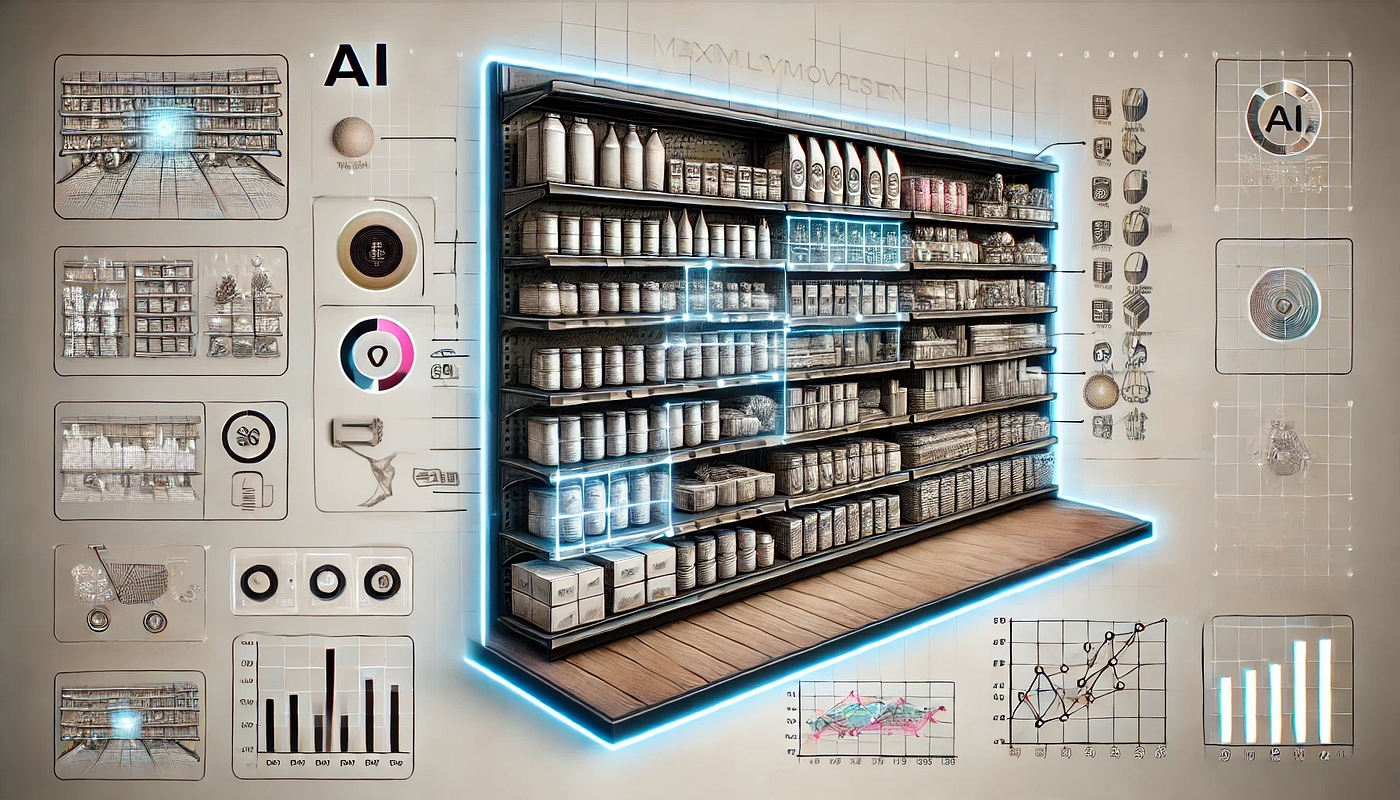
Gone are the days of static, manually updated planograms collecting dust in a manager’s office. Today, AI-powered planograms are revolutionizing shelf management by leveraging real-time data to optimize product placement, inventory turnover, and even customer engagement. But what makes them so effective?
For starters, AI doesn’t just guess—it learns. By analyzing sales patterns, seasonal demand shifts, and even foot traffic, these systems dynamically adjust layouts to maximize visibility for high-margin items or promotions. Globally, pharmacies like Walgreens have slashed planogram development time by 60% using AI. In Malaysia, early adopters like Caring Pharmacy and Watsons are testing similar tools to:
Reduce reliance on manual labor (no more employees shifting products weekly)
Boost compliance with brand-specific layouts across multiple stores
Improve sell-through rates by aligning shelf displays with real-time stock levels
Here’s a local scenario: A pharmacy distributor Malaysia partners with an AI planogram provider. Within weeks, their shelves are automatically optimized for Malaysia’s haze season—allergy meds front-and-center, supported by complementary products like masks and eye drops. Sales rise by 18% without extra staffing costs.
Why this matters for Malaysian pharmacies:
Operational agility: Update layouts chain-wide in minutes, not days.
Data-driven decisions: Replace hunches with actionable insights.
Cost efficiency: Cut wasted shelf space and overstocking.
Learn more : Pharmacy Merchandising: Best Practices for Product Pricing and Promotion in Malaysia
Digital Shelf Talkers and Smart POSM: Driving Strategic In-Store Engagement
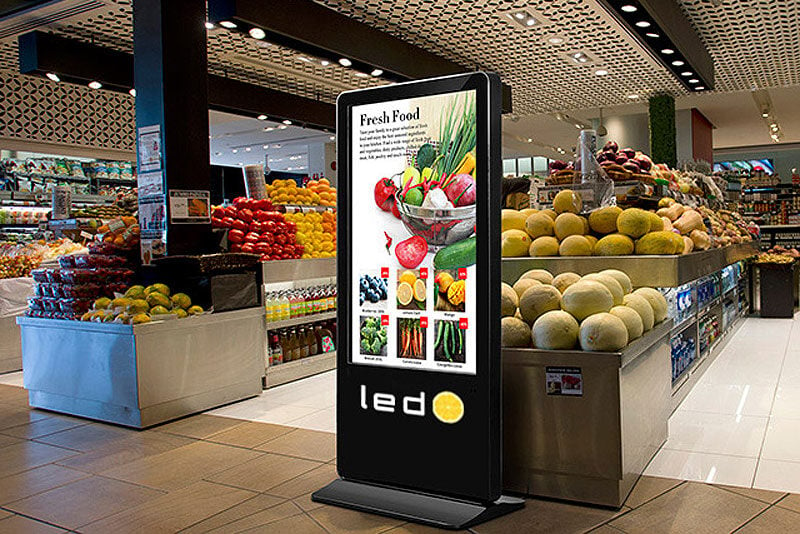
Imagine a shelf tag that does more than display prices—it educates shoppers, promotes flash deals, and even deters counterfeit products. That’s the power of digital shelf talkers, a game-changer for distributor pharmacy networks aiming to blend efficiency with engagement.
Unlike printed POSM (which wastes resources and feels outdated the moment it’s hung), digital solutions offer:
Real-time updates: Swap promotions instantly during peak hours or stock shortages.
Multilingual support: Crucial for Malaysia’s diverse demographics.
Interactive features: QR codes linking to dosage guides or brand authenticity checks.
In South Korea, pharmacies use smart POSM to combat counterfeit supplements—a strategic move Malaysia could replicate given local concerns about fake health products.
Local success story: A KL-based pharmacy wholesale distributor trialed digital shelf talkers during allergy season. The result? A 24% sales lift for promoted items, plus reduced printing costs.
Key advantages for Malaysian retailers:
Consistency: Ensure every branch displays the same promotions.
Sustainability: Cut plastic and paper waste from traditional POSM.
Engagement: Use motion graphics or health tips to slow shopper pace.
Pair these with AI planograms, and you’ve got a reliable, end-to-end merchandising system that works harder than any human team could.
Learn more : In-store Marketing: 7 Ways Retail Brands Can Win at the Point of Purchase
The Rise of Wellness Aisles: Capitalising on Preventive Health Trends

Wellness isn’t just a buzzword—it’s a tailored retail strategy driving foot traffic and bigger baskets. Globally, pharmacies are ditching clinical layouts for lifestyle-focused “wellness aisles” that group supplements, organic skincare, and fitness gear into curated zones.
Why it works:
Euromonitor data shows wellness aisles increase average basket sizes by 20%.
Malaysian example: Guardian’s vitamin zones use minimalist wood shelving and educational displays to attract millennials.
Actionable tactics for Malaysia:
Group immune-boosting products during flu season.
Use QR codes to link to wellness blogs or video tutorials.
Train staff to cross-sell (e.g., probiotic gummies near digestive aids).
This isn’t just merchandising—it’s strategic category storytelling that positions pharmacies as health destinations, not just pill dispensaries.
Learn more : Top 10 Distributors in Malaysia for Vitamin and Wellness Products
Sustainable and Green POSM: Meeting Consumer and Regulatory Expectations

Malaysia’s Extended Producer Responsibility (EPR) policies are coming—and with them, stricter rules on POSM waste. Brands like Unilever already cut POSM plastic by 50%, and shoppers reward such moves.
Local-ready green strategies:
Swap acrylic for bamboo: A KL-based vitamin brand saw 18% higher engagement with biodegradable display stands.
Go digital: Reduce print waste by using screens for promotions (e.g., rotating health tips near the checkout).
Minimalist designs: Less ink, more impact—think kraft paper tags with simple typography.
A distributor pharmacy network avoided 3 tons of annual plastic waste by switching to FSC-certified cardboard displays. For pharmacies, green POSM isn’t just ethical—it’s a tailored way to align with brands like The Body Shop or local favorites like Batai Organics.
Learn more : Company views of consumers regarding sustainable packaging
Data-Driven Merchandising Decisions: Leveraging Global Analytics Locally

In today’s hyper-competitive pharmacy landscape, data-driven merchandising isn’t just a luxury—it’s an essential, strategic imperative. Globally, giants like Walgreens and Boots use predictive analytics to optimize everything from shelf layouts to seasonal promotions. For instance, Walgreens’ AI algorithms analyze flu trends to position immune-boosting supplements at eye level during peak demand, driving a proven 20% uplift in category sales. Yet, in Malaysia, many pharmacy wholesale distributors still rely on outdated manual reports, missing real-time opportunities to align stock with consumer behavior.
Why Data Insights Are Non-Negotiable
– Precision in high-conversion SKU placement: Analytics identify top-performing products (e.g., diabetic care items in urban KL pharmacies) for premium shelf slots.
– Promotional ROI measurement: Track whether “buy 1 free 1” offers on vitamins actually boost basket size or just erode margins.
– Localized demand forecasting: During haze season, pharma distributors in Johor Bahru could pre-stock respiratory masks by analyzing historical sales spikes.
A Malaysian Case Study
A trusted independent pharmacy in Penang used a retail analytics dashboard to monitor weekly sales of prenatal vitamins. By shifting displays near the checkout counter—where expecting mothers often lingered—they achieved a 15% revenue jump in 8 weeks. This underscores how even modest investments in data tools can yield strategic, efficient returns.
Overcoming Local Barriers
While the benefits are clear, Malaysian pharmacies face hurdles like:
Cost constraints: Cloud-based analytics platforms (e.g., Tableau, Power BI) require upfront licensing fees.
Skill gaps: Staff may lack training to interpret data dashboards.
Supplier collaboration: Not all brands share sell-through data, limiting visibility.
Learn more : Top 10 Pharmaceutical Companies in Malaysia 2024
Integrating Global Merchandising Trends with Local Consumer Behaviour

Global trends offer expert frameworks, but success in Malaysia hinges on cultural adaptation. Consider how Watsons Malaysia blends minimalist Japanese merchandising with localized touches:
Bilingual POSM (Malay/English) for inclusivity.
Haze-season planograms highlighting air purifiers and N95 masks.
Wellness aisles that pair traditional jamu remedies with modern vitamins—a nod to 63% of Malaysians who use herbal medicine (NHMS 2023).
Why Localization Drives ROI
A reliable skincare brand saw a 30% higher engagement after replacing generic English POSM with visuals of local influencers like Neelofa and Malay-language claims. Similarly, pharmacy distributor Malaysia teams can:
✅ Use geo-data to tailor assortments (e.g., more sunscreens in coastal regions like Langkawi).
✅ Align promotions with cultural events (e.g., Ramadan wellness bundles).
The Pitfalls of Copy-Paste Strategies
A European supplement brand failed in Malaysia by insisting on English-only packaging and ignoring local preferences for halal-certified vitamins. Lesson? Effective merchandising requires balancing global best practices with hyper-local insights.
Learn more : Integrating Consumer Behavior Insights into Effective Marketing Strategies
Challenges and Considerations in Implementing Global Merchandising Strategies

Adopting global innovations isn’t without friction. Key challenges for Malaysian pharmacy stakeholders:
1. Cost vs. ROI Uncertainty
Digital shelf talkers or AI planogram software can cost RM 15,000–50,000 annually—a steep sum for smaller distributor pharmacy players.
2. Regulatory Compliance
Malaysia’s Advertising Code restricts health claims on POSM. A 2022 incident saw a chain fined for unapproved “immune-boosting” signage.
3. Operational Resistance
Staff accustomed to manual ordering may resist data-driven tools.
Strategic Solutions
Pilot programs: Test AR planograms in 1–2 flagship stores (e.g., Caring Pharmacy’s Bangsar outlet).
Collaborative funding: Partner with brands like Fonterra or Nestlé to co-invest in tech.
Incremental training: Monthly upskilling sessions on tools like NielsenIQ’s shelf analytics.
Future Outlook: Preparing Malaysian Pharmacies for Next-Generation Merchandising
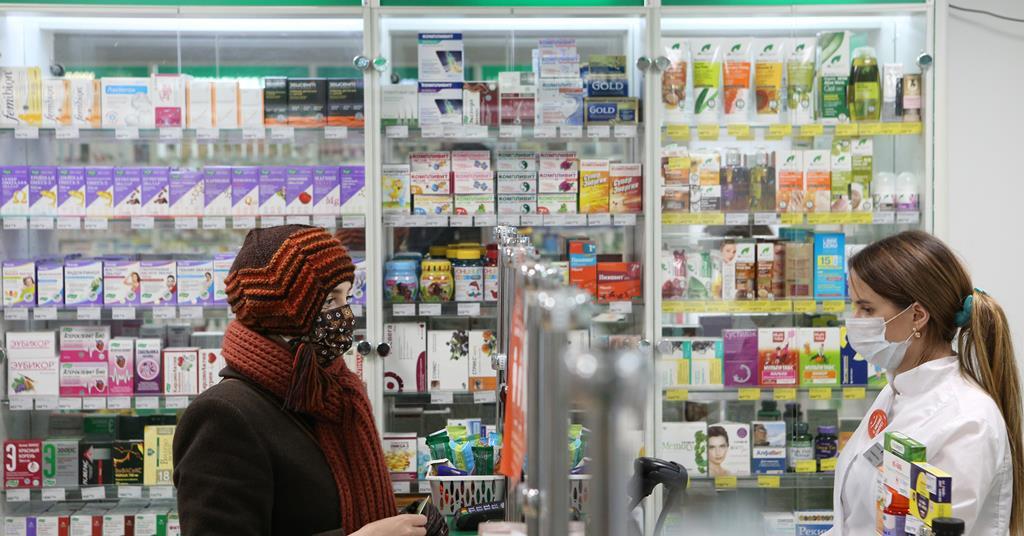
The next decade will redefine pharmacy retail with:
AR-powered planograms: Visualize shelf changes via iPad before physical restocking.
AI consumer analytics: Predict demand shifts using social media sentiment (e.g., surge in vitamin C searches during flu outbreaks).
Actionable Steps for Future-Proofing
Prioritize tech partnerships: Link with trusted providers like Oracle or local startups like StoreHub.
Upskill teams: Certify staff in data literacy via courses from MDEC or HRD Corp.
Monitor regulations: BNM’s upcoming data privacy laws may impact loyalty program analytics.
A Glimpse Ahead
Imagine a Klang Valley pharmacy using AI heat maps to detect that elderly shoppers avoid low shelves. Simply raising arthritis aids to waist-level could boost accessibility and sales by 12%.
The gap between Malaysia’s pharmacy sector and global leaders isn’t insurmountable—it’s an opportunity. By strategically blending data analytics, localized adaptations, and future-ready tools, pharmacy wholesale distributors can transform challenges into competitive advantages.
How can we assist you today? 😊
Just let us know—we’re here to help!