

June 25, 2025
Could Your Product Packaging’s Language Be Costing You Sales in Malaysia’s Pharmacies?
It absolutely can. In the competitive Malaysian pharmacy sector—spanning major chains and neighborhood dispensaries—the words printed on your boxes and bottles aren’t mere details; they’re powerful drivers of trust, understanding, and crucially, purchasing decisions. Serving a richly multilingual population demands more than generic translations.
The Overlooked Gap in Pharmacy Distribution
Here’s the reality many overlook: countless pharmacy distributors and wholesale suppliers still lean heavily on English-first packaging and materials. But when over 60% of Malaysians primarily speak and think in Malay, sticking only with English creates a significant disconnect. This isn’t just about preference; it’s about missed connections and lost revenue. Customers simply won’t engage deeply with products they struggle to comprehend quickly.
Why Localized Language Transforms Pharmacy Sales
So, what’s the fix? Strategic language localization—especially for pharmacy distribution services operating across Malaysia—becomes essential. Getting this right boosts far more than basic brand visibility. It actively builds pharmacist advocacy (they’re more likely to recommend products they—and their customers—clearly trust) and directly lifts sales velocity at the shelf.
What You’ll Discover Here
This deep-dive goes beyond surface advice. We’ll explore the full scope of localization’s impact, from navigating Malaysia’s specific regulatory requirements for pharmaceutical labelling to unpacking real success stories from brands who made the shift. Whether you manage a distributor pharmacy network, develop products, or lead merchandising teams, you’ll find actionable steps to adapt your approach and resonate powerfully with the Malaysian market.
Understanding the Pharmacy Distribution Landscape in Malaysia
Forget just moving boxes. What truly powers a winning pharmacy distribution strategy in Malaysia now? It’s increasingly centered on genuine connection and cultural relevance, woven directly into the supply chain itself. Simply getting products onto shelves isn’t enough anymore.
Understanding this landscape means recognizing its distinct layers:
Retail Chain Partners: Major distributors frequently link directly with big pharmacy names like Guardian or Caring, forming tight operational bonds.
Independent Networks: Specialized distributors serve the crucial community and niche independent pharmacies scattered across neighborhoods.
Wholesale Powerhouses: These players focus on the heavy lifting – massive bulk orders and sophisticated warehousing solutions for broader market coverage.
Within this complex system, localization has undergone a massive transformation. It’s shifted well beyond a surface-level branding exercise to become an absolute driver of actual sales performance. Distributors aren’t just evaluated on their geographic reach or the sheer number of products they carry. Success hinges critically on their demonstrable skill in localizing messaging, educating pharmacy staff effectively, and building authentic connections within specific communities. It’s about context, not just coverage.
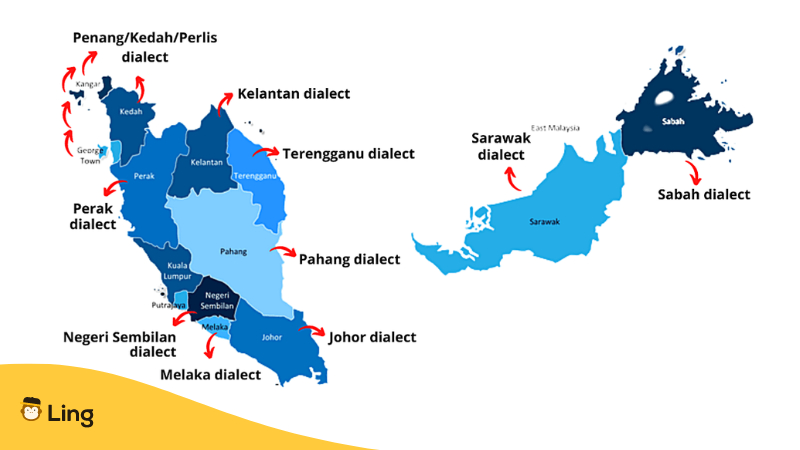
This evolution makes integrating the Malay language throughout the entire value chain far more than a “nice to have” courtesy. For brands aiming to enter or grow their footprint, especially in regions where Malay dominates daily consumer interactions – think Kelantan, Terengganu, or Sabah – it’s become a fundamental competitive necessity. Mastery of Malay communication, from marketing materials right down to sales rep conversations at the pharmacy counter, isn’t optional polish; it’s the essential bedrock for building trust and driving preference in huge segments of the Malaysian market. Companies that grasp this nuance unlock a significant edge, turning distribution into a powerful relationship engine rather than just a physical delivery system. The most effective strategies speak the customer’s language, literally and culturally.
Learn More : The Role of Pharmacy Distribution Services in Malaysia’s Healthcare System
The Role of Language in Consumer Trust and Product Understanding

Picture this common scene: a shopper stands in the pharmacy aisle, holding a product, their expression clouded with uncertainty. They turn the box over, scanning the text, maybe even putting it back down. Sound familiar? Often, that moment of hesitation isn’t about the price or the brand – it’s a language barrier silently at work.
Products relying solely on English labelling can unintentionally create confusion or even alienation, especially within sensitive, personal health categories. Think dietary supplements, digestive wellness aids, or products for maternal care. In these areas, clarity isn’t just nice to have; it’s essential. Consumers actively seek straightforward answers: What exactly is this item? How will it benefit them? And critically, how should they use it safely and effectively? Receiving this vital information in their native language removes a significant barrier to both understanding and comfort.
This isn’t just speculation; frontline healthcare professionals witness the impact daily. As one pharmacist from Alpro insightfully shared, “Explaining product details in Malay directly leads to fewer customer misunderstandings. The clarity translates, quite literally, into faster, more confident purchases right there at the counter.” When information clicks, decisions happen quicker.
Consider the broader context: Malay is undeniably the dominant language for public health communication across Malaysia. It’s the language used in government clinics, public hospitals, and official directives from agencies like KKM (NPRA). This linguistic influence naturally extends into the private pharmacy environment where consumers expect consistency. Shoppers are already conditioned to receive health guidance in Malay elsewhere, making its absence on product packaging feel jarring, even untrustworthy.
Smart brands recognise this powerful connection. Those proactively embracing clear, comprehensive Malay labelling aren’t just being inclusive; they’re building stronger bonds of trust. This trust directly translates into tangible results: better product movement on retail shelves and stronger sales performance overall. Ultimately, speaking the customer’s language – quite literally – is simply smart business in today’s diverse marketplace. It bridges the gap between hesitation and confident purchase.
Learn More : The Role of Language in Healthcare Communication
Case Studies: Brands Winning with Malay-Language Distribution

For brands targeting the diverse Malaysian market, simply translating materials might miss the mark. True success often comes from thoughtful localization into Malay – adapting content to resonate culturally and regionally. Several leading brands demonstrate how this strategy significantly lifts performance:
Take GKB Probiotics as a prime example. They moved beyond basic translation, introducing bilingual packaging alongside Malay-language pharmacist information leaflets. This wasn’t just a language switch; it was a strategic enhancement for clearer communication. The result? A measurable 22% sales increase specifically within their East Coast branches, proving the direct impact of speaking the customer’s language in a culturally relevant way.
Similarly, Appeton Essentials focused their efforts on their immunity product line. Recognizing the crucial influence of pharmacists, especially outside major urban centers, they implemented Malay-centric Point-of-Sale Materials (POSM) and tailored pharmacist recommendation cards. This hyper-localized approach directly addressed suburban consumers’ preferences. The outcome? Significantly stronger pharmacist endorsements in these outlets, driving trust and uptake where it mattered most.
Even within the highly urbanized Klang Valley, Watsons Private Label understands the power of accessibility. They proactively integrate clear Malay instructions and utilize Malay shelf talkers for their complex functional products. This deliberate choice ensures crucial usage information isn’t lost in translation, making sophisticated SKUs far easier for all customers to understand and confidently purchase, regardless of their primary language comfort.
What unites these successes? It wasn’t mere word-for-word translation. These brands invested in deep localization. They carefully considered factors like regional dialect variations, the distinct tone suitable for urban versus rural audiences, and the broader Malaysian cultural context. By doing so, they achieved far more than just linguistic accuracy. They fostered increased pharmacist advocacy, built higher consumer confidence in product understanding and suitability, and ultimately, secured stronger repeat purchase behavior. This strategic commitment to authentic Malay communication demonstrably translates into tangible business growth across different regions in Malaysia. It shows customers you truly understand them, and that builds loyalty.
Learn More : How Localization Drives Product Success
Strategic Benefits for Pharmacy Distributors
In the intricate dance of getting products from global brands onto the shelves of Malaysia’s neighborhood pharmacies, distributors aren’t just middlemen—they’re the indispensable bridge. This critical positioning uniquely qualifies them to spearhead effective localization efforts. But why should they take the lead, especially for a pharmacy distributor Malaysia market? Let’s unpack why their role is non-negotiable.
Firstly, distributors possess the frontline understanding. They interact daily with both brand demands and retailer realities across the diverse Malaysian landscape. By championing localized content – think translated usage instructions, culturally resonant marketing wobblers, and compliant labeling – a pharmacy distributor directly tackles shopper hesitation. When customers encounter information in Bahasa Malaysia or familiar dialects, uncertainty melts away, significantly boosting sell-through rates. It removes a major friction point right at the critical moment of purchase.
Moreover, localization empowers pharmacists, the trusted advisors in every community. Providing them with materials in their primary language allows for confident, accurate product recommendations. They can explain usage clearly, address concerns effectively, and build stronger patient relationships—ultimately driving product adoption and loyalty based on trust. This confidence translates directly into better health outcomes and repeat business.
Consistency is another massive win. Distributors ensure the same localized messaging and materials appear across all retail touchpoints, from major chains in KL to independent pharmacies in smaller towns. This unified brand experience reinforces credibility and avoids confusing the consumer with mixed signals. Critically, a savvy pharmacy distributor Malaysia partner also navigates the complex web of local regulations. Proper localization inherently supports compliance, mitigating legal risks for both brands and retailers (we’ll explore regulatory nuances deeper later).
Now, let’s talk cost-effectiveness—because the ROI here is genuinely compelling. Contrary to assumptions, foundational localization isn’t a budget-buster. Simple, high-impact actions like translating key usage guides or designing targeted shelf wobblers often costs coming in under RM500 per SKU typically. Yet, when strategically timed with nationwide health campaigns or seasonal demand spikes (think flu season or Ramadan), these small investments trigger disproportionately large sales uplifts. It’s leveraging existing campaigns for maximum local impact.
The bottom line? In today’s competitive Malaysian pharmacy market, viewing localization merely as an optional add-on expense is a strategic misstep. For forward-thinking distributors, providing tailored, regionally relevant content isn’t just a service; it’s evolved into a fundamental, value-driving component of core merchandising. The distributor who masters this doesn’t just move boxes; they build brands and unlock growth at the local level.
Key Areas for Malay Language Integration
So, you’re ready to connect authentically with Malaysian consumers? Smart move. But figuring out where exactly to focus your Malay localization efforts can feel overwhelming. Don’t sweat it. Let’s break down the absolutely essential starting points, ensuring your products resonate deeply within pharmacies and beyond. Getting this right, especially for items where ingredient knowledge is crucial for purchase, makes a massive impact.
1. Product Packaging: Your First & Most Critical Touchpoint
This isn’t just about slapping on a translation. It’s about clarity and trust. You absolutely need to translate all functional claims, precise dosage instructions, and usage guidelines into clear Malay. Accuracy here is non-negotiable. Furthermore, rigorously maintain terminology that aligns perfectly with Malaysia’s National Pharmaceutical Regulatory Agency (NPRA) standards. Consistency builds credibility; shoppers and pharmacists need to instantly understand exactly what your product does and how to use it safely. Messy translations on the box create instant doubt.
2. Point-of-Sale Materials (POSM) & Shelf Talkers: Capturing Attention Locally
Standing out on crowded pharmacy shelves demands more than just visibility. Your POSM and shelf talkers need to speak the customer’s language – literally and figuratively. Ditch overly complex jargon. Instead, highlight your product’s unique benefits using accessible, everyday Malay. Think about incorporating friendly, conversational phrases that regular pharmacy shoppers instantly recognize and relate to. Phrases like “sesuai untuk…” (“suitable for…”) or “bantu…” (“helps…”) feel much more natural than stiff marketing-speak. It’s about making that immediate, relatable connection right at the decision point.
3. Empowering Pharmacists: Bilingual Education Tools are Key
Pharmacists are your vital allies and trusted advisors to consumers. Equip them effectively! Develop handy bilingual recommendation cards they can easily share with customers, summarizing key benefits in both Malay and English. Complement these with quick-reference FAQ guides written primarily in straightforward Malay. These tools save pharmacists time and boost their confidence when explaining your product’s specifics to Malay-speaking customers, leading to better recommendations and sales. Making their job easier directly benefits your brand.
4. Digital Presence: Malay Content is Non-Negotiable Online
Don’t let your online presence feel disconnected from your in-store strategy. Optimize your e-commerce listings and social media platforms by adding compelling Malay product descriptions (“blurbs”). Strategically include relevant Malay hashtags like #kesihatandalaman (internal health) or #sistempencernaan (digestive system) to improve discoverability. And for product demo videos? A clear Malay voice-over is essential – it significantly increases engagement and comprehension compared to subtitles alone. People want to hear information in their own language.
Why This Focus Matters, Especially for Functional Products
For functional health items – think specialized probiotics like LACTOMEAL, targeted collagen sachets, or specific supplements – purchase decisions heavily rely on understanding ingredients and mechanisms. Clear Malay explanations bridging this knowledge gap? They aren’t just nice-to-have, they fundamentally make or break the sale. When consumers grasp how something works and why it might help them, trust skyrockets. Investing in thoughtful localization across these four core areas is the absolute foundation for winning in the vibrant, diverse Malaysian market. It shows respect and builds real relationships.
Learn More : Pharmacy Merchandising Strategies in Emerging Markets
Regulatory Considerations: NPRA and Language Guidelines
Is localization in Malaysia merely a clever tactic to boost sales? Or is it something far more fundamental? For distributors and manufacturers navigating this market, understanding the regulatory landscape is critical. The reality is clear: including Malay language on product labeling isn’t just smart marketing—it’s an absolute regulatory necessity, especially for specific health-related categories.
Malaysia’s National Pharmaceutical Regulatory Agency (NPRA) mandates that consumer-use information must be presented in Malay. This requirement isn’t optional; it’s foundational for compliance. Key product segments falling firmly under this rule include traditional medicines, over-the-counter (OTC) pharmaceuticals, and dietary supplements. Ignoring this directive carries tangible risks.
Products registered under specific MAL or NOT numbers face direct consequences for non-compliant labeling. Failure to integrate Malay text properly can significantly delay your product approval process, creating frustrating bottlenecks. Worse, it can lead to formal penalties and fines, impacting your bottom line and market access. Furthermore, during routine inspections by the Ministry of Health (KKM), labels presented solely in languages other than Malay frequently trigger immediate concerns. This risk escalates considerably for items deemed “sensitive” within these regulated categories – it’s a major red flag inspectors actively look for.
Therefore, distributors collaborating with pharmacy distribution services in Malaysia need deep expertise that extends well beyond efficient logistics. True success hinges on mastering intricate regulatory nuances. Essential practices include:
Proactively submitting bilingual packaging mockups during the registration phase, demonstrating full compliance upfront.
Ensuring all translations are rigorously verified by certified linguistic experts – accuracy is non-negotiable for regulatory acceptance.
Synchronizing Point-of-Sale Materials (POSM) updates meticulously with the product registration renewal cycle. Outdated POSM can be as problematic as incorrect primary labels.
Ultimately, integrating Malay isn’t a sales strategy you can choose to adopt or ignore. It’s a core component of your legal obligation to operate within the Malaysian market, particularly for health and wellness products. Overlooking these mandates invites delays, fines, and potentially halted distribution. Getting the language right, procedurally and linguistically, is simply fundamental for sustainable market access and smooth operations. Partnering with experts who grasp these complexities is invaluable, because the cost of non-compliance is often much higher than the investment in getting it right the first time.
Learn More : How to Ensure Regulatory Compliance for Pharmacy Distribution in Malaysia | The Role of Employee Training in Effective Pharmacy Merchandising | Multilingual Labeling Requirements for Pharmaceuticals
Challenges and Misconceptions About Localization

Ever hear brand owners hesitate, whispering concerns like, “But won’t English just feel more upscale? Could slipping Malay into our communications somehow cheapen the brand’s image?” It’s a surprisingly persistent question in certain circles. Let’s cut through the noise and tackle these myths head-on, because the reality of connecting with the Malaysian consumer is quite different – and far more strategic.
Myth Buster #1: “Malay = Mass Market, Therefore Less Premium.”
✅ The Reality: Authentic localization isn’t about discounting your value; it’s about building genuine bridges of trust. Think about it: a customer faced with complex product information is fundamentally more likely to engage with, understand, and ultimately purchase something presented clearly in their own language. Using Malay demonstrates respect for your audience’s context and needs. It signals that you’re genuinely here for them, fostering a deeper connection that pure English messaging often struggles to achieve. Perception of quality stems from the product’s actual benefits and brand integrity, not solely the language used to describe it. Clarity builds confidence, and confidence drives premium perception.
Myth Buster #2: “Oh, Malay? We Only Need That for Rural Pharmacy Shelves.”
✅ The Reality: This assumption drastically underestimates the sophisticated, urban Malaysian market. Take the highly competitive Klang Valley – even here, pharmacists dealing with intricate medical products consistently express a strong preference for bilingual guides and information. Why? Because accuracy and comprehension are absolutely paramount when explaining mechanisms, dosages, or potential interactions. Relying solely on English, even with highly educated professionals in metropolitan areas, introduces unnecessary risk and friction. Providing information in Malay alongside English isn’t just a rural courtesy; it’s a mark of professionalism and thoroughness demanded everywhere.
Acknowledging the Real Hurdles (They’re Solvable!)
Of course, integrating Malay effectively presents genuine challenges that demand attention:
Precision is Key: Translating scientific terminology, functional claims, or complex instructions demands meticulous accuracy. A single mistranslated term can have serious implications in healthcare.
Voice Consistency: Maintaining your brand’s unique personality, tone, and core messaging across both English and Malay versions requires careful adaptation, not just literal translation. You gotta sound like “you” in both languages.
Avoiding Automation Pitfalls: Over-reliance on basic machine translation tools is a recipe for embarrassing errors, awkward phrasing, or even culturally insensitive blunders. Human expertise is non-negotiable.
Here’s the empowering truth:
These aren’t dead ends. Each challenge is entirely manageable – and overcomeable – with the right approach. Partnering with experienced linguistic professionals who understand both pharmacy and marketing nuances is crucial. Leveraging specialized translation technology supported by human review enhances consistency. Finally, weaving localization into your overall pharmacy merchandising strategy from the outset, rather than tacking it on as an afterthought, ensures seamless integration that resonates powerfully at the shelf and beyond. The path to a stronger, more trusted Malaysian brand presence starts with speaking their language, literally and figuratively.
Actionable Steps for Distributors and Brand Owners

Breaking into the vibrant Malaysian pharmaceutical market demands more than just shipping products. Truly connecting requires speaking the local language – literally. Embedding Malay into your distribution strategy is non-negotiable for resonance. Here’s your actionable roadmap:
Step 1: Conduct a Thorough Material Inventory
Don’t guess; know exactly what needs adapting. Scrutinize every customer-facing element: packaging labels, leaflets, point-of-sale materials (POSM), pharmacist training guides, reference documents, and even your digital shelf presence (e-commerce listings, website content). Pinpoint every spot where language matters for understanding or compliance.
Step 2: Partner with a Culturally Attuned Translation Expert
Generic translation won’t cut it. You need a specialist fluent both in Malay and the unique expectations of Malaysian health consumers. This partner must grasp medical terminology, regulatory nuances (like NPRA requirements), and local health-seeking behaviors to ensure messaging isn’t just accurate, but genuinely persuasive and culturally relevant. They contextualize, not just convert words.
Step 3: Leverage Local Pharmacy Distribution Expertise
Your distributor is your frontline ambassador. Choosing one with deep roots in the Malaysian pharmacy landscape is crucial. Prioritize partners who intrinsically understand local market segmentation, regional preferences, and, critically, possess native-level Malay proficiency within their operational teams. This ensures your localized materials are used effectively on the ground.
Step 4: Prioritize Strategic SKU Localization
Tackling everything at once is overwhelming and inefficient. Begin by localizing your highest-impact products. Focus either on your absolute best-sellers or items heavily recommended or explained by pharmacists (“pharmacist-driven”). This focused approach delivers quicker wins, builds internal confidence, and maximizes the return on your localization investment from the get-go.
Step 5: Empower Your Retail Frontline
Localized materials only work if the staff use them. Actively share all your new Malay resources – product info sheets, training modules, quick-reference guides – with pharmacists and retail assistants. Proper training ensures they confidently leverage these tools during customer interactions, smoothing the path to purchase and enhancing trust. This step bridges the gap between preparation and real-world execution.
Whether you develop brands, manage product lines, or operate pharmacy distribution networks, this structured approach prevents your products from getting lost in translation. It builds the linguistic and cultural bridges essential for success in Malaysia’s competitive health sector. Careful implementation ensures your offerings meet consumers in the language they trust most.
Simply ticking the regulatory box for Malay language use isn’t the real goal here. The true power lies in forging deeper connections—boosting relevance and nurturing essential trust at every single touchpoint with your Malaysian customers. Let’s be honest, the pharmacy sector here is fiercely competitive. Brands that genuinely commit to localization? They consistently see stronger backing from pharmacists, achieve much clearer communication with end-users, and ultimately secure better product performance right there on the shelf. It doesn’t matter if you’re an independent distributor focusing solely on pharmacies, manage wholesale operations supplying them, or are the brand owner yourself—integrating authentic Malay communication is far more than just a nice-to-have. It’s a practical, results-driven strategy proven to work.
Trying to tap into the full potential of language-driven distribution success all by yourself? That can be a real challenge. Truly maximizing your product’s reach demands specialized support.
📞 Partner with PriooCare for Expert Pharmacy Distribution Solutions
PriooCare delivers dedicated end-to-end pharmacy distribution service across Malaysia. We go beyond simple logistics. Our comprehensive offering includes full merchandising muscle on the ground, critical regulatory navigation expertise you can rely on, and flawless retail execution strategies tailored for both sprawling major chains and vital independent community outlets. Think of us as your extension in the market.
Ready to move beyond basic compliance? Let’s build a true partnership focused on optimizing your market penetration. We bring the nuanced local language expertise, the precise operational tools, and the strategic insight needed to win. Collaboration is key to unlocking sustainable growth in this unique landscape.
How can we assist you today? 😊
Just let us know—we’re here to help!