

July 3, 2025
Ever feel like you’ve tried everything to boost product movement – competitive pricing, perfect placement – yet results still lag? What if the hidden hurdle isn’t what you typically track, but something more fundamental: language? Within Malaysia’s complex pharmacy sector, this overlooked factor trips up distributors far more often than most assume.
Language transcends simple communication; it acts as the critical bridge to building genuine consumer trust, ensuring accurate product understanding, and driving crucial compliance. This is especially vital for pharmacy distributors operating across Malaysia’s diverse regions, Brunei, and Indonesia. Navigating these varied linguistic landscapes means the precise words used aren’t just nice-to-have – they fundamentally determine whether your distribution strategy thrives or stumbles.
Whether you run an independent pharmacy distribution outfit, manage a dedicated distributor pharmacy, or oversee a comprehensive pharmacy distribution service across Malaysia, integrating truly localized communication is non-negotiable. Ignoring this can lead to misunderstandings that erode confidence, impact correct usage, and ultimately stall sales. Effective communication must resonate deeply within each specific cultural context you serve.
This piece dives into how language powerfully shapes buyer perceptions and actions throughout the distribution chain. We’ll explore why generic messaging falls flat and how culturally-aligned communication becomes a potent competitive edge. Expect actionable insights to refine your merchandising services, ensuring they connect authentically with local audiences and drive sustainable distributor success in this dynamic market. Mastering this aspect could well be the key that finally unlocks your full market potential.
Learn More : The Role of Pharmacy Distribution Services in Malaysia’s Healthcare System
Understanding the Linguistic Landscape of Malay-Speaking Countries
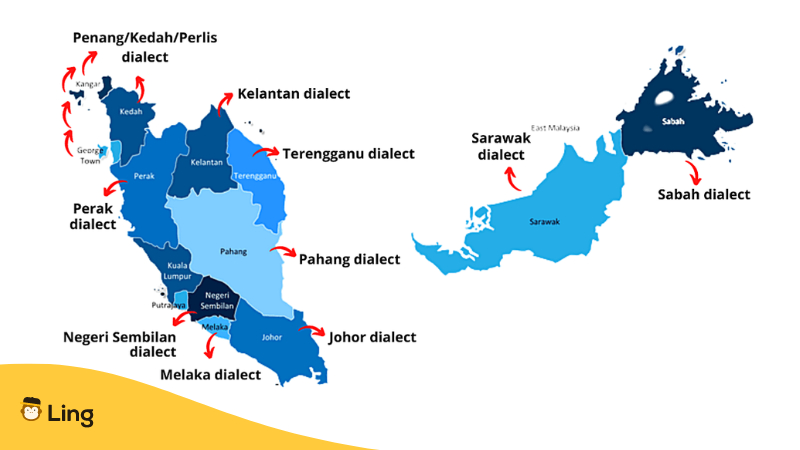
Ever wonder how many ways you can express “relief” when stocking a pharmacy shelf in Southeast Asia? The answer, friend, depends entirely on your location. This vibrant region presents a fascinating linguistic puzzle for healthcare distributors, where shared roots don’t always mean shared expressions.
Take neighbors Malaysia, Brunei, and Indonesia, for instance. They share deep historical and linguistic connections. Bahasa Malaysia holds official status in both Malaysia and Brunei, while Bahasa Indonesia reigns supreme across the straits. Sounds straightforward? Not quite. Walk into an urban Malaysian pharmacy, and conversations effortlessly weave between English, Mandarin, and Tamil alongside the national language. It’s a dynamic, multilingual environment.
This rich diversity means a single, standardized approach for distributors? It simply falls flat. Successfully navigating the Malaysian pharmacy sector, specifically, demands keen linguistic awareness. Here’s the breakdown:
Non-Negotiable Packaging: Bahasa Malaysia is absolutely mandatory for all regulated healthcare product labels and packaging – there’s no skipping this regulatory step.
Urban Digital Channels: When targeting city dwellers online, through e-commerce platforms or digital ads, English frequently becomes the preferred language for effective communication.
Hyper-Local Connection: To truly resonate in specific communities, incorporating Chinese or Tamil translations can dramatically boost your reach and relatability.
Sure, managing three or four languages adds undeniable complexity to logistics and marketing. Let’s be honest, it requires extra effort. However, savvy distributors see this multilingual landscape not just as a hurdle, but as a significant strategic advantage. Investing in properly localized materials – think brochures, websites, and staff training resources in relevant languages – consistently leads to much deeper customer engagement. Why? Because it builds trust and demonstrates cultural respect.
Ultimately, partnering with distribution services that truly grasp this linguistic nuance pays off. It enables smoother collaboration with local pharmacies, ensures crystal-clear product positioning on crowded shelves, and translates directly into stronger sell-through rates. Getting the words right for “relief” is more than translation; it’s the key to unlocking the Southeast Asian market. You gotta speak the customer’s language, literally, to move product effectively.
Language as a Trust-Building Tool in Consumer Health Behavior

Ever wondered why some health supplements fly off the shelves while others gather dust? Surprisingly, the answer often lies not just in the formula, but in the words used to describe it. Can simple word choice genuinely influence whether a consumer trusts a product enough to buy it, or decides to skip it entirely? The evidence strongly suggests: absolutely yes.
Building trust in health products hinges critically on clear, relatable communication. When consumers encounter labels using familiar, locally resonant terms – like “melancarkan peredaran darah” instead of complex medical jargon for “promotes circulation” – understanding deepens and confidence grows. This linguistic comfort isn’t limited to packaging; it extends powerfully into the pharmacy itself. Conversations between pharmacists and patients carry far more weight when conducted in the language the patient feels most at ease with, directly shaping their perception of both the advice and the product recommended.
Real-world examples from Malaysian pharmacies vividly illustrate this principle:
Healthlane Pharmacy: Recognizes the power of clarity, frequently employing dual-language signage (Bahasa Malaysia + English) throughout its branches. This ensures vital information is accessible to the widest possible customer base.
Caring Pharmacy: Takes a customer-centric approach by prioritizing Bahasa Malaysia scripts during pharmacist-led supplement consultations. This deliberate choice fosters a more comfortable and trusting dialogue.
Product Packaging Impact: Across various chains, supplements featuring clear Malay descriptors consistently demonstrate stronger consumer pick-up rates, especially noticeable in suburban locations. Local language on the box speaks directly to local needs.
Beyond just vocabulary, tone plays an equally crucial role. Overly formal, technical copy can unintentionally create distance, making products feel inaccessible or cold to the average shopper. Conversely, adopting a conversational yet thoroughly professional tone in Bahasa Malaysia significantly boosts relatability. Pharmacies that master this balance – understanding precisely which linguistic register resonates within their merchandising, from shelf talkers to consultation scripts – often see a dramatic positive shift in consumer engagement and sales outcomes. Choosing the right words isn’t just about translation; it’s about building genuine connection and trust in the competitive health market. Getting the language right literally translates to better results.
Strategic Language Localization for Independent Pharmacy Distributors

For independent pharmacy distributors in Malaysia, competing against massive wholesale players might seem daunting. How do you possibly stand out? The answer lies not in matching their scale, but in leveraging a powerful, often overlooked advantage: deeply understanding and speaking your customer’s language – literally.
While large distributors often push standardized solutions across regions, smaller players possess a critical edge: agility. This flexibility allows them to rapidly tailor their approach to the specific linguistic and cultural nuances of different Malaysian communities. And in the competitive pharmacy sector, language localization becomes a game-changing differentiator.
Beyond Simple Translation: Winning Localization Tactics
True localization goes far beyond basic word-for-word conversion. It’s about clarity, context, and cultural resonance. Here’s how savvy distributors implement it:
Crystal-Clear POS Materials in Bahasa Malaysia: Translating point-of-sale items (leaflets, posters, shelf talkers) isn’t enough. Ensure health information is conveyed in Bahasa Malaysia with absolute clarity and context relevant to local health understanding. Ambiguity can erode trust.
Pharmacist-Centric Training in Malay: Don’t just translate generic training decks. Customize product training materials specifically for Malaysian pharmacists, using the exact terminology and explanations they employ daily with their diverse customers. This makes the information instantly usable and builds credibility.
Culturally Nuanced Visual Merchandising: Elements like bunting, wobblers, and shelf displays shouldn’t feel imported. Adapt colours, imagery, symbols, and messaging to reflect local cultural sensitivities and preferences. What resonates in Kuala Lumpur might not in Kota Bharu.
Why This Local Focus Wins
The results speak for themselves. Pharmacies equipped with genuinely localized displays and communication consistently outperform those relying on standardized, one-size-fits-all materials from bigger competitors. Why? Because localization signals far more than just language proficiency.
It demonstrates empathy – showing you understand the community’s specific needs and context. It builds trust and credibility by communicating complex health information in the most accessible way. Ultimately, it signals genuine care for the customer and the pharmacist serving them. In a market where trust is paramount, this deep local connection, powered by agility and authentic localization, is how smaller distributors consistently punch above their weight and carve out a loyal customer base.
Learn More : The Impact of Lighting, Layout, and Store Design on Pharmacy Merchandising in Malaysia | Quantitative Analysis of Implementation Challenges of IoT-Based Digital Supply Chain
Role of Language in Compliance, Safety, and Regulatory Perception

Absolutely. Operating within Malaysia’s pharmaceutical market demands strict adherence to the National Pharmaceutical Regulatory Agency’s (NPRA) clear directives. A fundamental rule? Critical product details – especially for over-the-counter (OTC) medications and dietary supplements – must be presented accurately in Bahasa Malaysia. Overlooking this requirement isn’t a minor oversight; it risks serious consequences, including product delisting or even a mandatory recall.
For distributors, achieving compliance means meticulous attention to several key areas:
Clarity is Non-Negotiable: Ingredients, usage instructions, and vital safety warnings must be communicated in Malay with absolute precision. Ambiguity here is simply unacceptable.
Beyond Literal Translation: Accuracy isn’t just about word-for-word conversion. Translations need to be clinically precise, ensuring the intended medical meaning is fully preserved and understandable to consumers. A technically literal but misleading translation can be just as dangerous as no translation at all.
Inventory Vigilance: Managing multilingual stock effectively is crucial. Distributors must implement robust systems to prevent mix-ups where packaging from different batches or language versions get mismatched – this is a frequent compliance pitfall.
For pharmacies acting as distributors, the stakes extend far beyond legal boxes checked. The language clarity directly shapes consumer perception of product safety and reliability. When a patient misunderstands a supplement’s purpose or dosage instructions due to a poor translation, it doesn’t just cause confusion; it fundamentally compromises consumer confidence in both the product and the pharmacy itself. Compliance, therefore, is deeply intertwined with reputation management – it’s about building and maintaining trust.
Furthermore, within Malaysia’s richly diverse, multiracial society, language sensitivity is paramount. Products perceived as poorly localized or inadequately translated can inadvertently signal exclusion. Consumers might feel the item simply “isn’t for them,” leading to lost sales and a damaged brand image that transcends regulatory fines. Ensuring clear, accurate Bahasa Malaysia information isn’t just about following rules; it’s about demonstrating respect for the market and safeguarding your product’s acceptance and success.
Learn More : Applications of Blockchain in Healthcare: Current Landscape & Challenges | PharmaChain: A Blockchain to Ensure Counterfeit Free Pharmaceutical Supply Chain
Digital Distribution and E-Commerce: Language Matters Online Too

The explosive growth of pharmacy e-commerce across Malaysia post-pandemic highlights a critical factor often overlooked: the language used in your digital storefront matters just as much as the products you sell. Understanding how people actually search online reveals powerful insights you simply can’t ignore.
Data paints a clear picture of user preference. Search volumes consistently show terms like “ubat kolesterol terbaik” significantly outperform their direct English translations. This preference isn’t just a quirk; it’s a fundamental pattern. Engagement metrics further demonstrate that content primarily in Bahasa Malaysia resonates much more strongly, especially with users in suburban areas and the vast majority browsing on mobile devices. Adding another layer, the language used in comments and discussions on social media platforms frequently points towards crucial demand and distribution hotspots for savvy businesses.
So, what’s the actionable takeaway for pharmacy wholesalers and online pharmacies aiming to capture this market? It demands a conscious shift towards linguistic inclusivity:
Optimize Core Listings: Product titles and meta descriptions absolutely need to cater to both Bahasa Malaysia and English speakers. Don’t force a choice; cover both bases.
Enrich Content Deeply: Go beyond surface-level translations. Weave commonly used Bahasa Malaysia health terms and phrases naturally into your image alternative text (alt-text) and, crucially, within your blog articles and informational content. This builds relevance.
Empower Your Teams: Equip your social media response teams with the skills and resources to interact genuinely in the customer’s preferred language. Authentic communication builds trust.
Embracing Bahasa Malaysia within your digital distribution strategy isn’t just about courtesy; it’s a fundamental requirement for wider reach and improved search engine indexing. Ignoring the clear preference for Malay-language searches means sacrificing significant visibility. This gap becomes particularly stark outside the Klang Valley, where the reliance on local language terms is even more pronounced. Ultimately, speaking your customer’s search language is no longer optional for success in Malaysia’s thriving online pharmacy space – it’s the essential key to unlocking your full audience potential. Missing this means leaving real opportunity on the table.
Learn More : Digital Transformation in Malaysia’s Pharmaceutical Distribution Services | Adaptive User Journeys in Pharma E-Commerce with Reinforcement Learning: Insights from SwipeRx
Communication Gaps Between Distributors and Pharmacies: A Language Barrier?
It’s a frustrating reality many pharmacies face: internal miscommunication directly impacting the bottom line. Frequently, the culprit lies in unclear operational documents. When critical materials like Standard Operating Procedures (SOPs), staff training guides, or promotional campaign instructions are distributed solely in English, essential details often fail to reach frontline pharmacists effectively, especially those serving customers in suburban communities. This disconnect creates costly operational friction.
The Tangible Challenges Pharmacies Experience:
Translation Burden & Risk: Bilingual pharmacists often feel pressured to interpret complex English documents themselves on the fly. This well-intentioned effort, however, carries significant risk. Nuances get lost, leading to accidental misinformation spreading among staff and potentially reaching customers.
Terminology Mismatches: Order forms using corporate jargon might not align with the specific terms programmed into the local pharmacy’s dispensing software. This inconsistency causes confusion during ordering, slows down processing, and can even result in inventory errors.
Regional Dialect Confusion: Distributors or suppliers visiting from other states sometimes use highly regionalized language or slang during interactions. For local pharmacists focused on precise protocols, these unfamiliar dialects can obscure important delivery instructions or product updates.
Building Clarity: Practical Solutions for Smoother Operations
The path forward hinges on embracing linguistic accessibility within core operations:
Prioritize Malay in Key Launches: For major new service rollouts or product introductions, SOPs should be developed Malay-first or presented bilingually (Malay/English) right from the start. This ensures foundational instructions are crystal clear for every team member.
Localize Training Materials: Move beyond generic English decks. Invest in creating training presentations and quick-reference guides utilizing the primary regional languages spoken by your pharmacy teams, enhancing comprehension and retention dramatically.
Merchandising That Speaks Their Language: Pharmacy-facing promotional kits, planogram instructions, and point-of-sale materials must be provided in fully localized formats. Clarity at the counter starts with clarity in the guidance provided.
Ultimately, achieving truly reliable merchandising execution and seamless supply chain flow depends on one critical factor: linguistic consistency. Ensuring vital information is accurately delivered in Malay all the way from the central warehouse right through to the pharmacist at the counter isn’t just good practice—it’s fundamental for maximizing sales accuracy and customer trust. Getting this right removes a major, hidden barrier to pharmacy success. The investment in clear communication pays off directly in smoother operations and healthier revenue.
Case Study: Language-Driven Distribution Success in Malaysian Pharmacies

Ever wonder what truly happens when a company nails language localization? It’s more than swapping words; it’s about deeply connecting. A powerful example comes from Malaysia’s pharmacy sector. A major distributor there launched a plant-based digestive supplement across 20 Caring Pharmacy outlets, committing to genuine, full-scale localization – and the results speak volumes.
Instead of just translating, they crafted a truly Malaysian experience. Point-of-sale (POS) materials appeared fluently in Bahasa Malaysia and Chinese, reflecting the nation’s core linguistic landscape. Critically, pharmacist training was delivered Malay-first, ensuring the frontline experts were not just informed, but truly comfortable and confident discussing the product. They didn’t stop there; the supplement’s health benefits were thoughtfully reframed using culturally familiar terms and concepts, making the advantages instantly relatable to diverse local shoppers.
The impact? Nothing short of impressive. Within just two months, the brand saw a striking 25% increase in monthly sell-out rates. Pharmacists demonstrated significantly stronger recall and actively recommended the product more frequently – a testament to the effective training. Perhaps most telling for long-term success, repeat buyers doubled in key suburban areas, indicating strong consumer trust and satisfaction built through relevant communication.
Now, contrast this sharply with another supplement brand in the same market. Relying solely on English packaging and materials, it failed to resonate. The consequence? It faced delisting in 6 different outlets due to consistently poor customer uptake and sluggish sales.
The lesson couldn’t be clearer. Language isn’t just a detail; it’s a powerful lever for growth or, when ignored, a silent barrier that blocks market potential. This Malaysian case shows authentic localization – respecting language, training, and cultural context – directly drives shelf movement, builds brand loyalty, and ultimately, fuels the bottom line. It’s strategic, not superficial.
Key Takeaways for Optimizing Distribution Through Language Strategy
Thinking about weaving local language deeper into your pharmacy distribution approach across Malaysia? It’s not just a nice-to-have anymore; it’s becoming fundamental for genuine market penetration. To truly resonate and ensure your products move efficiently from warehouse to end-user, a dedicated linguistic strategy is essential. Here’s a practical roadmap for embedding Malay effectively:
Your Action Plan for Linguistic Integration:
Mandatory Malay Labelling: Absolutely every product, including specialized supplements, requires clear Malay information on its labels. This isn’t just compliance—it’s basic clarity for consumers and pharmacists alike.
Localized Staff Training: Invest in adapting all training resources into Bahasa Malaysia. When your frontline pharmacy staff grasp concepts fluently in their preferred language, product knowledge and advocacy soar.
Culturally-Relevant POS Materials: Ditch generic health terms. Point-of-sale displays and shelf signage must utilize health terminology familiar and trusted within the local Malaysian context to capture attention and build confidence.
E-Commerce Search Optimization: Don’t overlook the digital shelf. Structure your online product listings meticulously around how Malaysian consumers actually search in Malay for health solutions, boosting discoverability significantly.
Internal Communications Priority: Make Bahasa Malaysia the default language for all correspondence and instructions shared directly with pharmacy partners. Clear internal dialogue prevents costly errors and builds stronger relationships.
Regional Dialect Awareness: Recognize that language nuances shift across regions. Proactively monitor these subtle differences and tweak your messaging where feasible to connect more authentically at a local level.
Beyond Simple Visibility Lies Comprehension:
Ultimately, sophisticated merchandising services transcend just getting products seen. They hinge entirely on ensuring those products are understood. If pharmacists feel uncertain about your brand’s specifics or if consumers struggle to grasp benefits and usage, well, they simply won’t actively recommend or purchase them. That trust gap directly hits your bottom line.
From dominating online marketplaces to crafting impactful shelf talkers in physical stores, consider language not as an afterthought, but as a core, strategic lever within your overall pharmacy distribution toolkit in Malaysia. Mastering this unlocks doors mere translation cannot reach. It’s about building genuine connection in a crowded, competitive landscape where clarity really does drive conversions and loyalty. They’re realizing it’s essential for sustainable growth in this unique market.
Forget thinking of language as just another box to tick in your marketing plan. When it comes to pharmacy distribution in Malaysia’s incredibly diverse healthcare market, language is absolutely foundational – a core strategic pillar that directly determines your success or failure. It’s not merely what you offer that counts; the way you communicate it, the words you choose, and the cultural nuance you embed carry equal weight. This reality impacts every single facet of the distribution journey.
Think about it: building genuine trust with consumers hinges on clear, relatable communication they understand deeply. Ensuring meticulous regulatory compliance demands precise language that leaves zero room for misinterpretation. And securing crucial buy-in from pharmacists? That requires messaging that resonates with their professional priorities and speaks directly to their needs. Language isn’t passive; it actively shapes perceptions, drives decisions, and ultimately dictates outcomes across the entire supply chain. Distributors who truly grasp this, and invest in authentic localization across every touchpoint – from physical packaging and shelf talkers to digital platforms and sales rep training – unlock a powerful advantage. They build stronger connections, foster deeper loyalty, and establish far more resilient footholds within this competitive landscape.
Sure, the specifics of pharmacy distribution service in Malaysia will keep evolving – new regulations, shifting consumer preferences, and emerging technologies. But one fundamental truth remains absolutely constant, almost like a law of the market: brands that truly master speaking the language of their audience, in every sense of the word, are the brands that consistently win. They navigate complexities more smoothly, forge stronger partnerships, and connect more effectively with the end-users who rely on vital healthcare products.
Feeling overwhelmed about crafting the right language strategy to optimize your distribution reach and impact within Malaysia’s unique multilingual environment? Unsure how to align communication with both strict regulations and diverse consumer expectations?
How can we assist you today? 😊
Just let us know—we’re here to help!