

August 4, 2025
Ever wonder how pharmacies across Malaysia – from bustling Klang Valley hubs to remote clinics in Sabah – consistently manage to stock vital medicines and serve patients? The answer lies not just on the shelves, but in the intricate, often unseen, world of pharmacy distribution in Malaysia. It’s a highly coordinated national network, functioning like a well-oiled machine, that ensures prescriptions get filled, healthcare providers have what they need, and communities stay healthy.
This essential system forms the crucial backbone supporting the nation’s push for wider access to quality healthcare. Whether it’s a large-scale national pharmacy distributor Malaysia relies on for massive volume, or a smaller, agile independent player specializing in reaching underserved areas, every single participant fuels this critical healthcare engine. Their collective effort bridges the gap between manufacturers and the final point of patient care.
So, how exactly does this Malaysia pharmacy distribution framework maintain its vital momentum? Success hinges on several interconnected pillars. Robust physical infrastructure – warehouses, transportation fleets – forms the foundation. Sophisticated logistics strategies ensure temperature-sensitive items stay stable and deliveries hit tight deadlines, navigating everything from city traffic to rural terrain. Importantly, a web of regulatory safeguards guarantees product authenticity, safety, and proper handling every step of the way. These elements combine to create resilience.
Of course, the journey isn’t without its bumps. Distributors constantly tackle practical, on-the-ground challenges: managing complex supply chains, adapting to sudden demand shifts, overcoming geographical barriers, and navigating evolving regulations. Yet, through local ingenuity and adaptability, the system perseveres.
By examining real-world examples and delving into the mechanics – the infrastructure, the smart logistics, the vital regulations, and the solutions to everyday hurdles – we uncover a clear truth. An efficient, resilient, and deeply connected pharmacy distribution network isn’t just helpful; it’s absolutely fundamental. It’s the silent partner enabling healthier communities nationwide, ensuring life-saving medications are always within reach, wherever you are. That seamless access truly defines progress in Malaysian healthcare.
Mapping Malaysia’s Pharmacy Distribution Infrastructure

Ever wondered exactly how medicines travel from production lines into Malaysian homes and hospitals? Understanding this process requires tracing the path of pharmaceuticals through our nation’s unique supply chain.
Malaysia operates a dual-track system for getting medicines where they need to go. On the public side, the Ministry of Health (MOH) manages distribution primarily for government hospitals and clinics. Alongside this, a robust private network steps in. This sector features specialized distributors – think large-scale pharmacy wholesale distributors alongside smaller, independent players – that supply community pharmacies, private hospitals, and major retail chains. It’s a collaboration ensuring wide coverage.
Breaking down this infrastructure reveals several crucial links:
Starting Point: Makers & Importers: Whether manufactured locally within Malaysia or brought in from overseas companies, this is where pharmaceutical products officially enter the country’s market.
The Middle Layer: Main Distributors: Acting as essential intermediaries, this tier includes major pharmacy wholesale distributors handling vast volumes, plus independent pharmacy distributors often focusing on specific regions or product types. They bridge the gap between source and seller.
Hybrid Hubs: Distributor Pharmacies: Some entities uniquely operate as both wholesalers and retailers. They purchase directly from manufacturers or large wholesalers, then supply smaller community pharmacies while also running their own retail outlets. This dual role adds flexibility.
Final Connection: Last-Mile Providers: This is where patients interact directly. Community pharmacies (retail chemists), clinics, and hospitals themselves are the points dispensing medicines to the end-user, completing the journey.
Geography plays a big role too. The Klang Valley, with its strategic location near ports, efficient customs, and dense concentration of pharmacies, naturally functions as the nation’s central logistics nerve center. Conversely, serving East Malaysia presents distinct hurdles; distributors there absolutely must be highly agile to master the intricacies of cross-border shipments and overcome last-mile delivery challenges across vast, sometimes remote areas.
Ultimately, how smoothly this entire network functions – balancing cost-effectiveness with comprehensive geographic reach – has a profound effect. It directly determines how easily Malaysians access vital medications and underpins the overall resilience and effectiveness of our national healthcare system. Getting medicine distribution right isn’t just logistics, it’s fundamental public health.
Learn More : The Role of Pharmacy Distribution Services in Malaysia’s Healthcare System
Independent Pharmacy Distributors: A Hidden Engine of Accessibility
Ever wonder how remote Malaysian communities get vital medicines when big distributors focus on cities? The answer lies with a crucial, often overlooked player: independent pharmacy distributors. These smaller, agile businesses play a massively important role in ensuring healthcare reaches everyone, especially in underserved areas.
Unlike their larger competitors, who naturally prioritize high-volume urban centers for efficiency, these independent wholesalers operate differently. Their strength isn’t massive scale, but incredible flexibility and a deep connection to local needs. They function as essential community partners, filling critical gaps left by bigger networks.
So, what makes them uniquely valuable?
Hyper-Local Focus: They tailor product offerings precisely to what their specific community pharmacies actually need, rather than pushing standardized national assortments. If a village struggles with diabetes, that’s where their stock focuses.
Niche Sourcing Power: Need traditional remedies, specialized supplements, or hard-to-find products? Independent distributors often excel at sourcing these niche items that larger players might ignore, providing vital options for pharmacists and patients.
Speed & Personal Relationships: Decisions happen fast. Forget corporate red tape. They build genuine partnerships with community pharmacists, offering responsive support and understanding unique challenges. This fosters significant trust.
A Real-World Example:
Consider a Penang-based independent distributor collaborating with coastal pharmacies up in Kedah. Recognizing a local need, they consistently stock diabetic care supplies – products frequently deprioritized by major distributors focused on bigger markets. This direct action makes a tangible difference in patient care.
Ultimately, their core value is agility. They routinely adjust deliveries same-day, fulfill small but urgent orders that aren’t profitable for giants, and deliver personalized service that strengthens the entire local healthcare chain. While they might not have the vast warehouses of multinationals, independent distributors act as a vital safety net for regions easily overlooked.
This commitment directly supports Malaysia’s broader mission: achieving true healthcare equity and ensuring universal access to essential medicines, no matter where you live. Their impact, while sometimes quiet, is genuinely outsized.
How Distributor Pharmacies Improve Supply Chain Efficiency

Ever wondered what happens when a pharmacy does more than just dispense prescriptions directly to patients? Well, picture this: a hybrid operation that not only runs its own retail counter but also serves as a crucial supply hub for other, smaller pharmacies in the area. That’s the essence of a distributor pharmacy. This integrated approach is proving particularly powerful in busy urban centers or rapidly expanding regions where keeping shelves stocked is a constant challenge.
So, why is this dual role becoming more significant? The advantages are compelling, touching on several critical operational areas:
Smarter Inventory Control: Forget manual stock checks. Distributor pharmacies typically leverage sophisticated, integrated systems that actually forecast demand patterns. This tech automatically triggers replenishment orders, meaning fewer shortages and less guesswork for everyone relying on them. It’s a proactive approach to stock management.
Unwavering Cold Chain Integrity: For temperature-sensitive essentials like vaccines, insulin, and cutting-edge biologics, maintaining perfect storage conditions isn’t optional – it’s absolutely vital. Distributor pharmacies invest heavily in robust infrastructure to ensure these products stay within strict temperature ranges throughout the entire storage and handling process. This reliability is non-negotiable.
Speed & Scale in Fulfillment: Need rapid restocking? Distributor pharmacies are built to handle high volumes of orders efficiently. Their specialized setup allows smaller pharmacies to receive frequent, smaller shipments quickly, drastically cutting down on frustrating downtime and keeping patient care flowing smoothly.
Navigating the Rules:
Of course, operating in this dual capacity comes with significant responsibility. Distributor pharmacies must rigorously follow strict regulations. This includes adhering to Malaysia’s NPRA guidelines and international Good Distribution Practice (GDP) standards. Think meticulous traceability from manufacturer to end-point, spot-on accurate labeling, and comprehensive record-keeping – all under the watchful eye of the KKM. Compliance isn’t just paperwork; it’s fundamental to patient safety.
Ultimately acting as essential bridges within the pharmaceutical ecosystem, these hybrid entities provide indispensable support to their retail peers. By maintaining direct pipelines to manufacturers, they effectively shrink gaps in the complex logistics chain. The result? Faster, more reliable access to high-demand medicines for communities, ensuring patients get what they need precisely when they need it. Their presence strengthens the entire network.
The Impact of Pharmacy Wholesale Distributors on Rural and Urban Health Access

It’s easy to assume that modern logistics have erased geography as a factor in healthcare. Yet in Malaysia, despite impressive infrastructure advancements, a stubborn divide persists between bustling cities and remote villages when it comes to accessing vital medicines. Why does location still matter so much? The answer lies in the complex realities of medicine distribution across diverse terrains and population densities.
This is where pharmacy wholesale distributors become the unsung heroes of the Malaysian healthcare supply chain. They operate extensive networks specifically designed to reach both the densely packed pharmacies of Kuala Lumpur and the isolated clinics tucked away in rural Sabah or Sarawak. Their role is fundamental in minimizing the urban-rural medicine access gap.
Serving the Urban Pulse:
In high-demand metropolitan areas, distributors ensure a consistent supply of pharmaceuticals. This reliability is non-negotiable for busy urban pharmacies facing constant patient flow. They also play a crucial behind-the-scenes role for major chain pharmacies, enabling precise inventory synchronization across numerous outlets – essential for both efficiency and customer trust. Furthermore, reliable stock availability from distributors underpins successful advertising and promotion (A&P) campaigns, ensuring promoted products are actually available when demand spikes.
Reaching the Remote Realities:
The challenge intensifies dramatically outside the cities. Distributors provide critical coverage for hard-to-reach village pharmacies and rural clinics where patient populations might be scattered. This necessitates significant investment in navigating longer delivery routes and innovating last-mile delivery strategies that overcome challenging terrain. Often, success hinges on collaborating with local transporters – leveraging their unique knowledge of backroads, river systems, or coastal access to reach islands and interior towns where traditional logistics falter. Maintaining shelf-life integrity over these extended journeys is another constant focus.
Ultimately, these distributors are vital connectors, ensuring no Malaysian community is left behind in the healthcare supply chain. By guaranteeing delivery frequency, safeguarding product quality and compliance, and adapting to vastly different environments, they uphold the essential supply chain reliability that keeps medicine flowing – proving that while location matters, dedicated networks make nationwide healthcare access achievable. Their logistical prowess is foundational to health equity across the nation.
Learn More : Why Efficient Pharmacy Distribution is Crucial for Malaysia’s Rural Healthcare Development
Technology and Digitalization in Pharmacy Distribution Services

Let’s tackle that burning question head-on: Can digital tools genuinely transform how medicines move through Malaysia’s pharmaceutical supply chain? The resounding answer is yes. Across the nation, the strategic adoption of cutting-edge technology isn’t just a trend; it’s actively reshaping the very foundations of pharmacy distribution. This digital shift proves especially impactful within critical operational zones like warehouse management, predicting future medication needs, and the platforms facilitating business-to-business ordering.
Where the Digital Magic Happens:
Smarter Warehouses, Fewer Errors: Manual processes in busy storage facilities? They’re becoming history. Advanced automation solutions, think robotics and intelligent systems, are stepping in. This isn’t just about flashy gadgets – it translates directly into drastically fewer human mistakes and a significant boost in how quickly orders get picked, packed, and shipped out the door. Accuracy and speed soar together.
Inventory Intelligence Unleashed: Gone are the days of frantic manual stock checks and expiry date panics. Sophisticated pharmaceutical inventory systems now offer crystal-clear visibility. They meticulously track everything vital: unique batch codes for pinpoint traceability, looming expiration dates to prevent waste, and crucially, real-time stock levels across all locations. No more guesswork, just confident supply chain decisions.
Streamlined Connections via E-Health: The ordering process itself is getting a major digital facelift. Dedicated e-health logistics Malaysia platforms are creating seamless digital highways. These platforms link pharmacies directly with their essential distributors, making the entire restocking process incredibly smooth. Orders flow electronically, confirmations are instant, and tracking deliveries becomes effortless.
Proof in Practice: A Johor Success Story
Consider this real-world impact: A major distributor operating from Johor Bahru decided to move its entire ordering process for local pharmacy partners onto a modern, cloud-based platform. The results were undeniable – they slashed the average time needed to process each order by a remarkable 40%. That’s faster service for pharmacies and, ultimately, quicker access for patients.
Beyond Just Speed: The Ripple Effects
The true power of this digitalization wave extends far beyond mere efficiency gains. Think stronger regulatory compliance, as digital trails make audits simpler and more robust. Enhanced product traceability becomes standard, crucial for safety recalls and combating counterfeits. And yes, customer satisfaction naturally climbs when pharmacies reliably have the right medicines available. Facing rising demand for personalized healthcare solutions and lightning-fast delivery windows? Technology provides the essential scalability, allowing companies to grow their operations without letting service quality slip through the cracks. The future of getting medicines where they need to be in Malaysia is undeniably digital.
Learn More : The Role of Third-Party Logistics (3PL) in Malaysia’s Pharmaceutical Supply Chain | Digitalized supply chains are essential to biopharma’s future | GS1 Global Traceability Standard (GTS)
Regulatory Frameworks Supporting Safe Distribution
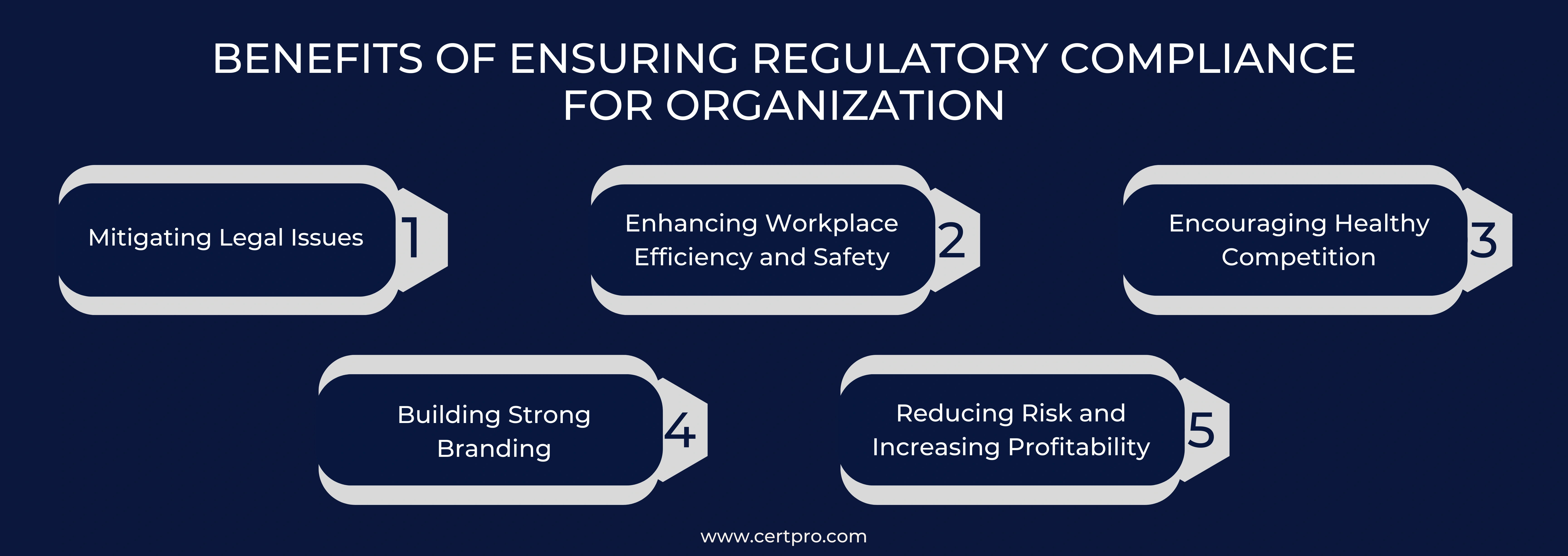
Ever wonder how medicines stay safe and effective on their journey to your local pharmacy shelf? The answer lies in Malaysia’s robust regulatory system, diligently overseen by the NPRA (National Pharmaceutical Regulatory Agency) under the Ministry of Health. Central to this safety net are the stringent Good Distribution Practice (GDP) standards. These aren’t just guidelines; they’re mandatory protocols ensuring every medicine, from the moment it leaves the manufacturer until it reaches the patient, maintains its quality, integrity, and authenticity.
This framework rests on several critical pillars working together:
Thorough Product Documentation: Nothing moves without complete, verifiable paperwork. This includes detailed batch history records, certificates confirming analysis results (CoA), and official product registration codes like the essential MAL numbers. It’s the foundational paper trail guaranteeing legitimacy.
Rigorous Environmental Control & Tracking: Especially vital for temperature-sensitive products like vaccines or biologics, continuous monitoring throughout transit and storage is non-negotiable. Combined with full serialization and traceability systems, this ensures products haven’t been compromised and their journey is fully documented.
Stringent Licensing and Audits: Distributors don’t just get a license once; they earn and keep it. Regular, often surprise, GDP audits conducted by authorities ensure facilities, processes, and staff consistently meet the highest standards. License renewal depends entirely on passing these rigorous checks.
Proactive Safety Monitoring: The system actively encourages pharmacovigilance. This means robust mechanisms exist for reporting adverse events and swiftly executing product recalls when necessary. It’s a crucial feedback loop protecting consumers and holding every player in the chain accountable if something goes wrong.
And it’s this interconnected regulatory ecosystem – the documentation, the environmental safeguards, the audits, and the responsive reporting – that builds indispensable trust. Trust between the distribution companies, the pharmacists dispensing the medicines, and ultimately, the patients relying on them. In modern healthcare, this level of verified safety and accountability isn’t an option; it’s the absolute bedrock ensuring public wellbeing. The system’s strength directly translates to confidence for everyone involved.
Learn More : Guideline on Good Distribution Practice (GDP) – National Pharmaceutical Regulatory Agency, Malaysia
Challenges Facing Malaysia’s Pharmacy Distribution Network

Malaysia’s pharmacy distribution network has undoubtedly made significant strides. Yet, achieving truly equitable healthcare access nationwide requires acknowledging persistent structural, operational, and regulatory hurdles. These bottlenecks complicate the smooth flow of essential medicines and supplies, impacting efficiency and potentially patient care.
Several core issues contribute to these pharmacy distribution bottlenecks:
The Silo Effect: A major structural weakness is fragmentation. Numerous independent distributors frequently operate in isolation. This lack of coordination means vital information isn’t easily shared across the network. Without integrated systems or common data platforms, forecasting demand and managing inventory collaboratively becomes incredibly difficult, really hindering overall responsiveness.
The Burden of Compliance: Meeting stringent Good Distribution Practice (GDP) standards presents a steep challenge, especially for smaller distributors. Necessary investments, like sophisticated temperature monitoring technology for sensitive biologics or specialized storage facilities, can be prohibitively expensive. This significant financial pressure strains their resources and limits their ability to compete effectively on scale, impacting overall Malaysia healthcare supply risks.
Reaching the Remote Areas: Delivering medicines consistently to Malaysia’s rural and remote communities remains a complex operational headache. Underdeveloped infrastructure, including poor road networks and limited transportation options, causes substantial delays. Fulfilling orders promptly in these regions is logistically tough, sometimes leading to stockouts or compromised product integrity due to extended transit times. It’s a persistent accessibility gap.
Competitive Pressures & The Service Counterbalance: Smaller, independent distributors face intense competition from large pharmacy wholesale players. These bigger companies often leverage their massive volume to offer lower prices, squeezing the margins of independents significantly. However, many smaller firms strategically counter this by focusing on personalized customer service, cultivating strong local relationships, and specializing in niche product offerings that the giants might overlook. This service-oriented approach remains a key differentiator.
The Path Forward
For Malaysia to truly secure a resilient and equitable healthcare system, tackling these deep-seated inefficiencies isn’t just optional—it’s essential. Overcoming these pharmacy distribution bottlenecks demands proactive policy innovation and targeted strategic investments. Streamlining regulations where possible, fostering greater collaboration, incentivizing tech adoption for GDP compliance, and specifically improving rural logistics infrastructure are critical steps. Addressing these Malaysia healthcare supply risks head-on is fundamental to ensuring reliable medicine access for every citizen, regardless of location. The future health of the nation depends on a smoother supply chain.
Learn More : How COVID‑19 Changed the Pharmaceutical Supply Chain Forever
Strategic Opportunities for Strengthening Pharmacy Distribution
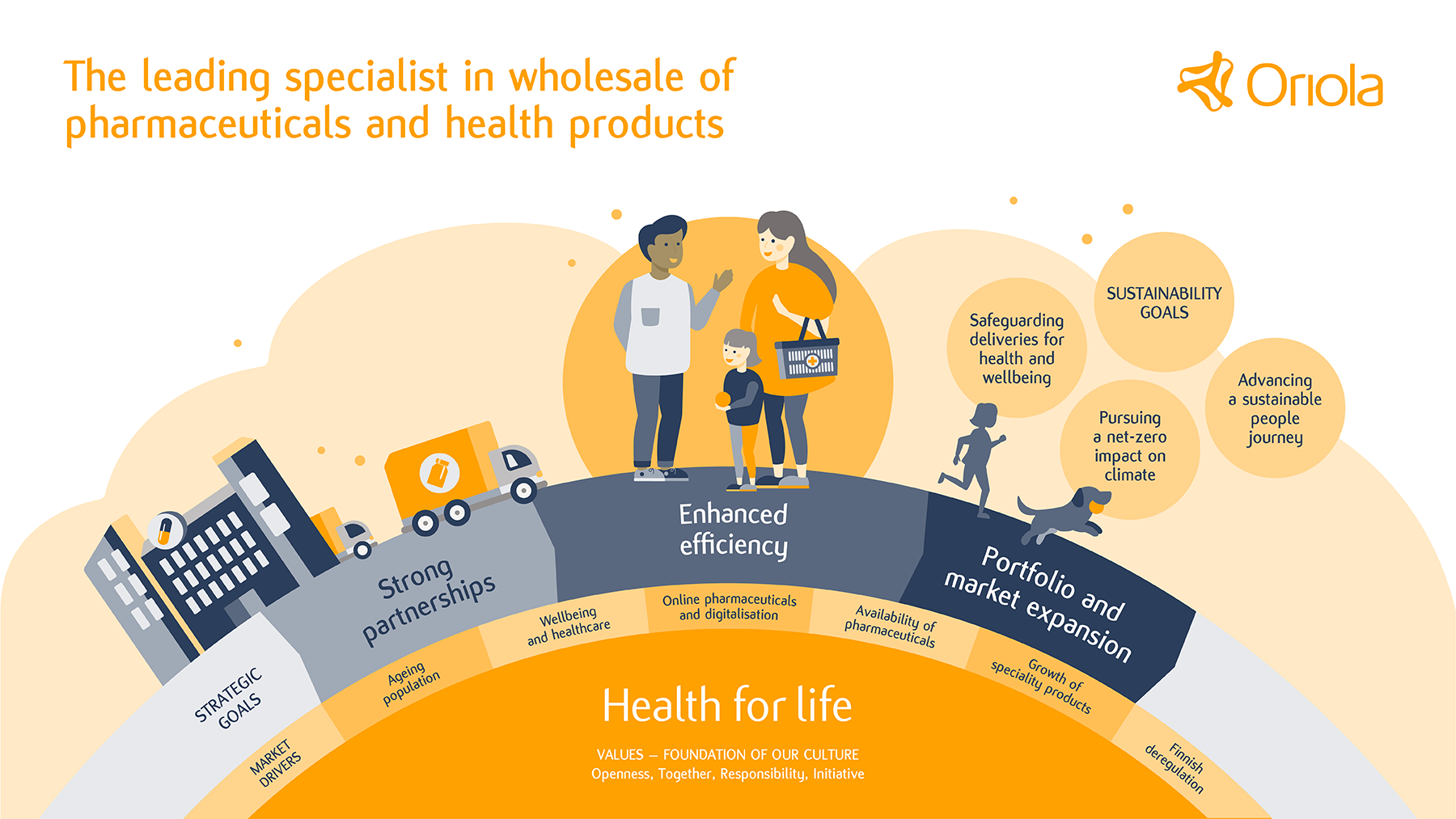
Malaysia stands at a crucial juncture in its healthcare journey. Achieving truly universal, timely access to medicines demands a significant leap forward in how medications reach pharmacies nationwide, especially beyond urban centres. To propel the system to its next level, a concerted effort is essential – one that strategically weaves together policy foresight, private sector dynamism, and smart technological adoption, all laser-focused on solving the real-world complexities of pharmacy distribution.
Moving beyond the status quo requires decisive action across several interconnected fronts:
Championing Public-Private Synergy: Success hinges on breaking down silos. National health objectives must be deliberately synchronized with the operational capabilities and innovation potential within the private distribution sector. This means establishing clear, collaborative frameworks where government health goals and distributor logistics expertise actively inform each other, creating efficient pathways for essential medicines.
Prioritizing Rural Logistics Resilience: The stark disparity in access between urban and rural areas remains a critical bottleneck. Significant, targeted investment is non-negotiable for upgrading the physical backbone of distribution in underserved regions. This encompasses improving road networks vital for reliable transport, building modern, climate-controlled storage facilities closer to points of care, and strategically placing fulfillment hubs to drastically cut down last-mile delivery times and costs.
Building a Unified Digital Ecosystem: Fragmented communication and manual processes hamper efficiency. Developing a comprehensive, nationwide B2B digital platform connecting pharmacies and distributors isn’t just an upgrade; it’s a necessity. Such a platform would streamline ordering, enhance inventory visibility across the supply chain, optimize delivery routing, and provide valuable data analytics for proactive planning and issue resolution.
Empowering Independent Distributors: Smaller, independent distributors play a vital role, particularly in niche markets or remote areas. However, they often face resource constraints meeting stringent Good Distribution Practice (GDP) standards. Tailored support mechanisms – like financial incentives, accessible grant programs, or specialized compliance training initiatives – are crucial to bolster their capacity and ensure they remain robust, compliant partners in the network.
The Impact: Why This Matters Deeply
Implementing these interconnected strategies isn’t merely an operational tweak; it’s foundational for a healthier Malaysia. The tangible outcomes are profound: dramatically shortened medicine delivery cycles, meaning patients get what they need faster. Consistently higher availability of critical medications on pharmacy shelves, reducing stock-outs and treatment delays. Ultimately, it ensures that every single Malaysian, whether residing in a bustling city centre or a remote village, gains equitable, timely access to the healthcare they deserve. This is the core mission – transforming distribution from a challenge into a catalyst for nationwide health equity. Getting the logistics right literally delivers care.
Forget simple product movement – a robust pharmacy distribution network in Malaysia is fundamentally about safeguarding lives. Think about it: whether you’re navigating the vibrant streets of Kuala Lumpur or reside in a tranquil coastal village in Sabah, consistent access to essential medicines is non-negotiable. This vital lifeline is meticulously woven by a diverse ecosystem: dedicated distributor pharmacies, expansive wholesale networks, and resilient independent pharmacy distributors. Together, they form the critical backbone ensuring Malaysians nationwide can reliably get the treatments they depend upon, precisely when they’re needed most. It’s a complex, often unseen operation with profound real-world impact.
Building this essential resilience requires continuous effort and smart strategies. The good news? Malaysia possesses significant potential to enhance its pharmaceutical logistics framework. Key focus areas include strategically improving infrastructure – think optimized warehousing and efficient last-mile delivery routes, especially into less accessible regions. Embracing digital innovation is also non-negotiable now; leveraging advanced inventory tracking, AI-driven demand forecasting, and streamlined ordering platforms minimizes delays and waste. Crucially, achieving effective policy alignment between regulators, healthcare providers, and distributors smooths the path for vital medicines. When these three pillars – infrastructure, technology, and policy – work cohesively? That’s when you create a truly resilient system that not only protects public health but also underpins sustainable commercial success for everyone involved in the pharmaceutical supply chain.
Feeling the pinch in reaching all your Malaysian customers effectively? Or maybe your pharmacy merchandising could use a strategic boost?
How can we assist you today? 😊
Just let us know—we’re here to help!