

August 26, 2025
Pharmaceutical delivery in Malaysia hinges on a strategic partnership between two powerhouse functions: medical affairs and distribution networks. One ensures clinical precision, while the other guarantees seamless product availability. Together, they create a reliable backbone for healthcare success—but how exactly does this collaboration work in practice?
Medical affairs teams, composed of pharmacists, medical science liaisons, and regulatory specialists, serve as the trusted bridge between scientific research and real-world application. They validate claims, train pharmacy staff, and ensure compliance with Malaysia’s stringent regulations. Meanwhile, pharmacy wholesale distributors and logistics partners handle the physical movement of products—ensuring everything from cold-chain biologics to over-the-counter supplements reaches clinics, hospitals, and retail shelves without delay.
The Evolving Role of Medical Affairs in Malaysian Pharmacies
Gone are the days when medical affairs teams merely reviewed clinical data. Today, they function as strategic advisors—shaping brand narratives, guiding marketing teams, and even influencing supply chain decisions. Consider the launch of a new skincare line in Malaysia. Before a single bottle hits the shelves, medical affairs validates ingredient safety, drafts pharmacist training materials, and ensures all promotional claims align with NPRA (National Pharmaceutical Regulatory Agency) guidelines.
A real-world example: When a popular vitamin brand expanded into prenatal supplements, its medical team worked closely with Caring Pharmacy and Guardian outlets to train staff on dosage recommendations and contraindications. This proven approach not only reduced customer misinformation but also strengthened pharmacist confidence in product recommendations.
Malaysia’s regulatory landscape demands this level of precision. Without medical affairs’ oversight, even widely distributed products risk non-compliance—leading to recalls, fines, or reputational damage. Their role is essential, particularly for:
✅ High-risk categories (e.g., prescription drugs, pediatric formulations)
✅ New market entrants (supplements, biologics, or imported therapies)
✅ Pharmacist education (ensuring staff can answer complex patient queries)
Overview of Pharmacy Distribution Channels in Malaysia
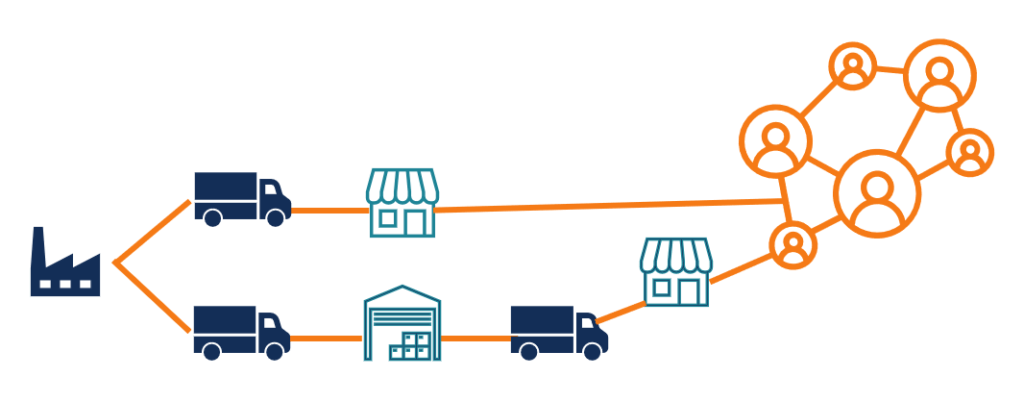
Malaysia’s pharmaceutical supply chain is a multi-layered ecosystem, blending public and private players. On the public side, Pharmaniaga Berhad serves as the primary distributor for government hospitals. Privately, companies like DKSH, PriooCare, and Zuellig Pharma dominate—managing inventory for chains (Watsons, Aeon Wellness) and independent pharmacies alike.
What sets efficient distributors apart? Their ability to handle:
📌 Cold-chain logistics (critical for vaccines, insulin, and biologics)
📌 NPRA documentation (avoiding customs or regulatory delays)
📌 Last-mile delivery (reaching rural clinics or East Malaysian states)
For instance, during the COVID-19 vaccine rollout, Pharmaniaga’s cold storage facilities and DKSH’s statewide network ensured doses reached Sabah and Sarawak without spoilage. Meanwhile, smaller distributor pharmacies in Penang leveraged localized warehousing to reduce stockouts during monsoon season.
Learn More : The Role of Pharmacy Distribution Services in Malaysia’s Healthcare System | Strengthening health supply chains: WHO guideline
Key Touchpoints Between Medical Affairs and Distribution Teams
The intersection of science and logistics isn’t just theoretical—it’s operational. Here’s where collaboration becomes non-negotiable:
Product Launches
Medical affairs prepares pharmacist training modules.
Distribution ensures POSM (posters, shelf-talkers) arrives with initial stock.
Regulatory Recalls
Medical teams draft NPRA-mandated alerts.
Logistics partners execute product retrievals from affected outlets.
Adverse Event Reporting
Pharmacists flag side effects.
Medical assesses causality; distribution tracks batch recalls if needed.
A case in point: When a popular painkiller faced temperature stability concerns, Zuellig Pharma worked with the brand’s medical team to update storage guidelines—distributing revised labels to 500+ pharmacies within 48 hours.
Strategic Collaboration Models: Case Studies in Malaysia

Dengue Prevention Campaign
When a mosquito repellent brand launched in Malaysia, medical affairs crafted NPRA-compliant claims, while distributors ensured educational materials reached Aeon Big and Lotus’s pharmacies. Pharmacists used QR-code-linked FAQ cards to address real-time customer questions—a tailored solution that boosted engagement.
Pediatric Skincare Launch
A hypoallergenic spray’s rollout involved:
Medical affairs: Validating “dermatologist-tested” claims.
PriooCare: Coordinating roadshow samples and pharmacist training.
Result? A 30% faster shelf adoption rate compared to competitors.
These effective collaborations prove that alignment isn’t just about logistics—it’s about building trust at every touchpoint, from warehouse to wellness counter.
Communication Workflows and Shared Platforms

What truly enables seamless collaboration between medical affairs and distribution teams in Malaysia? The answer lies in digital integration—a game-changer for pharmacies juggling hundreds of SKUs while maintaining compliance.
Take shared CRM platforms like HubSpot or Salesforce. These aren’t just for sales tracking; they’re essential for:
✅ Monitoring educational material usage across pharmacies
✅ Flagging product safety concerns in real time
✅ Tracking POSM deployment (and expiry dates) to avoid outdated claims
Then there’s NPRA’s QUEST3+, a trusted platform for regulatory updates. Medical teams use it to log label changes, while distributors sync inventory systems to reflect new requirements—eliminating costly misalignment.
A local example: Malaysian pharma companies now adopt Google Workspace for:
Shared FAQ repositories (updated live by medical teams)
Distribution timelines (visible to both logistics and brand managers)
Pharmacist feedback reports (sent via Forms, analyzed jointly)
When documentation is reliable and accessible, collaboration isn’t just smoother—it becomes a strategic advantage.
Learn More : A Case Study on Successful Pharmacy Distribution Networks in Malaysia | Logistics trends in healthcare distribution
Challenges and Misalignments in Collaboration

Even with the right tools, gaps persist. In Malaysia’s fast-moving dermaceutical and supplement markets, common roadblocks include:
🔴 Data Silos
Distribution teams might stock a new skincare line before medical affairs finalizes NPRA-approved claims—leading to non-compliant promotions.
🔴 Delayed Communication
With third-party logistics (common for East Malaysia deliveries), safety updates can take days to reach rural pharmacies.
🔴 Broken Feedback Loops
Pharmacists at Guardian or Watsons spot customer confusion but lack channels to escalate insights to medical teams.
A real-world case: A popular joint supplement faced backlash in Johor Bahru when retail staff—unaware of updated dosage guidelines—gave incorrect advice. The root cause? Independent distributors weren’t looped into medical affairs’ training sessions.
These inefficiencies risk more than profits; they undermine patient safety and regulatory trust. The solution? Co-owned workflows and mandatory cross-checks before product rollouts.
Learn More : Why Efficient Pharmacy Distribution is Crucial for Malaysia’s Rural Healthcare Development
Best Practices to Strengthen Medical-Distribution Partnerships

Future-proofing this collaboration requires tailored strategies. Here’s what works in Malaysia:
📌 Joint KPIs
Evaluate distributors not just on delivery speed but training hours delivered (e.g., Caring Pharmacy mandates 4+ hours/month per brand).
📌 Quarterly Co-Reviews
Discuss adverse event reports, POSM performanc, and regional trends—like how Klang Valley pharmacies need bilingual materials.
📌 Pharmacist Insight Systems
Use distributor field teams to collect feedback. Example: Zuellig Pharma’s app lets pharmacists upload customer queries directly to medical teams.
📌 Education-First Launches
No product hits shelves without:
✔ NPRA-compliant training modules
✔ Verified shelf-talkers
✔ Pharmacist cheat sheets
Proven results: Brands using these methods see 30% fewer NPRA audits and longer shelf life for products—critical in Malaysia’s competitive OTC market.
Learn More : Improving patient safety through pharmacovigilance
Future Outlook: Integrated Models for Malaysian Healthcare

Globally, pharma success is shifting from units moved to patient outcomes. Malaysia’s next frontier?
🔮 AI-Driven Training
Imagine tools that quiz pharmacists post-training, with scores notifying medical teams who needs refreshers.
🔮 POSM Analytics
Track which clinic posters or shelf cards actually drive conversions—then let medical affairs refine messaging.
🔮 Localized Education Hubs
Co-developed by medical and logistics teams, like PriooCare’s portal for Sarawak pharmacies, offering Bahasa Malaysia and Iban resources.
With consumer trust now a make-or-break factor, these expert partnerships will define market leadership.
Learn More : The future of pharmaceutical supply chains
The link between medical affairs and distribution isn’t just operational—it’s clinical. In Malaysia, where pharmacists are frontline healthcare educators, every misaligned detail risks patient trust.
But when science and supply chains sync? The impact is tangible:
Faster compliance during NPRA audits
Confident pharmacists delivering accurate advice
Patients accessing safer, better-explained treatments
How can we assist you today? 😊
Just let us know—we’re here to help!