

September 2, 2025
Have you ever walked into different pharmacies and noticed how some brands maintain a trusted, uniform presence while others seem disorganized? In Malaysia’s bustling pharmacy retail landscape, brand integrity isn’t just about aesthetics—it’s a strategic necessity that directly impacts customer trust, sales performance, and long-term market positioning. For pharmacy distributors and wholesale suppliers, achieving this level of consistency requires more than just stocking shelves—it demands a proven, systematic approach to merchandising that aligns with consumer expectations.
Brand integrity in the pharmacy sector means ensuring that every product—whether a skincare item, health supplement, or over-the-counter medication—is displayed, priced, and communicated in the same reliable manner across all retail locations. When executed correctly, this efficient strategy reinforces brand recognition, fosters customer loyalty, and minimizes confusion at the point of purchase. However, without a structured merchandising plan, even the highest-quality products risk being overlooked or misrepresented, leading to lost sales and diluted brand equity.
This section explores how expert-driven merchandising services play a pivotal role in safeguarding brand integrity, ensuring that Malaysian pharmacies present products in a way that maximizes visibility, accessibility, and consumer confidence.
Understanding Merchandising Services: Scope and Relevance
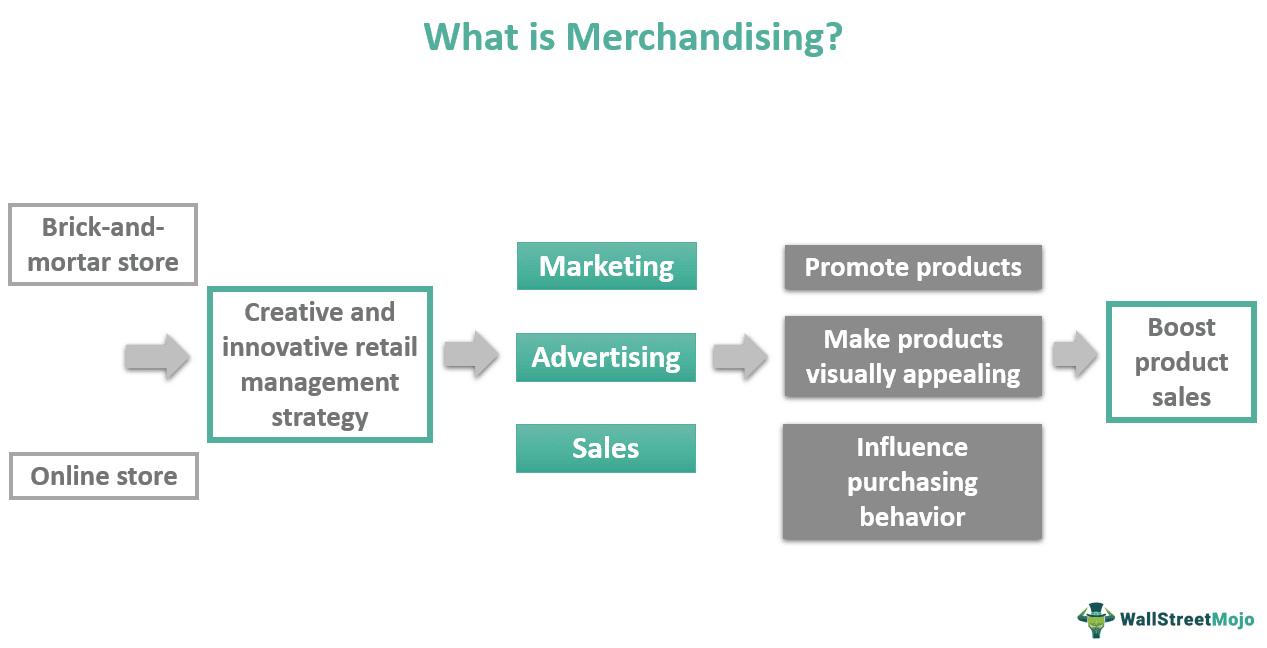
What exactly do merchandising services entail, and why are they considered an essential component for pharmacies? At their core, these services encompass every activity that influences how products are presented to consumers at the shelf level. For pharmacy wholesale distributors and independent pharmacy suppliers, merchandising is not just about placement—it’s a strategic tool that shapes purchasing decisions and enhances brand perception.
Key Elements of Effective Merchandising Services
Planogram Compliance – A proven method where products are arranged according to pre-approved layouts, ensuring optimal visibility and logical categorization. Studies show that brands adhering to planograms experience up to 30% higher sales conversions due to improved shopper navigation.
Inventory Display Management – Regular shelf monitoring prevents stockouts and ensures that expired or near-expiry products are removed, maintaining brand trust and regulatory compliance.
Brand Communication – Accurate labeling, benefit-driven signage, and usage instructions must align with both brand identity and Malaysia’s healthcare advertising guidelines.
Promotional Execution – Timely setup of promotional displays, discount tags, and seasonal campaigns to maximize engagement and impulse purchases.
In Malaysia, tailored merchandising solutions account for regional variations in consumer behavior. For instance, a retail audit in Klang Valley pharmacies found that positioning premium skincare products near consultation counters led to a 22% increase in cross-selling, as pharmacists could easily recommend them during customer interactions.
By leveraging trusted merchandising partners, brands can maintain a consistent, professional presence across all retail touchpoints—ultimately influencing purchase decisions at the critical final moment before checkout.
Learn More : 7 merchandising tips
Why Consistency Across Multiple Locations Matters for Brand Integrity
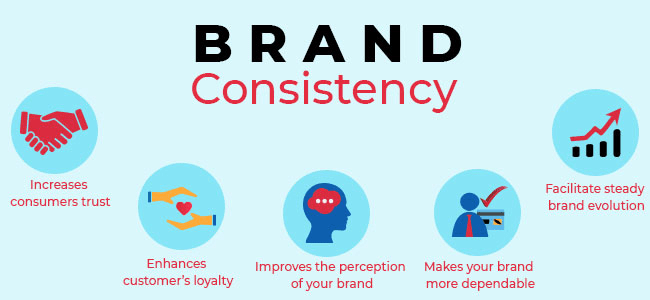
Have you ever been frustrated when a product you regularly buy is displayed differently in another branch? Inconsistent merchandising doesn’t just inconvenience shoppers—it actively erodes brand credibility. For pharmacy distributor Malaysia teams, maintaining uniformity across outlets isn’t optional—it’s essential for long-term success.
The Consequences of Inconsistent Merchandising
Loss of Customer Trust – When a brand’s facial cleanser is placed in the beauty aisle in one store but the health supplements section in another, shoppers struggle to locate it, leading to frustration and diminished brand reliability.
Brand Dilution – Inconsistent displays weaken visual brand cues, making competitors appear more organized and trustworthy.
Decline in Sales – Disorganized shelves reduce both impulse buys and planned purchases. A Malaysian retail study found that standardized eye-level placement of skincare products led to a 40% sales uplift within three months.
A real-world example from Penang highlights this issue: A well-known health supplement brand saw fluctuating sales across different pharmacies until a strategic merchandising overhaul ensured uniform placement near checkout counters. The result? A 25% increase in repeat purchases due to improved visibility and accessibility.
For brands working with pharmacy distributors, investing in efficient, standardized merchandising is not just about aesthetics—it’s a proven method to reinforce professionalism and reliability at every customer touchpoint.
Key Merchandising Strategies to Maintain Brand Integrity

So, how do pharmacy merchandising services ensure reliable brand integrity across diverse retail environments? Below are strategic, tailored, and effective approaches used by industry leaders:
a. Planogram Implementation
A well-designed planogram acts as a blueprint for product placement, specifying exact shelf positions, facing counts, and height levels. For example:
Premium health supplements placed at eye level reinforce perceived value and increase conversion rates.
Essential medications positioned near high-traffic areas (e.g., checkout counters) ensure accessibility without overwhelming shoppers.
b. Shelf Audits and Compliance Checks
Regular audits by merchandising teams verify adherence to planograms, promotional setups, and stock freshness. This effective monitoring prevents:
Misplaced products that confuse customers
Out-of-stock (OOS) situations that drive shoppers to competitors
c. Stock Rotation and Freshness Management
Implementing FIFO (First-In-First-Out) practices for perishable items (e.g., vitamins, skincare) prevents expired stock from lingering on shelves—a critical factor in maintaining brand trust.
d. Tailored Merchandising Based on Outlet Profiles
A one-size-fits-all approach doesn’t work in Malaysia’s diverse pharmacy landscape. Strategic adjustments include:
Urban chain pharmacies – Focus on high-visibility displays for trending wellness products.
Rural independent pharmacies – Prioritize essential medications and bulk purchase promotions.
By adopting these proven strategies, brands can ensure a consistent, professional presence that resonates with Malaysian consumers—regardless of which pharmacy they visit.
Learn More : Pharmacy Merchandise Malaysia: What Drives Impulse Buys at Checkout? | Retail Merchandising: Engaging Consumers with Strategic Displays
The Role of Distributor Pharmacies and Wholesale Distributors in Ensuring Consistent Brand Presentation

How do distributor pharmacies and wholesale suppliers contribute to seamless merchandising execution? In Malaysia, these intermediaries serve as the essential link between manufacturers and retail shelves, playing a strategic role in maintaining brand integrity.
Critical Functions of Pharmacy Distributors
Collaboration with Merchandising Teams – Distributors align product deliveries with promotional schedules, ensuring shelves are fully stocked before campaigns go live.
Real-Time Inventory Monitoring – Advanced tracking systems allow wholesale distributors to flag low stock levels, enabling timely restocks and minimizing OOS risks.
Staff Training Initiatives – Some forward-thinking distributors conduct on-site training for pharmacy staff, ensuring adherence to merchandising standards even between audit cycles.
A case study from Johor Bahru illustrates this perfectly: A leading pharmacy distributor Malaysia partnered with a merchandising specialist to standardize end-cap displays for their vitamin range. The outcome? A consistent brand message across 50+ outlets and a 28% sales increase within six months.
By integrating distribution efficiency with expert merchandising execution, brands can achieve a reliable, cohesive shelf presence that strengthens consumer confidence and drives sustained growth.
The interplay between strategic merchandising, distribution precision, and retail compliance forms the backbone of brand integrity in Malaysia’s pharmacy sector. When executed correctly, these tailored approaches not only enhance visibility but also foster long-term customer loyalty—proving that consistency isn’t just a detail, but a business-critical priority.
Learn More : Building Trust and Relationships Through Distribution in Malay Communities | WHO’s Work on Strengthening Health Supply Chains
Challenges Faced in Maintaining Brand Integrity at Shelf Level

Why do even the most strategic merchandising plans sometimes fall short in Malaysian pharmacies? The reality is that maintaining brand integrity at the shelf level comes with its own set of hurdles—some predictable, others uniquely tied to Malaysia’s pharmacy retail dynamics.
Common Challenges in Malaysia’s Pharmacy Sector
Limited Shelf Space – With pharmacies prioritizing fast-moving products like essential medications and popular supplements, brands in slower-moving categories often struggle to secure consistent placement, even with formal agreements in place.
Varied Store Formats – Unlike chain pharmacies with standardized shelving, independent pharmacies often have mismatched fixtures, making planogram compliance a logistical challenge.
High Staff Turnover – Frequent changes in retail staff lead to inconsistent execution of merchandising guidelines, creating gaps in brand presentation and customer experience.
Supply Chain Disruptions – Delays in deliveries from pharmacy distributors can derail promotional launches, leaving shelves empty or forcing last-minute substitutions that dilute brand messaging.
A real-world example from Johor illustrates this perfectly: A trusted vitamin brand faced recurring out-of-stock (OOS) issues because their distributor’s delivery schedule didn’t align with merchandising audits. By synchronizing these two functions, the brand reduced shelf gaps by 80%, restoring both customer trust and sales velocity.
Understanding these obstacles is the first step toward building a resilient, efficient merchandising strategy—one that adapts to Malaysia’s unique retail environment while keeping brand presentation consistent and reliable.
Learn More : Mistakes to Avoid When Using Pharmacy Merchandising Services in Malaysia
Leveraging Merchandising Data for Strategic Improvements

What if the key to stronger brand integrity isn’t just execution—but the data behind it? Merchandising teams collect a wealth of insights that, when used strategically, can transform how brands perform on shelves.
How Data Drives Smarter Decisions
Performance Tracking – Compliance scores highlight which stores need extra support, ensuring no location falls behind in brand presentation standards.
Competitive Intelligence – Observing competitor displays helps brands refine their own shelf positioning and promotional tactics.
Inventory Optimization – Real-time data on stock levels allows pharmacy distributors to prioritize restocks, minimizing lost sales due to empty shelves.
A proven example comes from a leading skincare brand in Kuala Lumpur: Merchandising reports revealed that stores with bilingual shelf talkers (Malay and English) saw 15% higher sales than those with single-language labels. This insight led to a nationwide rollout of tailored point-of-sale materials, boosting both consistency and consumer engagement.
For brands, this isn’t just about numbers—it’s about turning raw data into actionable, effective strategies that reinforce brand integrity where it matters most: at the shelf.
Learn More : The Science of Retail Shelf Design
Case Study: How Merchandising Services Elevated Brand Integrity for a Pharmacy Distributor in Malaysia

Can a structured merchandising approach truly reshape a brand’s retail presence? The success story of NutriDerm Skincare, distributed by a major pharmacy distributor Malaysia, proves it can.
The Challenge
NutriDerm faced erratic shelf displays across 120+ outlets, with products misplaced, inconsistently priced, or buried under competing brands. This not only confused shoppers but also eroded the brand’s premium positioning.
Strategic Solutions Implemented
Customized Planograms – Tailored layouts were designed for different store formats, from urban chain pharmacies to smaller independent outlets.
Biweekly Audits – Expert merchandisers conducted rigorous checks for two months, ensuring strict adherence to guidelines.
Staff Training – Pharmacy teams were coached on maintaining displays and communicating brand benefits to customers.
The Results
95% planogram compliance within four weeks.
28% sales uplift for top-selling SKUs.
Stronger pharmacist recommendations, as staff grew more confident in the brand’s visibility and accessibility.
This proven, strategic approach didn’t just fix displays—it rebuilt NutriDerm’s reputation as a trusted, reliable choice in Malaysia’s crowded skincare market.
Future Outlook: Strengthening Brand Integrity through Advanced Merchandising Solutions

Where is pharmacy merchandising headed in Malaysia? Emerging technologies and shifting consumer expectations are reshaping how brands maintain shelf-level consistency.
Key Trends to Watch
Digital Shelf Analytics – Real-time tracking of product placement and stock levels, enabling faster adjustments.
AI-Powered Compliance Tools – Automated image recognition software that scans shelves to verify planogram accuracy, reducing human error.
Interactive Training Platforms – Digital modules that keep pharmacy staff updated on brand standards without in-person sessions.
For pharmacy distributors and brands, these innovations aren’t just futuristic concepts—they’re essential tools to stay competitive. Imagine a system where a distributor’s dashboard flags a store with poor compliance, triggering an immediate audit. Or an AI tool that suggests optimal shelf layouts based on sales data.
The future of brand integrity lies in merging expert human oversight with cutting-edge efficiency—ensuring every product, in every pharmacy, meets the same high standards shoppers expect.
Brand integrity isn’t a one-time effort—it’s an ongoing commitment. From battling shelf-space limitations to harnessing data-driven insights, the journey requires strategic collaboration between brands, pharmacy distributors, and merchandising experts.
The NutriDerm case study proves that even entrenched challenges can be overcome with a tailored, proactive approach. And as technology evolves, so too will the tools to keep brands visible, trusted, and top-of-mind for Malaysian consumers.
Frequently Asked Questions (FAQ)
Q1: What are merchandising services?
Answer:
Merchandising services refer to professional support activities that ensure products are displayed, stocked, priced, and promoted correctly in retail stores. These services improve product visibility, maintain planogram compliance, and help retailers and brands boost sales performance.
Q2: What is an example of a merchandising service?
Answer:
An example is planogram execution, where a merchandiser arranges products on shelves according to a layout provided by the brand or retailer to ensure correct placement, facings, and category alignment.
Q3: What are the 4 types of merchandise?
Answer:
The four main types are convenience goods, shopping goods, specialty goods, and unsought goods, each classified based on consumer buying behavior and decision-making effort.
Q4: What are 5 examples of merchandising companies?
Answer:
Five examples include retail chains or service providers such as Walmart, Tesco, Aeon, Advantage Solutions, and Premium Retail Services, which offer both in-store merchandising and retail execution services.
Q5: What is a merchandising service team?
Answer:
A merchandising service team consists of trained personnel who visit stores to restock products, arrange shelves, update point-of-sale materials, check inventory levels, and ensure brand compliance.
Q6: What is a merchandise management system?
Answer:
A merchandise management system is a retail software platform that handles product planning, inventory control, pricing, purchasing, and sales tracking to optimize stock flow and reduce operational errors.
Q7: What is an example of a merchandising company?
Answer:
An example is Advantage Solutions, a global provider that offers in-store merchandising, retail support, product resets, and promotional execution for brands and retailers.
Q8: Is merchandising part of the supply chain?
Answer:
Yes. Merchandising is linked to the supply chain because it ensures the final step of product availability—making sure goods delivered by distributors are correctly displayed and accessible to customers.
Q9: What is merchandising in logistics?
Answer:
Merchandising in logistics refers to coordinating product flow from warehouses to retail shelves, ensuring timely replenishment, accurate stock levels, and correct placement to support sales and operational efficiency.
Q10: What is merchandising of goods and services?
Answer:
It involves presenting goods and services in a way that attracts customers, improves understanding, and increases purchase likelihood through proper placement, clear information, and consistent presentation across retail touchpoints.
How can we assist you today? 😊
Just let us know—we’re here to help!