

July 9, 2025
The Malaysian pharmacy retail sector is a battleground where deep-pocketed corporations dominate shelf space, ad campaigns, and consumer mindshare. For smaller brands, breaking through this wall of influence isn’t just challenging—it often feels impossible. Yet, the rise of strategic pharmacy merchandising services is rewriting the rules, offering indie brands a proven pathway to visibility, credibility, and sustained sales growth.
Consider this: Walk into any Guardian, Watsons, or Caring Pharmacy, and you’ll notice a pattern—the same household names command prime real estate, from eye-level placements to dedicated promotional bays. These giants leverage centralized merchandising teams, years of shopper data, and exclusive supplier agreements to lock out competition. Meanwhile, emerging brands—despite superior formulations or competitive pricing—get buried in obscure corners, if they secure listings at all.
But here’s the twist. Modern Malaysian shoppers aren’t blindly loyal to mega-brands. A 2023 Nielsen study revealed that 68% of pharmacy customers base purchases on in-store visibility and staff recommendations, not TV ads. This shift creates a golden opportunity for indie players to compete—not with budgets, but with tailored, efficient merchandising strategies executed by trusted pharmacy distributors.
The Malaysian Pharmacy Retail Landscape: Giants vs. Indie Brands

Why do even breakthrough products—think organic supplements or dermatologist-backed skincare—fade into obscurity? The answer lies in the structural asymmetry between chain pharmacies and independent retailers.
Chain Dominance:
-
Guardian, Watsons, and Alpro control over 60% of urban pharmacy footfall, per Retail Group Malaysia.
-
Their merchandising is data-driven: Planograms are optimized quarterly, with premium slots auctioned to brands like Himalaya or Luxe.
-
Exclusive endcap displays and checkout lane placements are reserved for corporate partners, leaving little room for newcomers.
Indie Realities:
-
Smaller brands face arbitrary shelf rotations, often shoved below waist level or behind bestsellers.
-
Store managers juggle 100+ SKUs with zero guidance on product differentiation—leading to stagnant inventory.
-
A Klang Valley-based probiotic brand saw a 40% stockout rate in non-chain outlets due to poor restocking protocols.
Yet, indie brands hold hidden advantages. They’re nimble enough to:
✅ Leverage local trends (e.g., post-Raya immune boosters) faster than multinationals.
✅ Personalize promotions—like bundling acne serums with Ramadan fasting guides.
✅ Collaborate with independent distributors for hyper-local shelf strategies, such as prioritizing Malay-majority neighborhoods for halal-certified vitamins.
Learn more : How Customer Behavior Influences Pharmacy Merchandising Strategies in Malaysia
What Are Pharmacy Merchandising Services?

Calling merchandising “shelf-stocking” is like calling a Ferrari “a car.” It’s a holistic growth engine combining art and science to make products irresistible. Here’s how:
1. Planogramming: The Silent Salesman
-
Strategic placements mimic shopper eye trajectories:
-
Right-hand shelves outperform left by 22% (Journal of Retail Analytics).
-
Checkout zones drive impulse buys—think travel-sized sanitizers or collagen sachets.
-
-
Example: A Penang-based distributor redesigned planograms for a local herbal brand, shifting it from bottom shelves to wellness sections. Sales spiked 90% in 2 months.
2. Shelf Audits: The Devil’s in the Details
-
Weekly checks ensure:
✔ Front-facing labels
✔ No expired stock
✔ Competitor benchmarking -
A Johor Bahru pharmacy chain reduced returns by 35% after enforcing audit protocols.
3. Display Psychology
-
Wobblers increase visibility by 50% vs. flat signage.
-
Thematic setups (e.g., “Back-to-School” immunity packs) create urgency.
4. Promoter Engagement
-
Trained staff explaining a niche product’s benefits can lift conversion by 3x.
-
Case in point: A Kuala Lumpur CBD store saw 55% repeat purchases for a migraine patch after running weekend demo stalls.
Learn more : What is the role of merchandising?
Benefits of Merchandising Services for Growing Brands
For SMEs, merchandising isn’t a cost—it’s a scalability lifeline. Here’s why:
1. From Invisible to Unmissable
-
Eye-level placements in 10+ outlets beat digital ads for cost-per-acquisition (CPA).
-
A Sarawakian honey brand used clip strips near cough syrups, lifting sales 120% during monsoon season.
2. Trust Through Presence
-
Shoppers equate consistent shelf occupancy with brand legitimacy.
-
3-month merchandising pilots in Ipoh pharmacies boosted new supplement trials by 70%.
3. Stock = Survival
-
Automated restocking alerts via distributor apps prevent RM1.2M annual losses (Malaysian Retailers Association).
4. Localized Relevance
-
East Malaysia’s preference for liquid supplements vs. pills led one brand to repackage 15 SKUs—resulting in 8% market share in Sabah.
Learn more : Pharmacy Merchandising: Best Practices for Product Pricing and Promotion in Malaysia
Comparing Merchandising Support: Large Chains vs. Independent Distributors
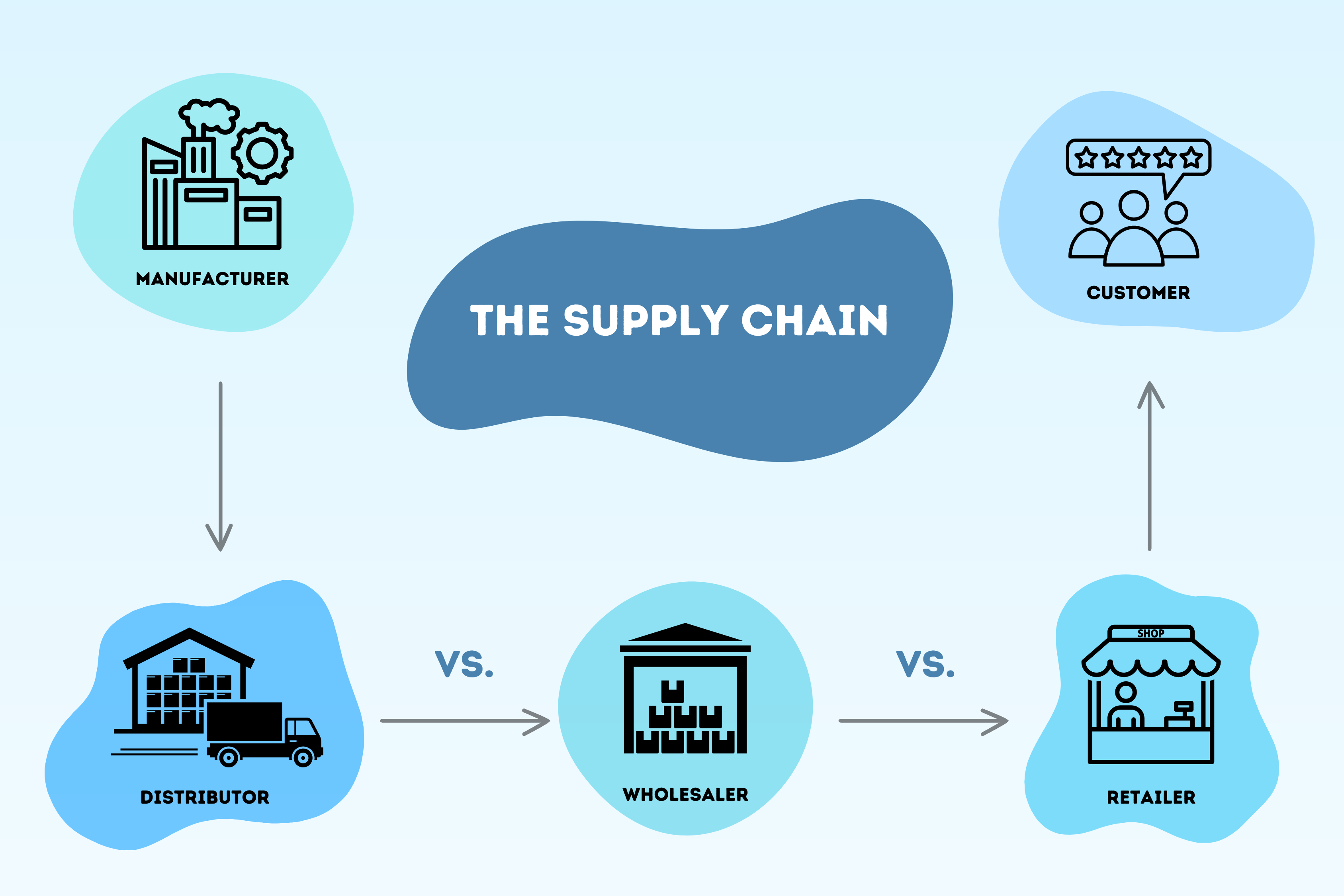
The myth? Big chains offer “better” merchandising. The reality? Their rigidity stifles agility.
Chain Limitations:
-
Annual slot contracts freeze out new entrants.
-
Generic planograms ignore neighborhood nuances (e.g., Chinese herbal demand in Pahang).
Independent Advantages:
-
Flexible displays for festive seasons (e.g., Baiduri boxes for Hari Raya).
-
Direct store manager relationships to negotiate trial placements.
-
Data-light but insight-rich—e.g., a Kedah distributor identified senior shoppers’ preference for larger fonts, prompting label redesigns that lifted sales 18%.
A Malaysian Success Blueprint:
A Selangor-based skincare startup partnered with a boutique distributor to:
-
Rotate testers bi-weekly across 50 stores.
-
Train pharmacists to cross-sell with prescription creams.
-
Deploy QR-code shelf talkers linking to testimonials.
Result? 4.5x ROI in 6 months—without TV ads.
Operational Scenarios: Malaysia in Focus
-
Urban Warfare (Kuala Lumpur)
-
Challenge: A new probiotic yogurt was drowning in cold-chain aisles.
-
Fix: Free sample carts near breakfast sections + loyalty card tie-ins.
-
Outcome: 25% trial-to-repeat rate in Bangsar outlets.
-
Rural Resonance (Kelantan)
-
Challenge: Traditional pharmacies ignored modern wound-care brands.
-
Fix: Pharmacist training sessions + Jawi-language POS materials.
-
Outcome: Stock turnover doubled in 4 months.
-
Seasonal Surges (Malacca)
-
Tactic: Pre-Chinese New Year “detox bundles” with red gift boxing.
-
Result: Limited editions sold out in 72 hours.
Frameworks for Decision-Making
The 4P Merchandising Filter:
-
Product: Does the SKU solve a local pain point? (E.g., humidity-proof packaging for coastal areas.)
-
Place: Which aisle adjacencies make sense? (Joint pain gels near orthopedic braces.)
-
Promotion: Low-cost triggers like “Buy 2, Free Travel Pouch” outperform discounts.
-
People: Train staff to narrate the brand story—not just scan barcodes.
Checklist for Distributor Vetting:
✔ On-ground team size (e.g., 50+ merchandisers for nationwide coverage).
✔ Tech stack (real-time audit apps vs. paper checklists).
✔ Local case studies (ask for before-after shelf photos).
Learn more : Chain Store Distribution vs. Independent Wholesaling | Comparative Study on the Challenges of Distribution of Finished Goods to Customers in Different Types of Retail Stores
How Distributor Pharmacies in Malaysia Execute In-Store Success

The journey from a well-laid plan to actual in-store success in Malaysia’s pharmacy distribution service hinges on a meticulous, people-driven approach. While strategy sets the foundation, execution determines whether a product thrives or fades into obscurity. The most trusted and efficient distributors follow a structured workflow that blends planning, placement, and performance review—each phase playing a strategic role in converting shelf space into measurable sales.
Take, for instance, the planning stage. It’s not just about deciding where a product should sit on the shelf; it’s about defining the entire planogram, promotional timelines, and the supporting materials needed to capture attention. A common oversight? Underestimating the importance of seasonal adjustments. In Malaysia, where festivals like Hari Raya and Chinese New Year drive significant shifts in consumer behavior, a static planogram can lead to missed opportunities. Reliable distributors ensure these cultural nuances are factored into the blueprint.
Then comes placement, where the real magic happens. On-ground teams—armed with standees, shelf clips, and stock monitors—execute the plan with precision. But here’s where many brands stumble: assuming placement is a one-time task. In reality, it’s an ongoing effort. A pharmacy distribution service in Malaysia worth its salt will conduct regular stock checks, adjust facings based on real-time demand, and even reposition displays to counter competitor moves. For example, a multivitamin brand in Penang saw a 40% uplift in sales simply by shifting from mid-shelf to eye-level placement—a small tweak with outsized impact.
The final piece? Performance review. Tools like geo-tagged photo audits or in-house dashboards track everything from promoter coverage to share of shelf. But data alone isn’t enough. The proven distributors translate these insights into action. If a product’s pick-up rate dips in Kuala Lumpur but soars in Johor Bahru, they’ll investigate why—was it a local campaign, a competitor’s promo, or a supply hiccup? This level of granularity separates the effective from the mediocre.
Real-World Case Studies: From Shelf Obscurity to Sales Growth
Does meticulous merchandising truly move the needle? Absolutely. Let’s dive into anonymized but strategic examples from Malaysia’s SME sector—each showcasing how tailored execution can transform underperforming products into bestsellers.
Case 1: Multivitamin Brand in Kedah
Issue: Limited visibility beyond the Klang Valley, with rural pharmacies often overlooking the product.
Solution: Partnering with an independent pharmacy distributor that deployed dedicated merchandisers statewide. These teams didn’t just stock shelves; they trained pharmacy staff on the product’s USP and set up eye-catching displays near cashier counters.
Result: A 3x surge in units sold within two quarters, proving that even in less urbanized regions, retail execution drives demand.
Case 2: Female Hygiene Product in Sabah
Issue: Consistently relegated to bottom shelves, making it invisible to shoppers.
Solution: A seasonal standee campaign paired with shelf clip strips and a rotating promoter team. The distributor also leveraged local insights—placing the product near pain relief sections, where target customers frequently browsed.
Result: A 57% boost in brand awareness (verified through exit interviews) and a 22% sales lift.
Case 3: Kids’ Supplement in Johor
Issue: Low repeat purchases due to poor consumer education.
Solution: In-store demo events featuring pharmacists explaining the product’s benefits. The distributor coordinated with pharmacies to time these demos during peak hours, maximizing foot traffic.
Result: Repeat purchase rates climbed by 28% in six months, highlighting how merchandising impact goes beyond placement—it’s about engagement.
These cases underscore a universal truth: in Malaysia’s competitive pharmacy wholesale distributors landscape, merchandising isn’t a luxury—it’s a essential growth lever.
Learn more : 7 Inspiring Startup Case Studies That Reveal the Power of Partnerships
Choosing the Right Pharmacy Distribution Partner

Not all distributors are created equal. Selecting the wrong partner can mean stagnant sales, regulatory headaches, or worse—your product collecting dust in a warehouse. So, what separates a trusted pharmacy distributor in Malaysia from the rest?
First, retail reach. A distributor with networks spanning independent mom-and-pop pharmacies, mid-tier chains, and large retailers ensures your product gets ubiquitous visibility. For instance, a brand targeting East Malaysia’s rural communities would need a partner with deep ties in Sabah and Sarawak, not just Klang Valley-centric operations.
Second, an on-ground team that does more than drop off boxes. Look for field merchandisers who understand planogram compliance, brand promoters who can articulate your product’s value, and display crews adept at creating visually appealing setups. A proven distributor might even provide training sessions for pharmacy staff—turning them into unofficial ambassadors for your brand.
Third, regulatory awareness. Malaysia’s KKM/NPRA guidelines are stringent, and non-compliance can derail campaigns. A distributor well-versed in these rules can navigate approvals for promotional materials, ensuring your in-store campaigns proceed without hiccups.
Lastly, retail insight. Weekly reports on shelf share, competitor positioning, and even foot traffic patterns empower brands to make data-driven adjustments. For example, a distributor’s alert about a rival’s BOGO promo in Pahang allowed one brand to counter with a timed discount, preserving their market share.
Learn more : Choosing the Right Pharmacy Distribution Partner
Common Pitfalls and How to Avoid Them

Even the best-laid plans can falter without vigilance. Here are three frequent missteps in pharmacy merchandising services—and how to sidestep them:
-
Set-and-Forget Listing
-
Problem: Assuming initial placement guarantees sustained visibility.
-
Reality: Without replenishment checks or display refreshes, products get buried.
-
Fix: Partner with distributors offering monthly merchandising audits.
-
-
No Data Feedback
-
Problem: Flying blind without insights into what’s working (or not).
-
Reality: Brands miss optimization opportunities, like expanding high-performing SKUs.
-
Fix: Insist on distributors providing retail analytics, not just delivery receipts.
-
-
Over-Reliance on Chains
-
Problem: Neglecting independent pharmacies, which dominate Malaysia’s suburban and rural areas.
-
Reality: Chains prioritize their private labels, squeezing out smaller brands.
-
Fix: Balance chain presence with efficient coverage of independents.
-
Avoiding these traps requires a distributor that’s both expert and reliable—one that views merchandising as a marathon, not a sprint.
In Malaysia’s pharmacy ecosystem, where 70% of purchase decisions are made in-store, retail execution isn’t optional—it’s the backbone of sustained growth. Whether you’re a multinational or an SME, the right pharmacy distribution service in Malaysia can mean the difference between blending in and standing out.
From geo-targeted campaigns in Malacca to pharmacist-led demos in Ipoh, the tactics may vary, but the principle remains: strategic merchandising turns passive shelf space into active revenue streams. For brands ready to elevate their in-store presence, the path forward is clear—align with partners who treat your product’s visibility as mission-critical.
How can we assist you today? 😊
Just let us know—we’re here to help!