

August 11, 2025
Product returns in pharmacy retail aren’t just a minor operational hiccup—they’re a costly symptom of deeper communication gaps. Across Malaysia, the trend is rising, and the root cause often traces back to insufficient product education at the point of sale. In an industry where clarity directly impacts health outcomes, returns don’t just dent profits—they erode brand credibility and disrupt inventory efficiency.
Consider this real-world scenario: A customer purchases a vitamin C serum expecting overnight brightening, only to return it days later, frustrated by the lack of instant results. Or a shopper buys a probiotic supplement without realizing it needs refrigeration, rendering it ineffective. These aren’t isolated incidents. In fact, nearly 65% of pharmacy returns in Malaysia stem from mismatched expectations—not defective products.
The solution? Trained promoters. These frontline educators bridge the gap between confusion and clarity, ensuring customers walk away with realistic expectations. Their role is strategic, especially for over-the-counter (OTC) health products, supplements, and skincare—categories where misinformation runs rampant.
The Role of Promoters in Modern Pharmacy Retail

So, what exactly do promoters do, and why are they becoming a reliable fixture in Malaysian pharmacies? Unlike pharmacists, who focus on prescriptions and medical compliance, promoters specialize in engagement and education. They’re the trusted experts who explain how a collagen drink works, why a retinol cream requires gradual use, or which probiotic strain suits digestive issues.
Walk into any Watsons, Caring, or independent Klang Valley pharmacy, and you’ll see them in action—brand representatives offering tailored advice in multiple languages. Their impact is measurable:
✔ Clarifying product details (e.g., “This hair growth serum takes 8–12 weeks to show results.”)
✔ Preventing misuse (e.g., “Don’t mix this supplement with blood thinners.”)
✔ Reducing returns by aligning expectations upfront
For example, a skincare promoter in Ipoh might demonstrate the right way to layer serums, while a supplement promoter in Penang could explain why a multivitamin won’t “boost energy” overnight. This hands-on guidance doesn’t just improve satisfaction—it slashes return rates by as much as 30%, according to retail audits.
Learn more : The role of chain pharmacies to promote healthy food retail: Current trends, legal limits, and policy opportunities | Promoter vs Merchandiser: Understanding Their Roles in Pharmacy Retail
Why Product Returns Happen: Common Causes in Malaysian Pharmacies

Returns aren’t random. They follow predictable patterns, often tied to knowledge gaps rather than product flaws. In Malaysia’s pharmacy retail sector, the top return triggers include:
Unrealistic expectations (“I thought this slimming tea would work in 3 days.”)
Misunderstood instructions (“I didn’t know the cream was only for nighttime use.”)
- Packaging confusion (e.g., near-identical boxes for different pain relievers)
Take collagen supplements—a high-return category. Many buyers expect immediate skin plumping, not realizing results take months. Or consider OTC cold remedies: Customers might purchase a decongestant without realizing it interacts with their blood pressure medication.
In a multilingual market like Malaysia, where product leaflets aren’t always read, verbal guidance is essential. A trusted promoter can preempt these issues by:
✔ Explaining timelines (“This acne treatment causes purging for 2 weeks before improving.”)
✔ Highlighting contraindications (“Avoid if you’re pregnant or diabetic.”)
✔ Comparing similar products (“This pain gel is heat-based; that one’s cooling.”)
Learn more : Challenges in the management of community pharmacies in Malaysia
Educating Customers to Set Expectations: A Strategic Prevention Model

The link between education and reduced returns isn’t theoretical—it’s proven. When customers understand a product’s proper use, limitations, and timeline for results, they’re far less likely to bring it back.
Promoters excel at this. Trained by pharmacy distributors in Malaysia, they’re equipped to:
Debunk myths (“No, vitamin C serums don’t lighten skin tone overnight.”)
Demonstrate techniques (“Apply this hair mask to damp hair, not dry.”)
Warn of side effects (“This detox tea may cause mild bloating initially.”)
In Kuala Lumpur’s busy pharmacies, where time is limited, promoters cut through the noise. A Caring Pharmacy outlet in Bangsar reported a 22% drop in supplement returns after assigning promoters to explain dosage schedules. Similarly, a Watsons branch in Johor Bahru saw fewer skincare returns once promoters started conducting mini-skincare consultations.
Language matters, too. A strategic promoter might switch from Malay to Mandarin to clarify a product’s benefits for an elderly shopper, or use Tamil to stress usage tips. This culturally adapted approach isn’t just polite—it’s effective at curbing returns.
Pharmacy Distributor Malaysia: Why Promoter Support Matters to Distributors

For pharmacy wholesale distributors, returns aren’t just a retailer’s problem—they’re a supply chain nightmare. Every returned item triggers:
Logistical costs (restocking fees, transport, potential spoilage)
Lost shelf space (a returned product could’ve been occupied by a fast-moving SKU)
Brand erosion (frequent returns signal low quality, even if the issue was education)
Imagine a Klang-based distributor shipping 50 units of a premium moisturizer, only for 15 to be returned due to “no immediate brightening.” The financial hit goes beyond the lost sale—it includes reverse logistics, potential markdowns, and reputational damage.
This is where promoters become a cost-saving asset. By ensuring correct purchases upfront, they protect:
✔ Distributor margins (fewer write-offs and restocks)
✔ Retailer relationships (happier stores mean repeat orders)
✔ Brand equity (consistent product satisfaction builds loyalty)
Major pharmacy distributors in Penang and Selangor have already adopted this model, embedding promoters for high-return categories like supplements and OTC medications. The result? A proven reduction in reverse logistics costs and stronger retail partnerships.
Learn more : The Role of Pharmacy Promoters in Building Brand Trust in Malaysia
Integrating Promoters into the Pharmacy Distribution Service Model
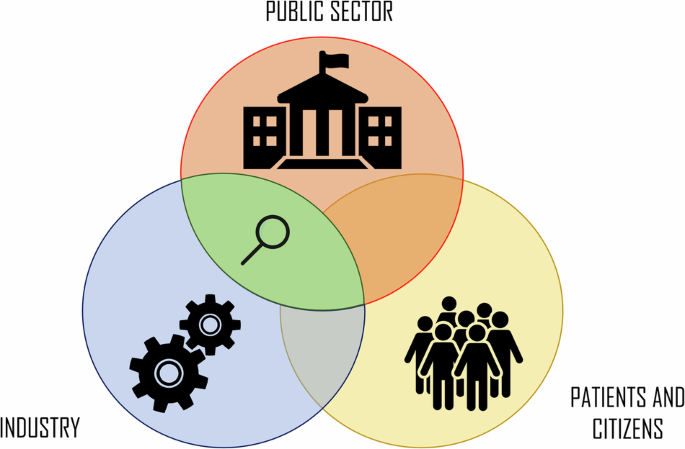
The collaboration between pharmaceutical distributors and retailers in Malaysia hinges on one strategic question: How can both parties maximize the value of promoters to drive sales, reduce returns, and enhance customer trust? The answer lies in treating promoters not as an isolated brand expense but as an integrated extension of the distribution service chain. This shift in perspective transforms promoters into trusted liaisons who bridge the gap between brands, pharmacies, and consumers.
Consider the case of a skincare brand in Johor Bahru, distributed through a local independent pharmacy chain. By embedding 12 bilingual promoters across high-traffic outlets, the brand saw a 32% reduction in product returns within six months. Why? Because promoters acted as dual representatives—upholding brand messaging while aligning with the pharmacy’s operational values. This efficient integration delivers measurable benefits:
Frontline intelligence: Promoters collect real-time feedback on consumer pain points, enabling faster adjustments to inventory or messaging.
Standardized training: Programs blend brand guidelines with pharmacy-specific protocols, ensuring consistency without compromising local relevance.
Strengthened partnerships: Distributors and retailers share the cost and rewards, fostering long-term collaboration.
For pharmacy wholesale distributors in Malaysia, this model isn’t just about boosting sales—it’s about optimizing the entire supply chain. Fewer returns mean less backflow into warehouses, lowering storage costs and minimizing waste. In competitive urban hubs like Kuala Lumpur, where customers demand instant clarity, promoters become an essential buffer against misinformation and buyer’s remorse.
Training, Knowledge, and Tools: What Makes a Promoter Effective

What separates a good promoter from a trusted expert in Malaysia’s pharmacy distribution service? The difference lies in rigorous training, practical tools, and the ability to mirror a pharmacist’s credibility—without overstepping into medical advice.
Take omega-3 supplements as an example. A high-performing promoter doesn’t just recite benefits; they explain:
How their product differs from generic fish oils
Ideal food pairings to enhance absorption
Realistic timelines for noticeable effects
To achieve this level of expertise, effective training programs include:
✅ KKM-compliant product education (e.g., dosage, contraindications)
✅ Hands-on demos using visual aids like flipbooks or QR-code guides
✅ Scenario-based role-play to practice handling objections in Bahasa Malaysia, English, or Mandarin
In Penang, a distributor reported a 28% increase in repeat purchases after equipping promoters with multilingual brochures and interactive tablets for instant FAQ access. The goal? Tailored consumer support that eliminates confusion—and the costly returns that follow.
Learn more : How to Train Your Pharmacy Promoters to Boost Loyalty & Sales
Measuring the Impact: Reduced Returns, Increased Satisfaction

How do pharmacy distributors in Malaysia quantify a promoter’s ROI? The metrics speak for themselves:
20% quarter-on-quarter drop in returns (documented by a Selangor-based distributor)
2x higher upsell rates in outlets with weekly promoter visits
38% fewer customer complaints logged in stores with trained promoters
These KPIs aren’t hypothetical. A pharmacy chain in Petaling Jaya compared two store clusters—one with promoters, one without—and found the former group achieved higher customer retention and fewer inventory write-offs. The reason? Promoters provided real-time education, preventing mismatches between consumer expectations and product realities.
For urban markets like KL, where competition is fierce, these proven results underscore a simple truth: Promoters aren’t a luxury; they’re a reliable tool for protecting brand integrity and supply chain efficiency.
Learn more : Measuring the impact of customer satisfaction on business profitability: an empirical study
Challenges and Considerations in Scaling Promoter Deployment

Despite the clear benefits, scaling promoter programs across Malaysia’s pharmacy distribution networks isn’t without hurdles. Key challenges include:
Budget constraints: Smaller independent pharmacies may lack resources for full-time promoters.
Training consistency: A promoter in Kota Kinabalu might face different customer expectations than one in Johor Bahru.
Message drift: Without refresher courses, promoters may unintentionally misrepresent product details over time.
Strategic solutions are emerging. Some distributors adopt shared-cost models with brands, while others use centralized digital training platforms to standardize knowledge. In Sarawak, a rotating promoter system—where trained staff cover multiple outlets—has cut costs by 15% while maintaining service quality.
The takeaway? Promoters are essential, but their success depends on long-term investment—not one-off campaigns.
Learn more : Challenges of Scaling Agile in Large Enterprises and Implications for Project Management
In Malaysia’s pharmacy distribution service, clarity drives confidence. Promoters fill a critical gap by educating consumers at the point of sale, reducing returns, and easing logistics burdens. For distributors and retailers, integrating promoters isn’t optional—it’s a strategic imperative for sustainability.
Ready to transform your pharmacy distribution outcomes?
PriooCare Malaysia offers tailored promoter programs designed to cut returns, boost sales, and strengthen customer trust. Contact us today to build a more efficient, customer-first distribution strategy.
How can we assist you today? 😊
Just let us know—we’re here to help!