

September 5, 2025
Pharmacy campaigns in Malaysia thrive when strategic briefing bridges the gap between brand vision and in-store execution. Ever noticed how some brands effortlessly dominate shelf space while others struggle despite having superior products? The difference often boils down to how well merchandising agencies are briefed—efficient communication ensures compliance, consistency, and measurable impact. In Malaysia’s pharmacy distribution ecosystem, where independent pharmacy distributors, distributor pharmacies, and pharmacy wholesale distributors each play distinct roles, a tailored brief isn’t just helpful—it’s essential for success.
The Malaysian Pharmacy Distribution Landscape: A Primer for Effective Briefing

Malaysia’s pharmacy supply chain is a layered network, and understanding its nuances ensures your merchandising brief aligns with real-world operational realities.
Independent Pharmacy Distributors
These trusted third-party partners purchase directly from manufacturers, supplying a diverse range of pharmacies. Their strength? Efficient distribution even for niche brands. For instance, a Kuala Lumpur-based distributor might handle everything from OTC pain relievers to specialized skincare, requiring briefs that account for varied product priorities.Distributor Pharmacies
Large chains like Caring Pharmacy or Health Lane Family Pharmacy often manage their own logistics. This model offers reliable control over merchandising but demands briefs that sync with their internal processes—like standardized planograms for 500+ outlets.Pharmacy Wholesale Distributors
These suppliers cater to smaller, independent pharmacies—a critical channel given that 40% of Malaysia’s pharmacies are independents (Malaysian Pharmaceutical Society, 2023). Briefs here must factor in logistical delays or space constraints common in rural outlets.
Operational Snapshot: A Johor Bahru supply chain partner shared that vague briefs led to 30% of POS materials being misplaced during a recent vitamin campaign. Clarity in instructions—like specifying exact wobbler placements—cut errors to under 5%.
Learn More : Top 10 Pharmacy Distributors in Malaysia Ranking | Good Pharmacy Practice (GPP) Reference Guide
Why Detailed Briefing Makes or Breaks Merchandising Success

A proven truth in Malaysia’s pharmacy logistics: poor briefing drains budgets and dilutes brand impact. Consider the risks of ambiguity:
✅ Wasted Resources
Merchandisers lose hours clarifying instructions instead of executing. One agency reported that vague briefs added 15–20% more labor costs per campaign.
✅ Inconsistent Execution
Without explicit visual guidelines, shelf displays vary wildly. A Selangor-based pharmacy distributor noted that brands without planograms faced 27% lower compliance rates in outlet audits.
✅ Regulatory Pitfalls
Malaysia’s NPRA enforces strict rules for OTC and supplement claims. An unclear brief once led to a RM50,000 fine for a brand that misplaced therapeutic claims next to general health products.
Real-World Win: A strategic brief for a probiotic launch included:
Approved claim snippets (translated to Bahasa Malaysia)
Shelf-space heatmaps for high-traffic zones
A checklist for NPRA-compliant signage
Result? 98% compliance across 200 stores in Kedah and Penang within 10 days.
Learn More : The Role of End-Cap Displays in Increasing Pharmacy Sales in Malaysia | 2024 Annual Marketing Report: Maximizing ROI in a Fragmented World
Anatomy of a High-Impact Merchandising Brief

Crafting a brief that delivers expert execution requires these essential components:
1. Objectives & KPIs: The North Star
Define success metrics: “Increase facings by 15% in AEON Wellness outlets” or “Achieve 90% POSM compliance in Klang Valley pharmacies by Week 2.”
Use SMART goals to align teams. A Melaka campaign tracked daily outlet audits via a shared dashboard, boosting accountability.
2. Product & Regulatory Details
SKU specifics (e.g., *“Highlight the 30-caplet pack, not the 60-caplet, during promo months”*)
NPRA-approved claims (avoiding terms like “cures” or “treats” unless cleared)
Pricing tactics (e.g., “Bundle pricing must be displayed above the shelf rail”)
3. Visual Merchandising Guidelines
Planograms adjusted for common Malaysian shelf heights (typically 1.2m–1.8m)
POSM placement rules: “Place wobblers 30cm from the right edge of the display”
Color codes: Pantone references ensure brand consistency across distributor pharmacies and independents.
Pro Tip: A trusted skincare brand included a “Do’s & Don’ts” visual guide in their brief—reducing misplacements by 62% in East Malaysia.
Learn More : Pharmacy Merchandising: Best Practices for Product Pricing and Promotion in Malaysia | Perspectives on Retail and Consumer Goods Issue 7
Translating Brand Strategy into Shelf Impact

A brand’s “clinical” or “natural” positioning must resonate at the shelf. Here’s how top performers do it:
Tone Consistency
A premium supplement brand used expert mood boards in their brief, showing exact font sizes and imagery spacing to evoke luxury.Competitive Context
Briefs noted: “Place our cough syrup at least 2 shelves above Competitor X”—a strategic move that lifted sales by 18% in a Penang pilot.
Malaysian Example: A local herbal brand included Bahasa Malaysia QR codes linking to NPRA-approved testimonials, merging compliance with engagement.
Collaboration Best Practices for Distributors & Agencies

For Distributor Pharmacies
Share briefs 4–6 weeks pre-launch to sync with their stock cycles.
Include registration numbers (e.g., “MAL200XXXXXX”) to speed up compliance checks.
For Agencies
Host joint workshops with pharmacy wholesale distributors to address logistical hurdles (e.g., “Our trucks reach Sarawak outlets only on Tuesdays—schedule merchandising accordingly”).
Use standardized templates with embedded visuals—a tactic that slashed briefing calls by 40% for a Kuala Lumpur agency.
Checklist for Seamless Briefing:
☑️ Provide multilingual claim copies (Bahasa Malaysia, English, Mandarin)
☑️ Specify outlet tiers (e.g., “Priority for stores with >500 daily footfall”)
☑️ Share distributor contact lists to resolve on-ground issues fast
A reliable briefing process isn’t just about documents—it’s about anticipating how your supply chain partner operates. One Ipoh-based brand saw a 20% faster rollout by attaching a FAQ sheet addressing common merchandiser questions upfront.
Localizing for Malaysia’s Diverse Market
Urban vs. Rural Dynamics
Briefs for KL pharmacies might emphasize digital POSM (e.g., LED displays), while rural Perak outlets need durable, weather-resistant signage.Cultural Nuances
A Ramadan campaign brief included prayer-time footfall data, prompting merchandisers to restock displays pre-Iftar for peak traffic.
Data Point: Pharmacies in Pahang saw 35% higher compliance when briefs included maps of nearby clinics (leveraging doctor-referred traffic).
Final Thought
In Malaysia’s fragmented pharmacy distribution landscape, a proven, detail-oriented briefing process isn’t optional—it’s the backbone of campaign success. From strategic KPI-setting to granular visual guides, every element ensures your brand stands out, complies, and converts.
Common Briefing Mistakes to Avoid in Malaysian Pharmacy Campaigns

Even the most strategic brand managers can stumble into avoidable pitfalls when briefing merchandising agencies. These errors don’t just delay campaigns—they erode shelf impact, compliance, and ROI. Let’s dissect the top three missteps plaguing Malaysia’s pharmacy distribution ecosystem and how to sidestep them with proven fixes.
Lack of Clarity on Objectives
Vague goals like “increase visibility” or “boost sales” leave agencies guessing. Without tailored KPIs, merchandisers default to generic tactics—stacking products haphazardly or overusing POSM in low-traffic zones.Real-World Fallout: A Johor Bahru pharma distributor reported that 60% of briefs they receive lack measurable targets, leading to 22% lower compliance rates versus campaigns with defined KPIs like “Secure 3 facings in 80% of Caring Pharmacy outlets by Month 1.”
✅ Fix: Use the SMART framework—Specific, Measurable, Achievable, Relevant, Time-bound. For example:
“Achieve 90% compliance for testers at checkout counters in Klang Valley Watsons stores within 14 days.”
*“Increase mid-aisle kiosk placements by 25% in East Coast independent pharmacies by Q3.”*
Overlooking Regulatory Compliance
Malaysia’s NPRA regulations are non-negotiable, yet brands often omit essential details like:Registration numbers (e.g., MAL2023XXXXX)
Approved claim verbatim (e.g., “Supports immunity” vs. “Boosts immunity”)
POSM dimensions (e.g., A4 shelf talkers only, no A3)
Local Example: In 2022, a popular supplement brand faced NPRA penalties after merchandisers placed unapproved bilingual claims in Penang outlets. The fix? Including expert-vetted claim translations in the brief.
✅ Fix: Embed a compliance checklist in every brief:
☑️ NPRA-approved claims (with registration IDs)
☑️ Prohibited terms list (e.g., “cure,” “treat”)
☑️ POSM size/placement rules (aligned with outlet audits)Ignoring Outlet Constraints
Malaysia’s pharmacy wholesale distributors serve diverse outlets—from sprawling AEON Wellness stores to cramped independents in Kelantan. Briefs that ignore shelf heights, gondola designs, or traffic flows lead to “Can’t execute” feedback.Operational Insight: A skincare brand’s efficient planogram failed in Sarawak because it didn’t account for rural outlets’ 1.5m shelves (vs. urban 1.8m). The solution? Tailored guidelines per outlet tier.
✅ Fix: Map outlet-specific requirements upfront:
Outlet Type Shelf Height POSM Preference Chain pharmacies (e.g., Watsons) 1.8m Digital wobblers Rural independents 1.5m Durable acrylic signs Power Words in Action: “These reliable adjustments prevent last-minute rework, ensuring strategic use of merchandising budgets.”
Case Studies: How Strategic Briefs Drove Campaign Success
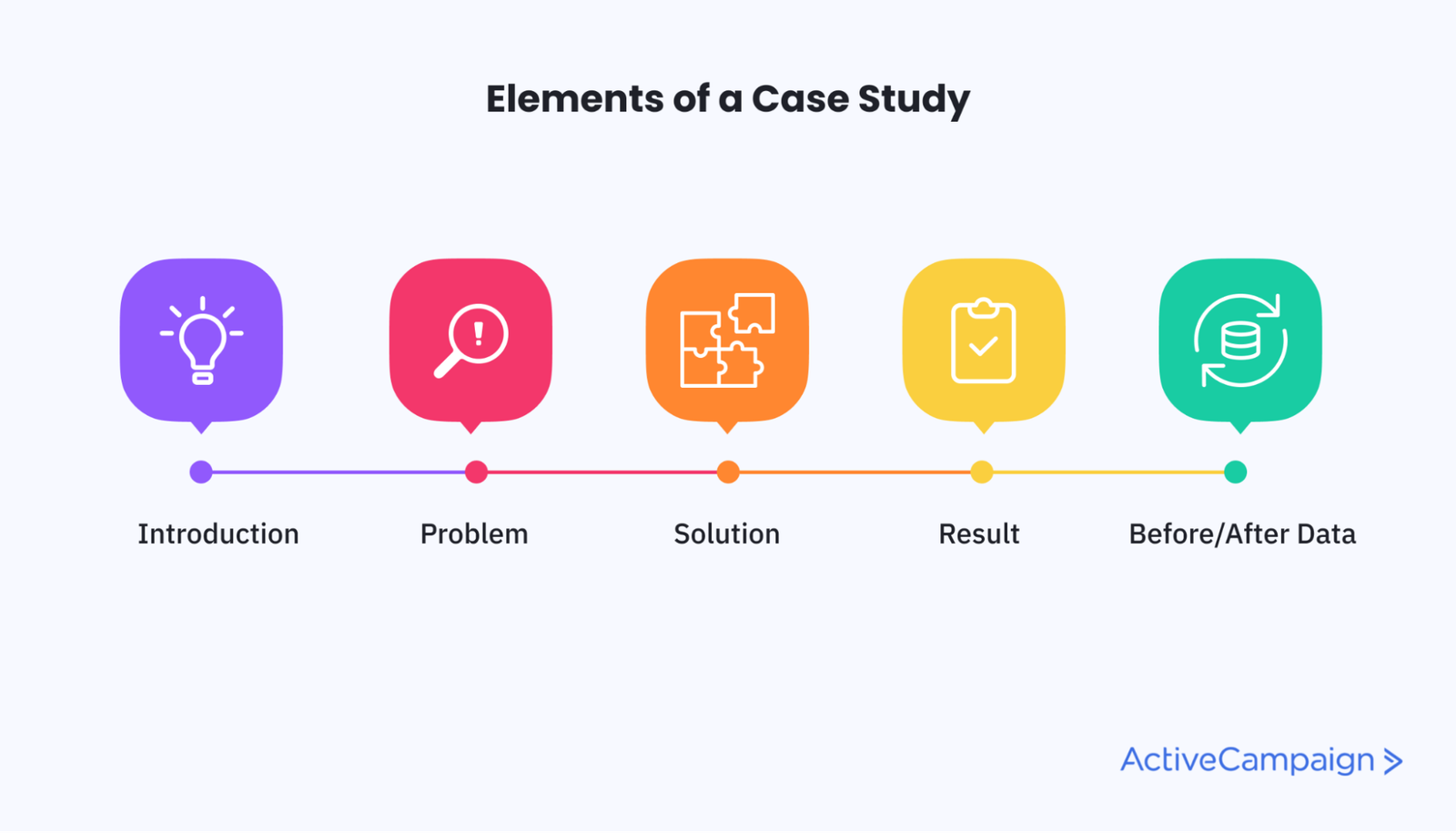
Case 1: OTC Supplement Display Dominance
A trusted vitamin brand transformed their briefing process for a 2023 launch, focusing on three proven elements:
Channel-Specific Planograms:
Watsons: Eye-level placements for premium SKUs
Independents: Counter displays near cashiers
KPIs with Teeth: “85% shelf share in 3 weeks” tracked via distributor reports
Regulatory Safeguards: Registration numbers embedded in all artwork
Outcome: 92% coverage achieved, with pharmacy distributor Malaysia partners praising the clarity. *“We restocked 30% faster because the brief flagged high-demand outlets,”* noted a Selangor logistics manager.
Case 2: Personal Care Launch with Localized Impact
A skincare brand leveraged pharmacy wholesale distributors to penetrate 350 outlets nationwide. Their effective brief included:
Bilingual Visual Guides:
Bahasa Malaysia for rural markets (“Kulit Lebih Lembut dalam 7 Hari”)
English for urban hubs (“Clinically Proven Hydration”)
Traffic-Driven Kiosk Rules: *“Place near entrance if footfall >500/day”*
Compliance Checks: Pre-approved mockups signed off by NPRA consultants
Outcome: 38% higher sell-through vs. previous launches. A Melaka supply chain partner noted: “The checklist cut our query calls by half.”
Learn More : Meeting Changing Consumer Needs: The U.S. Retail Pharmacy of the Future
Your Proven Checklist for Flawless Merchandising Briefs

This tailored, 10-step framework ensures your next brief is strategic, efficient, and reliable:
Define Laser-Focused Objectives
Example: “Increase facings by 20% in >1,000 outlet doors by Q4.”
Compile Product Essentials
☑️ SKU images (with pack size callouts)
☑️ NPRA-approved claims (verbatim)
☑️ Pricing/promo timelinesCraft Visual Merchandising Rules
Planograms (adjusted for outlet tiers)
POSM specs (size/material/language)
Clarify Brand Positioning
“Premium: Gold accents, 30cm clearance from economy brands.”
Address Outlet Realities
Shelf dimensions
Traffic peaks (e.g., “Avoid restocking during lunch hours in KL offices.”)
Align Distributors Early
Share briefs 4+ weeks ahead
Include pharmacy distributor Malaysia contact lists
Host Joint Briefings
Sync with merchandising agencies and supply chain partners
Internal Reviews
Legal, marketing, and sales sign-offs
Post-Launch Feedback Loop
Audit 10% of outlets weekly
Share insights with agencies
Iterate for Future Campaigns
Document what worked (e.g., “Bilingual POSM boosted rural compliance by 18%.”)
Why It Works: A Penang-based brand using this expert checklist saw merchandising costs drop 15% while compliance hit 94%.
In Malaysia’s fragmented pharmacy logistics landscape, a strategic brief isn’t just paperwork—it’s the blueprint for outselling competitors and building trusted shopper loyalty. From avoiding NPRA pitfalls to empowering distributor pharmacy partners with crystal-clear instructions, the brands winning shelf space are those investing in proven, detail-driven briefing processes.
Frequently Asked Questions (FAQ)
Q1: What are merchandising services?
Answer:
Merchandising services refer to professional support activities that ensure products are displayed, stocked, priced, and promoted correctly in retail stores. These services improve product visibility, maintain planogram compliance, and help retailers and brands boost sales performance.
Q2: What is an example of a merchandising service?
Answer:
An example is planogram execution, where a merchandiser arranges products on shelves according to a layout provided by the brand or retailer to ensure correct placement, facings, and category alignment.
Q3: What are the 4 types of merchandise?
Answer:
The four main types are convenience goods, shopping goods, specialty goods, and unsought goods, each classified based on consumer buying behavior and decision-making effort.
Q4: What are 5 examples of merchandising companies?
Answer:
Five examples include retail chains or service providers such as Walmart, Tesco, Aeon, Advantage Solutions, and Premium Retail Services, which offer both in-store merchandising and retail execution services.
Q5: What is a merchandising service team?
Answer:
A merchandising service team consists of trained personnel who visit stores to restock products, arrange shelves, update point-of-sale materials, check inventory levels, and ensure brand compliance.
Q6: What is a merchandise management system?
Answer:
A merchandise management system is a retail software platform that handles product planning, inventory control, pricing, purchasing, and sales tracking to optimize stock flow and reduce operational errors.
Q7: What is an example of a merchandising company?
Answer:
An example is Advantage Solutions, a global provider that offers in-store merchandising, retail support, product resets, and promotional execution for brands and retailers.
Q8: Is merchandising part of the supply chain?
Answer:
Yes. Merchandising is linked to the supply chain because it ensures the final step of product availability—making sure goods delivered by distributors are correctly displayed and accessible to customers.
Q9: What is merchandising in logistics?
Answer:
Merchandising in logistics refers to coordinating product flow from warehouses to retail shelves, ensuring timely replenishment, accurate stock levels, and correct placement to support sales and operational efficiency.
Q10: What is merchandising of goods and services?
Answer:
It involves presenting goods and services in a way that attracts customers, improves understanding, and increases purchase likelihood through proper placement, clear information, and consistent presentation across retail touchpoints.
How can we assist you today? 😊
Just let us know—we’re here to help!