

September 8, 2025
In Malaysia’s tightly regulated healthcare sector, obtaining KKM (Ministry of Health) approval isn’t just a bureaucratic hurdle—it’s a strategic necessity for any business dealing with pharmaceuticals, wellness products, or cosmetics. The National Pharmaceutical Regulatory Agency (NPRA) serves as the gatekeeper, ensuring that only safe, effective, and compliant products reach consumers. For trusted industry players—whether they’re pharmacy wholesale distributors, independent retailers, or global brands—securing this approval isn’t optional. It’s the foundation of market credibility and operational legality.
Consider the real-world consequences of non-compliance:
Product seizures by authorities, leading to financial losses
Reputational damage, eroding consumer confidence
Legal penalties, including fines or business suspension
For example, in 2022, a popular Malaysian herbal supplement brand faced a nationwide recall after failing to provide sufficient safety data during KKM evaluation. The fallout wasn’t just financial—it took years to rebuild consumer trust.
The Critical Roles of KKM and NPRA in Product Regulation
So, how exactly do the KKM and NPRA function within Malaysia’s healthcare ecosystem?
The Ministry of Health Malaysia (KKM) oversees public health policies, while the NPRA acts as the expert regulatory body enforcing compliance. Their responsibilities include:
✅ Reviewing registration applications for pharmaceuticals, supplements, and cosmetics
✅ Conducting GMP inspections to ensure manufacturing standards
✅ Issuing compliance certificates for approved products
✅ Monitoring post-market safety, including adverse event reporting
Key Divisions Within NPRA
For businesses, knowing which division handles your product is essential to avoid delays:
Centre for Product Registration (CPR): Covers prescription drugs, OTC medications, and health supplements
Cosmetic Control Division (CCD): Manages cosmetic product notifications (not full registration)
Centre for Compliance and Licensing (CCL): Oversees manufacturing licenses and Good Manufacturing Practice (GMP) audits
A common mistake? Assuming all products follow the same approval path. For instance, a pharmacy distributor Malaysia company importing Korean skincare must navigate the Cosmetic Control Division, whereas a firm introducing a new antibiotic deals with the Centre for Product Registration. Misclassification can add months to the process.
Learn More : Principles of Effective Labeling and Advertising in Healthcare
Which Products Require KKM Approval? (A Detailed Breakdown)
Not every item on pharmacy shelves undergoes the same scrutiny. Here’s a proven classification guide:
1. Prescription Medications (Scheduled Poisons)
Requires full registration with a MAL number
Must be handled by licensed pharmacists and authorized distributors
Example: Antibiotics, insulin, or hypertension drugs
2. Over-the-Counter (OTC) Products
Non-scheduled but still need NPRA registration
Includes common remedies like paracetamol or antacids
3. Health Supplements
Vitamins, minerals, or herbal blends for wellness support
Must provide scientific backing for health claims
Example: A Malaysian brand selling turmeric capsules for joint health
4. Traditional Medicines
Herbal formulations with historical use
Approval based on ingredient safety and manufacturing quality
5. Cosmetics
Notification-based (not full registration)
Must comply with ASEAN Cosmetic Directive
Example: A local startup launching halal-certified makeup
For efficient supply chain partners, knowing these categories prevents wasted effort. A pharmacy distributor Malaysia team importing Japanese supplements must gather stability data, while a cosmetics brand needs only to notify the NPRA.
Step-by-Step: How to Secure KKM Approval in Malaysia

Navigating the approval process demands precision. Here’s a reliable, phase-by-phase approach:
Step 1: Classify Your Product Correctly
Use the NPRA’s official guidelines or request clarification via their portal
Misclassification = automatic rejection
Step 2: Prepare a Compliant Dossier
Pharmaceuticals: Follow ASEAN Common Technical Dossier (ACTD)
Supplements/Traditional Products: Use ACTRN format
Step 3: Submit via QUEST 3+ System
Register your company profile
Upload product details, labeling, and supporting documents
Step 4: Pay Evaluation Fees
Costs range from RM500 to RM1,200+ depending on product type
Payment methods: Online banking or EFT
Step 5: Await NPRA Evaluation
Standard timeline: 3–6 months
Fast-track options for critical drugs (e.g., pandemic-related medications)
A strategic tip? Malaysian companies like PharmaCare Solutions reduced approval times by 30% through pre-submission consultations with NPRA.
Learn More : Ultimate Guide to KKM Approval in Malaysia
Essential Documents for NPRA Submission
Cutting corners on paperwork is a recipe for rejection. Here’s what trusted applicants submit:
📌 Product Formula (Full ingredient breakdown)
📌 Stability Data (Proof of shelf-life integrity)
📌 GMP Certification (From manufacturing facilities)
📌 NPRA-Compliant Labeling (Malay/English, approved claims)
📌 Safety Evidence (Clinical studies or toxicology reports)
For pharmacy distributor Malaysia firms handling imports, additional requirements include:
Certificate of Free Sale (From the product’s country of origin)
Letter of Authorization (From the manufacturer)
Batch records (Detailed production logs)
One Malaysian importer learned this the hard way—their shipment of Australian vitamins was held at customs due to missing GMP documentation.
Learn More : Pharmaceutical Supply Chain Best Practices
Common Pitfalls (And How to Avoid Them)

Even expert teams stumble. Watch for these missteps:
❌ Incomplete Stability Studies – NPRA requires at least 6 months’ data for local climate conditions
❌ Non-Compliant Labeling – Claims like “cures diabetes” trigger instant rejection
❌ Last-Minute Submissions – Rushed applications increase errors
A Johor-based pharmacy wholesale distributor avoided these issues by using a pre-submission checklist—a tailored tool that flagged missing documents before filing.
Operational Scenarios: Malaysia-Specific Examples
Case 1: Local Herbal Brand Expansion
A Sabah-based company producing tongkat ali supplements faced delays due to insufficient traditional use documentation. Solution? They partnered with a reliable regulatory consultant to compile historical usage evidence from Malay medical texts.
Case 2: Cosmetic Start-Up Challenges
A KL entrepreneur launching a halal lipstick line didn’t realize certain red pigments were ASEAN-restricted. After reformulation, they secured notification in 4 weeks.
Case 3: Pharmacy Distributor Compliance
A pharmacy distributor Malaysia firm importing Korean health drinks initially missed the Certificate of Free Sale requirement. Later, they implemented an internal audit system to pre-verify documents.
Navigating Common Pitfalls and Delays in Malaysia’s KKM Approval Process

Securing KKM (Ministry of Health Malaysia) approval is a proven requirement for any pharmaceutical, supplement, or cosmetic product entering the Malaysian market. Yet, even expert applicants face avoidable delays due to regulatory missteps. Understanding these pitfalls isn’t just about compliance—it’s a strategic advantage that saves time, money, and brand reputation.
Why Do Products Get Stuck in Regulatory Delays?
The National Pharmaceutical Regulatory Agency (NPRA) rejects applications for reasons that often boil down to preventable errors. For pharmacy distributors and brands, these mistakes can mean:
Lost revenue from postponed launches
Wasted resources on resubmissions
Damaged relationships with retail partners
A 2023 industry report found that 42% of first-time applicants faced delays due to incomplete documentation—a problem easily avoided with proper preparation.
Most Common Compliance Mistakes (And How to Avoid Them)
1. Incorrect Product Classification
Problem: Mislabeling a prescription drug as an OTC product or vice versa.
Example: A Malaysian startup classified their caffeine-based energy supplement as a “traditional medicine,” triggering a 3-month reevaluation.
Solution: Cross-check with NPRA’s Product Registration Guidance Document before submission.
2. Incomplete or Poorly Structured Dossiers
Problem: Missing stability data, incomplete ingredient lists, or non-standard formatting.
Example: A Selangor-based pharmacy distributor had to redo their entire submission after using an outdated ACTD template.
Solution: Use NPRA’s latest dossier templates and hire a regulatory consultant for verification.
3. Non-Compliant Labeling
Problem: Labels missing Bahasa Malaysia, incorrect font sizes, or unapproved claims.
Real-World Case: A popular imported vitamin brand was pulled from shelves for using the term “boosts immunity” without NPRA authorization.
Fix: Follow NPRA’s Labeling Guidelines to the letter.
📌 Quick Compliance Checklist:
✅ Verify product category (drug, supplement, cosmetic)
✅ Ensure all ingredients are ASEAN-approved
✅ Double-label in Bahasa Malaysia & English
✅ Avoid disease-related claims (e.g., “treats diabetes”)
Strategic Tips to Streamline NPRA Approval
Pre-Submission Consultation
NPRA offers pre-submission meetings to clarify requirements—a reliable step many overlook.
Partner with Regulatory-Savvy Distributors
Pharmacy wholesale distributors with KKM expertise can pre-audit documents before submission.
Monitor Ingredient Updates
ASEAN periodically restricts certain additives (e.g., hydroquinone in cosmetics).
Digital Submission Readiness
Malaysia’s QUEST 3+ system requires precise digital formatting—test runs prevent last-minute errors.
A trusted Kuala Lumpur supplement brand cut approval time by 40% by implementing these steps.
Learn More : Malaysia Medical Device Registration Guidelines
The Evolving Role of Pharmacy Distributors in Regulatory Compliance

Gone are the days when pharmaceutical distributors merely handled logistics. Today, leading pharmacy distributor Malaysia firms act as strategic regulatory partners, ensuring products meet KKM standards before they even hit warehouses.
How Distributors Add Compliance Value
📌 Beyond Logistics: 5 Key Support Roles
Document Review: Pre-screening dossiers for NPRA compliance.
Classification Guidance: Advising whether a product is a drug, supplement, or cosmetic.
NPRA Liaison: Coordinating with regulators during evaluations.
Sample Management: Submitting physical product samples if required.
Renewal Tracking: Alerting brands before approvals expire (every 5 years).
Case Example: A Distributor’s Intervention
A Penang-based health supplement startup nearly submitted incorrect stability data. Their efficient distributor flagged the error, preventing a 6-month delay.
Why Smaller Brands Benefit Most
Most local SMEs lack in-house regulatory teams. Partnering with a expert distributor bridges this gap by offering:
✔ Cost savings vs. hiring full-time compliance staff
✔ Faster approvals through pre-vetted submissions
✔ Market credibility via association with trusted logistics players
A Johor herbal tea producer secured Guardian Pharmacy listings solely because their distributor ensured full KKM compliance upfront.
Learn More : How to Choose the Right Pharmacy Merchandising Partner in Malaysia | The Role of Pharmacy Distribution Services in Malaysia’s Healthcare System | Good Manufacturing Practice (GMP) for Pharmaceuticals
Post-Approval Compliance: Labeling, Advertising & Renewals
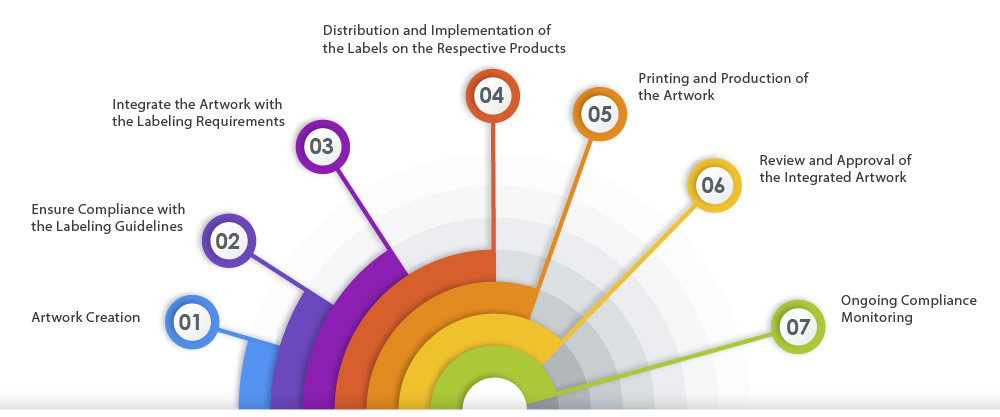
KKM approval isn’t the finish line—it’s the start of ongoing compliance. Pharmacy distributors play a essential role in maintaining adherence post-launch.
Critical Post-Approval Rules
1. Labeling Standards
Primary language: Bahasa Malaysia (English allowed but secondary)
Mandatory details: MAL number, manufacturer/importer address
Banned claims: No references to curing/treating diseases
2. Advertising Restrictions (KKLIU Rules)
All promotional materials (social media, print, in-store) require separate Medical Device Authority (MDA) approval.
Example: A viral TikTok ad for a slimming tea was fined RM50,000 for unauthorized therapeutic claims.
3. Renewals & Variations
Renewals: Required every 5 years (submit 6 months before expiry).
Changes: Any formula/label tweaks need a variation application.
📌 Pro Tip: Distributors like PriooCare Malaysia offer compliance tracking tools to automate renewal deadlines.
Real-World KKM Success Stories from Malaysia

Case 1: Cosmetic Brand’s 14-Day Approval
Challenge: A local skincare line needed Watsons Malaysia distribution.
Solution: Their pharmacy distributor pre-checked ingredients against ASEAN’s restricted list.
Result: NPRA notification cleared in 14 working days.
Case 2: Herbal Supplement’s Nationwide Rollout
Challenge: A Sarawak-based tongkat ali product lacked clinical data.
Solution: Partnered with a regulatory-savvy distributor to compile traditional use evidence.
Result: Approved in 6 months, now sold in 180+ pharmacies.
These cases prove that strategic partnerships turn compliance hurdles into competitive edges.
In Malaysia’s strictly regulated healthcare sector, KKM approval is more than a legal requirement—it’s a trusted marker of quality that:
Boosts retailer confidence (e.g., Caring Pharmacy prioritizes fully compliant brands)
Enhances consumer safety
Prevents costly recalls
For brands, aligning with expert pharmacy distributors ensures seamless navigation of NPRA’s evolving standards.
Frequently Asked Questions (FAQ)
Q1: What is the full meaning of KKM?
Answer:
KKM stands for Kementerian Kesihatan Malaysia, also known as the Ministry of Health Malaysia, the main government body responsible for public health, medical services, and healthcare regulation in Malaysia.
Q2: What does KKM do?
Answer:
KKM oversees national healthcare policies, regulates medicines and cosmetics through NPRA, ensures public health standards, monitors disease control, and manages government hospitals and clinics across Malaysia.
Q3: What is the meaning of KKM certified?
Answer:
KKM certified means a product has been evaluated and approved by KKM (via NPRA) for safety, quality, and compliance. Approved products carry a valid MAL number (for medicines) or NOT number (for cosmetics).
Q4: What is the function of the Ministry of Health in Malaysia?
Answer:
The Ministry of Health protects and enhances public health through policymaking, healthcare service delivery, medical regulation, disease control, and ensuring the safety of pharmaceuticals, food, and cosmetic products.
Q5: What are the core values of KKM?
Answer:
KKM’s core values include professionalism, integrity, teamwork, compassion, and commitment to delivering safe and high-quality healthcare to the Malaysian population.
Q6: How to apply for KKM approval?
Answer:
To apply for KKM approval, companies must register their product through the NPRA QUEST system, submit required documents, safety data, labeling details, test reports, and pay the necessary processing fees before evaluation begins.
Q7: What products need a KKM check?
Answer:
Medicines, health supplements, cosmetics, traditional products, medical devices, and certain personal care items require a KKM check to ensure they comply with Malaysian safety and regulatory standards.
Q8: What is KKM in Malaysia?
Answer:
KKM refers to Malaysia’s Ministry of Health, the authority responsible for healthcare regulation, public health management, and ensuring the safety and quality of medical and cosmetic products.
Q9: What is a KKM certificate?
Answer:
A KKM certificate is an official approval issued by the NPRA for registered products. It confirms the product has passed safety and quality evaluation and is legally allowed to be sold in Malaysia.
Q10: How to verify KKM sticker?
Answer:
You can verify a KKM sticker by checking the product’s MAL or NOT number on the NPRA Product Search portal. This confirms whether the product is genuinely registered and approved by KKM.
How can we assist you today? 😊
Just let us know—we’re here to help!