

July 22, 2025
Malaysian pharmacies operate in a highly competitive landscape, where standing out during festive seasons requires more than just discounts—it demands strategic planning, cultural relevance, and seamless execution. Seasonal campaigns, whether tied to Hari Raya, Chinese New Year, Deepavali, or even back-to-school periods, aren’t just about capitalizing on increased foot traffic. They’re essential opportunities to reinforce brand trust, educate consumers, and drive effective conversions.
For pharmacy distributors in Malaysia, these peak periods represent more than just sales spikes—they’re moments to deepen customer relationships. Consider how local shoppers behave during festive windows:
Gifting culture drives demand for wellness hampers, skincare sets, and supplement bundles.
Stockpiling habits emerge as families prepare for holidays, leading to bulk purchases of vitamins, OTC medications, and personal care items.
Impulse buying increases due to in-store promotions, live demos, and limited-time offers.
A trusted pharmacy merchandising strategy ensures brands don’t just blend into the noise but instead become top-of-mind choices during these critical shopping phases.
The Role of Pharmacy Promoters in Seasonal Campaign Execution

Pharmacy promoters are the unsung heroes of seasonal campaigns. Far from being mere shelf stockers, they serve as expert ambassadors who bridge the gap between marketing intent and real-world sales. During high-traffic periods like Chinese New Year or Ramadan, their role evolves into a multifaceted engagement engine—combining product knowledge, cultural sensitivity, and persuasive storytelling.
In Malaysia, major pharmacy chains like Caring and Guardian rely on well-trained promoters to:
✅ Deliver tailored product narratives—explaining why an “Immunity Boost Raya Kit” is ideal for family gatherings.
✅ Conduct live demos—showcasing festive-themed bundles (e.g., a Deepavali skincare gift set with decorative packaging).
✅ Handle real-time objections—addressing concerns about supplement efficacy or skincare suitability.
✅ Ensure planogram compliance—keeping displays fresh and fully stocked during rush hours.
A proven example? During the 2023 Hari Raya season, a leading vitamin brand saw a 37% lift in sales after deploying promoters trained in cultural greetings and quick product storytelling. The lesson? Efficient promoter deployment isn’t just about manpower—it’s about equipping them with the right tools and training to maximize impact.
Aligning with Pharmacy Retail Calendars: Planning for Peak Periods

Timing is everything—launching a Ramadan campaign a week late or missing the pre-Chinese New Year stocking rush can mean lost revenue and wasted resources. Malaysia’s pharmacy retail calendar is packed with non-negotiable peaks, and brands must plan backward to secure shelf space, inventory, and promoter availability.
Malaysia’s Quarterly Pharmacy Opportunities
| Quarter | Key Events | Consumer Behavior |
|---|---|---|
| Q1 | Chinese New Year, School Reopening | Bulk-buying vitamins, back-to-school essentials |
| Q2 | Ramadan, Hari Raya, Mid-Year Sales | Gifting sets, halal-certified wellness products |
| Q3 | Merdeka, Back-to-School, Haze Season | Immunity boosters, face masks, hydration products |
| Q4 | Deepavali, Year-End Gifting, New Year Prep | Skincare bundles, detox teas, travel-sized hygiene kits |
Strategic brands work 3–4 months ahead to:
✔ Forecast demand spikes (e.g., multivitamins before Raya, sanitizers during haze season).
✔ Secure buffer stock at distributor warehouses to prevent out-of-stock scenarios.
✔ Align promoter schedules with pharmacy staff shifts for seamless in-store execution.
A common pitfall? Underestimating lead times for regulatory approvals. One supplement brand missed 40% of its projected Ramadan sales because halal certification delays pushed back its campaign launch. Reliable coordination between brands, pharmacy distributors in Malaysia, and retailers is non-negotiable.
Learn more : Forecasting Model: The Case of the Pharmaceutical Retail
Developing Seasonal Campaign Concepts: Bundles, Themes, and Demos

Generic discounts fade fast—but a culturally resonant campaign lingers in consumer memory. The best seasonal concepts in Malaysian pharmacies tap into shared values: family care, preventive wellness, and festive generosity.
Winning Campaign Ideas for Malaysian Pharmacies
“Immunity Boost Raya Kit” – Bundling vitamin C, honey lozenges, and travel sanitizers for family visits.
“Deepavali Glow Set” – A skincare bundle with brightening serums and festive-limited packaging.
“Back-to-School Wellness Pack” – Combining multivitamins, hand sanitizers, and lice repellent sprays.
But a great concept is nothing without flawless execution. Effective demo stations must:
✅ Train promoters on cultural etiquette (e.g., avoiding direct handoffs during Ramadan).
✅ Keep education bite-sized—shoppers in a hurry won’t stop for a 10-minute supplement lecture.
✅ Maintain hygiene standards—especially for skincare testers or supplement samples.
A strategic twist? Guardian Pharmacy’s 2023 Chinese New Year “Detox Tea” demo saw a 28% conversion lift by pairing tastings with a red packet giveaway mechanic. The takeaway? Tailored experiences beat generic promotions every time.
Learn more : 7 Pharmacy Merchandising Tips
Logistics & Inventory Coordination with Pharmacy Distributor Malaysia
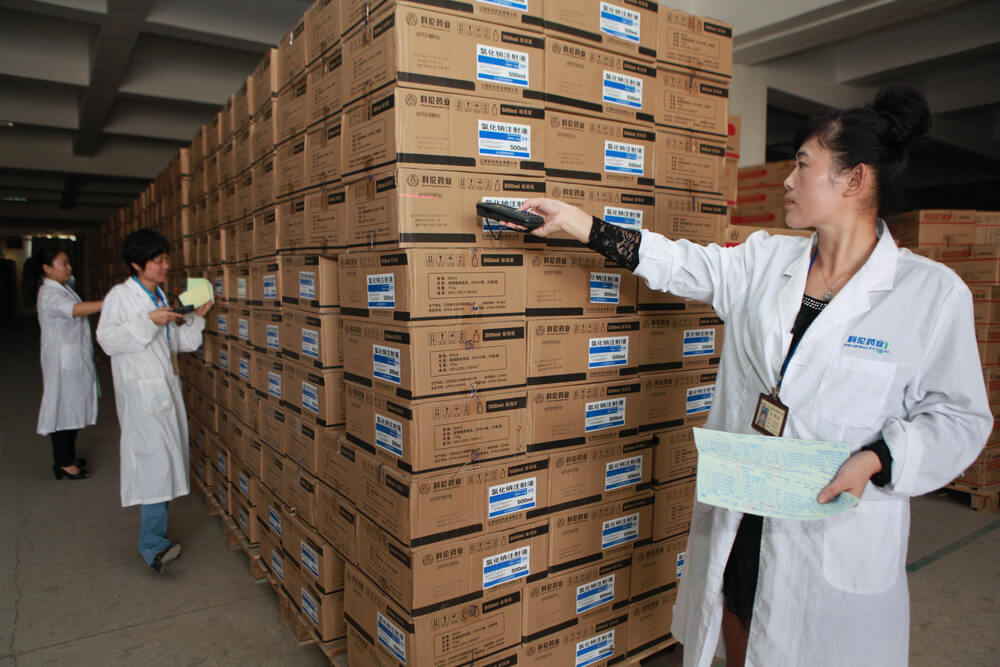
Even the most brilliant campaign fails if stock arrives late or POS materials go missing. Pharmacy distributors in Malaysia play a pivotal role in ensuring seamless execution—acting as the logistical backbone between brands and retailers.
Critical Coordination Checkpoints
Demand forecasting – Aligning with distributors to predict regional sales variations.
Buffer stock management – Pre-positioning extra inventory in central warehouses.
POSM delivery timelines – Ensuring banners, shelf talkers, and demo kits arrive before promo starts.
Promoter deployment confirmations – Verifying schedules with field teams to avoid last-minute no-shows.
A real-world cautionary tale: A popular pain relief brand lost RM 250,000 in potential sales during Hari Raya 2022 because their pharmacy distributor in Malaysia misjudged stock allocation, leaving key stores under-supplied. The fix? Proven brands now use shared live inventory dashboards with distributors to track real-time stock movements.
Efficient logistics isn’t glamorous—but it’s the difference between a seasonal triumph and a costly missed opportunity.\
Learn more : Healthcare supply chain management in Malaysia: A case study
Training Promoters for Seasonal Messaging and Sales Conversions

Turning promoters into persuasive brand storytellers during seasonal campaigns isn’t just about product knowledge—it’s about mastering emotional and cultural fluency. In Malaysia’s diverse retail landscape, where festive seasons like Hari Raya, Deepavali, and Chinese New Year drive significant consumer spending, the ability to connect on a personal level can make or break a campaign’s success. For independent pharmacy distributors, this means going beyond generic training modules and crafting tailored programs that resonate with local nuances.
Consider the difference between a promoter who mechanically lists product features and one who tells a story: “This Raya, share the gift of wellness with loved ones—because nothing matters more than family health during celebrations.” The latter doesn’t just sell; it builds trust and emotional buy-in. To achieve this level of engagement, training should cover:
Themed product storytelling: Scripts that tie products to cultural traditions (e.g., “Start your CNY with a liver detox to enjoy festive feasts guilt-free”).
Consumer objection handling: Techniques to address price sensitivity without undermining value (e.g., “This bundle saves 20% compared to buying individually”).
Regulatory compliance: Clear guidelines on health claims, especially for OTC products like supplements or skincare.
Demo etiquette and hygiene: Critical in pharmacies, where cleanliness reinforces credibility.
Soft skills for engagement: Active listening, reading nonverbal cues, and adapting tone to different customer segments.
A strategic investment here pays off. For example, a Malaysian vitamin brand saw a 40% boost in conversions after equipping promoters with localized Raya scripts and visual aids like festive-themed counter cards. The key? Feedback loops. Regular debriefs with promoters uncovered that customers responded better to stories about “family protection” than generic immunity claims. Small tweaks, big impact.
Learn more : 9 Tactics for Running Successful Seasonal Marketing Campaigns + Bonus Tips
Monitoring Campaign Performance and Real-Time Adjustments

Seasonal campaigns operate on tight timelines. Waiting for post-mortem reports means missing the chance to salvage underperforming activations. Real-time monitoring isn’t a luxury—it’s essential. Whether through digital tools or manual tracking, capturing data daily allows for agile pivots.
For pharmacy distributors and brands, this means establishing:
Daily sales reporting: SKU-level tracking to identify which bundles or products are hitting targets.
Promoter attendance logs: No-shows or late arrivals can derail a campaign; real-time alerts enable quick replacements.
Outlet-level checks: Are posters visible? Are demo tables placed near high-traffic zones?
Consumer response logs: Tracking common objections (e.g., “Too expensive”) or questions (“Is this halal?”) to refine messaging.
Here’s where efficient data use shines. A cough syrup brand in Selangor noticed lukewarm uptake during the first week of a monsoon-season campaign. By cross-referencing sales data with promoter feedback, they discovered customers perceived the product as “only for kids.” The fix? Repositioning demos near adult wellness sections and tweaking scripts to highlight family-use benefits. Sales jumped 25% in the following week.
Learn more : Understanding the ROI of Pharmacy Merchandising Investments in Malaysia
Collaborative A&P Support: What Brands, Distributors, and Retailers Should Align On

Misalignment between brands, distributors, and retailers leads to chaotic in-store execution—think missing POSM, untrained staff, or stockouts during peak demand. Early collaboration is non-negotiable. Before launching a festive campaign, all parties must agree on:
Final promo mechanics: For example, a “Buy 2 Free 1” deal for diabetic supplements during Ramadan.
Branding assets: Ensure bunting, shelf talkers, and demo kits arrive at stores before the campaign starts.
Activation timelines: Sync with retail traffic patterns (e.g., evening surges during Ramadan).
Promoter responsibilities: Clarify if they handle sampling, upsells, or data collection.
Post-campaign stock returns: Avoid deadstock by agreeing on return policies upfront.
A reliable checklist prevents rollout disasters. Case in point: A skincare brand’s Deepavali campaign in Penang stumbled when posters arrived late due to miscommunication between the distributor and retailer. The lesson? A shared digital hub for asset tracking and updates keeps everyone accountable.
Learn more : Retail Merchandising Services Malaysia
Case Examples: Successful Seasonal Campaigns in Malaysian Pharmacies

What does winning execution look like? Let’s break down anonymized examples from Malaysia’s pharmacy networks:
Vitamin Brand’s Raya Bundle
Strategy: Immunity-focused gift set (multivitamins + zinc) with a free reusable duit raya pouch.
Channel: Watsons and independent pharmacies in Kelantan.
Result: 30% sales lift versus non-promo SKUs.
Success Factor: Promoters used a tailored greeting—“Boleh jaga keluarga dengan vitamin ini”—paired with demos near checkout counters.
Skincare Deepavali Set
Strategy: Brightening serum and cleanser in a gold-foiled gift box.
Channel: Guardian and kiosks in Klang Valley.
Result: Sold out within 10 days.
Success Factor: Trusted promoters offered samplers with a “pre-festival glow” pitch.
OTC Hangover Kit for CNY
Strategy: Liver supplement + hydration sachets bundled as a “Post-Reunion Dinner Rescue Pack.”
Channel: Independent chains in Johor Bahru.
Result: 50% engagement from millennials.
Success Factor: Demos mimicked a festive dining table, making use-case relatable.
These wins weren’t accidental. They relied on proven frameworks: early inventory forecasting, promoter training, and aligning with pharmacy distributor Malaysia partners who understood regional preferences.
Consistency separates market leaders from one-hit wonders. A structured approach—strategic planning, expert training, real-time adjustments, and post-campaign reviews—turns seasonal activations into a reliable revenue stream. For brands eyeing Malaysia’s pharmacy networks, the playbook includes:
Pre-testing bundle concepts with focus groups.
Aligning logistics with distributors 8–12 weeks ahead.
Training promoters not just on products, but cultural storytelling.
Reviewing data to refine the next cycle.
The goal isn’t just one successful campaign; it’s creating a system where every festive period drives predictable growth.
How can we assist you today? 😊
Just let us know—we’re here to help!