

July 22, 2025
Malaysia’s healthcare and pharmaceutical industry continues to thrive, driven by evolving consumer health priorities, government-backed regulatory frameworks, and a surge in demand for preventive care solutions. While the sector presents lucrative opportunities, entrepreneurs face a complex landscape where meticulous planning and compliance expertise are non-negotiable. Beyond securing funding, newcomers must master licensing protocols, product validation processes, and partnership strategies to carve out a sustainable niche.
The country’s aging population, coupled with heightened health literacy, has amplified the need for innovative medicines and wellness products. However, Malaysia’s National Pharmaceutical Regulatory Agency (NPRA) maintains stringent standards for product registration—a phase that often trips up unprepared businesses. Unlike less regulated industries, pharmaceuticals require exhaustive documentation, clinical evidence, and adherence to Good Distribution Practices (GDP). Aligning with consultants familiar with these benchmarks can prevent costly delays.
A common pitfall for startups is underestimating the time required for licensing. From company incorporation to obtaining a Controlled Drug License, each step demands precision. Equally critical is selecting a dependable pharmacy distribution partner. While some businesses opt for in-house logistics, collaborating with established third-party distributors in Malaysia ensures access to nationwide networks and cold-chain capabilities—vital for temperature-sensitive products.
Success hinges on balancing regulatory rigor with market agility. For instance, digital platforms are reshaping how consumers access healthcare, creating opportunities for e-pharmacy integrations. Meanwhile, niche segments like herbal supplements or personalized medicine are gaining traction, though they require tailored registration approaches.
Launching a pharmaceutical business here isn’t just about ticking legal boxes—it’s about building relationships. Engage early with industry associations, attend NPRA workshops, and prioritize transparency with distributors. By combining thorough preparation with adaptive strategies, new entrants can tap into Malaysia’s $2 billion pharmaceutical market while delivering value to a health-conscious population.
Understanding the Malaysian Pharmaceutical Market

Malaysia’s pharmaceutical industry, currently valued at over RM9 billion, continues to gain momentum as a strategic hub for healthcare innovation. Fueled by rapid urbanization, an aging demographic, and robust public health initiatives, the sector offers fertile ground for businesses targeting prescription medications, generic alternatives, nutraceuticals, or over-the-counter (OTC) remedies. With a healthcare system serving over 32 million residents—and expanding insurance coverage under national schemes—the market’s growth trajectory appears unstoppable.
The ecosystem thrives on diversity, integrating retail chains, hospital-affiliated outlets, and wholesale networks to serve varied consumer needs. Leading retail brands like Caring Pharmacy, Alpro, and Guardian dominate high-traffic areas, while government and private hospital pharmacies cater to specialized demands. Behind the scenes, wholesalers form the backbone of distribution, connecting manufacturers to end retailers through established partnerships.
For foreign investors eyeing Southeast Asia, Malaysia stands out for its openness to international collaboration. The government actively welcomes ventures that introduce cutting-edge therapies or evidence-based wellness products, positioning the country as a regional gateway. Local regulations, though stringent, prioritize patient safety without stifling innovation—provided businesses partner with knowledgeable allies. This is where experienced pharmacy distributors in Malaysia prove invaluable, bridging gaps between compliance hurdles and operational success.
Navigating the market’s layered supply chain remains one of the biggest challenges for newcomers. From licensing approvals to inventory logistics, each step demands precision. Aligning with accredited distributors familiar with local protocols not only streamlines entry but also mitigates risks like regulatory delays or distribution bottlenecks. These partners often provide insights into consumer trends, helping brands tailor offerings to Malaysia’s multicultural preferences.
Whether you’re a startup testing ground or an established corporation expanding regionally, Malaysia’s blend of infrastructure, demand drivers, and regulatory clarity creates a unique advantage. While competition exists in crowded segments like generics, niches such as halal-certified supplements or digital health integrations remains underdeveloped. The key lies in strategic positioning—and choosing collaborators who understands the landscape’s nuances.
In short: Malaysia’s pharmaceutical sector presents compelling opportunities for both local entrepreneurs and foreign investors alike. Success, however, hinges on adaptability, localized strategies, and leveraging the right partnerships to unlock this dynamic market’s full potential.
Learn more : Top 10 Pharmaceutical Companies in Malaysia 2024 | Guide on Pharmaceutical Industry in Malaysia
Legal Entity Setup: Business Registration Essentials

Launching a pharmaceutical company in Malaysia involves navigating specific regulatory frameworks to ensure compliance. While the process requires attention to detail, understanding the core steps can streamline your journey from concept to operation. Below is a step-by-step guide to formalizing your business within the country’s legal structure.
Step 1: Select an Appropriate Business Model
Begin by choosing a business structure that aligns with your operational goals. Most entrepreneurs opt for a Private Limited Company (Sdn Bhd), which offers liability protection and credibility. This structure is ideal for pharmaceutical ventures due to its scalability and investor appeal.
Step 2: Secure Your Company Name
Reserving a unique business name is your next priority. Submit proposed names through the MyCoID portal, Malaysia’s centralized platform for company registrations. Ensure the name adheres to SSM guidelines and doesn’t conflict with existing trademarks. Approval typically takes 1–3 working days.
Step 3: Formalize Incorporation via SSM
Once your name is approved, proceed with incorporation through the Companies Commission of Malaysia (SSM). This involves submitting documents outlining director profiles, shareholder agreements, and initial capital deposits. Foreign applicants must appoint at least one resident director, though ownership can remain fully international in many pharmaceutical sectors.
Step 4: Complete Tax and Sales Registrations
After incorporation, obtain a tax identification number from the Inland Revenue Board (LHDN). If your annual revenue exceeds RM500,000, register for Sales and Service Tax (SST) to comply with Malaysia’s indirect tax system. Pro tip: Consult a local tax advisor to navigate exemptions or incentives for healthcare businesses.
Foreign Investor Considerations
Malaysia welcomes overseas pharmaceutical investors, permitting full foreign ownership in most cases. However, maintaining a local director is non-negotiable. This individual can be a Malaysian citizen or permanent resident, providing a bridge to regional market insights.
Additional Licenses for Pharmaceutical Operations
Beyond SSM registration, secure specialized permits:
A wholesale or import license from the Ministry of Health (MOH), contingent on your supply chain activities.
Premises approval from municipal councils, ensuring facilities meet Good Distribution Practice (GDP) standards.
Minimize Regulatory Risks
Engage early with MOH guidelines to align manufacturing, storage, and labeling processes with national standards. Proactive compliance reduces delays during license applications and inspections.
By methodically addressing legal, tax, and sector-specific requirements, you’ll establish a resilient foundation for your pharmaceutical enterprise. While the process demands patience, thorough preparation ensures smoother approvals and long-term operational stability. For complex cases, partnering with a Malaysian corporate services provider can simplify navigation through local bureaucracy.
Regulatory Pathways: NPRA, MDA, and NOT Explained

Understanding how your product will be classified in Malaysia is critical for successful market entry. The country’s regulatory framework divides oversight into three primary pathways, each tailored to specific product categories: pharmaceuticals, medical devices, and cosmetics. Let’s break down these classifications and their requirements to help you prepare compliant submissions.
1. Pharmaceutical Products (NPRA/MAL Number)
Managed by the National Pharmaceutical Regulatory Agency (NPRA), drug registration demands rigorous scientific validation. Applicants must submit comprehensive clinical trial data, detailed manufacturing protocols, and stability testing results spanning multiple environmental conditions. Labels must align with NPRA guidelines, avoiding therapeutic claims not backed by evidence. Foreign manufacturers often partner with licensed local agents to navigate this complex process, as NPRA requires a domestic representative to act as the registration holder.
2. Medical Devices (MDA)
The Medical Device Authority (MDA) governs this category through a risk-based approach. Products must undergo conformity assessments—often involving third-party audits—to verify compliance with ISO 13485 or equivalent standards. Technical documentation should include safety certifications, design specifications, and performance testing outcomes. Unlike pharmaceuticals, MDA allows foreign companies to register directly, though many opt for local consultants to streamline compliance with Malaysia’s Medical Device Act.
3. Cosmetics (NOT Notification)
Cosmetics benefit from a simpler NOT notification system under the Ministry of Health. While no pre-market approval is needed, brands must ensure ingredient safety aligns with ASEAN Cosmetic Directive standards and labels avoid unverified claims like “anti-aging” or “medical-grade.” The process typically wraps within weeks, but post-market surveillance remains strict—non-compliant products risk swift recalls.
Avoiding Compliance Pitfalls
Common missteps include overstating product benefits (e.g., claiming a face cream “treats eczema”) or submitting incomplete technical dossiers. Regulatory consultants can mitigate these risks by reviewing marketing materials for compliance and preparing audit-ready documentation. For foreign startups, partnering with a Malaysian agent isn’t just advisable—it’s often mandatory for NPRA submissions.
Pro Tip: Allocate extra time for stability testing in tropical climates if registering perishable items. Malaysia’s humidity and heat can impact product integrity, requiring tailored data.
By aligning with the right regulatory pathway early, businesses can avoid delays and position themselves for success in Malaysia’s growing consumer health market.
Learn more : Drug Registration Guidance Document (DRGD)
Licensing & Permits: What You Need to Operate

Bringing pharmaceutical products to market in Malaysia requires careful adherence to the country’s regulatory framework. Whether you’re manufacturing, importing, or distributing medications, securing the right approvals is non-negotiable. Below, we break down the essential licenses and compliance steps to streamline your market entry strategy.
Core Licenses for Pharmaceutical Operations
Four primary licenses form the foundation of legal pharmaceutical trade in Malaysia:
A Wholesale Dealer’s License (issued by the Ministry of Health) is mandatory for entities distributing medicines in bulk.
Local production demands a Manufacturer’s License, which certifies compliance with national safety and quality benchmarks.
Importers of finished pharmaceutical goods must secure an Import License to legally bring products into the country.
Businesses selling directly to consumers through physical stores or online platforms need a Retail License to operate lawfully.
Beyond Licensing: Compliance Essentials
Malaysia’s pharmaceutical sector is governed by the Poisons Act 1952 and the Control of Drugs and Cosmetics Regulations (CDCR). These frameworks mandate strict adherence to two operational pillars:
Cold Chain Management: Temperature-sensitive products like vaccines or biologics require validated storage systems with continuous monitoring to prevent spoilage.
GDP-Compliant Warehousing: Facilities must meet Good Distribution Practice standards, covering everything from staff training to inventory tracking and contamination prevention.
Strategic Partnerships for Faster Market Access
Given the complexity of regulatory hurdles, many businesses opt to collaborate with established distributors or licensed third-party suppliers. These partners often possess pre-approved infrastructure and expertise, enabling companies to bypass lengthy approval timelines. Such alliances not only accelerate launch plans but also reduce upfront costs, allowing new entrants to allocate resources toward growth-focused activities like marketing or R&D.
By understanding these requirements early, businesses can design a phased compliance strategy that aligns with Malaysia’s evolving healthcare regulations—positioning themselves for sustainable success in this competitive market.
Choosing the Right Pharmacy Distributor in Malaysia

Selecting the right pharmaceutical distributor is a pivotal decision for brands entering Malaysia’s competitive healthcare market. With countless wholesalers vying for partnerships, how can you pinpoint a collaborator that truly aligns with your business goals? Let’s explore the critical factors that separate dependable distributors from the rest.
Essential Qualities of a Reliable Distributor
Proven Regulatory Compliance: Prioritize distributors with a verified history of adhering to NPRA (National Pharmaceutical Regulatory Agency) standards. This ensures your products meet legal requirements and safety protocols from day one.
Extensive Market Reach: Look for partners with established connections to major retail chains, hospitals, and niche pharmacies. A distributor’s ability to place your products in both mainstream and specialized outlets directly impacts your brand’s visibility.
Fair and Flexible Financial Terms: Transparent pricing models and reasonable credit policies are non-negotiables. Avoid hidden fees or rigid payment structures that could strain your cash flow.
Tailored Marketing Support: Top-tier distributors go beyond warehousing—they assist with promotional campaigns, in-store displays, and consumer education to amplify your brand’s presence.
Temperature-Controlled Logistics: For sensitive products like vaccines or probiotics, verify their cold-chain infrastructure meets international quality benchmarks to prevent spoilage during transit.
Strategic Alignment in Action
Imagine launching a premium nutraceutical line. Partnering with a distributor specializing in luxury wellness retailers (like Alpro-affiliated networks) ensures your products reach health-conscious consumers in curated environments. Similarly, skincare supplements gain traction faster when distributed through boutique pharmacy specialists rather than general wholesalers.
The ideal distributor acts as an extension of your team—combining operational efficiency with market insights to protect your brand’s reputation. They don’t just move boxes; they identify growth opportunities, navigate regulatory hurdles, and build relationships with retailers on your behalf.
Before signing contracts, audit potential partners’ track records through client testimonials and site visits. A distributor invested in your success will welcome scrutiny, not avoid it. After all, in Malaysia’s fast-evolving pharma landscape, choosing wisely isn’t just about logistics—it’s about securing a competitive edge.
Pro tip: Watch for distributors who proactively suggest market-specific strategies, like adapting packaging for local preferences or timing launches around regional health awareness events. These nuances often separate adequate partners from exceptional ones.
By focusing on these criteria, you’ll not only safeguard your product’s integrity but also accelerate its journey from warehouse shelves to consumer hands.
Learn more : How to Choose the Right Pharmaceutical Distributor in Malaysia: A Step-by-Step Guide
Importation Strategy: Logistics, Customs, and Halal Certification
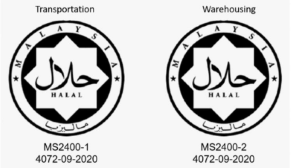
Navigating customs clearance in Malaysia can be a complex yet critical step after your products receive initial approval. To ensure seamless entry, thorough preparation of documentation is non-negotiable. Key paperwork you’ll need includes a Certificate of Analysis (COA) to verify product quality, Material Safety Data Sheets (MSDS) for hazardous items, and standard commercial records like invoices, packing lists, and airway bills. Additionally, securing approvals from Malaysia’s NPRA or MDA—depending on your product category—is mandatory. Missing any of these could trigger delays or rejections.
Customs authorities frequently conduct random inspections, particularly for unfamiliar brands or shipments lacking clarity. This makes partnering with logistics experts specializing in pharmaceutical or regulated goods invaluable. Their familiarity with local protocols and relationships with officials can preempt bottlenecks, turning potential headaches into smooth transitions.
The Halal Certification Advantage
If your target audience includes Muslim consumers or retail chains emphasizing Halal compliance, certification isn’t just optional—it’s strategic. Managed by JAKIM, Malaysia’s Halal authority, the process requires meticulous documentation tracing every component from raw ingredients to final packaging. Achieving this stamp of approval not only builds consumer trust but also unlocks doors to broader market opportunities.
Handling & Logistics: Don’t Overlook the Details
Even products not requiring cold-chain logistics face scrutiny if handling protocols aren’t transparently declared. Clear documentation of storage conditions, transportation methods, and safety measures is essential to avoid unexpected hold-ups. For instance, non-refrigerated items might still need proof of stable temperature control during transit to satisfy regulators.
Pro tip: Anticipate ambiguity. Customs officials may request unexpected clarifications, especially for novel products. Proactive communication with your logistics team and preemptive preparation of supplementary documents—like third-party test reports—can save weeks of back-and-forth.
By aligning your import process with Malaysia’s regulatory and cultural expectations, you minimize risks while maximizing efficiency. Stay ahead by treating compliance not as a hurdle, but as a foundational step in your market-entry playbook.
Learn more : Halal Certification for Pharmaceuticals & Supplements
Marketing & Retail Activation Through Distribution Channels

When entering the competitive pharmacy retail space, a critical question arises: How do you ensure your product not only reaches customers but stands out? While securing shelf space through distributors marks the first milestone, true success hinges on strategic visibility-building and meaningful engagement. Distributors serve as the backbone of pharmacy activation, but their role extends far beyond logistics—they’re instrumental in executing campaigns that drive awareness, education, and loyalty.
Strategic Activation Tactics for Lasting Impact
To cut through the noise, consider multi-layered activation strategies. One approach involves deploying eye-catching POSM materials like wobblers, shelf talkers, or branded buntings that guide shopper attention. Complement these with hands-on experiences: product sampling initiatives or exclusive trials for pharmacists create firsthand familiarity with your brand’s benefits. Meanwhile, integrating QR codes into educational leaflets bridges physical and digital engagement, allowing customers to access detailed information instantly.
Top pharmacy chains—including Guardian, Healthlane, and Caring—typically rely on distributors to handle A&P budget coordination and ensure consistent shelf replenishment. However, the real magic happens when you empower frontline pharmacy teams. Hosting in-store promotional events or “demo days” generates buzz, while loyalty incentives—think rewards for staff achieving sales targets—foster proactive advocacy. Equally vital is investing in ongoing pharmacist training programs that transform these professionals into informed ambassadors capable of articulating your product’s unique advantages.
Building Relationships That Drive Results
The true differentiator lies in human connections. By creating feedback loops—such as digital surveys or face-to-face check-ins—you gain insights to refine strategies while showing staff their input matters. This human-centered approach transforms pharmacists from passive sellers to passionate ambassadors who understand your product’s unique value proposition.
Ultimately, pharmacy retail success isn’t just about placement—it’s about crafting experiences that resonate. Combining tactical visibility efforts with meaningful staff engagement reinforces your brand’s presence and paves the way for sustainable growth. Remember: In an industry driven by trust, the relationships you build behind the counter are as crucial as the products on the shelves.
Learn more : Pharmacy Merchandising: Best Practices for Product Pricing and Promotion in Malaysia
Common Pitfalls and Compliance Risks to Avoid

Launching a pharmaceutical venture in Malaysia demands more than just capital and ambition. Even established brands with deep pockets face setbacks when they neglect regulatory nuances or distribution strategies. To carve a sustainable path in this competitive sector, founders must sidestep these recurring compliance and operational errors.
Critical Errors That Derail New Market Entrants
One frequent misstep involves product misclassification—incorrectly categorizing health supplements as over-the-counter (OTC) medications. This blunder triggers immediate regulatory red flags. Similarly, overlooking local language requirements—like omitting Bahasa Malaysia labels or Ministry of Health (MOH) safety warnings—delays approvals and risks fines.
Timing is another hurdle. Startups often miscalculate registration timelines with the National Pharmaceutical Regulatory Agency (NPRA), assuming the process wraps up in weeks. In reality, approvals take 6–12 months, especially for novel formulations. Rushing this phase leads to costly bottlenecks.
Distribution choices also make or break success. Partnering with unlicensed distributors—or those lacking pharmacy networks—limits market penetration. Worse, if your distributor has a history of non-compliance, your brand inherits their reputation risks.
Proactive Measures to Stay Compliant
Cross-verify all product labels to ensure claims align exactly with NPRA-registered indications. Even minor discrepancies—like an unauthorized health benefit—can invalidate certifications. For temperature-sensitive products, rigorously document cold-chain protocols. Auditors will scrutinize whether SOPs are not just written but consistently followed.
Before finalizing distributor agreements, conduct due diligence. Verify their license validity and review their compliance track record. A partner flagged for past violations could derail your entire supply chain.
The Competitive Edge: Audit-Readiness
Reactive compliance won’t suffice. Embedding audit preparedness into daily operations—from document management to staff training—builds resilience. Proactive brands avoid last-minute scrambles when inspectors arrive unannounced.
By prioritizing these strategies, your startup can sidestep the pitfalls that trap peers. In Malaysia’s tightly regulated pharma landscape, foresight and meticulous planning isn’t optional—it’s the blueprint for longevity.
Learn more : Medicines Supply
Navigating Malaysia’s pharmaceutical sector demands more than ambition—it requires precision, compliance, and strategic partnerships. If you’re an investor or brand owner eyeing this dynamic market, understanding the step-by-step process is critical. From legal formalities to retail execution, every phase shapes your venture’s viability. Let’s break down what it takes to establish a thriving pharmaceutical business in this competitive landscape.
Starting with entity registration, entrepreneurs must classify products accurately under Malaysia’s strict regulatory framework. Missteps here can delay approvals or invite penalties. Equally vital is collaborating with accredited pharmacy distributors who specialize in local compliance and retail logistics. These partners not only simplify licensing but also ensure your products meet National Pharmaceutical Regulatory Agency (NPRA) standards—a non-negotiable for shelf placement.
Beyond paperwork, aligning with wholesalers who have established networks is key to penetrating major pharmacy chains like Caring or Alpro Pharmacy. However, prioritize compliance over speed: avoid shortcuts like exaggerated marketing claims or incomplete registrations, which risk reputational damage and legal setbacks.
The market’s complexity underscores the value of experienced collaborators. Seasoned stakeholders, such as PriooCare Malaysia, offer end-to-end support—from streamlining approvals to optimizing in-store visibility. Their insights mitigate compliance risks while accelerating timelines, giving your brand an edge in crowded retail spaces. Moreover, tailored merchandising strategies ensure your products stand out, whether you’re introducing a single SKU or expanding an existing portfolio.
Success hinges on balancing regulatory rigor with agile execution. Partnering with distributors who understand both logistics and consumer trends bridges the gap between registration and revenue. For instance, localized marketing and inventory management adapt your offerings to Malaysia’s diverse demographics, fostering long-term customer loyalty.
How can we assist you today? 😊
Just let us know—we’re here to help!