

July 19, 2025
Operating in Malaysia’s pharmaceutical sector? Whether you’re manufacturing tablets, importing medical devices, or distributing skincare supplements, one non-negotiable truth applies: proper licensing isn’t just paperwork—it’s your golden ticket to credibility in this tightly regulated industry. From startups launching their first wellness line to established healthcare giants expanding their footprint, adherence to Malaysia’s pharmaceutical regulations separates compliant market players from those facing costly operational shutdowns.
This comprehensive guide unpacks everything you need to know about securing licenses for pharmaceutical manufacturing, importation, and wholesale distribution within Malaysia. Beyond simply listing requirements, we’ll walk you through application best practices, introduce key oversight agencies, and share insider tips to sidestep frequent compliance errors—all contextualized for Malaysia’s unique regulatory climate.
Malaysia’s National Pharmaceutical Regulatory Agency (NPRA) and Ministry of Health (MOH) enforce strict standards to ensure product safety and supply chain integrity. Operating without valid permits risks not just fines but reputational damage that can derail market entry. Consider this: A single misstep in labeling or storage documentation during inspections could delay your product launch by months. For importers of hybrid products like nutraceuticals, ambiguous category classifications often trigger unexpected compliance hurdles—a challenge our guide helps you preempt.
What This Guide Delivers
Step-by-Step Application Breakdown: Cut through bureaucratic fog with a clear roadmap for license submissions, including document checklists and processing timelines.
Regulatory Body Insights: Learn how to effectively engage with agencies like the Medical Device Authority (MDA) and Pharmacy Enforcement Division.
Risk Mitigation Strategies: Discover why 30% of applications face delays (spoiler: incomplete GMP certifications are a top culprit) and how to avoid them.
Sector-Specific Advice: Tailored guidance for manufacturers upgrading facilities versus distributors managing multi-channel logistics.
Pro Tip: Many businesses underestimate the importance of pre-application consultations with NPRA advisors—a oversight that often leads to avoidable resubmissions.
By aligning your operations with Malaysia’s evolving pharmaceutical laws, you’re not just checking compliance boxes. You’re building stakeholder trust and future-proofing your market presence. Ready to transform licensing from a hurdle into a strategic advantage? Let’s dive deeper.
Overview of Malaysia’s Pharmaceutical Regulatory Framework

Malaysia’s pharmaceutical industry operates under a meticulously structured regulatory system designed to uphold stringent standards for medication safety, effectiveness, and quality. This framework involves multiple governing bodies and legislation working in tandem to supervise every stage of drug distribution and production. Let’s explore the institutions and legal pillars shaping this critical sector.
Core Regulatory Authorities
Central to this framework is the National Pharmaceutical Regulatory Agency (NPRA), which spearheads product evaluations, licensing approvals, facility inspections, and ongoing drug safety monitoring. Acting as the frontline authority, the NPRA ensures compliance with national standards before any pharmaceutical product reaches the market.
Another key player is the Ministry of Health (MOH), responsible for establishing overarching healthcare policies and directing enforcement strategies. The MOH’s oversight ensures alignment between regulatory practices and Malaysia’s public health objectives, creating a cohesive system for both innovation and consumer protection.
Completing the triad is Pharmacy Board Malaysia, which regulates pharmacist accreditation and professional conduct. By maintaining strict licensure criteria for practitioners, this body safeguards ethical standards across pharmacies and healthcare facilities.
Legal Foundations
The sector’s operations are rooted in two pivotal laws: the Sale of Drugs Act 1952 and its subsidiary legislation, the Control of Drugs and Cosmetics Regulations 1984 (CDCR). These regulations classify pharmaceutical activities—from manufacturing to wholesale distribution—and outline mandatory compliance protocols.
Under the CDCR, businesses engaged in pharmaceutical distribution services in Malaysia must secure appropriate licenses prior to handling medicines. This requirement applies universally, whether for domestic manufacturers, importers, or specialized Malaysian pharmacy distributor enterprises. Licensing isn’t merely a bureaucratic formality—it validates adherence to Good Distribution Practices (GDP) and confirms infrastructural capabilities for safe storage and transportation.
Why Compliance Matters
Beyond legal obligations, Malaysia’s licensing system fosters trust in the pharmaceutical supply chain. Regular audits and renewal processes ensure that distributors and manufacturers maintain consistent quality, minimizing risks of counterfeit or substandard drugs entering the market. For businesses, understanding these regulations isn’t optional—it’s fundamental to operating successfully in Malaysia’s healthcare landscape.
By harmonizing rigorous oversight with clear operational guidelines, Malaysia’s framework balances industry growth with uncompromising patient safety—a model that continues to evolve alongside global pharmaceutical advancements.
Learn more : The Role of Pharmacy Distribution Services in Malaysia’s Healthcare System | Pharmaceuticals | Malaysian Investment Development Authority
Licensing for Pharmaceutical Manufacturers in Malaysia

Operating a manufacturing business in Malaysia requires strict adherence to regulatory standards. To legally produce goods, companies must secure a Manufacturer’s Licence from the National Pharmaceutical Regulatory Agency (NPRA). This permit validates that facilities meet internationally recognized Good Manufacturing Practice (GMP) benchmarks and are authorized to handle specific product types, including herbal remedies, dietary supplements, or controlled substances.
Core Compliance Criteria
First and foremost, GMP certification serves as the cornerstone of legal operations. Malaysia’s membership in the Pharmaceutical Inspection Co-operation Scheme (PIC/S) ensures alignment with global manufacturing standards, emphasizing hygiene, equipment calibration, and process consistency. Facilities must renew this certification periodically to maintain compliance.
Additionally, premise approval is non-negotiable. Manufacturing sites must adhere to health, safety, and operational guidelines outlined by Malaysian authorities. This includes proper waste management systems, ventilation, and emergency protocols to safeguard both workers and product integrity.
Another critical component involves establishing comprehensive quality systems. Manufacturers must implement documented frameworks for quality assurance, staff training modules, and traceable sourcing of raw materials. Regular audits ensure these systems remain effective and up-to-date with evolving regulations.
Navigating the Authorization Process
The licensing journey begins with registration on NPRA’s *Quest3+ portal*, the digital gateway for submissions. Applicants must prepare detailed technical dossiers containing standard operating procedures (SOPs), facility blueprints, and production workflows. Following document review, NPRA conducts onsite inspections to verify compliance.
Once the facility passes evaluation, payment of licensing fees—which vary depending on product risk categories—finalizes the process. Approval timelines fluctuate, but successful applicants receive their Manufacturer’s Licence, typically valid for one to five years.
Industry Example: Compliance in Action
A prime example is Duopharma Biotech Berhad, a major player in Malaysia’s pharmaceutical sector. The company operates multiple GMP-compliant production sites in Klang and Bangi, specializing in everything from over-the-counter medications to prescription drugs. Their adherence to NPRA standards underscores how rigorous compliance fosters both operational legitimacy and industry trust.
By meeting these requirements, manufacturers not only avoid penalties but also position themselves competitively in Southeast Asia’s growing markets. Missing even one step, however, could lead to production halts or legal repercussions—making thorough preparation essential.
Learn more : Smarter and Greener: Continuous Flow Solutions in Pharmaceutical Manufacturing
Import License Requirements for Distributors and Brand Owners
Understanding Malaysia’s regulatory framework is critical for businesses importing pharmaceutical or health products. Whether you’re a pharmacy distributor in Malaysia or an international brand expanding into Southeast Asia, compliance with licensing rules ensures smooth operations while avoiding legal hurdles.
Key Licenses for Importers
Malaysian law mandates two primary licenses for importing registered health products:
Importer’s License (Form 6)
This authorization is mandatory for importing scheduled poisons or registered pharmaceuticals. Typically secured by brand owners or local distributors representing foreign manufacturers, Form 6 is indispensable for entities handling cross-border shipments of regulated items.Wholesaler’s License (Form 7)
Required for businesses involved in the sale or distribution of registered products within Malaysia. This license ensures compliance during bulk transactions and supply chain activities.
Prerequisites for Approval
To qualify for either license, companies must fulfill these core criteria:
Operate a registered Malaysian business with a verified local address.
Appoint a licensed pharmacist as the designated regulatory contact.
Maintain storage facilities that meet Ministry of Health (MOH) standards, including temperature controls for sensitive products.
Ensure imported items possess active product registrations (e.g., MAL, NOT, or MDA numbers), confirming their approval for Malaysian markets.
Practical Application
Consider a wholesale distributor importing collagen-based dietary supplements. Before shipment, the company must secure a Form 6 license and verify each product’s MAL registration number. This step prevents customs delays and confirms the items adhere to safety standards.
Why Compliance Matters
Malaysia’s healthcare regulations prioritize consumer safety, making proper licensing non-negotiable. Partnering with local experts or legal advisors can streamline the process, especially when navigating evolving requirements. By securing the correct permits and maintaining documentation, businesses build trust with authorities while ensuring uninterrupted market access.
Wholesaler Licensing: Operating Legally as a Distributor in Malaysia

Navigating Malaysia’s pharmaceutical regulatory framework requires strict adherence to licensing protocols, particularly for businesses involved in distributing medical products. Whether you’re importing branded medications or managing logistics for pharmacies, securing a Wholesaler’s Licence (Form 7) from the National Pharmaceutical Regulatory Agency (NPRA) is non-negotiable. This license serves as the cornerstone for legally selling or supplying registered pharmaceuticals, supplements, and over-the-counter (OTC) products nationwide.
Who Needs a Wholesaler’s License in Malaysia?
The NPRA mandates this license for all entities handling pharmaceutical distribution, including but not limited to:
Companies importing branded medications for local distribution
Third-party logistics (3PL) providers specializing in healthcare products
Centralized pharmacy distributors managing large-scale operations
Regional suppliers of vitamins, supplements, or non-prescription remedies
Even logistics partners storing or transporting temperature-sensitive pharmaceuticals must obtain this certification, emphasizing Malaysia’s focus on supply chain integrity.
Step-by-Step Licensing Process
Acquiring a Wholesaler’s Licence involves a structured workflow:
Portal Registration: Begin by creating an account on the NPRA’s Quest3+ online platform, the central hub for pharmaceutical licensing.
Document Submission: Upload verified business registration documents and proof of employing a qualified pharmacist responsible for compliance oversight.
Product Disclosure: Clearly specify the categories of pharmaceuticals or health products your business will handle, including storage requirements for specialized items like biologics.
Facility Assessment: Prepare your premises for NPRA inspections, which verify proper cold chain infrastructure, secure storage areas, and inventory management systems.
Fee Payment & Approval: After submitting the RM 1,500 application fee, the NPRA typically issues decisions within 30 working days, contingent on complete documentation.
Maintaining Compliance
Licenses require annual renewal, with businesses obligated to submit updated facility audits and quality assurance reports. Recent regulatory updates now mandate digital record-keeping for easier traceability during audits. Non-compliance can trigger penalties ranging from fines to license suspension, particularly for breaches in temperature control protocols.
Pro Tip: Partner with regulatory consultants familiar with NPRA guidelines to streamline paperwork and avoid delays. While the process may seem daunting, proper preparation ensures your business meets Malaysia’s rigorous standards for pharmaceutical distribution.
License Integration with Product Registration (MAL, NOT, MDA)

Navigating Malaysia’s regulatory landscape requires clarity on how business licenses interact with product approvals. A common question arises: How do entity licensing frameworks align with mandatory product registration processes? Whether importing supplements, cosmetics, or medical devices, businesses must reconcile both requirements to operate legally.
Registration Categories Demystified
Prior to distributing any product domestically, companies must secure one of three key certifications:
MAL Registration: Governs pharmaceuticals and health supplements
NOT Notification: Applies to cosmetic products
MDA License: Required for medical devices
These classifications ensure compliance with the Ministry of Health’s standards, but here’s the critical nuance: Entity licenses (like Wholesaler/Manufacturer permits under Form 7) don’t replace product-specific registrations. Both systems operate independently yet concurrently.
Real-World Implications
Imagine an established pharmacy distributor holding valid Form 7 credentials. Despite this authorization, they’d still be barred from importing a novel vitamin supplement unless it bears either a MAL or NOT designation. This dual-layer system prevents unvetted products from entering markets, even if the distributor itself is fully licensed.
Frequent Compliance Oversights
Two recurring issues plague businesses:
Premature Product Submissions: Attempting to register items before securing entity licenses, which voids applications.
Renewal Neglect: Letting certifications lapse by missing staggered renewal dates—registrations often expire annually or biennially.
Why Parallel Systems Matter
Authorities use this structure to maintain accountability at every supply chain tier. While entity licenses validate a company’s operational legitimacy, product registrations confirm item safety and quality. Skipping either step risks penalties ranging from shipment seizures to operational bans.
Pro Tip: Always synchronize license renewals with product re-registration cycles through calendar alerts or compliance software. Malaysia’s phased deadlines can easily create administrative blindspots for unprepared businesses.
By treating licensing and registration as interconnected—not interchangeable—requirements, companies streamline market entry while avoiding costly regulatory missteps.
Compliance, Inspections, and Post-Licensing Obligations
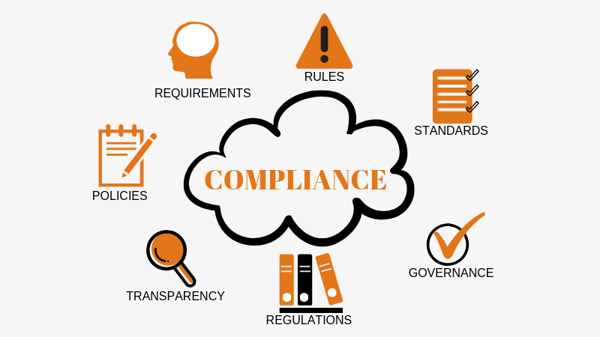
Congratulations on obtaining your NPRA license! While this milestone marks the beginning of your operations, maintaining compliance is an ongoing responsibility. Regulatory adherence ensures patient safety and safeguards your business from penalties. Here’s what you need to know about staying aligned with NPRA requirements.
Understanding NPRA Inspections: What to Expect
The NPRA routinely evaluates licensed facilities through both announced and unannounced audits. These assessments ensure adherence to pharmaceutical regulations, with inspectors scrutinizing three critical operational areas:
Inventory Oversight
Proper management of stock—including monitoring expiration dates and batch-specific controls—is essential. Mismanagement here risks distributing ineffective or unsafe products, which could harm public health.Documentation Practices
Meticulous recordkeeping isn’t optional. Sales records, shipment logs, and transaction histories must be accurate and up-to-date. Disorganized paperwork often triggers compliance issues during reviews.Recall Preparedness
Your ability to swiftly trace and retrieve defective batches is non-negotiable. Auditors test systems to confirm you can initiate recalls efficiently, minimizing risks to consumers.
Consequences of Falling Short
Failing an inspection carries serious repercussions. Minor lapses may result in warnings, but repeated or severe violations can lead to license suspension, revocation, or financial penalties under the Sale of Drugs Act. In extreme cases, legal proceedings may follow, tarnishing your facility’s reputation.
Pro Tips for Seamless Compliance
Digitize Records: Transitioning to digital logs simplifies audits and reduces human error. Cloud-based systems enable real-time updates and easy access during inspections.
Communicate Proactively: Notify the NPRA immediately of operational changes—whether it’s a new address, pharmacist-in-charge, or expanded services. Delayed reporting can inadvertently breach compliance.
Conduct Internal Audits: Regular self-assessments help identify gaps before official inspections. Train staff to prioritize compliance in daily workflows.
Staying compliant isn’t just about avoiding penalties—it’s about upholding trust in your services. By integrating these practices, you’ll foster a culture of accountability and ensure long-term success in Malaysia’s tightly regulated pharmaceutical landscape. Remember, consistency is key; treat every day like it’s audit day.
Learn more : WHO Guidelines on Good Distribution Practices
Strategic Role of Licensing in Pharmacy Distribution Services
In Malaysia’s competitive pharmacy distribution landscape, securing operational licenses transcends mere regulatory compliance—it serves as a cornerstone for establishing authority and unlocking growth opportunities. While many view licensing as bureaucratic red tape, forward-thinking organizations recognize its role as a critical differentiator in building sustainable success.
Elevating Trust in Healthcare Networks
Possessing government-approved credentials instantly elevates a company’s standing among hospitals, clinic networks, and pharmacy chains. These entities prioritize partnerships with licensed distributors to mitigate risks and ensure adherence to national safety standards. This validation becomes particularly vital when handling sensitive medical products, where accountability directly impacts patient outcomes.
Access to Lucrative Contracts
Beyond reputation-building, licensure acts as a golden ticket for bidding on Ministry of Health (MOH) tenders and high-value private sector agreements. Regulatory approval signals operational maturity, making licensed firms preferred collaborators for multinational corporations entering the Malaysian market. The capability to participate in these opportunities often separates industry leaders from smaller competitors.
Simplifying Regional Operations
For businesses eyeing ASEAN expansion, standardized licensing creates smoother cross-border trade pathways. Harmonized documentation reduces customs bottlenecks when distributing products to neighboring markets like Thailand or Indonesia, enabling faster market penetration. This logistical advantage proves crucial in time-sensitive pharmaceutical shipments where delays could compromise product efficacy.
Case Studies in Strategic Growth
Market leaders like DKSH Malaysia and Apex Pharma exemplify how licensing can be leveraged beyond basic compliance. By maintaining impeccable regulatory records, these companies have secured exclusive distribution rights for specialized medications and forged alliances with European manufacturers. Their licensing portfolios not only demonstrate operational excellence but also reassure investors about long-term stability.
The strategic value of licensing lies in its dual function as both a trust-building tool and growth accelerator. While the application process demands rigorous quality control systems and audits, the payoff manifests through enhanced negotiating power, diversified revenue streams, and sustained industry relevance. In an era where healthcare consumers prioritize transparency, proper licensure serves as silent salesperson—communicating reliability without uttering a word.
Learn more : Cost-Effective Strategies for Pharmacy Distribution in Malaysia | Technology and Transparency: How the Pharma Supply Chain Must Adapt
Common Licensing Challenges and How to Overcome Them

Securing pharmaceutical licenses remains a critical yet complex milestone for businesses entering regulated markets. While essential for legal operations, the process often presents multiple roadblocks that can derail timelines or inflate budgets. Understanding these obstacles—and proven methods to address them—is vital for companies aiming to thrive in this tightly controlled sector.
Top Licensing Challenges Faced by Businesses
One common pain point involves substantial upfront investments required for compliance upgrades. Meeting Good Manufacturing Practice (GMP) standards or facility modifications often strains financial resources, particularly for smaller enterprises. Another frequent issue stems from submitting incomplete documentation, whether due to unclear NPRA guidelines or oversight in quality control protocols.
Timing complications also arise, with lengthy delays in scheduling NPRA inspections creating bottlenecks. These holdups disrupt launch plans and inventory management. Additionally, many organizations struggle with inefficient renewal tracking systems, leading to lapsed licenses and operational interruptions that damage both reputation and revenue streams.
Proactive Strategies for Smoother Licensing
To navigate these hurdles, partnering with specialized regulatory consultants offers immediate advantages. These experts streamline documentation, pre-audit preparations, and compliance mapping, reducing error margins. Leveraging digital tools like NPRA’s Quest3+ online portal enhances transparency, allowing real-time application tracking and deadline reminders.
Adopting a phased licensing approach can also mitigate risk. Starting with a limited product scope or regional distribution allows companies to refine processes before expanding—a tactic that minimizes upfront costs while building regulatory credibility.
Case Study: Efficient Licensing in Action
A Selangor-based pharmaceutical distributor exemplifies this strategic approach. Facing stalled progress due to documentation errors, the firm collaborated with regulatory specialists to overhaul its submission package. Within 30 days, they cleared NPRA inspections—a process that typically spans months—and secured approval. Today, the company supplies over 150 pharmacies nationally, attributing its scalability to optimized compliance practices.
While pharmaceutical licensing demands meticulous planning, combining expert guidance with smart process design transforms a daunting regulatory maze into an manageable pathway. Businesses that prioritize adaptability and invest in targeted resources position themselves not just for compliance, but for sustainable market growth.
Learn more : Affordable Pharmacy Distribution Solutions for Small Pharmacies and Clinics in Malaysia
In Malaysia’s fast-evolving pharmaceutical landscape, securing the correct licenses isn’t just a legal formality—it’s the bedrock of long-term viability. For stakeholders ranging from large-scale pharmacy wholesalers to specialized wellness startups and local distribution networks, robust regulatory compliance isn’t optional. It’s the catalyst for unlocking untapped markets, fostering collaborations with industry leaders, and cementing credibility among healthcare professionals and consumers alike.
The stakes are high. Imagine your distribution arm aiming to introduce cutting-edge medical devices or your wellness brand preparing to launch a premium supplement range. Without alignment with Malaysia’s stringent regulatory framework, even the most innovative products risk delays, fines, or reputational damage. Conversely, a well-structured licensing strategy not only safeguards operations but also positions businesses as trustworthy partners in a sector where patient safety and quality assurance are non-negotiable.
Modern pharmaceutical success hinges on agility. For wholesalers, licenses streamline access to hospital tenders and government contracts. Wellness brands leveraging compliant certifications can differentiate themselves in crowded markets, appealing to discerning consumers who prioritize transparency. Independent distributors, meanwhile, gain leverage to negotiate partnerships with global manufacturers when their permits reflect adherence to international standards.
Yet navigating Malaysia’s regulatory maze demands expertise. From adhering to the Control of Drugs and Cosmetics Regulations to understanding evolving cannabis-derived product guidelines, missteps can derail growth. This complexity underscores why proactive licensing management—not reactive fixes—is essential for scalability.
If your ambitions include expanding your product portfolio or dominating regional distribution channels, now’s the time to audit your compliance foundations. Don’t let paperwork slow your momentum.
How can we assist you today? 😊
Just let us know—we’re here to help!